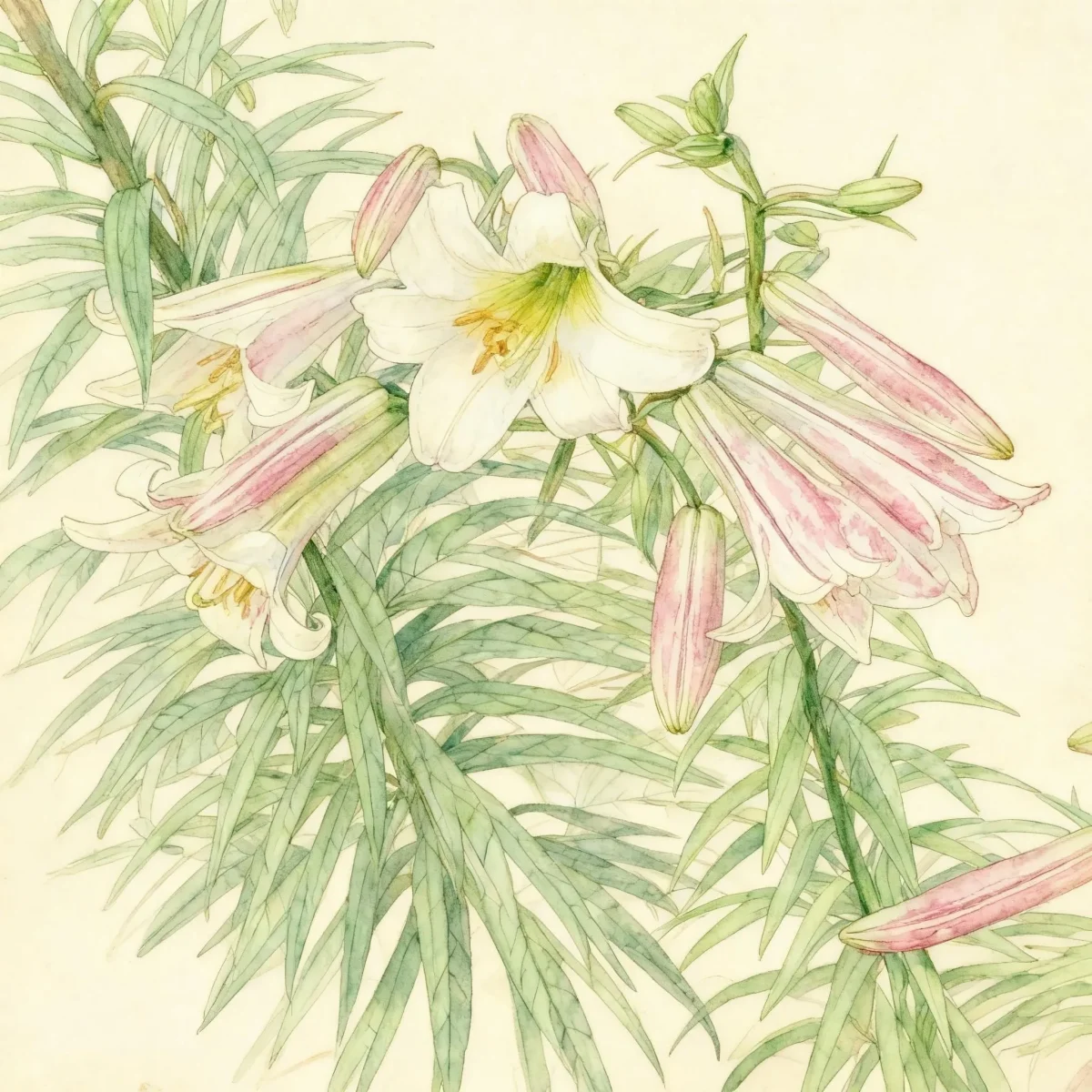
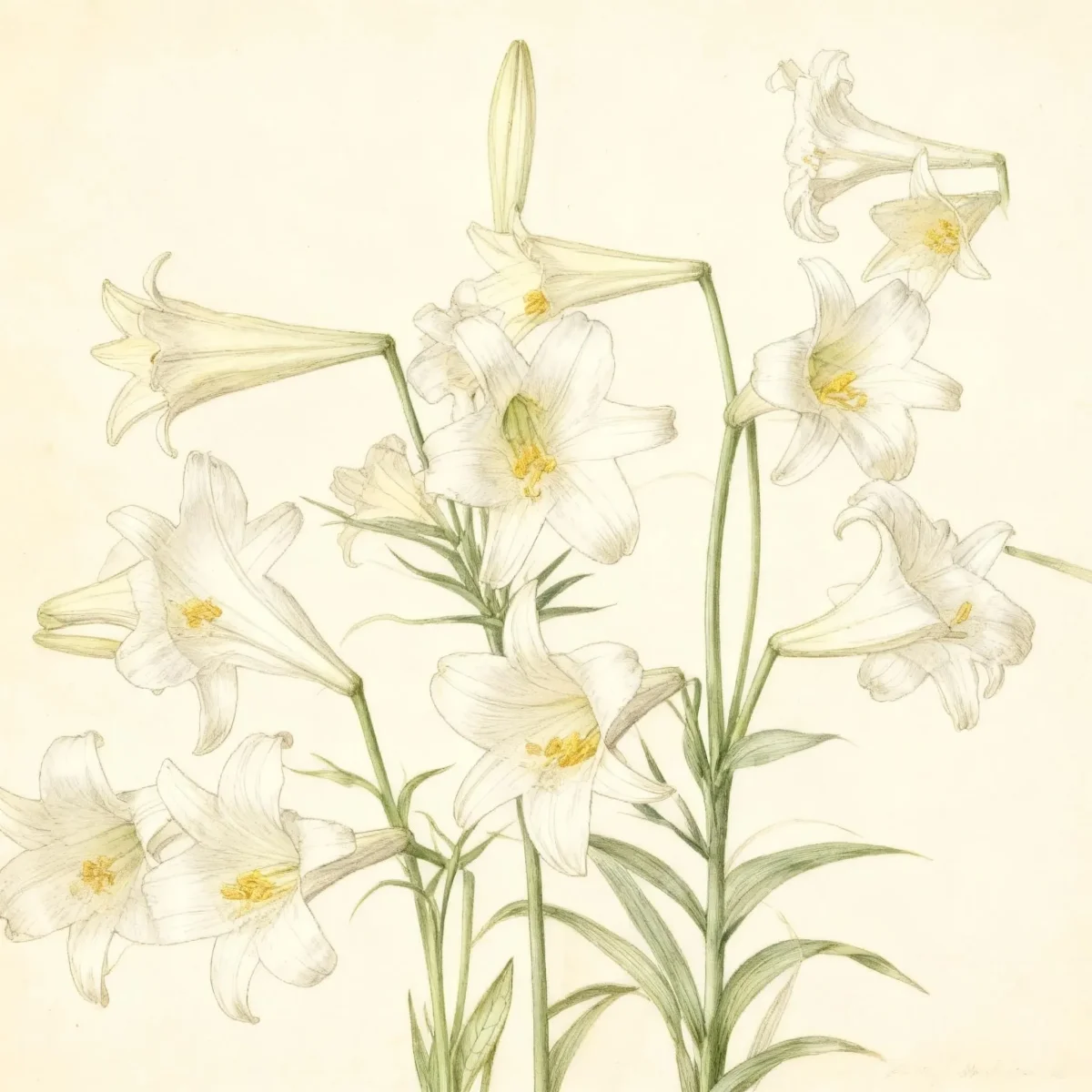
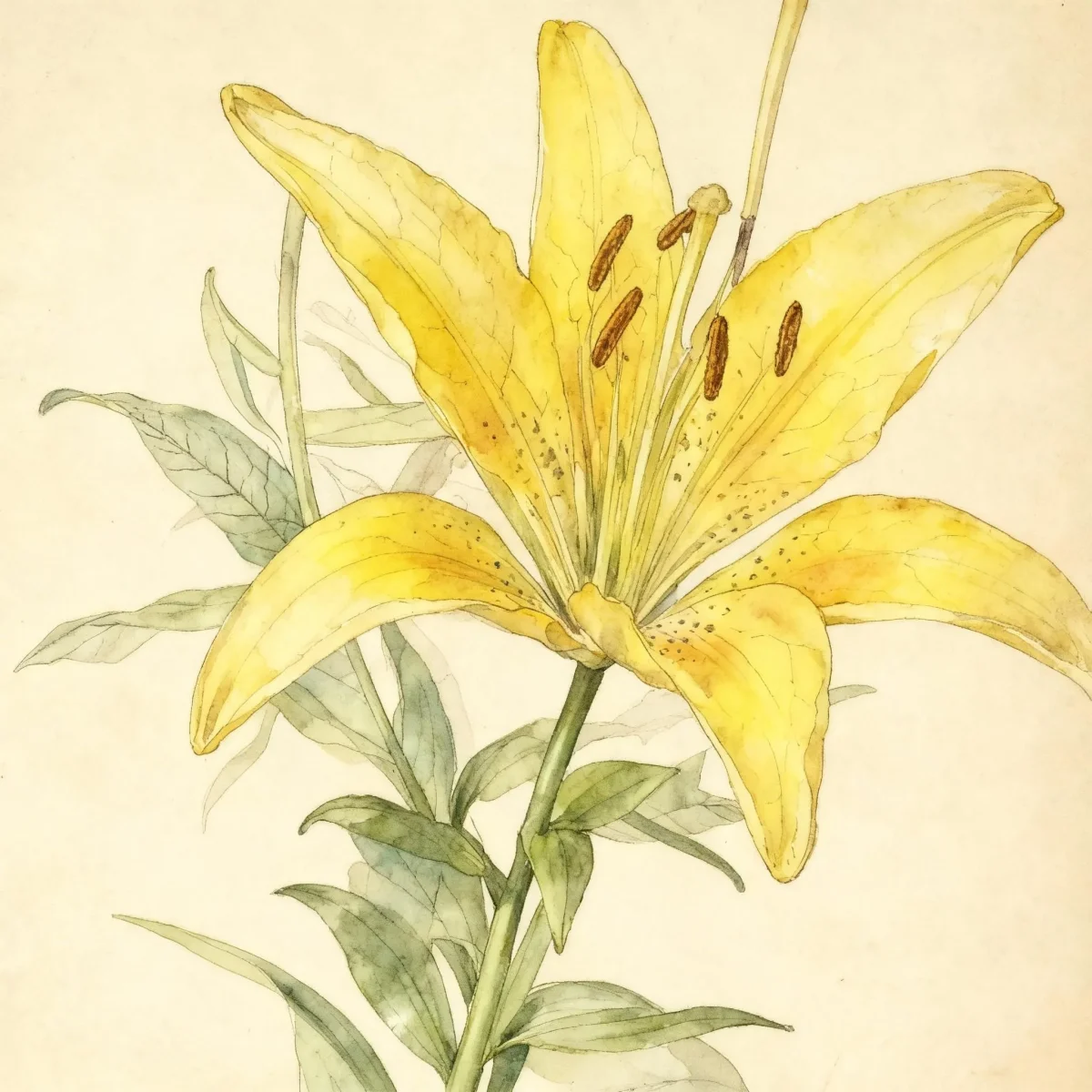
Trumpet lily (Lilium 'Amethyst Temple')
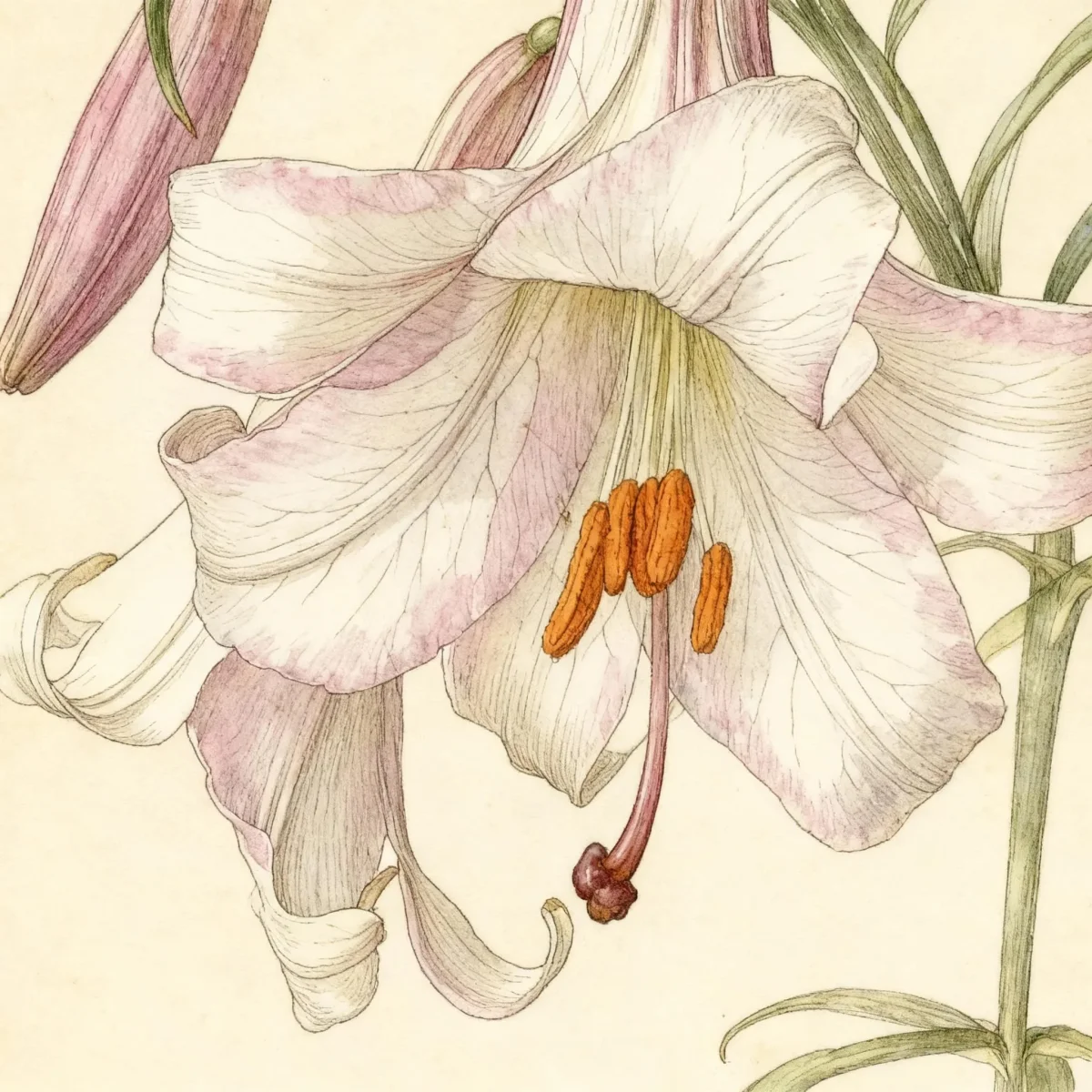
Experience the striking beauty of Lilium 'Amethyst Temple', a fragrant Trumpet lily with showy amethyst pink blooms in midsummer.
Scroll down to discover growing tips, care requirements, companion plants, and more
Complete Plant Information
Overview
The Lilium ‘Amethyst Temple’, a striking cultivar of the Trumpet lily group, offers exceptional vertical accents in the summer garden. Known for its magnificent, trumpet-shaped flowers, this bulbous perennial delivers rich amethyst pink coloration paired with delightful fragrance. Gardeners prize Lilium ‘Amethyst Temple’ for its bold stature, reaching heights between four and six feet, adding dramatic focal points to perennial borders.
As a Division 6a Trumpet/Aurelian hybrid, it carries the impressive lineage associated with large, award-winning lilies. Its reliable performance and relatively low maintenance requirements make it an accessible choice for both new and experienced lily enthusiasts looking for midsummer color impact.
Proper placement is key, ensuring the plant receives full sun for its upper portions while keeping the bulb roots cool using shade or mulch. This classic beauty is an essential addition for anyone cultivating a traditional or cottage-style garden seeking reliable, showy summer blooms from their bulbs.
Fast Facts
- Plant Family: Liliaceae
- Plant Type: Bulb
- Hardiness Zones: USDA Zones 4-8
- Size at Maturity:
- Height: 4-6 ft
- Spread: 1-2 ft
- Bloom Time: July to August
- Bloom Description: Amethyst pink
- Sun Exposure: Full sun to part shade
- Water Needs: Medium
- Maintenance Level: Low
How to Grow
Planting Lilium ‘Amethyst Temple’ bulbs is best achieved in the fall, although some nurseries ship potted plants suitable for spring or early fall planting. Ensure the soil is well-drained, average to medium in moisture, and rich with organic matter. Plant bulbs deeply, approximately 4-6 inches down, spacing groups of three about 12 inches apart for the best visual effect.
Consistent moisture is vital for healthy Trumpet lily growth; bulbs require even moisture year-round, but avoid overly wet conditions which invite bulb rot. A crucial cultural tip is creating shade for the roots while the upper stems bask in the sun—apply mulch liberally around the base to keep the root zone cool. Taller stems, especially if grown in too much shade or windy spots, may require staking for support.
Maintenance is generally low. Deadhead faded flowers promptly to prevent seed formation, but wait until the foliage and stems naturally turn yellow late in the season before cutting them back completely. This allows the plant to properly store energy in the bulb for next year’s magnificent display of Lilium ‘Amethyst Temple’.
Landscape Uses
The sheer size and vibrant color of the Lilium ‘Amethyst Temple’ make it an excellent selection for the back of the perennial border, where it can provide height and contrast against shorter specimens blooming earlier or later. Planting these Trumpet lilies in groups of three or more maximizes their impact, transforming a simple border into a show garden feature during July and August.
Beyond traditional bedding, these lilies adapt well to container culture, though flowers may be slightly reduced in size when confined. They are superb as long-lasting, fragrant additions to fresh flower arrangements, making them a dual-purpose landscape plant.
Consider pairing the deep amethyst tones of this specific Trumpet lily with silvery foliage plants or deep blues and purples that complement the hue without clashing. Their upright habit also works well when interspersed with medium-height grasses or structural shrubs that provide necessary structure when the lilies are dormant.
Standout Features
Flower Qualities
- Showy
- Fragrant
Noteworthy Characteristics
Lilium is a genus of about 100 species of bulbous, herbaceous perennials native to Europe, North America and Asia south to the Philippines. Lilium ‘Amethyst Temple’ is classified as a Division 6a Trumpet/Aurelian hybrid lily, featuring fragrant, trumpet-shaped, amethyst pink flowers. These perennials typically stand 4-6’ tall, blooming in mid-summer, and are highly suitable for use as fresh cut flowers.
Tolerances
No specific tolerances listed.
Potential Problems
Gardeners must be vigilant against the lily leaf beetle, which can quickly defoliate plants in certain regions; prompt manual removal or appropriate treatment is necessary. Culturally, bulb rot is a major concern if the soil drains poorly or holds too much moisture, so excellent soil structure is imperative for the long-term health of your Lilium bulbs. Furthermore, monitor for aphids, as they transmit lily mosaic virus, for which there is no cure; rapid aphid control is strongly advised to safeguard your Trumpet lily collection.
Frequently Asked Questions
What hardiness zones is Trumpet lily suitable for?
The Lilium ‘Amethyst Temple’ is reliably hardy in USDA Zones 4 through 8.
How large does Lilium ‘Amethyst Temple’ grow?
This variety typically achieves a height between 4 and 6 feet, with a spread spanning 1 to 2 feet.
When does Lilium ‘Amethyst Temple’ bloom?
This Trumpet lily displays its beautiful amethyst pink flowers from July through August, peaking in midsummer.
What sun exposure does Lilium ‘Amethyst Temple’ need?
This lily thrives best when situated where it receives full sun, ensuring the upper plant receives plenty of light, though it tolerates partial shade.
Conclusion
The Lilium ‘Amethyst Temple’ offers exceptional fragrance and commanding height, securing its place as a summer highlight in any garden setting. Its amethyst pink, showy blossoms exemplify the grandeur of the Trumpet lily class. Before planting, verify that your location falls within USDA Zones 4-8 and plan for deep, well-drained soil to ensure a magnificent display next season.
Companion Planting
Selecting appropriate companions is crucial for managing the microclimate required by Lilium ‘Amethyst Temple’. Because these lilies prefer cool roots, plant lower-growing, dense perennials around their base. Good companions include hardy Geraniums (Cranesbill) or low-spreading Hostas, which provide the necessary shade for the bulb crown while their foliage obscures the fading lower leaves post-bloom.
Avoid companions that demand aggressive watering or heavy fertilization, as this can interrupt the consistent moisture needs of the lily bulbs. Groundcovers that stay short, such as creeping Thyme, can also work well, provided they do not compete heavily for sunlight where the Trumpet lily stems are growing.
Seasonal Care Calendar
Spring preparation involves ensuring adequate soil moisture is available as new shoots emerge from the bulb, applying mulch to keep the root zone cool. As summer progresses through the July to August bloom period, monitor for pests like lily beetles and promptly remove spent flowers to encourage bulb energy storage.
In the transition to fall, monitor for dryness, as bulbs need moisture until dormancy sets in. After the first hard frost, or once the foliage has fully yellowed, cut back the spent stems of the Lilium ‘Amethyst Temple’ to about ground level, preparing the bed for winter protection if needed, though generally, they are self-sufficient in their specified hardiness range.