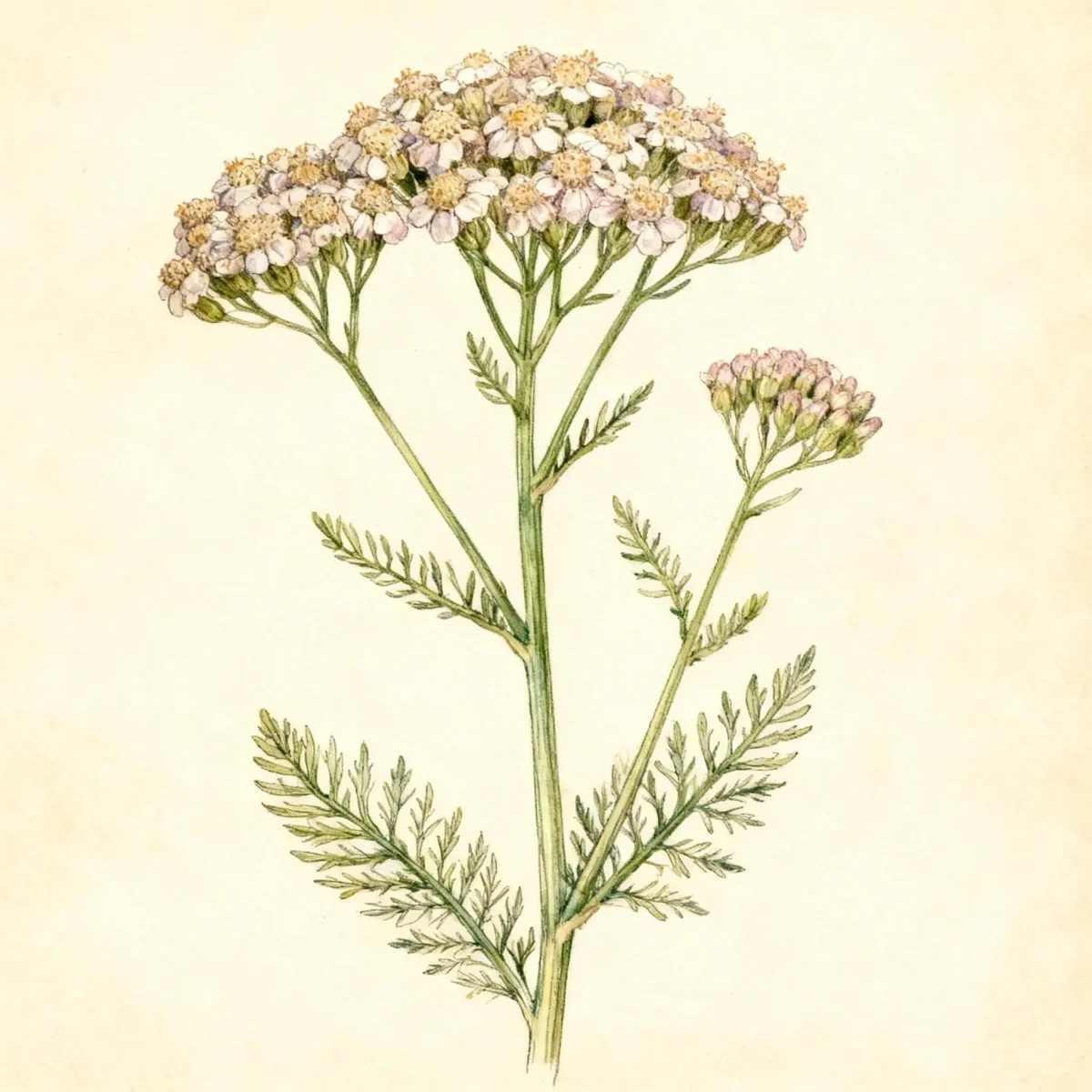
Siberian yarrow (Achillea sibirica 'Stephanie Cohen')
Achillea sibirica 'Stephanie Cohen' is a low-maintenance Siberian yarrow producing long-blooming pale pink flowers in full sun.
Scroll down to discover growing tips, care requirements, companion plants, and more
Complete Plant Information
Overview
Achillea sibirica ‘Stephanie Cohen’, commonly known as Siberian yarrow, is highly valued in the garden for its reliability and extended flowering period, bringing soft color to hot, dry spots. This upright, tufted perennial offers dense, flattened corymbs of pale pink flowers that persist from early summer well into the fall months. The foliage itself, being finely dissected and dark green, provides excellent texture contrast throughout the season.
As a selection of Siberian yarrow, this cultivar thrives under conditions that challenge many other perennials, making it an indispensable choice for xeriscaping or sunny, lean garden areas. Its low maintenance requirements mean gardeners can enjoy its beauty without intensive care, provided it receives ample sunlight and sharp drainage.
The history associated with the genus, referencing Achilles’ use of yarrow medicinally, adds a layer of interest, though its modern appeal rests firmly on its drought tolerance and aesthetic contribution to sunny borders. Incorporating Achillea sibirica ‘Stephanie Cohen’ ensures structural interest complemented by its prolonged bloom.
Fast Facts
- Plant Family: Asteraceae
- Plant Type: Herbaceous perennial
- Hardiness Zones: USDA Zones 5-8
- Size at Maturity:
- Height: 1-2 ft
- Spread: 1-2 ft
- Bloom Time: June to September
- Bloom Description: Pale pink with darker center
- Sun Exposure: Full sun
- Water Needs: Dry to medium
- Maintenance Level: Low
How to Grow
Planting Siberian yarrow should occur when the soil is workable, ideally in spring or early fall. The single most critical requirement for successful cultivation of Achillea sibirica ‘Stephanie Cohen’ is excellent drainage. Choose a location receiving full sun, as this promotes the best flower production and robust stems. While it prefers average, dry to medium moisture, it is exceptionally tolerant of lean or poor soils, thriving where richer soils might cause flopping. Avoid heavy clay soils or planting in overly moist, rich sites, as these conditions significantly increase the risk of stem rot.
Maintenance for this tough perennial is minimal. Water only sparingly once established, as Achillea sibirica ‘Stephanie Cohen’ handles drought conditions well. Fertilizing is generally discouraged, as too much fertility encourages weak, floppy growth, especially in humid summers. Deadheading spent flower heads down to lateral buds helps encourage continuous blooming throughout the summer.
For tidiness and to potentially stimulate a light flush of fall flowers, cut the entire plant back to the basal leaves immediately after the main bloom window closes. Every three to four years, you should divide overcrowded clumps to maintain vigor and plant health. Propagation of the species is often done via seed, but cultivars like ‘Stephanie Cohen’ are usually increased by division.
Landscape Uses
Siberian yarrow grows exceptionally well in sunny, hot, and dry locations where many other perennials struggle. This makes it a perfect backbone plant for the middle or rear of a sunny border, providing vertical accents (up to 2 feet tall) throughout the crucial mid-summer season. Grouping or massing Achillea sibirica ‘Stephanie Cohen’ creates impressive drifts of soft pink color that contrast beautifully with the fine texture of its foliage.
Consider using this durable plant in cottage garden designs where it complements daisies, salvia, and shorter ornamental grasses. Its drought tolerance also secures its place in rock gardens or sloped areas that drain quickly. Furthermore, its robust nature makes it suitable for edging pathways where high traffic or harsh conditions are common.
Standout Features
Flower Qualities
- Showy
Noteworthy Characteristics
Achillea sibirica is an upright, tufted, perennial yarrow that is native to Siberia, typically growing 12–30 inches tall. Flowers bloom in summer in dense, flattened corymbs, featuring dull white disk flowers surrounded by white rays, though ‘Stephanie Cohen’ offers pale pink coloration. The genus name Achillea references the Greek hero Achilles, who reputedly used the plant to treat soldiers’ wounds.
Tolerances
- Deer
- Drought
- Dry Soil
Potential Problems
Occasional disease issues may include stem rot, powdery mildew, and rust, particularly if air circulation is poor or excessive moisture is lingering. To manage physical damage, be aware that strong summer rainstorms coupled with high winds can sometimes damage exposed plantings, leading to stem flopping or matting. If the stems flop or become matted, simply cut the entire clump back hard to the basal leaves; the plant will respond quickly with fresh, clean growth.
Frequently Asked Questions
What hardiness zones is Siberian yarrow suitable for?
Achillea sibirica ‘Stephanie Cohen’ is hardy and reliably thrives in USDA Zones 5 through 8.
How large does Siberian yarrow grow?
This cultivar generally reaches a mature height between 1 to 2 feet tall, with a comparable spread of 1 to 2 feet wide.
What sun exposure does Achillea sibirica ‘Stephanie Cohen’ need?
This perennial requires full sun exposure to perform optimally, ensuring dense blooms and sturdy, upright stems.
When does Siberian yarrow bloom?
Siberian yarrow blooms extensively from June right through September, featuring attractive pale pink flowers with darker centers.
Conclusion
The Achillea sibirica ‘Stephanie Cohen’ offers gardeners a highly resilient, long-flowering perennial perfect for sunny, dry borders. Its low demand for water and maintenance, coupled with its deer resistance, makes this Siberian yarrow a superb workhorse in the landscape. Plan your planting schedule around the optimal spring or fall dates, ensuring sharp drainage to maximize the lifespan and beauty of your Achillea sibirica ‘Stephanie Cohen’.
Companion Planting
When selecting companions for Achillea sibirica ‘Stephanie Cohen’, focus on other drought-tolerant perennials that enjoy full, hot sun. Plants that share similar cultural needs will help achieve a cohesive, low-water garden tapestry. Consider pairing the finely textured foliage of the yarrow with plants that offer contrasting leaf shapes, such as the broad leaves of Sedum ‘Autumn Joy’ or the spiky texture of Russian Sage (Perovskia atriplicifolia).
For color schemes, plants with deep blues or vivid purples create spectacular complementary palettes against the pale pink blooms of the yarrow. Good structural companions include Lavender (Lavandula), which shares the need for dry, well-drained soil and full sun exposure. These combinations result in vibrant, long-lasting displays that require minimal supplemental irrigation once established.
Propagation Tips
While species Achillea can be grown from seed, propagating the specific cultivar Achillea sibirica ‘Stephanie Cohen’ is best handled through division to ensure genetic consistency. Divide the clumps every three to four years, ideally in early spring before new growth fully emerges, or in early fall after the summer temperatures have moderated.
When dividing, use a sharp spade to carefully lift the entire clump. Gently tease apart sections, ensuring each new piece has a healthy root system attached. Replant the divisions immediately into prepared soil, spacing them appropriately to allow for future growth. Keep these divisions consistently moist for the first few weeks until they have re-established their root systems.