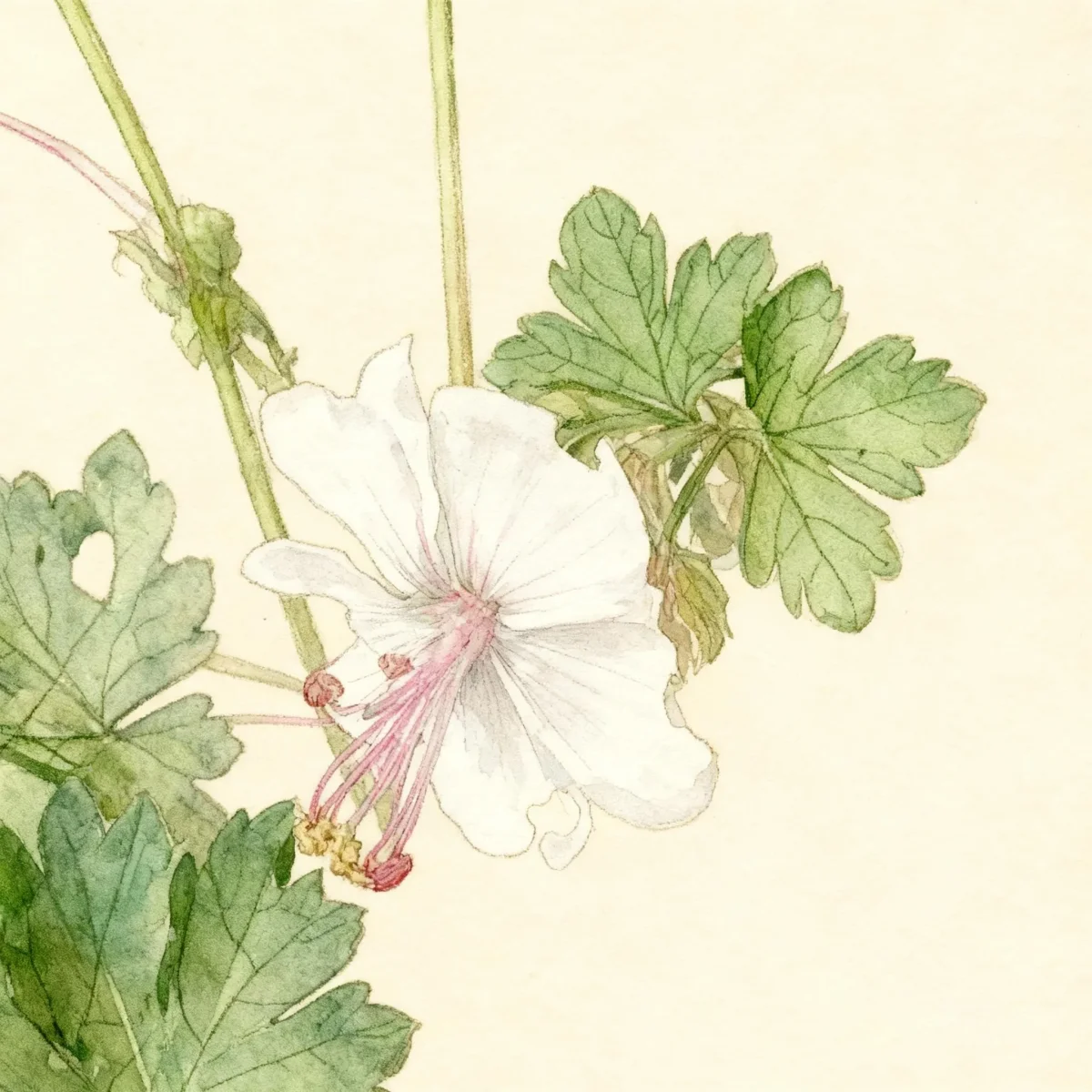
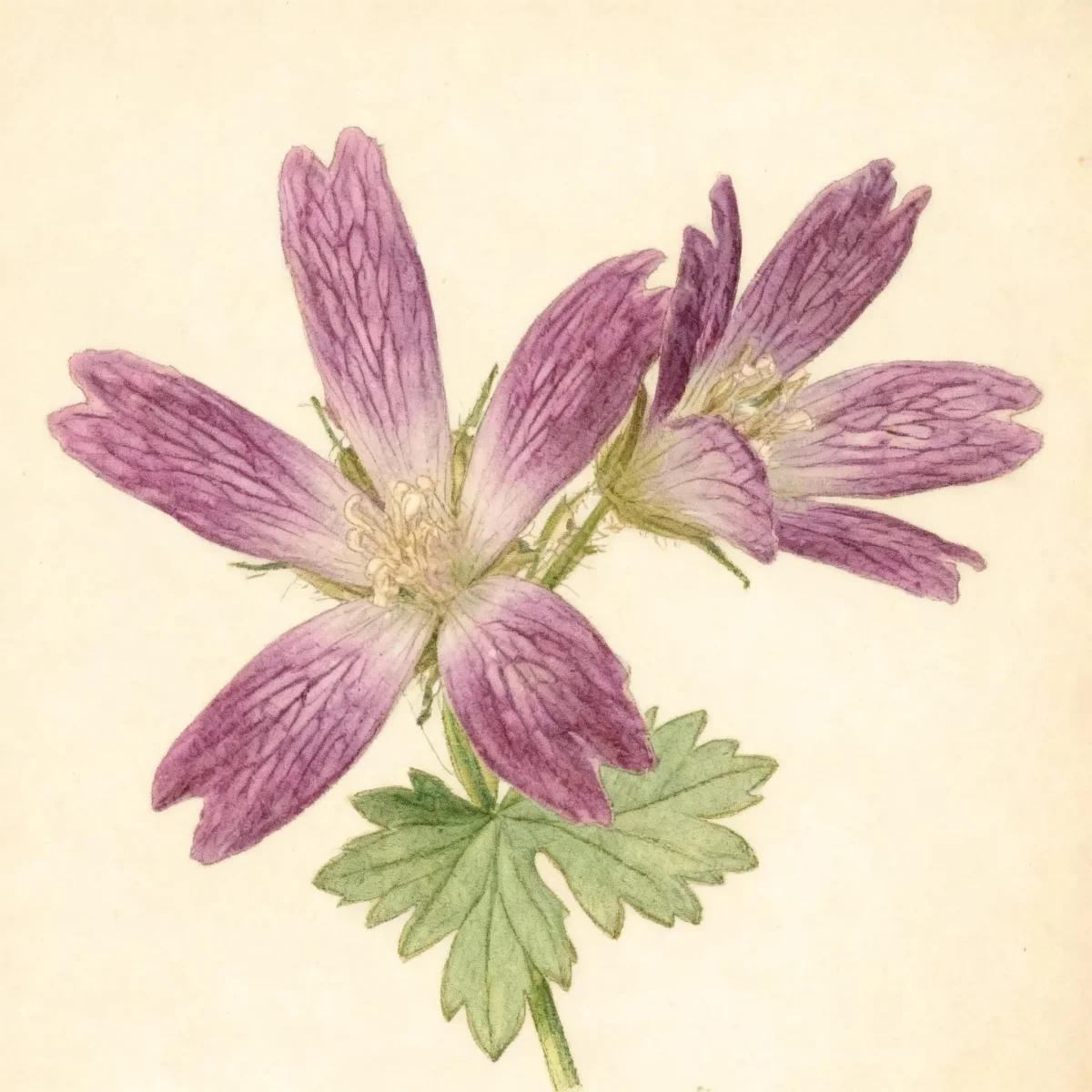
Geranium (Geranium albanum 'Pink and Stripes')
Discover Geranium albanum 'Pink and Stripes', a low-maintenance Geranium with showy blooms. Ideal for zones 5-8.
Scroll down to discover growing tips, care requirements, companion plants, and more

Complete Plant Information
Overview
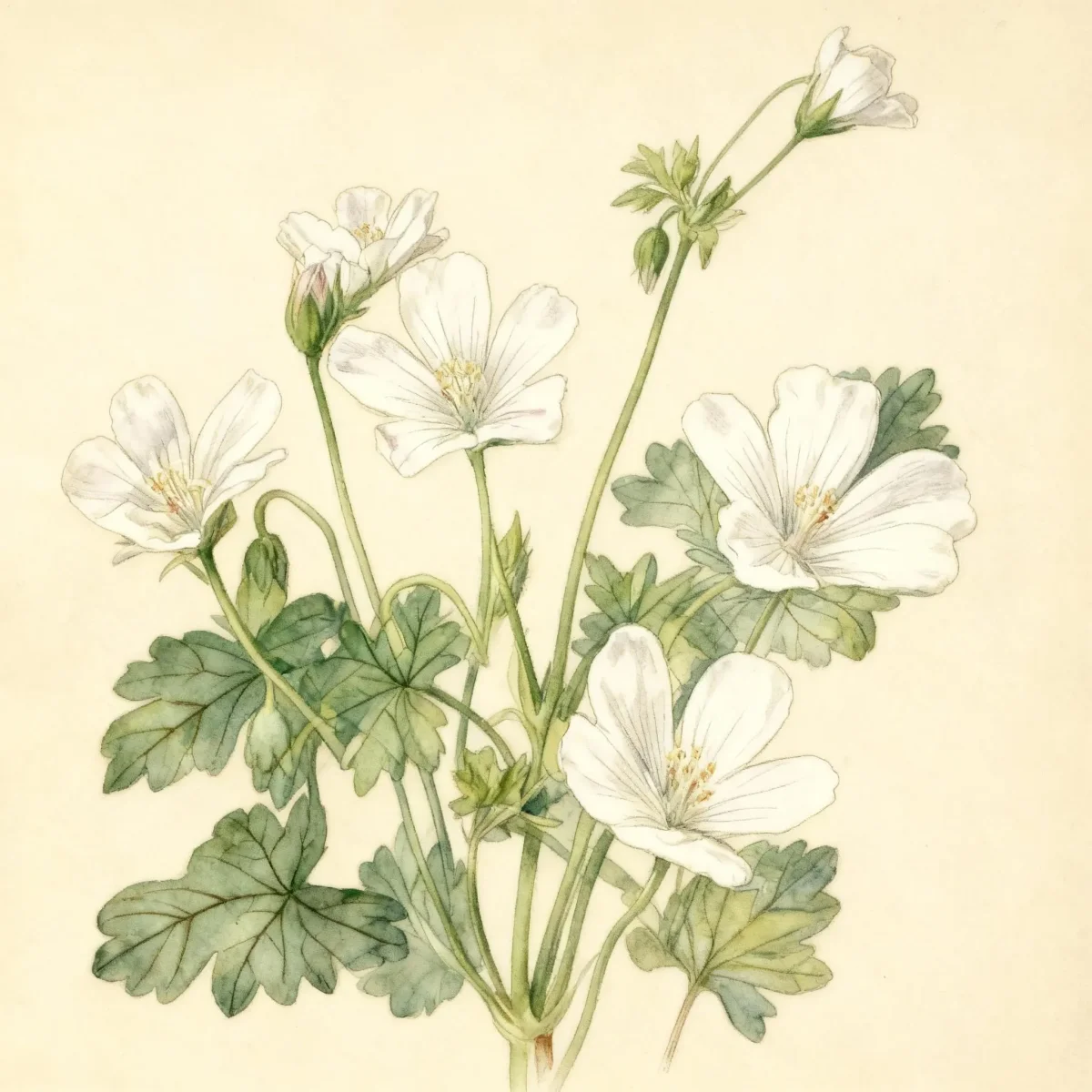
Geranium albanum ‘Pink and Stripes’ is a delightful herbaceous perennial prized for its gracefully veined summer blooms and low-maintenance nature. This specific cultivar of Geranium offers a distinct aesthetic with petals colored pink and accentuated by striking dark pink veining, making it a standout in the spring and summer garden. As a low-growing Albanian cranesbill, it forms a neat basal clump accented by spreading, procumbent stems, perfect for softening hard edges.
This variety of Geranium is celebrated for its adaptability, thriving in full sun while remaining relatively drought-tolerant once established. Its easy-going culture and attractive foliage, combined with its showy flowers, make Geranium albanum ‘Pink and Stripes’ an excellent foundational plant for numerous garden designs. Gardeners appreciate this Geranium for its reliability and ability to provide continuous color with minimal fuss throughout the growing season.
The genus name, Geranium, derives from the Greek word for crane, referring to the shape of its fruit. While native to the eastern Caucasus, Geranium albanum ‘Pink and Stripes’ has proven itself a hardy specimen suitable for USDA zones 5 through 8, rewarding gardeners with a lovely display through mid-summer.
Fast Facts
- Plant Family: Geraniaceae
- Plant Type: Herbaceous perennial
- Hardiness Zones: USDA Zones 5-8
- Size at Maturity:
- Height: 1-1.5 ft
- Spread: 1-2 ft
- Bloom Time: June to August
- Bloom Description: Pink with dark pink veining
- Sun Exposure: Full sun
- Water Needs: Medium
- Maintenance Level: Low
How to Grow
Planting Geranium albanum ‘Pink and Stripes’ is best achieved in the spring or early fall, giving it time to establish a root system. Ensure it is situated in full sun to maximize flowering, though it can tolerate some light afternoon shade. The ideal soil is average, humusy, medium moisture, and critically, well-drained. Avoid heavy, waterlogged clay where root health might suffer.
Maintenance for this Geranium is delightfully low. Water needs are medium; while it tolerates short periods of drought, consistent moisture will encourage the best performance. Fertilizing is rarely necessary if the native soil is reasonably fertile. After the initial flush of bloom, especially in warmer climates, the foliage may start to look tired.
To revitalize Geranium albanum ‘Pink and Stripes’ after flowering, simply shear the trailing stems back lightly to shape the plant. This encourages fresh, vigorous new growth and keeps the presentation tidy. Trailing stems can be pruned at any time to manage its spread within the garden bed.
Landscape Uses
Geranium albanum ‘Pink and Stripes’ excels in various landscape applications due to its neat, spreading habit and vibrant flowers. It is perfectly suited for use in borders where its medium height (1 to 1.5 feet) can frame taller plantings or spill visually over the edge. Its spreading stems also make it an effective mass planting for ground cover, suppressing weeds while providing season-long color interest.
For rock gardens, this particular Geranium offers robust color nestled among stone elements. Furthermore, containers and raised beds are excellent settings for highlighting the delicate veining of the flowers, especially when paired with contrasting textured foliage. Grouping several plants together creates a stunning swath of pink and striped blooms throughout summer.
Standout Features
Flower Qualities
- Showy
Noteworthy Characteristics
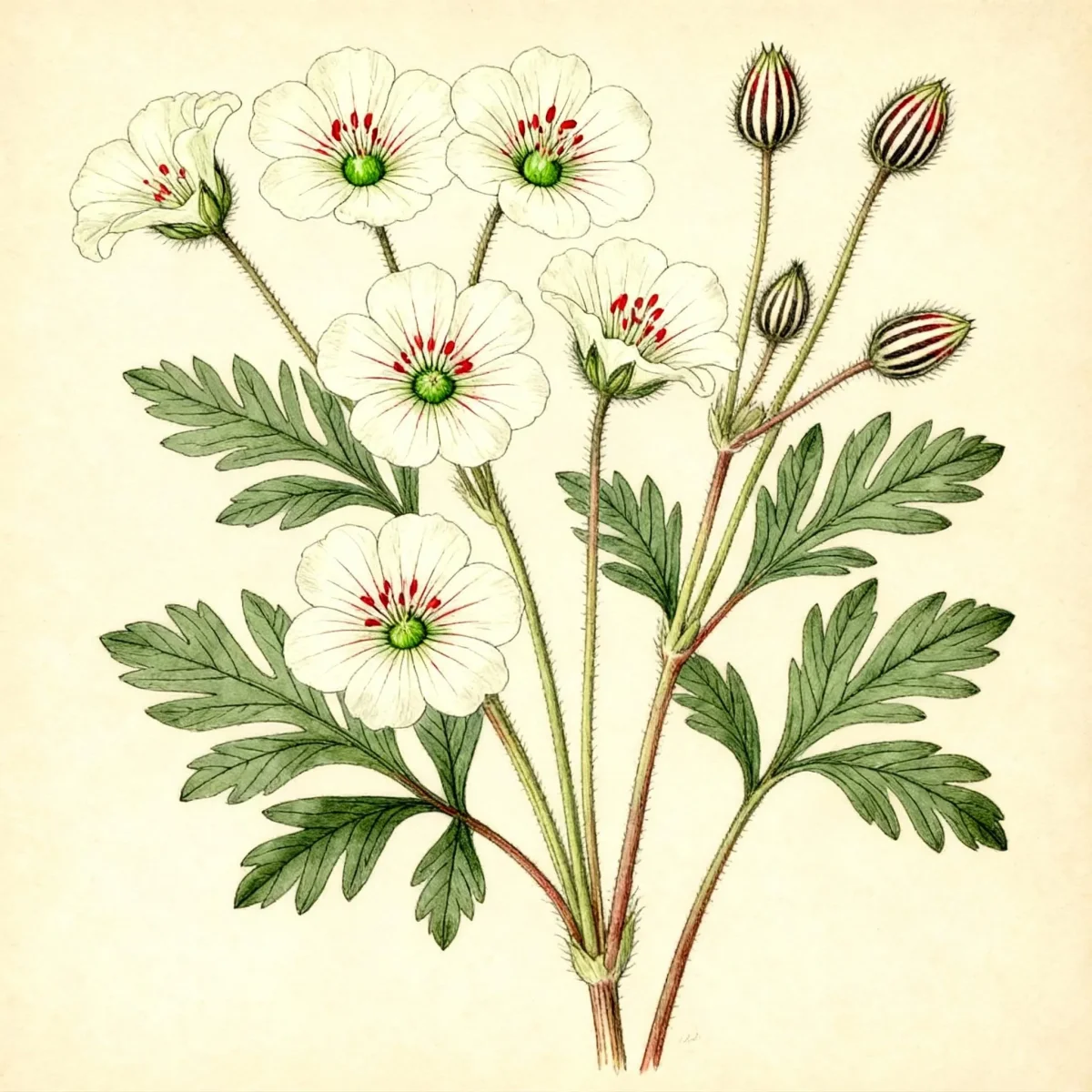
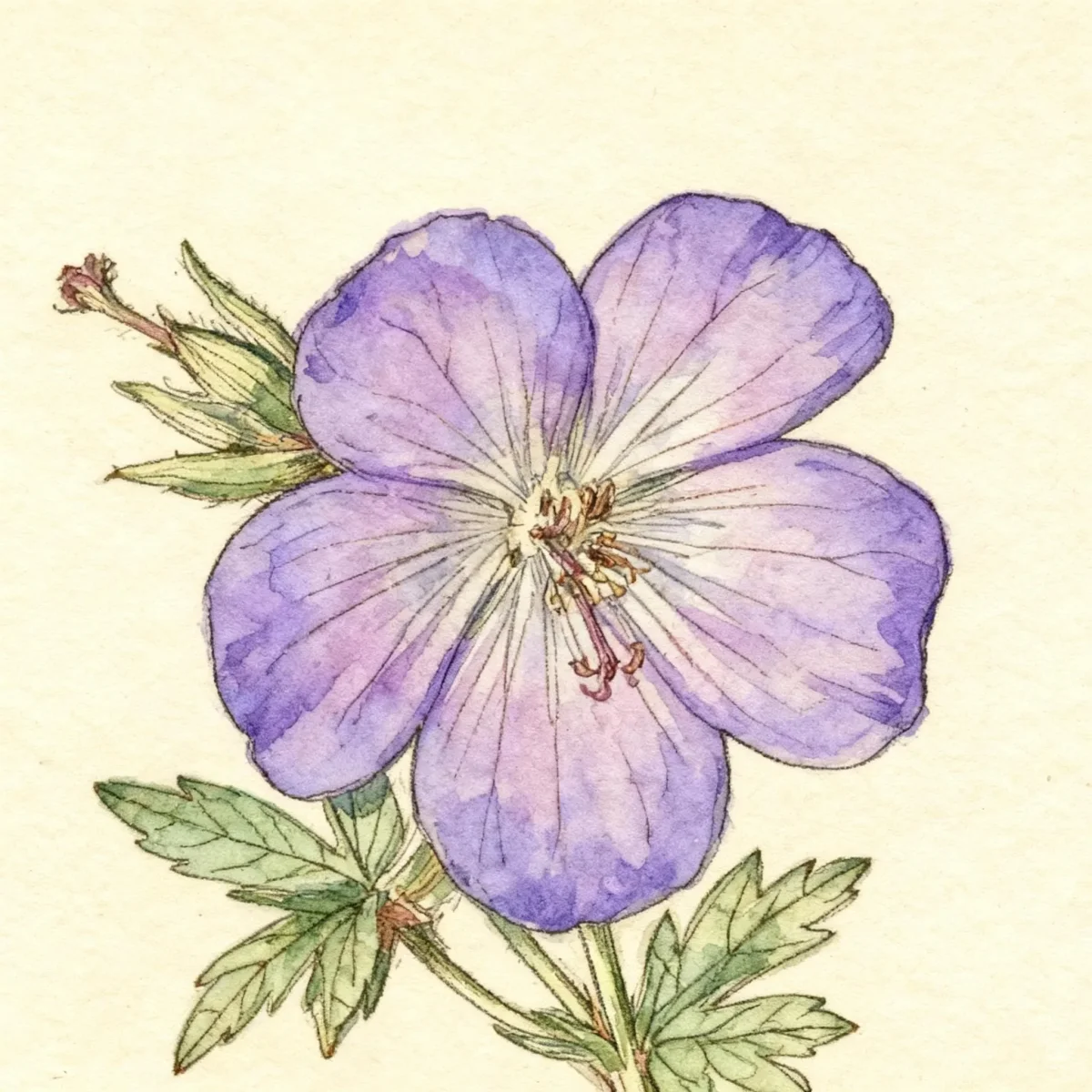
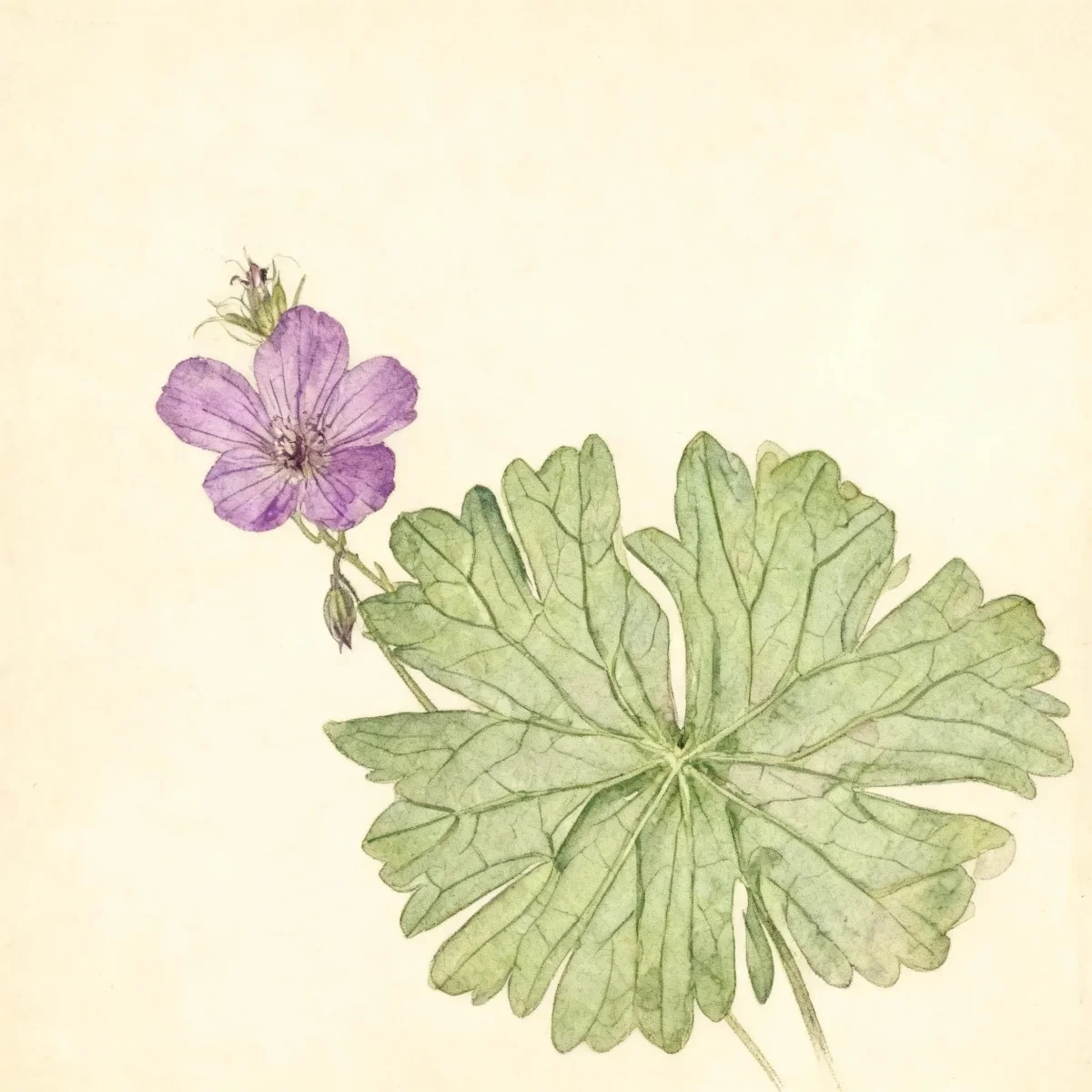
Geranium albanum, commonly known as Albanian cranesbill, is a low-growing species that typically forms a basal clump to 14-20” tall and spreads outward by procumbent stems. It is native to the eastern Caucasus. Five-petaled flowers emerge pale pink in late spring, but slowly mature to magenta pink, featuring fine magenta-violet veining. The common name ‘Pink and Stripes’ perfectly describes the appearance of the blooms on this species.
Tolerances
- Rabbit
- Deer
Potential Problems
Geranium albanum ‘Pink and Stripes’ generally exhibits strong resilience, boasting no serious insect or disease problems under normal conditions. However, like many plants, it can show some susceptibility to fungal leaf spots, especially in conditions of high humidity or poor air circulation. To manage this, ensure adequate spacing between plants to promote airflow and avoid overhead watering late in the day. If leaf spotting occurs, promptly remove affected foliage and apply a recommended fungicide if necessary.
Frequently Asked Questions
What hardiness zones is Geranium suitable for?
Geranium albanum ‘Pink and Stripes’ is best suited for gardeners residing in USDA Hardiness Zones 5 through 8.
How large does Geranium albanum ‘Pink and Stripes’ grow?
This perennial typically reaches a height between 1 and 1.5 feet tall, spreading out to a width of 1 to 2 feet via its trailing stems.
When does Geranium bloom?
You can expect this variety of Geranium to provide color from June into August, featuring lovely pink flowers with distinct dark pink veining.
What sun exposure does Geranium albanum ‘Pink and Stripes’ need?
For optimal performance and maximized bloom production, provide this variety with full sun exposure.
Conclusion
Geranium albanum ‘Pink and Stripes’ offers a durable, low-maintenance solution for adding reliable summer color to borders and rock gardens. Its unique pink and striped blooms provide excellent texture and visual appeal across the summer months. Before planting, confirm your location falls within USDA Zones 5-8 and prepare a well-draining site to unlock the full potential of this wonderful Geranium.
Companion Planting
Selecting appropriate companions is key to maximizing the visual appeal of Geranium albanum ‘Pink and Stripes’. Since this Geranium requires full sun and medium water, pair it with other sun-loving perennials that share similar cultural needs. Consider plants like ornamental grasses, low-growing Salvias, or hardy Dianthus that provide contrasting foliage textures or bloom times. Planting these together ensures visual harmony throughout the season while simplifying garden care routines.
Seasonal Care Calendar
For consistent beauty from your Geranium, follow key seasonal tasks. In early spring, after the threat of hard frost has passed, clean up any lingering winter debris and lightly shear back any foliage that declined over winter. Summer requires vigilance against drought if conditions become exceedingly dry, though established plants handle medium water needs well. In late summer or early fall, if the plant looks ragged after flowering, give it a quick renovation shear to encourage fresh growth heading into winter dormancy.