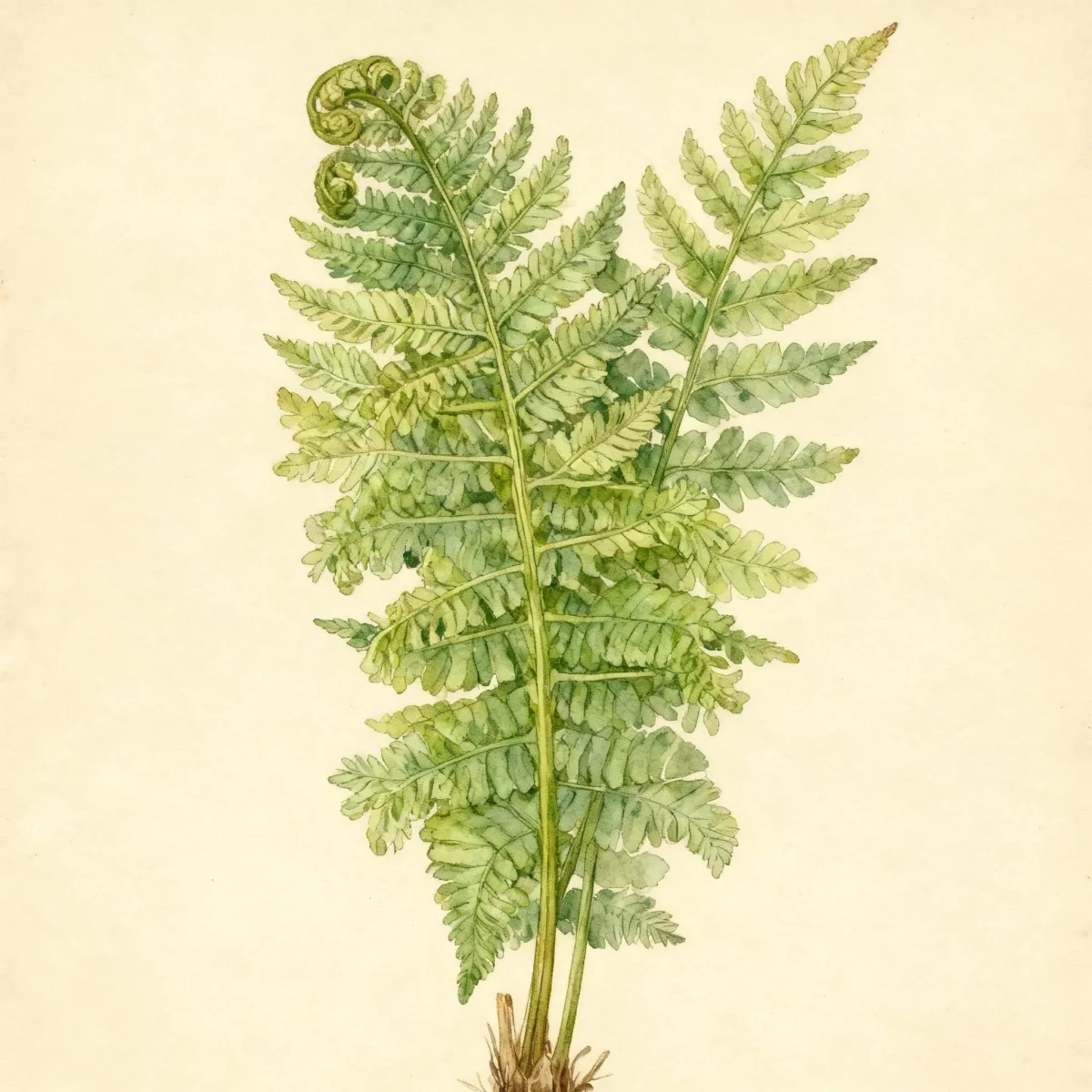
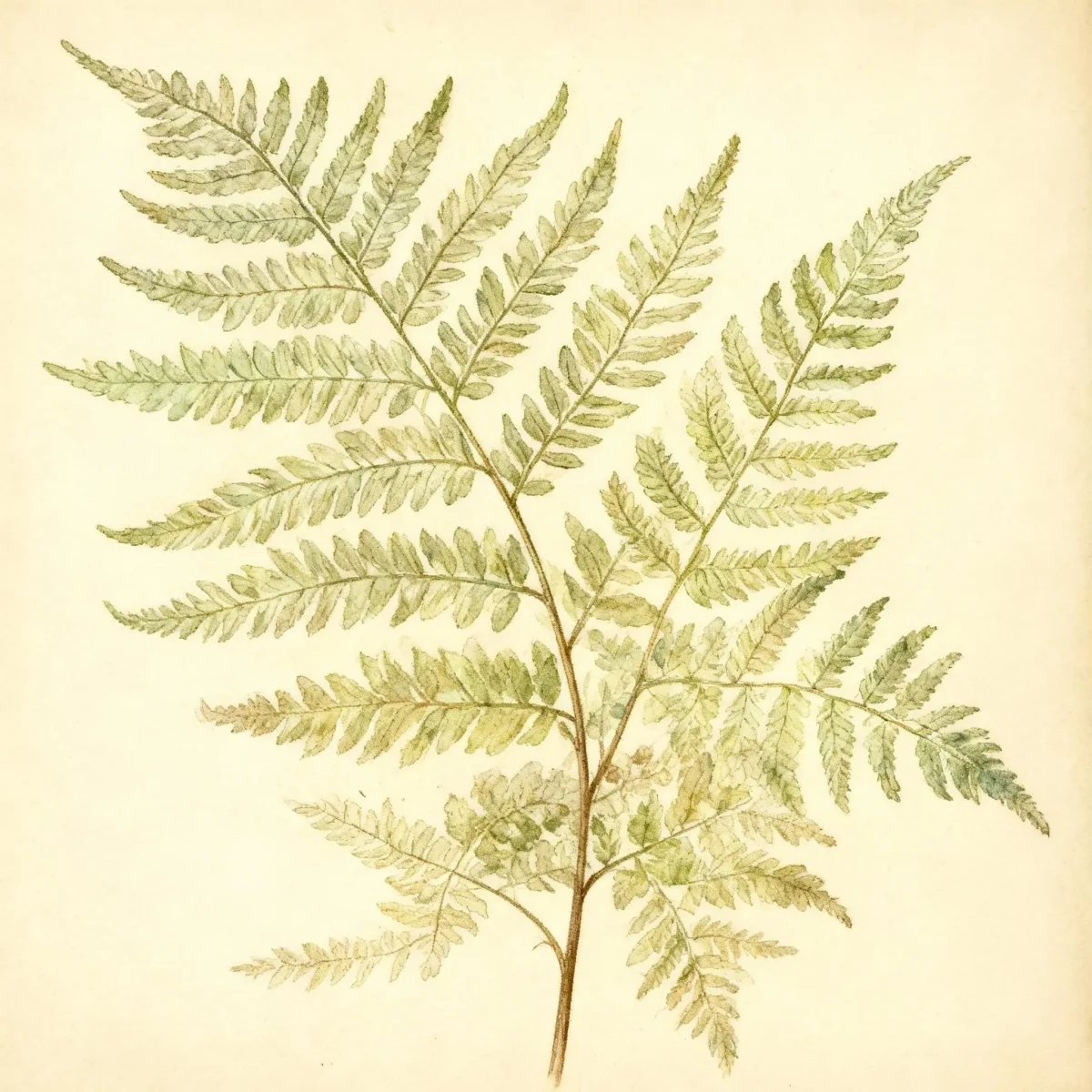
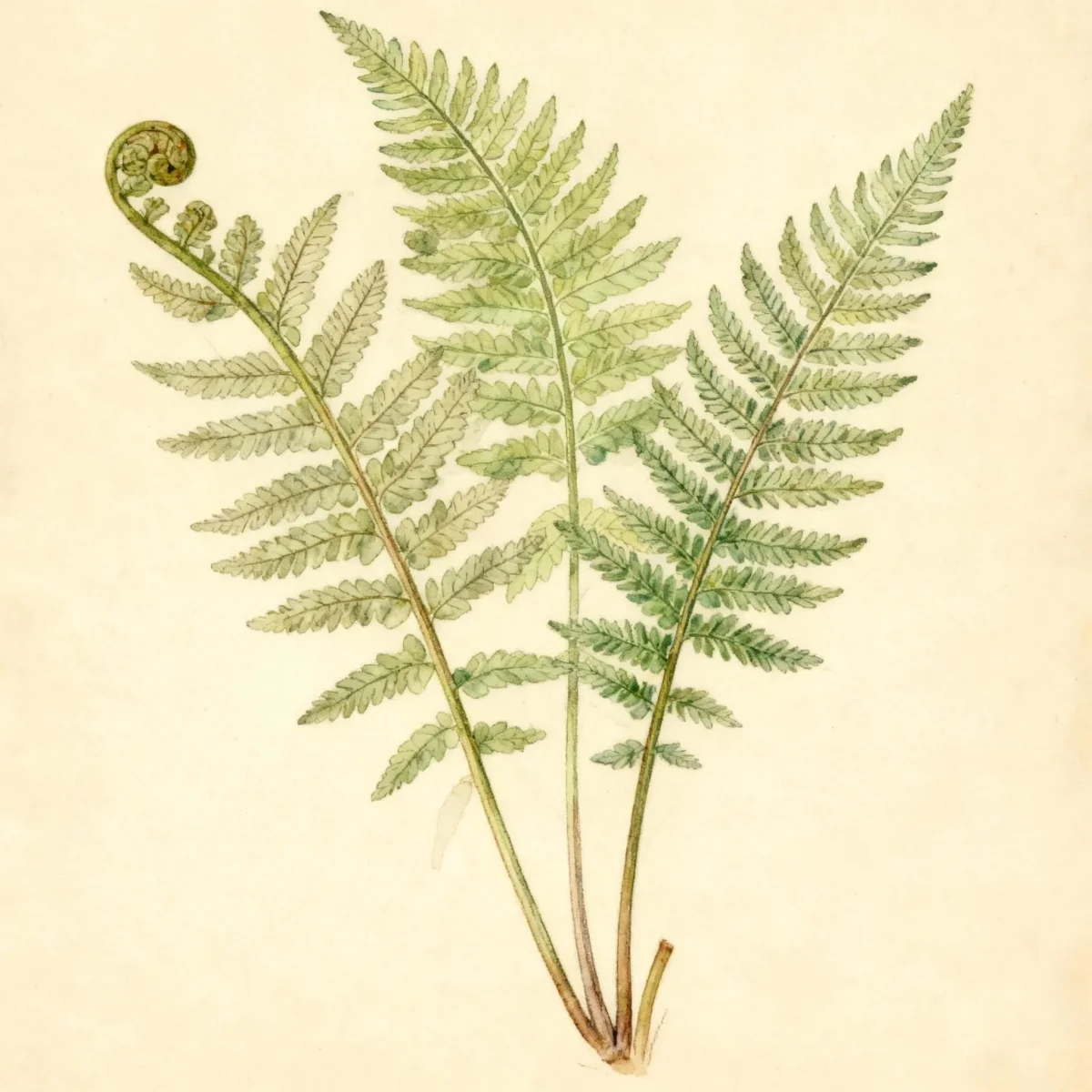
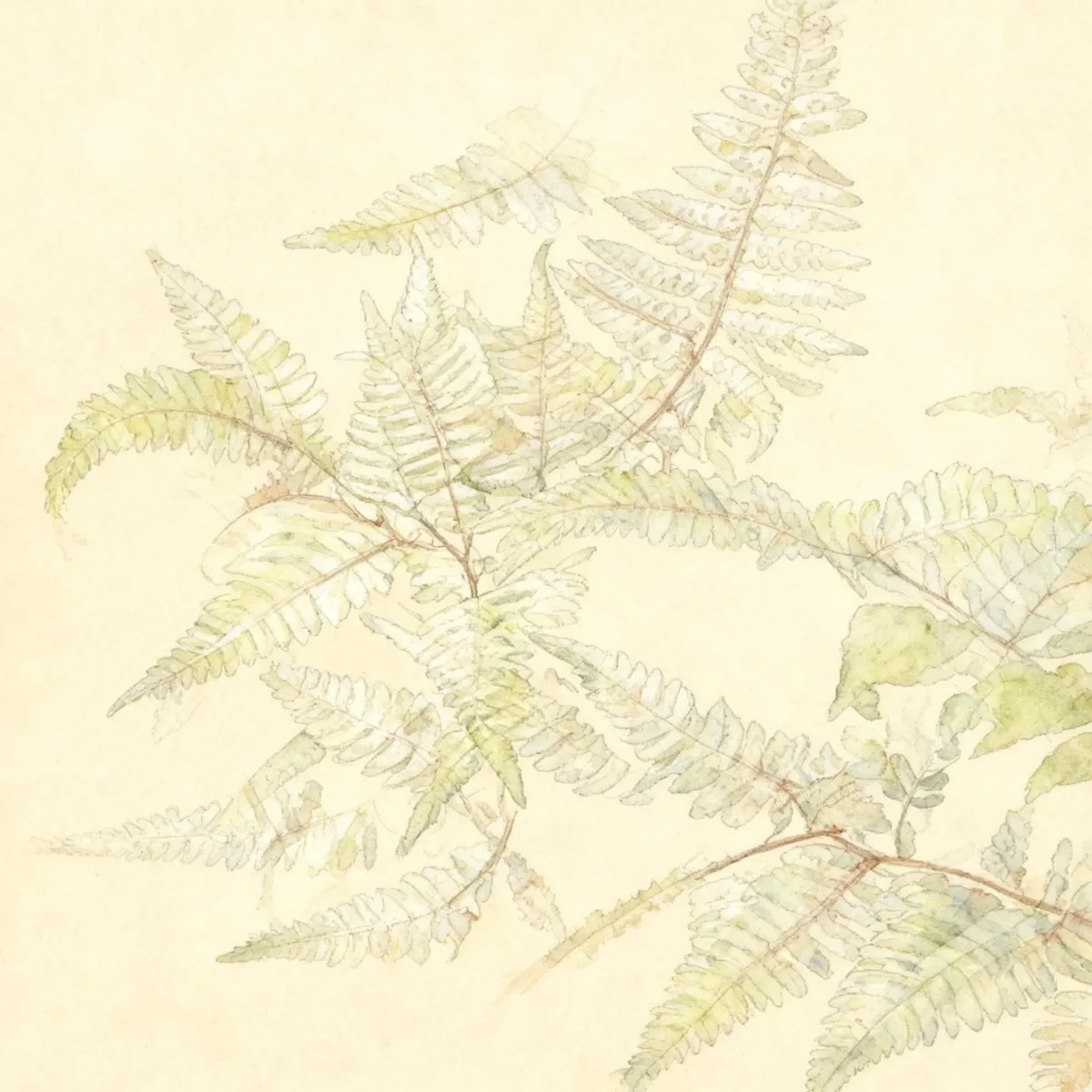
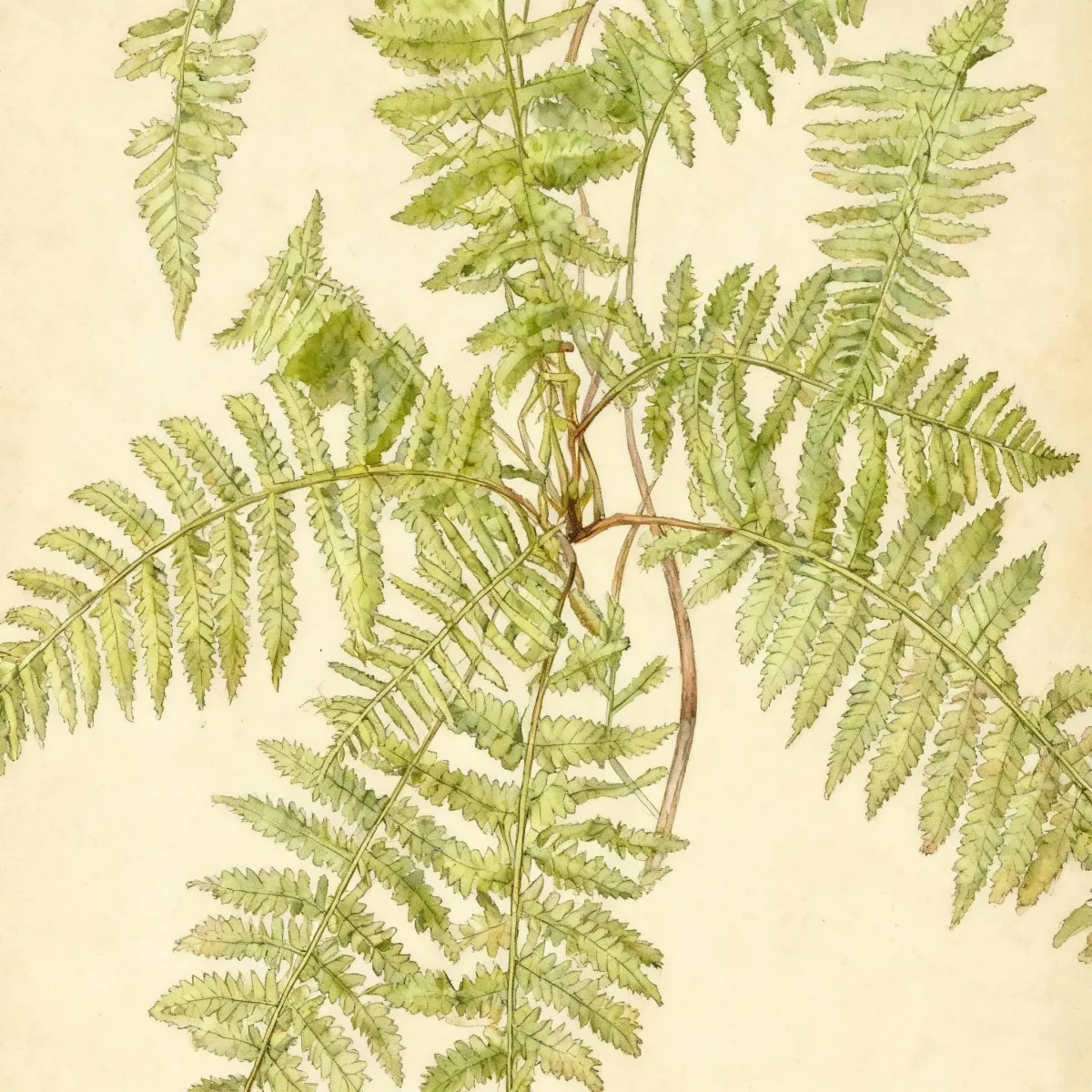
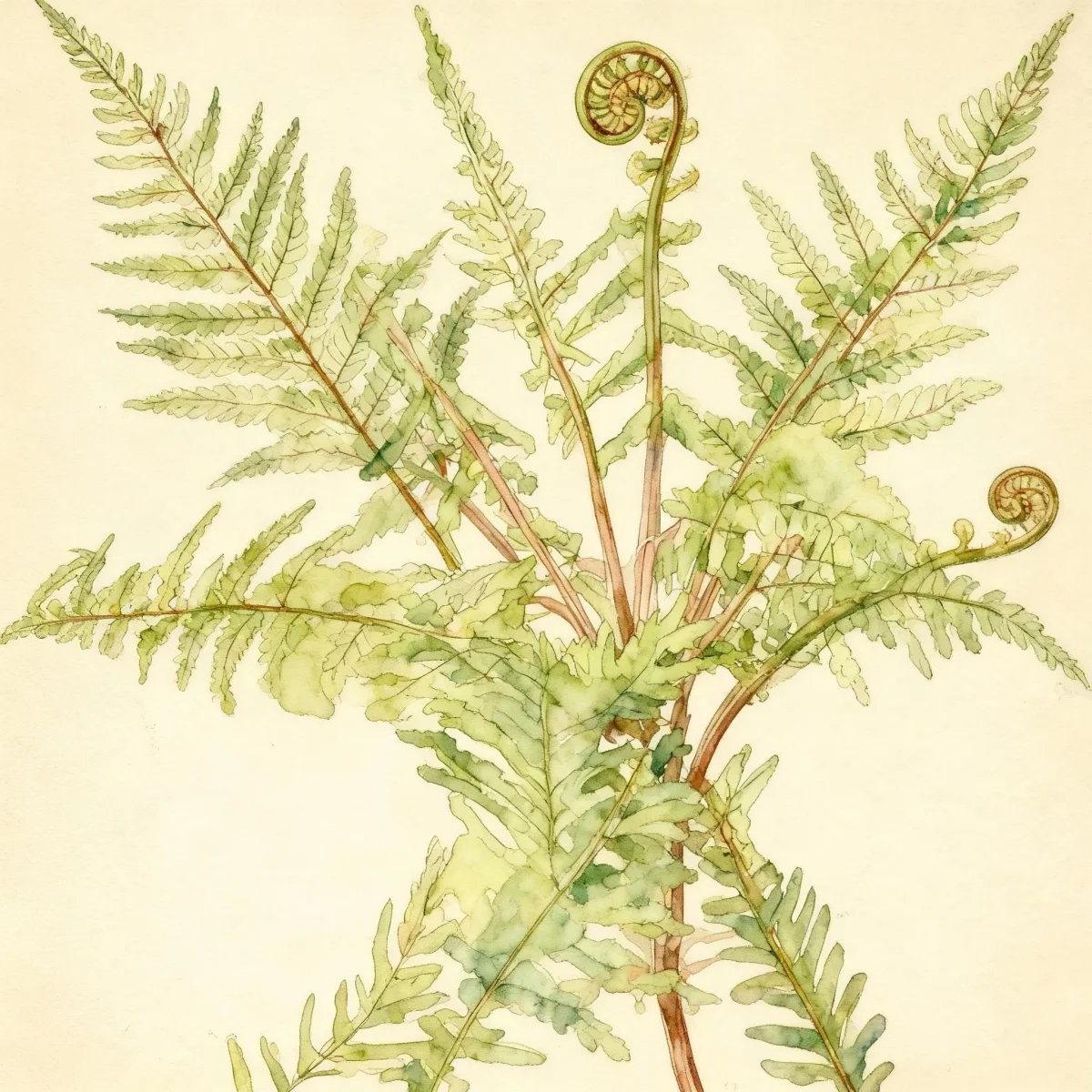
Lady fern (Athyrium filix-femina 'Encourage')
Athyrium filix-femina 'Encourage', the compact Lady fern, offers lacy, bright green fronds perfect for low-maintenance shade gardens. Hardy zones 4-8.
Scroll down to discover growing tips, care requirements, companion plants, and more
Complete Plant Information
Overview
The Athyrium filix-femina ‘Encourage’ cultivar brings the classic beauty of the widely admired Lady fern into smaller garden spaces. This compact variety retains the delicate, lacy-cut foliage characteristic of its larger relatives, providing essential texture and light green color for dark corners of the landscape. It is highly valued for its low-maintenance requirements and tolerance for deep shade, making it a reliable foundation planting.
This deciduous fern grows readily when provided with rich, moist soil, though it demonstrates superior drought tolerance compared to many other ferns once established. Gardeners appreciate the dense, circular clump that Athyrium filix-femina ‘Encourage’ forms, offering structure without becoming overly invasive or sprawling. Its aesthetic appeal lies in the fine texture of its fronds, softening hard lines in woodland or rock gardens.
If you seek an easy-to-grow, reliable perennial that thrives where flowering plants struggle, the ‘Encourage’ Lady fern is an excellent choice. Providing medium moisture and protection from harsh winds will ensure its finely divided fronds remain pristine throughout the growing season.
Fast Facts
- Plant Family: Athyriaceae
- Plant Type: Fern
- Hardiness Zones: USDA Zones 4-8
- Size at Maturity:
- Height: 1-1.5 ft
- Spread: 0.75-1 ft
- Bloom Time: Non-flowering
- Bloom Description: Non-flowering
- Sun Exposure: Part shade to full shade
- Water Needs: Medium
- Maintenance Level: Low
How to Grow
Planting Athyrium filix-femina ‘Encourage’ should ideally occur in spring or fall when the soil is workable. Focus on siting this Lady fern in a location receiving part shade to full shade, ensuring the soil is rich and well-drained. If planting in a spot that might receive brief periods of sun, make certain the medium remains constantly moist to prevent scorching the attractive green fronds.
Care for this variety is minimal, reflecting its low maintenance rating. Water thoroughly when the top inch of soil begins to feel dry, as it prefers medium moisture. Fertilization is rarely necessary if the soil structure is already rich. A crucial aspect of care is sheltering the fronds from strong winds, which can easily cause the delicate foliage to break and appear tattered prematurely.
Divide clumps every few years in the spring if you wish to spread the plants around the garden or if the crowns become too crowded or lifted above the soil line. While the fronds occasionally look somewhat tattered by mid-summer, simply cut the old foliage back in early spring before new growth appears, allowing the vigorous Athyrium filix-femina ‘Encourage’ to renew itself.
Landscape Uses
The compact size and adaptability make the Athyrium filix-femina ‘Encourage’ a versatile element in shaded landscapes. It functions beautifully as a component for shaded border fronts, providing an airy, textural layer beneath taller shrubs or perennials. Its relatively small spread also makes it an excellent selection for rock gardens where space is limited, or for defining the edges of woodland gardens.
For areas bordering natural water features, such as streams or ponds, this Lady fern is highly effective, thriving in the consistently cooler, moister microclimates often present there. Consider mass planting several specimens together to create a lush, uniform carpet of light green texture that contrasts well with broad-leaved hostas or dark green groundcovers. This easy-to-grow fern establishes quickly, providing instant impact in foundational shade plantings.
Standout Features
Noteworthy Characteristics
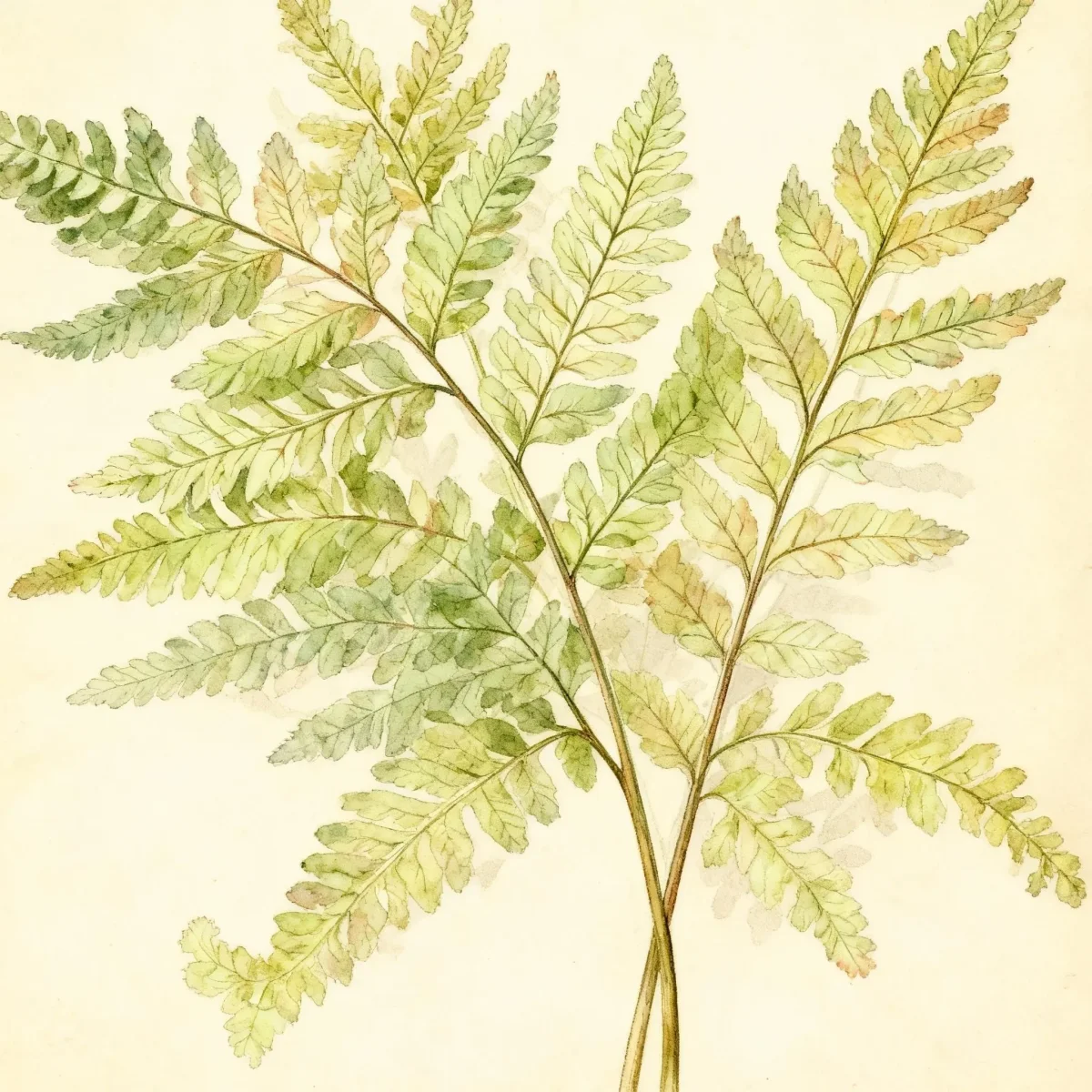
Athyrium filix-femina, commonly called lady fern, is a deciduous fern that features lacy-cut, erect or ascending, 2 to 3-pinnate or pinnatifid, finely-divided, lanceolate, light green fronds which grow in a dense circular shuttlecock-like clump to 2-3’ tall. Each frond (leaf) has twenty to thirty pairs of elliptic non-opposite pinna (leaflets) with narrow pointed tips. Each pinna is divided into deeply-cut lanceolate to oblong pinnules (subleaflets). Sori and indusia are found on the undersides of the pinnules. This is a circumglobal species which is found in rich moist woods, thickets, fields, meadows and ravines throughout northern North America, Europe and Asia.Genus name comes from Greek athyros meaning “doorless” in reference to the slowly opening hinged indusia (spore covers).Specific epithet comes from Latin filix meaning fern and femina meaning woman as confirmed by the common name of lady fern.‘Encourage’ is a compact, deciduous lady fern cultivar that typically grows in a clump to 18” tall and to 12” wide. Bright green fronds are crested and tassled.
Tolerances
- Rabbit
- Heavy Shade
Potential Problems
A significant advantage of growing Athyrium filix-femina ‘Encourage’ is its low susceptibility to pests and diseases; it generally avoids serious insect infestations or fungal issues. The main aesthetic issue gardeners may encounter appears later in the season. Fronds frequently become somewhat tattered in appearance by mid-summer, often due to afternoon heat coupled with wind exposure or natural senescence.
To manage the mid-summer tattering, ensure the plant is sited in adequate shade and has consistently medium moisture, especially during dry spells. If the foliage becomes unsightly, wait until late winter or early spring to cut back all the old, damaged fronds completely. This simple act promotes a clean slate for the emergence of fresh, vibrant foliage from the clump of the Lady fern.
Frequently Asked Questions
What hardiness zones is Lady fern suitable for?
The Athyrium filix-femina ‘Encourage’ is suitable for USDA Hardiness Zones 4 through 8.
How large does Lady fern grow?
This compact cultivar typically reaches a height between 1 and 1.5 feet, with a spread ranging from 0.75 to 1 foot wide at maturity.
What sun exposure does Athyrium filix-femina ‘Encourage’ need?
This variety prefers part shade to full shade conditions for best growth and foliage quality.
Conclusion
The Athyrium filix-femina ‘Encourage’ is an indispensable choice for shaded garden areas needing reliable, low-effort greenery. Its compact form, lacy texture, and tolerance for deep cover make this Lady fern a versatile star. Before planting, confirm your location falls within USDA Zones 4-8 and ensure consistent, medium soil moisture for the best performance.
Companion Planting in Shade
Since the Athyrium filix-femina ‘Encourage’ requires shade and consistent moisture, choosing suitable companions is key to a cohesive woodland design. Pair it with plants offering contrasting leaf structures, such as Hostas with large, possibly variegated leaves, or European Wild Ginger (Asarum europaeum) for deep green, rounded foliage at ground level. Ferns thrive near woodland ephemerals like Spring Beauties or Trillium, which complete their cycle before the summer shade deepens.
Seasonal Care Calendar for Ferns
Spring is the rejuvenation period for your Lady fern; cut back any remaining tattered foliage from the previous year before new, bright green fiddleheads unfurl. Summer requires monitoring moisture, especially during heatwaves, to maintain that medium water requirement and prevent wind damage to the tender fronds—shelter is vital. In autumn, the foliage of Athyrium filix-femina ‘Encourage’ will die back naturally as it is deciduous; no cutting back is necessary until early the following spring.