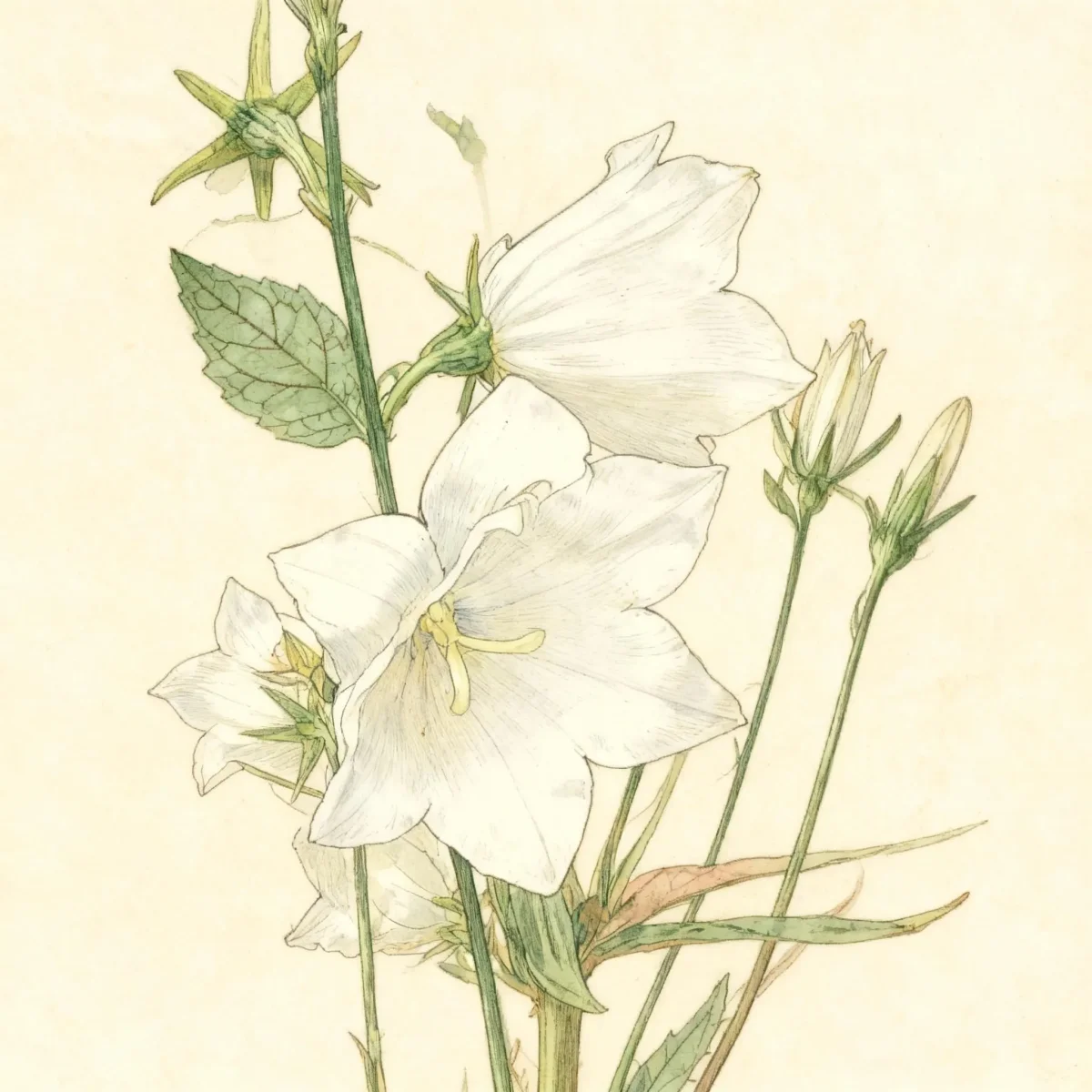
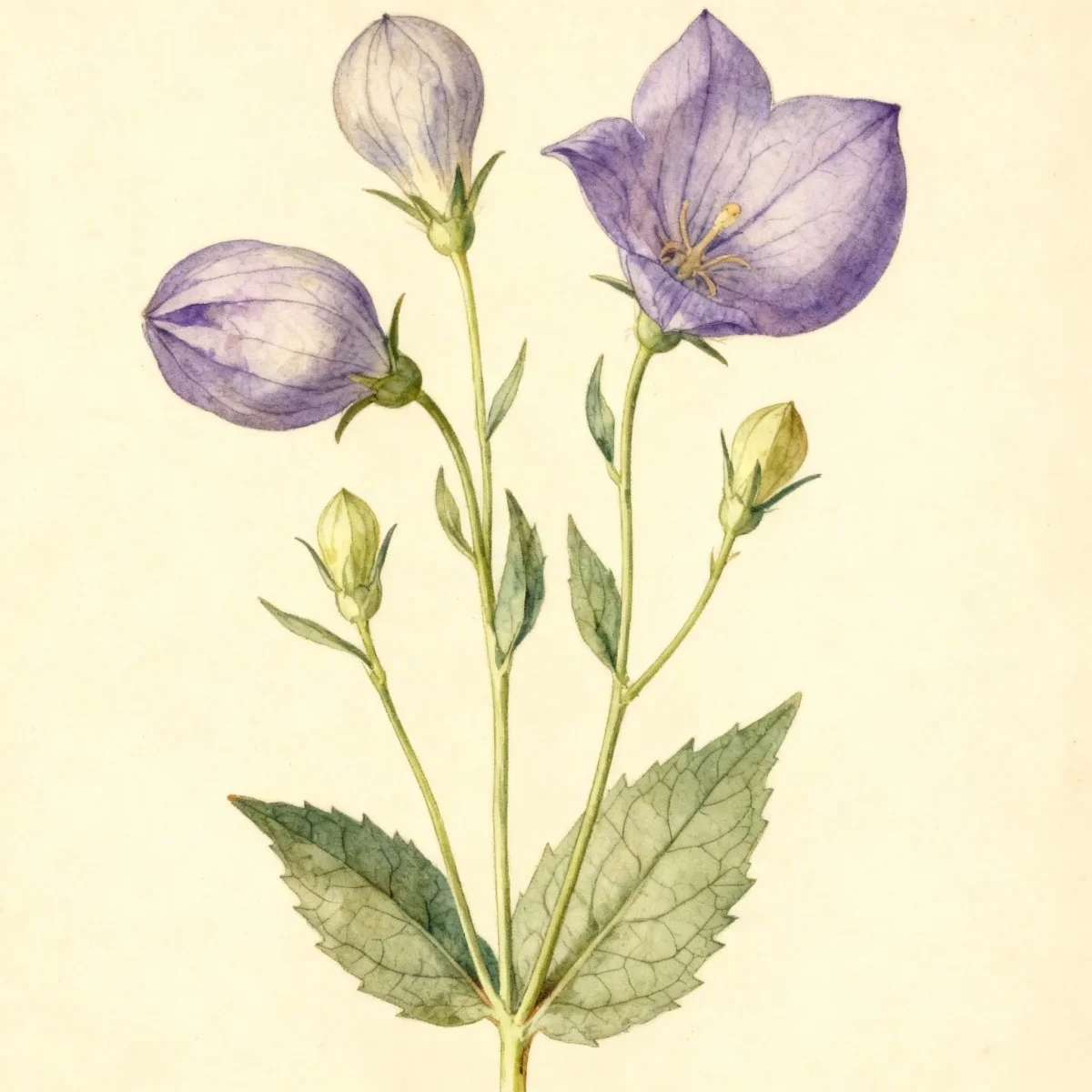
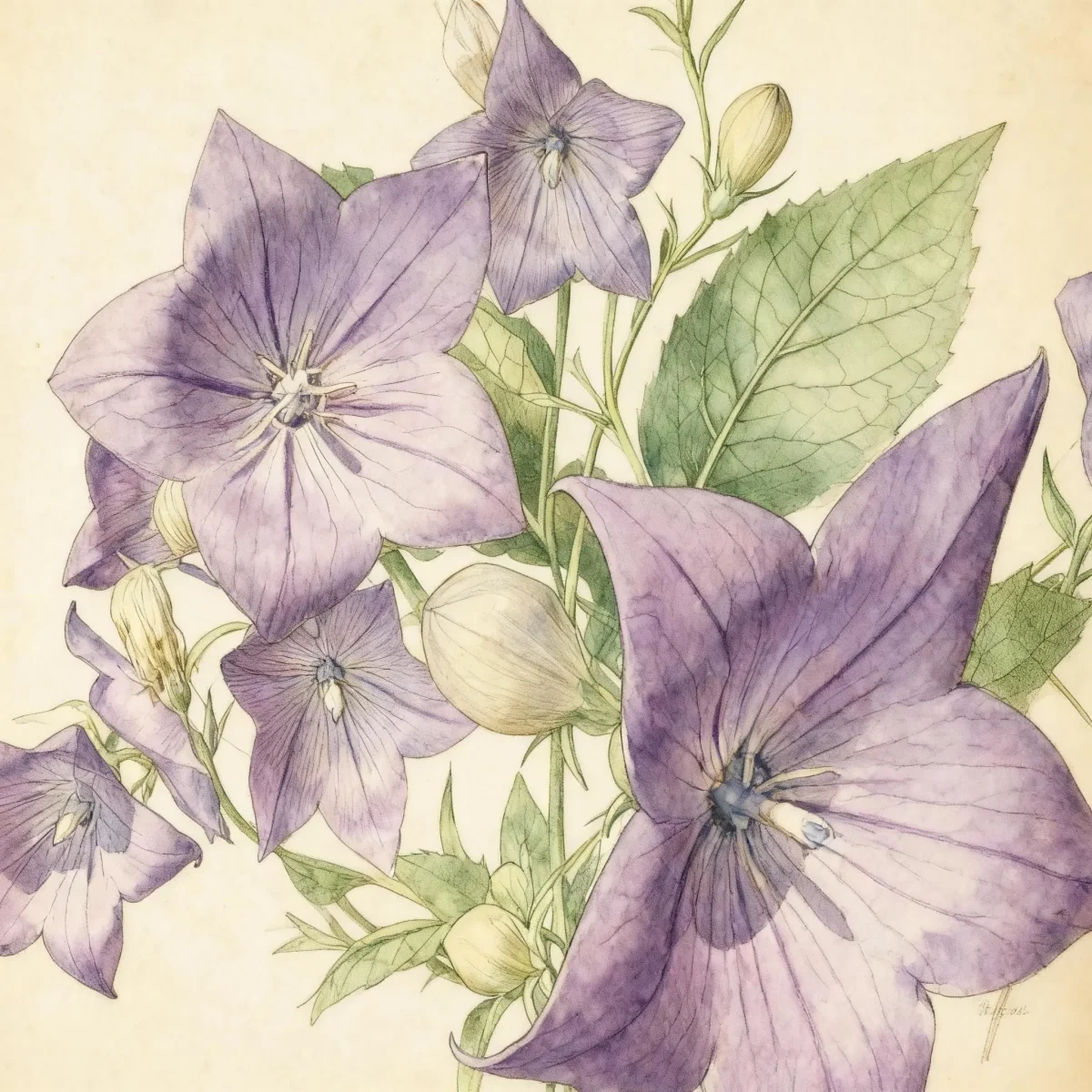
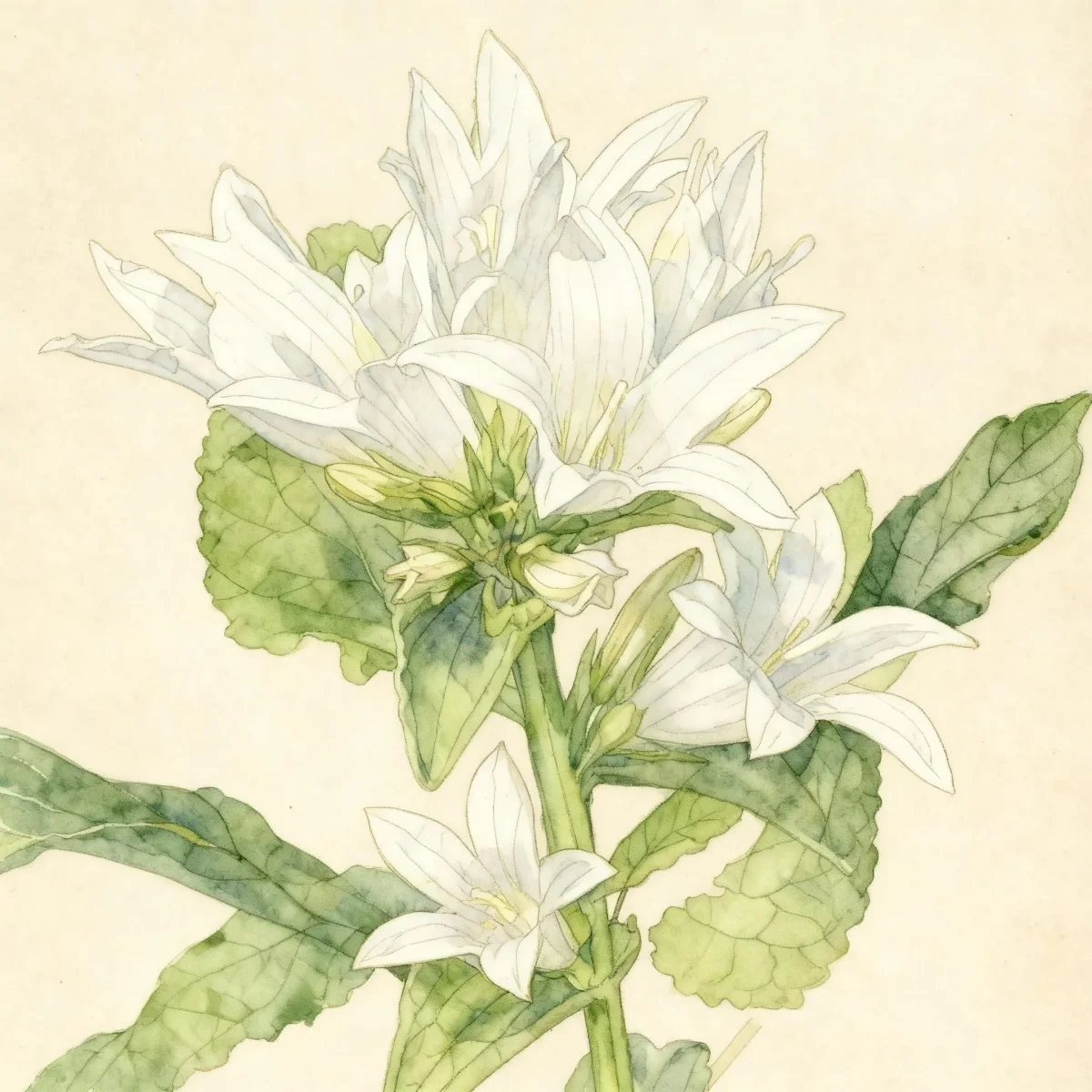
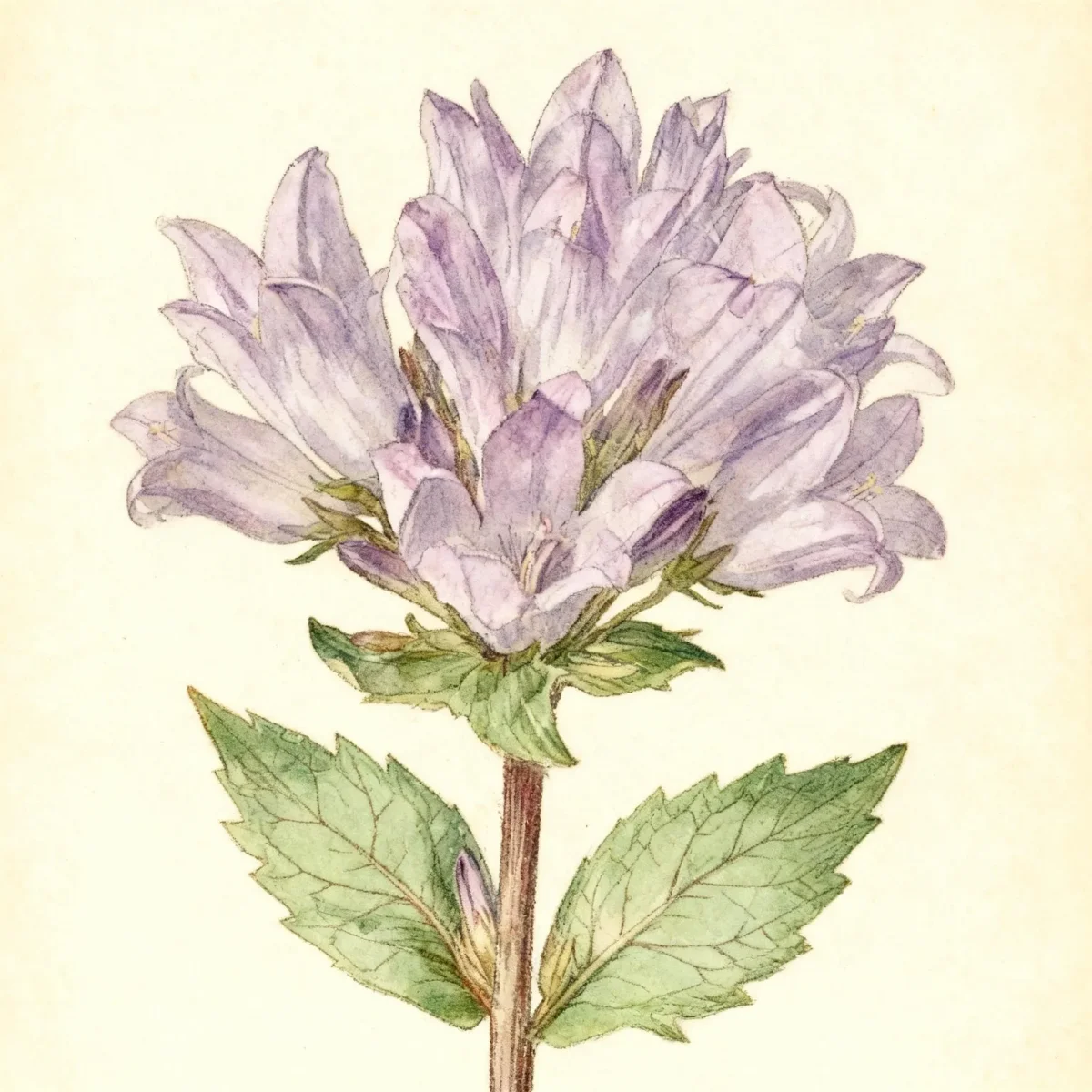
Odessa bellflower (Campanula glomerata var. dahurica 'Odessa')
Discover Campanula glomerata var. dahurica 'Odessa', the clumping Odessa bellflower. A low-maintenance perennial thriving in zones 3-8, offering dark purple blooms.
Scroll down to discover growing tips, care requirements, companion plants, and more
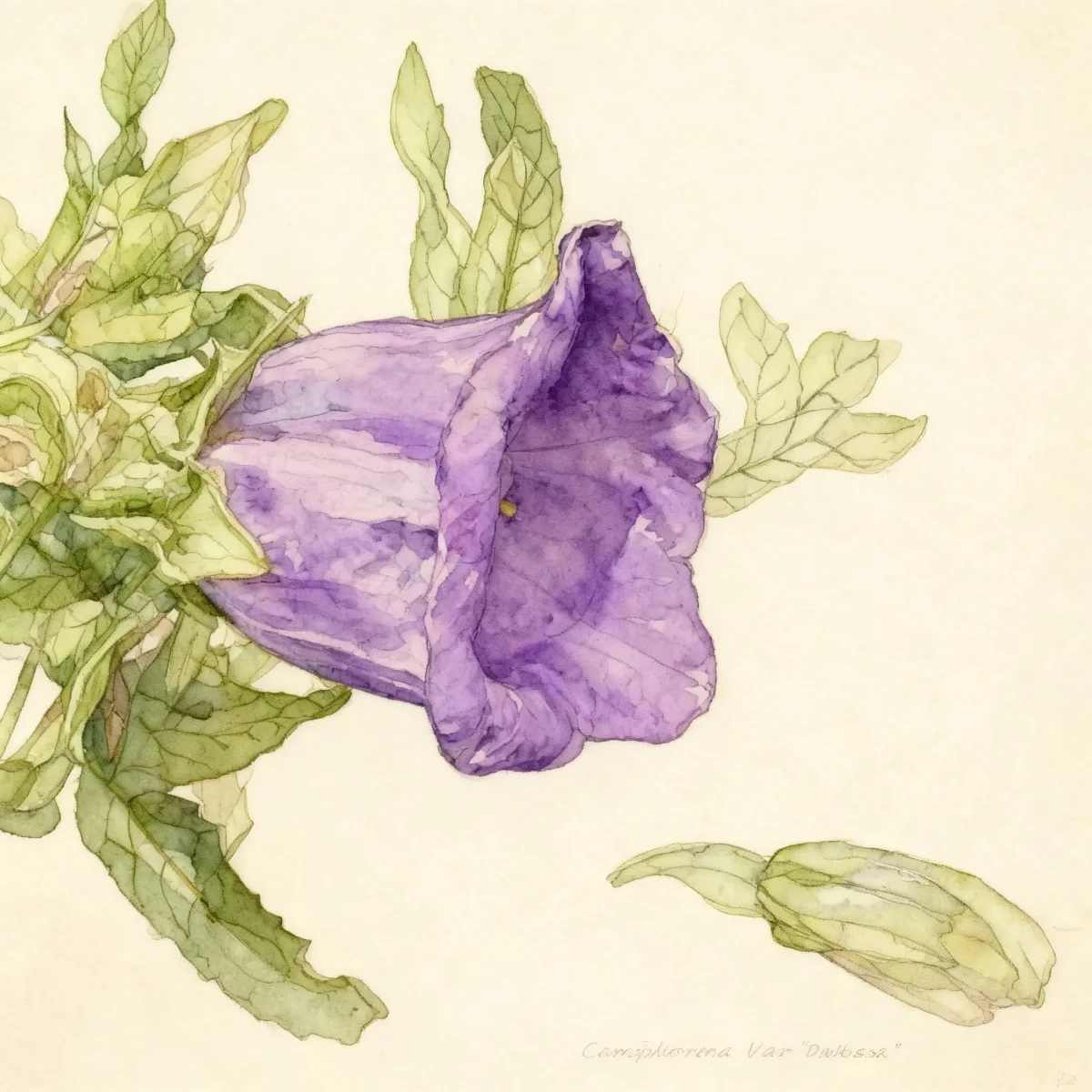
Complete Plant Information
Overview
Campanula glomerata var. dahurica ‘Odessa’, commonly known as Odessa bellflower, is a highly valued herbaceous perennial admired for its dense, upright growth habit. This cultivar stands out due to its capability to produce exceptionally large, dark purple, bell-shaped flower clusters late into the season. It readily establishes itself, forming a robust clump perfect for gardeners seeking reliable vertical accents in mixed borders.
The structure of the flowering is characteristic of the species—flowers are tightly packed into dense, spherical terminal clusters, making the display of Campanula glomerata var. Dahurica ‘Odessa’ quite dramatic. It thrives under relatively simple care, needing average, well-drained soil and consistent moisture. Gardeners appreciate its longevity and relatively low maintenance needs, provided conditions are suitable.
A key feature is its vigor; while it naturalizes effectively by rhizomes, gardeners can easily manage its size through division every few years. Whether viewed up close in a cottage garden or as a mass planting, the striking dark purple blooms of the Odessa bellflower provide consistent color from late spring through mid-summer.
Fast Facts
- Plant Family: Campanulaceae
- Plant Type: Herbaceous perennial
- Hardiness Zones: USDA Zones 3-8
- Size at Maturity:
- Height: 2-3 ft
- Spread: 2-3 ft
- Bloom Time: May to July
- Bloom Description: Dark purple
- Sun Exposure: Full sun to part shade
- Water Needs: Medium
- Maintenance Level: Low
How to Grow
For best results, plant the Odessa bellflower in average, medium moisture, well-drained soil. While it tolerates part shade, ensure it receives full sun, especially in cooler northern climates, to maximize bloom density. In areas with hot summers, providing afternoon shade will help preserve bloom quality and foliage health.
Watering should be consistent, aiming for medium moisture levels; do not allow the soil to become soggy, as this encourages potential issues and promotes aggressive spreading via rhizomes. Fertilization is rarely necessary for this robust perennial. The most important cultural task is deadheading: promptly remove spent flower stems after the initial flush to encourage subsequent blooms throughout the season.
These plants naturalize by spreading slowly via rhizomes, making division crucial for maintaining vigor and controlling spread, ideally performed in the fall every three to five years. Although low maintenance, be aware that the dense clustering of Campanula glomerata var. Dahurica ‘Odessa’ means good air circulation is helpful.
Landscape Uses
As an upright perennial reaching 2 to 3 feet, the Odessa bellflower excels when used to provide vertical structure in garden designs. Its habit makes it perfect for grouping or mass planting to create significant blocks of dark purple color. This density also lends itself well to informal naturalized areas where it can slowly spread.
Consider placing Campanula glomerata var. dahurica ‘Odessa’ toward the middle or back of perennial borders, contrasting its clump-forming nature with lower-growing groundcovers or looser, airier specimens. Its strong vertical lines work exceptionally well in cottage gardens, adding a classic, somewhat rustic charm.
For rock gardens, ensure surrounding material has excellent drainage, though they prefer more abundant moisture than typical alpine plants. In informal settings, the combination of medium height and strong color makes the Odessa bellflower an excellent structural component that requires minimal intervention once established.
Standout Features
Flower Qualities
- Showy
Noteworthy Characteristics
Campanula glomerata, commonly known as clustered bellflower, is an upright perennial that is native to Europe and temperate Asia. It forms a dense foliage clump of ovate to lance-shaped, toothed, somewhat hairy, long-stalked, medium green basal leaves (to 5” long). Upward facing, bell-shaped, violet to lavender blue flowers bloom in spherical terminal clusters atop smaller-leaved stems rising above the basal clump to 12-18” tall. Var. Dahurica grows taller to 2-3’ tall and has large deep-violet flowers in clusters 3” across, and the specific cultivar ‘Odessa’ produces dark purple flowers over a May to July bloom period, with each cluster typically containing 12-18 flowers.
Tolerances
- Deer
Potential Problems
This perennial generally suffers from no serious insect or disease problems when situated correctly. However, gardeners should be aware that snails and slugs are occasional visitors, often attracted to the lush, low-lying basal foliage, particularly in moist conditions. Management involves routine inspection and application of appropriate controls if damage becomes noticeable.
Frequently Asked Questions
What hardiness zones is Odessa bellflower suitable for?
The Odessa bellflower is quite hardy, suitable for planting across USDA Zones 3 through 8, providing extended adaptability for many regions.
How large does Campanula glomerata var. dahurica ‘Odessa’ grow?
This cultivar typically reaches a mature height between 2 and 3 feet tall, with a comparable spread of 2 to 3 feet, creating a dense, substantial clump.
When does Campanula glomerata var. dahurica ‘Odessa’ bloom?
The peak bloom period for this variety is usually from May through July, showcasing its signature dark purple, clustered flowers.
What sun exposure does Odessa bellflower need?
Campanula glomerata var. dahurica ‘Odessa’ performs best in full sun, though part shade is acceptable, particularly in hotter summer locations.
Conclusion
The Odessa bellflower offers gardeners a robust, low-maintenance perennial known for its striking, clustered dark purple blooms over an extended summer season. Its reliable structure and hardiness across zones 3 to 8 make Campanula glomerata var. dahurica ‘Odessa’ an excellent choice for structural interest. Plan your planting during the cool seasons to give this vigorous spreader a strong start in well-drained soil.
Companion Planting
Selecting suitable neighbors is key to integrating the Odessa bellflower successfully into perennial borders. Look for plants that prefer similar medium moisture needs and appreciate similar sun exposure (full sun to light afternoon shade). Good companions include plants that break up the solid vertical mass, such as silver foliage like Lamb’s Ears (Stachys byzantina) or airy structures like tall ornamental grasses.
Consider pairing the deep purple of Campanula glomerata var. Dahurica ‘Odessa’ with bright yellows or whites for maximum contrast during its May through July bloom window. Coneflowers (Echinacea) and coreopsis varieties offer complementary colors and shapes while sharing similar cultural requirements, allowing for a cohesive water and soil regime across the planting bed.
Propagation Tips
The primary method for maintaining and increasing your stock of Campanula glomerata var. dahurica ‘Odessa’ is through root division. Because the plant spreads naturally via rhizomes, clumps can become overcrowded after a few years, leading to diminished vigor. Dividing the clumps in the fall allows you to rejuvenate the parent plants and obtain new specimens.
To divide, carefully lift the entire clump using a garden fork, gently tease apart the root mass into sections, ensuring each division has adequate roots and growing points. Replant the new divisions immediately into prepared soil at the same depth they were previously growing. Keep the newly planted sections consistently moist for several weeks post-division to help them establish quickly.