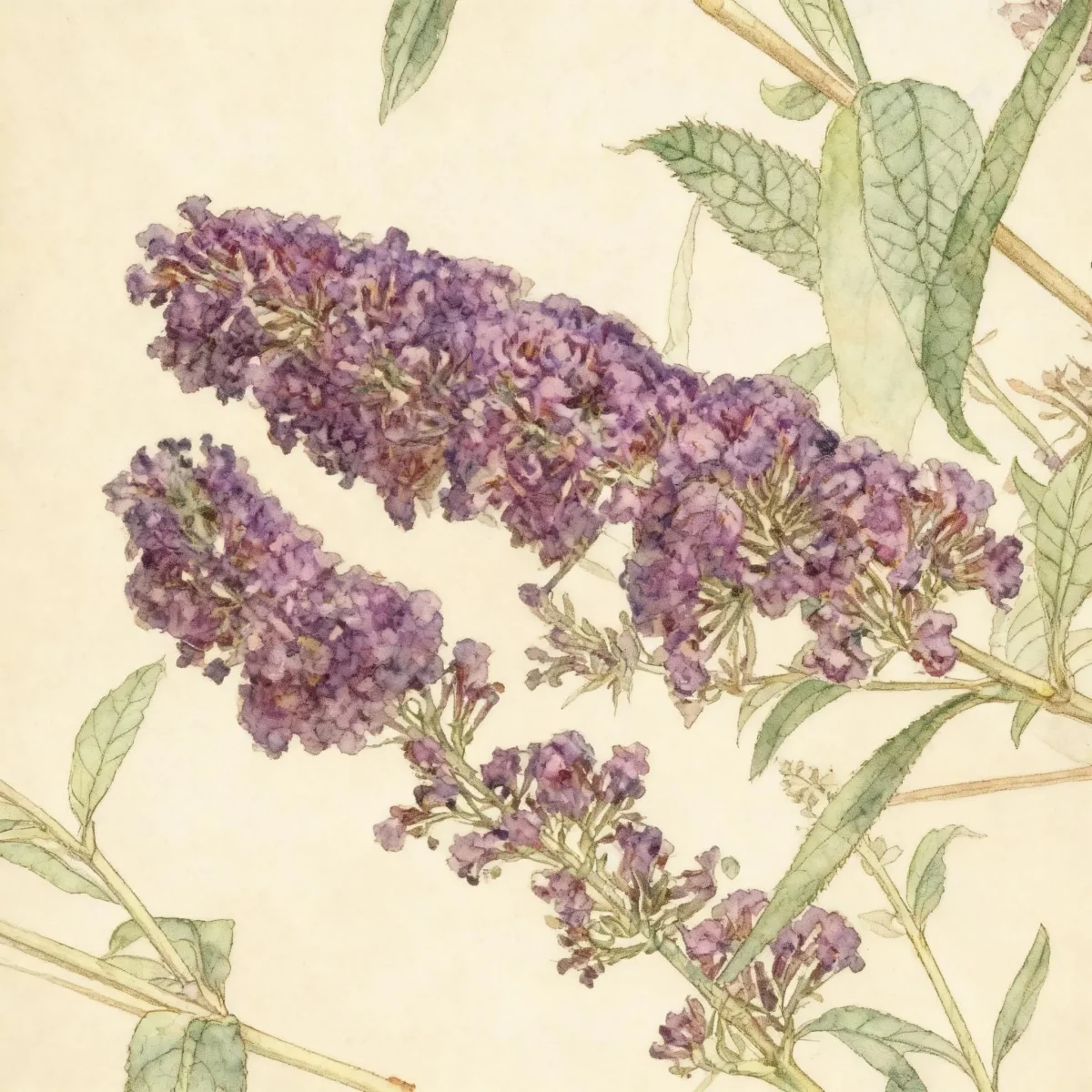
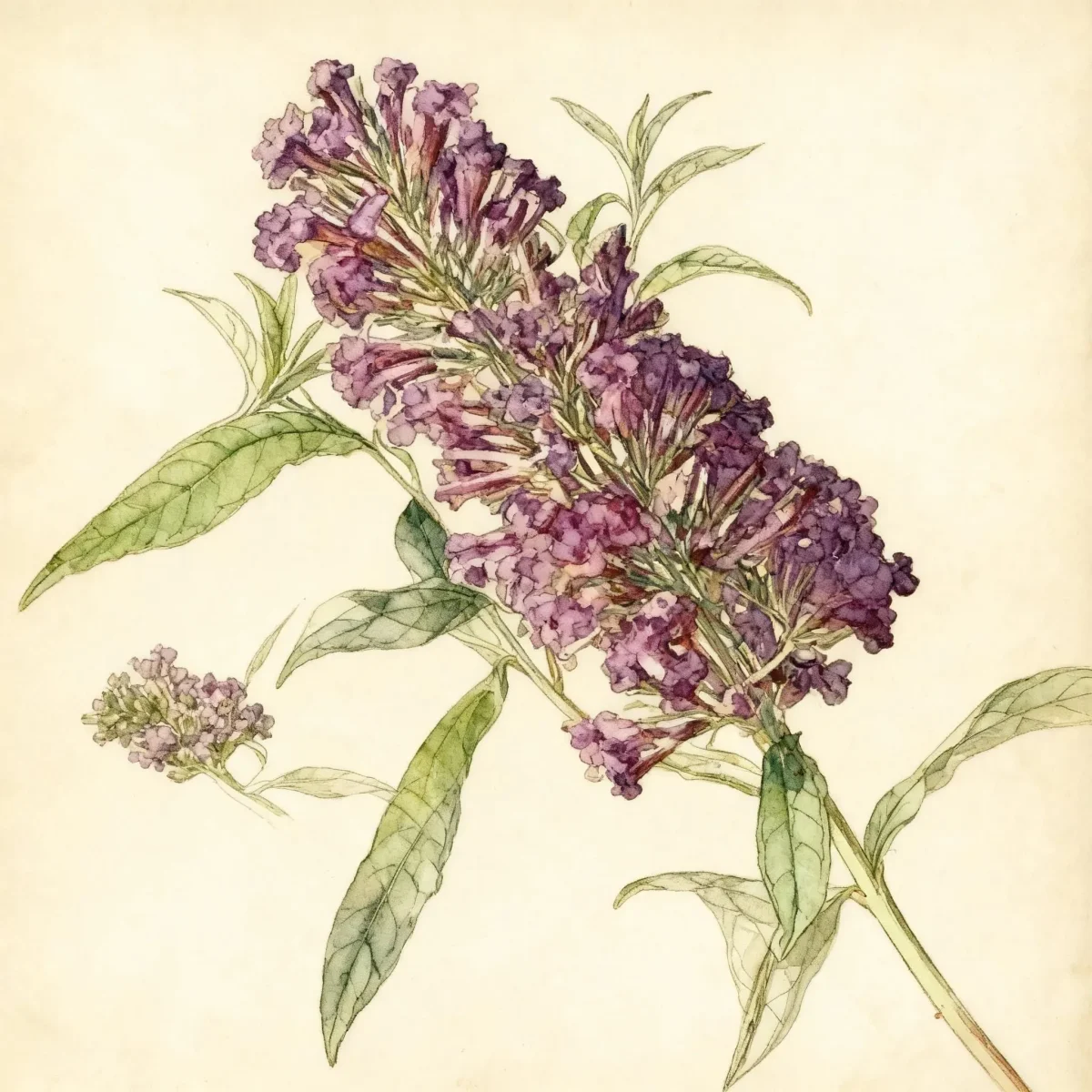
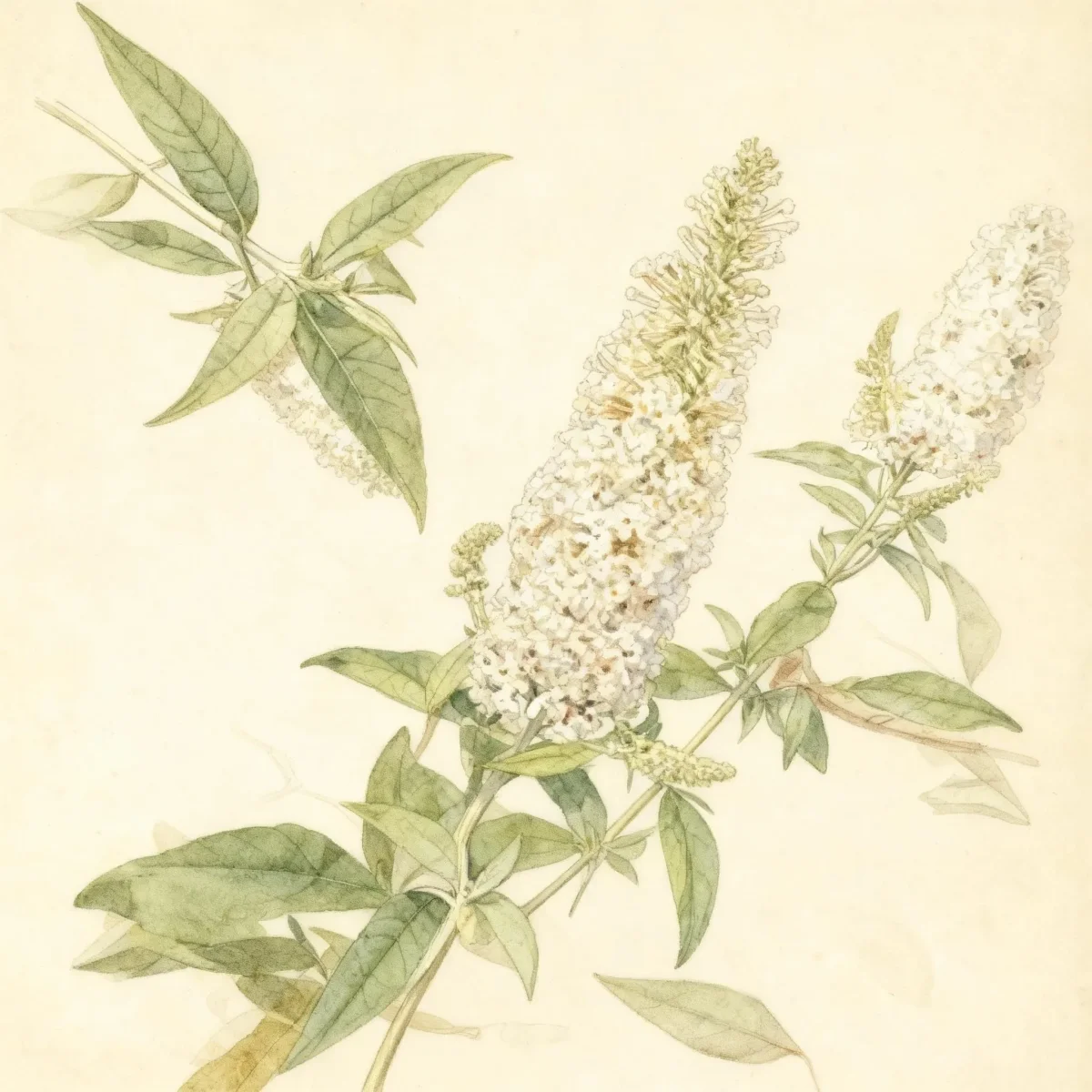
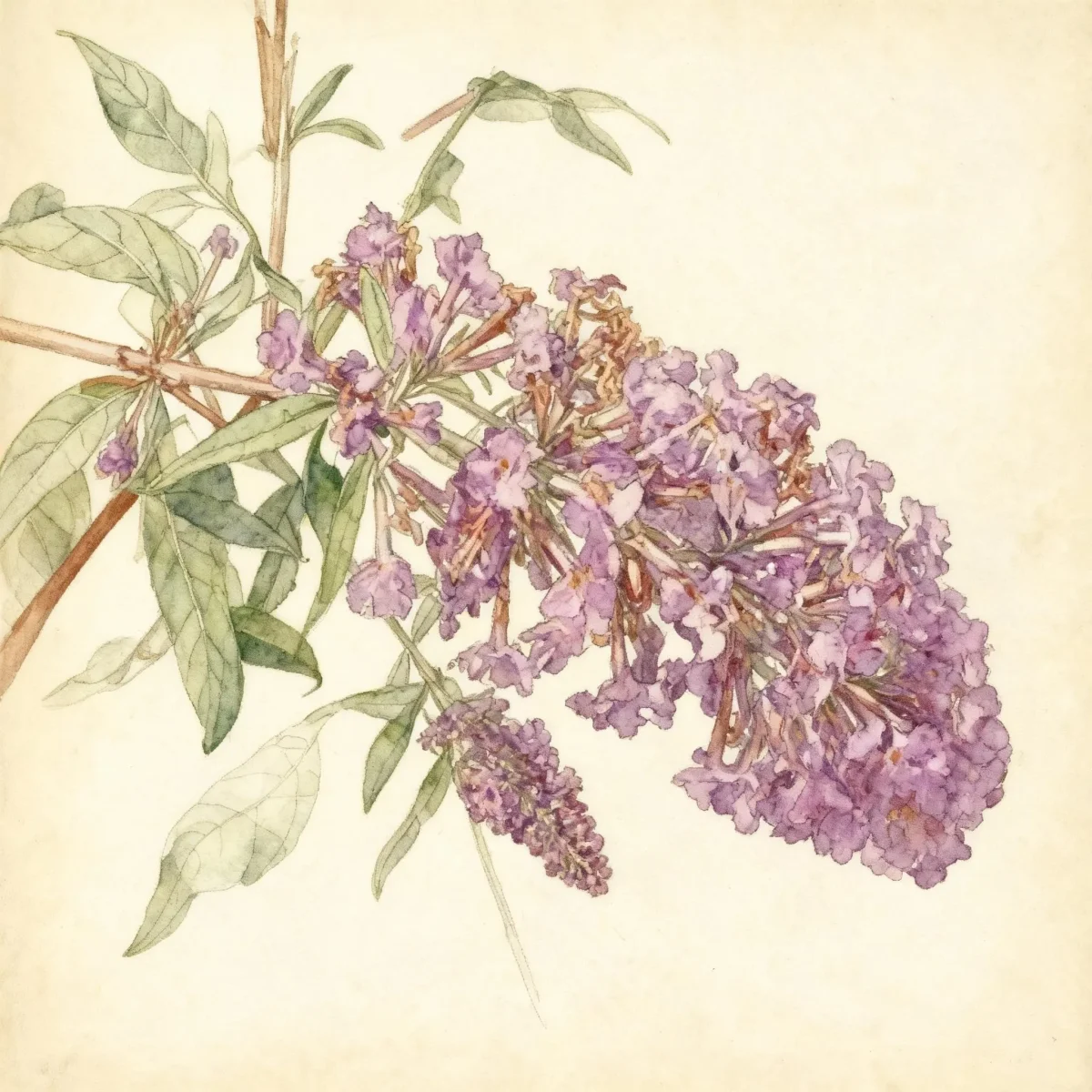
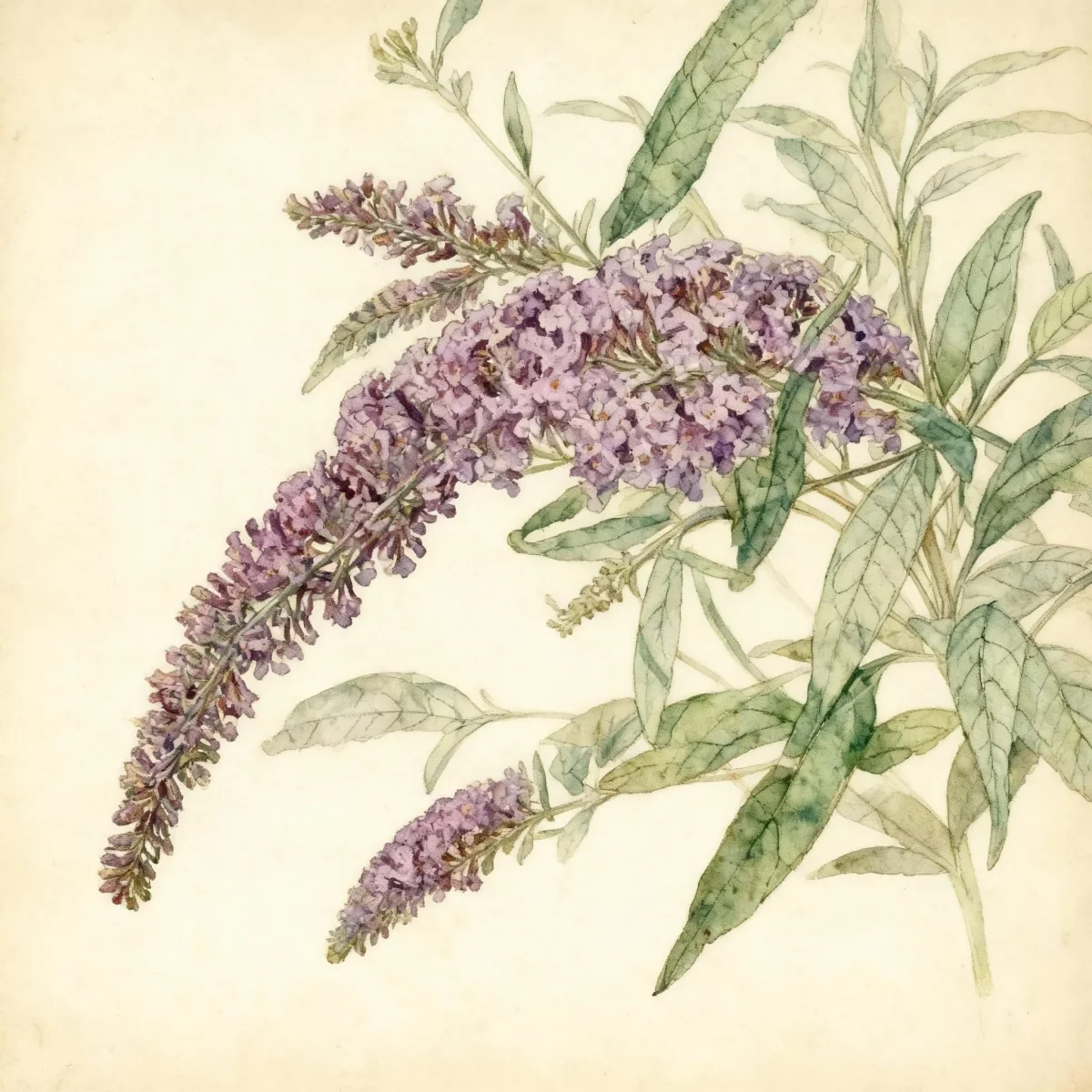
Butterfly bush (Buddleja davidii 'Nanho Purple')
Buddleja davidii 'Nanho Purple' is a compact Butterfly bush offering showy, fragrant lavender-purple blooms from summer to fall.
Scroll down to discover growing tips, care requirements, companion plants, and more
Complete Plant Information
Overview
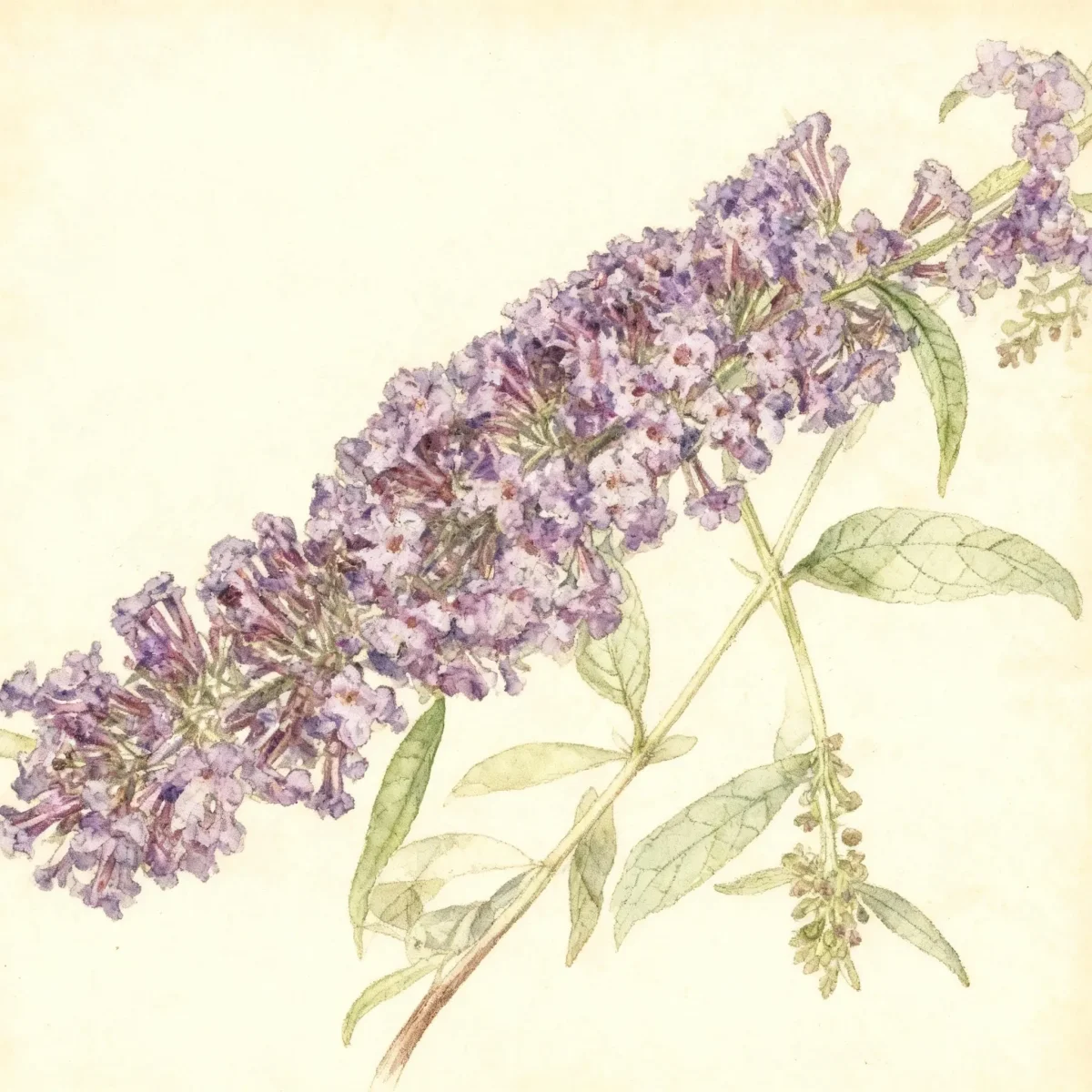
Buddleja davidii ‘Nanho Purple’ is a highly valued deciduous shrub celebrated for its extended bloom period and significant attraction to pollinators. This cultivar of the Butterfly bush produces dense, cone-shaped clusters of lavender-purple flowers that remain showy from early summer straight through September, often persisting until the first frost. Its manageable compact size, typically reaching 3 to 5 feet tall, makes the Buddleja davidii ‘Nanho Purple’ an excellent, low-maintenance addition to modern landscape designs.
This particular shrub thrives best when positioned where it receives intense, reliable full sun exposure throughout the day. While it prefers average, well-drained soil conditions, the Buddleja davidii ‘Nanho Purple’ demonstrates adaptability, even handling clay soils if amendments are applied correctly. Gardeners appreciate the low maintenance required to keep this Butterfly bush looking its best, especially when integrated into border plantings or cottage gardens.
The intense floral display of Buddleja davidii ‘Nanho Purple’ reliably draws butterflies, hummingbirds, and bees to the garden space, adding vibrant movement and seasonal interest. For gardeners located in cooler zones, its tendency to die back in winter and resprout allows for heavy pruning, encouraging superior flowering the subsequent year.
Fast Facts
- Plant Family: Scrophulariaceae
- Plant Type: Deciduous shrub
- Hardiness Zones: USDA Zones 5-9
- Size at Maturity:
- Height: 3-5 ft
- Spread: 3-5 ft
- Bloom Time: June to September
- Bloom Description: Lavender-purple
- Sun Exposure: Full sun
- Water Needs: Medium
- Maintenance Level: Low
How to Grow
Planting should occur when soil temperatures are warm; ensure the site receives full sun, as diminished light leads to sparse growth and reduced flowering performance in this Butterfly bush. While it grows easily in average, medium-moisture soils, ensure drainage is adequate, as Buddleja davidii ‘Nanho Purple’ performs poorly in wet, poorly draining conditions. Amend heavy clay soil thoroughly during planting to promote healthy root establishment for your new Buddleja davidii ‘Nanho Purple’.
Water needs are medium, requiring consistent moisture, especially when establishing. Fertilizing is rarely necessary for vigorous shrubs established properly in good soil. The most crucial aspect of care for this cultivar involves pruning. In USDA Zones 5 and 6, expect the shrub to die back to the ground; treat it as a perennial and cut it back close to the ground in late winter for maximum vigor and shape maintenance.
Even in warmer zones, cutting back heavily in late winter encourages superior flowering and better shape for the Buddleja davidii ‘Nanho Purple’. Throughout the blooming season, promptly removing spent flower spikes encourages continuous bloom production until frost arrives. Be mindful that this Butterfly bush can naturalize by self-seeding; if you wish to prevent unwanted spread, remove flower clusters entirely before they set seed.
Landscape Uses
The primary value of Buddleja davidii ‘Nanho Purple’ lies in its spectacular summer and fall color display when many other shrubs have finished blooming. This makes it indispensable for ensuring continuous interest in borders, allowing it to mingle beautifully with later-blooming perennials in cottage gardens or mixed shrub borders. Its manageable size also makes it suitable for foundation plantings where space is constrained, although it usually performs better when massed rather than used as a singular specimen.
Because the lavender-purple flowers are so effective at attracting hummingbirds and butterflies, incorporating this shrub into dedicated wildlife or butterfly gardens is highly recommended. These plants integrate well with plants requiring similar heat and sun requirements, such as certain ornamental grasses or drought-tolerant perennials. Furthermore, the flower spikes of the Buddleja davidii ‘Nanho Purple’ are quite lovely when used as fresh-cut material indoors.
Standout Features
Flower Qualities
- Showy
- Fragrant
Noteworthy Characteristics
The genus name Buddleja honors Adam Buddle, though the spelling Buddleia is often seen; Buddleja is the correct nomenclature. This shrub is noted for its vigorous growth, bushy habit, and arching stems that hold showy, fragrant flowers highly attractive to butterflies. The cultivar ‘Nanho Purple’ offers a compact footprint suitable for smaller gardens, blooming prolifically from June through September.
Tolerances
- Rabbit
- Clay Soil
Potential Problems
This Butterfly bush generally exhibits few serious issues concerning insects or disease, making its maintenance level low. Gardeners should remain vigilant against spider mites, particularly during hot, dry spells, and apply appropriate controls if infestations are observed. In southern regions, nematodes can occasionally prove troublesome to the root system, requiring specialized management strategies for soil health.
Frequently Asked Questions
What hardiness zones is Butterfly bush suitable for?
Buddleja davidii ‘Nanho Purple’ is hardy in USDA Zones 5 through 9, though plants in cooler zones may require cutting back hard in late winter.
How large does Butterfly bush grow?
If left unpruned, this plant typically reaches 3 to 5 feet in height and spreads 3 to 5 feet wide, though heavy pruning can keep it closer to 2-3 feet high.
When does Butterfly bush bloom?
The prolific bloom time for Buddleja davidii ‘Nanho Purple’ is generally from June through September, displaying attractive lavender-purple flowers.
What sun exposure does Butterfly bush need?
For the best flowering performance and to avoid becoming weedy or sparse, this shrub absolutely requires full sun exposure daily.
Conclusion
The Buddleja davidii ‘Nanho Purple’ remains an essential choice for gardeners seeking reliable, late-season color coupled with exceptional pollinator appeal. Its low maintenance needs and ability to adapt to clay soil make this compact Butterfly bush highly practical for diverse settings. Before planting, ensure your intended location provides the necessary full sun and check that the hardiness zone aligns with USDA 5-9 suitability.
Companion Planting
Selecting suitable companions for Buddleja davidii ‘Nanho Purple’ is easy, as it benefits from plants that share its need for high heat and full sun. Combine it with drought-tolerant perennials like Coneflowers (Echinacea), Black-eyed Susans (Rudbeckia), or Russian Sage (Perovskia atriplicifolia) to create a stunning, perennial-rich tapestry that thrives in hot conditions. These companions offer varied textures and bloom times, ensuring visual interest even when the Butterfly bush is not actively flowering.
When planning your border, consider the pruning strategy of the Buddleja davidii ‘Nanho Purple’; since it benefits from hard pruning, pair it with shrubs or perennials that are also pruned hard in late winter or those that die back completely, allowing you to cut them back simultaneously for synchronized spring cleanup. Avoid pairing it with shade-loving plants or those requiring constant moisture, as the resulting competition for light or water management will cause stress for one or the other.
Wildlife Benefits
The fragrance and shape of the lavender-purple flowers on Buddleja davidii ‘Nanho Purple’ are perfectly structured to attract a wide range of beneficial insects. This shrub is famously attractive to numerous species of butterflies, providing them with essential nectar throughout the summer months. Furthermore, bees and hummingbirds readily visit the dense flower spikes, increasing biodiversity and natural pest control in your garden area.
Because it blooms late into the season, this Butterfly bush plays a critical role in supporting migrating pollinators preparing for winter or those that overwinter locally. Planting several ‘Nanho Purple’ cultivars together can create a significant, continuous nectar source that acts as a major draw in the landscape. Its appeal to wildlife is one of its most noteworthy characteristics for ecological gardeners.