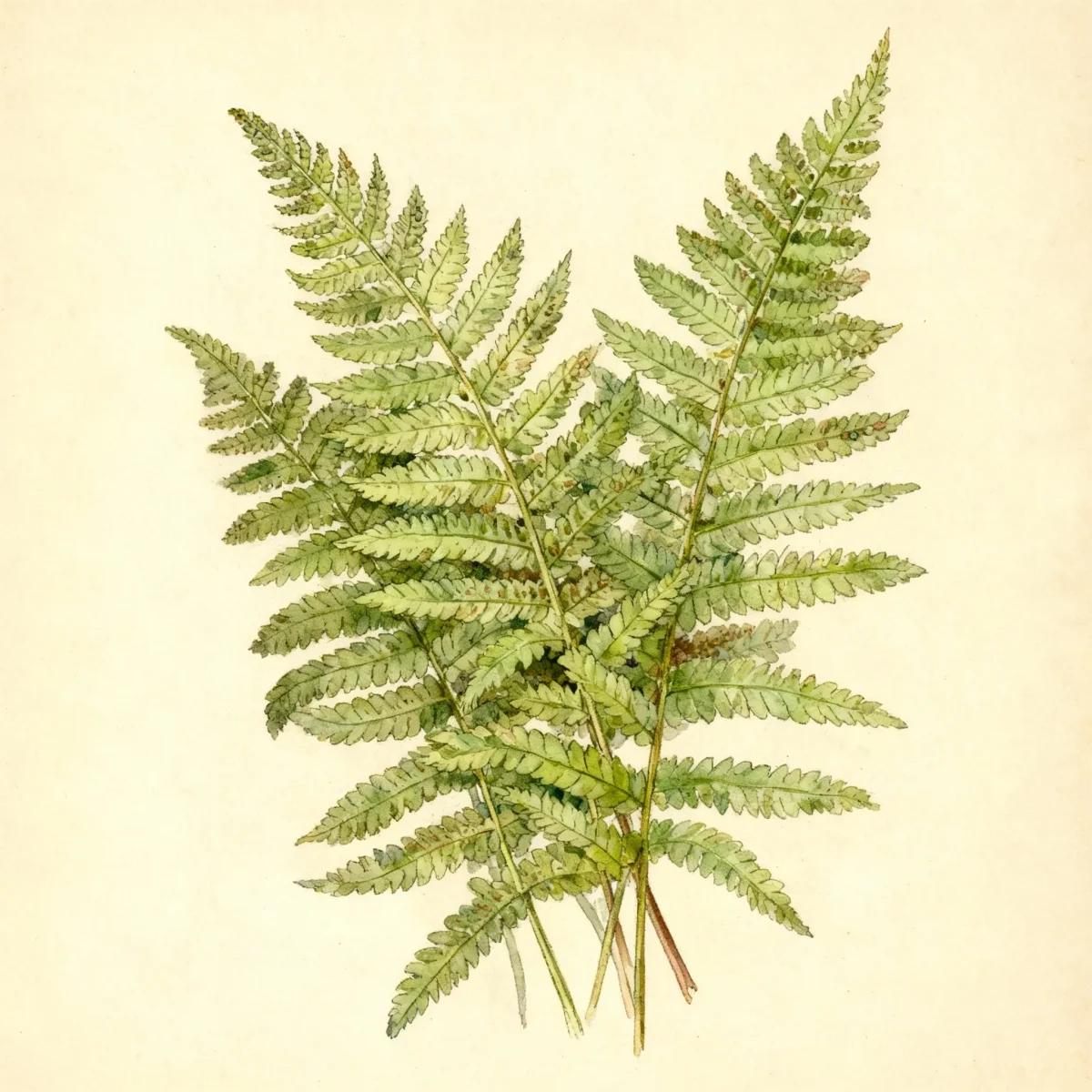
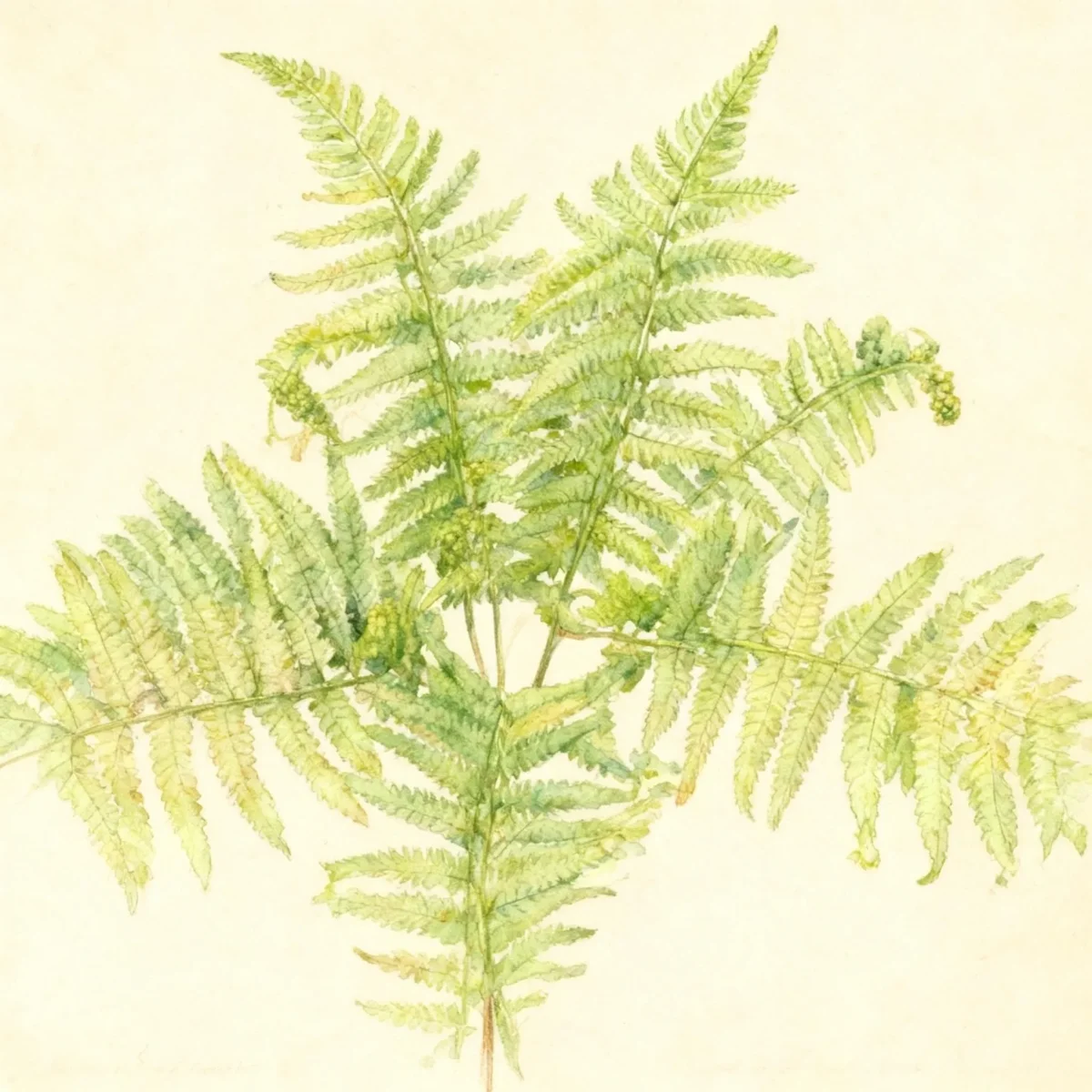
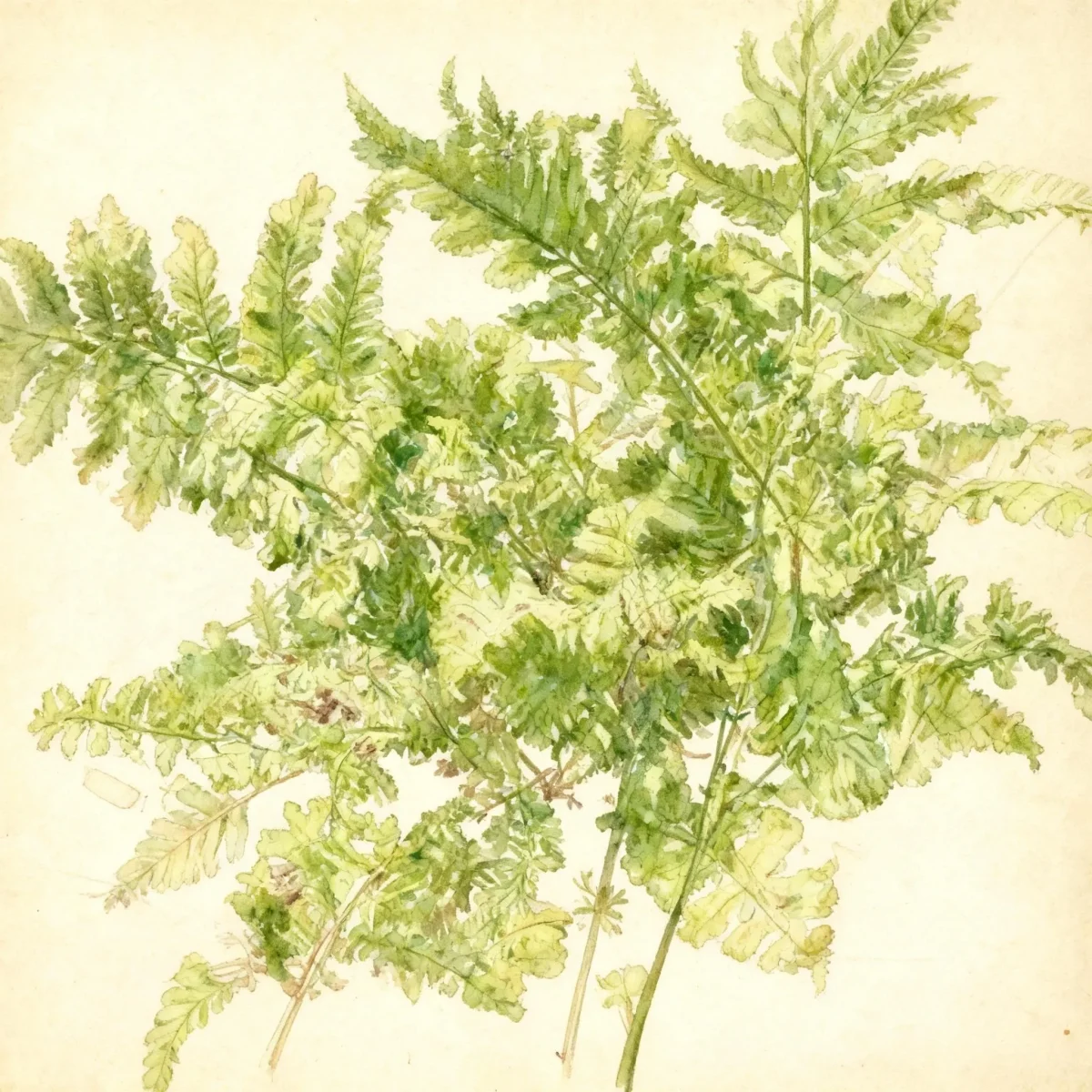
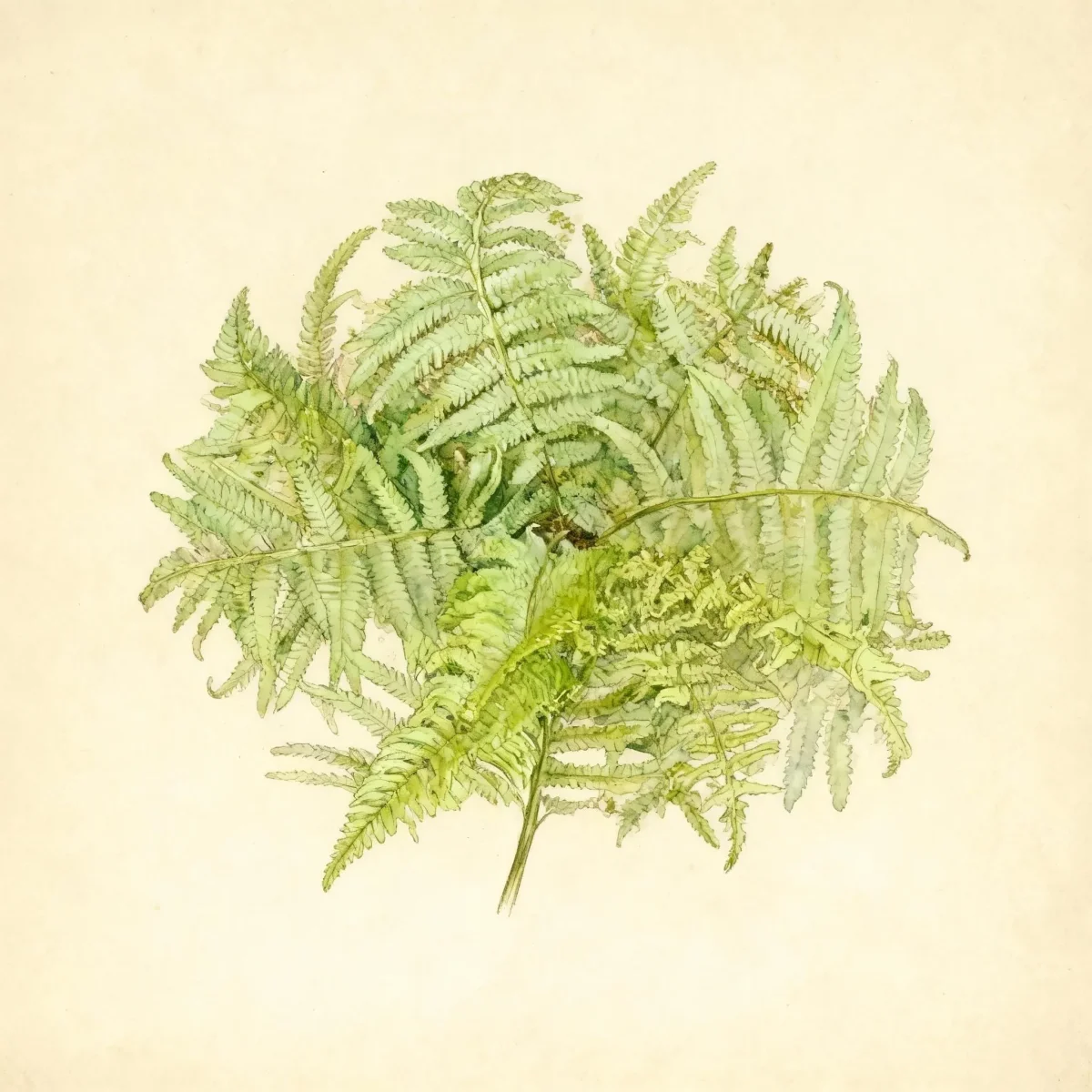
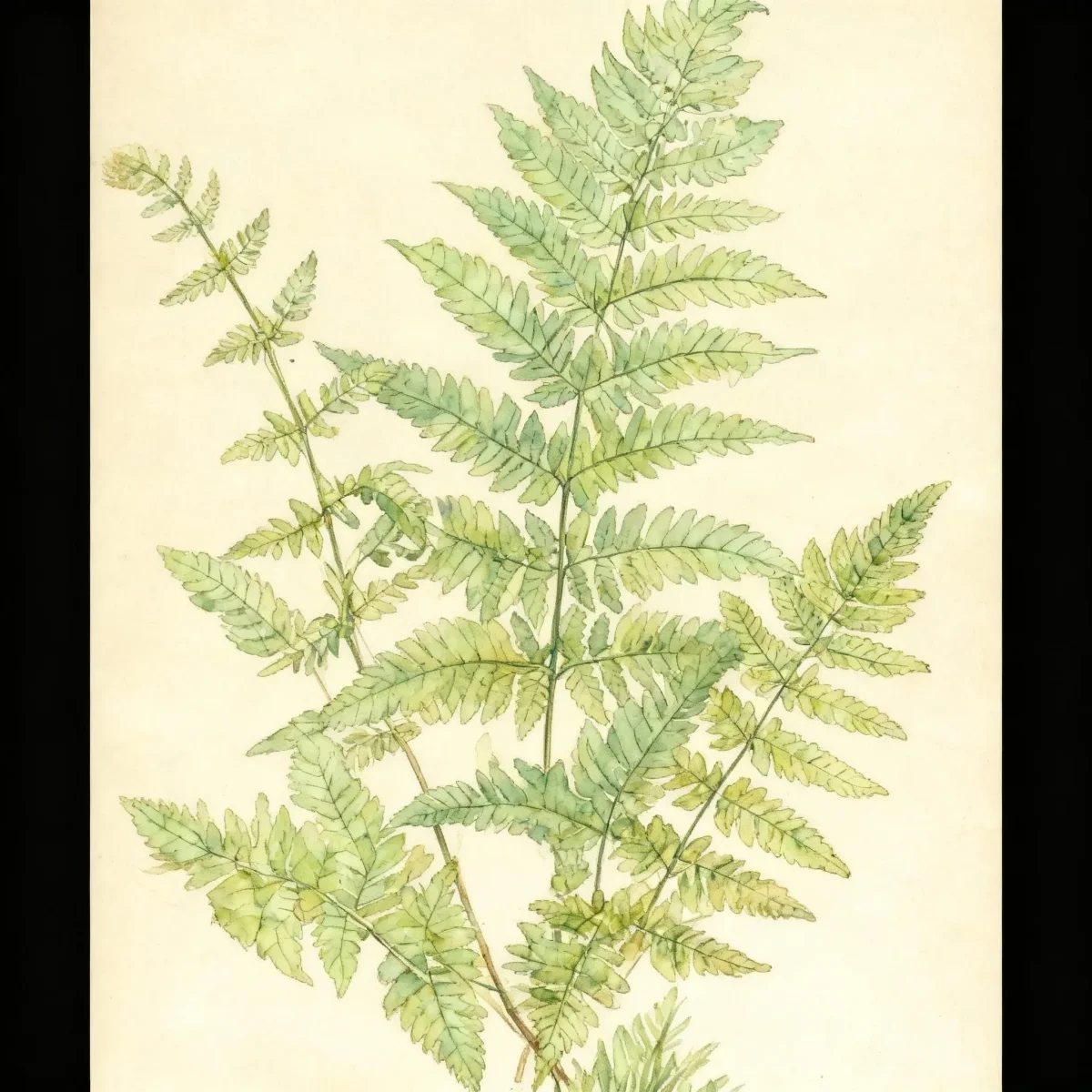
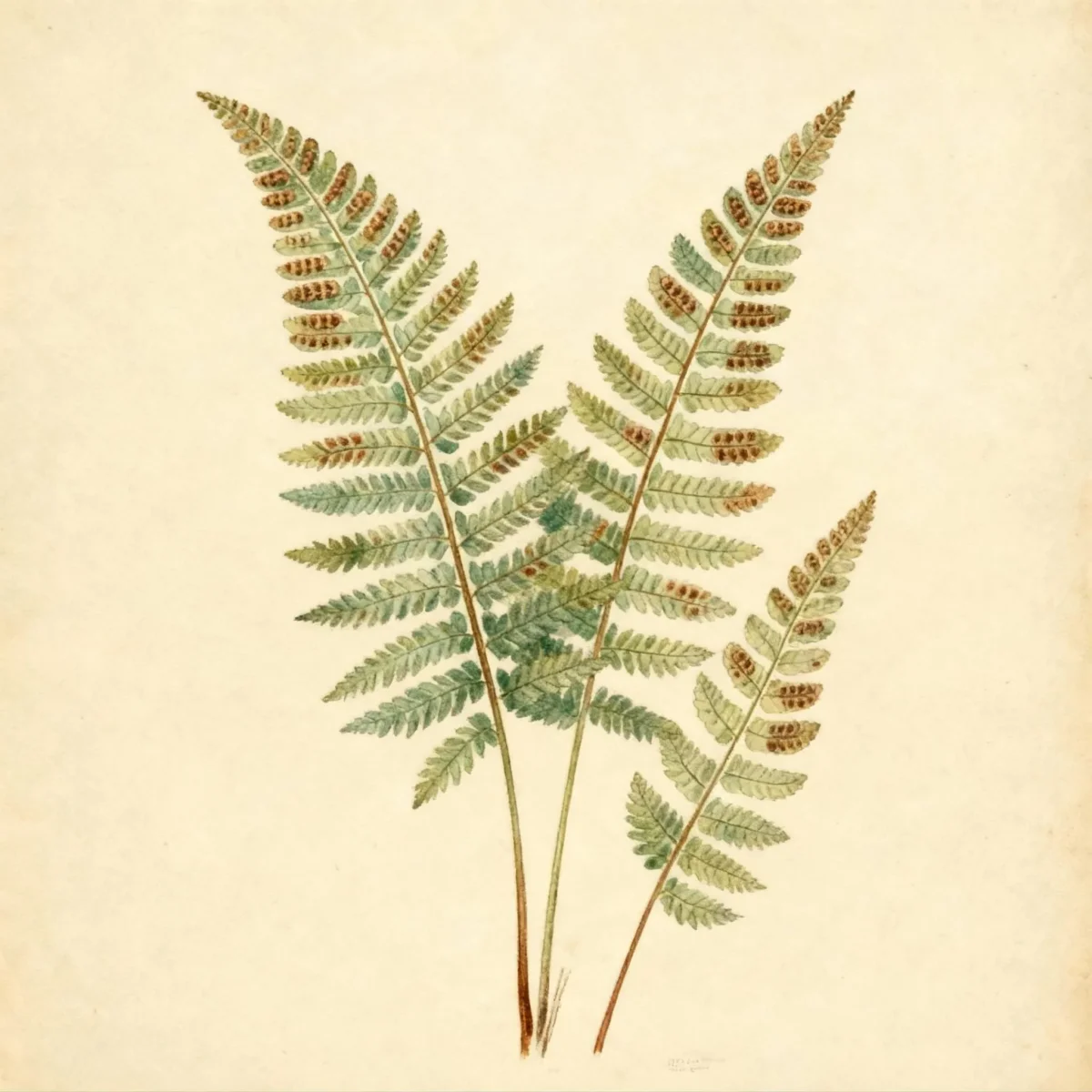
Goldie's shield fern (Dryopteris goldiana)
Discover Dryopteris goldiana, the majestic Goldie's shield fern, prized for its large size and dark green fronds ideal for shady, woodland gardens.
Scroll down to discover growing tips, care requirements, companion plants, and more
Complete Plant Information
Overview
Dryopteris goldiana, commonly known as Goldie’s shield fern, is revered by woodland gardeners for being perhaps the largest of the North American native Dryopteris species. Its striking aesthetic is defined by large, dark green, backward-arching fronds that create an impressive architectural element even in deep shade. This robust fern is valued for its relatively low maintenance needs once established, thriving where many other ornamentals fail.
As a beautiful, slow-spreading perennial, Dryopteris goldiana brings a lush, textural quality to the landscape. It is naturally found in moist, rich woodlands across Eastern North America. Gardeners appreciate its substantial size, reaching up to four feet tall, which provides excellent coverage and visual density in shaded garden beds.
For those seeking a specimen that handles heavy shade gracefully, Goldie’s shield fern is an exceptional choice. It introduces a classic, untamed woodland element, requiring very little intervention from the gardener beyond adequate moisture management. Planting Dryopteris goldiana ensures long-term structure and deep green color in the darkest corners of the yard.
Fast Facts
- Plant Family: Dryopteridaceae
- Plant Type: Fern
- Native Range: Eastern North America
- Hardiness Zones: USDA Zones 3-7
- Size at Maturity:
- Height: 3-4 ft
- Spread: 4-6 ft
- Bloom Time: Non-flowering
- Bloom Description: Non-flowering
- Sun Exposure: Part shade to full shade
- Water Needs: Medium
- Maintenance Level: Low
How to Grow
Establishment of Dryopteris goldiana is easiest in spring or early fall. Select a location providing part shade to full shade, remembering that this plant actively dislikes intense afternoon sun. It thrives in average, medium moisture soils, but truly excels when planted in rich, humusy, acidic soils that retain consistent moisture, mimicking its native woodland habitat with protection from strong winds.
Watering needs are medium; the key is consistency. Ensure the soil remains evenly moist, especially during dry spells, although established ferns are somewhat forgiving. Fertile soil and adequate moisture reduce the need for supplemental feeding. Avoid high-nitrogen fertilizers, as ferns generally prefer naturally rich, well-draining soil structure.
This is a low-maintenance plant. Pruning is rarely necessary, though you may choose to tidy up old, tattered foliage in early spring before new growth emerges. Goldie’s shield fern slowly spreads over time via short creeping rhizomes, gradually filling in the space you have allotted for it. Deciduous in colder regions like St. Louis, the fronds will die back in winter, disappearing until the next growing season.
Landscape Uses
The impressive scale of Goldie’s shield fern makes it indispensable for large-scale woodland designs. It is perfectly suited for mass planting or creating intentional groupings within native plant gardens where its height can provide vertical interest beneath the canopy of taller trees. Consider using it as a bold textural element in shady areas along borders where a lush, full appearance is desired throughout the summer months.
Because of its preference for consistent moisture and deep shade, group Dryopteris goldiana with other moisture-loving shade perennials. Excellent companions include large hostas, large-leaved Astilbes, or woodland phlox. The massive, dark green fronds contrast beautifully against the fine, airy structure of ferns like Maidenhair or Japanese Painted Ferns, creating complex layers of shade texture.
This species functions well as a foreground anchor in an informal, naturalized border setting. When properly sited—deep shade, rich and moist soil—it requires minimal long-term effort, becoming a dependable backbone plant for the shade garden for years to come.
Standout Features
Noteworthy Characteristics
Dryopteris goldiana, commonly called giant wood fern or Goldie’s wood fern, is a woodland fern which is native to moist woods in eastern North America including Missouri. Considered to be the largest of the North American species of Dryopteris, it typically grows in an upright habit to 3–4’ tall. It is distinguished by its large size and backward-arching, oblong-triangular, dark green (sometimes golden-green) fronds which taper abruptly near the tip.
Tolerances
- Rabbit
- Heavy Shade
Potential Problems
No serious insect or disease problems typically plague this robust fern, contributing significantly to its low maintenance rating. Good garden hygiene, such as ensuring excellent soil drainage to prevent rot and avoiding overhead watering late in the day, is usually sufficient preventative care. Keep an eye out for occasional fungal issues if foliage remains damp for prolonged periods in high humidity.
Frequently Asked Questions
What hardiness zones is Goldie’s shield fern suitable for?
Dryopteris goldiana is reliably cold-hardy, thriving in USDA Zones 3 through 7, making it suitable for many northern and central gardening environments.
How large does Goldie’s shield fern grow?
This impressive fern typically achieves a height between 3 and 4 feet, with a spread ranging from 4 to 6 feet at maturity.
What sun exposure does Dryopteris goldiana need?
This species prefers a location that receives part shade to full shade. Bright, direct afternoon sun should always be avoided to prevent leaf scorch.
When does Dryopteris goldiana bloom?
As a fern, Goldie’s shield fern is non-flowering and does not produce traditional blooms or fruits typical of angiosperms.
Conclusion
The sheer scale and deep green texture of Goldie’s shield fern make it a superior architectural anchor for any deeply shaded landscape area. This dependable perennial, Dryopteris goldiana, establishes easily in rich soil and demands little care once situated correctly. Always consult local USDA zone maps to ensure your planting site falls within Zones 3–7 for best results this coming planting season.
Companion Planting
Choosing the right partners enhances the woodland aesthetic that Dryopteris goldiana naturally promotes. Since this fern prefers consistent moisture, pairing it with other adaptable shade lovers is key. Consider planting groups of Japanese Astilbe or Tiarella (Foamflower) nearby; their spring blooms offer a wonderful textural contrast to the large, dark fronds of the shield fern.
For groundcover alternatives that share similar cultural requirements, look towards low-growing woodland geraniums or certain fine-textured mosses. This strategy allows the Goldie’s shield fern to stand tall as the structure plant while the ground provides an unbroken carpet of complementary greens.
Design Ideas
Use Dryopteris goldiana specimens strategically to frame walkways or entries leading into shaded garden rooms. Their upright, vase-like habit provides a strong vertical line, breaking up the often low, mounding forms found in shade gardening. The mature size of 4 feet spreads makes them excellent specimen plants when used individually.
In contemporary shade designs, use a mass planting of Dryopteris goldiana to create a uniform, architectural screen against a fence or wall. This monolithic effect provides drama and structure during the summer, effectively hiding foundation elements or utility boxes.