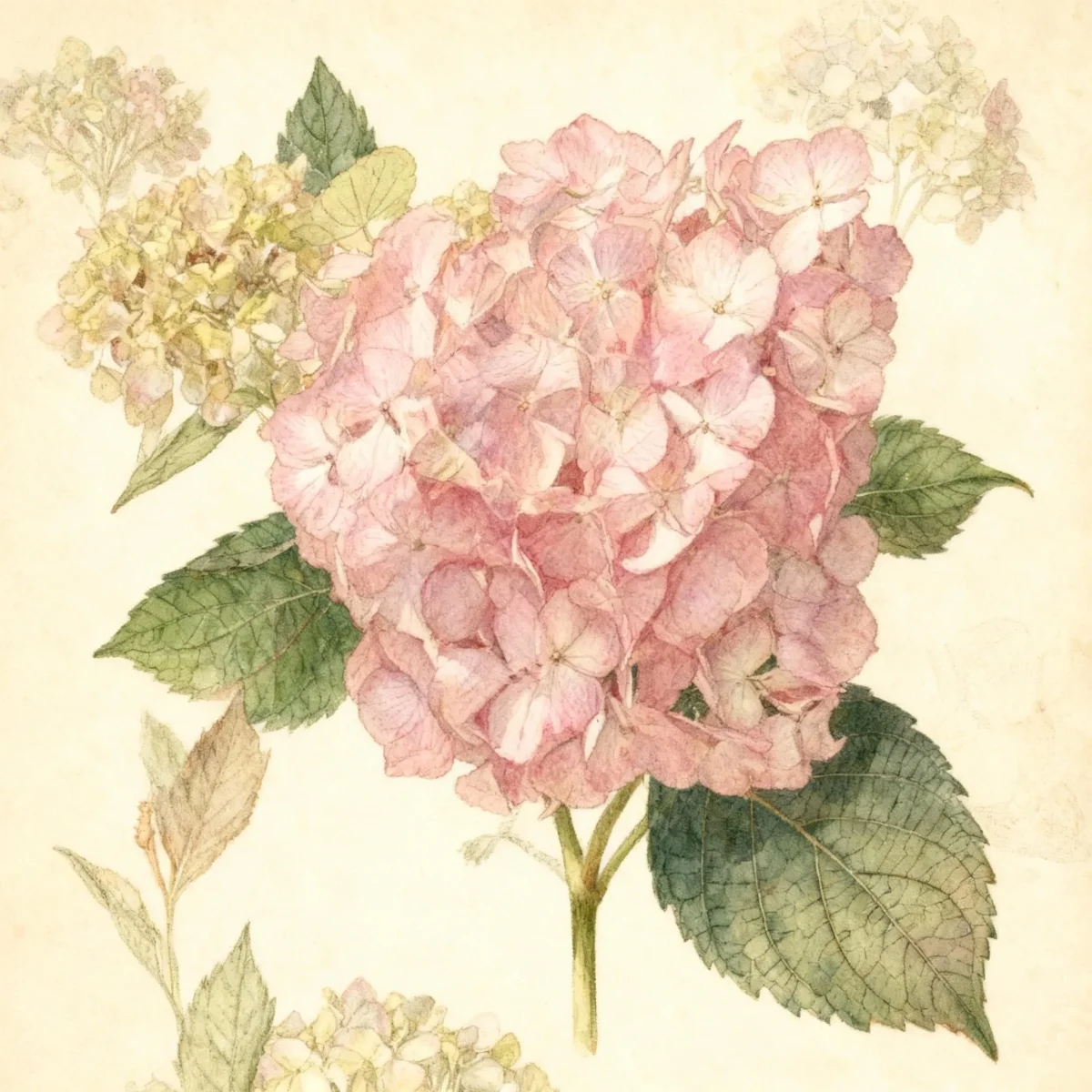
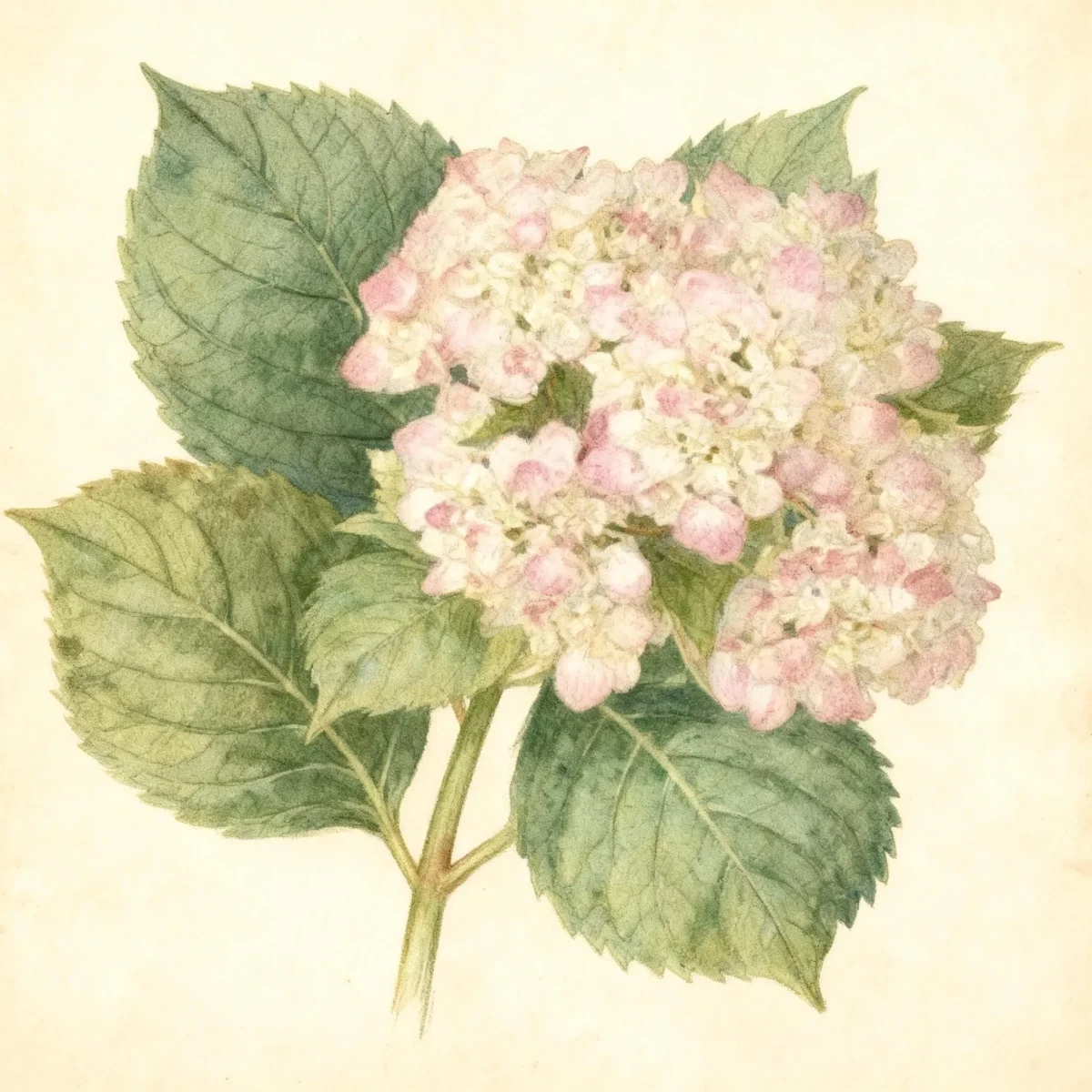
Bigleaf hydrangea (Hydrangea macrophylla 'Penny Mac')
The reliable Hydrangea macrophylla 'Penny Mac' offers blooms on old and new wood, thriving in part shade zones 5-9.
Scroll down to discover growing tips, care requirements, companion plants, and more
Complete Plant Information
Overview
Hydrangea macrophylla ‘Penny Mac’ is a highly valued deciduous shrub known for its reliability, particularly in cooler climates where other Bigleaf hydrangeas struggle. This specific cultivar, Hydrangea macrophylla ‘Penny Mac’, is prized because it blooms successfully on both the previous season’s wood (old wood) and the current season’s growth (new wood). This trait ensures consistent summer color, setting it apart from many older Bigleaf hydrangea types.
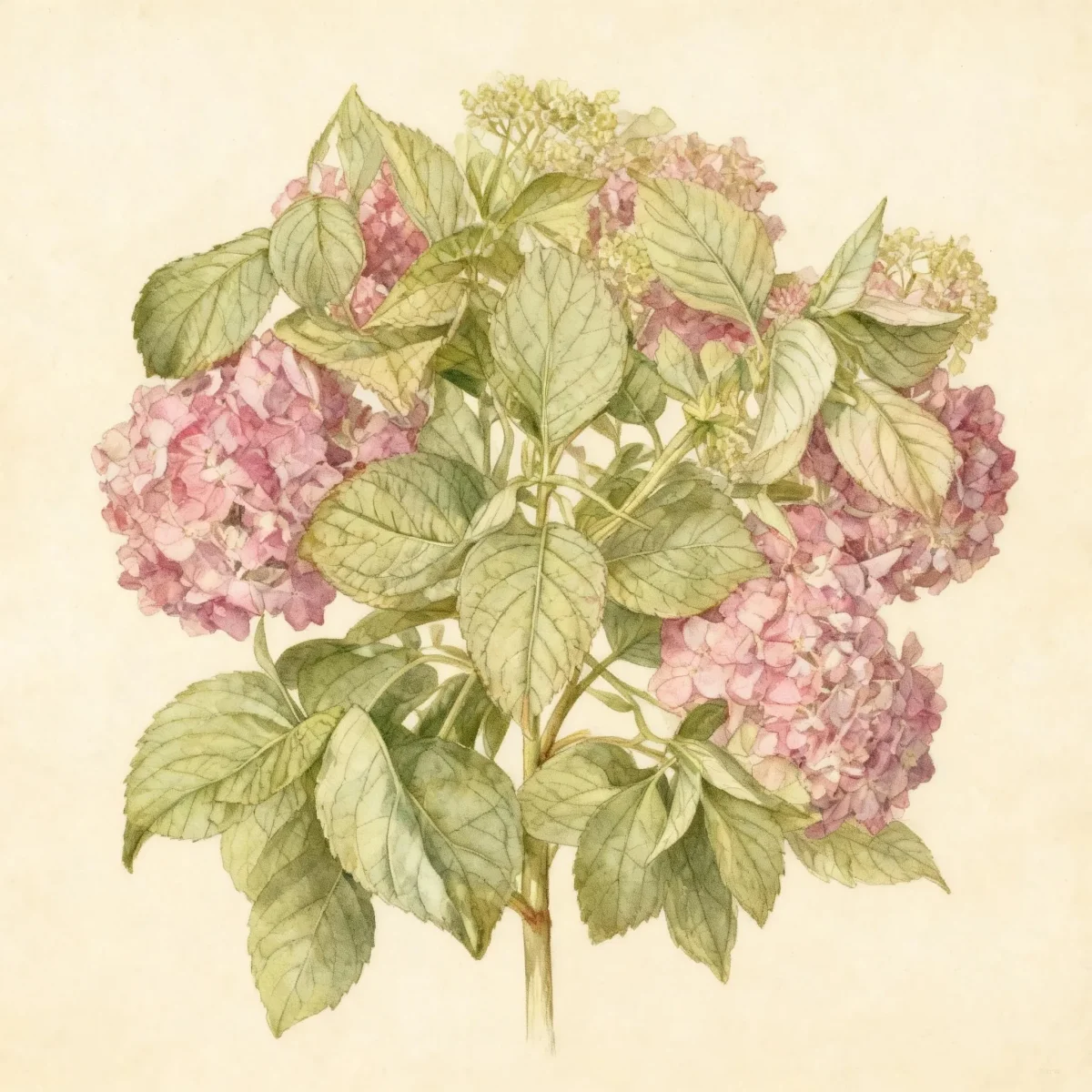
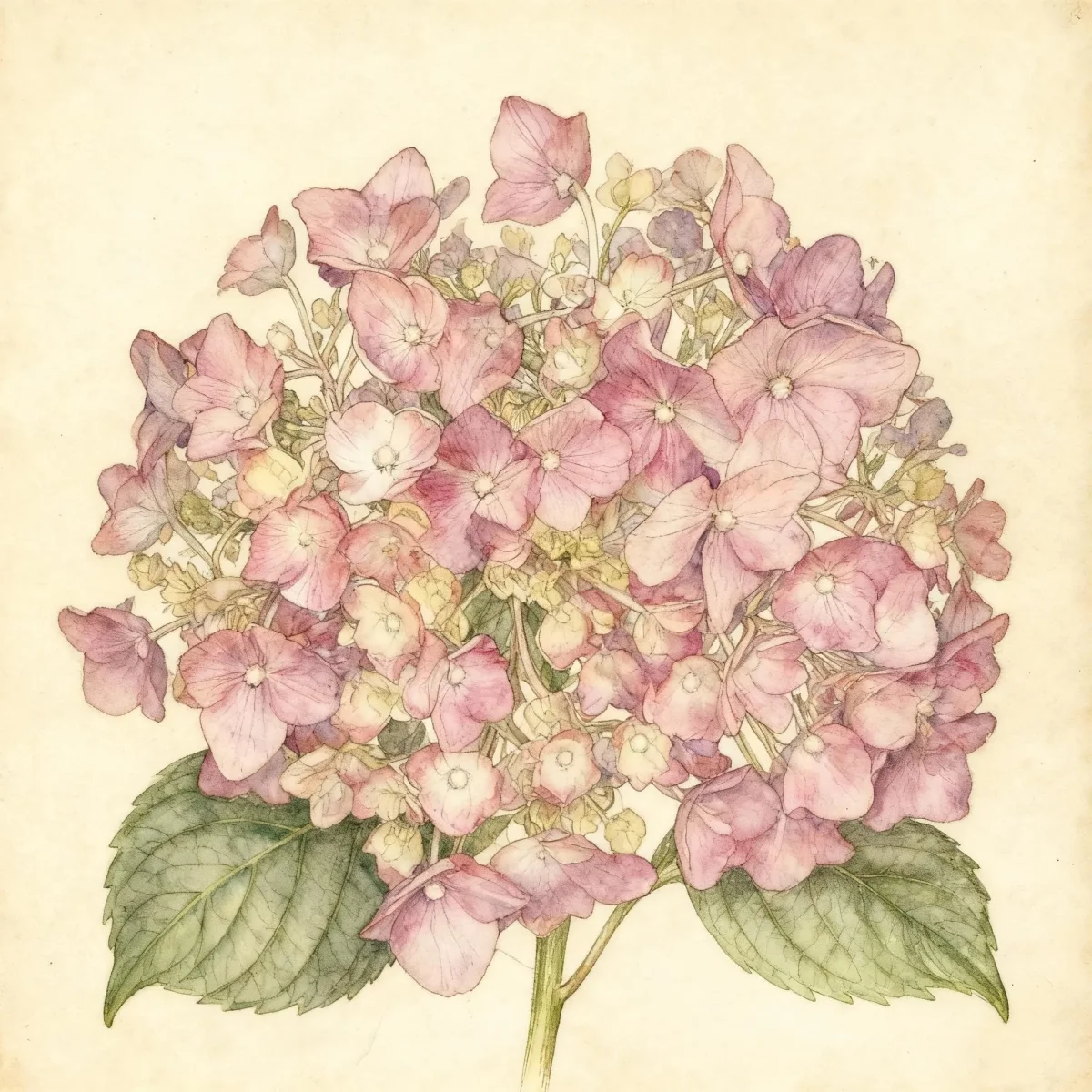
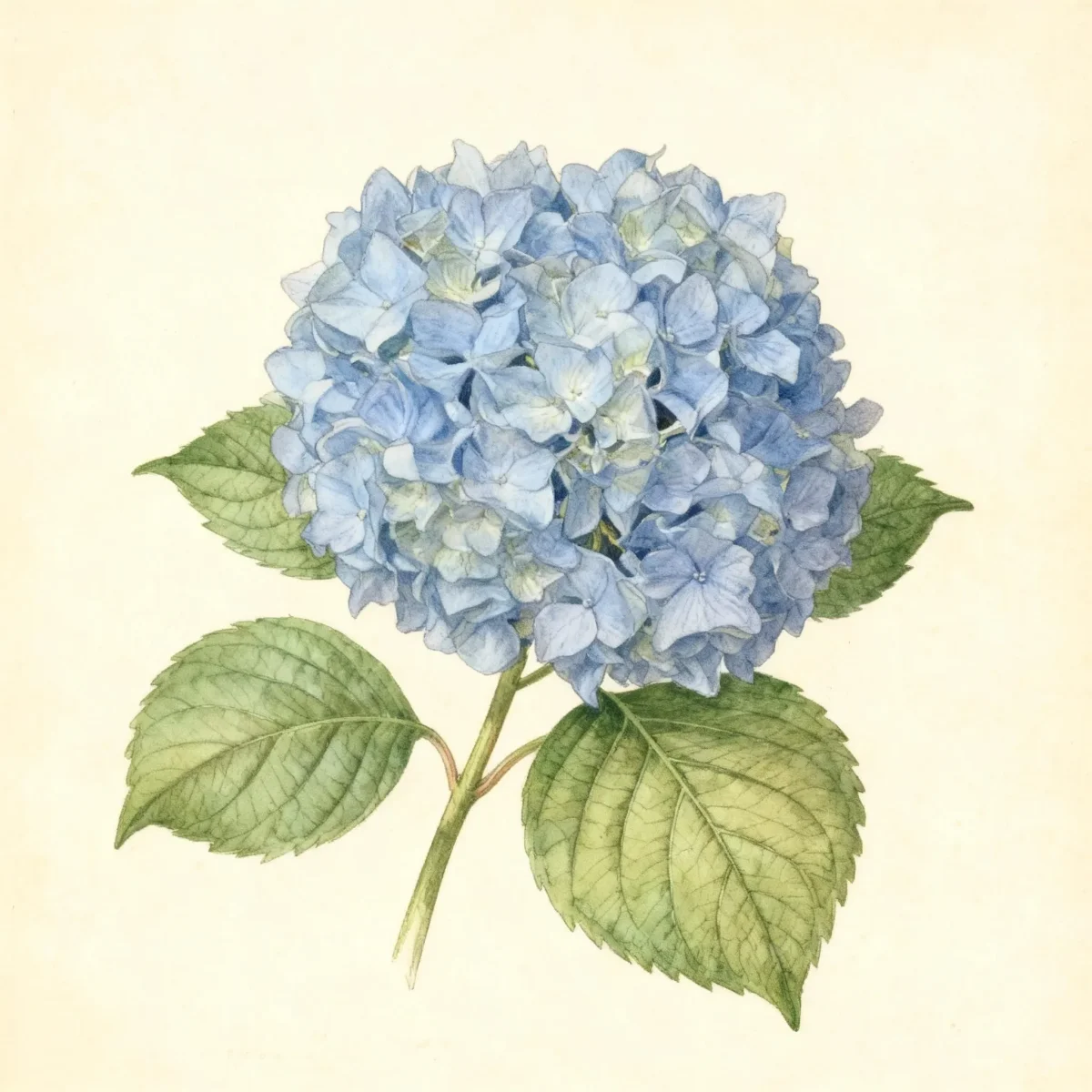
Growing typically to 4 to 6 feet tall and wide, this plant provides a substantial, rounded structure featuring large, dark green leaves through the growing season. The blooms appear from June through September, offering visual interest long after many spring-flowering shrubs have faded. The ultimate flower color depends entirely on the soil pH, providing gardeners with control over whether the mophead clusters appear blue or pink.
For gardeners seeking consistent performance from their Bigleaf hydrangea, Hydrangea macrophylla ‘Penny Mac’ is an excellent selection. Its ability to withstand Zone 5 winters without significant bud loss means gardeners in cooler regions can enjoy predictable flowering where standard cultivars might fail. Plan your placement carefully to optimize flowering potential and soil amendment success.
Fast Facts
- Plant Family: Hydrangeaceae
- Plant Type: Deciduous shrub
- Hardiness Zones: USDA Zones 5-9
- Size at Maturity:
- Height: 4-6 ft
- Spread: 4-6 ft
- Bloom Time: June to September
- Bloom Description: Blue (acidic) or pink (alkaline)
- Sun Exposure: Part shade
- Water Needs: Medium
- Maintenance Level: Medium
How to Grow
The ideal location for Hydrangea macrophylla ‘Penny Mac’ is one that receives part shade, benefiting from morning sun but protected from intense afternoon heat. Best results occur in rich, well-drained soils with medium moisture consistently supplied. While this Bigleaf hydrangea tolerates full sun, it requires reliably moist soil conditions during periods of high heat to prevent wilting and scorch.
Soil pH management is crucial for achieving desired bloom colors. To encourage vibrant blue flowers, amend the soil with aluminum sulfate, aiming for highly acidic conditions. Conversely, adding lime will push the color toward pinkish hues in slightly acidic to alkaline soils. Remember to begin these soil treatments in late autumn or early spring, well ahead of the main blooming season.
Pruning for this reliable cultivar is minimal. Prune only if necessary, immediately following the completion of flowering by cutting back the flowering stems slightly above a pair of healthy, outward-facing buds. In late winter or early spring, remove any stems that are clearly weak or show evidence of winter damage. Applying a three-inch layer of mulch, such as shredded bark or compost, helps maintain cool, consistent soil moisture year-round.
Gardeners in Zone 5 should be aware that while Hydrangea macrophylla ‘Penny Mac’ is more winter-hardy than many, extremely harsh winters can still damage buds. Siting the shrub in a sheltered spot can offer added insurance. However, unlike many older varieties, this tough plant is renowned for reliably flowering in areas like St. Louis, often negating the need for visually intrusive winter wrapping.
Landscape Uses
The versatility of the Bigleaf hydrangea makes Hydrangea macrophylla ‘Penny Mac’ an excellent addition to varied landscape designs. Its dense, rounded habit makes it perfect for use as an informal hedge along property lines or pathways, providing consistent summer texture and color. It also functions beautifully as a specimen plant positioned near patios or entrances where its large, globe-like flower clusters can be easily appreciated up close.
For foundation plantings, ensure adequate space is allowed for its 4 to 6-foot mature spread to prevent overcrowding against structures. When grouping plants, consider pairing Hydrangea macrophylla ‘Penny Mac’ with acid-loving evergreens like rhododendrons or azaleas, especially if you are aiming for a predominantly blue bloom display. In containers, provide excellent drainage and diligent watering to meet its medium water needs.
Standout Features
Flower Qualities
- Showy
Noteworthy Characteristics
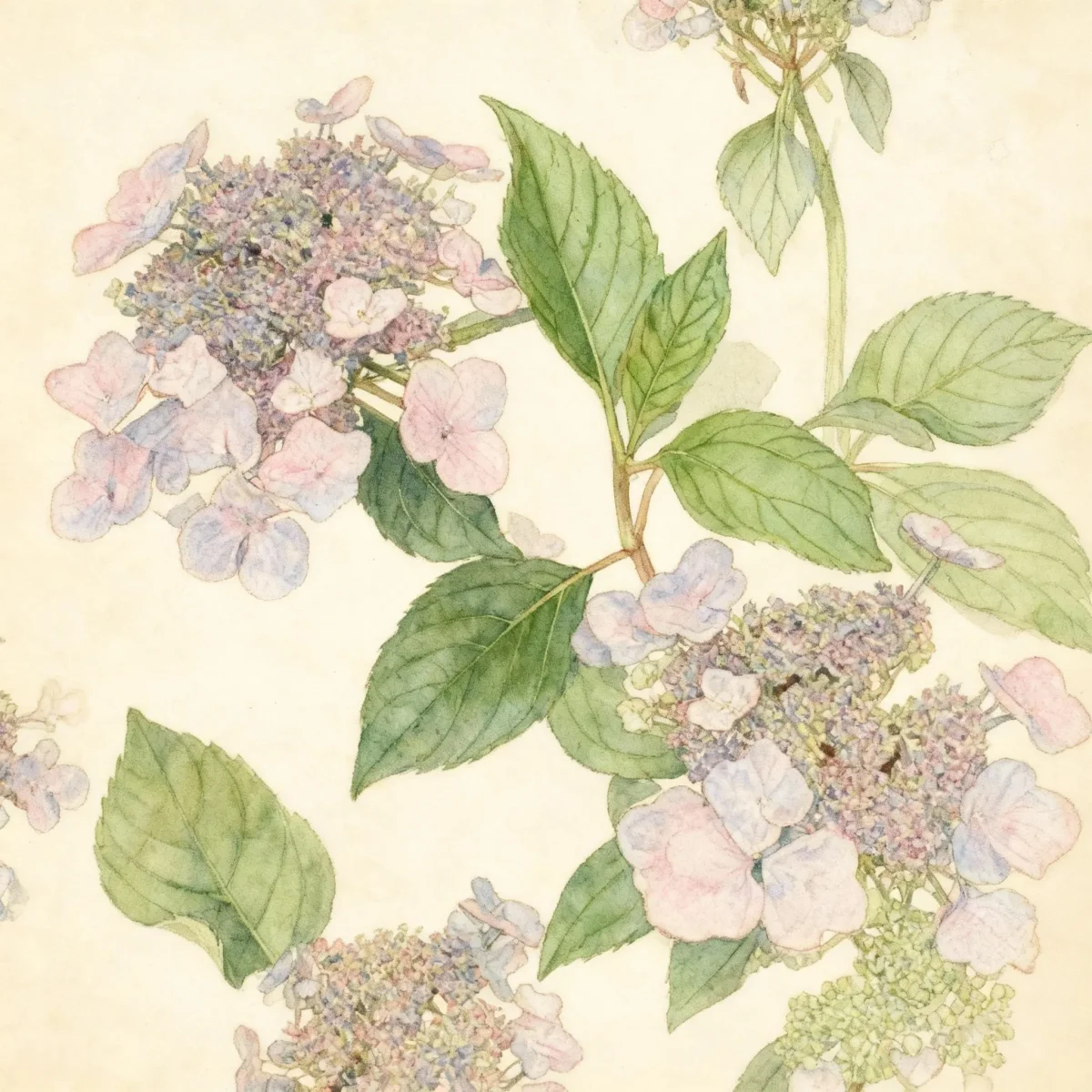
The genus name Hydrangea references water and vessel, while the specific epithet translates to large leaf. Hydrangea macrophylla, commonly called big leaf hydrangea, forms a rounded deciduous shrub typically reaching 3-6 feet tall, featuring large, serrated leaves. The recognizable summer flowers appear in large clusters, either in the globe-like mophead form or the flatter lacecap structure. This specific introduction, ‘Penny Mac’, was named after Penny McHenry, the founder of The American Hydrangea Society.
Tolerances
- Some susceptibility to bud blight, bacterial wilt, leaf spot and mildew.
Potential Problems
This Bigleaf hydrangea shows some susceptibility to common hydrangea issues, including bud blight, bacterial wilt, and various fungal leaf spots or mildews. Prevention is often easier than treatment when dealing with these problems.
Maintaining good air circulation around the shrub, achieved by ensuring proper spacing, helps reduce the incidence of fungal issues like mildew. Water the plant at the base rather than overhead; overhead watering on foliage can encourage disease development, especially late in the day.
Aphids are occasional insect visitors to Hydrangea macrophylla ‘Penny Mac’. If an infestation occurs, treatment with insecticidal soap or a strong jet of water (if the plant is well established) can often control minor outbreaks before they become problematic.
Frequently Asked Questions
What hardiness zones is Bigleaf hydrangea suitable for?
Hydrangea macrophylla ‘Penny Mac’ is winter hardy across USDA Zones 5 through 9.
How large does Hydrangea macrophylla ‘Penny Mac’ typically grow?
This cultivar generally matures to a size between 4 to 6 feet in both height and spread in ideal conditions.
What sun exposure does Bigleaf hydrangea need?
For the best flowering and leaf health, Hydrangea macrophylla ‘Penny Mac’ requires part shade, though it can tolerate more sun if soil moisture is kept medium to high.
When does Hydrangea macrophylla ‘Penny Mac’ bloom?
This Bigleaf hydrangea produces its flowers consistently from June through September, offering these blooms in shades of blue (acidic soil) or pink (alkaline soil).
Conclusion
The exceptional reliability in flowering—due to its ability to bloom on both old and new wood—makes Hydrangea macrophylla ‘Penny Mac’ a superstar for summer interest. This versatile Bigleaf hydrangea thrives in partial shade and offers significant control over flower color via basic soil amendments. Before planting, confirm your garden location falls within USDA Zones 5-9 and prepare your soil for the desired blue or pink display.
Companion Planting
When designing a border incorporating Hydrangea macrophylla ‘Penny Mac’, select plants that share similar cultural requirements for sun and moisture. Consider pairing them with shade-tolerant perennials such as Hostas or Astilbes, which enjoy the dappled light and rich soil favored by this shrub. For textural contrast, groundcovers like Japanese Forest Grass (Hakonechloa macra) can look stunning near the base, helping to keep the soil cool.
For a classic cottage garden feel, cluster your Bigleaf hydrangeas alongside late-blooming summer perennials like tall white or light pink Coneflowers (Echinacea) or climbing roses suited for morning sun. Avoid planting shallow-rooted competitors directly adjacent to the base, ensuring that the medium water needs of the hydrangea are always met, especially during dry spells.
Seasonal Care Calendar
Spring preparation is the most active period for your Hydrangea macrophylla ‘Penny Mac’. In very early spring, prune out any dead or damaged wood, adjusting stems carefully before the new buds swell. This is the optimal time to apply any necessary soil amendments (lime or aluminum sulfate) to influence the coloration of upcoming blooms.
Summer is primarily a monitoring phase focused on consistent watering, as medium needs must be maintained for optimal performance and color fidelity. Avoid heavy fertilization late in the season, as this can encourage tender new growth that may suffer damage before winter sets in. Deadhead spent blooms lightly throughout the season if desired, but allow the final flush to remain on the plant for winter interest.
Container Growing Tips
Growing Hydrangea macrophylla ‘Penny Mac’ successfully in containers requires careful attention to the specific needs of this shrub. Since soil volume is restricted, moisture management becomes paramount; medium water needs translate to nearly daily checking during hot summers in containers. Use a high-quality potting mix amended with plenty of compost to ensure adequate richness and drainage.
For color control in pots, you have maximum flexibility. Use a standard, balanced potting mix to encourage pink flowers, or actively amend the container soil annually with aluminum sulfate if a blue hue is desired. Position containers where they receive protection from intense afternoon sun, which can quickly overheat the potting medium and stress the roots of the Bigleaf hydrangea.
Design Application: Focal Points and Hedges
The consistent size and dense, rounded habit of Hydrangea macrophylla ‘Penny Mac’ make it highly functional for formal and semi-formal landscape structures. Used in multiples, they create a robust, low-to-medium height hedge that provides reliable summer screenings or borders. They soften hardscape edges exceptionally well, particularly in areas receiving reflected light from patios or walkways.
Because the mophead flowers are so prominent, placing a single Hydrangea macrophylla specimen where it can serve as a vibrant focal point is highly effective. Plant it where it receives light background contrast, such as against dark green conifers or a neutral-colored fence. Its substantial green foliage carries the scene throughout the entire season, even when the plant is not actively blooming.