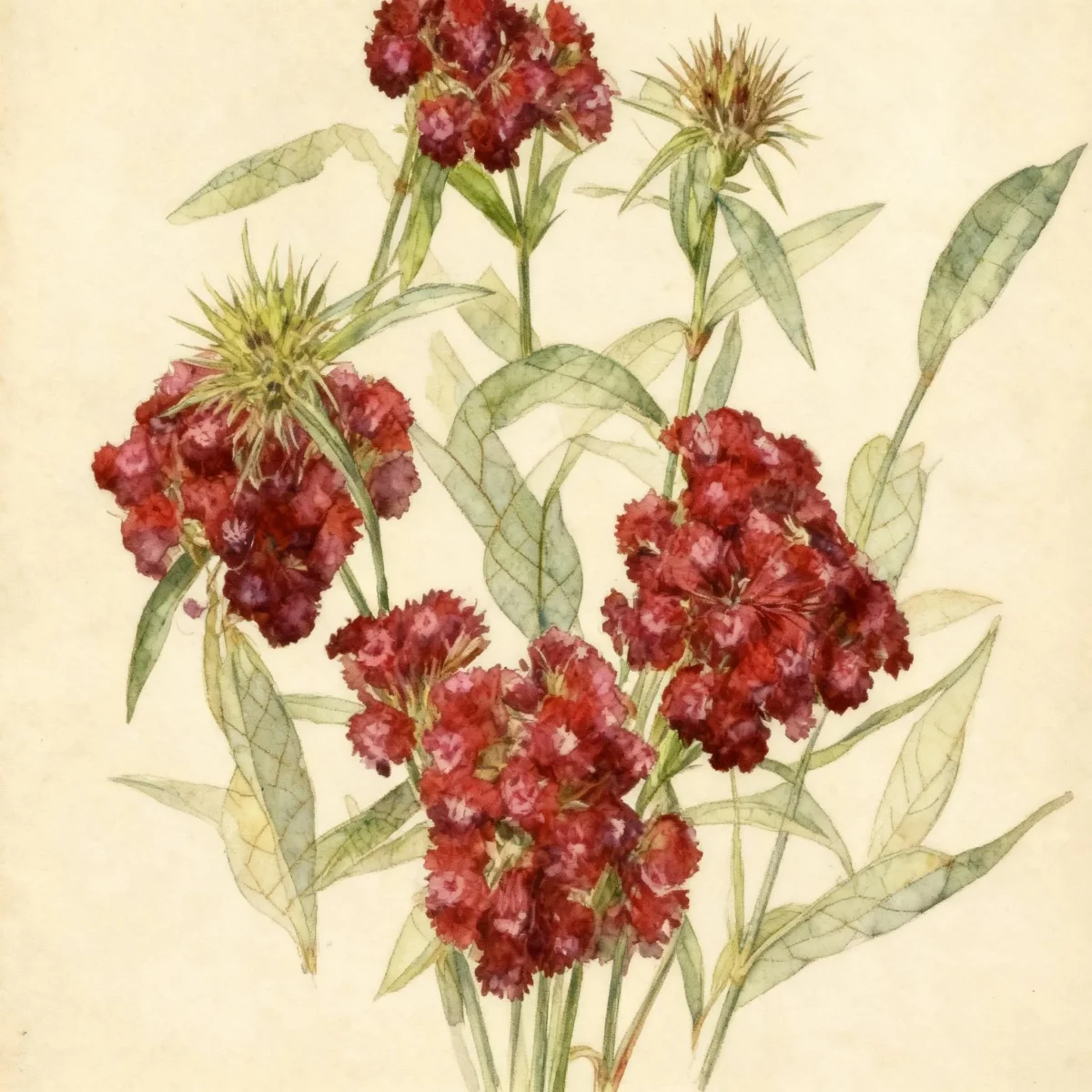
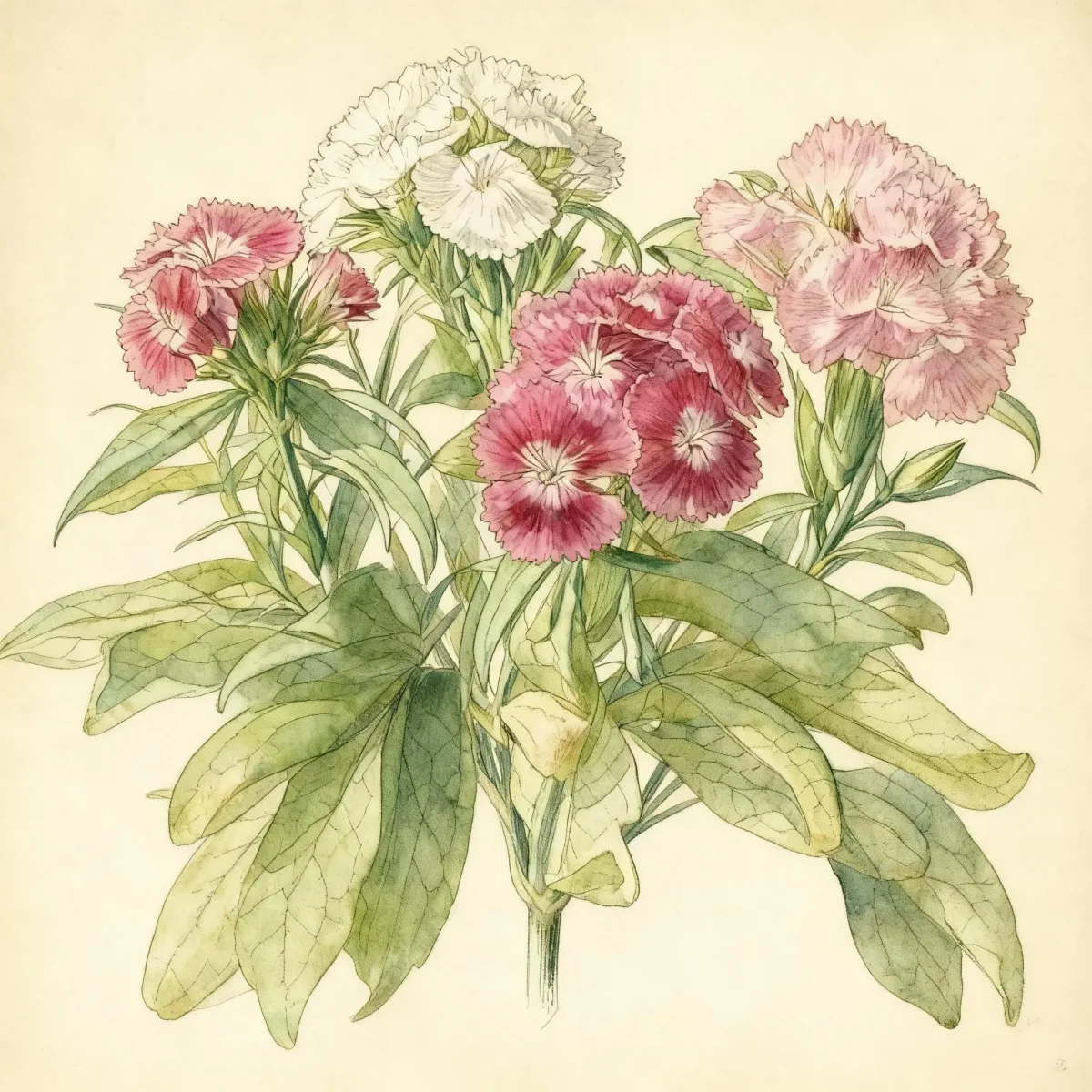
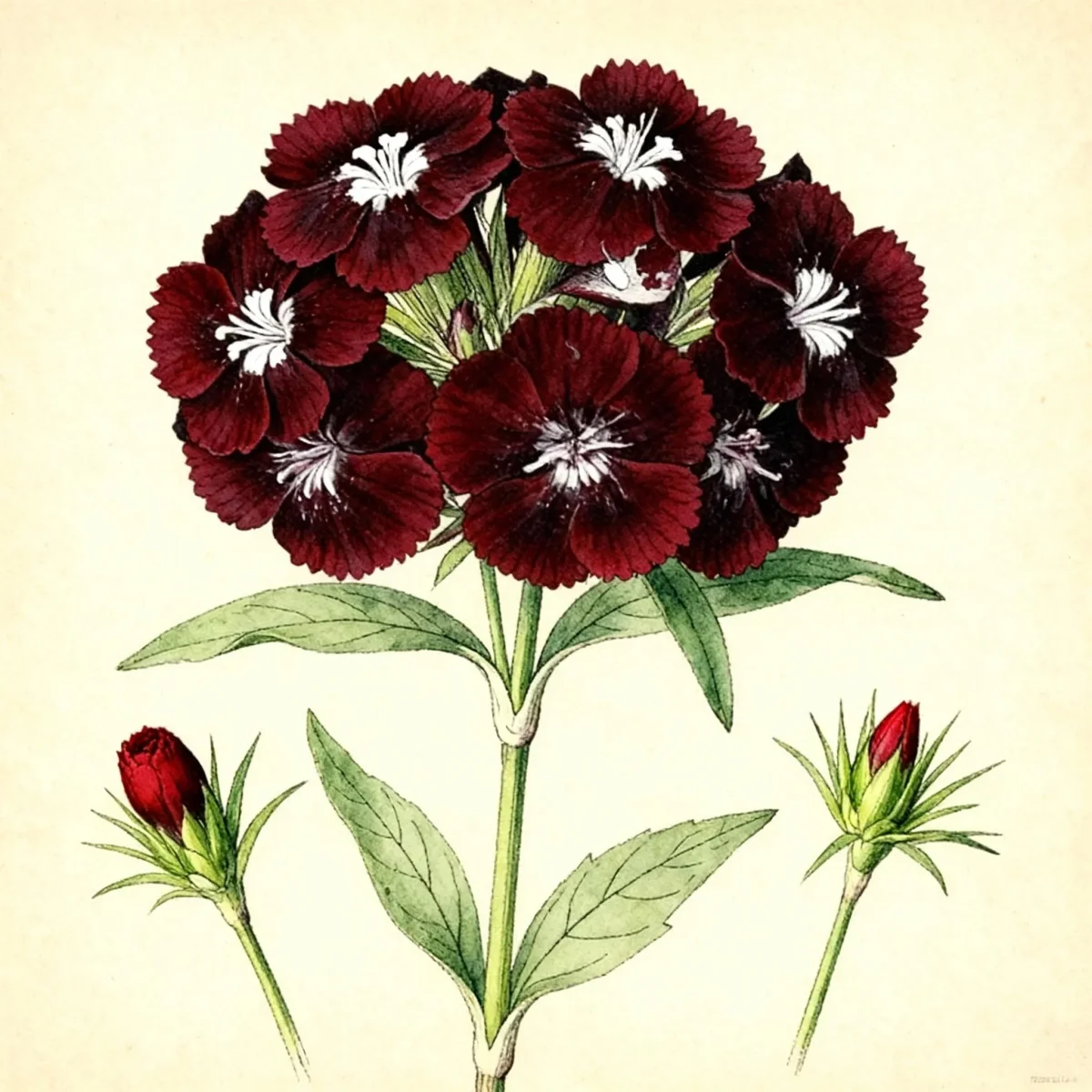
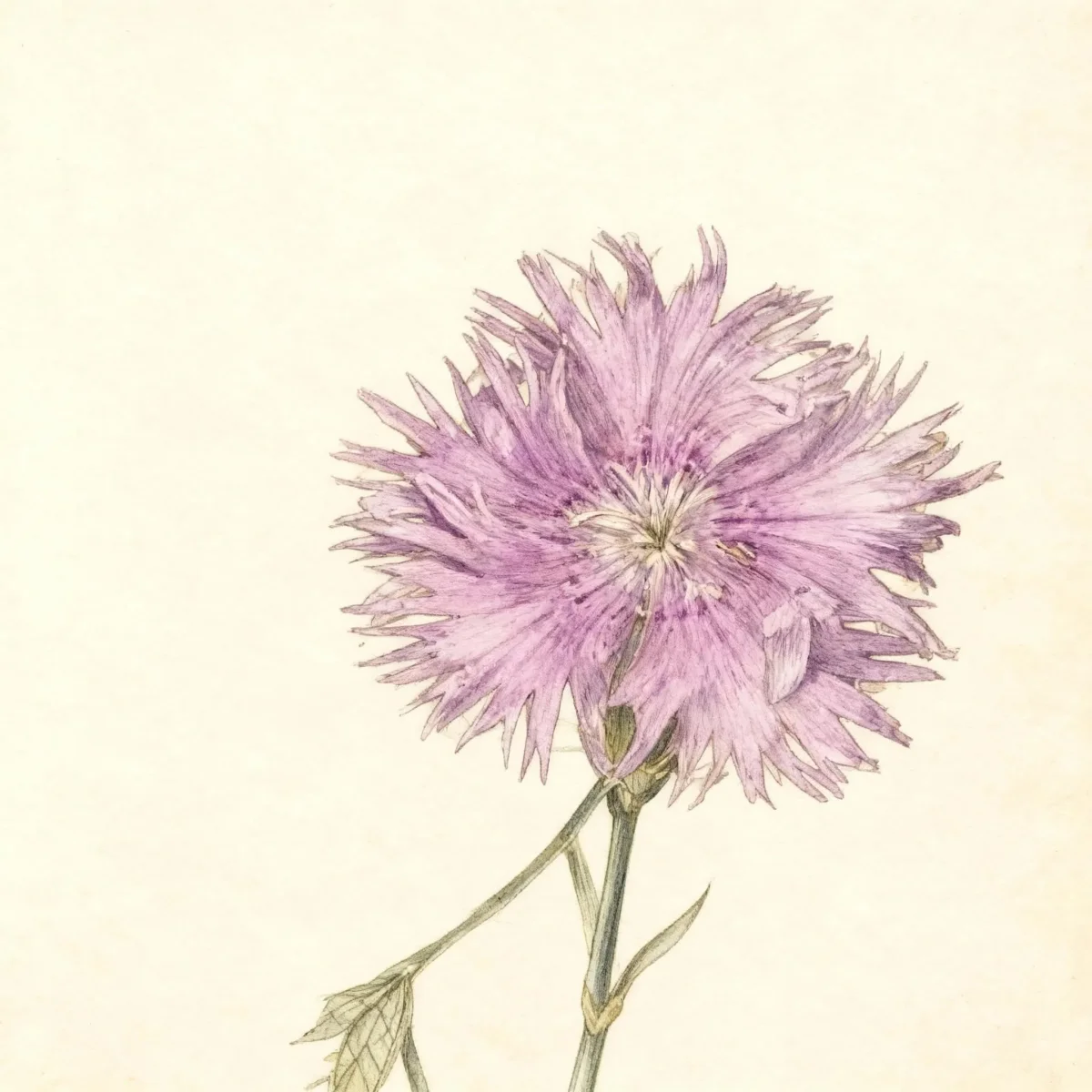
Sweet William (Dianthus 'Stagirond' RONDO)
Charming Sweet William, Dianthus 'Stagirond' RONDO, offers showy bicolored blooms from May to June across zones 4-8.
Scroll down to discover growing tips, care requirements, companion plants, and more
Complete Plant Information
Overview
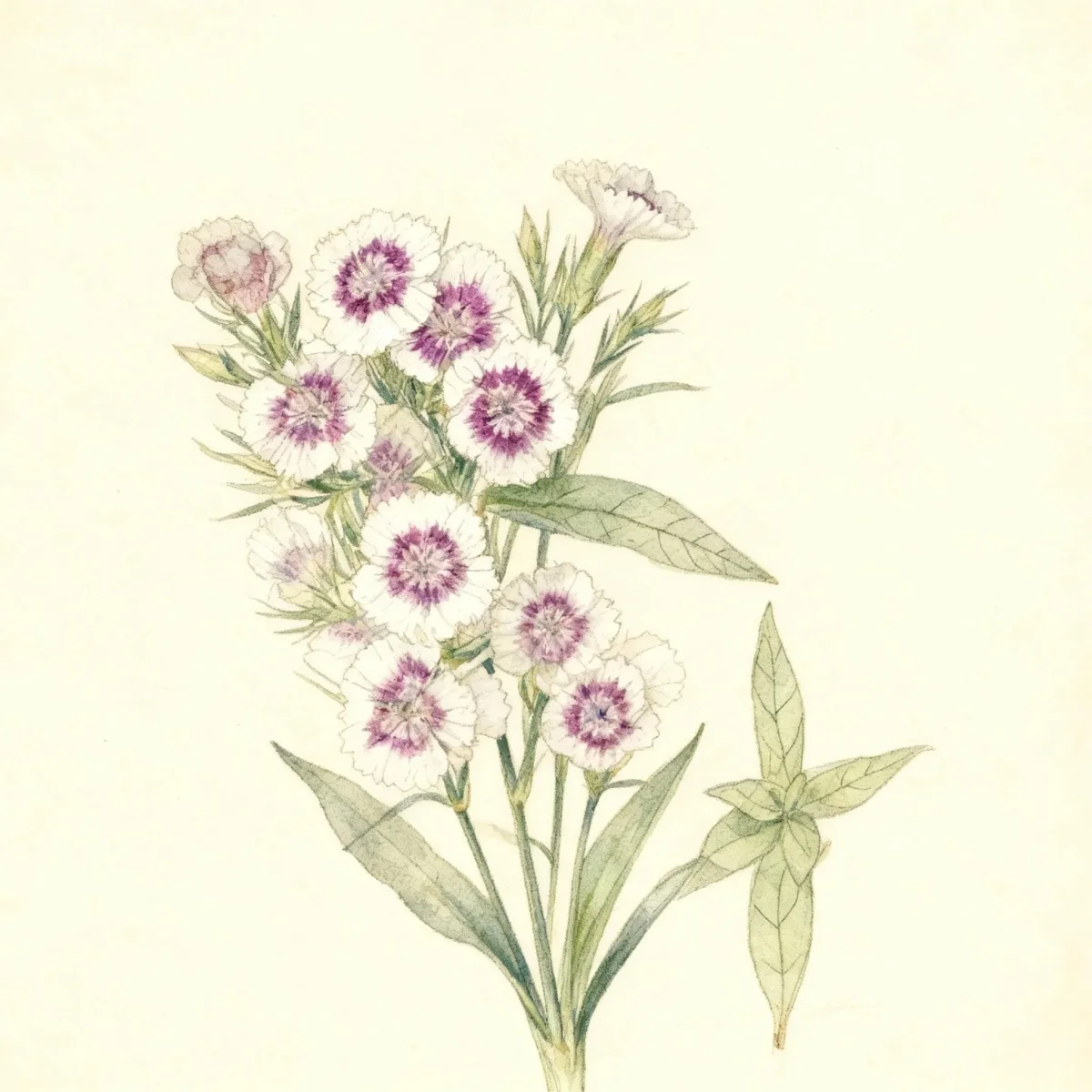
Dianthus ‘Stagirond’ RONDO, commonly known as Sweet William, introduces vibrant color and classic garden appeal to sunny borders. This cultivar is highly valued for its prolific bloom period extending from late spring into early summer, showcasing attractive mixtures of whites, pinks, and deep reds. Though often treated as an annual, this Dianthus can exhibit biennial or short-lived perennial tendencies under ideal conditions.
The RONDO series is renowned for offering superior performance compared to some parent species, showing increased heat and frost tolerance. It produces mounds of lance-shaped, medium-green foliage topped by fringed, showy flowers, making it an excellent choice for mass bedding displays or filling out front borders.
Cultivating Dianthus ‘Stagirond’ RONDO successfully provides reliable, low-growing color for border edges. Its compact stature complements taller perennials while offering the visual interest of the traditional Sweet William plant in a more vigorous, bedding-focused package.
Fast Facts
- Plant Family: Caryophyllaceae
- Plant Type: Annual
- Hardiness Zones: USDA Zones 4-8
- Size at Maturity:
- Height: 0.5-0.75 ft
- Spread: 0.5-0.75 ft
- Bloom Time: May to June
- Bloom Description: Whites, pinks, reds, red-purples (bi-colors)
- Sun Exposure: Full sun to part shade
- Water Needs: Medium
- Maintenance Level: Medium
How to Grow
For optimal growth, plant Dianthus ‘Stagirond’ RONDO seeds indoors early for first-year bloom, or sow directly into the garden in spring as the last frost passes. If treated as a biennial, start seed in early fall for blooms the subsequent year, or plant nursery stock in the fall. The success of this Sweet William relies heavily on soil quality. Best results are achieved in deep, organically rich, well-drained soils, ensuring roots are not left soggy.
Water needs for Dianthus ‘Stagirond’ RONDO are medium; ensure consistent moisture, especially during dry spells, but avoid saturation which encourages crown rot. While these plants thrive in full sun, they appreciate light afternoon shade in very hot summer climates where intense heat can stress them. Cultivation may require medium maintenance, particularly related to promoting longevity.
To encourage perennial tendencies and maximize repeat blooming, consistently deadhead spent flowers. For larger plantings of this beautiful Dianthus ‘Stagirond’ RONDO, shearing the entire planting back after the main flush encourages a final burst of late-season flowers and tidies the appearance. This attention prevents the plant from looking spent prematurely.
Landscape Uses
Dianthus ‘Stagirond’ RONDO is perfectly sized for edging pathways or defining the front of perennial beds, staying consistently low at three-quarters of a foot tall. Its colorful mixture blends well with later-blooming, sun-loving perennials that appreciate similar soil conditions.
Beyond traditional beds and borders, this bedding dianthus excels in containers and window boxes. Pair the compact mounds of Sweet William with taller upright specimens or cascading annuals for high-impact arrangements. Planting Dianthus ‘Stagirond’ RONDO en masse creates a stunning, colorful carpet effect throughout late spring and early summer.
Standout Features
Flower Qualities
- Showy
Noteworthy Characteristics
Bedding dianthus, often called pinks or carnations, may be Chinese pinks (Dianthus chinensis) or a hybrid of Chinese pinks with sweet William (D. Barbatus). When crossed, these two species produce an interspecific hybrid, commonly called hybrid pink, which can be used as a vigorous annual, flowering from seed, with superior performance to both species regarding length of flower production and heat/frost tolerance. The genus name Dianthus comes from Greek words meaning divine flower, and the common name ‘pink’ refers to the flower petal margins. RONDO typically grows to 8” tall and features lance-shaped medium green leaves beneath bi-colored blooms.
Tolerances
- Deer
Potential Problems
The primary vulnerability for Dianthus ‘Stagirond’ RONDO is disease, specifically crown rot and rust. These issues are highly prevalent if the plant sits in poorly-drained soils, emphasizing the need for excellent drainage during planting. Management involves ensuring soil structure is friable and avoiding overwatering, particularly in humid periods. Gardeners should also scout for common pests like snails and slugs, which can feast on the foliage and flowers, especially when the weather is damp.
Frequently Asked Questions
What hardiness zones is Sweet William suitable for?
Dianthus ‘Stagirond’ RONDO is hardy in USDA Zones 4 through 8, offering excellent cold tolerance for many regions.
How large does Dianthus ‘Stagirond’ RONDO grow?
This variety typically reaches a mature height between 0.5 and 0.75 feet tall, with an equal spread of generally 0.5 to 0.75 feet wide.
What sun exposure does Sweet William need?
Dianthus ‘Stagirond’ RONDO performs best in full sun but benefits significantly from a touch of afternoon shade if planted in very hot summer climates.
When does Dianthus ‘Stagirond’ RONDO bloom?
Flowers typically appear from May to June, displaying lovely bi-colored mixtures of whites, pinks, reds, and red-purples.
Conclusion
The Dianthus ‘Stagirond’ RONDO offers gardeners a high-value annual treat with delightful, fringed, bi-colored flowers. This compact Sweet William brings reliable spring and early summer color, thriving best when provided well-drained, enriched soil. Check your local USDA zone compatibility and plan to sow seeds or plant nursery stock early for a fantastic season display.
Companion Planting
Dianthus ‘Stagirond’ RONDO performs well alongside other low-maintenance, sun-loving annuals and short-lived perennials that share a preference for consistent, medium moisture. Consider pairing it with low-growing Sedum, creeping Phlox, or low-growing varieties of Coreopsis, which can benefit from the structural interest provided by the Sweet William foliage during non-bloom periods. Ensure companions do not create excessive shade or compete heavily for soil nutrients.
Container Growing
This Dianthus is an excellent choice for seasonal containers due to its neat, uniform mound habit and vibrant, long-lasting blooms. When container growing, always use a high-quality potting mix amended with extra grit or perlite to guarantee the superior drainage that Dianthus requires to prevent crown rot. Water these containers frequently, as potted plants dry out faster than in-ground specimens, but always allow the top inch of soil to slightly dry before watering again to maintain the medium moisture balance.