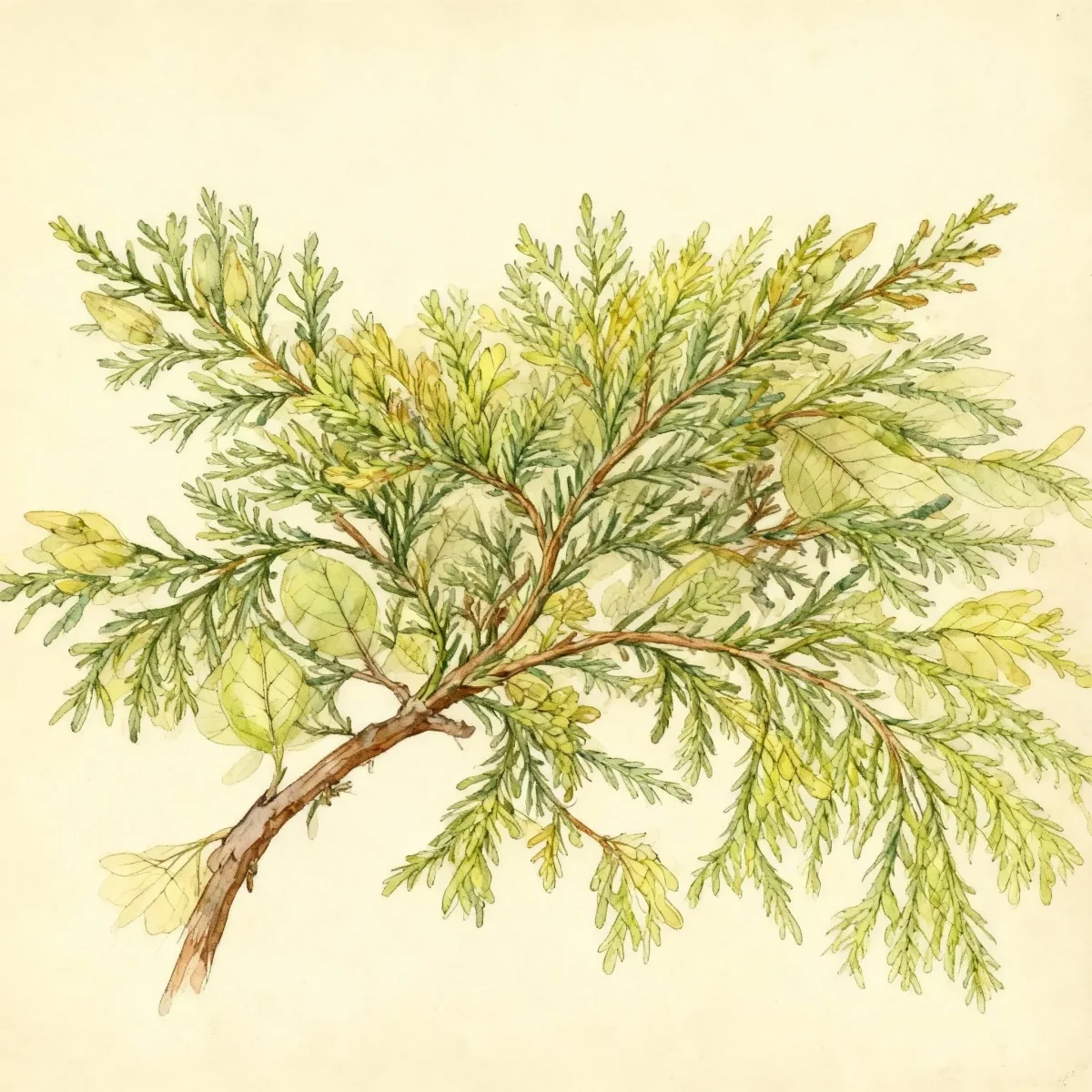
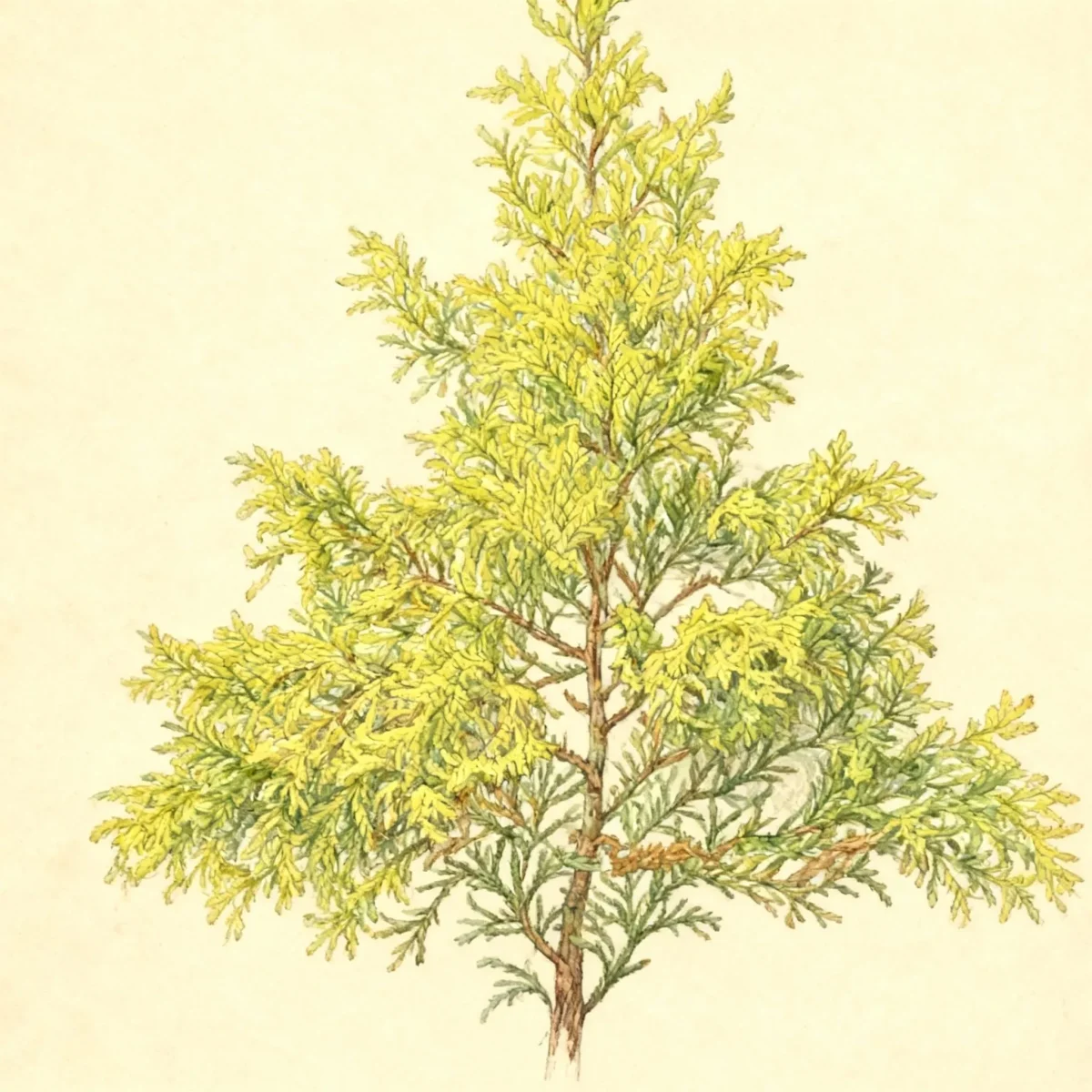
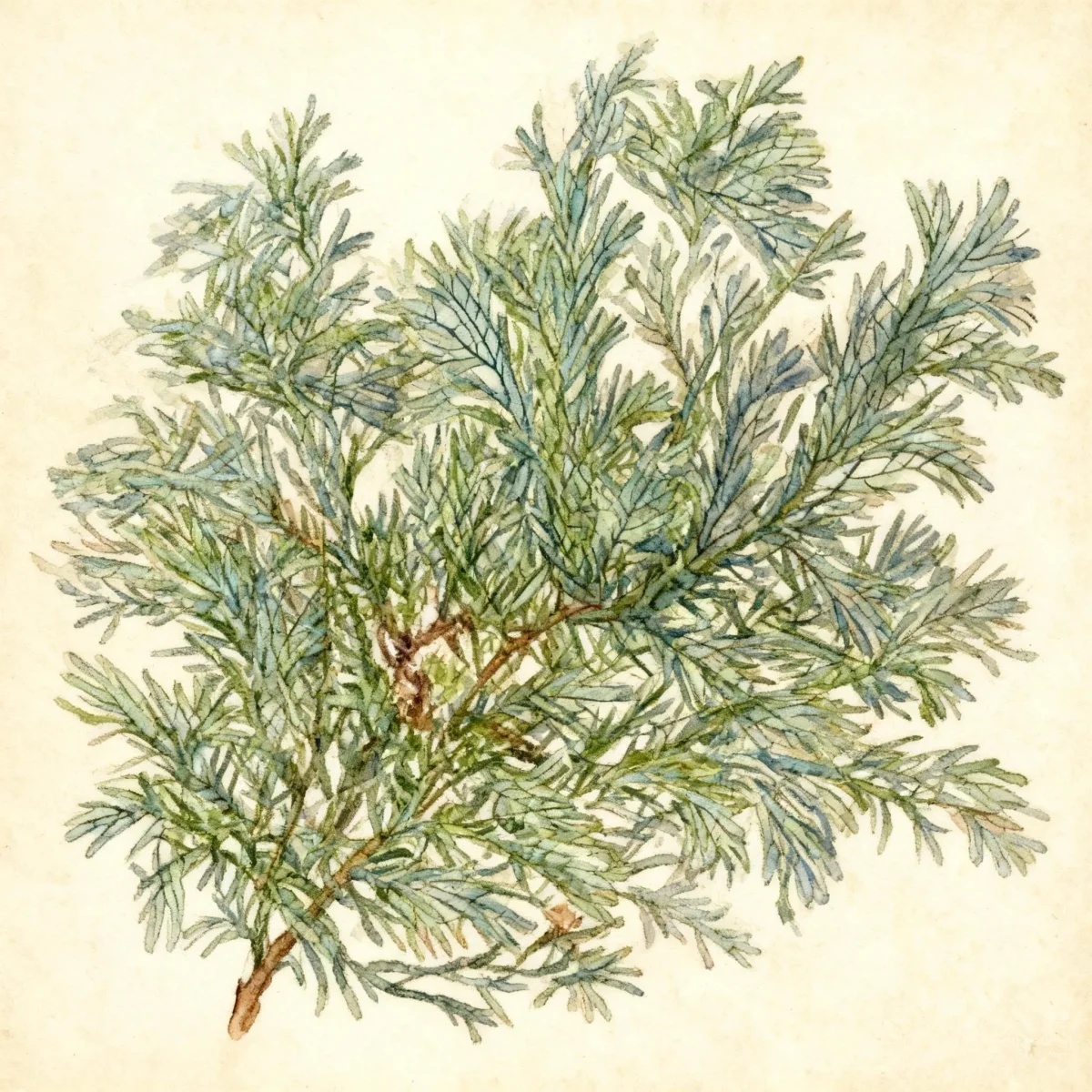
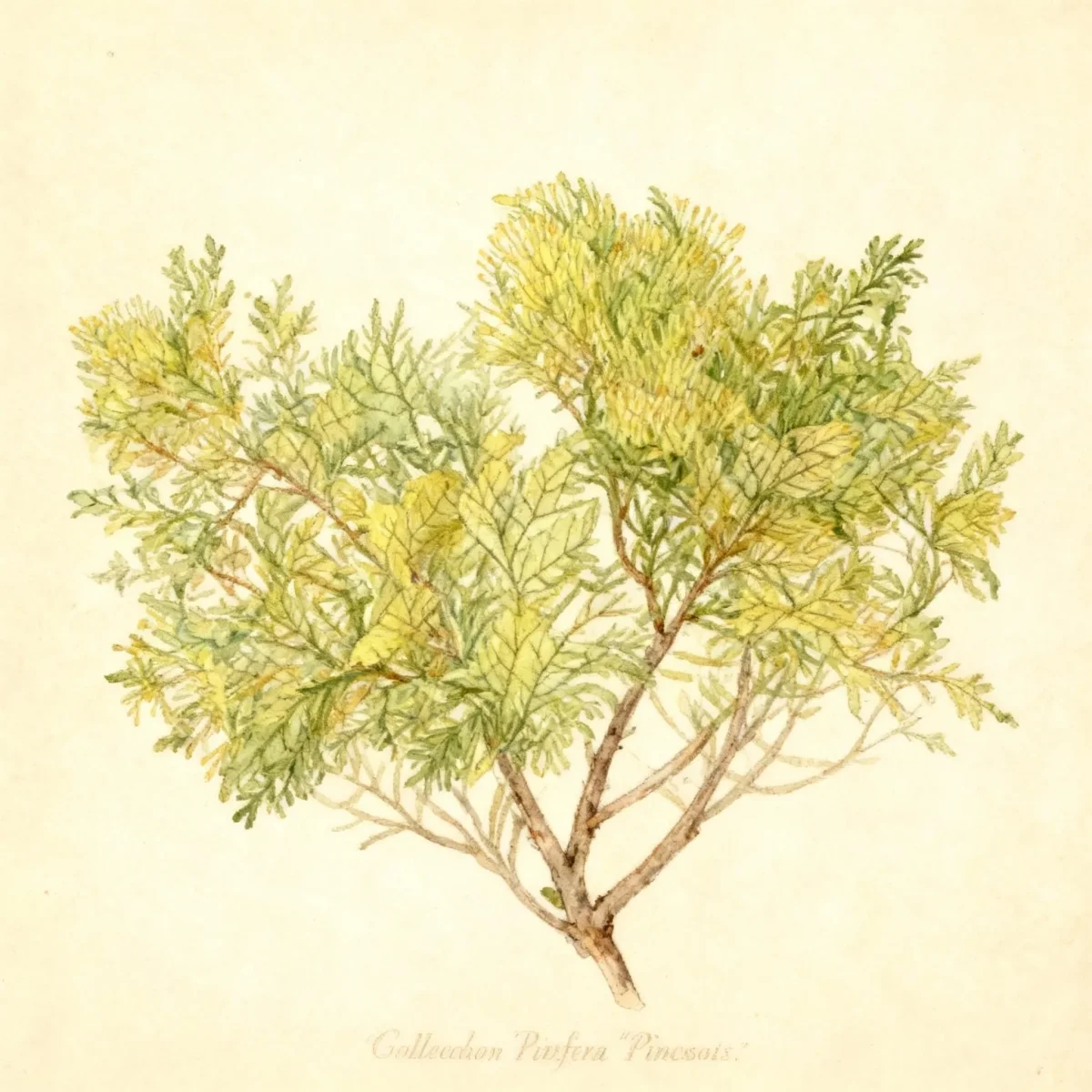
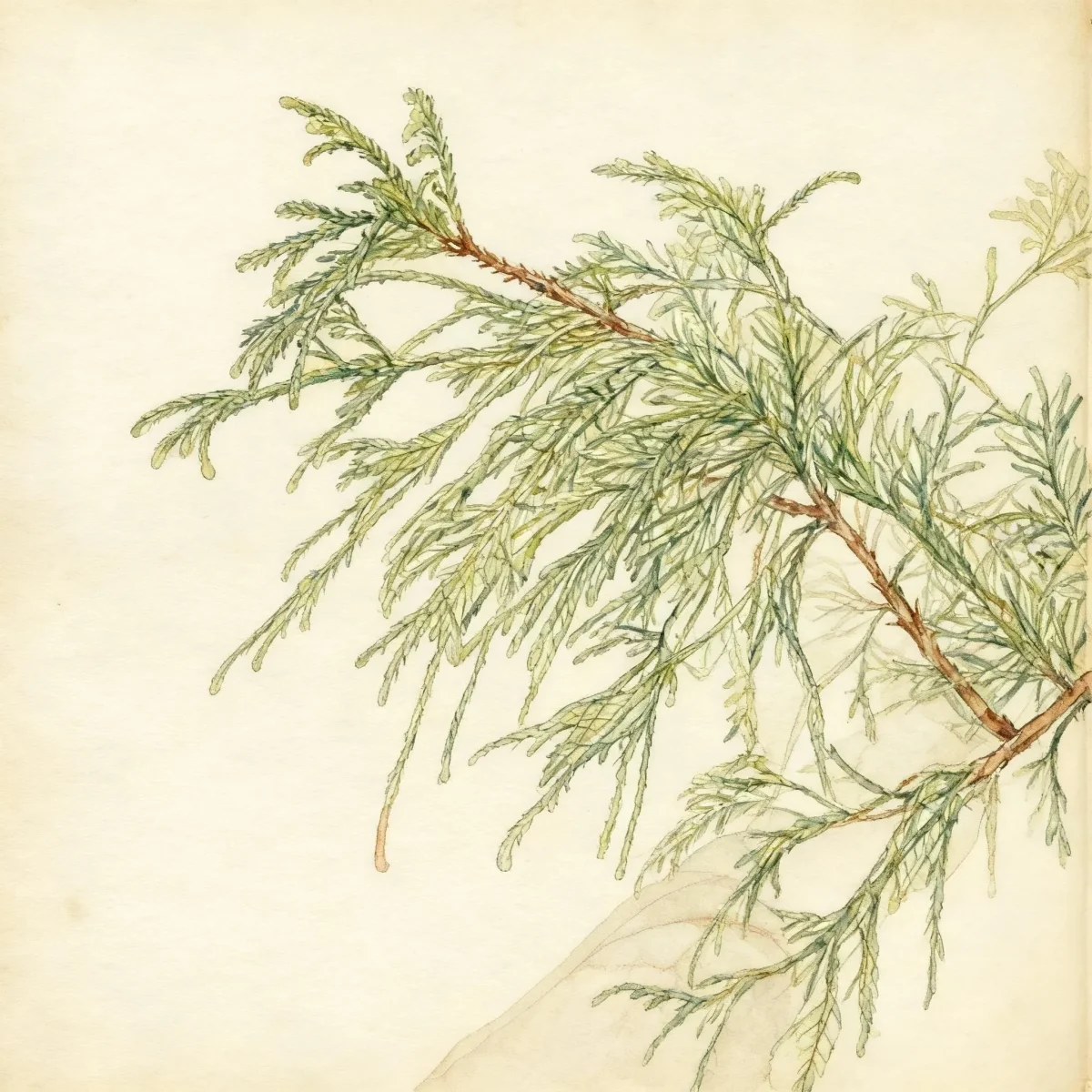
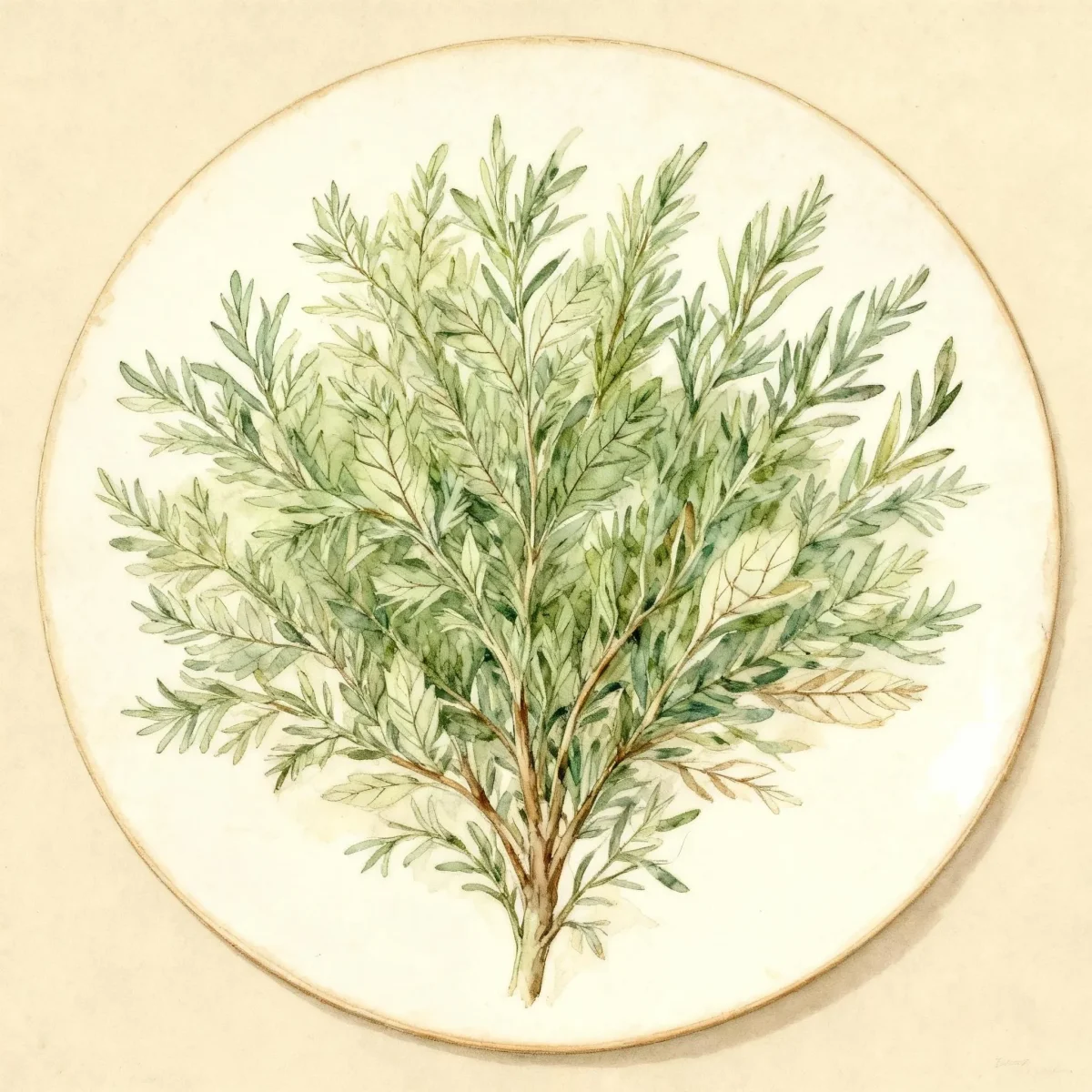
Japanese falsecypress (Chamaecyparis pisifera 'Lemon Thread')
Chamaecyparis pisifera 'Lemon Thread' is a slow-growing, bright yellow needled evergreen, perfect for year-round interest in Zones 4-8.
Scroll down to discover growing tips, care requirements, companion plants, and more
Complete Plant Information
Overview
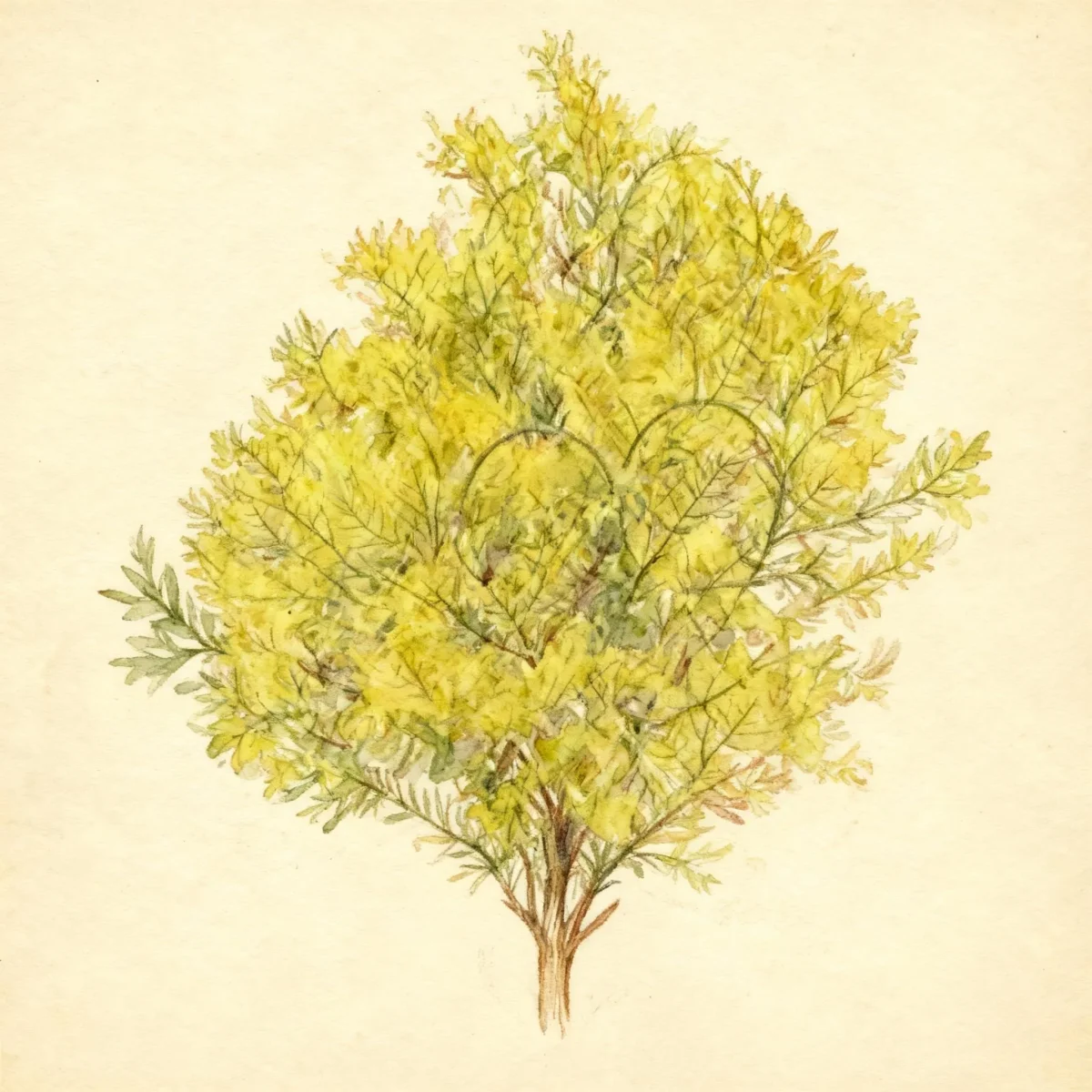
The Chamaecyparis pisifera ‘Lemon Thread’, commonly known as Japanese falsecypress, is a highly valued ornamental evergreen prized for its striking, bright yellow, thread-like foliage. This cultivar offers exceptional year-round color, providing a vibrant accent in the landscape when other plants may be dull. It is a slow-growing, semi-dwarf variety, making it exceptionally versatile for smaller gardens or specimen planting.
As a member of the Sawara cypress family, this Japanese falsecypress maintains an attractive, broadly-conical shape without requiring constant shaping. Its low maintenance level and relatively compact mature size ensure that the unique texture and intense color of Chamaecyparis pisifera ‘Lemon Thread’ remain the focal point of its planting location for years to come.
Gardeners choose this variety specifically for the contrast offered by its fine texture against broadleaf specimens. While truly massive in the wild, the ‘Lemon Thread’ cultivar offers manageable dimensions (3-5 ft tall), perfect for foundation plantings or mixed shrub borders, adding persistent brightness to the overall garden design.
Fast Facts
- Plant Family: Cupressaceae
- Plant Type: Needled evergreen
- Hardiness Zones: USDA Zones 4-8
- Size at Maturity:
- Height: 3-5 ft
- Spread: 2-4 ft
- Bloom Time: Non-flowering
- Bloom Description: Non-flowering
- Sun Exposure: Full sun to part shade
- Water Needs: Medium
- Maintenance Level: Low
How to Grow
The best time to establish your Chamaecyparis pisifera ‘Lemon Thread’ is typically in spring or early fall, allowing root systems to establish before extreme summer or winter temperatures arrive. Choose a location that offers full sun to light part shade; while it tolerates more sun, the yellow foliage of ‘Lemon Thread’ may scorch in intense full sun, meaning best foliage color occurs with afternoon shade protection, especially in hotter climates. It thrives in average, medium moisture, well-drained soils, preferring those that are moist and fertile. Crucially, avoid situations where water collects, as wet, poorly-drained soils can lead to root rot.
Maintenance for this Japanese falsecypress is generally low, with pruning rarely needed unless specific shaping is desired. Water regularly when establishing, ensuring the soil remains consistently moist but never waterlogged. Mature plants require only occasional supplementary irrigation during severe drought periods. Shelter from strong winds is advisable to prevent breakage of the fine branches.
Be mindful of its cultural needs to maintain that bright yellow color; inconsistent moisture or too much harsh, direct midday sun can diminish its vibrant appearance. If planting late in the fall, ensure the young plant receives adequate water until the ground freezes to prevent winter desiccation.
Landscape Uses
The dwarf nature and brilliant color of Chamaecyparis pisifera ‘Lemon Thread’ make it an excellent choice for formal and informal landscape designs alike. Dwarf cultivars, like this one, are frequently used in rock gardens, tucked into foundation plantings where color contrast is needed, or employed as a standout specimen plant against a dark green backdrop.
Larger species and cultivars of Japanese falsecypress suit roles as lawn specimens or sturdy shrub borders, but ‘Lemon Thread’ excels in smaller spaces where its weeping, thread-like branches can be appreciated up close. It serves beautifully as a year-round accent plant, providing focal points throughout the winter months when deciduous plants are bare.
Consider planting this fine-needled evergreen near architecture or along walkways where its texture and color will frame views. It pairs well compositionally with plants that have bolder, coarser foliage, creating dynamic visual interest within confined areas.
Standout Features
Noteworthy Characteristics
Chamaecyparis pisifera, known as Sawara cypress, is typically a large evergreen conifer, but cultivars like ‘Lemon Thread’ are significantly more compact, often reaching only 3-5 feet tall over two decades. This variety is specifically noted for its extremely bright yellow, thread-like foliage that remains attractive even during winter. Mature specimens develop distinctive, reddish-orange bark that peels in attractive strips, adding another layer of textural interest to this outstanding dwarf form.
Tolerances
- No serious insect or disease problems
- Some susceptibility to juniper blight, root rot and certain insect pests such as bagworms
Potential Problems
The Japanese falsecypress is generally considered disease and pest resistant, making maintenance relatively simple. However, gardeners should monitor for susceptibility to juniper blight, which can cause dieback on affected branches. Root rot is a primary concern, almost always resulting from poor soil drainage; ensure the planting site allows water to move away freely.
Occasional insect pests, such as bagworms, may target the foliage. Inspect the plant regularly, especially during warmer months, to catch infestations early. If pests are found, physical removal or the use of targeted treatments specific to the identified pest is usually sufficient to control the issue without harming the overall health of the Chamaecyparis pisifera ‘Lemon Thread’.
Frequently Asked Questions
What hardiness zones is Japanese falsecypress suitable for?
The Chamaecyparis pisifera ‘Lemon Thread’ thrives in USDA Hardiness Zones 4 through 8.
How large does Chamaecyparis pisifera ‘Lemon Thread’ grow?
This semi-dwarf variety typically matures to a height between 3 and 5 feet, with a spread of 2 to 4 feet.
What sun exposure does Chamaecyparis pisifera ‘Lemon Thread’ need?
It performs best in full sun to part shade. For the best yellow color without foliage scorch, afternoon shade is often recommended.
When does Japanese falsecypress bloom?
This needled evergreen is non-flowering; it does not produce noticeable blooms in the traditional sense.
Conclusion
The Chamaecyparis pisifera ‘Lemon Thread’ delivers exceptional, high-impact color with minimal garden fuss, cementing its status as a premier evergreen for texture and brightness. Its manageable size and low maintenance make this Japanese falsecypress a superb choice for year-round structure. Before planting, confirm that your site offers well-drained soil and protection from the hottest afternoon sun to ensure the vibrant yellow foliage of your Chamaecyparis pisifera ‘Lemon Thread’ remains flawless.
Design Ideas for Year-Round Interest
Because the ‘Lemon Thread’ cultivar maintains its stunning color throughout the cold months, utilize it strategically in winter garden plans. Plant it near evergreen shrubs with contrasting dark green needles, like Taxus or darker forms of Chamaecyparis, to maximize the electric appearance of the yellow threads. It works wonderfully as a low border element where its fine texture complements the strong lines of hardscaping materials like stone walls or gravel paths.
When designing mixed borders, treat this Japanese falsecypress as a dynamic punctuation mark rather than a mass planting. Its relatively slow growth rate means it won’t immediately overwhelm neighboring perennials or small shrubs, allowing you to plan for seasonal color changes around its consistent golden hue.
Companion Planting
When selecting companions for Chamaecyparis pisifera ‘Lemon Thread’, prioritize plants that appreciate similar cultural conditions, namely consistent moisture and well-drained soil, but offer textural variation. Consider pairing it with Japanese forest grass (Hakonechloa macra) for a softer, mounding texture, or use dark purple Heuchera cultivars for strong color contrast against the bright yellow. Avoid siting it directly next to water-loving plants, as this can lead to root rot issues for the cypress.