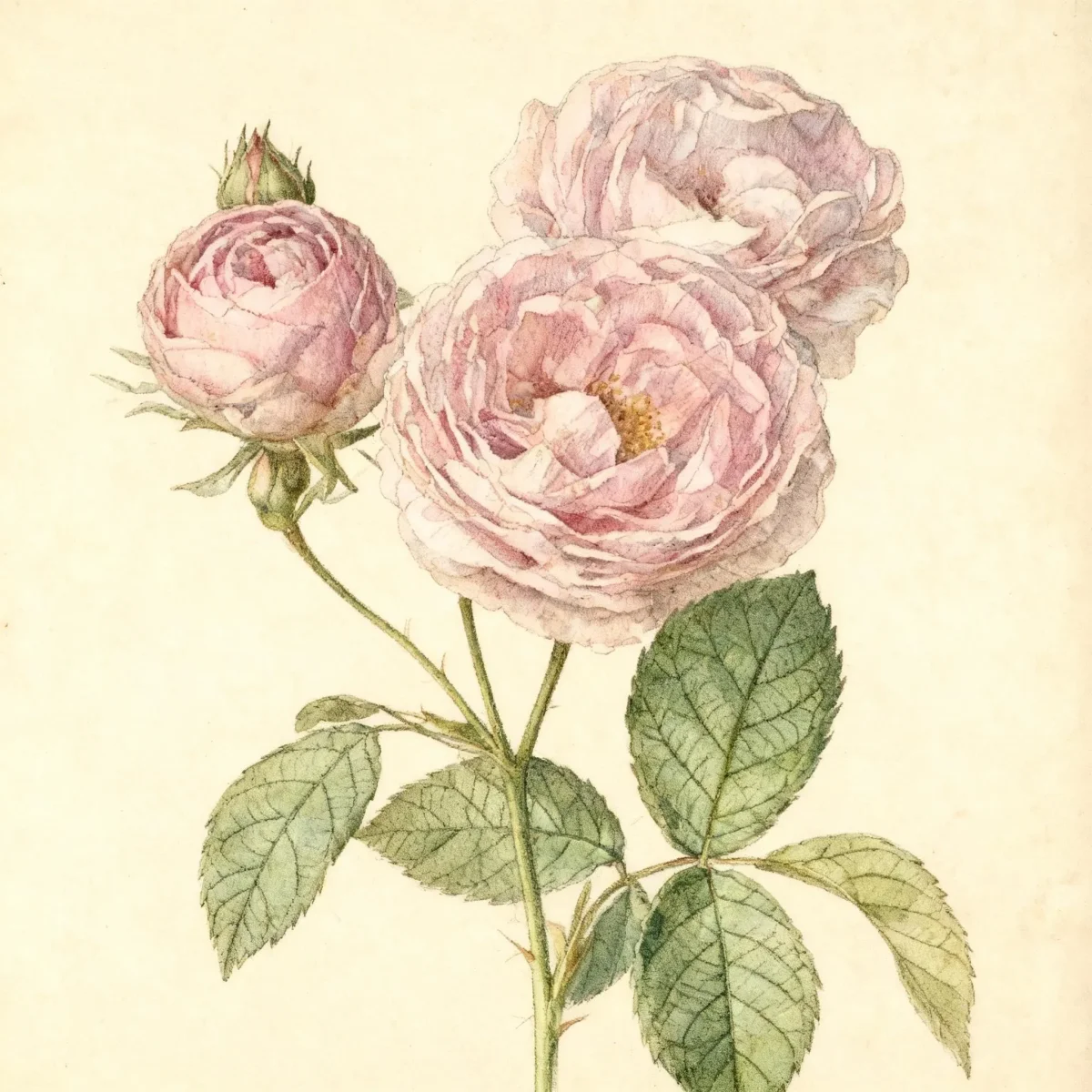
Shrub rose (Rosa 'Chewpeachdell' WHAT A PEACH)
Rosa 'Chewpeachdell' WHAT A PEACH is a fragrant, peach-flowered Shrub rose, ideal for hedges and borders in zones 5-9.
Scroll down to discover growing tips, care requirements, companion plants, and more
Complete Plant Information
Overview
Rosa ‘Chewpeachdell’ WHAT A PEACH is an outstanding Shrub rose cultivar, valuable for its upright, nearly columnar habit that reaches heights of 5 to 8 feet. This rose offers continuous visual interest from May until the first frost, displaying truly showy, peach-colored blooms that contribute significant fragrance to the garden. As a robust hybrid resulting from careful cross-breeding, the Rosa ‘Chewpeachdell’ WHAT A PEACH variety blends strong garden performance with beautiful color, making it an excellent backbone plant. Gardeners appreciate the continuous bloom cycle and the structure this plant provides, especially when used formally as a hedge or mass planting where its attractive foliage and persistent flowers create structure throughout the season.
This shrub rose thrives when given ample sunlight, which maximizes both its flowering potential and its inherent disease resistance. Successful cultivation of Rosa ‘Chewpeachdell’ WHAT A PEACH depends on providing consistent moisture and ensuring good air movement around the stems. While categorised as a medium-maintenance plant, the rewards—consistent seasonal color and pleasant scent—far outweigh the required care. The manageable height and spread allow this Shrub rose variety to fit effectively into various landscape roles, from specimen planting to functional screening.
Fast Facts
- Plant Family: Rosaceae
- Plant Type: Deciduous shrub
- Hardiness Zones: USDA Zones 5-9
- Size at Maturity:
- Height: 5-8 ft
- Spread: 3-4 ft
- Bloom Time: May to frost
- Bloom Description: Peach
- Sun Exposure: Full sun
- Water Needs: Medium
- Maintenance Level: Medium
How to Grow
To ensure vibrant health and prolific flowering in your Rosa ‘Chewpeachdell’ WHAT A PEACH, plant it in average, well-drained garden loam that is slightly acidic. While it tolerates part shade, best flowering and disease resistance are reliably achieved with full sun exposure. The ideal planting time is typically late winter or early spring, or fall in milder climates, allowing the root system to establish before heavy summer heat.
Watering should be deep and consistent, prioritizing morning applications to keep the foliage dry and prevent fungal issues; avoid overhead sprinkling whenever possible. Applying a layer of summer mulch will significantly help in retaining soil moisture, keeping the root zone cool, and suppressing competitive weeds. Maintain a medium maintenance routine, which includes regularly removing spent flowers (deadheading) throughout the bloom season to strongly encourage continuous reblooming of the Shrub rose.
Pruning should be performed in late winter or early spring as needed to shape the plant or remove dead wood. In areas experiencing harsh winters, such as Zone 5 locations, providing winter protection for the crowns of your Rosa ‘Chewpeachdell’ WHAT AപെACH is essential for survival. Furthermore, excellent cultural hygiene is key: promptly remove and destroy any diseased foliage during the growing season and ensure a thorough seasonal cleanup of leaf litter during dormancy to minimize overwintering pathogens.
Landscape Uses
The versatile structure of Rosa ‘Chewpeachdell’ WHAT A PEACH recommends it highly for formal and informal border plantings. Its upright habit makes it an excellent candidate for use as a specimen plant, providing a strong vertical accent, or it can be grouped together to form a beautiful, flowering hedge where its height (up to 8 feet) offers effective screening. Gardeners often place this Shrub rose near foundations or within cottage gardens where its peach coloration can harmonize with blues, yellows, or deep pinks. Because it reaches a substantial size, ensure it has enough room to develop its natural 3-4 foot spread without overcrowding nearby structures or plants.
Standout Features
Flower Qualities
- Showy
- Fragrant
Noteworthy Characteristics
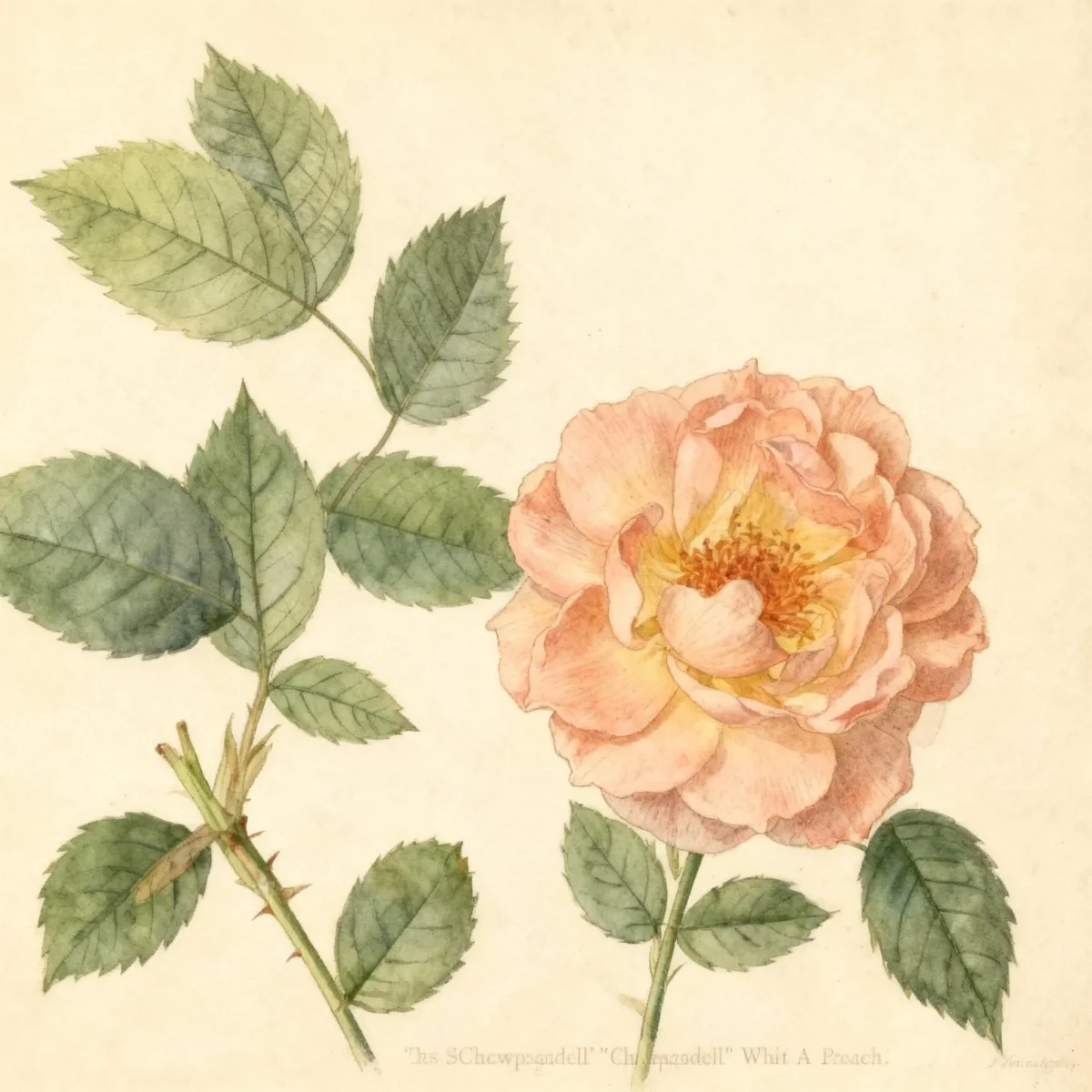
Rosa is a genus prized for its stunning, often fragrant, flowers displayed on prickly stems. Shrub roses like Rosa ‘Chewpeachdell’ WHAT A PEACH are diverse hybrids, often blooming multiple times per season, unlike older varieties that bloom only once. This specific hybrid, growing 5-8’ tall, is recognized for its upright stance and lovely peach flowers, measuring up to 2 ¼ inches across which appear singly or in small clusters from May until frost.
Potential Problems
While roses are susceptible to issues like black spot and powdery mildew, Rosa ‘Chewpeachdell’ WHAT A PEACH reportedly exhibits good resistance to many common diseases faced by other types of roses. The primary defense remains robust cultural practices, such as ensuring good air circulation and avoiding overhead watering to keep leaves dry. If fungal pressure is high in humid climates, preventative fungicide treatments may be necessary and local extension advice should be sought for insect control, which can include aphids or spider mites.
Companion Planting
Selecting appropriate companions ensures that the cultural needs of the Shrub rose are met while enhancing the overall garden aesthetic. Pair Rosa ‘Chewpeachdell’ WHAT A PEACH with low-growing perennials that benefit from the light shade cast by the rose’s lower structure during the hottest part of the day, such as hardy Geraniums or Alchemilla mollis (Lady’s Mantle). Taller, non-competitive perennials like Russian Sage or ornamental grasses can be placed behind the rose to create textural contrast without blocking necessary air flow or capturing excessive moisture around the rose’s base.
Seasonal Care Calendar
Spring preparation involves pruning the Shrub rose in late winter or early spring just as new growth begins and applying a slow-release fertilizer designed for roses. Summer care centers on consistent deep watering applied directly to the soil base and vigilance regarding deadheading to promote continuous flower production. Fall preparation for winter involves stopping high-nitrogen feeding by late summer and, crucial for cold areas, providing winter protection for the crowns of the Rosa ‘Chewpeachdell’ WHAT A PEACH starting before the first hard freeze. Winter pruning should be minimal, limited primarily to removing any broken or crossing branches.
Frequently Asked Questions
What hardiness zones is Shrub rose suitable for?
Rosa ‘Chewpeachdell’ WHAT A PEACH is hardy and performs best when grown in USDA Hardiness Zones 5 through 9.
How large does Rosa ‘Chewpeachdell’ WHAT A PEACH grow?
This vigorous Shrub rose typically matures to a height between 5 and 8 feet tall and maintains a spread of 3 to 4 feet wide, showcasing an upright habit.
What sun exposure does this Shrub rose need?
For optimal bloom counts and the best disease resistance, Rosa ‘Chewpeachdell’ WHAT A PEACH requires full sun exposure daily.
When does Rosa ‘Chewpeachdell’ WHAT A PEACH bloom?
This variety begins blooming in May and continues to produce its peach flowers reliably until the arrival of the first frost.
Conclusion
The Rosa ‘Chewpeachdell’ WHAT A PEACH delivers remarkable value due to its continuous peach-toned bloom display and good inherent disease resistance, making it a dependable Shrub rose for substantial garden structure. Its fragrant, showy flowers enhance any planting scheme, whether featured as a specimen or used functionally as a hedge. Before planting, confirm that your planting site meets the full sun requirement and that your climate falls within USDA Zones 5-9 to ensure the best performance from this beautiful hybrid.