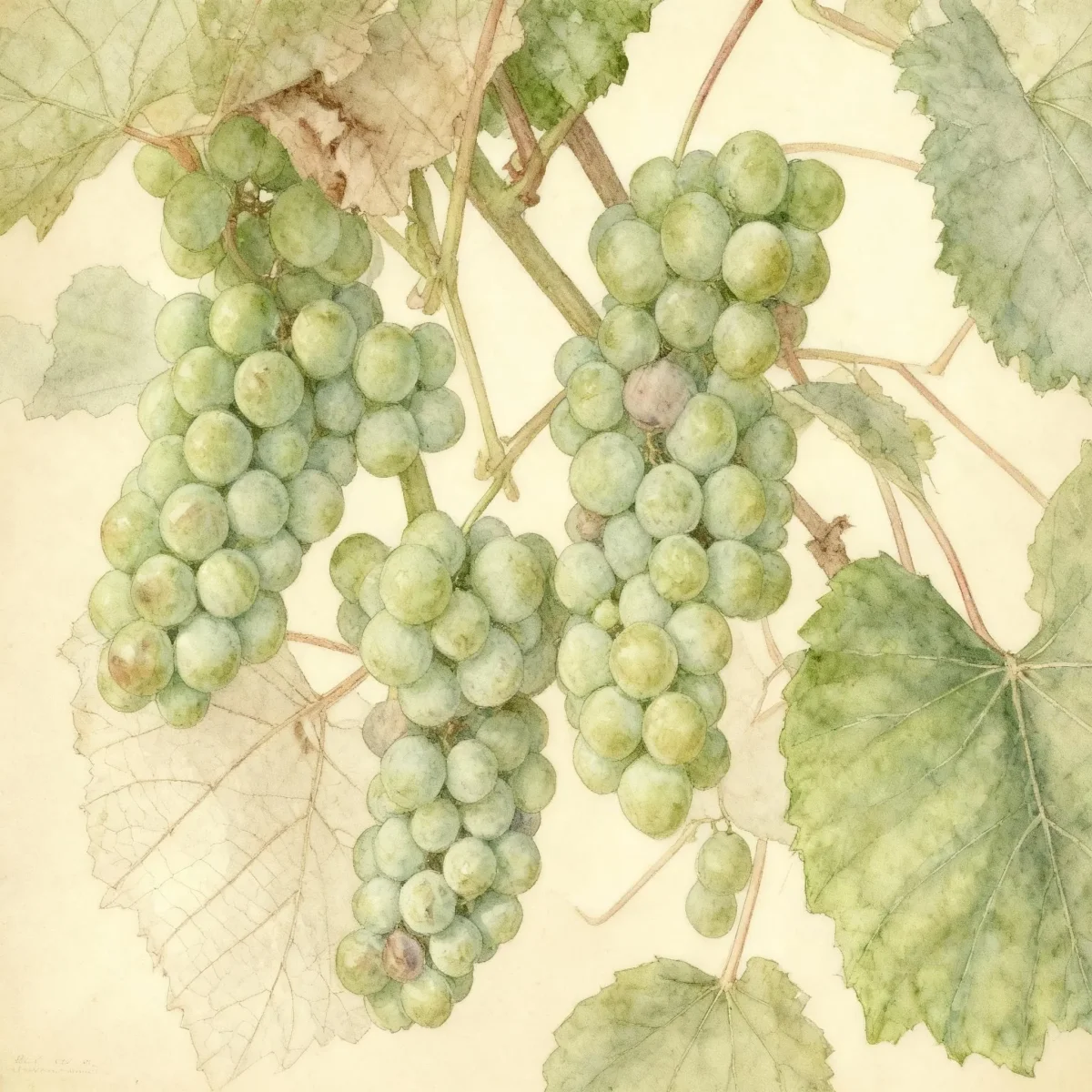
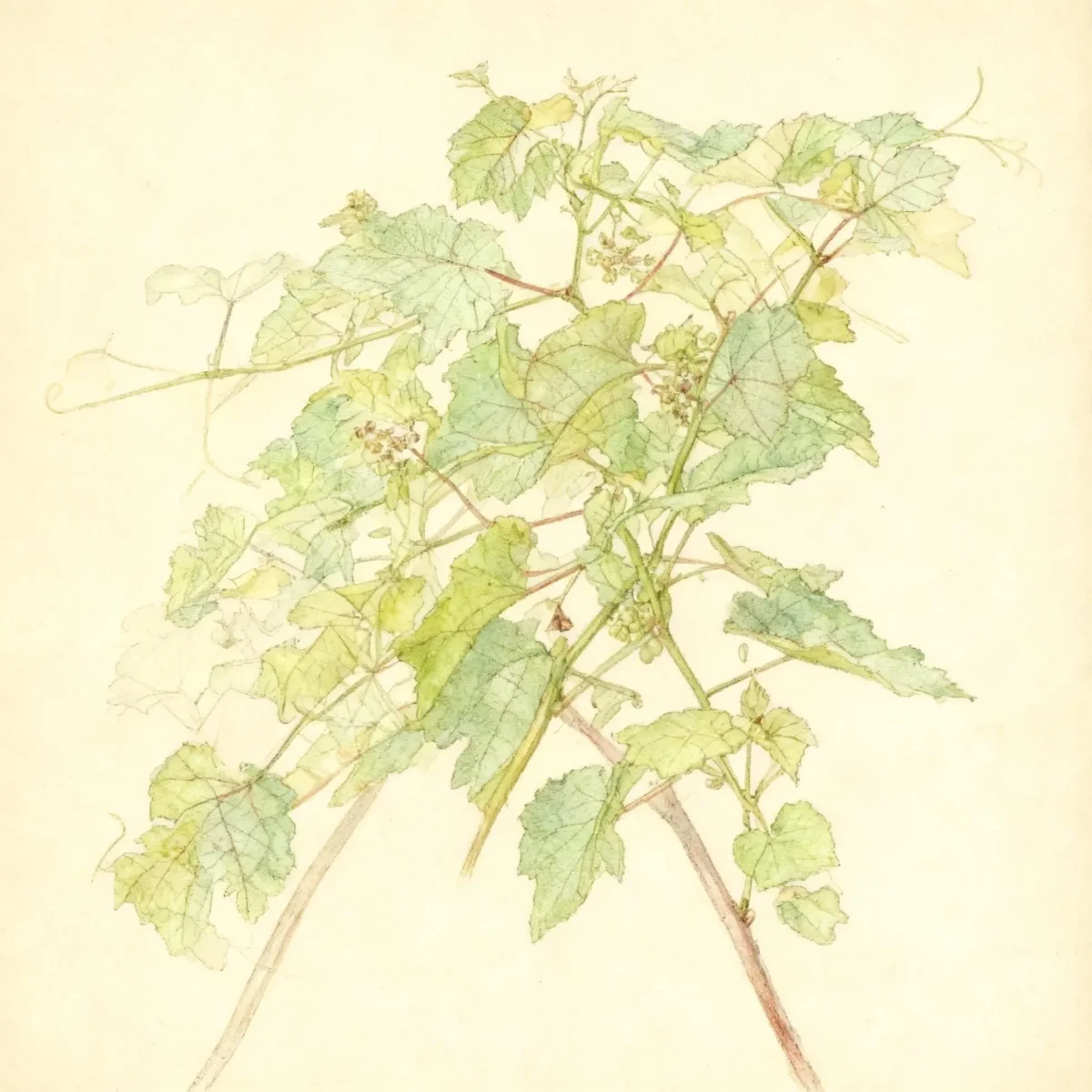
Grape (Vitis 'Marquis')
Discover Vitis 'Marquis', a mid-season, seedless white Grape known for large fruit, excellent flavor, and hardiness in Zones 5-8.
Scroll down to discover growing tips, care requirements, companion plants, and more
Complete Plant Information
Overview
The Vitis ‘Marquis’ cultivar represents an excellent choice for home fruit growers seeking a high-quality, seedless white Grape. Developed at Cornell University, this hybrid distinguishes itself with large fruit clusters, superior flavor, and reliable winter hardiness, making it a valuable addition to many temperate yards. As a vigorous woody vine, Vitis ‘Marquis’ requires significant structural support and diligent management to ensure peak productivity.
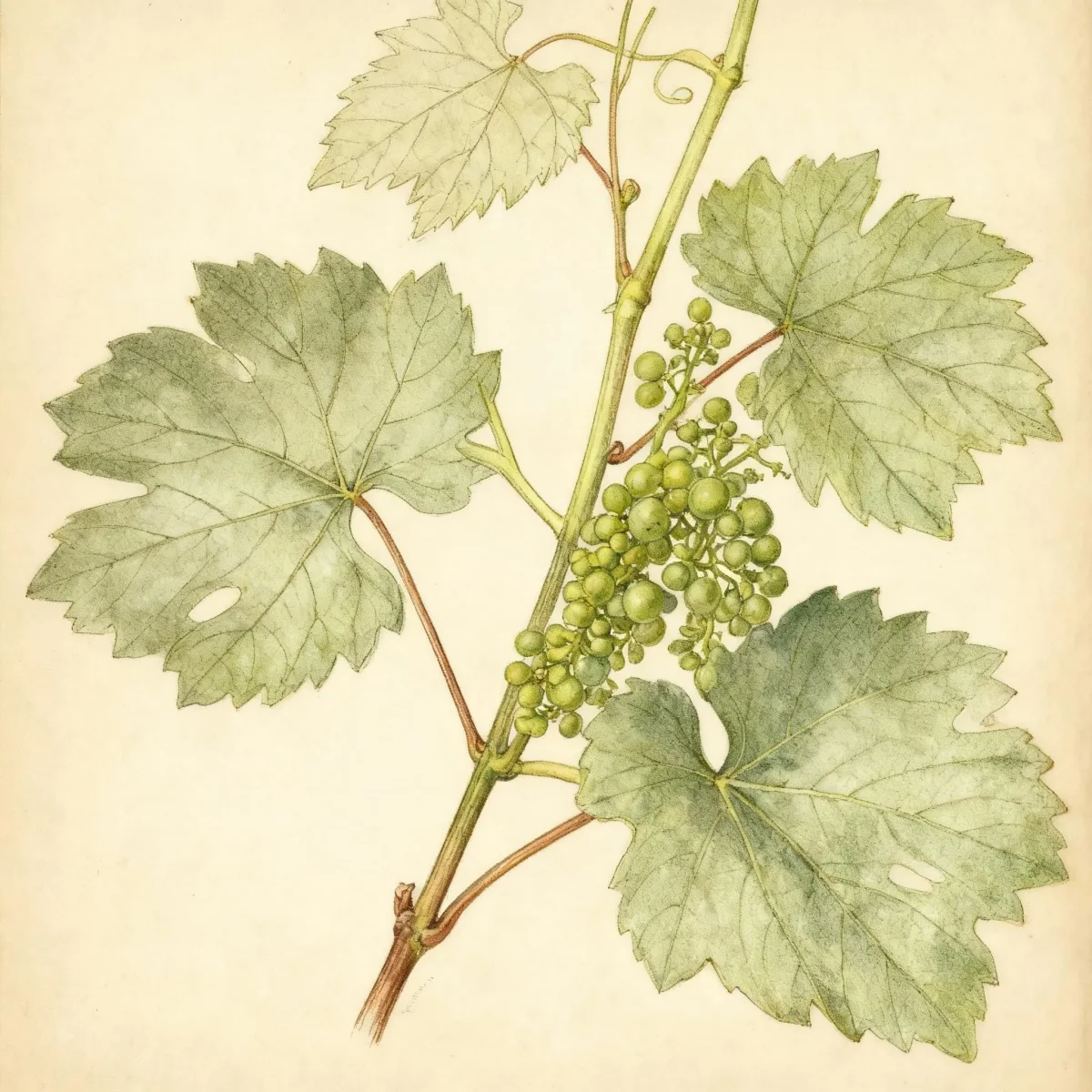
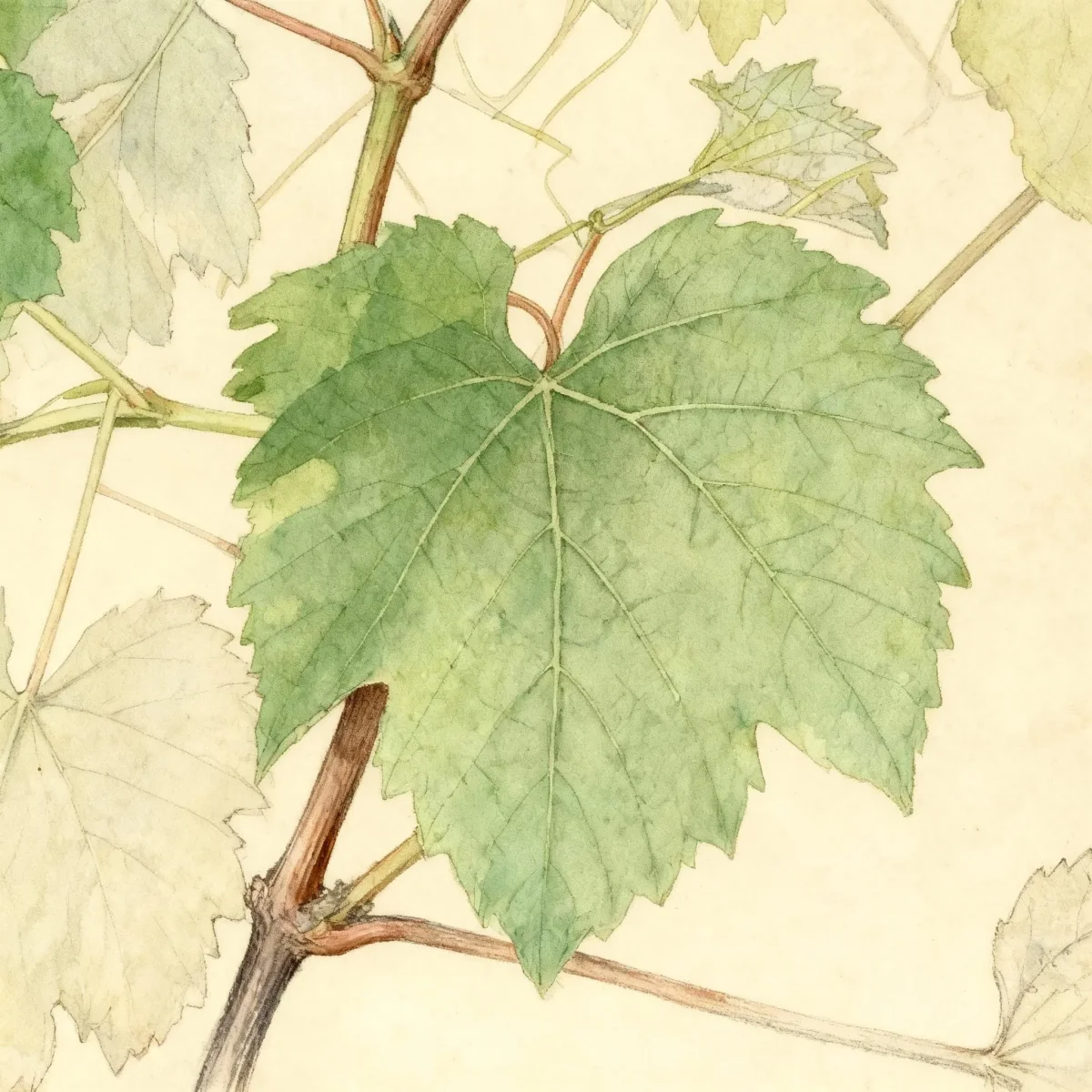
This deciduous vine produces panicles of fragrant, self-fertile flowers in late spring, which transition into large clusters of spherical, firm, yellow-green grapes. While primarily enjoyed as a fresh table Grape, Vitis ‘Marquis’ is also noted for potentially producing a delicate white wine. Its ornamental appeal lies in its bold summer foliage and the visual interest provided by its twisted woody structure in winter.
Successful cultivation of this Grape demands commitment, as it is classified as a high-maintenance plant. Gardeners must consistently provide necessary structural support, strategic pruning, and timely pest management to harvest the flavorful, edible fruit this cultivar offers.
Fast Facts
- Plant Family: Vitaceae
- Plant Type: Fruit
- Hardiness Zones: USDA Zones 5-8
- Size at Maturity:
- Height: 15-20 ft
- Spread: 15-20 ft
- Bloom Time: May to June
- Bloom Description: Green
- Sun Exposure: Full sun
- Water Needs: Medium
- Maintenance Level: High
How to Grow
Planting Vitis ‘Marquis’ should occur when soil is workable, ideally in early spring. This woody vine thrives best when situated in deep, loamy, well-drained soils that receive full sun exposure throughout the day. It can tolerate average garden soils, provided drainage is excellent, as standing water is detrimental. For best results and fruit quality, site the Grape in a location sheltered from harsh winter winds, such as against a south-facing wall or slope, well clear of frost pockets.
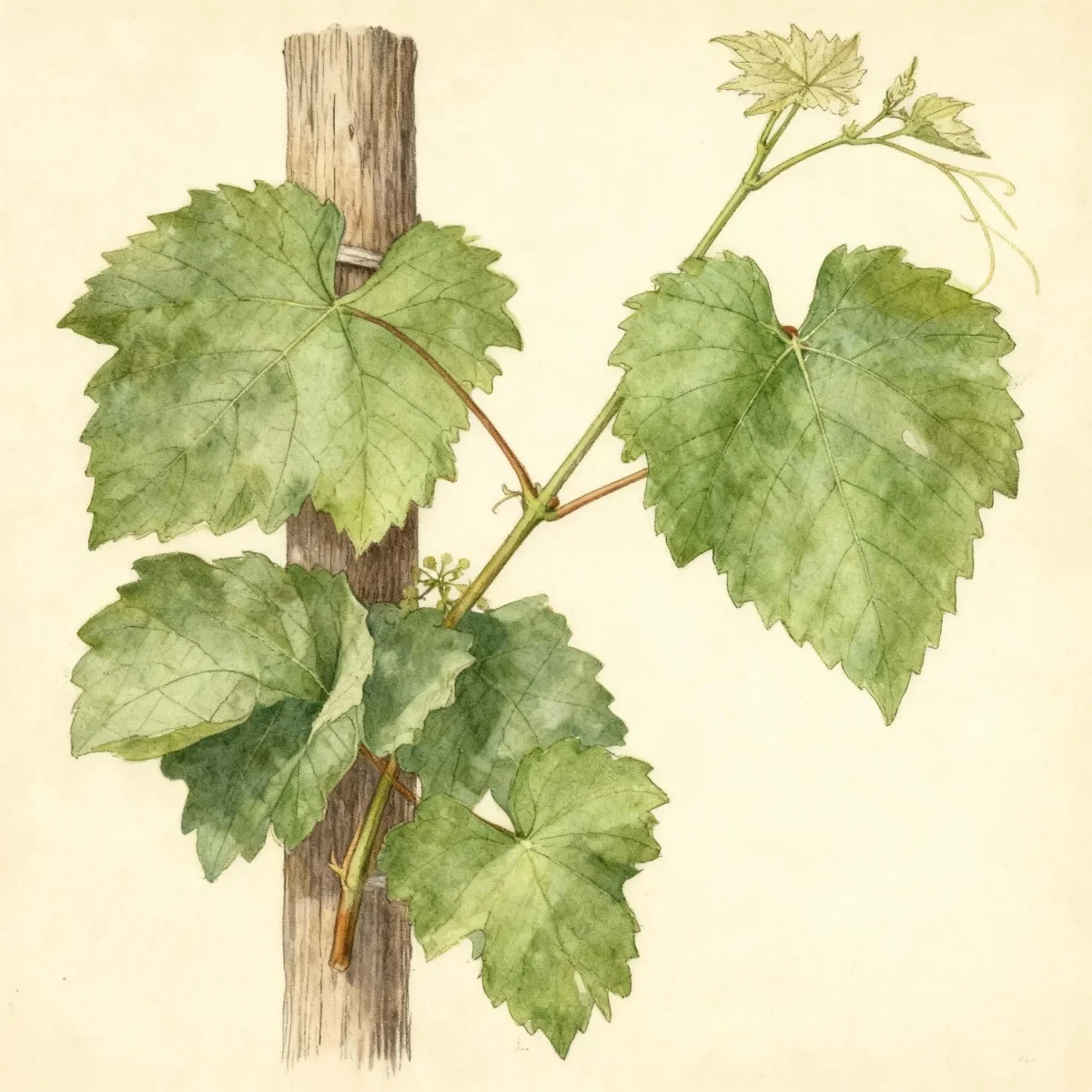
Ongoing care centers heavily on support and water management. Grapes necessitate a robust support system—such as a trellis, arbor, or strong wires—to manage their sprawling growth habit and keep fruit off the ground. Water needs are medium; maintain consistently medium soil moisture, especially during fruit development, ensuring thorough watering rather than frequent shallow applications.
Pruning is non-negotiable for maximizing yields of Vitis ‘Marquis’. Heavy pruning is required during the dormant season, typically in late winter, to encourage new, fruitful wood. Furthermore, as grapes are highly susceptible to numerous fungal issues, regular preventative spraying according to local recommendations is crucial, particularly in humid summer climates.
Landscape Uses
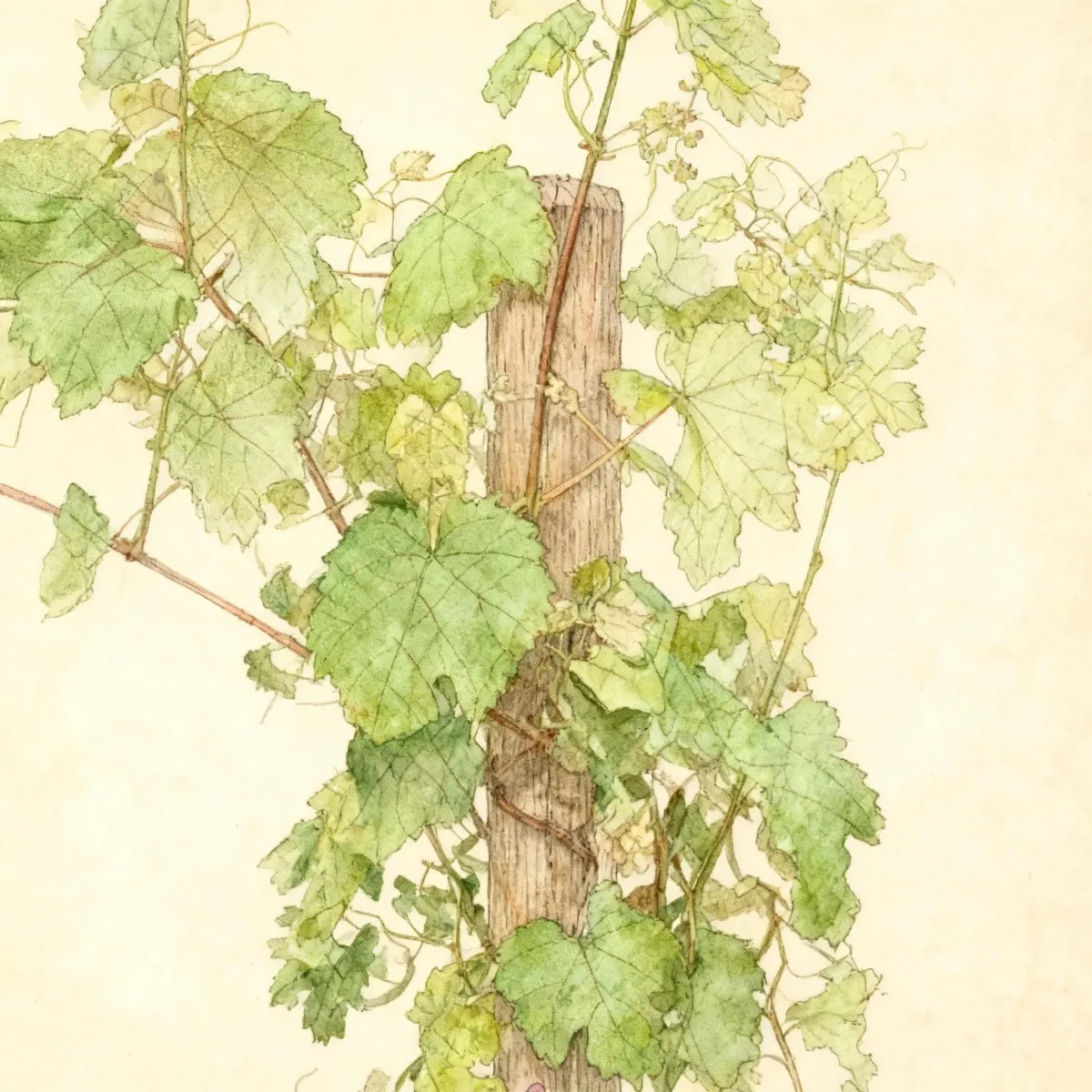
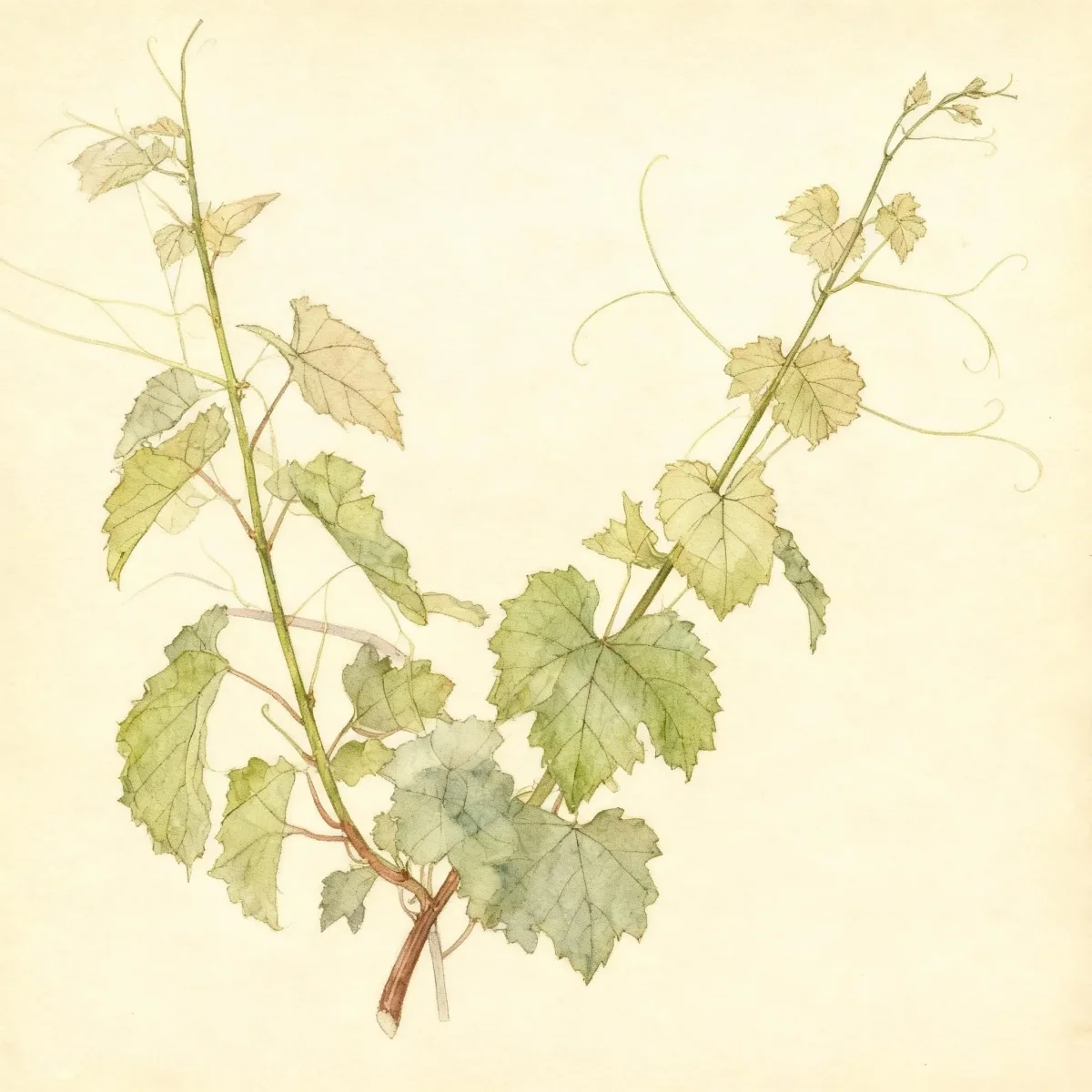
While primarily cultivated for its delicious fruit, the Vitis ‘Marquis’ vine offers significant year-round ornamental value. The canopy provides dense, attractive summer foliage, offering excellent screening, shade, or coverage when trained over arbors or pergolas attached to buildings or fences. The deciduous nature of the vine exposes its shaggy, twisted trunks and branching patterns beautifully during the winter months.
Utilize this vigorous grower to soften harsh architectural lines or to cover utilitarian structures like privacy screens or storage sheds. Because Grape vines are relatively fast-growing once established, they quickly create a living wall effect. Train them carefully along sturdy wire systems or heavy wooden trellises, ensuring the support structure can handle the eventual mature weight of this 15 to 20-foot spread coverage plant.
Standout Features
Flower Qualities
- Fragrant
- Insignificant
Fruit Qualities
- Showy
- Edible
Noteworthy Characteristics
Vitis is a genus of about 65 species of woody vines. Hybrid grapes are grown for a variety of purposes, primarily for making wine, but also as fresh fruit from the vine or dried as currants, raisins or sultanas. Vines are infrequently grown for ornamental purposes only.The genus name Vitis is the Latin name for the old-world vineyard grape (Vitis vinifera).‘Marquis’ is a mid-season, white seedless table grape that was developed at Cornell University. It is a hand-pollinated cross between ‘Athens’ and ‘Emerald Seedless’. It is distinguished by its large fruits, excellent flavor and good winter hardiness. It is primarily grown for use as a table grape, but is also known to produce a delicate white wine.
Tolerances
- Rabbit
- Deer
Potential Problems
Growing success with Vitis ‘Marquis’ hinges on managing its high maintenance needs, particularly pest and disease control. Grapes are susceptible to a wide range of fungal diseases, including powdery mildew, black rot, and downy mildew, especially when summers are humid. To mitigate these issues, ensure excellent air circulation through diligent dormant pruning and apply preventative fungicides as needed.
Insect pests can also severely reduce yields; common culprits include leaf hoppers, grape berry moth, and flea beetles. The most visually damaging vertebrate pests are birds, but deer can browse young shoots and foliage. While Vitis ‘Marquis’ is reportedly moderately resistant to botrytis bunch rot, constant vigilance against common vineyard threats is necessary for reliable harvests.
Frequently Asked Questions
What hardiness zones is Grape suitable for?
The Vitis ‘Marquis’ Grape is best suited for USDA Hardiness Zones 5 through 8.
How large does Grape grow?
This woody vine typically reaches a mature height between 15 and 20 feet, with a similar spread of 15 to 20 feet, requiring substantial vertical and horizontal support.
What sun exposure does Grape need?
For optimal fruit production and vine health, Vitis ‘Marquis’ requires full sun exposure daily.
When does Grape bloom?
The flowering period for this variety is generally from May into June, producing small, greenish, fragrant flowers.
Conclusion
The Vitis ‘Marquis’ Grape delivers on its promise of large, flavorful, seedless white fruit, making the required high maintenance worthwhile for dedicated gardeners. Its hardiness and dual ornamental/edible value cement its place in specialized home fruit gardens. Before planting, ensure you have the necessary sturdy support structure and are prepared for a consistent annual pruning and spraying schedule compatible with USDA Zones 5-8.
Companion Planting
When designing an edible landscape around your Vitis ‘Marquis’, select companions that share similar requirements for full sun and excellent drainage without competing heavily for nutrients directly beneath the vine’s root zone. Because grapes can attract certain pests, pairing them with aromatic herbs that naturally deter insects can be beneficial. Consider planting low-growing, sun-loving herbs like rosemary or thyme around the base of the trellis structure, ensuring they do not shade out the lowest parts of the vine.
Another useful companionship strategy involves managing ground cover. Avoid turf grass directly abutting the vine base, as it competes severely for water and fertilizer. Instead, use mulch or low-growing, non-invasive groundcovers that appreciate dryer feet once established, helping to maintain the crucial deep, loamy soil structure that Grape vines prefer while suppressing weeds.
Seasonal Care Calendar
Caring for Vitis ‘Marquis’ follows a predictable yearly cycle essential for managing its high maintenance rating. Dormant season care, typically late winter before bud swell, involves the most critical step: structural pruning. Remove up to 90% of the previous year’s growth to direct the vine’s energy into producing high-quality fruit-bearing canes for the upcoming season.
Spring requires vigilance against early emerging pests and fungal spores. Begin a protective spray schedule focusing on mildew and rot prevention as soon as new growth emerges. Post-bloom, as the small grape clusters begin to set, thin the clusters if necessary to ensure adequate spacing for the large fruits characteristic of Vitis ‘Marquis’ to develop fully and ripen evenly.
Summer management focuses on consistent medium watering, particularly during dry spells, and ensuring that the vigorous growth is continually tied back and trained onto the support system. As harvest approaches in mid-season, monitor fruit closely for ripeness and be prepared to implement bird control measures to prevent significant loss of the showy edible crop.