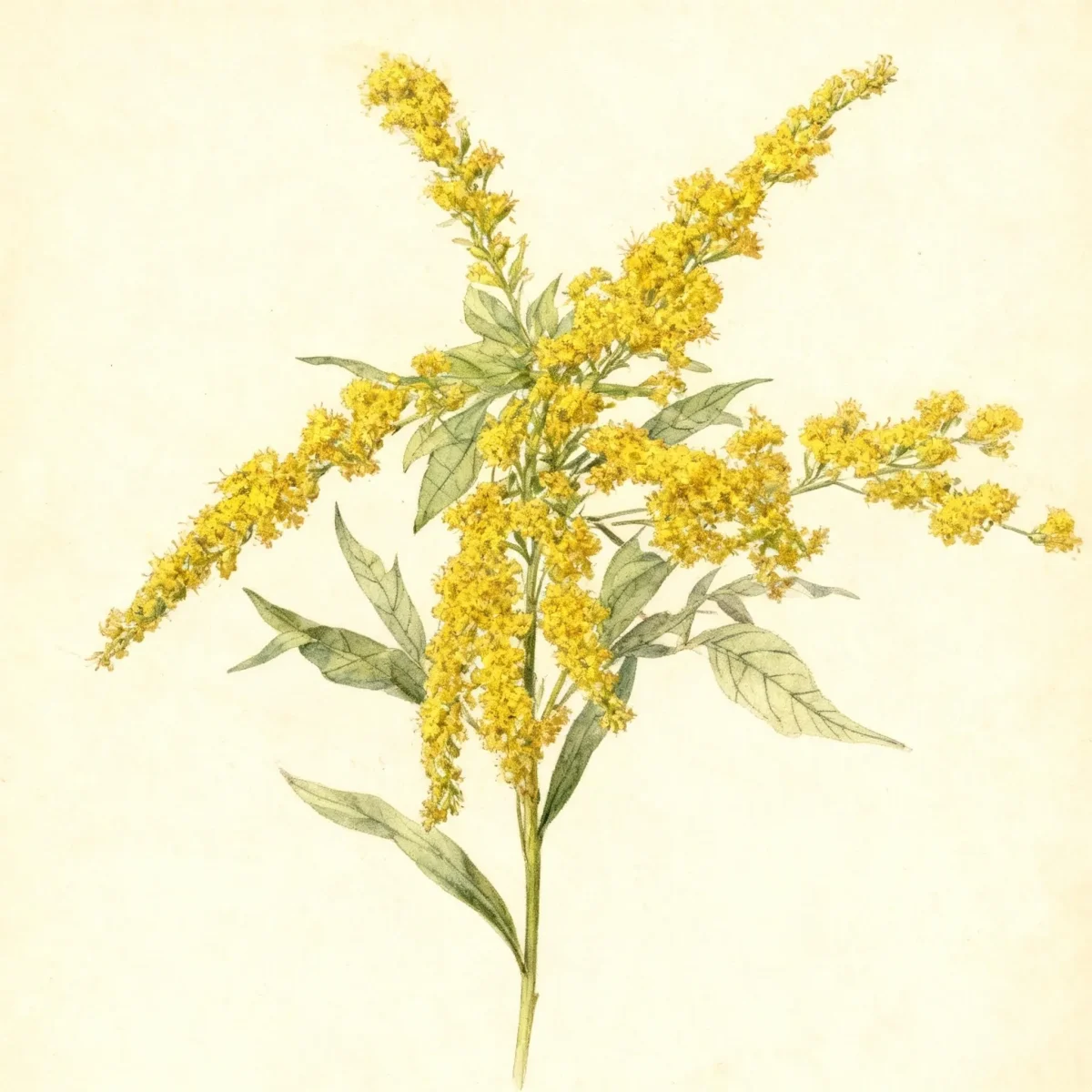
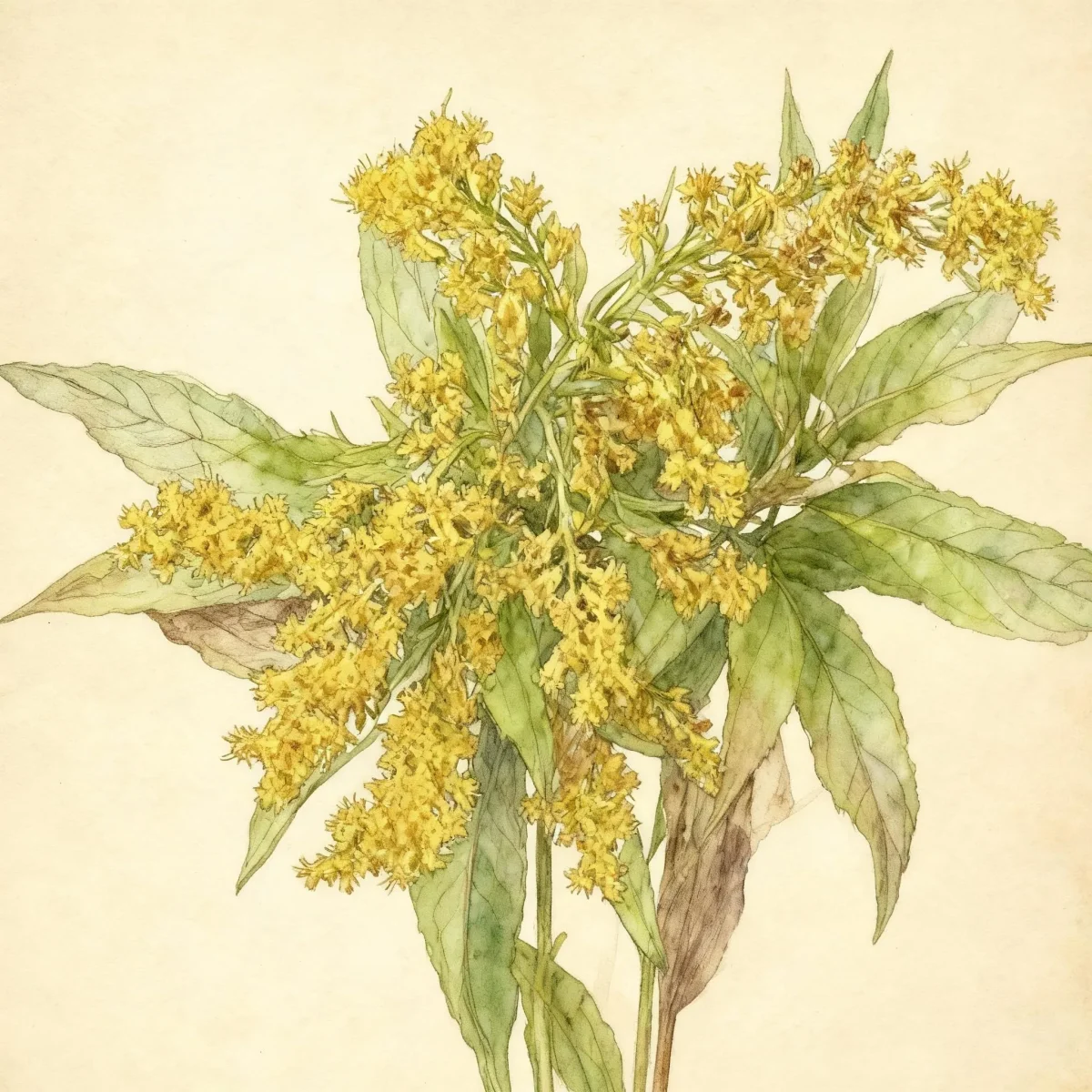
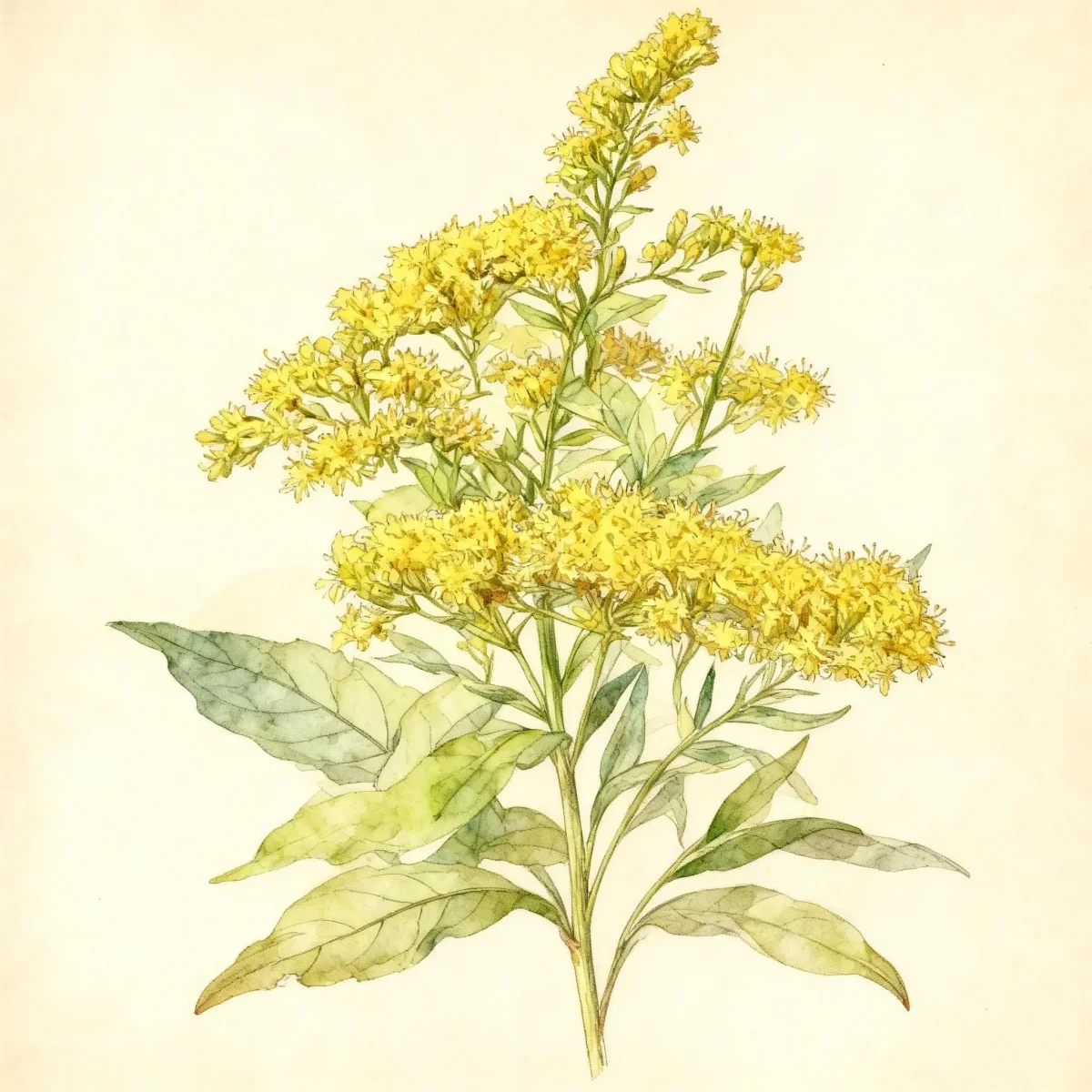
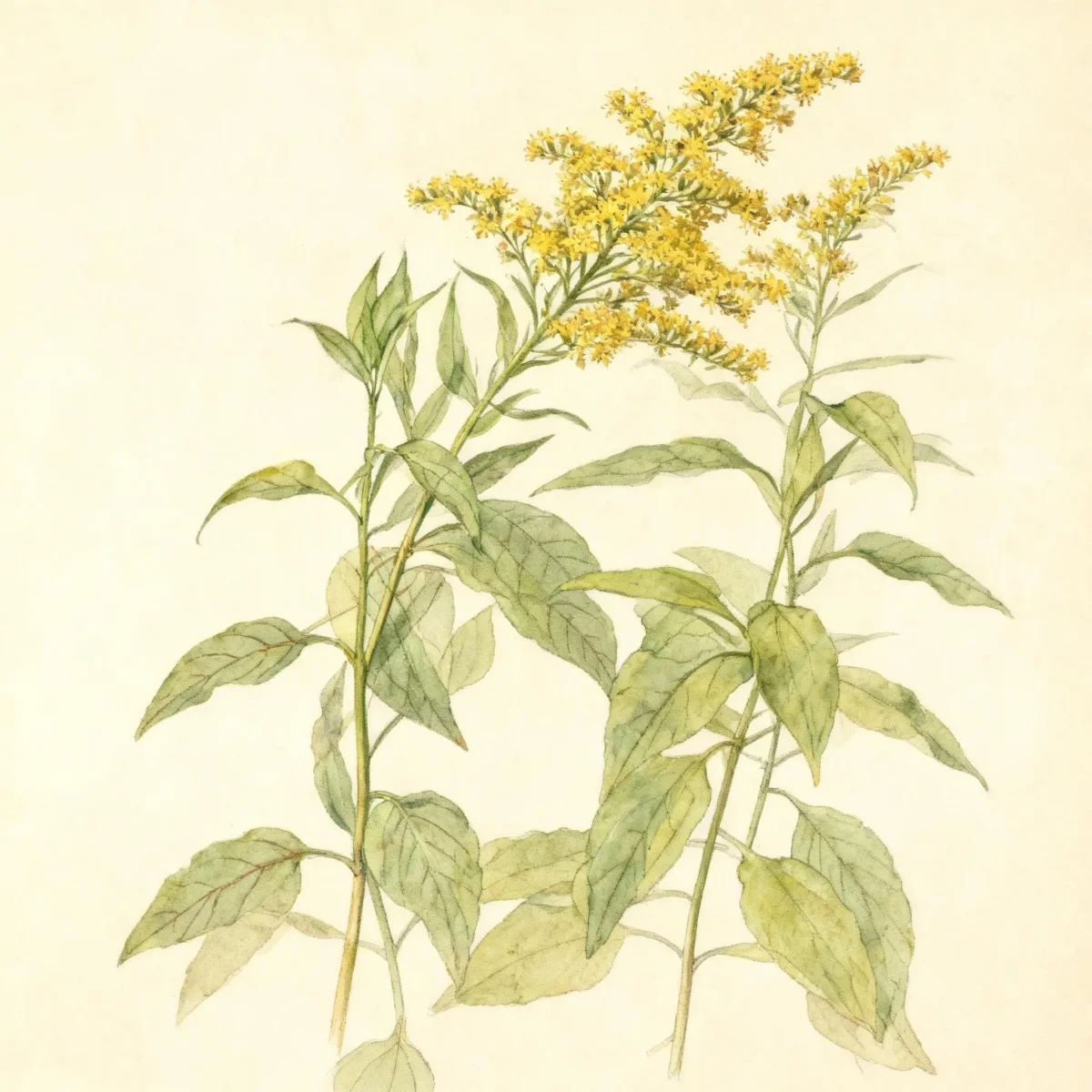
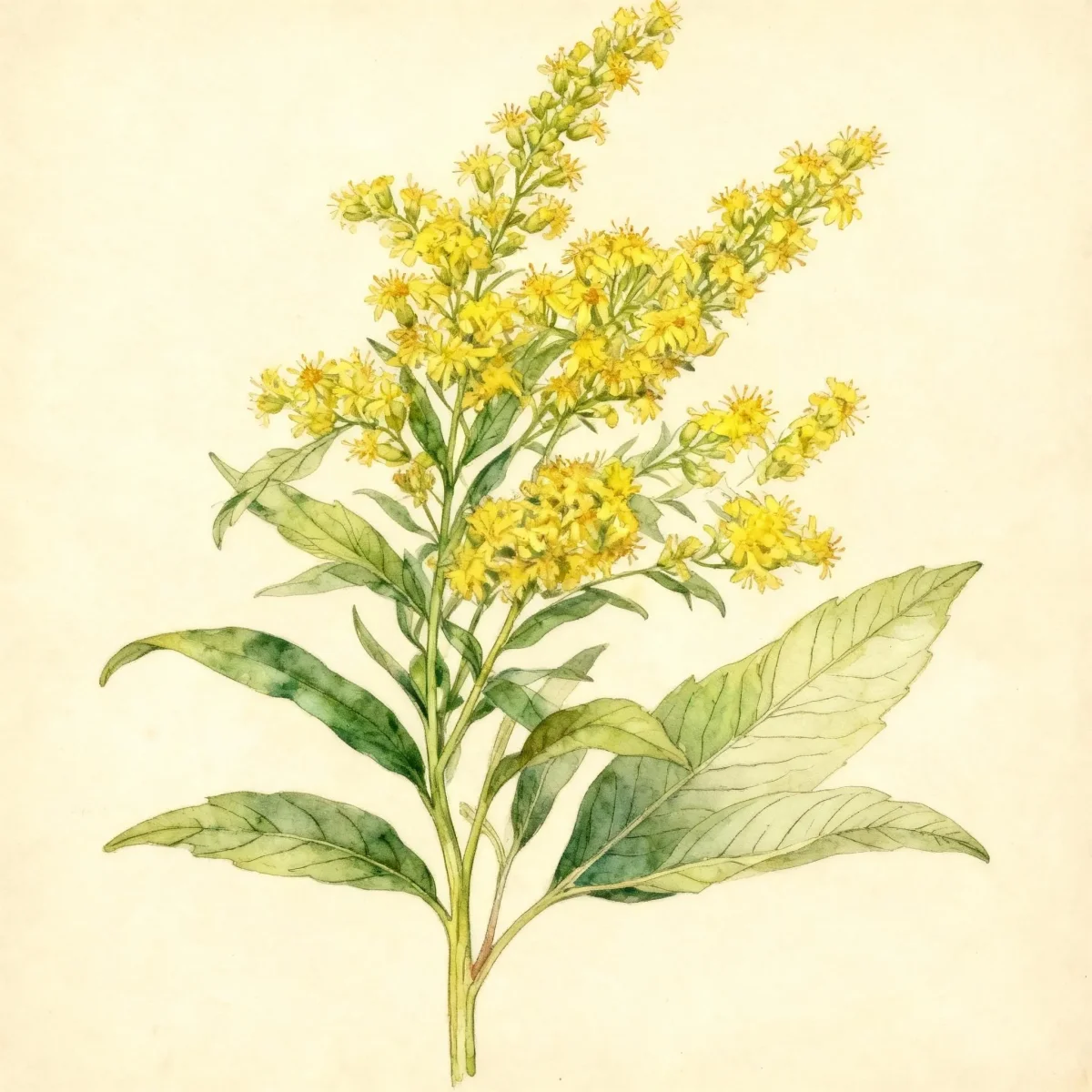
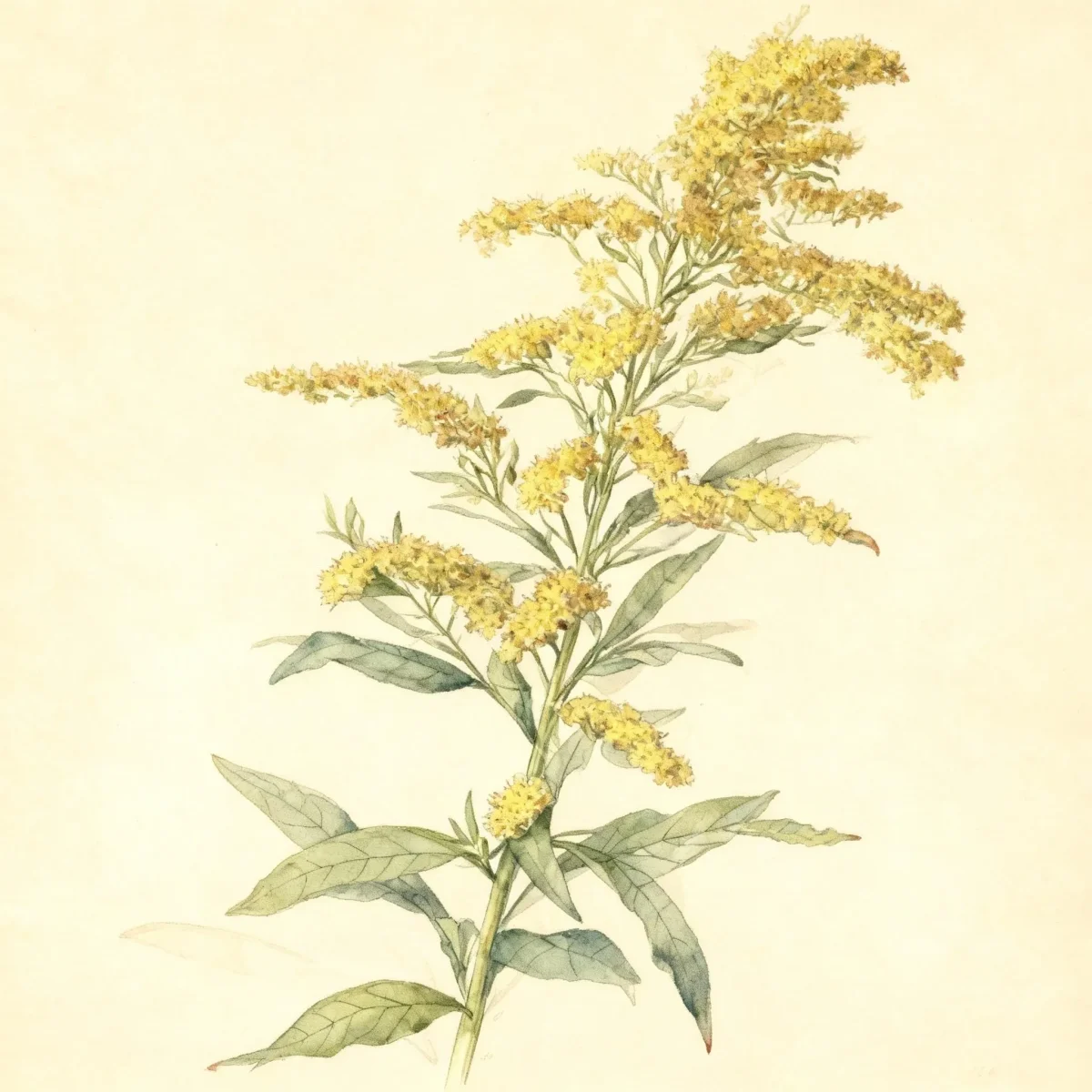
Goldenrod (Solidago 'Leraft')
Solidago 'Leraft' Goldenrod is a dwarf, low-maintenance perennial producing bright yellow blooms in mid-summer, ideal for dry, sunny borders.
Scroll down to discover growing tips, care requirements, companion plants, and more
Complete Plant Information
Overview
Solidago ‘Leraft’, commonly known as Goldenrod, introduces vibrant, late-season color to the garden without demanding excessive care. This specific cultivar is valued for its desirable dwarf habit, meaning it remains tidy and clump-forming, avoiding the aggressive spreading often associated with other goldenrod species. Gardeners appreciate this plant for its reliable display of bright yellow, daisy-like flowers appearing when many other summer blooms are fading.
This herbaceous perennial offers significant aesthetic and ecological benefits, attracting beneficial pollinators like bees and butterflies to the garden landscape. Its compact size makes the Solidago ‘Leraft’ an excellent choice for smaller spaces or defined perennial borders where height and vigor need to be controlled. Growing goldenrod contributes to late summer interest while being surprisingly adaptable to challenging soil conditions.
It is important to note the misconception surrounding goldenrods and hay fever; this plant is rarely the culprit. Instead, plant Solidago ‘Leraft’ in full sun areas where its upright form can provide excellent vertical contrast. Its hardiness and tolerance for dry conditions cement its status as a truly practical and beautiful addition to nearly any low-maintenance planting scheme.
Fast Facts
- Plant Family: Asteraceae
- Plant Type: Herbaceous perennial
- Hardiness Zones: USDA Zones 4-8
- Size at Maturity:
- Height: 1-2 ft
- Spread: 0.75-1.5 ft
- Bloom Time: July to August
- Bloom Description: Yellow
- Sun Exposure: Full sun
- Water Needs: Dry to medium
- Maintenance Level: Low
How to Grow
Plant Solidago ‘Leraft’ in the spring or fall, ensuring it receives full sun for the best flowering performance, although it can tolerate light shade. This goldenrod hybrid thrives in average, well-drained soils, thriving particularly well even when moisture levels are dry to medium. Good air circulation is vital, so avoid overly crowded conditions, especially as plants appreciate good soil drainage.
Once established, care for Solidago ‘Leraft’ is minimal, fitting perfectly into a low-maintenance garden plan. Water sparingly, allowing the soil to dry out slightly between irrigation events, capitalizing on its drought tolerance. Fertilization is generally unnecessary, especially if the native soil is not extremely poor, as excess fertility can sometimes encourage floppiness.
Deadheading is rarely required, but pruning back dried stems in late winter or early spring promotes a clean start for the new growth. This particular cultivar is prized because it forms a neat clump and does not aggressively spread, simplifying seasonal care significantly compared to more vigorous goldenrod types. Ensure good drainage is maintained year-round, which is crucial for preventing root issues.
Landscape Uses
The reliable late-season color provided by Solidago ‘Leraft’ makes it invaluable for extending the garden’s interest into autumn. Use this 1 to 2-foot-tall perennial to provide texture and contrast in the middle or back of the perennial border, sitting comfortably alongside asters or ornamental grasses. Its dense yellow plumes offer a warm focal point against cooler blues and purples.
Because it is primarily clump-forming, this goldenrod is an excellent choice for filling gaps in wild gardens or meadows where a more traditional, spreading habit would overwhelm surrounding plants. Furthermore, its tolerance for clay soil and dry conditions means it performs admirably in challenging foundation plantings or naturalized areas that receive less attentive care.
Consider planting Solidago ‘Leraft’ near structures or pathways where its low spread (under 1.5 ft) ensures it never obstructs views. It integrates seamlessly into native plant groupings, supporting local ecosystems while providing the structure of a well-mannered border plant.
Standout Features
Flower Qualities
- Showy
Noteworthy Characteristics
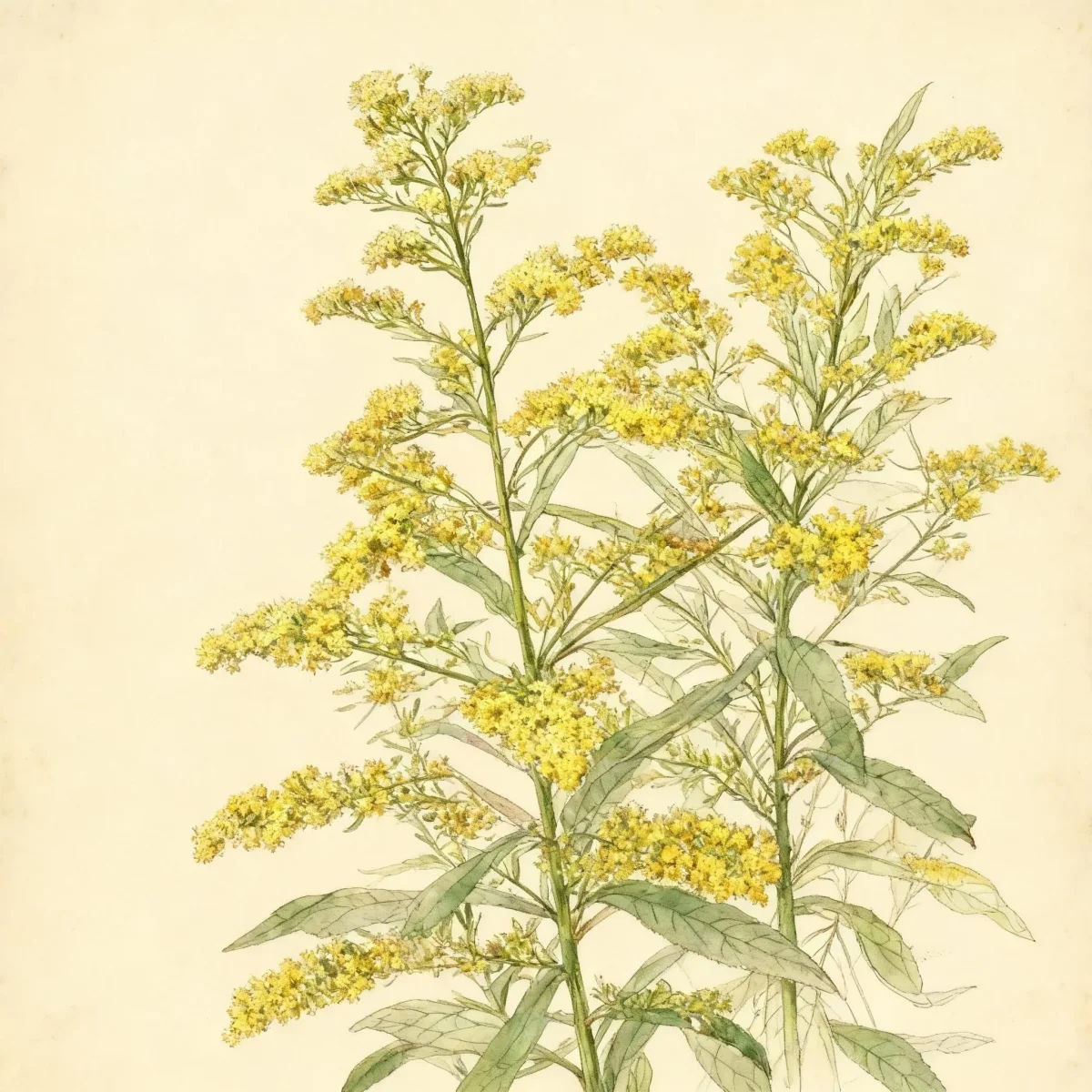
This hybrid cultivar, ‘Leraft’, is specifically bred to be dwarf and non-spreading, maintaining a tidy clump reaching about 24 inches tall. It produces large, upright panicles featuring many tiny, bright yellow, daisy-like flowers throughout July and August. The foliage consists of elliptic to lanceolate medium green leaves, providing a nice backdrop for the late-season floral display.
Tolerances
- Deer
- Drought
- Clay Soil
- Dry Soil
Potential Problems
Solidago ‘Leraft’ generally remains free from serious pest or disease issues, which contributes to its low maintenance profile. However, gardeners should remain vigilant for fungal issues such as powdery mildew or leaf spot, which can appear if air circulation is poor or humidity is consistently high. Rust is another potential, though uncommon, concern for goldenrod. Managing these issues involves ensuring proper planting density for good airflow and removing any heavily infected foliage promptly.
Frequently Asked Questions
What hardiness zones is Goldenrod suitable for?
Solidago ‘Leraft’ is robustly hardy across USDA Zones 4 through 8.
How large does Solidago ‘Leraft’ grow?
This cultivar typically reaches a height between 1 and 2 feet, with a spread ranging from 0.75 to 1.5 feet wide.
When does Goldenrod bloom?
This variety of goldenrod provides its signature bright yellow bloom display consistently from July into August.
What sun exposure does Solidago ‘Leraft’ need?
For optimal health and the most abundant blooms, this plant requires full sun exposure.
Conclusion
The Solidago ‘Leraft’ Goldenrod is an outstanding, manageable choice for gardeners seeking durable color that peaks in the late summer months. Its low water needs and tolerance for tough soils, combined with its non-aggressive clumping nature, make this dependable perennial a winner for borders and naturalized areas alike. Before planting, confirm your region falls within USDA Zones 4-8 and select a sunny location to ensure a spectacular yellow display this season.
Design Ideas
Focusing on the late-season punch of Solidago ‘Leraft’ allows for creative color combinations that bridge the gap between summer exuberance and autumn rest. Pair the vibrant yellow with deep purple or blue companions that reach maturity later in the season, such as various Aster species, towering Purple Coneflower (Echinacea purpurea), or blue Sedum varieties like ‘Autumn Joy’ (though Sedum flowers later, the foliage contrast works well). Plantings should leverage the clean, upright habit of this goldenrod, ensuring it doesn’t get lost in a sea of uncontrolled growth.
Consider using this non-aggressive goldenrod in mass plantings to create drifts of yellow color within a meadow setting. Because it handles dry soil well, it pairs naturally with other drought-tolerant natives like butterfly weed (Asclepias tuberosa) or various Liatris species. This grouping creates a durable, ecologically beneficial habitat that requires minimal supplemental watering once established.
Wildlife Benefits
Beyond its aesthetic appeal, planting Solidago ‘Leraft’ is a significant boost for local pollinator populations preparing for winter migration or overwintering. Goldenrods are exceptionally valuable late-season nectar sources, contrary to their bad reputation regarding allergies. The small, bright yellow flowers offer easily accessible pollen and nectar that sustains bees, beneficial wasps, and crucial late-flight butterflies.
By ensuring your garden includes dependable nectar sources late into the season, you support the entire local insect ecosystem. The density of the flowers on Solidago ‘Leraft’ means pollinators can harvest substantial resources efficiently in one spot. Incorporating this goldenrod into your landscape provides essential sustenance when other food sources might be diminishing.