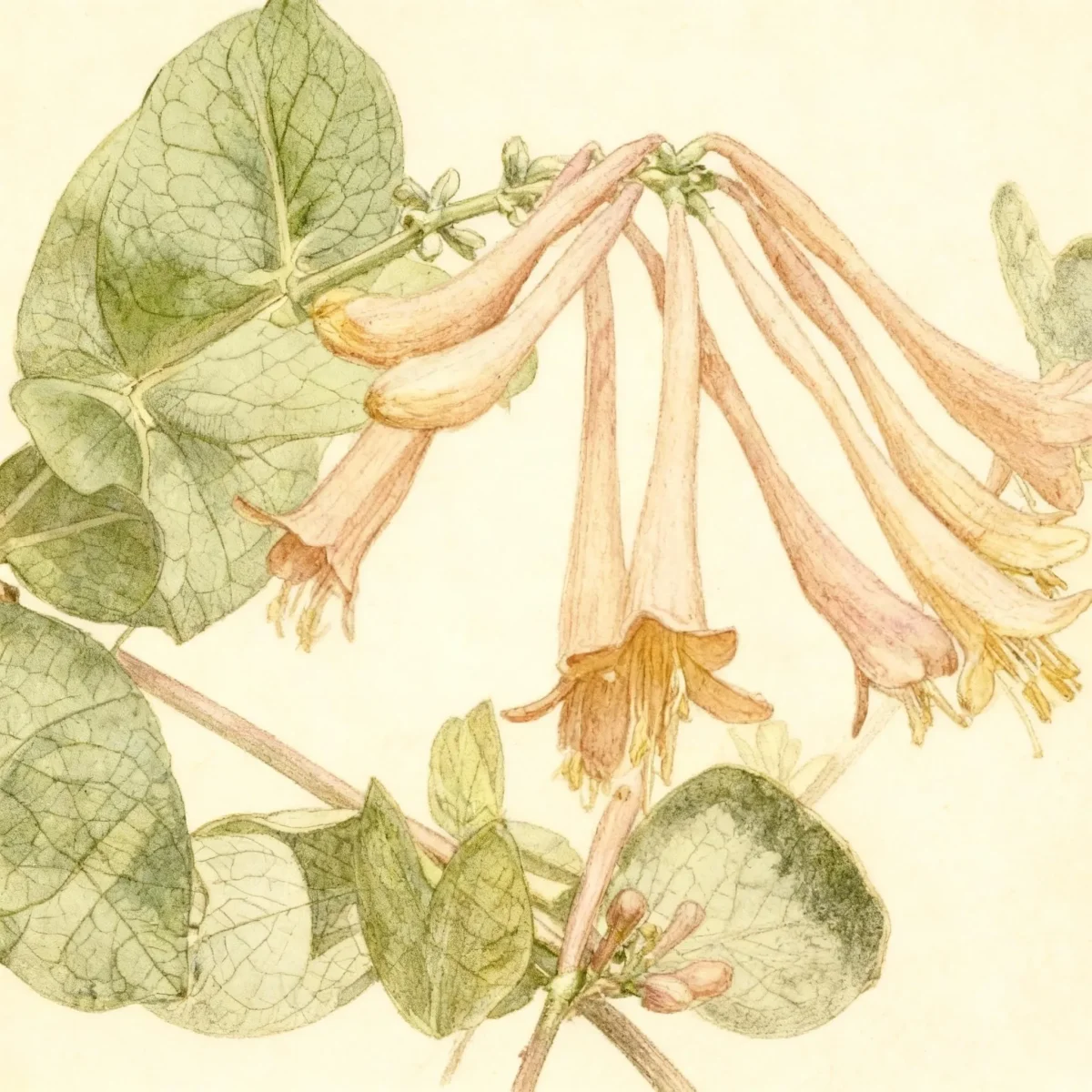
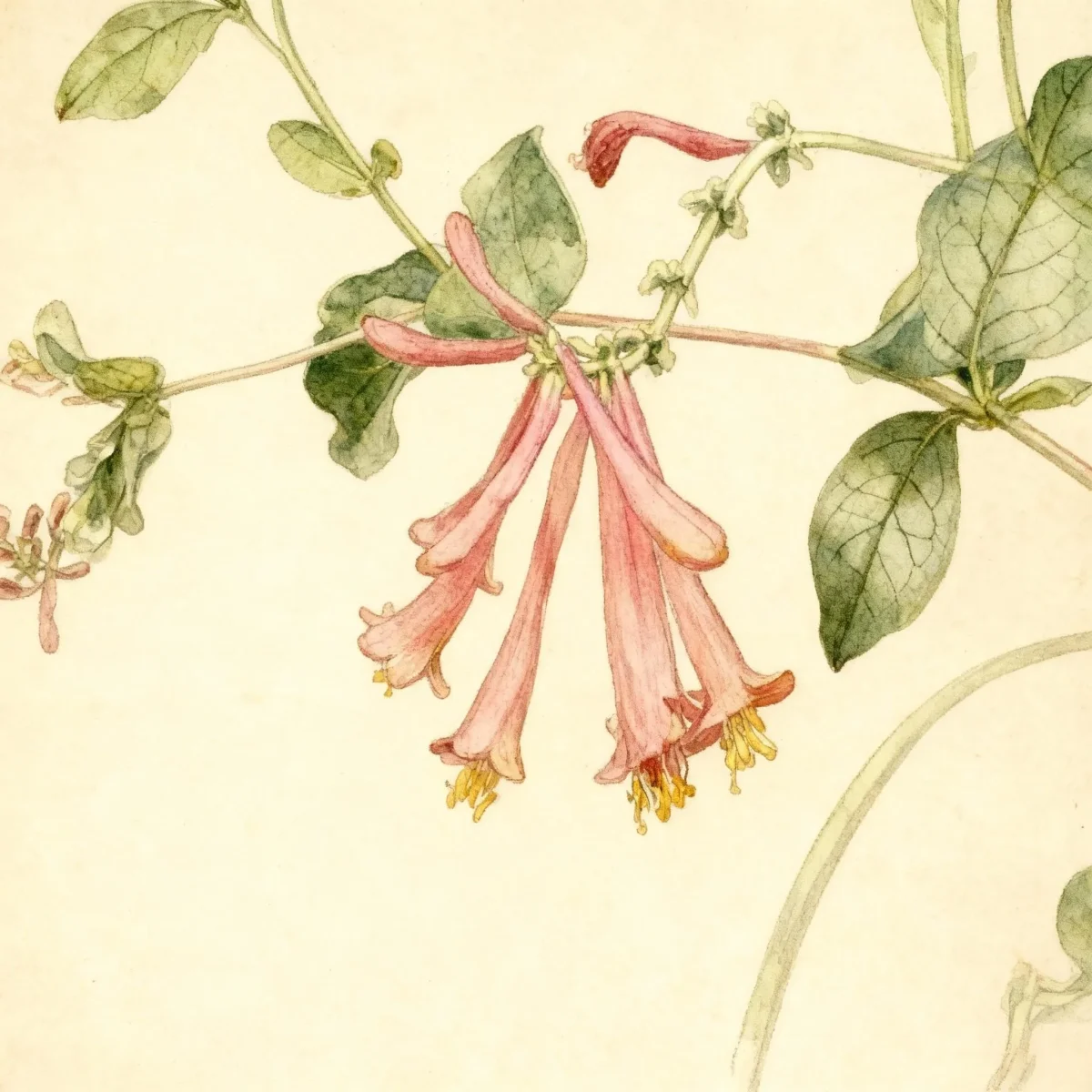
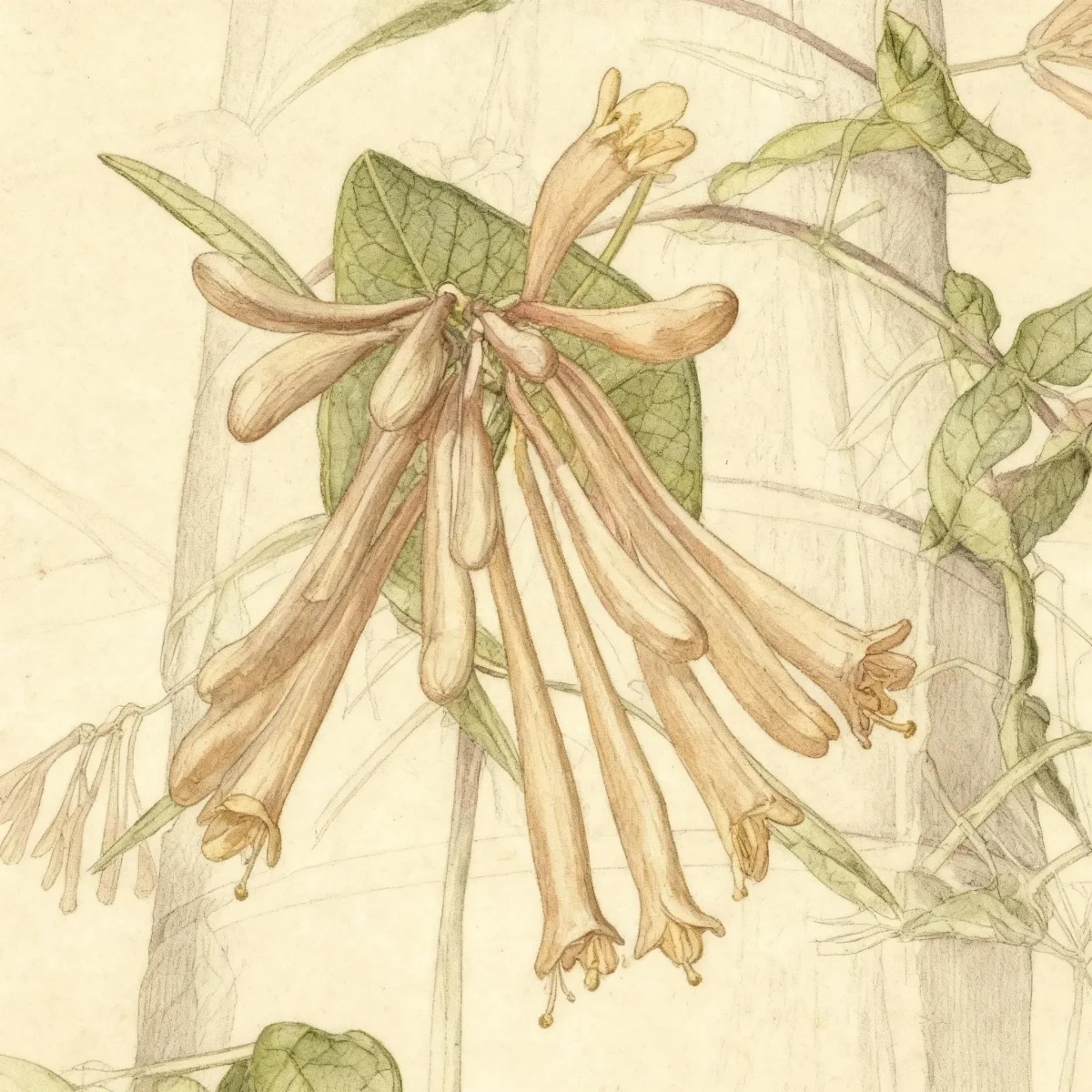
Trumpet honeysuckle (Lonicera sempervirens f. sulphurea 'John Clayton')
Lonicera sempervirens f. sulphurea 'John Clayton' is a low-maintenance vine boasting showy, pale yellow flowers highly attractive to hummingbirds.
Scroll down to discover growing tips, care requirements, companion plants, and more
Complete Plant Information
Overview
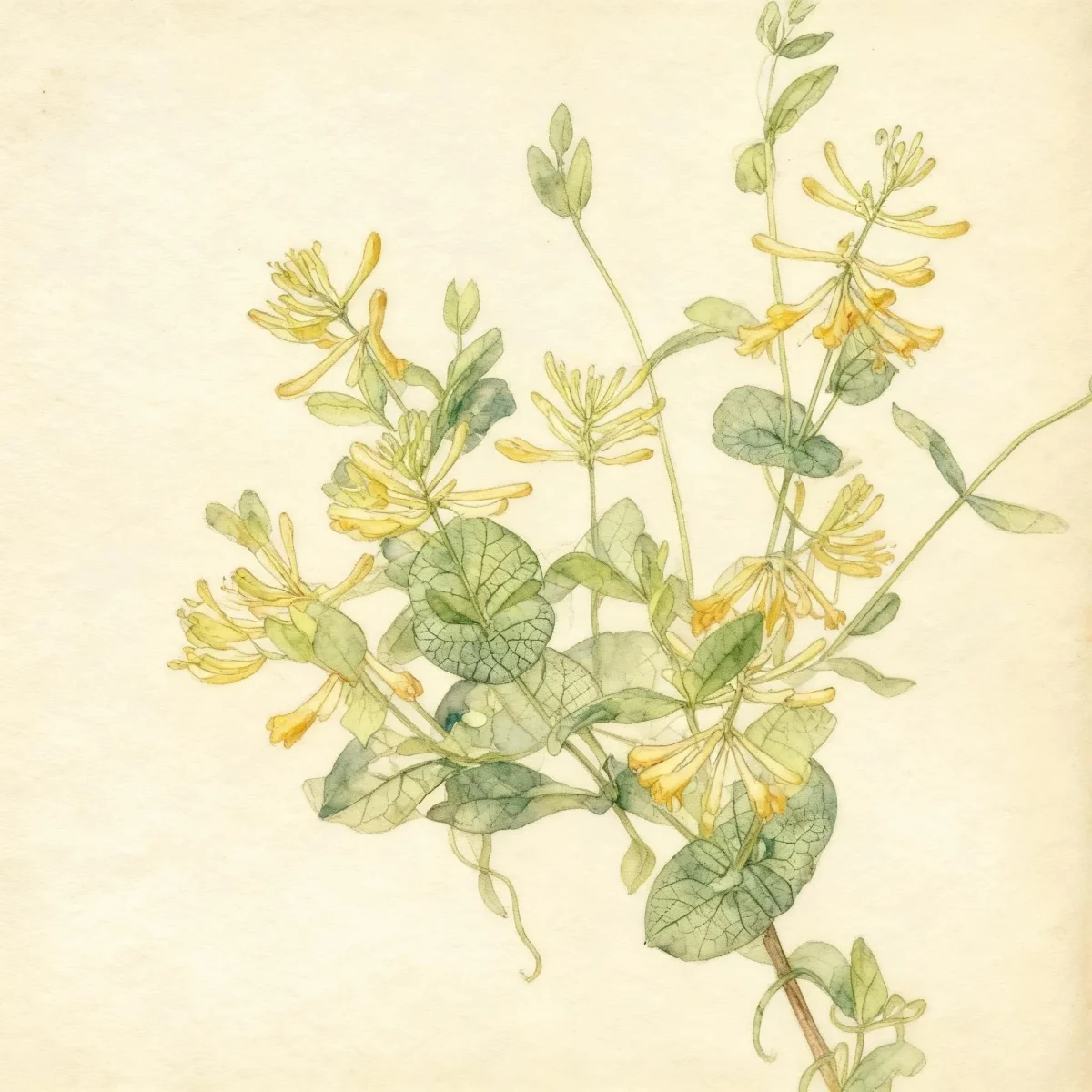
The Trumpet honeysuckle cultivar Lonicera sempervirens f. sulphurea ‘John Clayton’ offers a striking variation of the native vine, substituting the typical scarlet blooms with lovely pale yellow trumpets. This vigorous, twining vine is highly valued for its low maintenance requirements and its strong attraction to hummingbirds and butterflies, making it an excellent choice for wildlife gardens. Found in woodlands in Virginia, this specific form, Lonicera sempervirens f. Sulphurea ‘John Clayton’, presents a desirable compact growth habit alongside its unique flower coloration.
This variety typically reaches 6 to 12 feet in length, making it manageable on many garden structures. While it is generally deciduous, it may retain some foliage in warmer winter climates, extending its visual interest. The long, tubular flowers bloom primarily from late spring into early summer, often yielding sporadic rebloom later in the season.
Gardeners seeking effective vertical interest that thrives in full sun will find Lonicera sempervirens f. sulphurea ‘John Clayton’ an exceptional performer. It provides dense cover and vibrant color without the aggressive, invasive tendencies sometimes associated with non-native honeysuckles.
Fast Facts
- Plant Family: Caprifoliaceae
- Plant Type: Vine
- Hardiness Zones: USDA Zones 4-9
- Size at Maturity:
- Height: 6-12 ft
- Spread: 3-5 ft
- Bloom Time: May to June
- Bloom Description: Pale yellow
- Sun Exposure: Full sun
- Water Needs: Medium
- Maintenance Level: Low
How to Grow
Planting should ideally occur in spring or fall when temperatures are milder, ensuring the vine establishes well before facing intense summer heat or deep winter cold. Provide Lonicera sempervirens f. sulphurea ‘John Clayton’ with humusy, organically rich soils that have excellent drainage. While this Trumpet honeysuckle tolerates average moisture, consistent medium watering supports the best flowering potential, especially during establishment.
This twining vine critically requires physical support, such as a sturdy trellis, arbor, or fence, to climb effectively. If allowed to sprawl without support, it can function well as a ground cover. To maintain shape and encourage fresh blooming, prune as needed immediately following the main flowering period in early summer.
Although easy to grow, avoid planting in overly deep shade; while it tolerates some shade, competition will significantly reduce the spectacular floral display expected from the cultivar. The plant shows good tolerance to challenging conditions, including clay soils and proximity to Black Walnut trees.
Landscape Uses
The upright, clinging nature of this twining vine makes Lonicera sempervirens f. sulphurea ‘John Clayton’ perfectly suited for enhancing vertical elements in the landscape. It excels when trained up trellises installed against house walls or over pergolas, creating fragrant, flowering screens or shaded retreats. This plant is also an excellent structural component for covering unsightly fences or framing entryways, offering seasonal color along these features.
When planning companions, select shrubs or perennials that appreciate similar sun exposure and moisture levels. Consider pairing the yellow blooms of the Trumpet honeysuckle with deep blue or purple companion flowers to maximize the visual contrast during the May and June bloom period.
Standout Features
Flower Qualities
- Showy
Noteworthy Characteristics
Lonicera sempervirens, commonly called trumpet honeysuckle, is a vigorous, deciduous, twining vine which typically grows 10-15’ (less frequently to 20’) and is one of the showiest of the vining honeysuckles. ‘John Clayton’ is a yellow-flowered variety noted for its compact growth habit and tendency to rebloom. Tubular, pale yellow flowers bloom primarily from May to June, providing nectar for various pollinators.
Tolerances
- Deer
- Clay Soil
- Black Walnut
Potential Problems
Lonicera sempervirens f. sulphurea ‘John Clayton’ generally displays low susceptibility to serious pest or disease issues, contributing to its low maintenance rating. However, in hot, humid climates, watch for occasional powdery mildew or minor leaf spotting, which can sometimes appear on the foliage. Occasionally, aphids may be present, though they rarely cause significant damage to the overall health of the Trumpet honeysuckle. Ensure good air circulation during planting to minimize fungal risks and treat aphids early with horticultural oil if populations become noticeable.
Frequently Asked Questions
What hardiness zones is Trumpet honeysuckle suitable for?
This vine is reliably hardy across USDA Zones 4 through 9.
How large does Lonicera sempervirens f. sulphurea ‘John Clayton’ grow?
This cultivar typically achieves a length between 6 and 12 feet, with a spread ranging from 3 to 5 feet.
What sun exposure does Lonicera sempervirens f. sulphurea ‘John Clayton’ need?
For the most abundant flowering and best overall performance, this vine requires full sun exposure throughout the day.
When does Trumpet honeysuckle bloom?
The primary bloom display for this variety occurs from May to June, producing distinctive pale yellow flowers.
Conclusion
The Lonicera sempervirens f. sulphurea ‘John Clayton’ is a superior native vine choice, offering reliable growth, tolerance for varied soils including clay, and exceptional wildlife appeal with its showy yellow blooms. Integrating this unique Trumpet honeysuckle into your garden provides vertical texture and valuable ecological benefit. Always confirm your garden location falls within USDA Zones 4 to 9 before planting this resilient climber.
Wildlife Benefits
As a native vine, the Trumpet honeysuckle significantly contributes to local biodiversity. The tubular structure of its flowers is perfectly adapted to attract pollinators with long bills, particularly hummingbirds, which frequent the blooms looking for nectar. Butterflies and bees are also drawn to the flowers, ensuring garden activity during its blooming period.
Furthermore, while the flowers are ephemeral, the vine produces small, typically inedible red berries in late summer and early fall. These berries, however, serve as an important food source for numerous bird species as they prepare for migration or overwintering.
Design Ideas
Consider using Lonicera sempervirens f. sulphurea ‘John Clayton’ as an accent against dark-colored vertical surfaces, which makes the pale yellow flowers truly glow in the filtered light of late afternoon. Because it performs well as a screen, plant several specimens along a property line that requires both privacy and reduced maintenance. Its moderate spread means it can also function beautifully spilling over the top edge of a retaining wall or large raised bed, softening hard architectural lines without becoming overly aggressive.