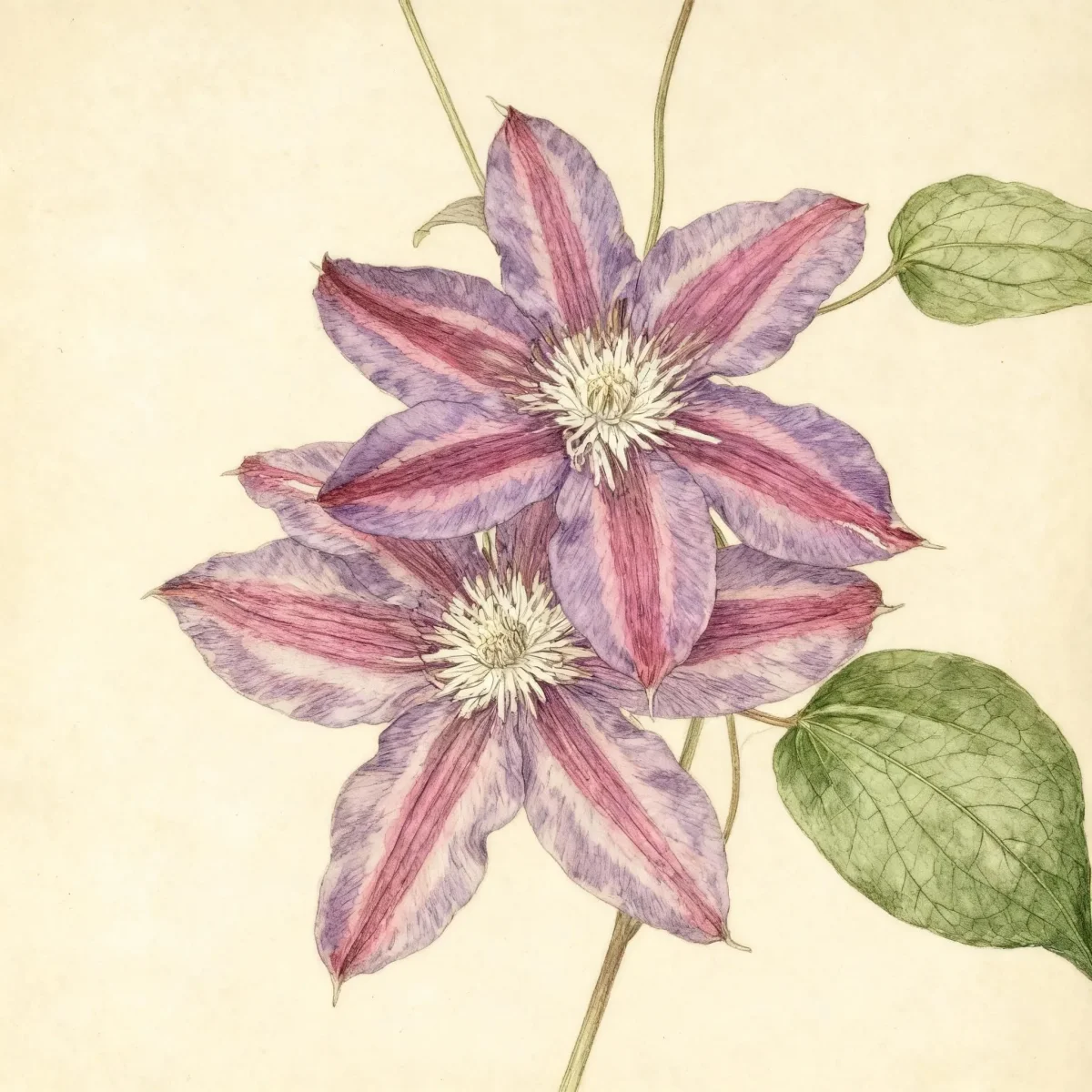
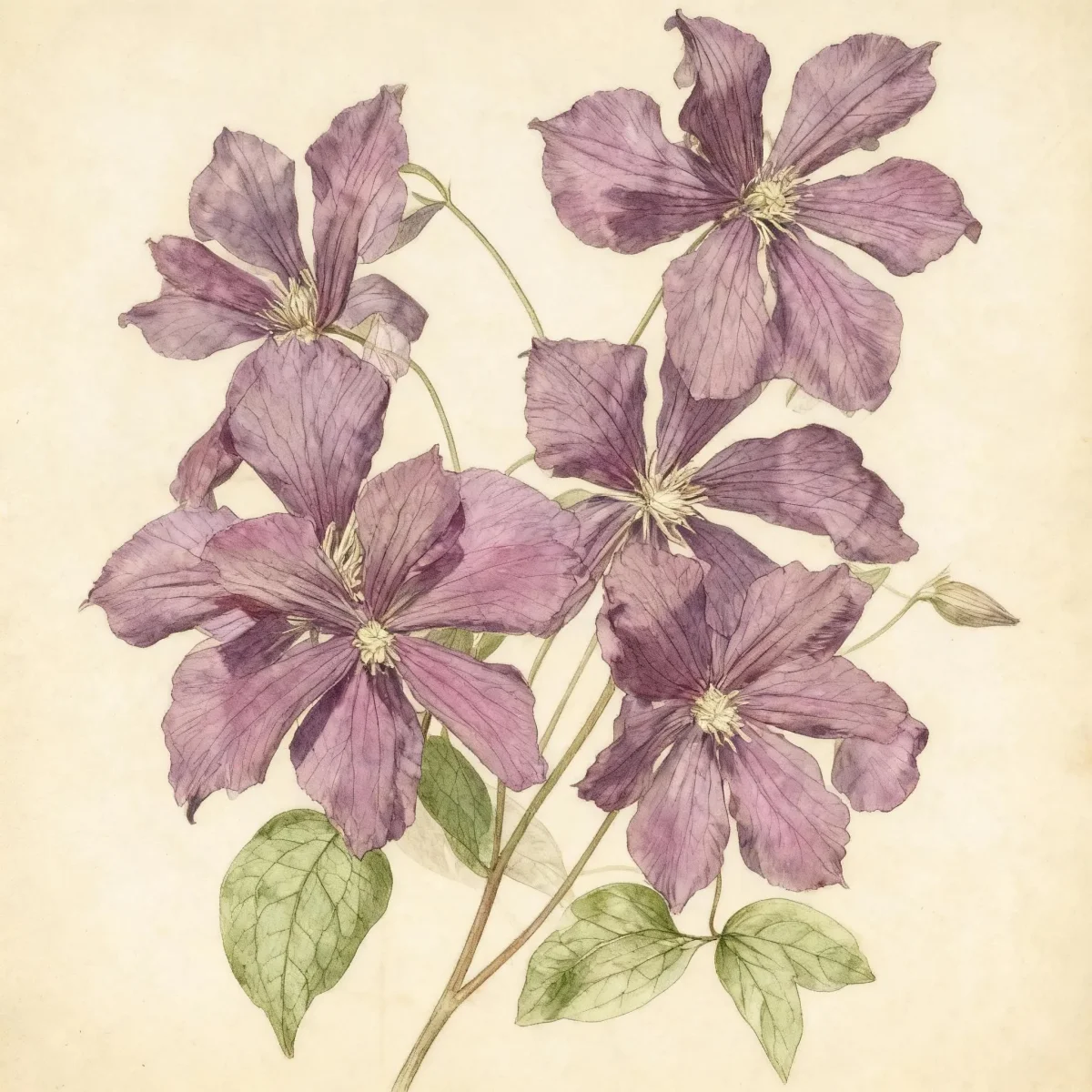
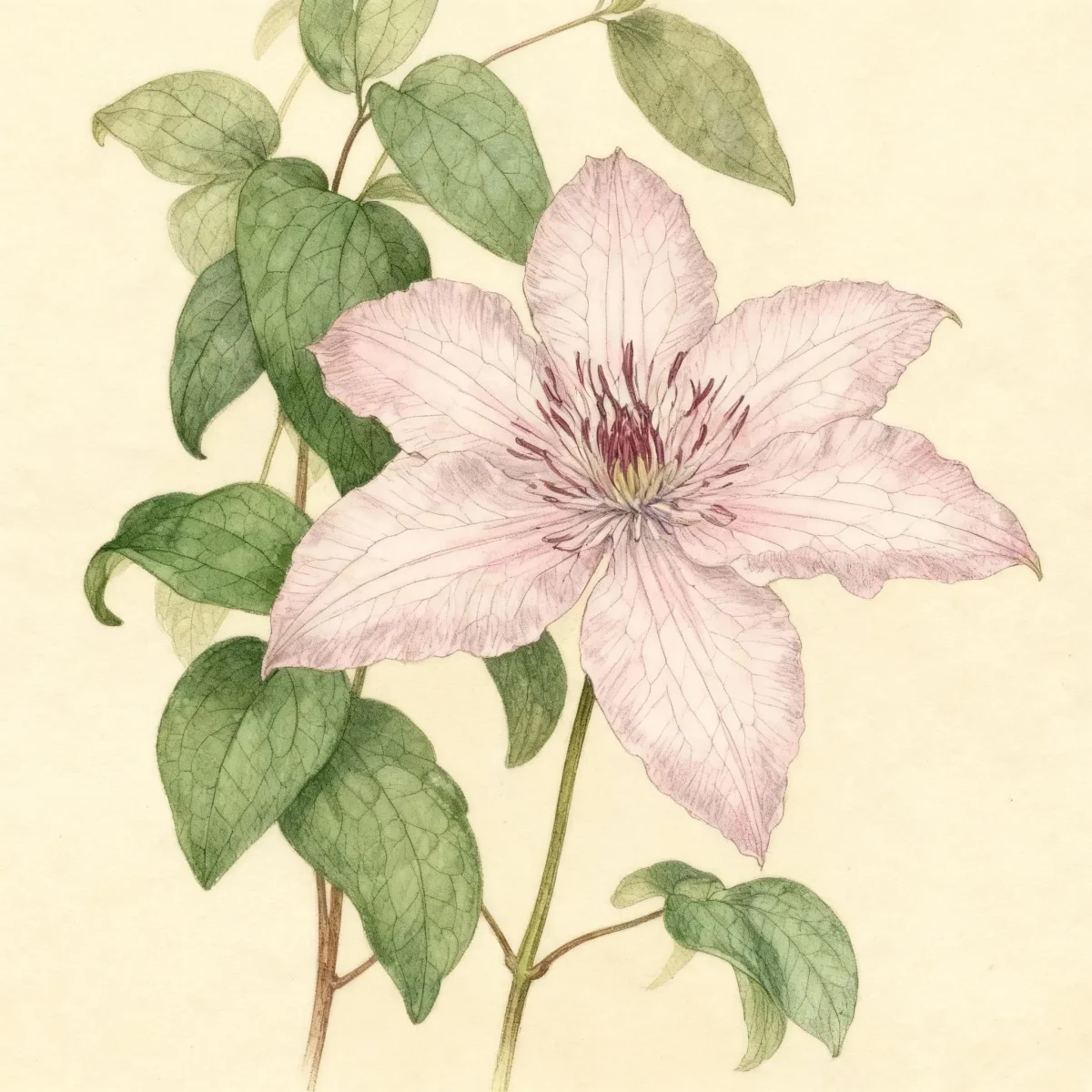
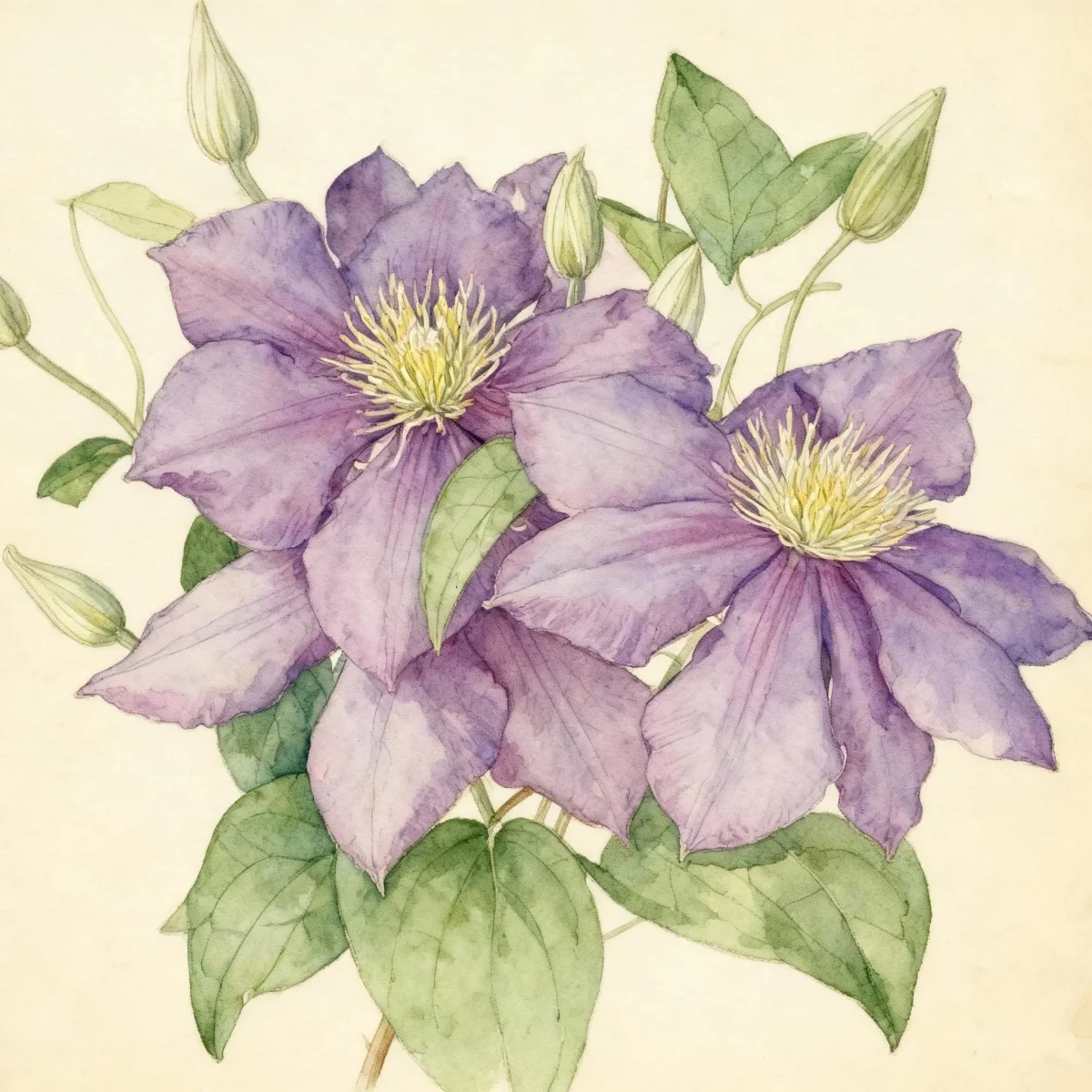
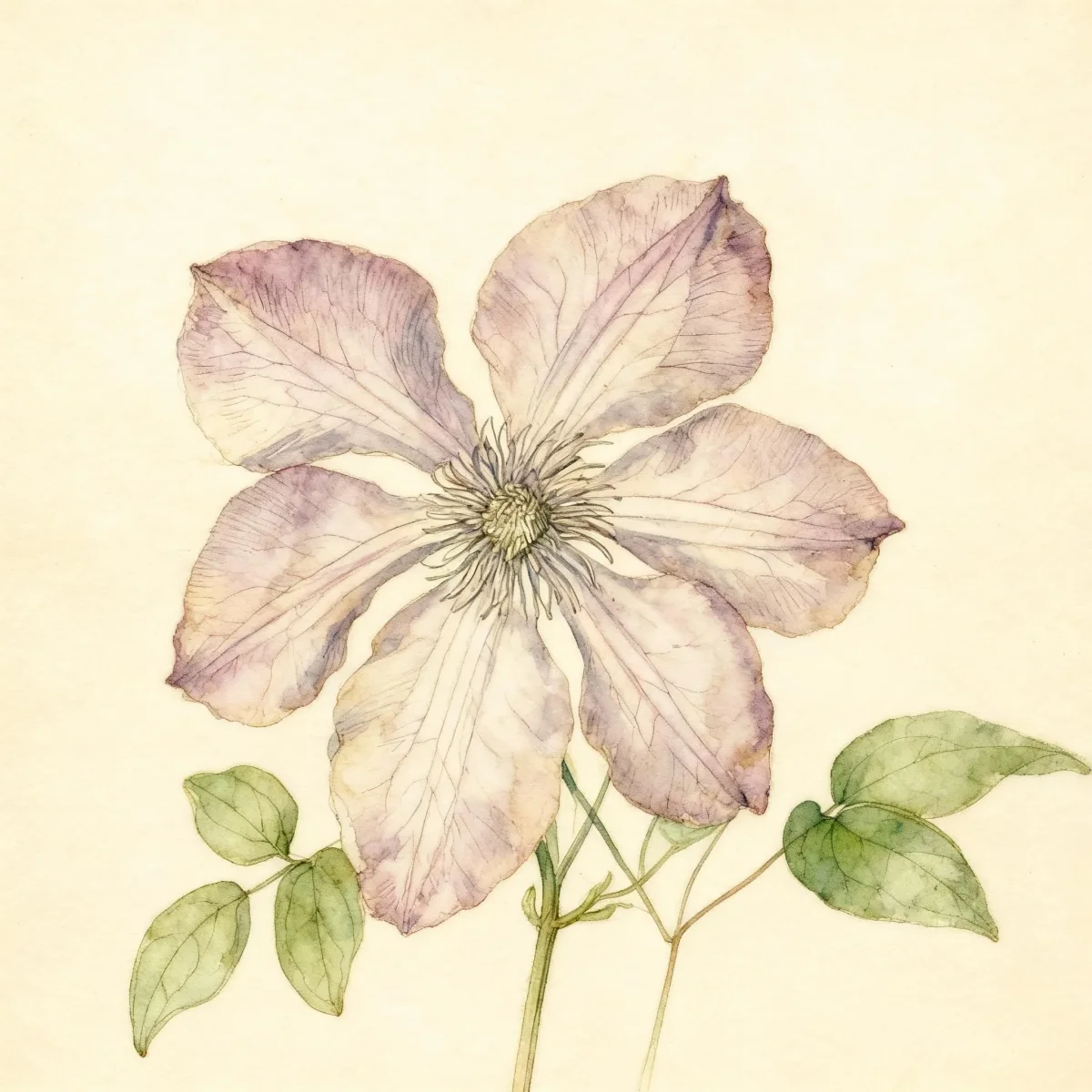
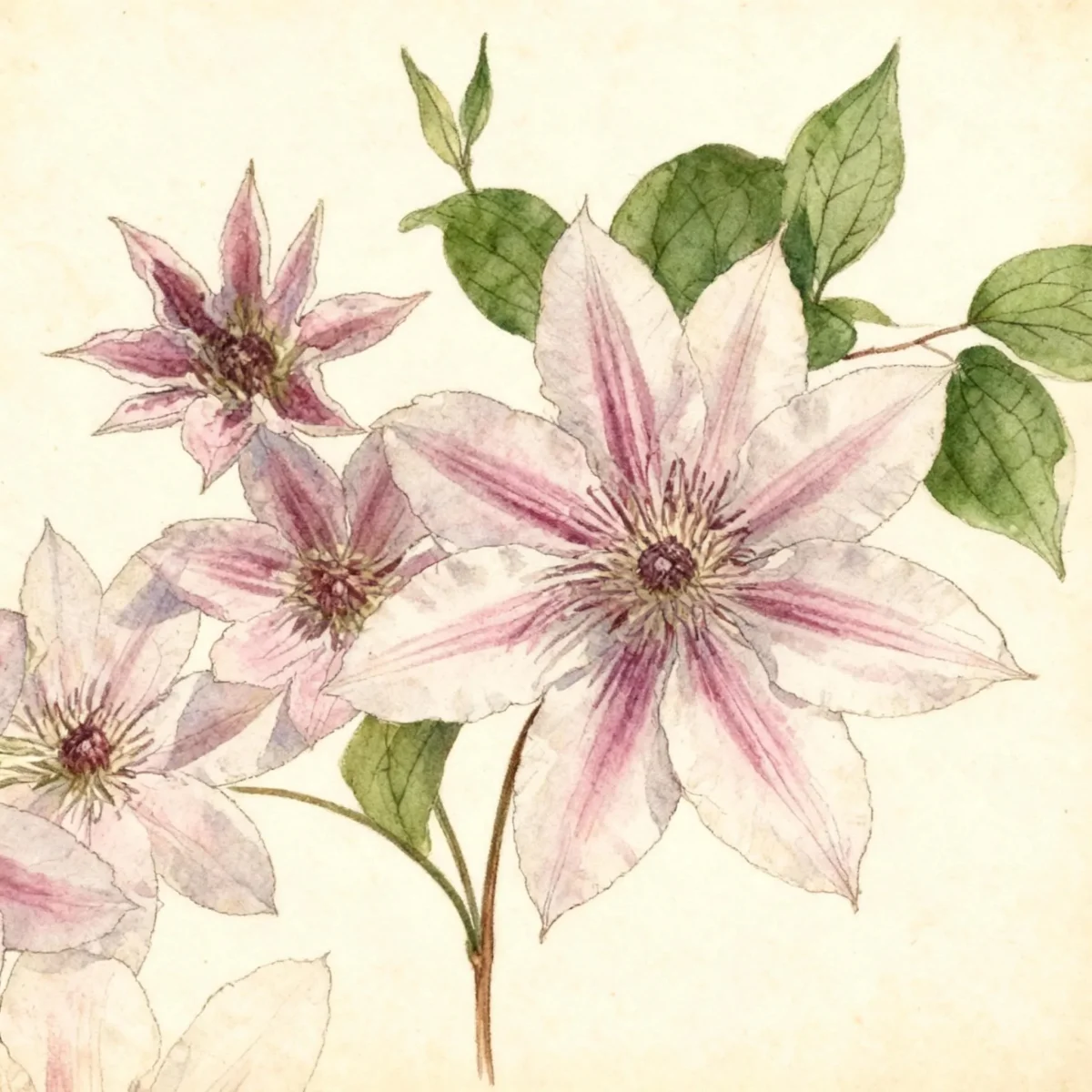
Clematis (Clematis 'Betty Corning')
Clematis 'Betty Corning' is a low-maintenance, fragrant vine offering showy, pale lilac bell flowers from June to September. Hardy in Zones 4-9.
Scroll down to discover growing tips, care requirements, companion plants, and more
Complete Plant Information
Overview
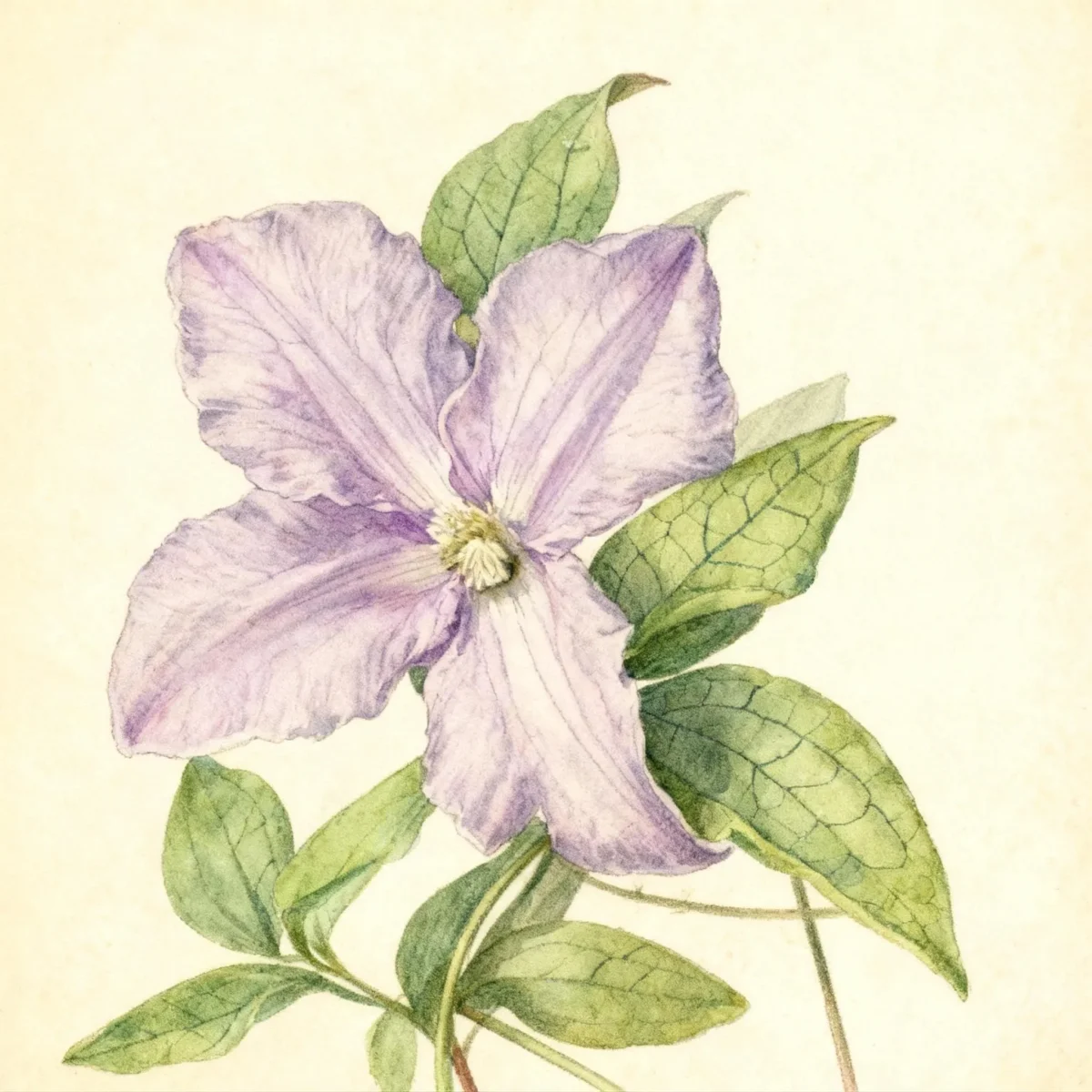
Clematis ‘Betty Corning’ is a highly valued climbing vine recognized for its long bloom season spanning summer into early fall. This specific cultivar releases slightly fragrant, bell-shaped flowers in a delicate pale lilac hue, making it an excellent addition to vertical gardening plans. Originating as a cross between C. Crispa and C. Viticella, this semi-woody vine marries attractive foliage with prolific, low-maintenance flowering.
As a vigorous climber, Clematis ‘Betty Corning’ creates significant architectural interest as it twines its way up supports. It is celebrated for its hardiness in diverse climates, thriving across USDA Zones 4 through 9. Gardeners appreciate the ease of care associated with this variety, often finding it to be a reliable performer once established.
This hardy Clematis variety provides beauty without demanding constant attention, offering both showy blooms and fragrance. Planning its placement near seating areas maximizes enjoyment of the fragrance, while ensuring its roots remain shaded will promote the healthiest growth for this classic vining Clematis.
Fast Facts
- Plant Family: Ranunculaceae
- Plant Type: Vine
- Hardiness Zones: USDA Zones 4-9
- Size at Maturity:
- Height: 5-6 ft
- Spread: 2-4 ft
- Bloom Time: June to September
- Bloom Description: Pale lilac
- Sun Exposure: Full sun to part shade
- Water Needs: Medium
- Maintenance Level: Low
How to Grow
Planting should occur when the danger of hard frost has passed, allowing the vine time to establish a robust root system before extreme weather. Clematis ‘Betty Corning’ demands fertile, well-drained soil with medium moisture content. Crucially, while the flowering vines prefer full sun to partial shade, the roots must be kept cool and shaded; consider planting low-growing perennials or small shrubs around the base to maintain shade and consistent moisture.
Water thoroughly and regularly to maintain medium soil moisture, and never allow the soil around this Clematis to dry out completely. As this specific Clematis is pruned as Group 2, meaning it flowers on both old and new wood, minimal hard pruning is usually recommended. Only remove dead wood or lightly shape the vine after flowering, as hard pruning in fall or spring can delay or reduce the prolific summer bloom of Clematis ‘Betty Corning’.
A thick layer of root mulch is extremely beneficial, helping to keep the soil cool and uniformly moist. Always ensure you provide a sturdy trellis, arbor, or other structure; Clematis vines cannot support themselves and need vertical assistance to display their attractive habit.
Landscape Uses
Clematis provide indispensable vertical texture in compact garden spaces. Clematis ‘Betty Corning’ is perfectly suited for training up trellises attached to fences or walls, instantly adding height and softening hard architectural lines. These vines look spectacular scrambling through established larger shrubs, utilizing them as natural supports while their pale lilac flowers emerge mid-season.
For smaller gardens, using this 5 to 6-foot vine to introduce height above mixed perennial borders creates multi-level interest. Furthermore, the ability of Clematis to be contained makes them excellent candidates for large containers or patio urns, provided the containers are large enough to support the root system and kept consistently watered in summer heat. Pairing them with summer-blooming roses or later-season perennials offers sequential color interest.
Standout Features
Flower Qualities
- Showy
- Fragrant
Noteworthy Characteristics
Clematis is a genus of over 250 species, most of which are woody to semi-woody deciduous vines climbing by twining leaf stalks or in some cases trailing over support, but in a few cases grow as freestanding or sprawling herbaceous perennials and small deciduous or evergreen shrubs. ‘Betty Corning’ (C. Crispa x C. Viticella) is a late, small-flowered, semi-woody, climbing vine that typically grows to 6’ tall, featuring single, nodding, bell-shaped, pale lilac flowers (to 2” long) with recurved tips that bloom freely from summer to fall. Cultivated clematis plants are often divided into three groups based on pruning needs; this variety falls into Group 2, requiring minimal pruning.
Tolerances
- Deer
- Black Walnut
Potential Problems
While generally hardy, this Clematis can be susceptible to stem rot or wilt, which can prove fatal if not caught early. Prevention is key: ensure excellent drainage and strictly adhere to the practice of keeping the roots shaded while allowing the foliage sun exposure. In terms of pests, monitor regularly for common invaders such as aphids and slugs, especially when the new growth first emerges in spring. Powdery mildew and leaf spots can also occur, particularly in humid conditions or areas with poor air circulation; managing these preventative measures helps ensure a healthy display from your Clematis ‘Betty Corning’.
Frequently Asked Questions
What hardiness zones is Clematis ‘Betty Corning’ suitable for?
Clematis ‘Betty Corning’ is reliably hardy in USDA Zones 4 through 9.
How large does Clematis ‘Betty Corning’ grow?
This vine typically reaches a height between 5 and 6 feet, with a spread of 2 to 4 feet.
When does Clematis ‘Betty Corning’ bloom?
Expect blooms from June through September, featuring delicate, slightly fragrant, pale lilac flowers.
What sun exposure does Clematis need?
This variety performs best with full sun exposure on its flowering parts, though part shade is tolerated, especially in very hot afternoon climates.
Conclusion
Clematis ‘Betty Corning’ offers gardeners a reliable source of late-season color and light fragrance, wrapped in a manageable, low-maintenance vine structure. Its versatility in hardiness and required pruning group (Group 2) makes it an excellent choice for both novice and experienced Clematis enthusiasts. Before planting, ensure you have a suitable trellis system ready and that you plan companions that can shade the base roots; check your local hardiness zone compatibility today to enjoy this exquisite flowering Clematis next summer.
Companion Planting
Successful companion planting for Clematis centers on shading its roots while allowing its upper foliage freedom in the sun. Consider low-growing herbaceous perennials that remain relatively compact throughout the summer. Hostas, especially smaller, shade-tolerant varieties, are excellent choices as they provide dense ground cover near the base. Herbaceous peonies planted nearby can also serve as excellent root screens and offer contrasting spring blooms before the Clematis reaches its peak flowering time.
Another successful strategy is integrating non-aggressive annuals around the base until the Clematis establishes itself. Lobelia or creeping thyme are good options; they offer textural contrast and benefit from the same medium moisture needs while obscuring the soil surface. Always ensure that any companion does not aggressively compete for water or nutrients by planting too closely to the main vine’s crown.
Design Ideas for Group 2 Clematis
Group 2 Clematis like ‘Betty Corning’ are versatile because they bloom relatively early while still producing later in the season. A classic design element is layering them with climbing roses or late-blooming Wisteria for a continuous floral display on a large arbor. Since this variety is only moderately tall (5-6 ft), it works beautifully against the backdrop of a high fence or along the edge of a patio where privacy screening is desired but extreme height is not.
Use Clematis ‘Betty Corning’ at the front of a mixed border where its bell-shaped blooms can be appreciated up close, especially since its roots will be shaded by taller neighboring shrubs like Hydrangeas or Boxwood. The pale lilac color mixes well with whites, soft yellows, and deep blues, providing sophisticated contrast without being overly vibrant.