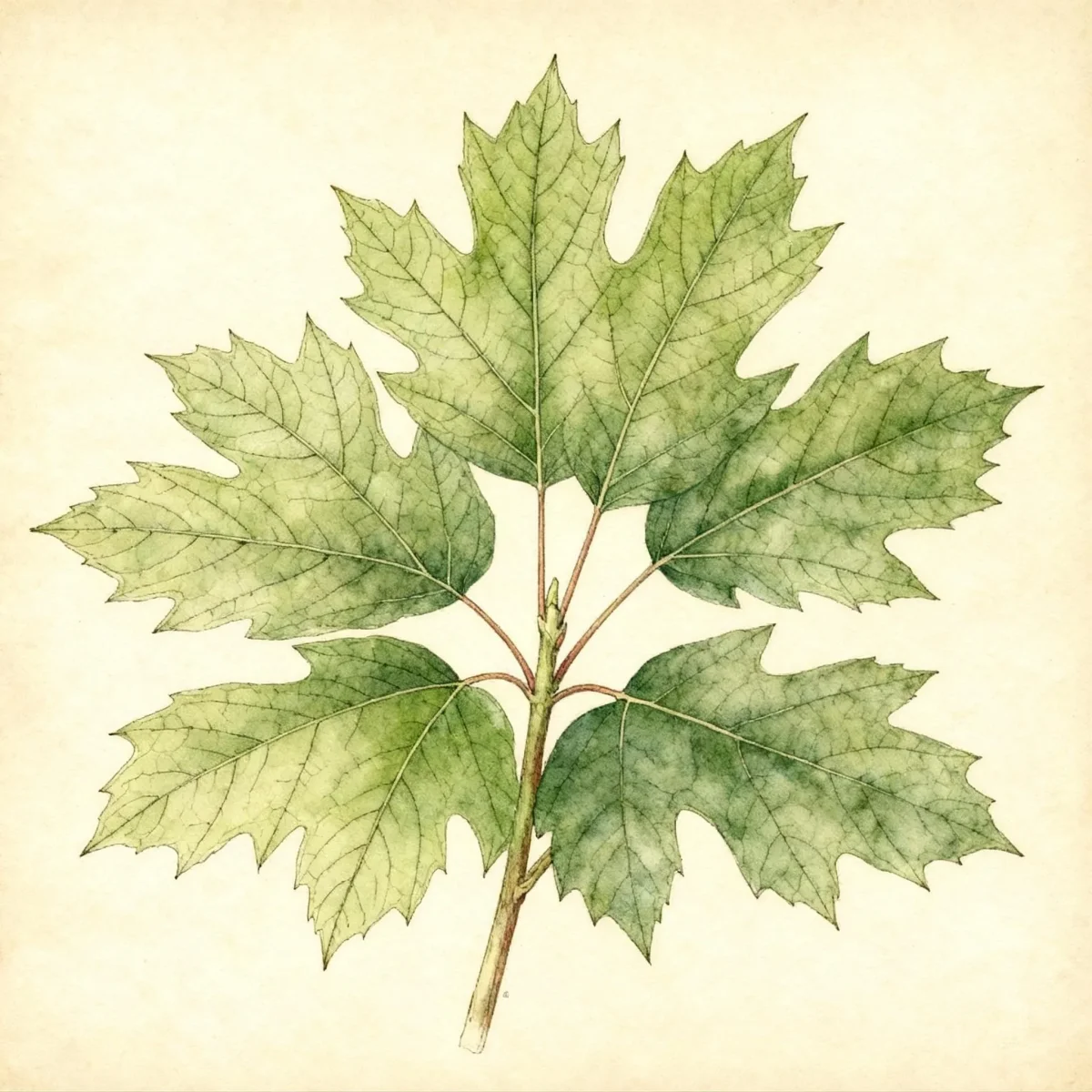
Oakleaf hydrangea (Hydrangea quercifolia 'Sike's Dwarf')
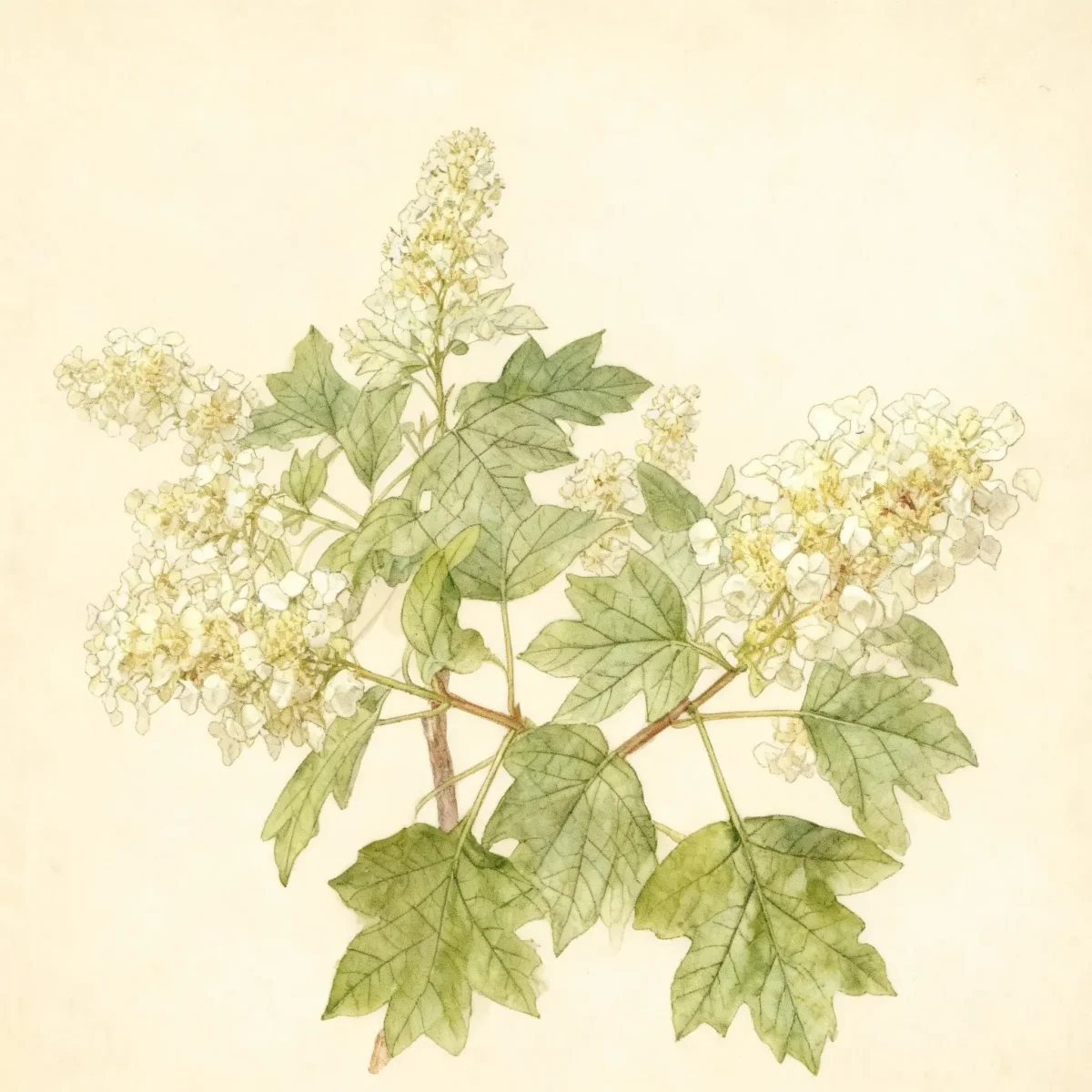
Hydrangea quercifolia 'Sike's Dwarf' is a compact Oakleaf hydrangea offering white summer blooms and superb autumn color.
Scroll down to discover growing tips, care requirements, companion plants, and more
Complete Plant Information
Overview
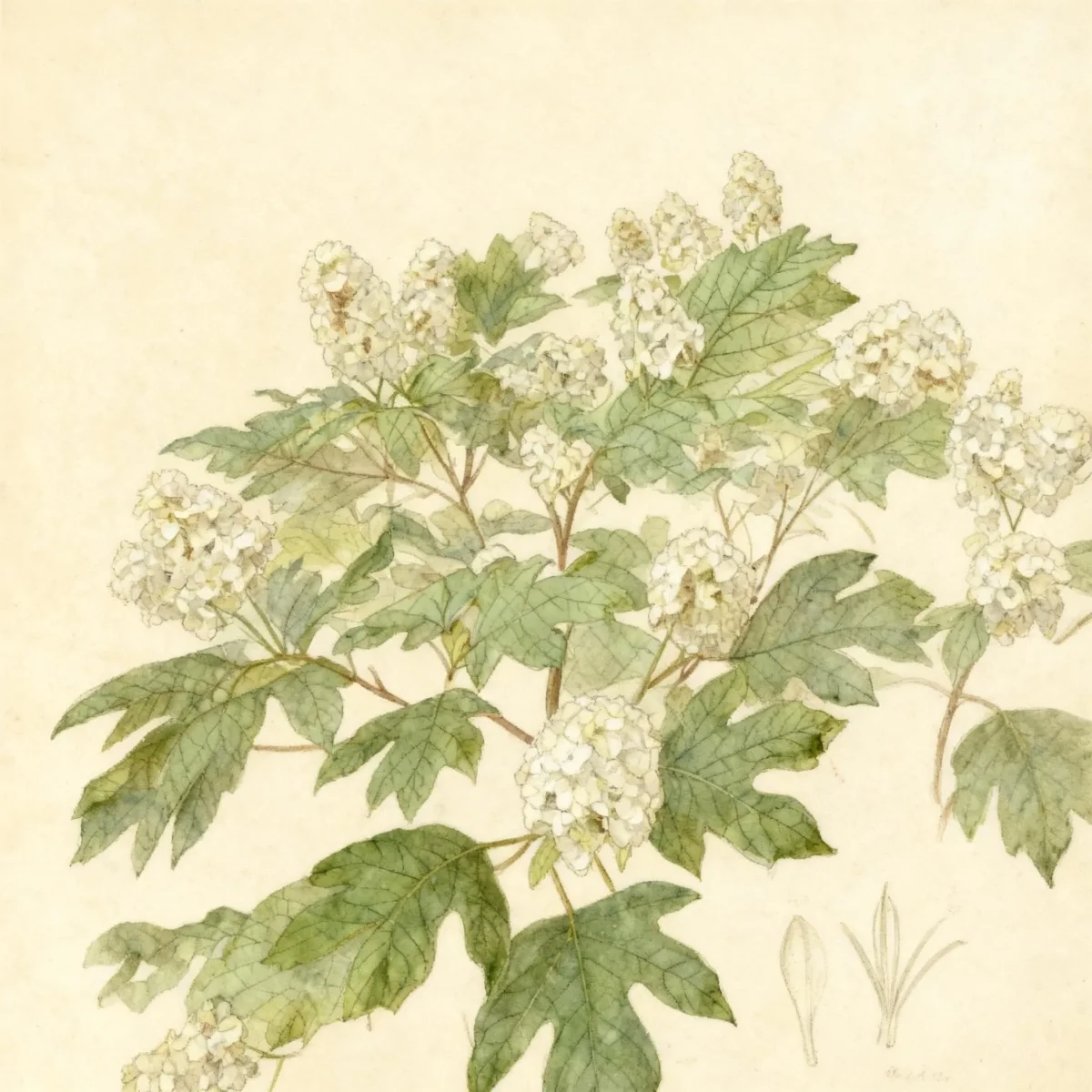
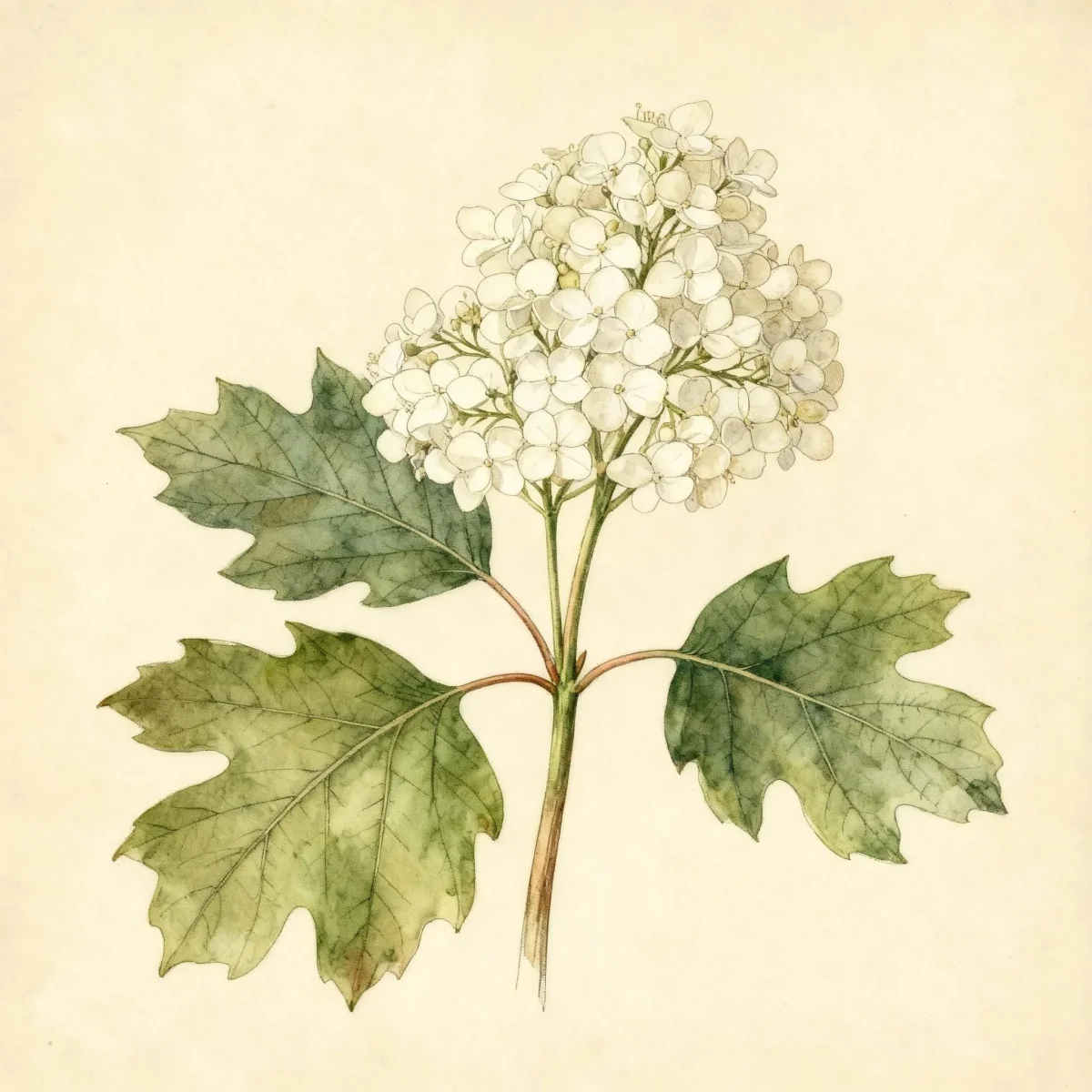
Hydrangea quercifolia ‘Sike’s Dwarf’ is a highly valued, compact cultivar of the native Oakleaf hydrangea, perfect for smaller garden spaces where the larger species might overwhelm. This deciduous shrub brings year-round visual interest, highlighted by its distinctive white summer flowers that age beautifully, followed by dramatic bronze, maroon, and purple fall foliage. Gardeners rely on Hydrangea quercifolia ‘Sike’s Dwarf’ for its moderate growth habit and exceptionally low maintenance requirements once established.
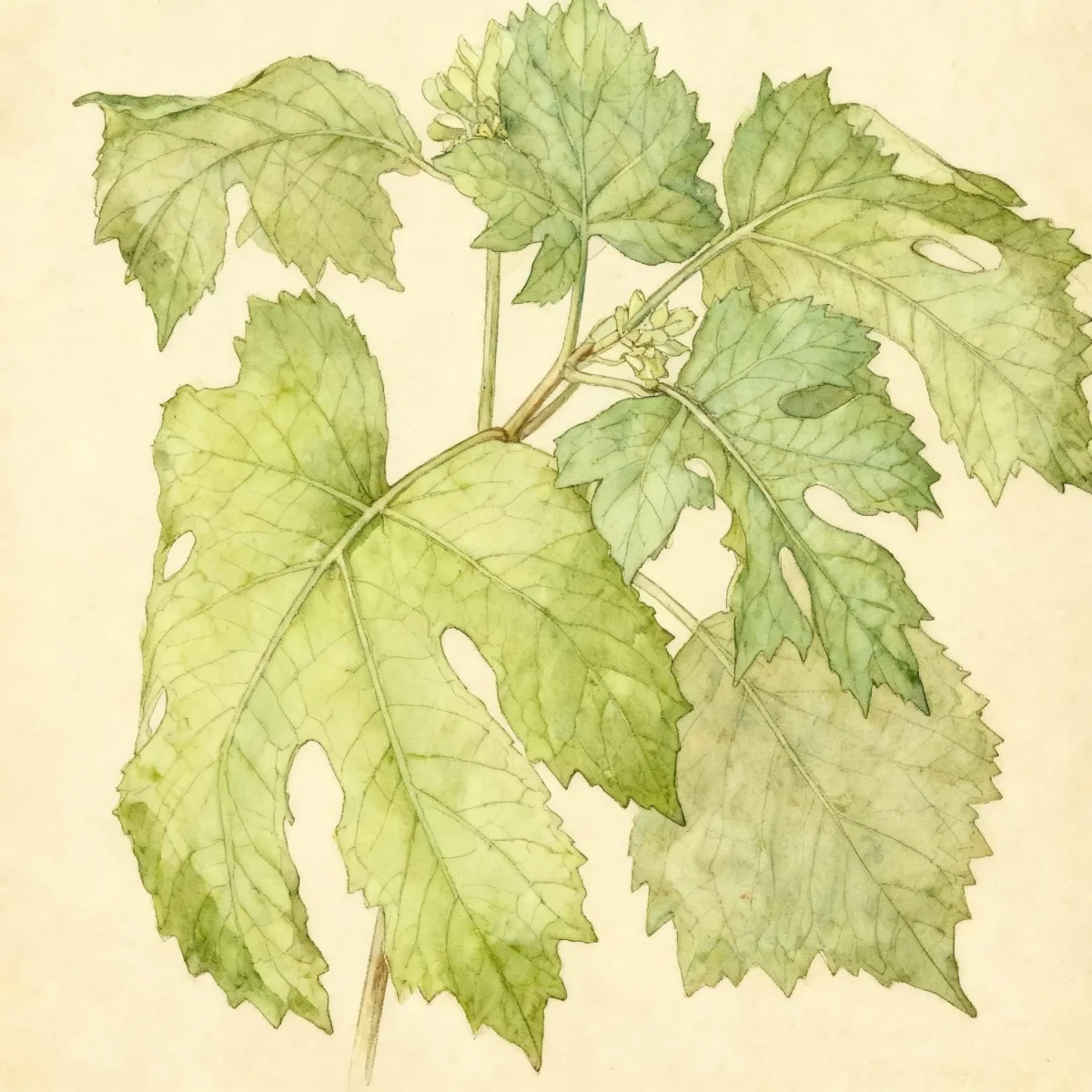
Distinguished by its oak-like leaves, this shrub provides excellent texture, contrasting well against finer-textured plantings. As a dwarf variety, Hydrangea quercifolia ‘Sike’s Dwarf’ achieves a neat, mounded shape, making it an ideal accent near entryways or along foundation plantings. Its aesthetic appeal extends into winter, thanks to exfoliating bark that reveals attractive inner tannins.
This reliable plant thrives in a variety of light conditions, moving easily between full sun and partial shade, provided soil moisture is consistent. Though it blooms on old wood, careful pruning limits only improve its neat, contained structure, ensuring this Oakleaf hydrangea remains a garden favorite for years to come.
Fast Facts
- Plant Family: Hydrangeaceae
- Plant Type: Deciduous shrub
- Hardiness Zones: USDA Zones 5-9
- Size at Maturity:
- Height: 2-3 ft
- Spread: 3-4 ft
- Bloom Time: May to July
- Sun Exposure: Full sun to part shade
- Water Needs: Medium
- Maintenance Level: Low
How to Grow
The best time to plant Hydrangea quercifolia ‘Sike’s Dwarf’ is typically in spring or early fall, allowing the roots time to settle before extreme temperatures hit. Ensure the planting site offers organically rich, medium-moisture, well-drained soils. Adequate drainage is crucial; this Oakleaf hydrangea dislikes standing water but thrives with consistent moisture, so incorporating compost at planting time is recommended.
Watering should be medium and consistent, especially during the first few seasons or during periods of intense summer heat. The plant appreciates a summer mulch layer, which helps conserve soil moisture crucial for optimal performance. Since flowering occurs on old wood, pruning should be minimal and performed only immediately after the bloom cycle ends in summer.
For gardeners in Zone 5, winter protection is essential, particularly when the plant is young. Provide a sheltered location, perhaps mulching heavily around the base or using burlap wraps when temperatures dip below freezing. Harsh freezes below -10°F can damage or destroy flower buds for the following season, so site selection near thermal masses or sheltered borders is wise.
Landscape Uses
The compact size of Hydrangea quercifolia ‘Sike’s Dwarf’ makes it exceptionally versatile in defined landscape settings. It excels as an interesting dwarf selection specifically suited for smaller residential gardens where larger shrubs would dominate the space. Consider framing doorways or windows with single specimens of this Oakleaf hydrangea to highlight its neat, mounded habit.
Grouping or massing Hydrangea quercifolia ‘Sike’s Dwarf’ creates striking informal shrub borders that transition well into woodland or partial shade areas. They function admirably as a low, informal hedge where a dense, structured line is not required, offering textural contrast with their lobed leaves. Furthermore, this cultivar performs well when contained in large containers, providing seasonal display interest on patios.
As the season matures, the exfoliating bark on older stems provides necessary winter structure and color. Pair this woody interest with evergreen groundcovers or late-blooming perennials that can visually anchor the space once the summer color fades from the Hydrangea quercifolia ‘Sike’s Dwarf’.
Standout Features
Flower Qualities
- Showy
Noteworthy Characteristics
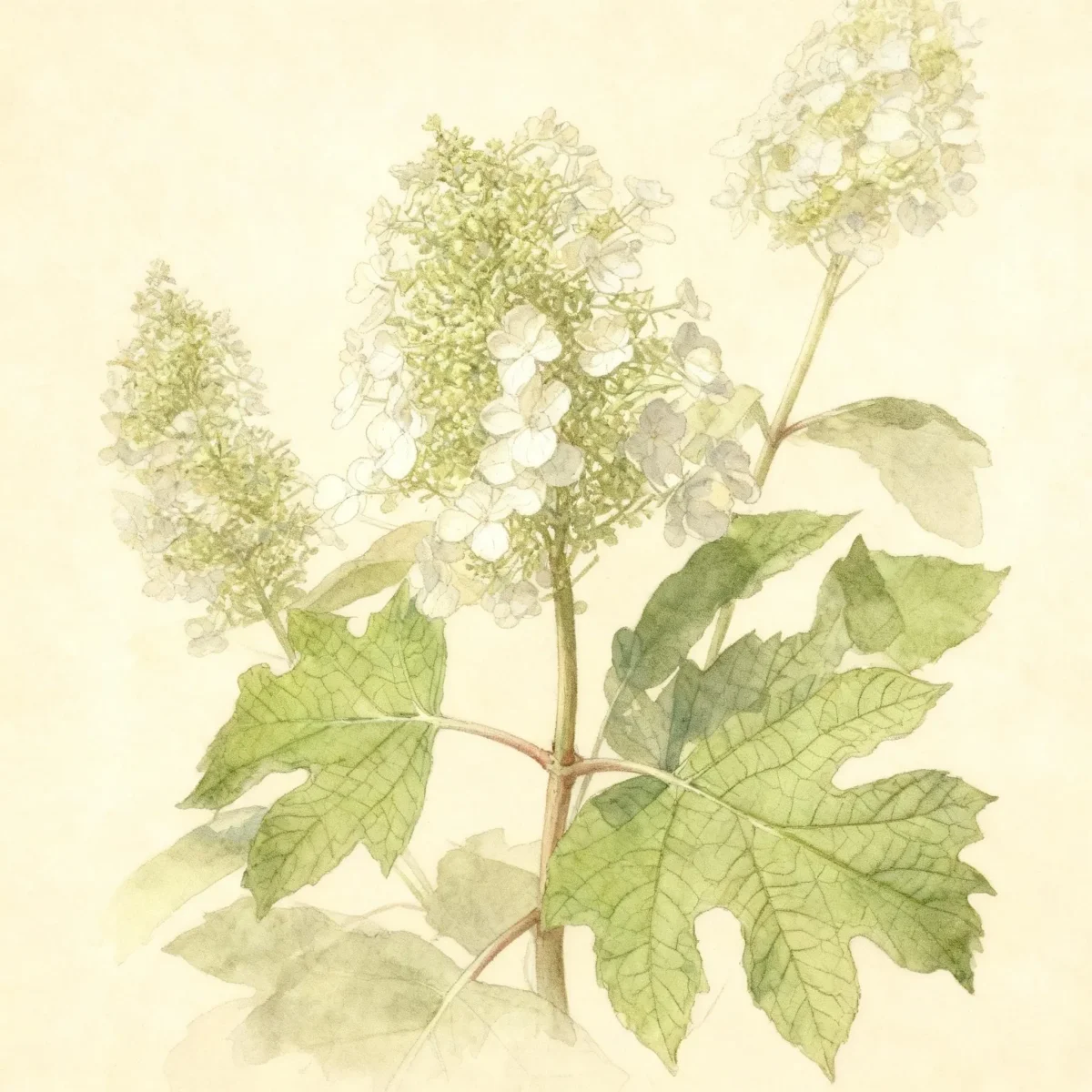
Hydrangea quercifolia, commonly called oakleaf hydrangea, is noted for producing upright, pyramidal panicles of white flowers in summer atop exfoliating branches clad with large, dark green, oak-like leaves. The cultivar ‘Sike’s Dwarf’ maintains this aesthetic but matures at a much smaller stature, typically only 2-3 feet tall and 3-4 feet wide, with smaller leaves and flower panicles. Its deeply-lobed leaves turn attractive shades of bronze, maroon, and purple in autumn, complementing the rich brown, exfoliating bark visible in winter.
Tolerances
No data available, omit section.
Potential Problems
This specific Oakleaf hydrangea enjoys a reputation for having no serious insect or disease problems, contributing to its low maintenance rating. However, be aware of some slight susceptibility to leaf blight and powdery mildew, particularly if air circulation is poor or humidity is consistently high. Occasionally, aphids and spider mites may visit the foliage, but these pest issues rarely become severe enough to cause lasting damage to established plants. Regular monitoring and ensuring the plant receives appropriate sun and air flow will help mitigate most concerns.
Frequently Asked Questions
What hardiness zones is Hydrangea quercifolia ‘Sike’s Dwarf’ suitable for?
This reliable Oakleaf hydrangea is suitable for USDA Zones 5 through 9.
How large does Oakleaf hydrangea grow?
Hydrangea quercifolia ‘Sike’s Dwarf’ matures to a compact size, typically reaching only 2 to 3 feet tall and spreading 3 to 4 feet wide.
What sun exposure does Hydrangea quercifolia ‘Sike’s Dwarf’ need?
This dwarf cultivar performs well in a location receiving partial shade or ranging up to full sun, provided soil moisture is consistently maintained.
When does Oakleaf hydrangea bloom?
The elongated, conical flower panicles of the Oakleaf hydrangea emerge and begin blooming reliably from May through July.
Conclusion
Hydrangea quercifolia ‘Sike’s Dwarf’ offers exceptional value by delivering the stately features of the Oakleaf hydrangea in a perfectly scaled form for modern landscapes. With its stunning seasonal color shifts and minimal care needs, this cultivar is a robust foundation for low-maintenance gardening. Before planting, confirm your site falls within USDA Zones 5-9 and ensure soil moisture is consistent to guarantee the best summer bloom display.
Companion Planting
When integrating Hydrangea quercifolia ‘Sike’s Dwarf’ into a partial shade border, consider pairing it with plants that offer textural contrast or complementary bloom times. Hostas work excellently beneath the shrub, as they enjoy similar moisture requirements and offer bold, contrasting foliage shapes against the oak-like leaves of the hydrangea. Astilbes or Japanese Forest Grass (Hakonechloa macra) also pair well, enhancing the woodland aesthetic often associated with the native Oakleaf hydrangea.
For sunnier spots where afternoon shade is provided, companion plantings that enjoy well-drained, rich soil work best. Low-growing ferns or Heuchera (Coral Bells) varieties with dark foliage can accentuate the bronze and purple tones the Hydrangea quercifolia ‘Sike’s Dwarf’ develops in the fall. Good drainage is the common thread; avoid placing either plant in soil that remains waterlogged.
Seasonal Care Calendar
Early spring is the critical time for assessing winter damage on your Hydrangea quercifolia ‘Sike’s Dwarf’. Inspect stems; if any primary wood is clearly dead or severely damaged from deep freezes (below -10°F in Zone 5), prune them back in early spring just as new growth begins to swell. Little other structural pruning is necessary for this dwarf variety.
As summer approaches, focus on moisture management to promote good flowering. Apply a fresh layer of organic mulch around the base, keeping it clear of the main stems, to help keep the roots cool and soil consistently moist throughout the heat of July and August. Since bloom occurs on old wood, resist the temptation to heavily prune after the flowers fade in July.
In autumn, step back and enjoy the dramatic leaf color change—bronze, maroon, and deep purple—which provides an extended season of interest for your Oakleaf hydrangea. Cleanup is minimal; the persistent brown seed heads often persist well into winter, offering structural interest when selecting winter landscape plants.