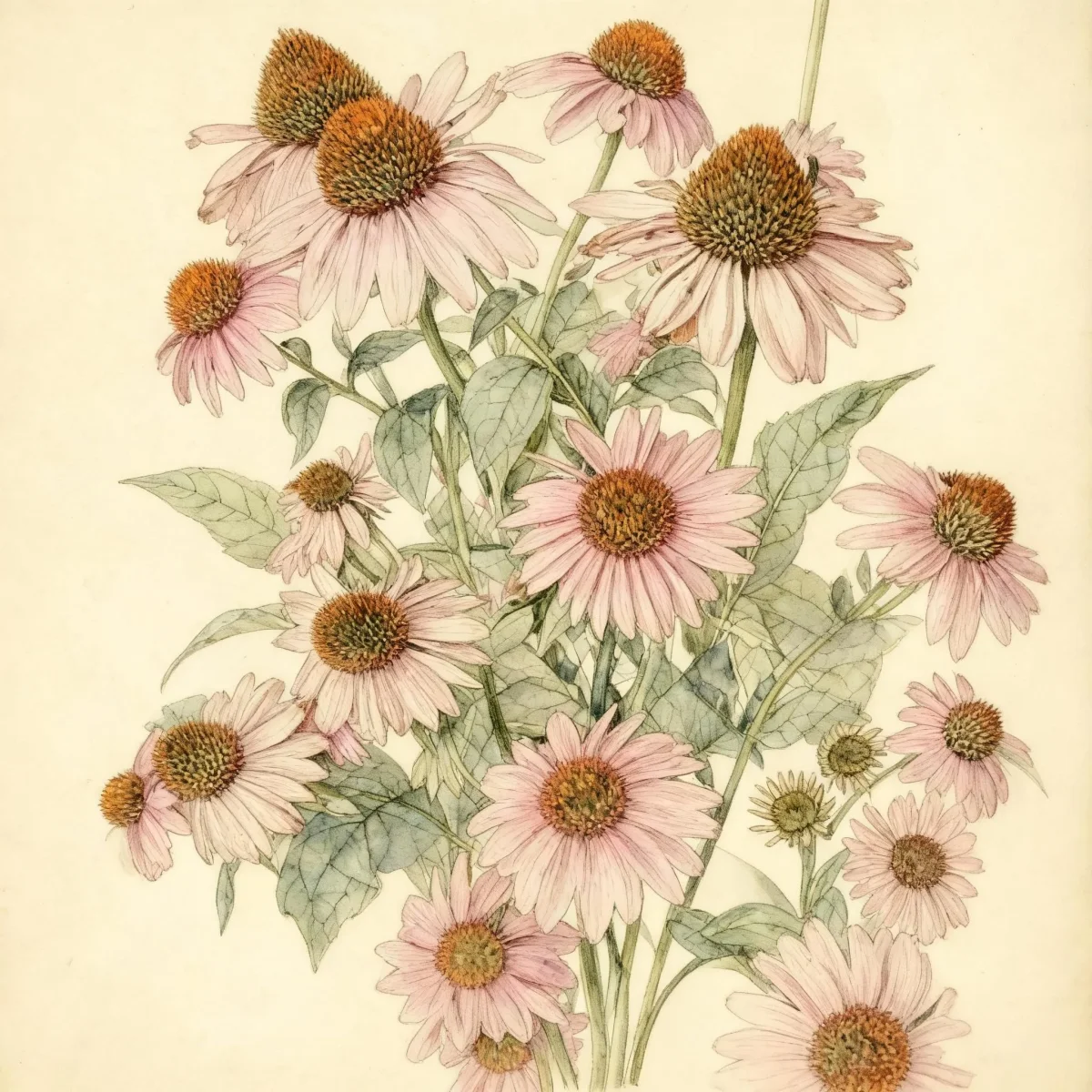
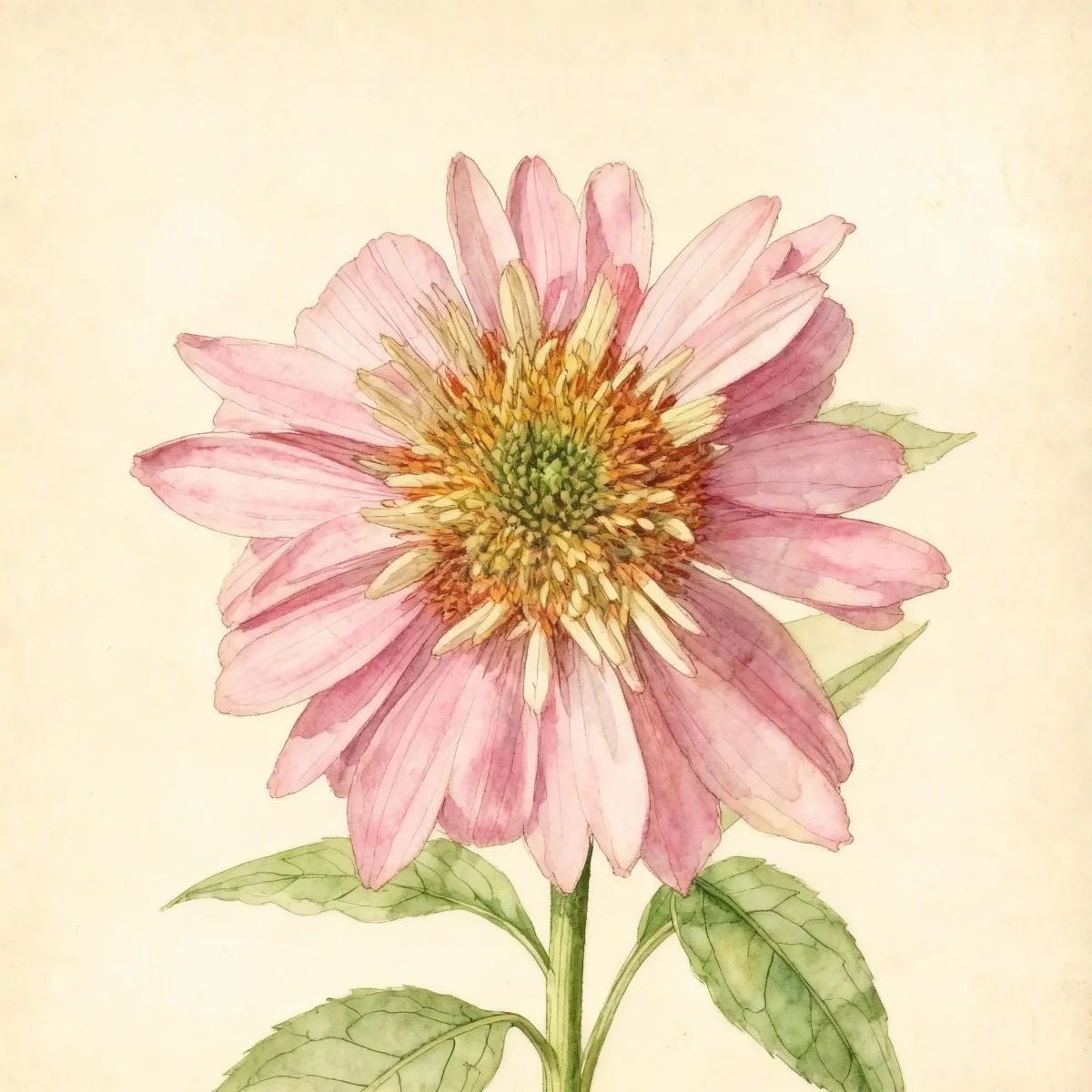
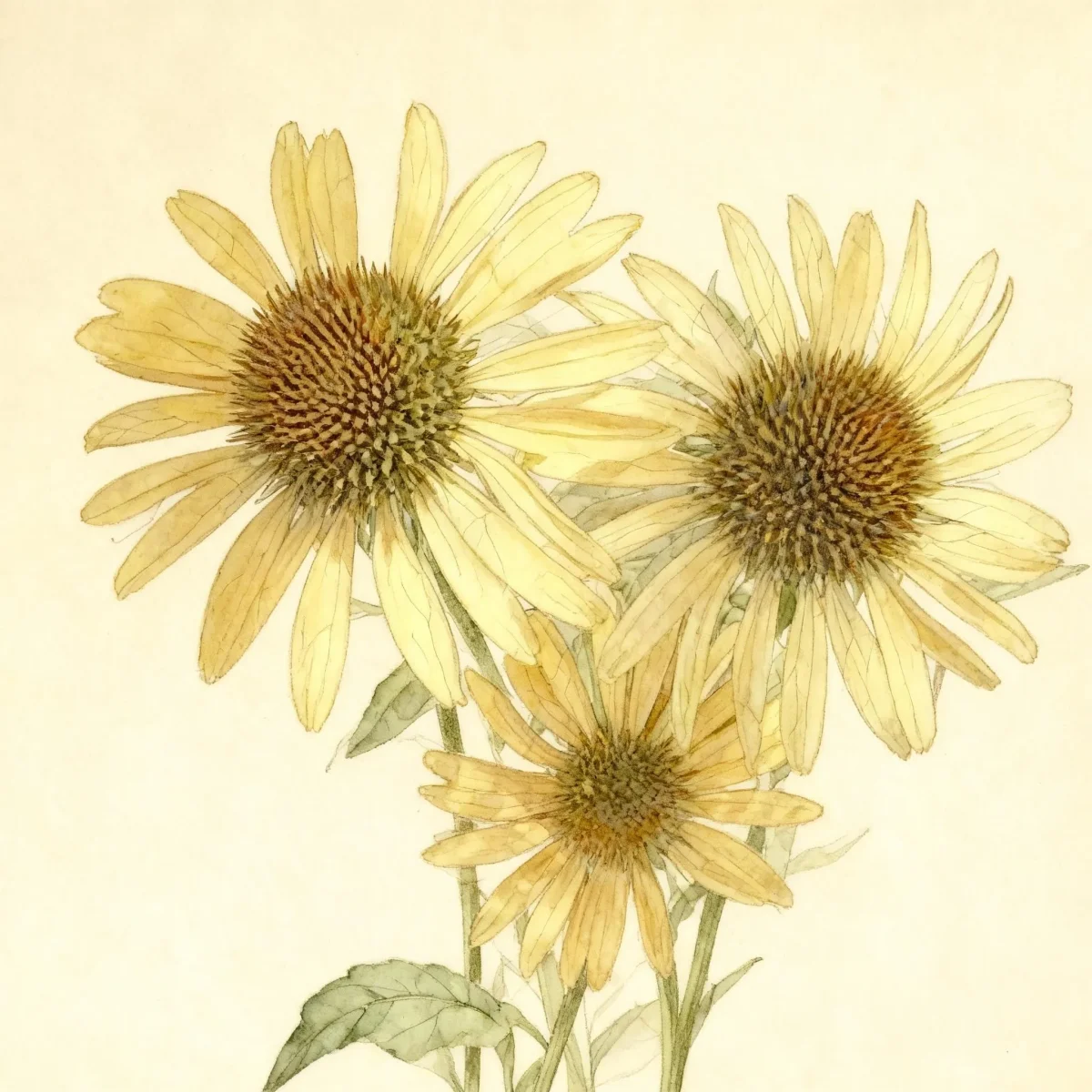
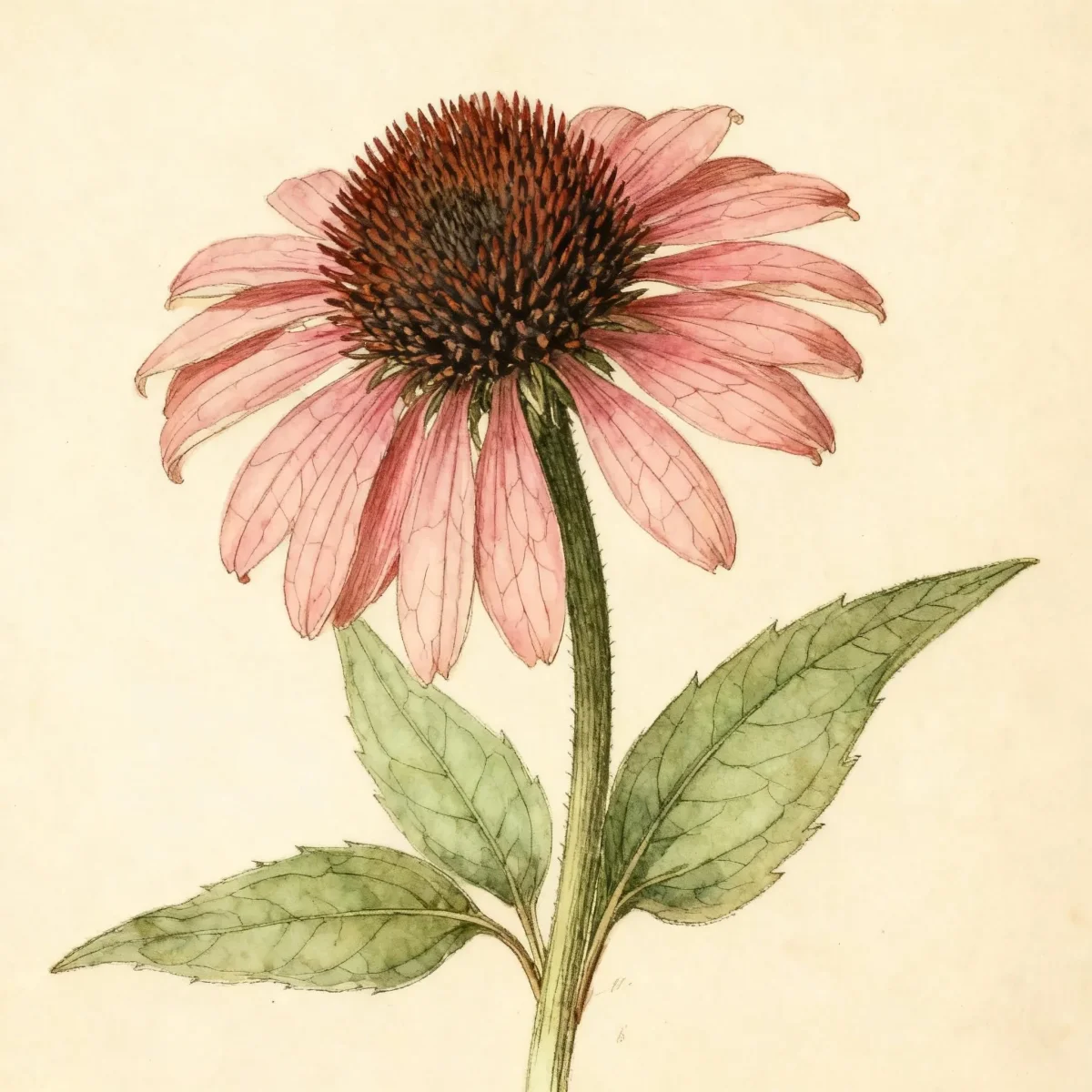
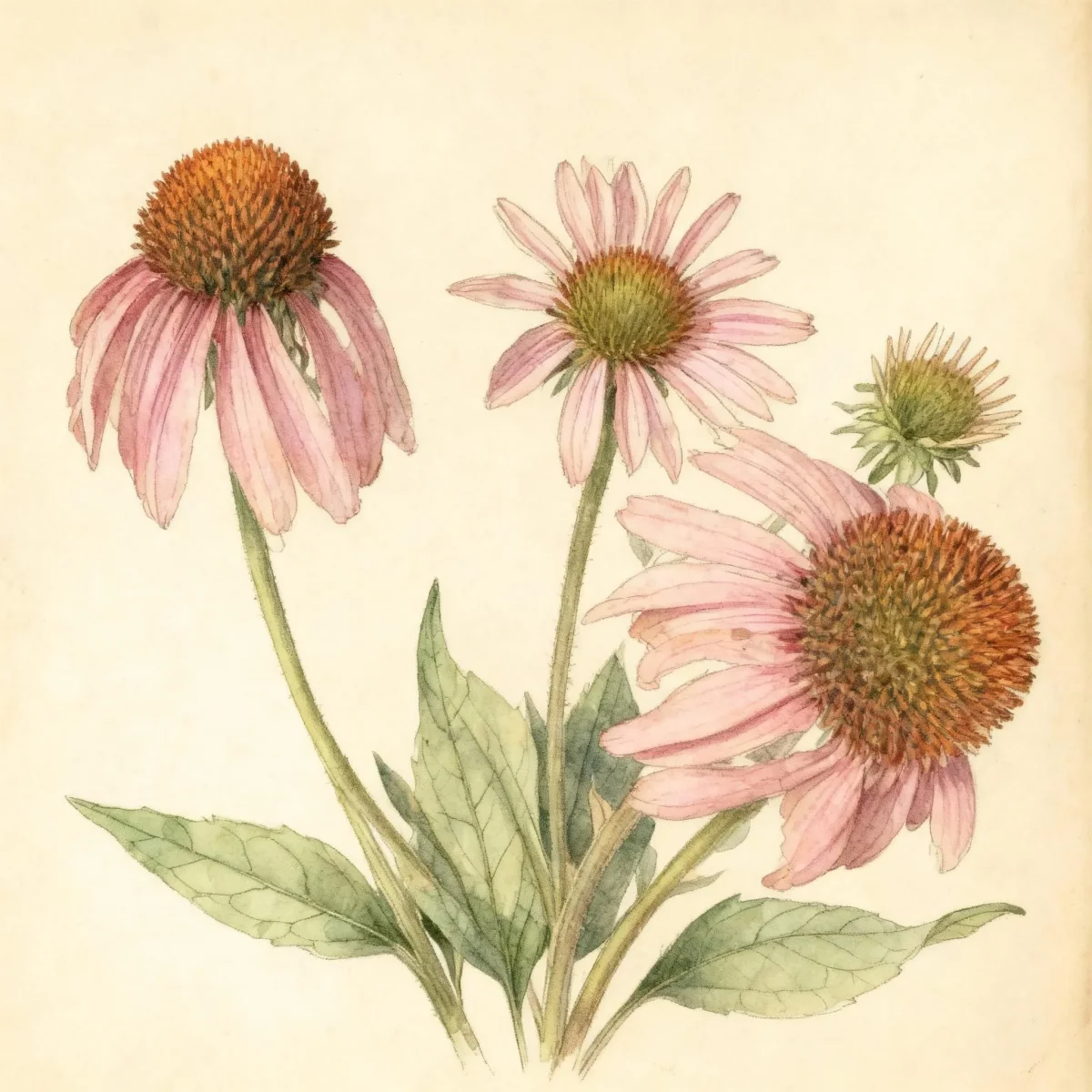
Coneflower (Echinacea 'Art's Pride' ORANGE MEADOWBRITE)
Echinacea 'Art's Pride' ORANGE MEADOWBRITE Coneflower bursts with showy, fragrant orange blooms from June to August, offering low maintenance and drought tolerance.
Scroll down to discover growing tips, care requirements, companion plants, and more
Complete Plant Information
Overview
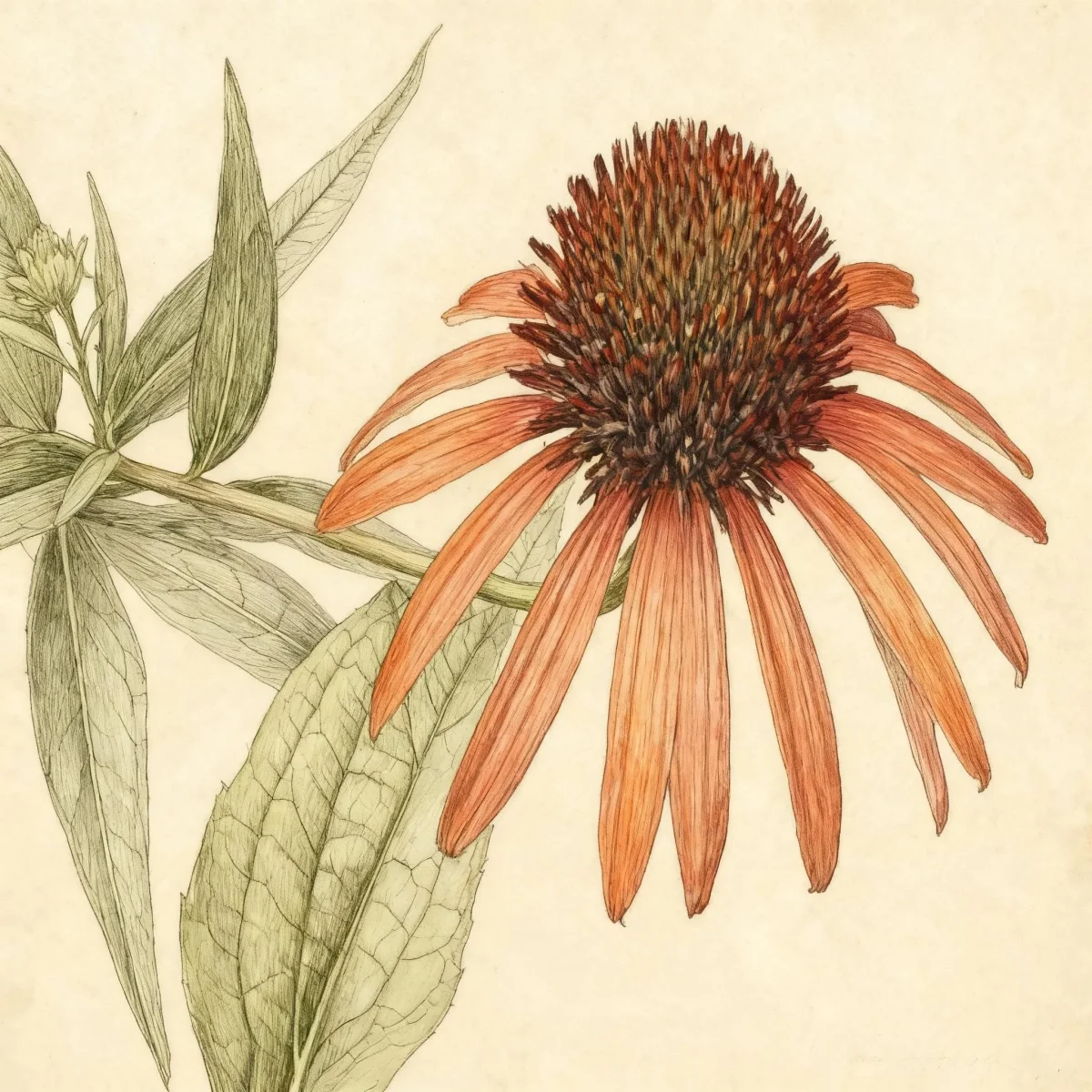
Echinacea ‘Art’s Pride’ ORANGE MEADOWBRITE is a standout cultivar, distinguished by its vibrant array of orange ray flowers, setting it apart from typical purple coneflowers. Bred at the Chicago Botanic Garden, this variety maintains the robust nature of the genus while providing unique coloration highly attractive to the eye and to pollinators. Gardeners prize this Coneflower for its ease of care and adaptability across various soil conditions.
This herbaceous perennial reaches heights between two and three feet, ideal for adding vertical interest to the middle or back of a perennial border. It features semi-glossy, dark green foliage that supports the large, daisy-like blooms until late summer. As an added benefit, Echinacea ‘Art’s Pride’ ORANGE MEADOWBRITE offers appeal even after the color fades, as the dried seed heads provide winter structure and food for birds.
As a low-maintenance selection, this Coneflower thrives with minimal intervention once established. It handles challenging conditions like drought and poor soils exceptionally well, making Echinacea ‘Art’s Pride’ ORANGE MEADOWBRITE a reliable anchor in sunny perennial beds or naturalized settings throughout USDA Zones 3 through 8.
Fast Facts
- Plant Family: Asteraceae
- Plant Type: Herbaceous perennial
- Hardiness Zones: USDA Zones 3-8
- Size at Maturity:
- Height: 2-3 ft
- Spread: 1.5-2.5 ft
- Bloom Time: June to August
- Bloom Description: Orange with brown center cone
- Sun Exposure: Full sun to part shade
- Water Needs: Dry to medium
- Maintenance Level: Low
How to Grow
Planting Echinacea ‘Art’s Pride’ ORANGE MEADOWBRITE is best done in the spring or fall, ensuring the soil is well-drained. While adaptable, this Coneflower performs best in Full sun to part shade locations, especially those receiving ample afternoon light. Incorporate compost if your native soil is extremely poor, but avoid overly rich conditions, which can lead to floppier growth.
Once established, this is highly drought-tolerant, requiring only occasional deep watering during prolonged dry spells, fitting its Dry to medium water needs. This adaptation makes it excellent for Xeriscape gardening. Fertilization is rarely needed; encouraging rich, wet soil often causes more problems than it solves.
Maintenance is generally low. While plants will rebloom well without intervention, prompt removal of spent flowers encourages a longer display of those distinctive orange blooms. Clumps of this Coneflower may eventually become overcrowded, typically every four years, and benefit from division at that time to maintain vigor.
Landscape Uses
Echinacea ‘Art’s Pride’ ORANGE MEADOWBRITE excels when used to create dynamic drifts of color in sunny borders. Its height and sturdy stems make it an excellent choice for border fronts where structure is needed alongside shorter perennials. It performs equally well as an accent plant or when massed for high-impact color display throughout the summer season.
Consider placing these coneflowers in rock gardens where good drainage is guaranteed, or use them to lighten up the edges of open woodland gardens where they receive necessary afternoon sun. The warm orange tones contrast beautifully with blues, purples, and silver foliage found in plants like Russian Sage or ornamental grasses.
Standout Features
Flower Qualities
- Showy
- Fragrant
Noteworthy Characteristics
The genus name Echinacea derives from the Greek word echinos, referring to the spiny center cone characteristic of most flowers in this group. Specific to the cultivar, ‘Art’s Pride’ lacks any purple coloration, instead showcasing distinctive orange ray flowers and emitting a sweet orange-spiced tea fragrance. It typically grows 2-3’ tall, featuring flowers up to 5” across with orange to coppery-orange rays surrounding large, dark brown central cones.
Tolerances
- Deer
- Drought
- Clay Soil
- Dry Soil
- Shallow-Rocky Soil
Potential Problems
All coneflowers are susceptible to aster yellows, a systemic disease that distorts growth, and various fungal or bacterial leaf spots, especially in overly humid or crowded conditions. Japanese beetle and spot diseases are the most occasional problems to watch for specifically on Echinacea ‘Art’s Pride’ ORANGE MEADOWBRITE.
To manage pests and diseases, ensure excellent air circulation by spacing plants appropriately, especially since dividing clumps every four years helps maintain plant health. If leaf spots appear, apply a fungicide preventatively, and promptly remove heavily infected foliage. Inspect plants regularly for early signs of erythroid mites or Japanese beetles.
Frequently Asked Questions
What hardiness zones is Coneflower suitable for?
This particular Coneflower, Echinacea ‘Art’s Pride’ ORANGE MEADOWBRITE, is suited for a wide range spanning USDA Zones 3 through 8. Always verify your local conditions match this range before planting.
How large does Echinacea ‘Art’s Pride’ ORANGE MEADOWBRITE grow?
When mature, this herbaceous perennial typically reaches a height between 2 and 3 feet, with a spread ranging from 1.5 to 2.5 feet wide, growing on rigid stems.
What sun exposure does Coneflower need?
Echinacea ‘Art’s Pride’ ORANGE MEADOWBRITE prefers full sun for the strongest blooms, although it tolerates part shade. Optimal performance is achieved with maximum sunlight exposure.
When does Echinacea ‘Art’s Pride’ ORANGE MEADOWBRITE bloom?
This variety blooms during the peak summer months, generally from June through August, producing its showy orange flowers with a prominent brown center cone.
Conclusion
Echinacea ‘Art’s Pride’ ORANGE MEADOWBRITE offers gardeners a low-maintenance performer celebrated for its unique, vibrant orange summertime display and remarkable tolerance to heat and drought. This beautiful Coneflower is a reliable addition to any sunny landscape requiring tough, colorful perennials. Check your hardiness zone compatibility and plan to plant this superb cultivar during the spring or fall for the best establishment.
Companion Planting
To maximize the visual impact of your Echinacea ‘Art’s Pride’ ORANGE MEADOWBRITE, consider pairing it with plants that offer complementary textures and bloom times. Blue or purple flowers provide the best color contrast against the orange rays. Russian Sage (Perovskia) or Lavender (Lavandula) work well culturally, matching the sun and drought requirements.
Grasses are also exceptional companions for textural balance. Plant smaller ornamental grasses like Blue Fescue nearby to soften the base, or use taller varieties like Switchgrass (Panicum virgatum) as a backdrop to highlight the height of the Coneflower. Ensure companions also prefer well-drained soils to prevent root issues.
Wildlife Benefits
As a North American native genus, Echinacea is inherently valuable for local ecosystems. The large central cones of the Coneflower act as magnets for butterflies, aiding in pollination throughout the blooming season of June to August. Furthermore, leaving the seed heads standing through winter provides crucial sustenance for seed-eating birds, such as goldfinches.
The presence of Echinacea ‘Art’s Pride’ ORANGE MEADOWBRITE in the garden patch boosts biodiversity significantly. Even though it is bred for color, its fundamental structure supports the local insect populations that rely on plants in the Asteraceae family. This makes it an excellent choice for sustainable gardening practices.