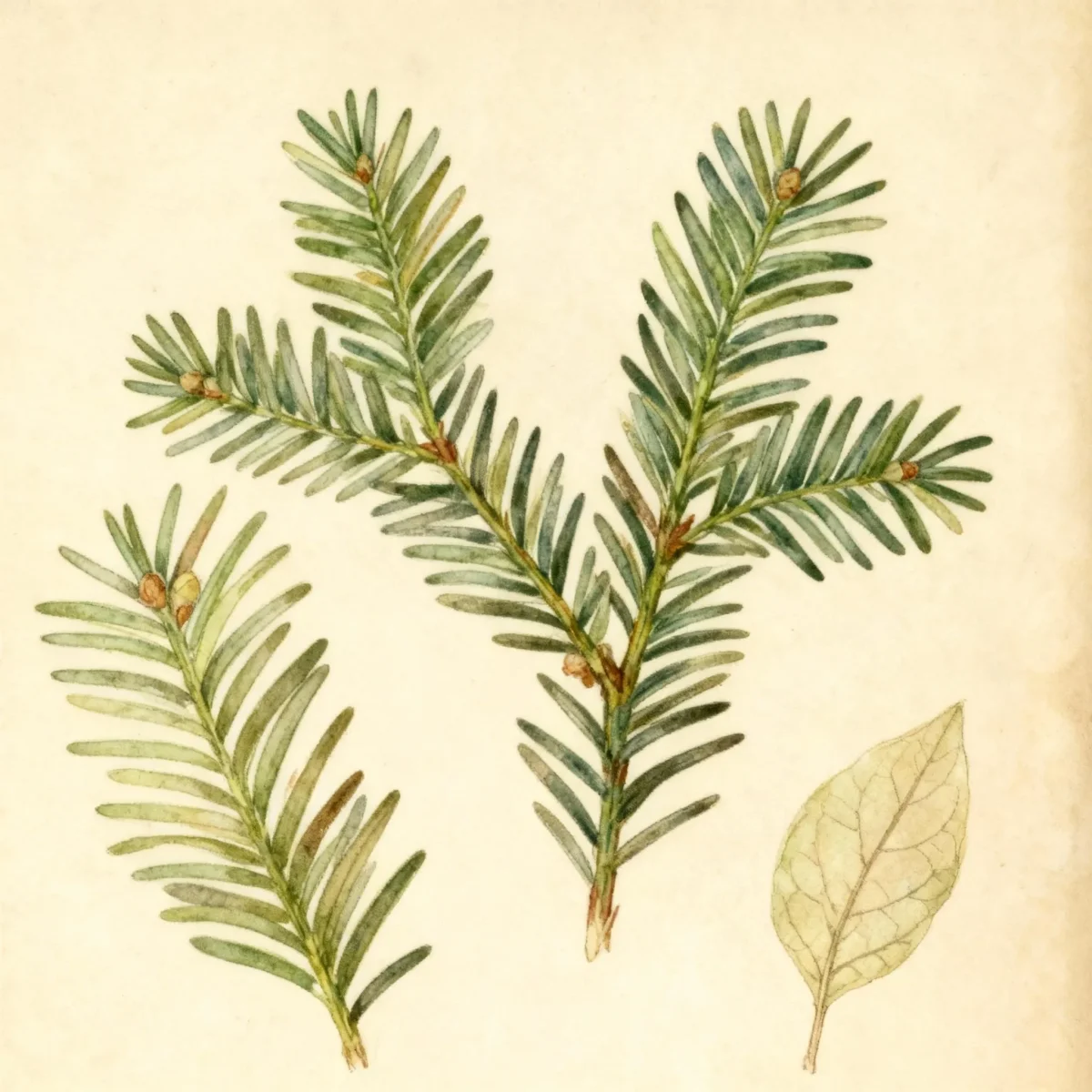
Japanese yew (Taxus cuspidata 'Monloo' EMERALD SPREADER)
Taxus cuspidata 'Monloo' EMERALD SPREADER is a compact Japanese yew, perfect as a long-lived, low-maintenance evergreen groundcover or hedge.
Scroll down to discover growing tips, care requirements, companion plants, and more
Complete Plant Information
Overview
The Taxus cuspidata ‘Monloo’ EMERALD SPREADER, a cultivar of the Japanese yew, is highly valued for its dense, spreading, and remarkably compact habit. This needled evergreen transforms challenging areas of the landscape, offering year-round deep green color without demanding excessive pruning. It is an excellent choice for gardeners seeking reliable, low-maintenance structure.
As a slow-growing specimen, the Taxus cuspidata ‘Monloo’ EMERALD SPREADER typically matures into a broad, low mound, often reaching 9 feet wide but only 2.5 feet tall, making it ideal for softening foundation lines or creating low border hedges. Its dark green needles provide excellent visual contrast against brighter foliage plants.
This cultivar’s adaptability, tolerating everything from full sun to heavy shade, makes the Japanese yew a cornerstone of foundational plantings. Its low maintenance profile ensures that gardeners can enjoy its formal structure with minimal input once established.
Fast Facts
- Plant Family: Taxaceae
- Plant Type: Needled evergreen
- Hardiness Zones: USDA Zones 4-7
- Size at Maturity:
- Height: 1-2.5 ft
- Spread: 1-9 ft
- Bloom Time: Non-flowering
- Bloom Description: Non-flowering
- Sun Exposure: Full sun to part shade
- Water Needs: Medium
- Maintenance Level: Low
How to Grow
Planting the Japanese yew should occur in average, medium-moisture, well-drained soils. While this cultivar adapts to part shade, it performs best when sited where it receives protection from harsh, drying winter winds, especially in exposed locations. Good drainage is absolutely critical, as these plants have zero tolerance for standing water which can quickly lead to root rot.
Maintenance for Taxus cuspidata ‘Monloo’ EMERALD SPREADER is generally low once established. Provide medium water, ensuring the soil remains consistently moist but never soggy. Fertilization is rarely necessary unless the plant is established in very poor soil. Pruning is permissible and well-tolerated.
The ideal time for significant shaping or to maintain its tight profile is early spring before new growth begins. However, minor shaping can be done at any time of the year. This plant handles urban conditions well, contributing to its reliability in various settings.
Landscape Uses
The spreading habit of Taxus cuspidata ‘Monloo’ EMERALD SPREADER makes it exceptionally versatile within landscape design. It excels when used beneath high windows or along walkways to create neat, green hedges that remain low profile. It is also highly effective as an accent specimen where its dense texture can anchor a garden bed.
Because of its tolerance for deep shade, this Japanese yew is perfect for brightening darker woodland style borders where few other evergreens thrive. Consider pairing it with shade-loving perennials that offer summer color, such as Hostas or Astilbes, allowing the yew to provide the stable, dark backdrop. Its formal, dense shape also contrasts beautifully with finer, looser textured evergreens or deciduous shrubs.
Standout Features
Noteworthy Characteristics
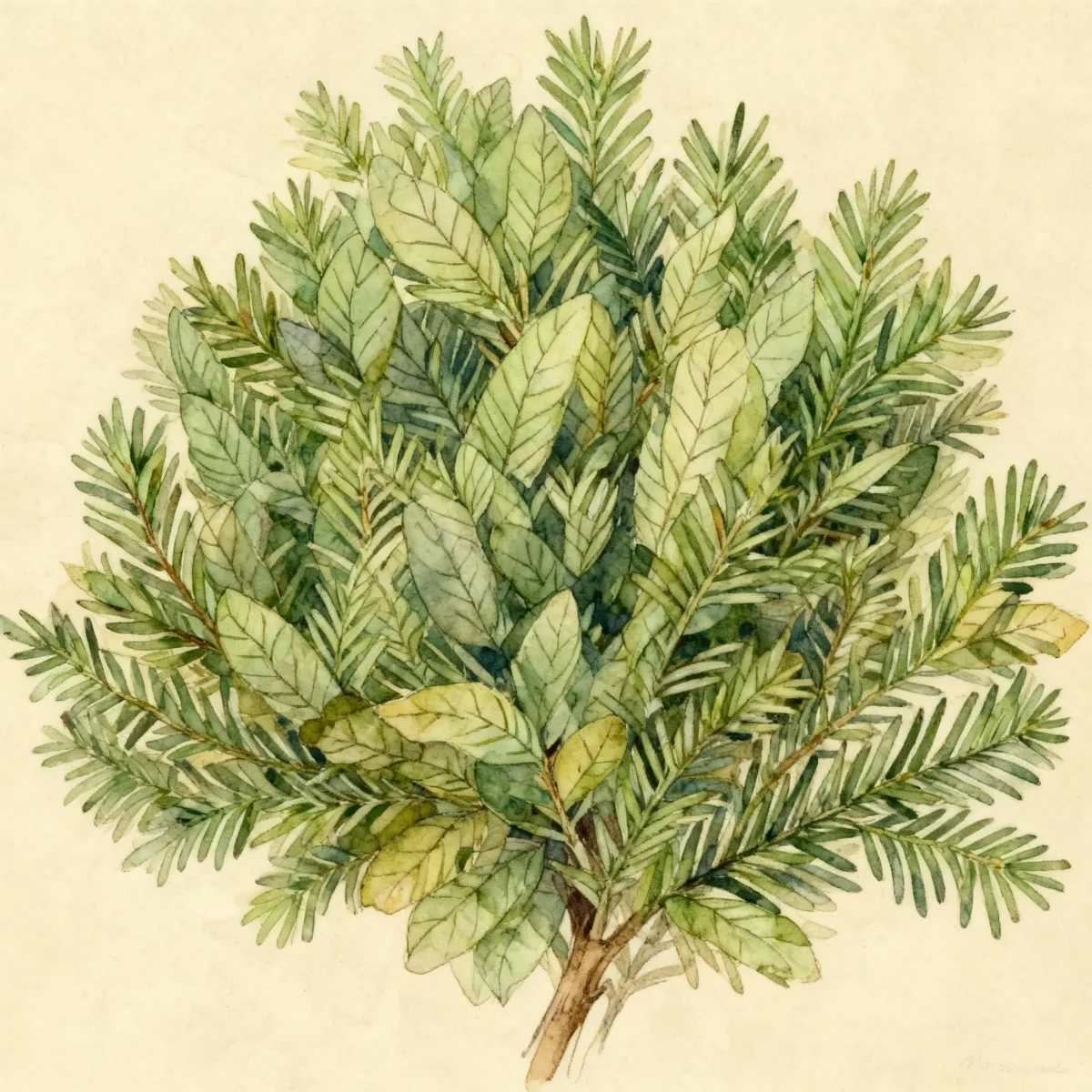
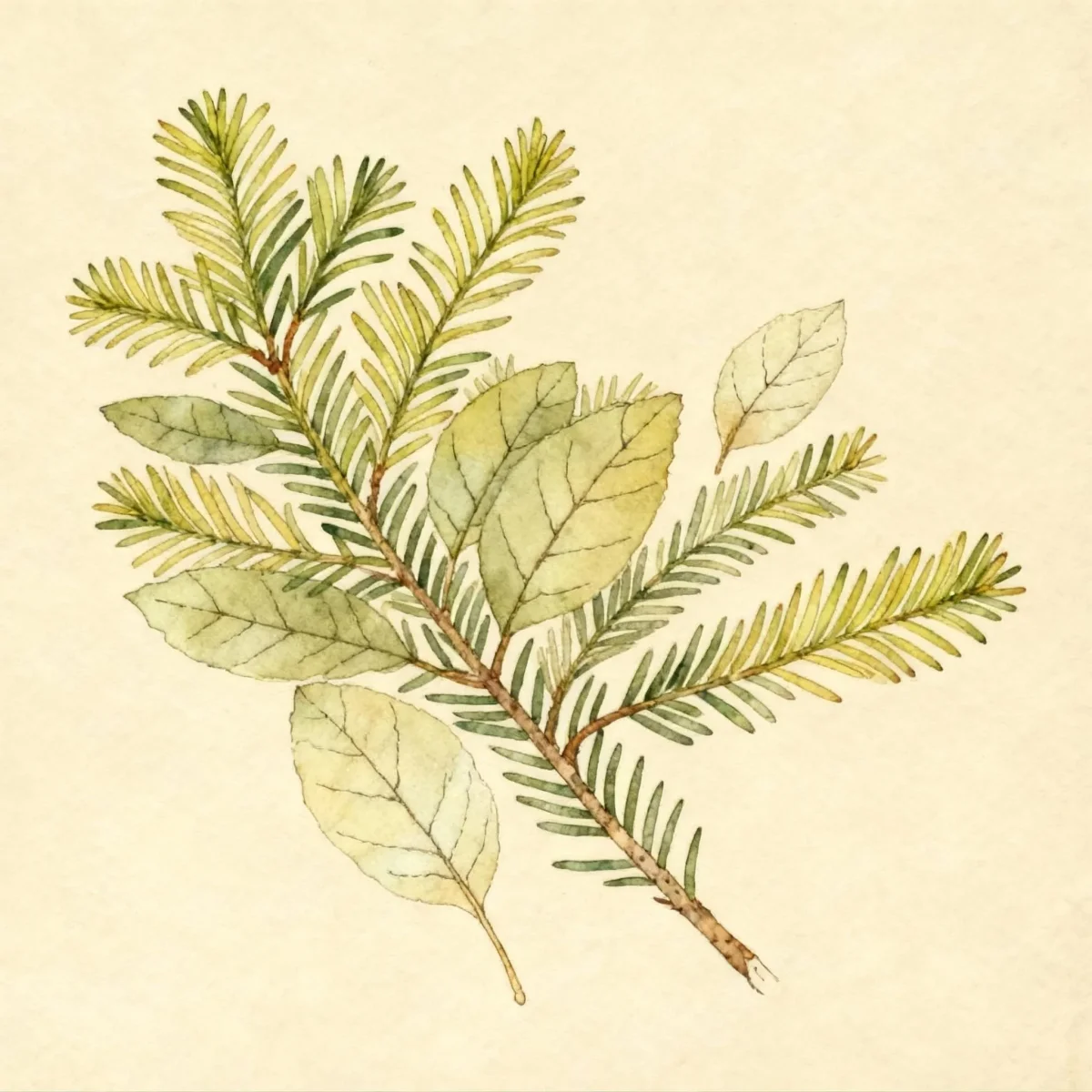
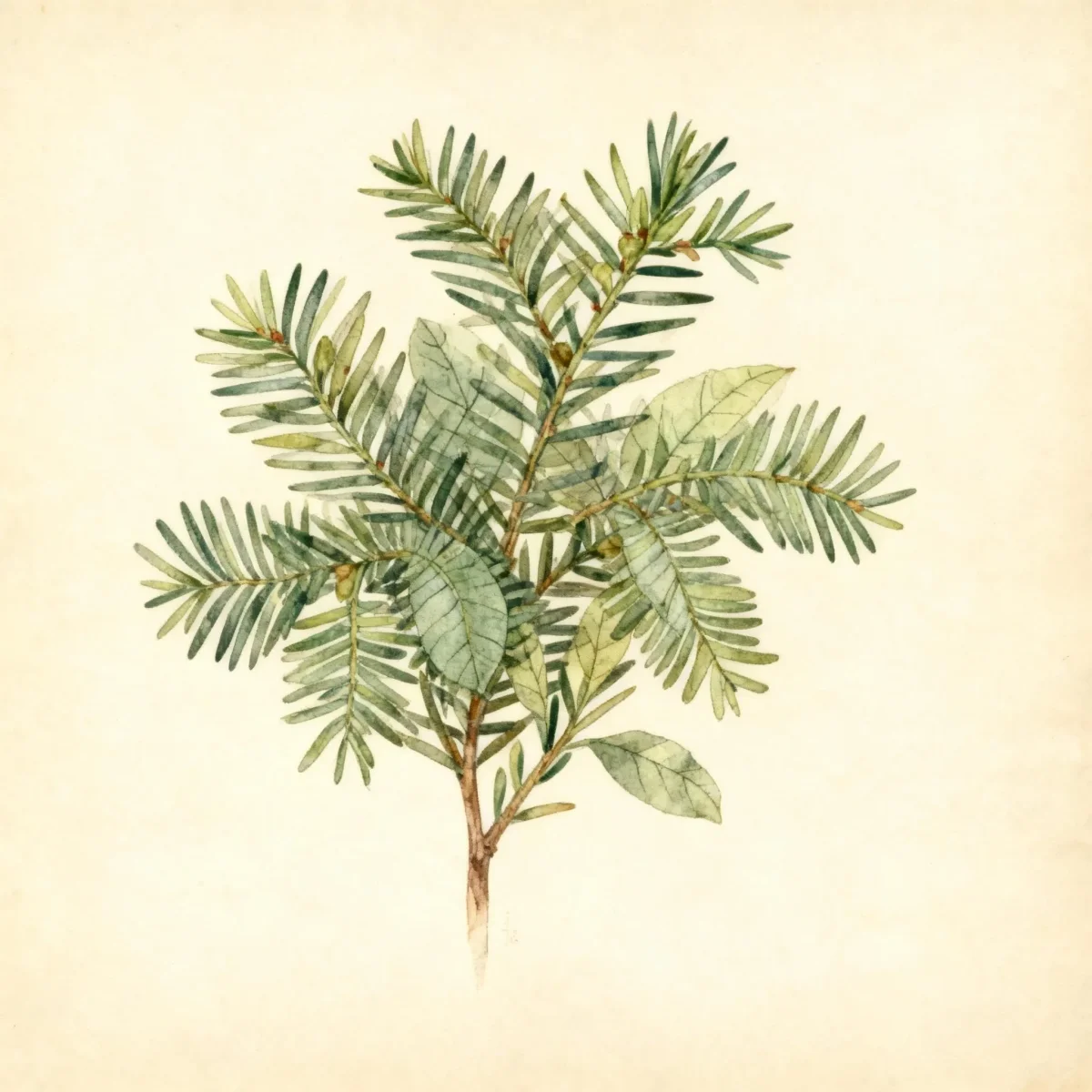
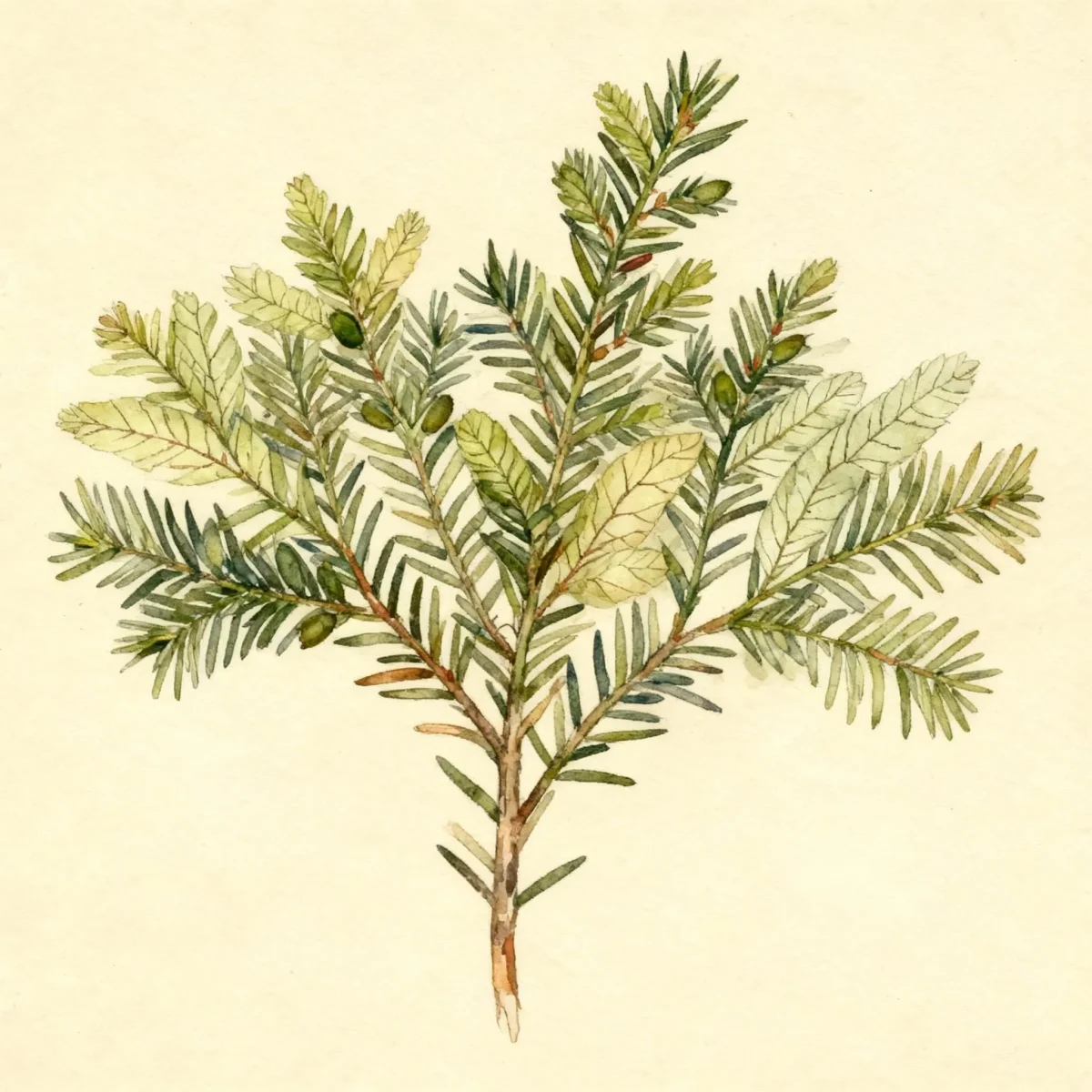
Taxus cuspidata, commonly known as Japanese yew, is a broad-columnar needled evergreen tree or multistemmed shrub that is native to Korea, China, Russia and Japan. In its native habitat, it will grow to as much as 30-50’ tall. In cultivation it will grow much smaller, particularly if regularly pruned. It features linear, spiny-tipped, dark green needles (to 1” long). Leaves are often tinged yellow beneath. Foliage may turn reddish-brown or yellow in winter. Scaly, reddish brown bark. Plants are dioecious (separate male and female plants). Female plants produce berry-like cones made up of a single seed surrounded by a red, fleshy structure called an aril. The aril is formed by two fused, modified scale leaves.Genus name is an old Latin name for yews.Specific epithet is in reference to the cuspidate (having a sharp pointed tip) foliage.EMERALD SPREADER is a compact, dense, spreading Japanese yew cultivar that typically matures very slowly over 20 years to 2 1/2’ tall by as much as 9’ wide. According to patent documents, EMERALD SPREADER is distinguished from other T. Cuspidata cultivars by having small dense needles, symmetrical low growth, shorter rigid branching and an overall denser appearance. Dark green needles (5/8” long) generally retain good color in winter.
Tolerances
- Rabbit
- Drought
- Heavy Shade
Potential Problems
Taxus cuspidata ‘Monloo’ EMERALD SPREADER is susceptible to winter burn, especially if planted in overly exposed sites where cold winter winds desiccate the needles. Twig blight and needle blight are occasional fungal issues that can occur; ensure air circulation is adequate to mitigate these risks. The most severe cultural problem is root rot, which is guaranteed if the soil drainage is poor; always amend heavy clay soils before planting to ensure gritty, well-drained conditions. Scale, mealybugs, and weevils can also occasionally infest yews in certain regions.
Frequently Asked Questions
What hardiness zones is Japanese yew suitable for?
The Taxus cuspidata ‘Monloo’ EMERALD SPREADER is hardy and reliable in USDA Zones 4 through 7.
How large does Taxus cuspidata ‘Monloo’ EMERALD SPREADER grow?
This cultivar maintains a low profile, typically reaching only 1 to 2.5 feet tall, but it can spread significantly outward to a width of 1 to 9 feet.
What sun exposure does Japanese yew need?
This evergreen performs well across a wide spectrum, thriving in full sun conditions or tolerating significant periods of part shade.
When does Taxus cuspidata ‘Monloo’ EMERALD SPREADER bloom?
This plant is non-flowering; it does not produce ornamental flowers during its life cycle.
Conclusion
The Taxus cuspidata ‘Monloo’ EMERALD SPREADER offers gardeners an exceptional blend of evergreen color, low maintenance requirements, and superb adaptability across sun and shade. Few other broadleaf evergreens offer the dense, controlled spread of this Japanese yew cultivar. Before planting, confirm that your site offers the excellent drainage it requires, and position it where its low structure can best frame walkways or foundational areas.
Companion Planting Ideas
When planning beds featuring the low-mounding Taxus cuspidata ‘Monloo’ EMERALD SPREADER, consider integrating plants that thrive in similar conditions—medium moisture, well-drained soil, and partial shade. Shade-tolerant ferns provide wonderful textural contrast against the dense, dark green foliage of the yew. For seasonal interest, plant spring-blooming bulbs like Daffodils or Snowdrops near the edges; the bulbs will emerge and fade before the yew becomes fully shaded by surrounding summer growth. Groundcovers that enjoy consistent moisture but resent sitting in water, like Ajuga or Vinca minor, make excellent neighbors along the front edge.
Seasonal Care Calendar
Spring is the most active time for maintenance regarding this Japanese yew. Prune any winter-damaged growth or shape the plant in early spring before the onset of vigorous new growth. After the last hard frost, apply a balanced, slow-release fertilizer if soil fertility is a concern. During summer, monitor moisture levels, especially in full sun or windy spots, ensuring the medium soil moisture is maintained. In fall, apply a heavy layer of mulch to protect the roots and insulate the plant against the worst fluctuations of winter weather, which helps prevent future winter burn issues.