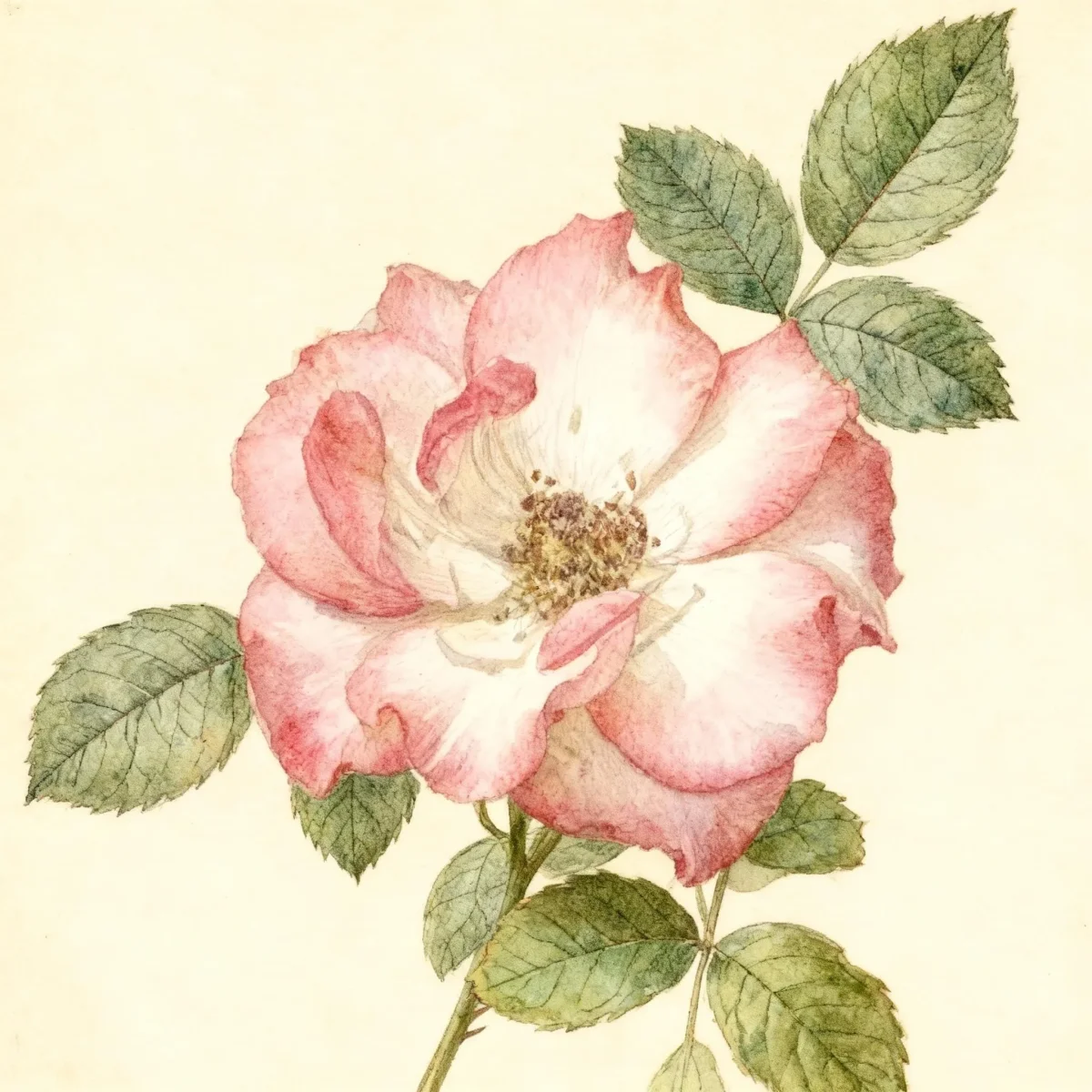
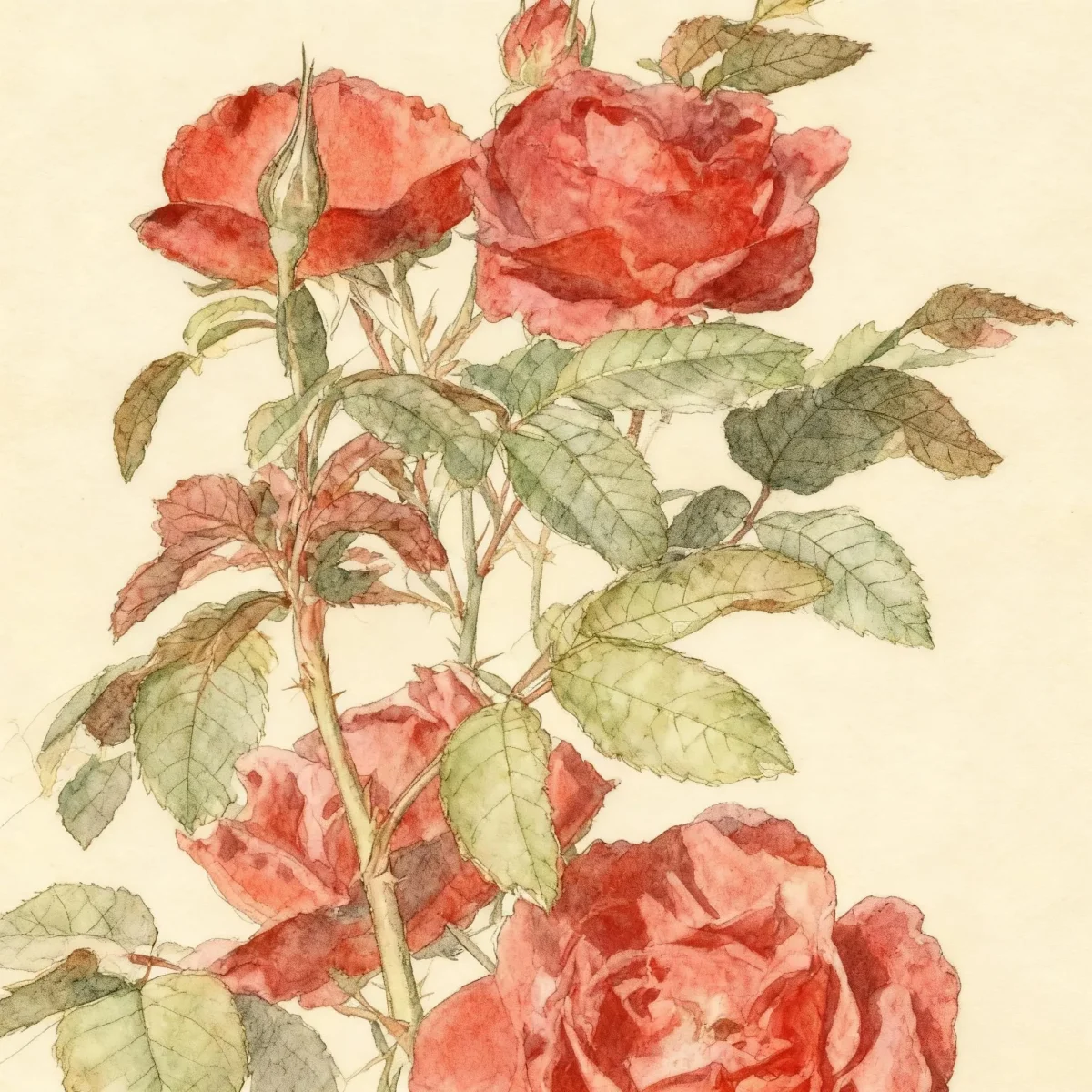
Floribunda rose (Rosa 'Jacmouse' DISNEYLAND)
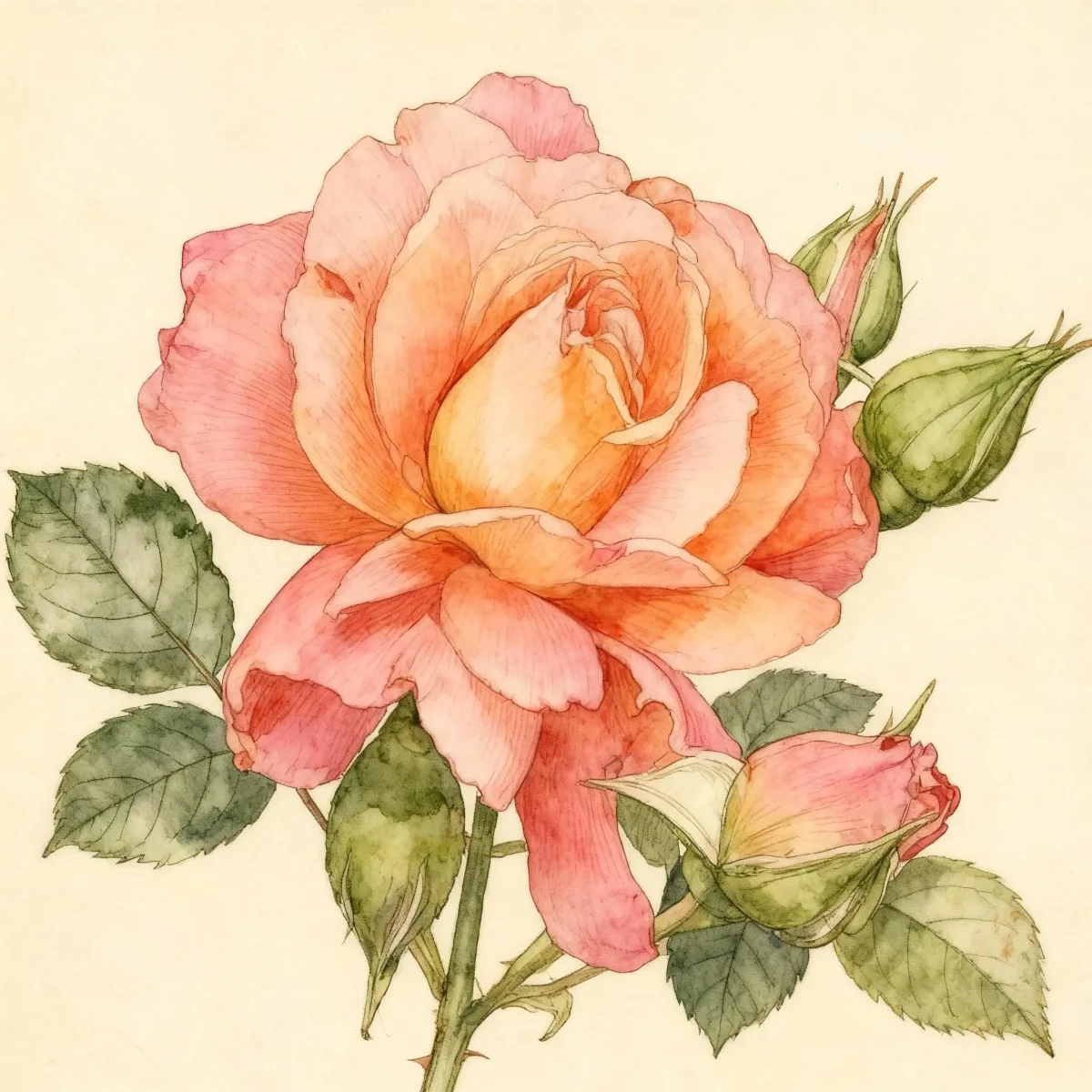
Rosa 'Jacmouse' DISNEYLAND is a showy, fragrant Floribunda rose blending apricot, copper, orange, and pink hues.
Scroll down to discover growing tips, care requirements, companion plants, and more
Complete Plant Information
Overview
Rosa ‘Jacmouse’ DISNEYLAND, recognized widely as a premier Floribunda rose, brings vibrant, multicolored blooms to the garden from late spring until the first hard frost. This specific cultivar, known officially as Rosa ‘Jacmouse’ DISNEYLAND, is highly valued for its unique blend of apricot, copper, orange, and pink flowers, offering continuous visual interest. As a compact, bushy, and free-blooming shrub, it fits beautifully into smaller garden spaces while providing the classic rose form floribundas are famous for.
The designation of Rosa ‘Jacmouse’ DISNEYLAND as the official rose of the Disneyland Resort highlights its exceptional aesthetic appeal. Gardeners appreciate its vigorous nature, which typically results in plants reaching 2 to 3 feet tall and wide. This Floribunda rose establishes itself as a rewarding choice for those seeking vibrant color and notable fragrance without requiring excessive space.
Ultimately, integrating Rosa ‘Jacmouse’ DISNEYLAND into your landscape provides a reliable burst of color and perfume, perfect for mass plantings, defining borders, or as a standout specimen. Understanding its specific cultural needs, especially concerning moisture and sunlight, ensures optimal flowering and plant vigor throughout the season.
Fast Facts
- Plant Family: Rosaceae
- Plant Type: Deciduous shrub
- Hardiness Zones: USDA Zones 5-9
- Size at Maturity:
- Height: 2-3 ft
- Spread: 2-3 ft
- Bloom Time: May to frost
- Bloom Description: Apricot, copper, orange, and pink blend
- Sun Exposure: Full sun
- Water Needs: Medium
- Maintenance Level: Medium
How to Grow
The best time to plant the Rosa ‘Jacmouse’ DISNEYLAND Floribunda rose is typically in the early spring or fall when the risk of extreme temperatures has passed. These roses thrive when situated in full sun; while they tolerate light shade, this often reduces flowering and disease resistance. They perform best in well-drained garden loams with a slightly acidic pH, ensuring the medium moisture needs are met consistently.
Care for this rose requires devotion to deep, regular watering, preferably done in the mornings to allow foliage to dry before evening. Avoid overhead watering to minimize humidity around the leaves, which discourages fungal issues. Employing a summer mulch layer is highly beneficial; it conserves soil moisture, keeps the root zone cool, and suppresses weed growth.
To encourage continuous flowering, it is essential to promptly remove spent blossoms through deadheading. Pruning for Rosa ‘Jacmouse’ DISNEYLAND should be severe, usually cutting back to 12-18 inches from the ground in late winter to maintain size and shape. In colder reaches of its hardiness range, specific attention to protecting the crowns may be necessary during harsh winters.
Vigilance regarding foliar diseases is crucial, especially in humid areas. Good air circulation is vital for the health of this Floribunda rose. Always remove and destroy any diseased leaves during the growing season and perform a thorough cleanup of all fallen leaves during the winter dormant period to reduce overwintering fungal spores.
Landscape Uses
This Floribunda rose excels in various landscape applications, highly recommended for use as an accent plant or grouped in small clusters. It works wonderfully within defined borders, softening foundation plantings, or adding vertical texture to cottage gardens. Consider planting Rosa ‘Jacmouse’ DISNEYLAND in a row to establish an effective, colorful, small hedge that provides structure.
Because of its medium size (2-3 feet), this rose pairs well with lower-growing perennials that can serve as living mulch around its base, helping to keep the soil cool. Taller, upright grasses can provide contrast behind the shrub when used in a border setting. Ensure adequate spacing is provided to maximize air movement between individual Rosa ‘Jacmouse’ DISNEYLAND plants, which aids substantially in disease management.
Whether you need a bright flowering shrub for pathway edging or a focal point in a dedicated rose garden, the unique apricot-copper coloring of this Floribunda rose makes it a versatile and eye-catching element.
Standout Features
Flower Qualities
- Showy
- Fragrant
Noteworthy Characteristics
The genus Rosa includes classic florist types like Hybrid Tea, Floribunda, and Grandiflora roses, all requiring regular, severe pruning. Rosa ‘Jacmouse’ DISNEYLAND is a compact, bushy Floribunda noted for its large, fragrant, double blossoms reaching 3-4 inches wide, featuring an unusual blend of apricot, copper, orange, and pink. This specific trade name celebrates its role as the official rose of the Disneyland Resort, offering gardeners a vigorous hybrid bred from miniature rose parents.
Tolerances
Potential Problems
Roses, including the Rosa ‘Jacmouse’ DISNEYLAND Floribunda rose, are susceptible to common issues like black spot, powdery mildew, rust, and rose rosette disease. While good cultural practices are the first defense, preventative fungicide applications are often necessary, particularly in humid climates. Potential insect pests include aphids, scale, and spider mites.
Fortunately, this specific cultivar reportedly exhibits good resistance to powdery mildew and rust, although susceptibility to black spot remains a concern. Manage this by avoiding overhead watering and ensuring excellent air circulation around the plant canopy. Prompt removal and destruction of infected leaves during the growing season and fall cleanup are essential cultural controls.
Frequently Asked Questions
What hardiness zones is Rosa ‘Jacmouse’ DISNEYLAND suitable for?
This Floribunda rose is reliably hardy in USDA Zones 5 through 9.
How large does Rosa ‘Jacmouse’ DISNEYLAND grow?
Rosa ‘Jacmouse’ DISNEYLAND typically matures to a size of 2 to 3 feet in height and spreads the same distance.
When does the Floribunda rose bloom?
This rose variety begins flowering in May and continues producing blooms until the first hard frost, showcasing a blend of apricot, copper, orange, and pink.
What sun exposure does Rosa ‘Jacmouse’ DISNEYLAND need?
For the most robust flowering and best disease resistance, plant this rose where it receives full sun exposure.
Conclusion
The Rosa ‘Jacmouse’ DISNEYLAND offers gardeners a consistent, high-impact display of uniquely colored, fragrant blooms, making it a standout Floribunda rose for borders and hedges. Its relatively compact size and notable disease resistance profile make it a practical choice for many enthusiasts. Before planting, confirm that your location falls within USDA Zones 5-9 and plan for its full sun requirement to ensure the best performance from your Rosa ‘Jacmouse’ DISNEYLAND.
Companion Planting Strategies
When planning beds around your Rosa ‘Jacmouse’ DISNEYLAND, select companions that share similar sun and water needs while offering textural or color contrast. Low-growing herbs like Thyme or Oregano make excellent groundcovers around the base, keeping the soil cooler and providing aromatic contrast to the rose fragrance. For mid-layer planting, consider plants that bloom later in the season or provide strong foliage structure, such as ornamental grasses or perennial Salvias. Avoid planting aggressive spreaders that might compete directly for root space near this medium-maintenance rose.
Seasonal Care Calendar Highlights
Spring is crucial for preparing your Floribunda rose; apply dormant oil if pests were an issue the previous year, followed by the hard late-winter pruning mentioned in the culture notes. As summer progresses, focus heavily on deadheading spent blooms regularly to maximize the bloom cycle of Rosa ‘Jacmouse’ DISNEYLAND, and apply beneficial mulch. Fall cleanup should be meticulous; rake and destroy all fallen foliage, especially if any black spot or mildew was present, to minimize fungal inoculum for the next season. Winter protection, such as banking soil around the base, is recommended in the colder end of its zone range before the ground freezes.