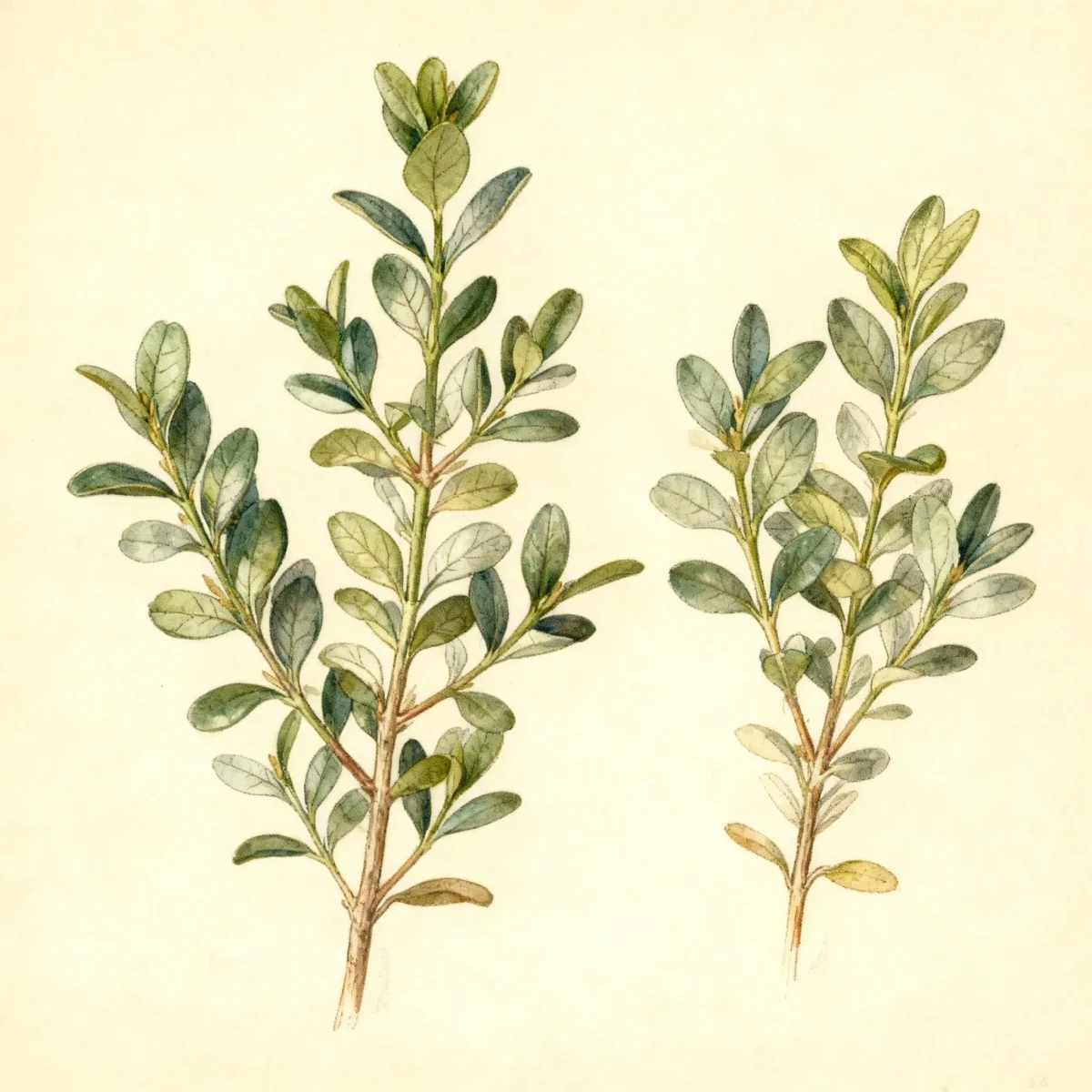
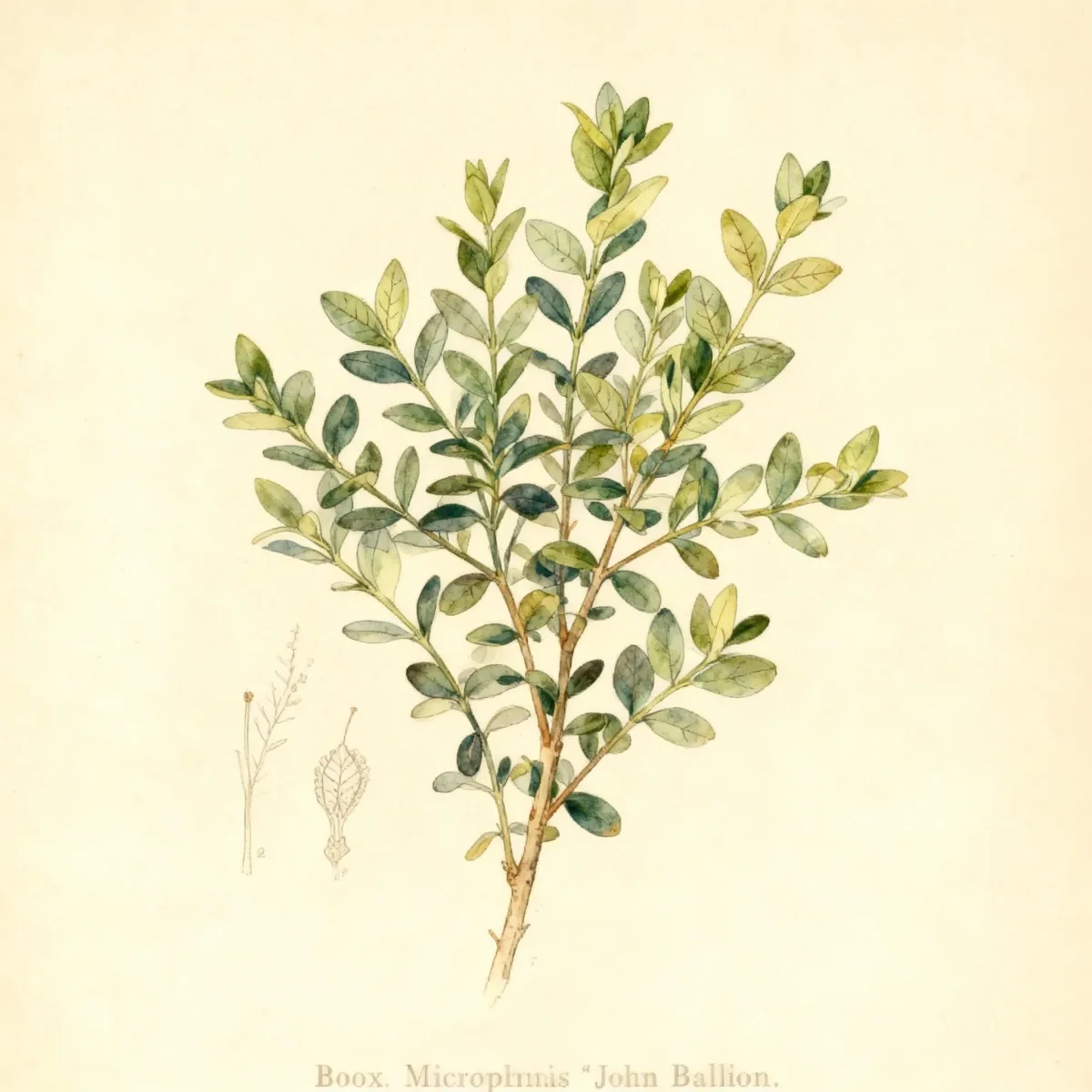
Boxwood (Buxus sempervirens 'Paramus')
Buxus sempervirens 'Paramus' is a compact Boxwood ideal for formal hedges, offering dense, evergreen foliage in USDA Zones 5-8.
Scroll down to discover growing tips, care requirements, companion plants, and more
Complete Plant Information
Overview
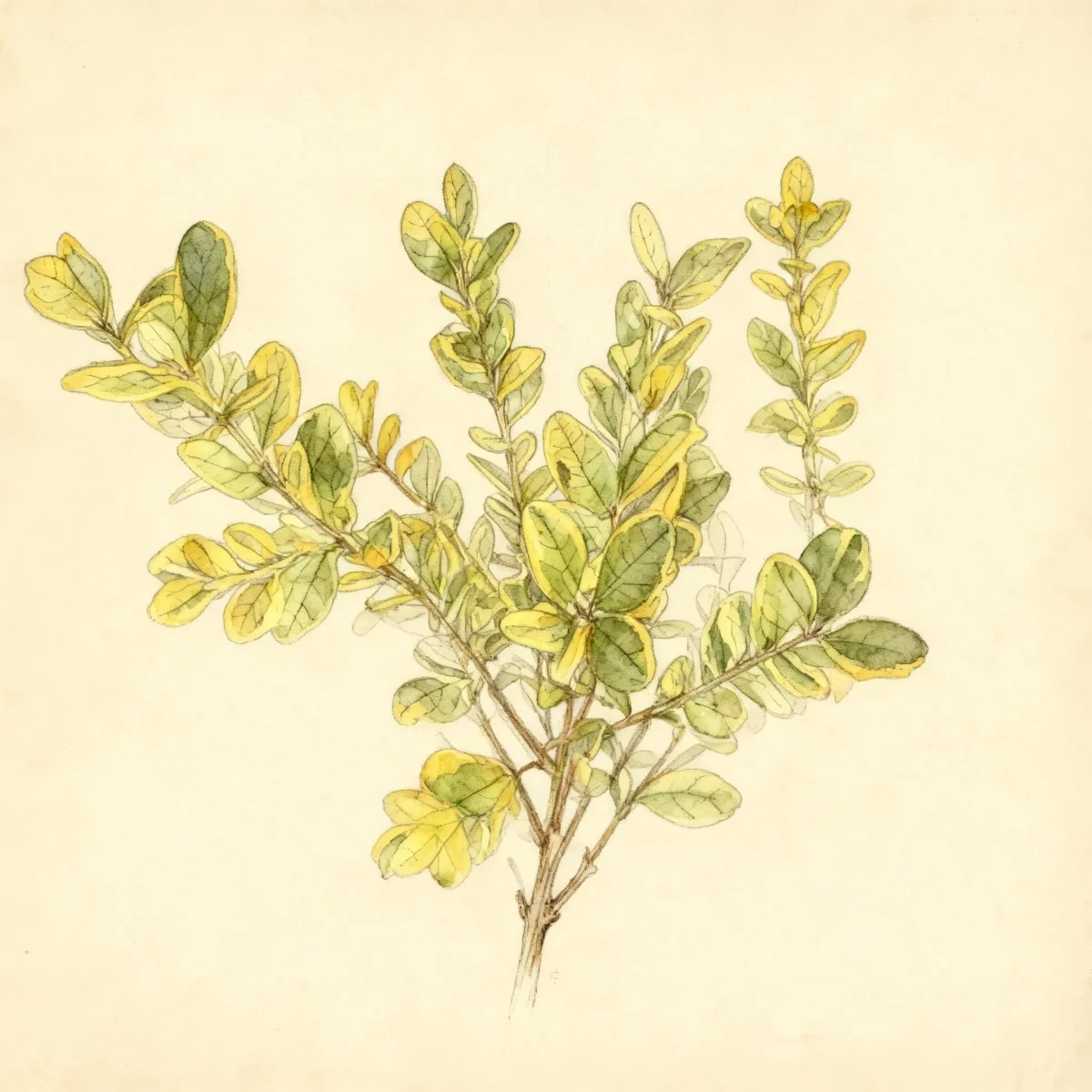
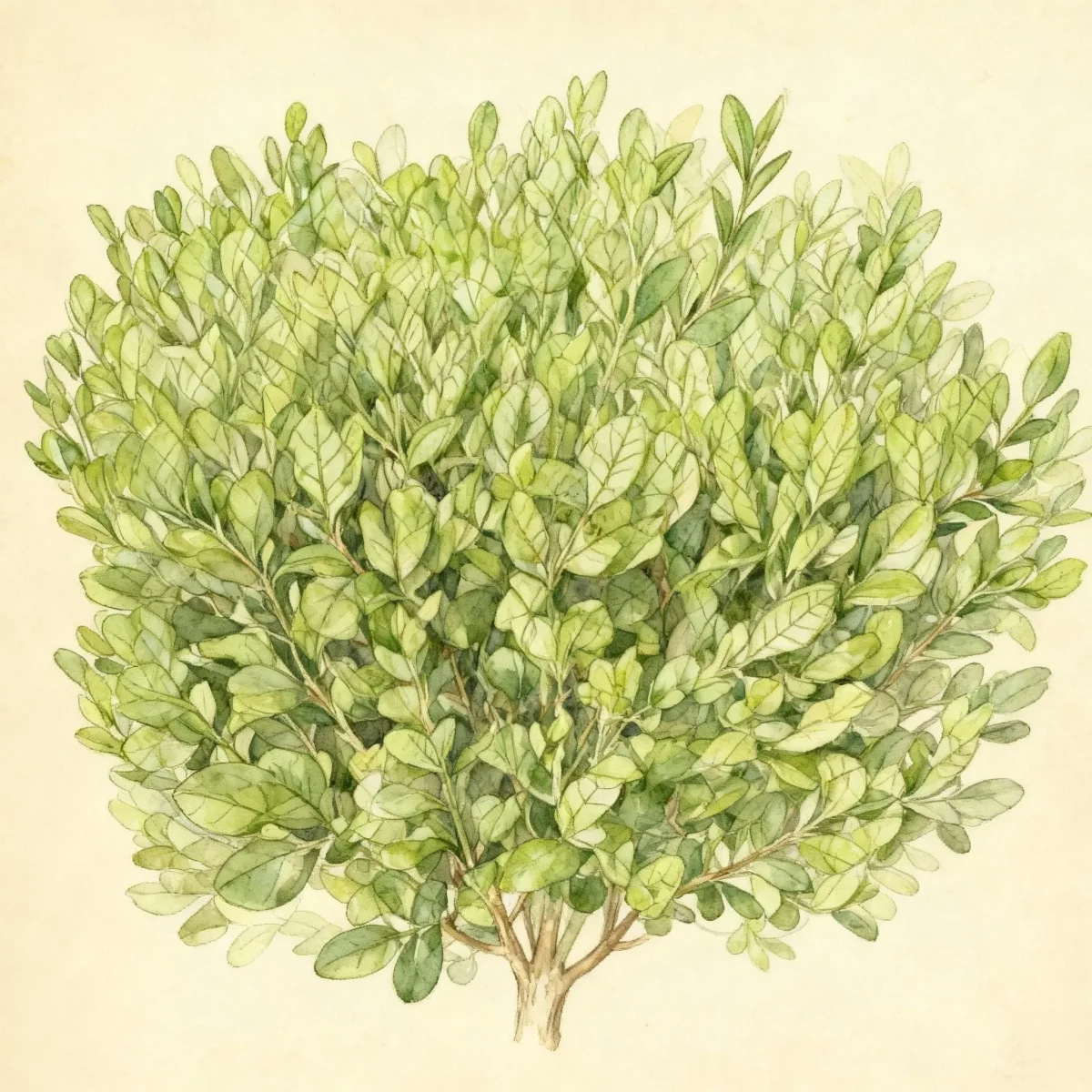
The Buxus sempervirens ‘Paramus’, known commonly as Boxwood, is highly valued for its reliable, dense, and compact structure, making it a cornerstone of formal garden design. This cultivar is a dense, mounded form of the English boxwood, maturing slowly to a manageable 2 feet tall and wide, requiring minimal shaping to maintain its appeal. As a broadleaf evergreen, the ‘Paramus’ ensures year-round green structure in the landscape, providing essential visual anchors even during winter months.
This particular selection of Boxwood thrives when given consistent culture, preferring well-drained loams and protection from the harshest elements. Its evergreen nature means gardeners benefit from consistent texture and color, essential for defining borders, creating low hedges, or serving as an accent plant. The slow growth rate of Buxus sempervirens ‘Paramus’ contributes to its low utility cost over time, though it does require medium maintenance to look perfect.
Gardeners select Buxus sempervirens ‘Paramus’ for its ability to create crisp lines and structured plantings, perfect for Mediterranean or formal landscape themes. While its flowers are inconspicuous, its evergreen density provides excellent year-round screening and definition without demanding excessive space.
Fast Facts
- Plant Family: Buxaceae
- Plant Type: Broadleaf evergreen
- Hardiness Zones: USDA Zones 5-8
- Size at Maturity:
- Height: 1-2 ft
- Spread: 1-2 ft
- Bloom Time: April to May
- Bloom Description: Greenish white
- Sun Exposure: Full sun to part shade
- Water Needs: Medium
- Maintenance Level: Medium
How to Grow
Planting Buxus sempervirens ‘Paramus’ should ideally occur in spring or fall, allowing the roots to establish before extreme heat or cold sets in. Select a site receiving full sun to part shade; while they tolerate deep shade, they become less vigorous and more open. Buxus sempervirens ‘Paramus’ thrives in evenly moist, well-drained loams, preferring a soil pH ranging from slightly acidic to slightly alkaline. Avoid cultivating immediately around the base, as these plants possess shallow roots that should be shielded.
Consistent moisture is key; water regularly until the plant is established, adhering to a medium water schedule thereafter. Roots benefit significantly from a 1-to-2-inch layer of organic mulch, such as compost or bark, which helps retain soil moisture and regulate temperature. Pruning or shearing should only be performed after the danger of the last spring frost has passed to prevent new, tender growth from being damaged.
To ensure longevity and vigor, thin the shrub annually to remove any dead or damaged branches, significantly improving internal air circulation. Site your Boxwood where it is shielded from relentless winter winds, as exposure to cold, drying winds combined with winter sun can rapidly desiccate the foliage, leading to undesirable bronzing.
Landscape Uses
The compact nature of Buxus sempervirens ‘Paramus’ makes it exceptionally versatile for structured landscape applications. It is perfectly suited when massed to create narrow, formal hedges that define property lines or garden rooms, or used as vertical accents in foundation plantings. Due to its manageable size, the ‘Paramus’ Boxwood is also highly suitable for topiary work, allowing for sculpted shapes within formal or Mediterranean gardens.
When integrating this Boxwood, consider its evergreen presence against deciduous flowering shrubs or perennials that offer seasonal color contrast. Use it along borders where its low, defined shape provides a permanent edge, or place it in large containers flanking an entryway where its uniform texture is best displayed. Massing Buxus sempervirens ‘Paramus’ creates an unbroken band of deep green, acting as a sophisticated backdrop for more colorful, transient plantings.
Standout Features
Flower Qualities
- Fragrant
- Insignificant
Noteworthy Characteristics
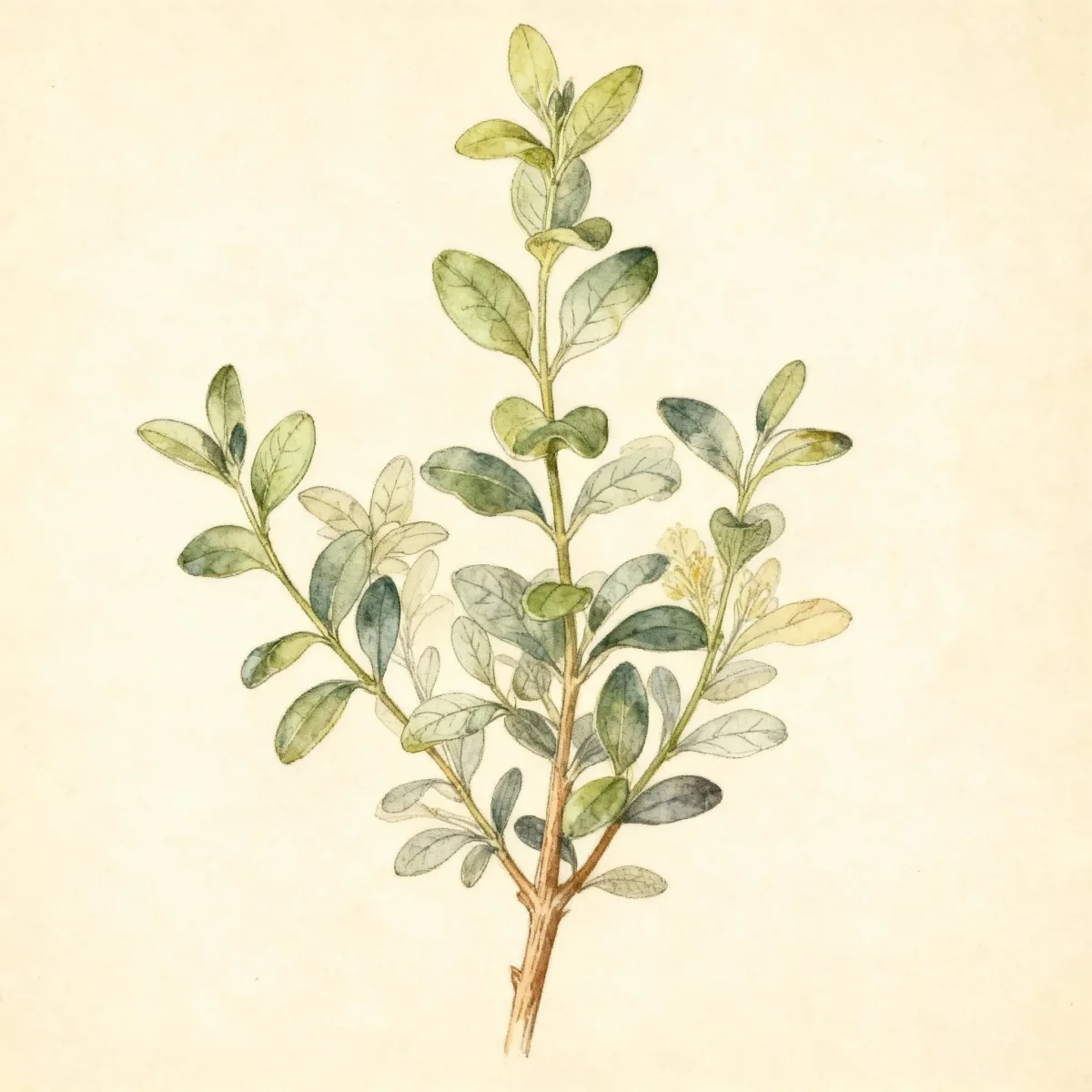
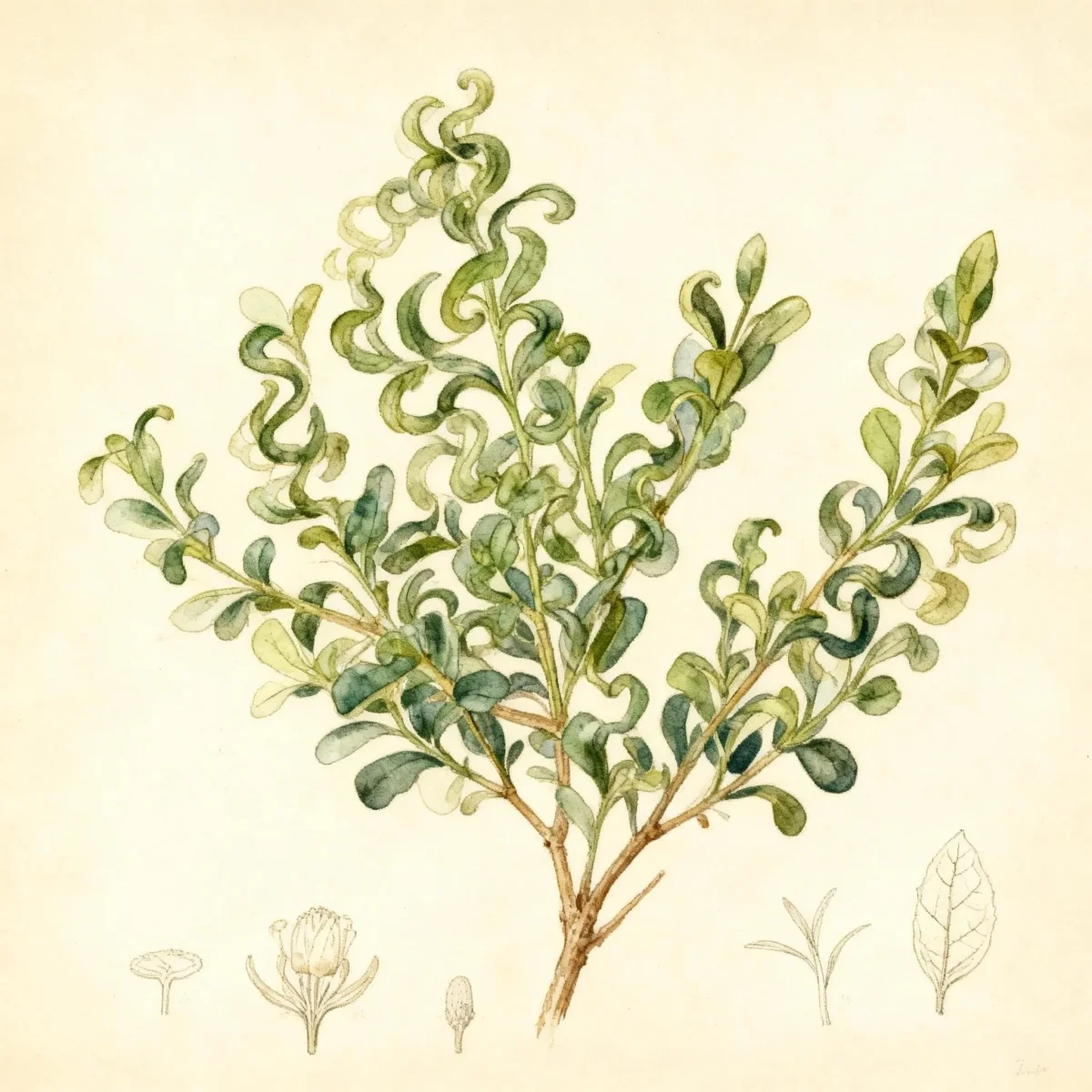
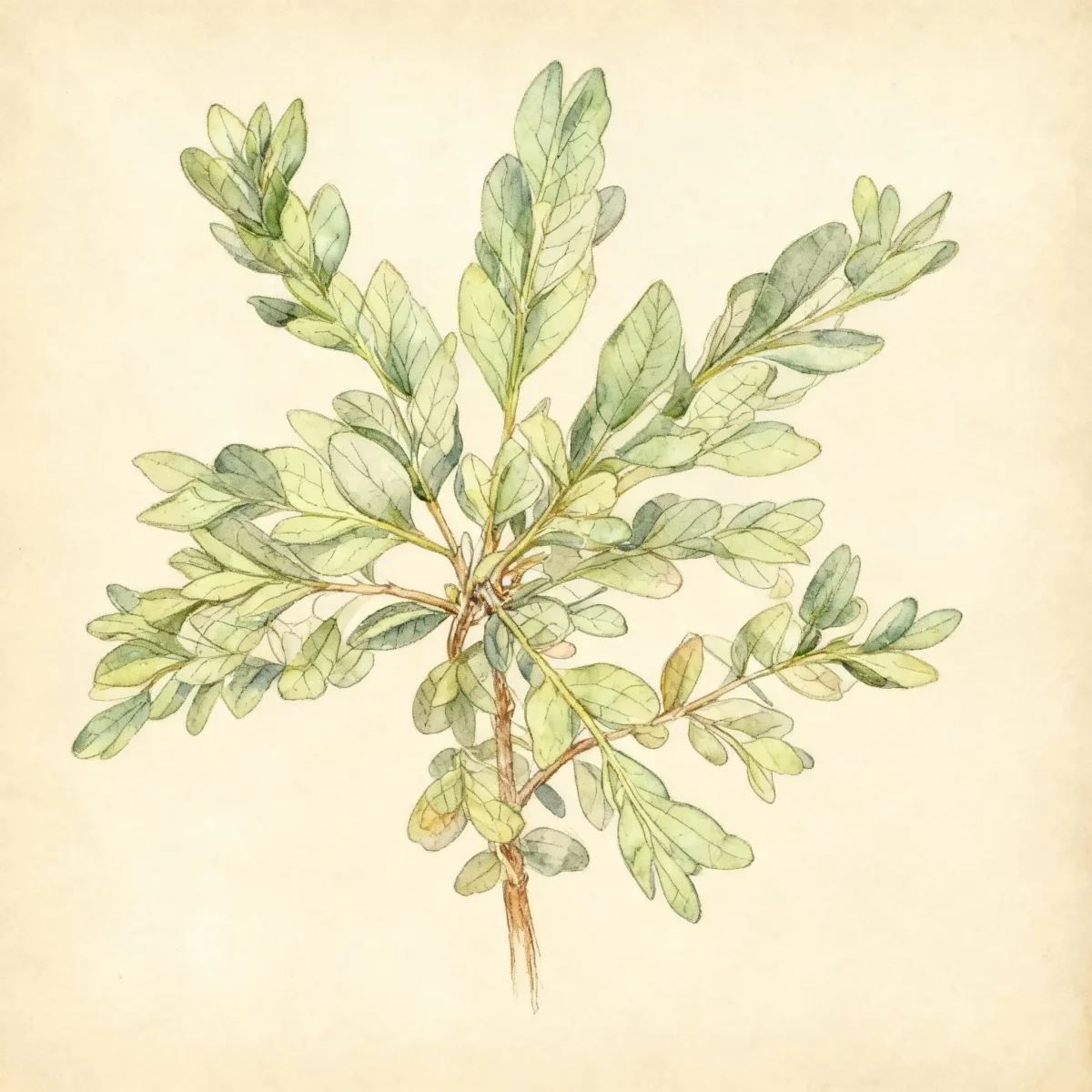
Buxus sempervirens is characterized by its evergreen leaves which are elliptic to oval, dark glossy green above and lighter below. The ‘Paramus’ cultivar is specifically noted as a dense, mounded, compact form of English boxwood maturing slowly to about 2 feet tall and wide over ten years. The genus name references the original Latin for its use in boxes, while the specific epithet denotes its evergreen nature.
Tolerances
- Rabbit
- Deer
Potential Problems
Boxwood care requires vigilance against environmental stress and specific pests. Foliage bronzing is a common issue, typically occurring in harsh winters when the plant faces full sun and whipping winds that cause dehydration. To manage this, situate Boxwood in sheltered locations if possible.
Several diseases attack Boxwood, including boxwood blight, volutella blight, and various leaf spots; excellent air circulation, achieved through proper thinning, is the best preventative measure. Root rot is a significant threat if the soil is poorly drained, so ensure amendments promote sharp drainage during planting. Insect pests like the boxwood leafminer, mite, and psyllid require monitoring, especially on new growth, which is most susceptible to damage.
Frequently Asked Questions
What hardiness zones is Boxwood suitable for?
Buxus sempervirens ‘Paramus’ is suitable for USDA Hardiness Zones 5 through 8.
How large does Boxwood grow?
This compact variety of Boxwood matures to a height between 1 and 2 feet and spreads between 1 and 2 feet wide, depending on the age and pruning regimen.
What sun exposure does Buxus sempervirens ‘Paramus’ need?
Buxus sempervirens ‘Paramus’ performs best in locations offering full sun to part shade, though excessive afternoon sun can increase the risk of scorching or mite infestation.
When does Boxwood bloom?
The Boxwood blooms modestly between April and May, producing inconspicuous, greenish white flowers.
Conclusion
The Buxus sempervirens ‘Paramus’ offers gardeners an indispensable asset for creating structured, year-round greenery through its dense, mounded habit. This specific Boxwood remains a top choice for low hedges and formal accents due to its manageable size and evergreen texture. Ensure you check your local USDA zone compatibility and plan any necessary pruning only after the last spring frost to secure optimal performance.
Companion Planting
When selecting partners for Buxus sempervirens ‘Paramus’, focus on plants that share its preference for medium water and well-drained soil, while providing textural or color variance. Consider pairing this evergreen structure with plants that bloom vibrantly in spring or summer, such as spring-flowering bulbs or perennials like Helleborus (Lenten Rose), which also tolerates partial shade. The fine texture of the Boxwood contrasts beautifully with broader-leaved plants, like Hostas, if planted in shadier conditions, or Hakonechloa (Japanese Forest Grass) for flowing textural contrast near the base.
Seasonal Care Calendar
Spring is the critical time for rejuvenating your Boxwood plantings. After the threat of frost passes, apply a light, balanced fertilizer if necessary, and prune immediately after flowering to encourage dense summer growth. In summer, focus on deep, infrequent watering, especially during dry spells, ensuring the medium needs are met while avoiding waterlogged conditions common in poorly draining clay. Fall care involves applying a protective layer of organic mulch around the shallow root zone to moderate winter temperatures. Protect Buxus sempervirens ‘Paramus’ from abrasive winter winds by erecting temporary burlap screens if the chosen location is highly exposed.