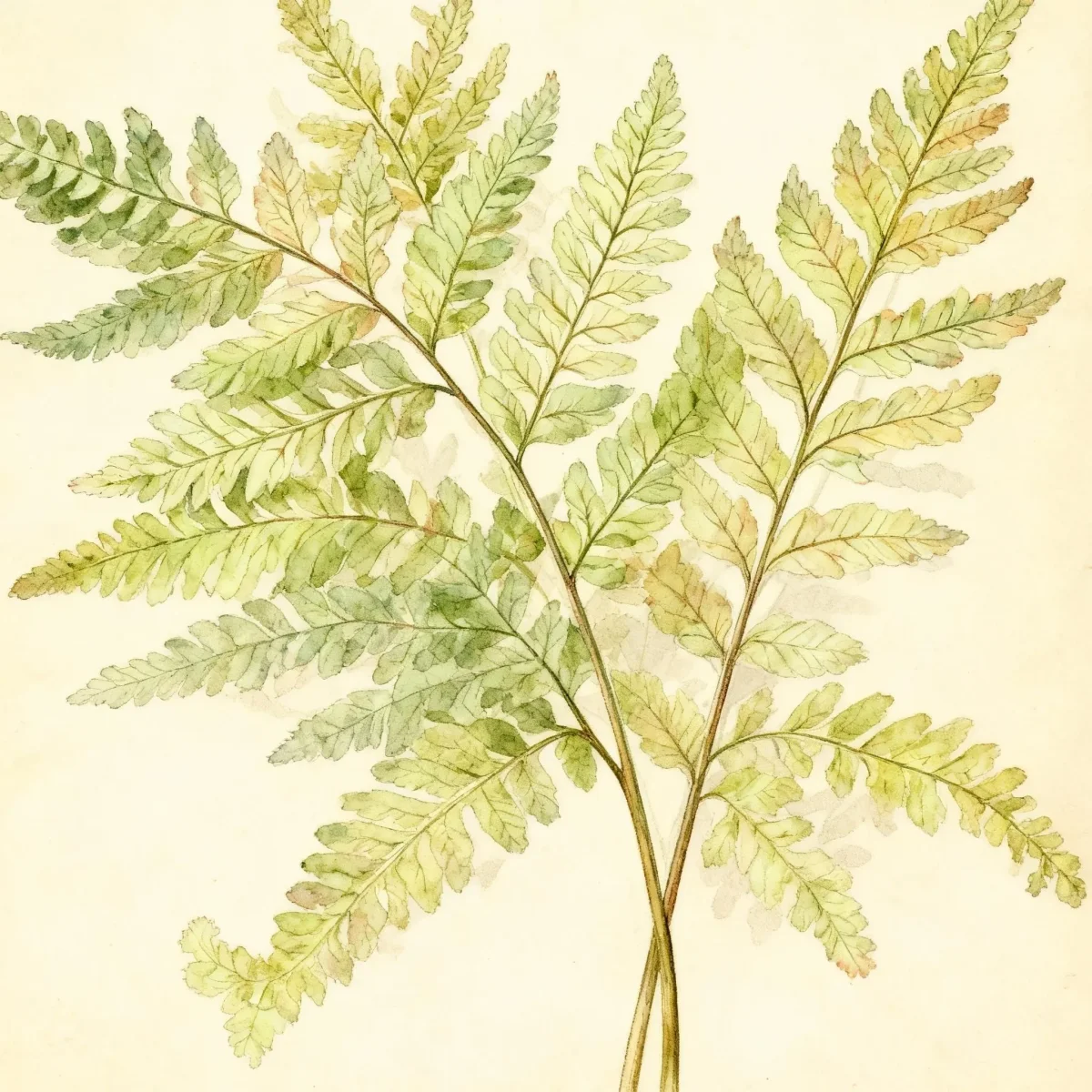
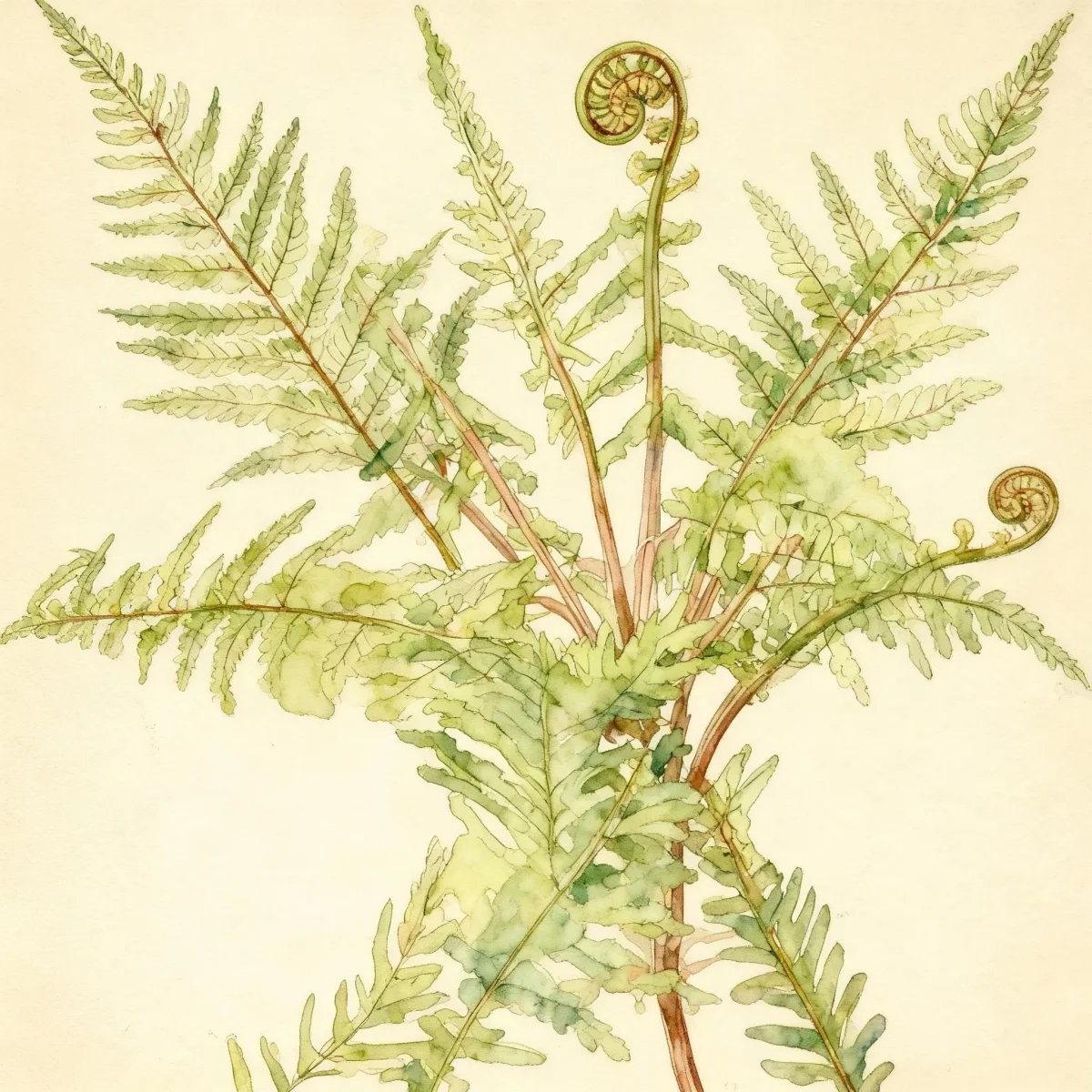
Lady fern (Athyrium filix-femina 'Rotstiel')
Discover Athyrium filix-femina 'Rotstiel', the striking Lady fern, prized for its lacy green fronds and red stems. Low maintenance and shade tolerant.
Scroll down to discover growing tips, care requirements, companion plants, and more
Complete Plant Information
Overview
Athyrium filix-femina ‘Rotstiel’ is a celebrated cultivar of the common Lady fern, cherished for its distinctly decorative foliage and ease of care in shaded environments. This deciduous fern forms dense, shuttlecock-like clumps featuring finely-divided, light green fronds that contrast beautifully against their bright reddish stems, giving the cultivar its German name, ‘Rotstiel’ (red-stemmed). It brings exceptional texture and structure to landscapes where many flowering plants struggle to thrive.
As a robust and relatively low-maintenance addition to the garden, the Lady fern is renowned for its adaptability within its preferred cool, moist conditions. It is perfectly suited for woodland settings or beneath mature tree canopies in USDA Zones 4 through 8. Gardeners appreciate the structure Athyrium filix-femina ‘Rotstiel’ provides, stabilizing borders and adding year-round interest in temperate climates.
Derived from a circumglobal species, this particular Lady fern cultivar maintains the essential elegance of its parent while offering a slightly more compact stature. Its lacy architecture effectively softens hard edges in the garden design, making it an invaluable evergreen anchor for shaded perennial beds and rock gardens.
Fast Facts
- Plant Family: Athyriaceae
- Plant Type: Fern
- Hardiness Zones: USDA Zones 4-8
- Size at Maturity:
- Height: 1-2 ft
- Spread: 0.75-1.5 ft
- Bloom Time: Non-flowering
- Bloom Description: Non-flowering
- Sun Exposure: Part shade to full shade
- Water Needs: Medium
- Maintenance Level: Low
How to Grow
Plant Athyrium filix-femina ‘Rotstiel’ in the early spring or fall, ensuring the location offers protection from harsh afternoon sun. These ferns thrive in humus-rich, well-drained soil that maintains consistent moisture. While they prefer rich media, they are more tolerant of drier spells than many other ferns, though perpetual moisture will yield the best results.
Watering should be consistent, aiming for a medium moisture level throughout the growing season, especially if planted in an area that receives a bit more sun. It is essential to shelter the fronds from whipping winds, which can cause unsightly breakage and mar the delicate appearance of the Lady fern foliage. Fertilization is rarely necessary if the soil structure is adequate.
For long-term health, divide the clumps of Athyrium filix-femina ‘Rotstiel’ every few years during the spring. This division helps rejuvenate the plant and allows you to adjust the crown depth, ensuring the crowns remain at the soil level for optimal growth. Minimal pruning is required, typically just deadheading any spent fronds in early spring before new growth emerges.
Landscape Uses
The fine texture and shade-loving nature of the Lady fern make Athyrium filix-femina ‘Rotstiel’ indispensable for deeply shaded areas. Its moderate size—reaching up to 2 feet tall and wide—is perfect for defining the front edge of woodland borders or integrating into rock gardens where it can cascade slightly over stones.
Consider using this cultivar in mass plantings along shaded pathways or near streams and ponds to enhance a cool, moist aesthetic. Companion planting is highly effective; pair the light green fronds and red stems of the Lady fern with hostas that have contrasting blue or gold foliage for maximum visual impact in the darkness. It also works well beneath taller shrubs or deciduous trees where few other plants can establish.
Standout Features
Noteworthy Characteristics
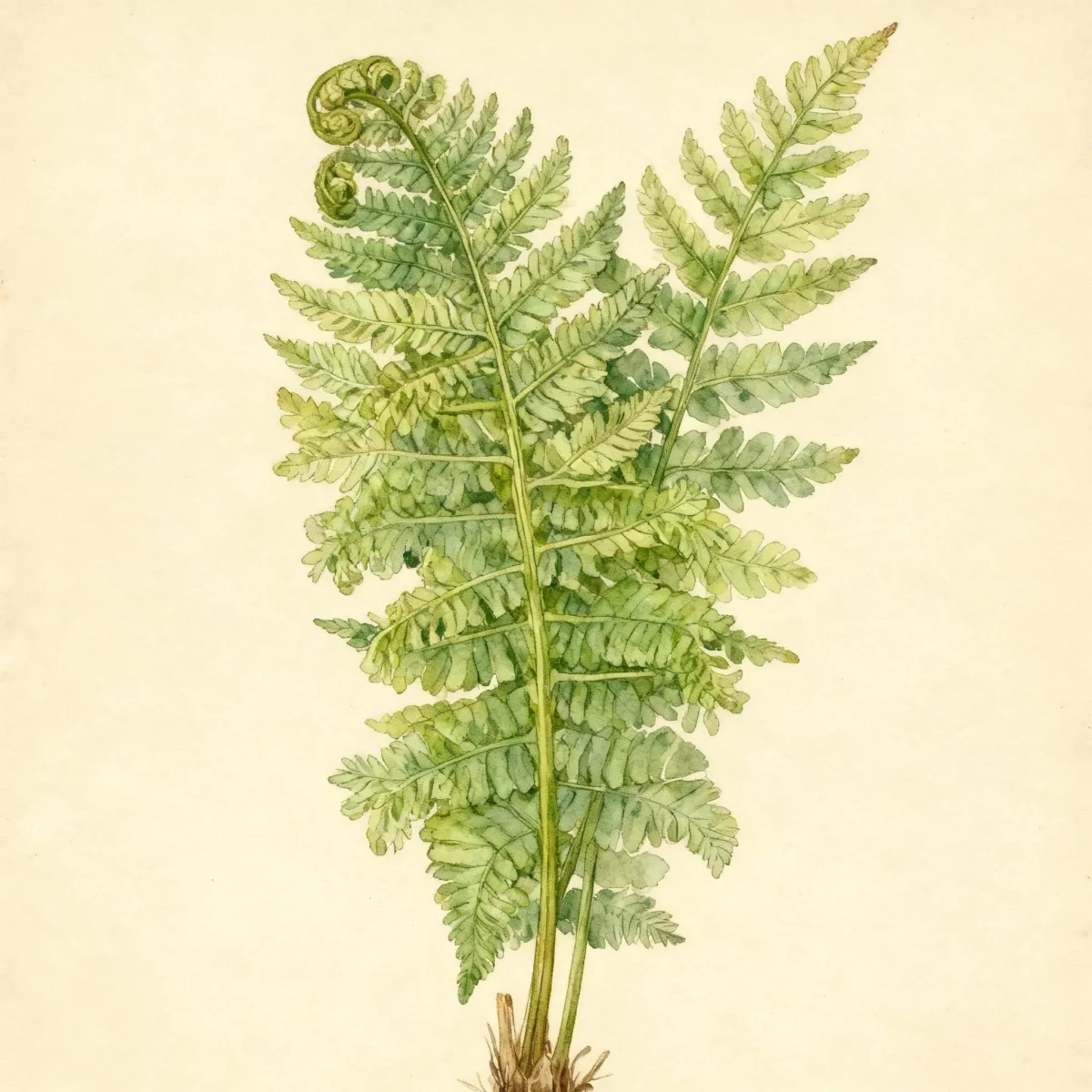
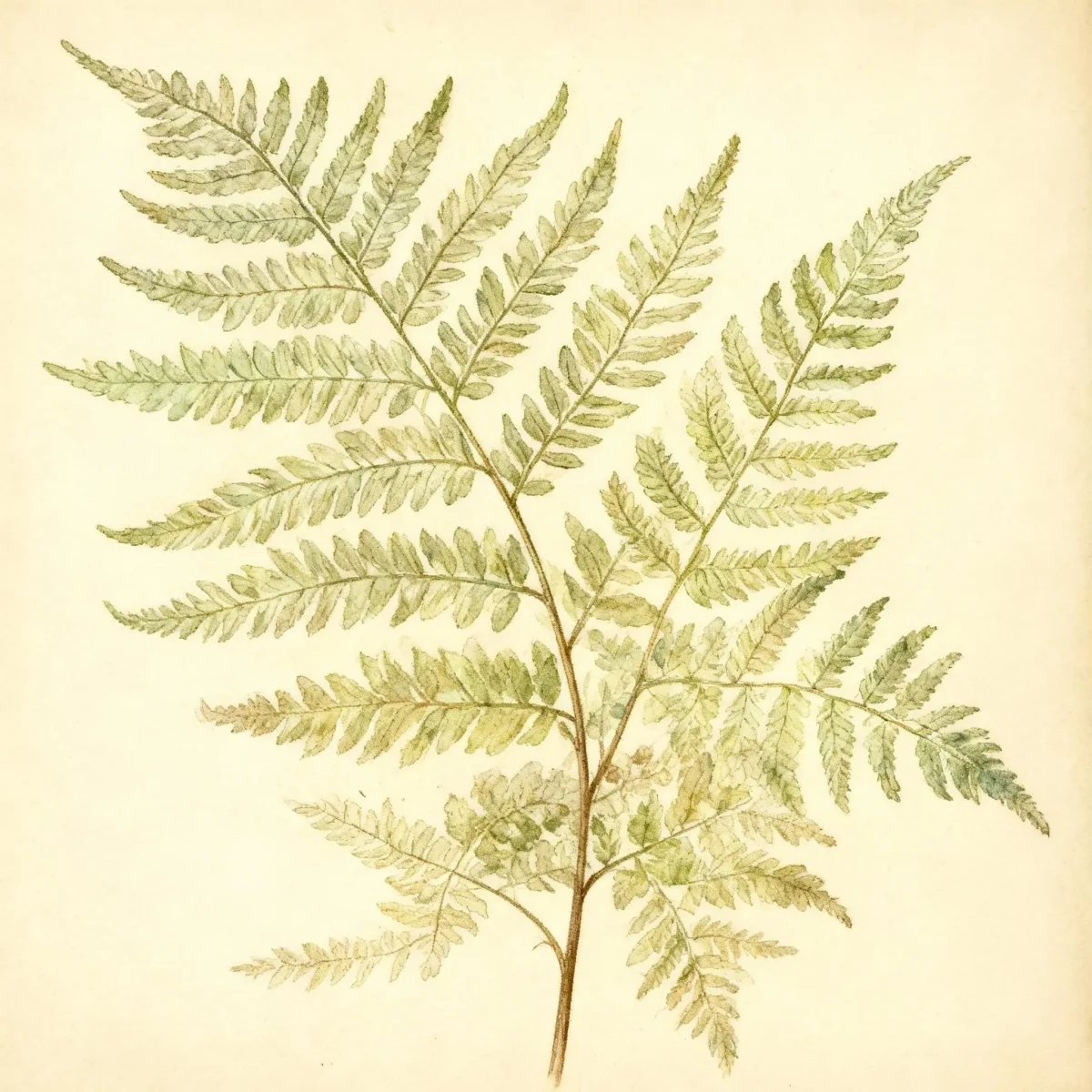
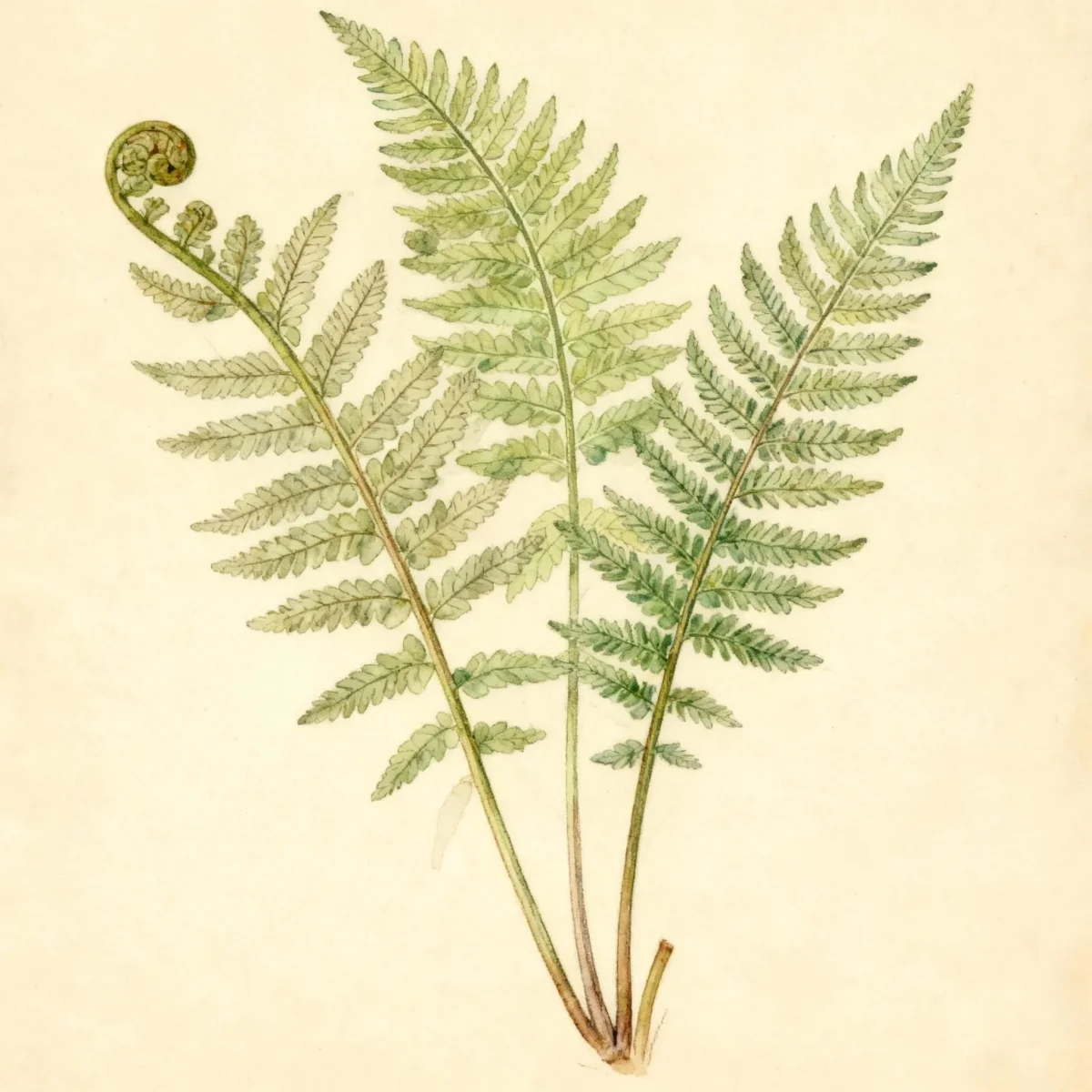
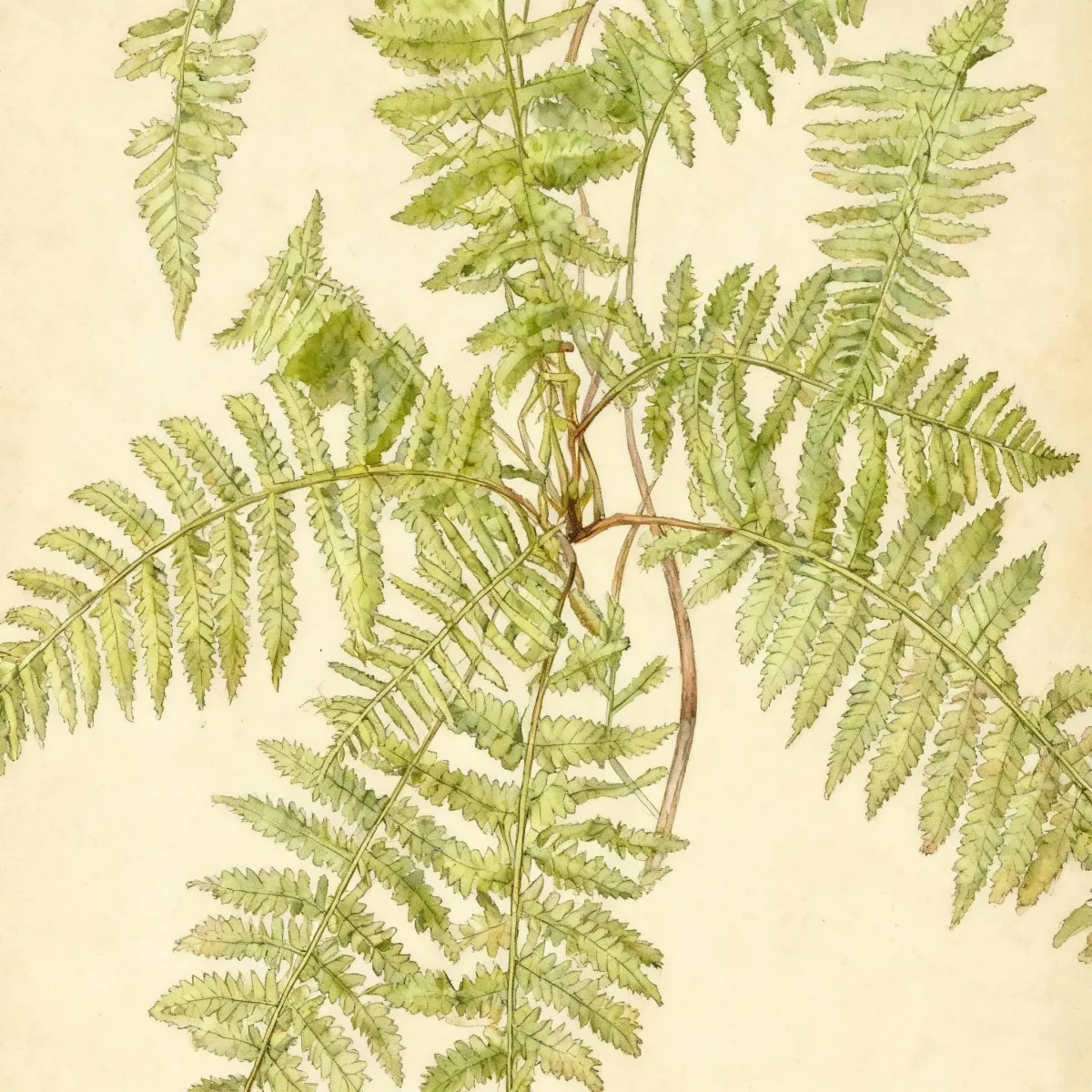
Athyrium filix-femina, commonly called lady fern, is a deciduous fern that features lacy-cut, erect or ascending, 2 to 3-pinnate or pinnatifid, finely-divided, lanceolate, light green fronds which grow in a dense circular shuttlecock-like clump to 2-3’ tall. Each frond (leaf) has twenty to thirty pairs of elliptic non-opposite pinna (leaflets) with narrow pointed tips. Each pinna is divided into deeply-cut lanceolate to oblong pinnules (subleaflets). Sori and indusia are found on the undersides of the pinnules. This is a circumglobal species which is found in rich moist woods, thickets, fields, meadows and ravines throughout northern North America, Europe and Asia.Genus name comes from Greek athyros meaning “doorless” in reference to the slowly opening hinged indusia (spore covers).Specific epithet comes from Latin filix meaning fern and femina meaning woman as confirmed by the common name of lady fern.‘Rotstiel’ is a compact, deciduous cultivar that typically grows in a clump to 24” tall and to 20” wide. Bright reddish stems (‘Rotstiel’ means red-stemmed) contrast nicely with the bright green fronds.
Tolerances
- Rabbit
- Heavy Shade
Potential Problems
This particular Lady fern cultivar exhibits remarkable resilience, seldom suffering from serious insect infestations or major disease issues. The primary aesthetic concern involves foliar damage later in the season.
Fronds frequently become somewhat tattered in appearance by mid-summer, especially if the plant experiences dry spells or excessive heat stress. To maintain a pristine appearance, gardeners can simply trim away the damaged or browned foliage in late summer, which encourages replacement leaflets if conditions are still favorable, or wait until early spring cleanup.
Frequently Asked Questions
What hardiness zones is Lady fern suitable for?
Athyrium filix-femina ‘Rotstiel’ is reliably hardy in USDA Zones 4 through 8.
How large does Lady fern grow?
This compact cultivar typically reaches a height between 1 and 2 feet, with a spread ranging from 0.75 to 1.5 feet at maturity.
What sun exposure does Athyrium filix-femina ‘Rotstiel’ need?
This plant prefers part shade to full shade conditions to prevent scorching its delicate fronds.
When does Lady fern bloom?
As a fern, Athyrium filix-femina ‘Rotstiel’ is non-flowering. Its beauty lies in its evergreen foliage structure.
Conclusion
Athyrium filix-femina ‘Rotstiel’ is a highly valuable, low-maintenance fern that brings crucial texture and vertical interest to shaded garden spaces. The vibrant, contrasting red stems of this Lady fern set it apart from standard green varieties, making it a focal point even in deep shade. Before planting, ensure your intended site provides the rich, medium-moisture soil necessary for this cultivar to flourish fully.
Companion Planting in the Shade Garden
Since the Lady fern excels in dry to medium shade, it pairs wonderfully with woodland natives that share similar cultural needs. Consider planting it alongside Hellebores, whose rounded, leathery leaves offer a textural contrast to the lacy fronds of Athyrium filix-femina ‘Rotstiel’. Woodland phlox also blends nicely, offering early spring ephemeral color that fades as the fern reaches its mature height.
Good structural companions that thrive in similar moist, rich soil include native Solomon’s Seal (Polygonatum species) and various ferns like Japanese Painted Fern (Athyrium niponicum ‘Pictum’) or Tassel Fern (Polystichum setiferum). These combinations create a layered, deeply organic look typical of a mature forest floor ecosystem.
Seasonal Care Calendar for Athyrium filix-femina ‘Rotstiel’
Early Spring: This is the ideal time to divide overcrowded clumps of the Lady fern, ensuring the crowns are level with or slightly above the soil line. Clean up any remaining tattered foliage from the previous year.
Summer Maintenance: Focus on consistent watering, especially during dry periods, as moisture is key to keeping the fronds pristine and preventing mid-summer tattering. Monitor for heavy winds and consider staking or protective placement if necessary.
Fall: As a deciduous plant, the fronds will gradually yellow and die back. Generally, no cutting back is needed until very late fall or early spring, allowing the dead foliage to offer some winter protection to the crown.