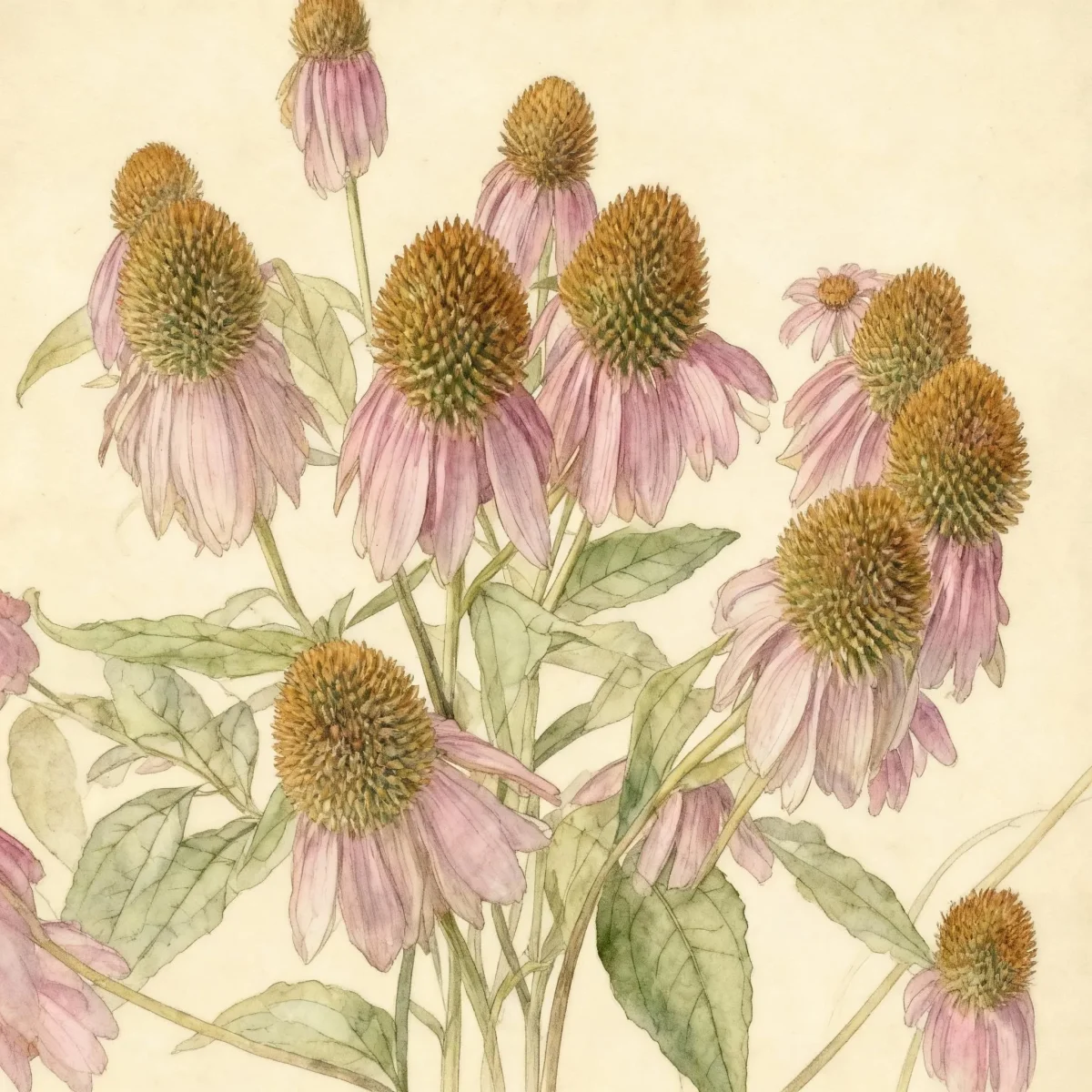
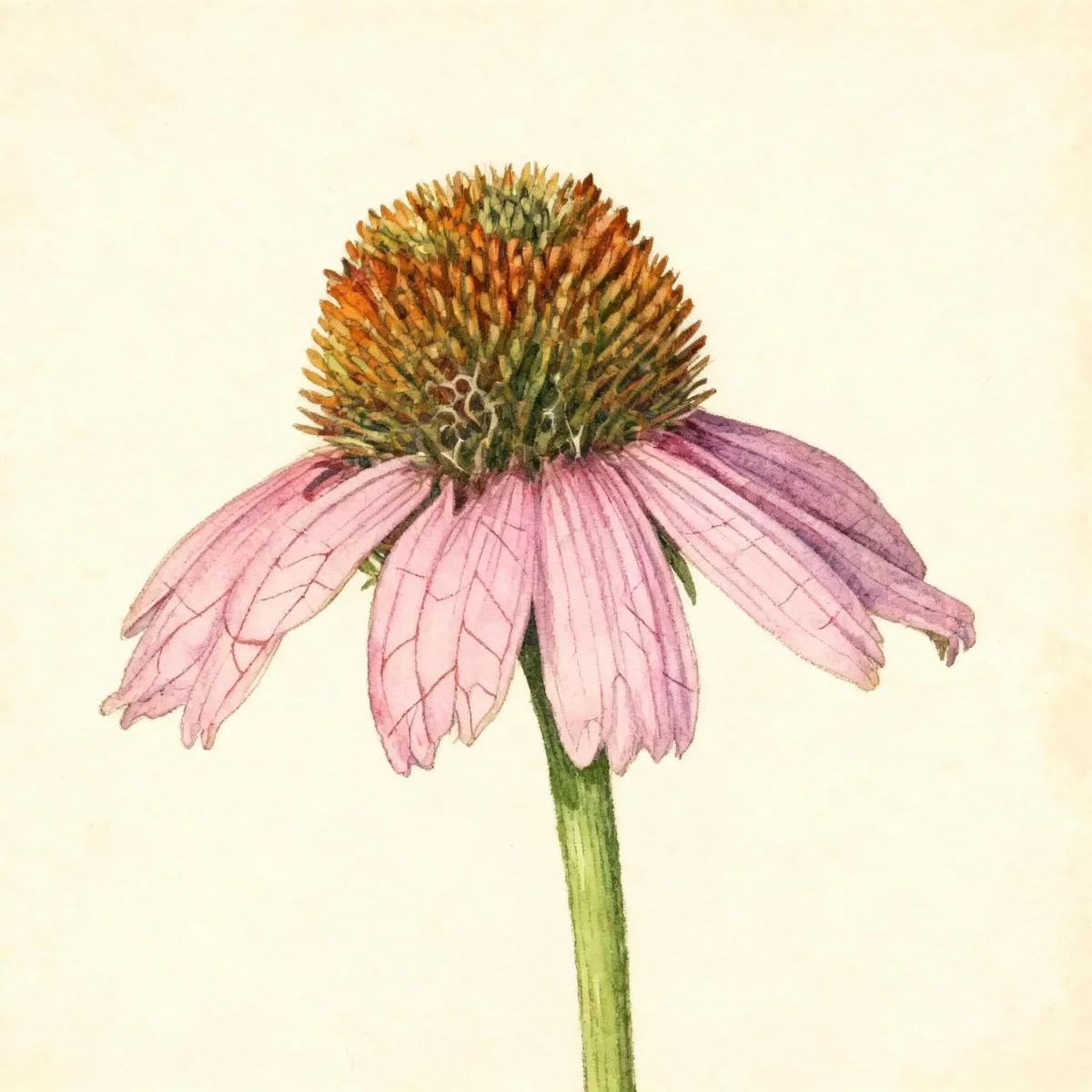
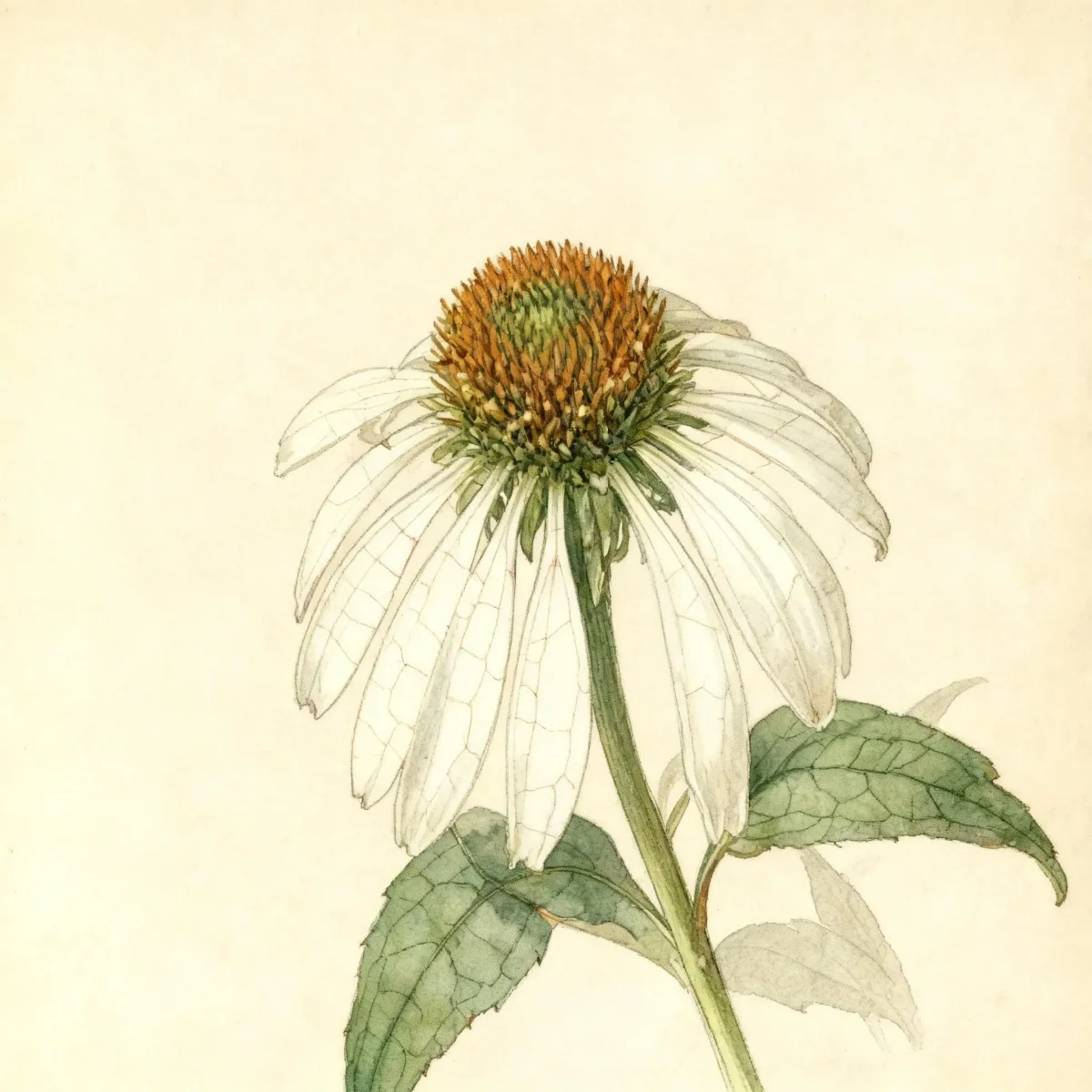
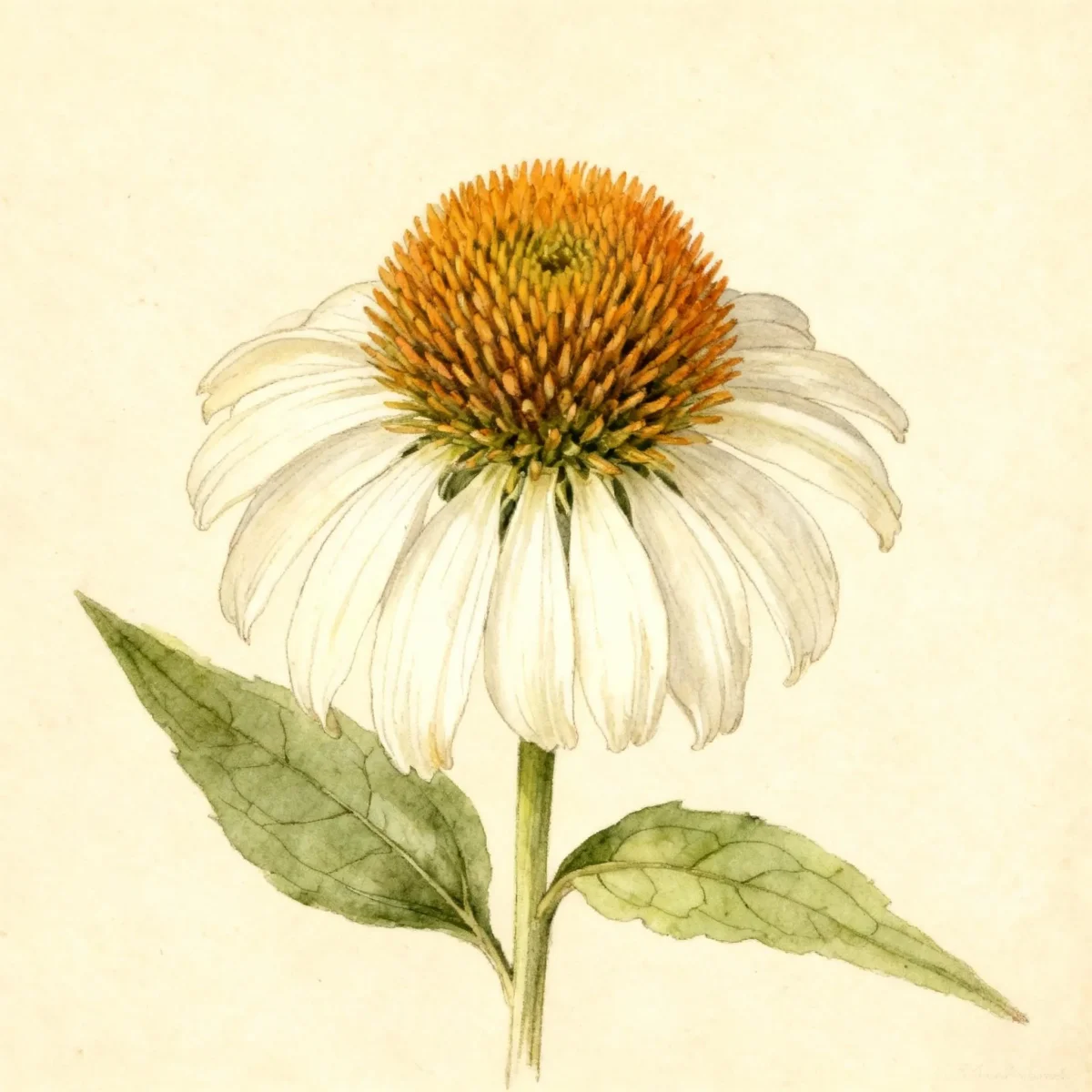
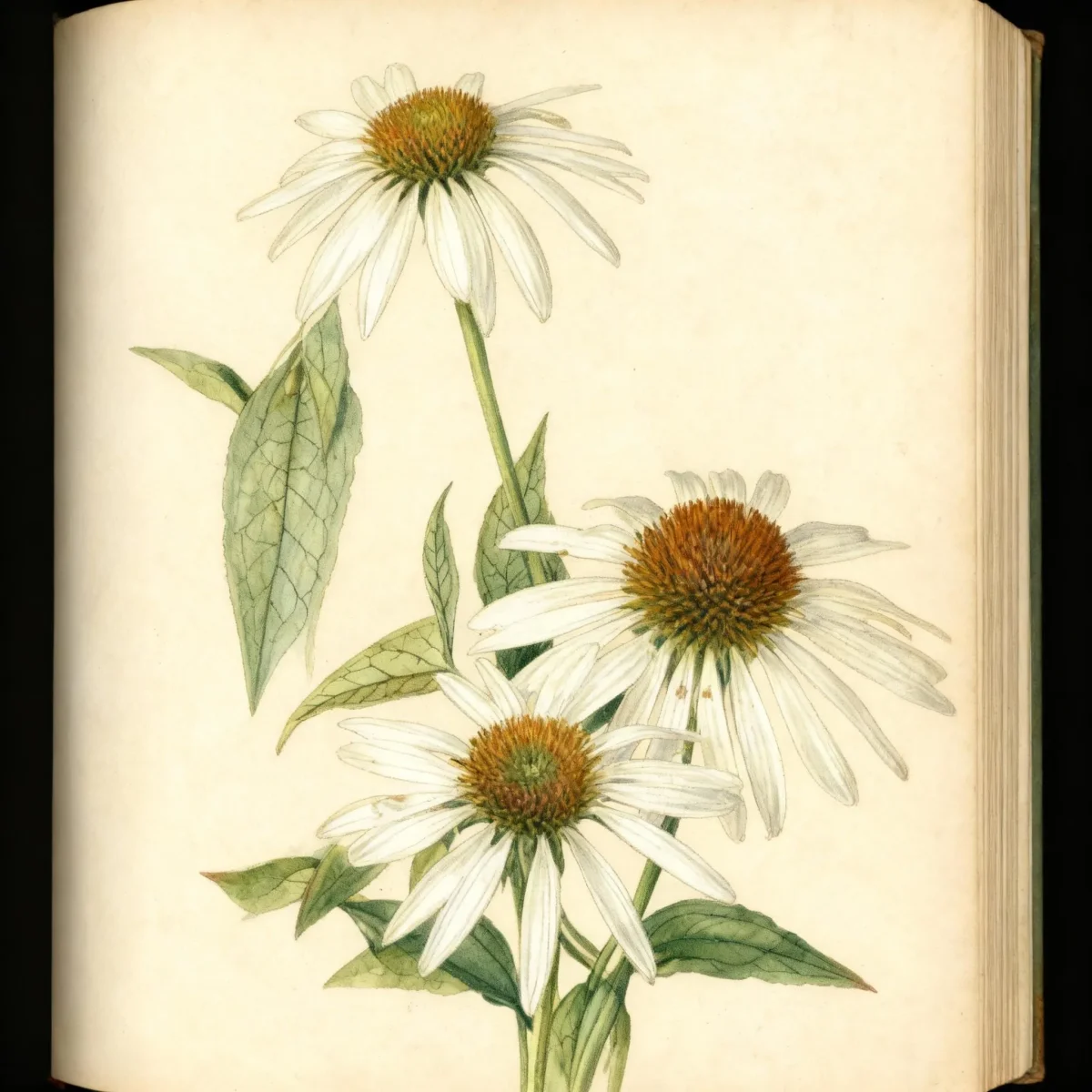
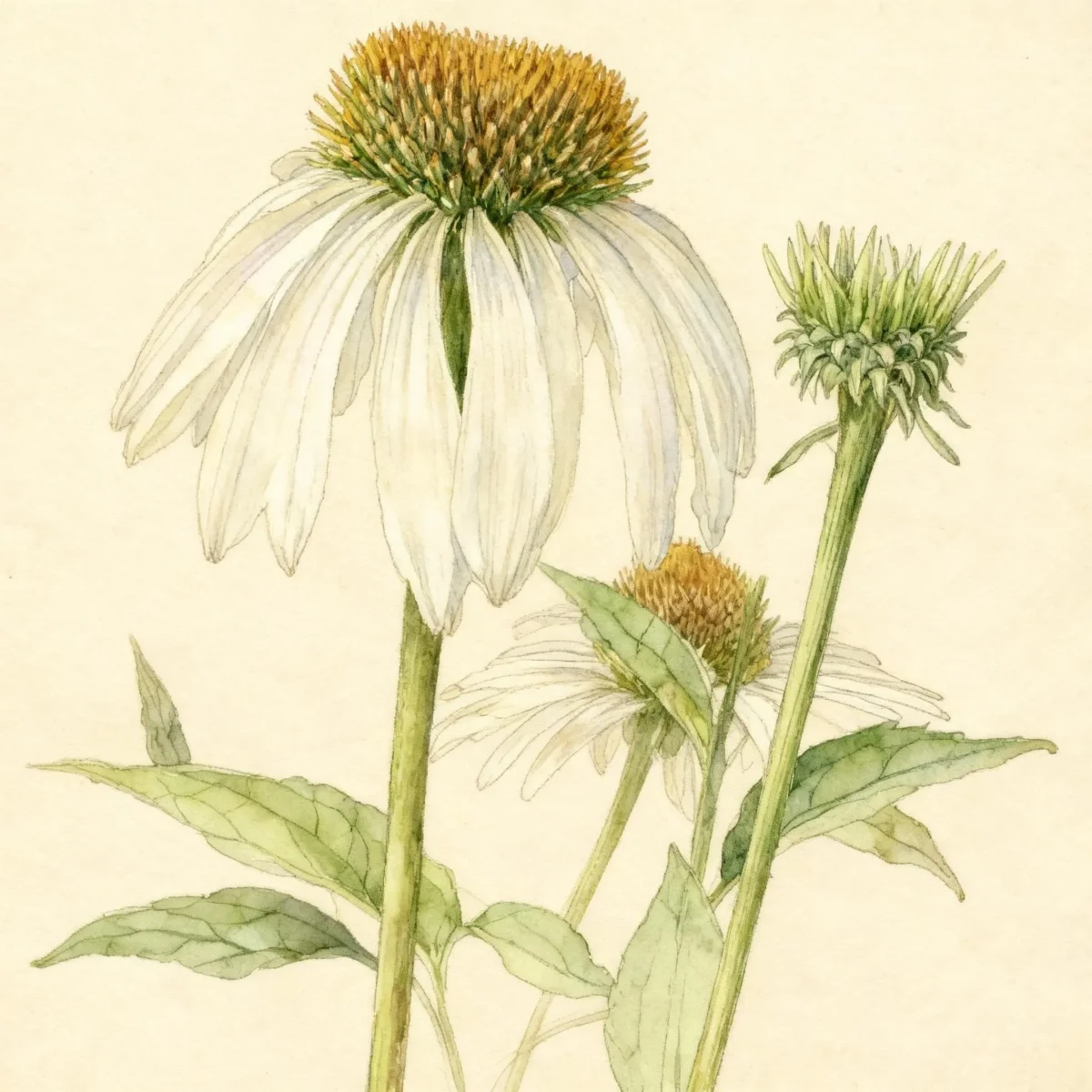
Purple coneflower (Echinacea purpurea 'Vintage Wine')
Echinacea purpurea 'Vintage Wine' boasts showy, red-purple flowers from June to August, offering low maintenance and drought tolerance for gardeners.
Scroll down to discover growing tips, care requirements, companion plants, and more
Complete Plant Information
Overview
Echinacea purpurea ‘Vintage Wine’ is a highly valued cultivar of the classic Purple coneflower, recognized for its robust constitution and striking late-season floral display. This herbaceous perennial stands out with daisy-like flowers featuring deep red-purple ray flowers that extend horizontally, unlike some older varieties, atop stiff, upright stems. Its adaptability makes it a cornerstone plant in perennial borders, thriving even through periods of heat and drought once established.
The appeal of this specific selection, Echinacea purpurea ‘Vintage Wine’, lies in its long bloom period spanning mid-summer, offering rich color when many spring bloomers fade. Furthermore, the stiff structure of the plant and the remaining seed heads provide excellent visual interest long after the last bloom, sometimes attracting winter birds. For gardeners seeking reliable structure and minimal fuss, the Purple coneflower stands as an excellent choice.
Fast Facts
- Plant Family: Asteraceae
- Plant Type: Herbaceous perennial
- Hardiness Zones: USDA Zones 3-8
- Size at Maturity:
- Height: 2-3 ft
- Spread: 1.5-2.5 ft
- Bloom Time: June to August
- Bloom Description: Red-purple rays and dark red-tipped disks
- Sun Exposure: Full sun to part shade
- Water Needs: Dry to medium
- Maintenance Level: Low
How to Grow
Plant Echinacea purpurea ‘Vintage Wine’ in the spring or fall after the danger of hard frost has passed, ensuring it receives well-drained soil. While adaptable, it performs best when situated in full sun, though part shade is tolerated. This plant handles average soils well, needing only basic fertility to flourish throughout its long life.
Due to its excellent drought tolerance, this Purple coneflower cultivar usually requires supplementary watering only during extended dry spells, especially when first establishing its root system. Fertilization is rarely necessary; over-fertilizing can lead to floppy stems. Deadheading spent flowers is optional; while prompt removal improves general appearance and can encourage repeat blooming, leaving some seed heads provides late-season structure and feeds visiting birds.
Clumps of Echinacea purpurea ‘Vintage Wine’ benefit from division approximately every four years when they become overcrowded. This practice helps maintain vigor and ensures strong flowering performance year after year. Minimal winter pruning is required; cut back the dead stems in early spring before new growth begins.
Landscape Uses
The vibrant color and reliable structure of Echinacea purpurea ‘Vintage Wine’ lend themselves perfectly to mass plantings within borders, meadows, or naturalized areas. Its upright habit provides essential vertical accents throughout the summer landscape when incorporated alongside shorter, mounding perennials. This adaptable Purple coneflower naturally integrates into wildflower gardens, offering continuous color from June through August.
Consider planting Echinacea purpurea ‘Vintage Wine’ alongside sun-loving companions such as Rudbeckia (black-eyed Susans), as suggested, or perhaps ornamental grasses for textural contrast. It excels near woodland edges where it receives afternoon shade, transitioning beautifully into a woodland garden setting. The strong form of this cultivar also makes it a good candidate for anchoring the middle of mixed perennial beds.
Standout Features
Flower Qualities
- Showy
- Fragrant
Noteworthy Characteristics
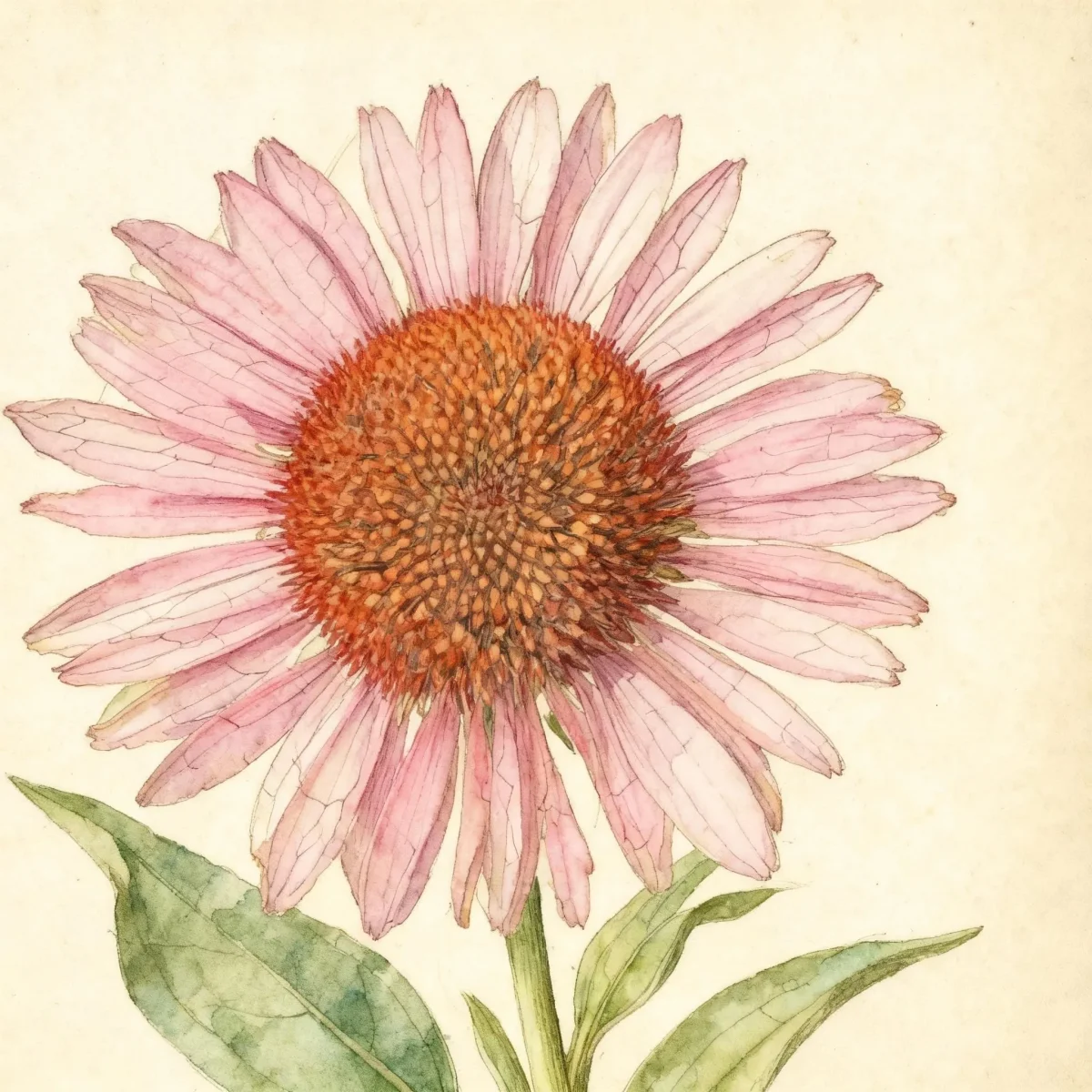
Echinacea purpurea, commonly called purple coneflower, is a coarse, rough-hairy, herbaceous perennial that is native to moist prairies, meadows and open woods of the central to southeastern United States. Showy daisy-like purple coneflowers (to 5” diameter) bloom throughout summer atop stiff stems clad with coarse, dark green leaves. The cultivar ‘Vintage Wine’ is noted for its upright plant habit, long bloom period and daisy-like flowers that feature red-purple ray flowers and dark red-tipped disk flowers, with rays extending horizontally rather than drooping.
Tolerances
- Deer
- Drought
- Clay Soil
- Dry Soil
- Shallow-Rocky Soil
Potential Problems
Occasional aesthetic issues may arise from pests such as the Japanese beetle or fungal concerns like leaf spot. More seriously, this plant is susceptible to aster yellows disease, which causes distorted, sterile growth. Management focuses on good cultural practices; avoid overcrowding to improve air circulation, which helps minimize leaf spot. Monitoring for pests and promptly removing affected foliage is key to keeping your Echinacea purpurea ‘Vintage Wine’ vigorous.
Frequently Asked Questions
What hardiness zones is Purple coneflower suitable for?
Echinacea purpurea ‘Vintage Wine’ is suitable for robust growth in USDA Zones 3 through 8, offering reliability across a wide temperature range.
How large does Purple coneflower grow?
This cultivar typically reaches a mature height between 2 and 3 feet, with a spread ranging from 1.5 to 2.5 feet, forming an appealing upright clump.
When does Echinacea purpurea ‘Vintage Wine’ bloom?
This beloved perennial produces its distinctive red-purple flowers from June well into August, ensuring a reliable mid to late-summer color show.
What sun exposure does Echinacea purpurea ‘Vintage Wine’ need?
For the best flowering results and strongest structure, this plant prefers full sun, though it can tolerate partial shade, especially in hotter climates.
Conclusion
The Echinacea purpurea ‘Vintage Wine’ is a stellar addition to almost any garden space, delivering sustained beauty, excellent drought tolerance, and low maintenance needs. Its upright habit and striking red-purple blooms solidify its role as a garden favorite. Before planting, confirm that your USDA Zone falls between 3 and 8 and select a location that maximizes its sun exposure for the most spectacular display of this Purple coneflower variety.
Companion Planting
Purple coneflowers thrive alongside other sun-loving, drought-tolerant perennials, which makes planning a cohesive, low-water border straightforward. Excellent partners include many coneflowers’ native prairie companions, such as Russian Sage (Perovskia atriplicifolia), which mirrors its dry soil tolerance and offers plumes of contrasting silver-blue color against the deep red-purple disks of Echinacea purpurea ‘Vintage Wine’.
Other complementary choices involve ornamental grasses like Little Bluestem (Schizachyrium scoparium), providing fine texture that contrasts beautifully with the coarse leaves of the coneflower. Planting these together not only creates visual harmony but also builds a garden ecosystem that requires minimal intervention once established, capitalizing on the native resilience of the plants.
Wildlife Benefits
The flower heads of Echinacea purpurea ‘Vintage Wine’ offer significant value to local wildlife, especially as the season winds down. After the ray petals drop, the prominent dark seed cones become a vital food source. Goldfinches, in particular, are frequently observed visiting these lingering structures throughout the fall and early winter months to feed on the nutritious seeds.
Furthermore, during the bloom period of June to August, the open, accessible flower structure provides an excellent landing pad for numerous pollinators. Bees, butterflies, and beneficial wasps are readily attracted to the nectar-rich disks of the Purple coneflower, making it a crucial component for supporting local insect biodiversity in your yard.