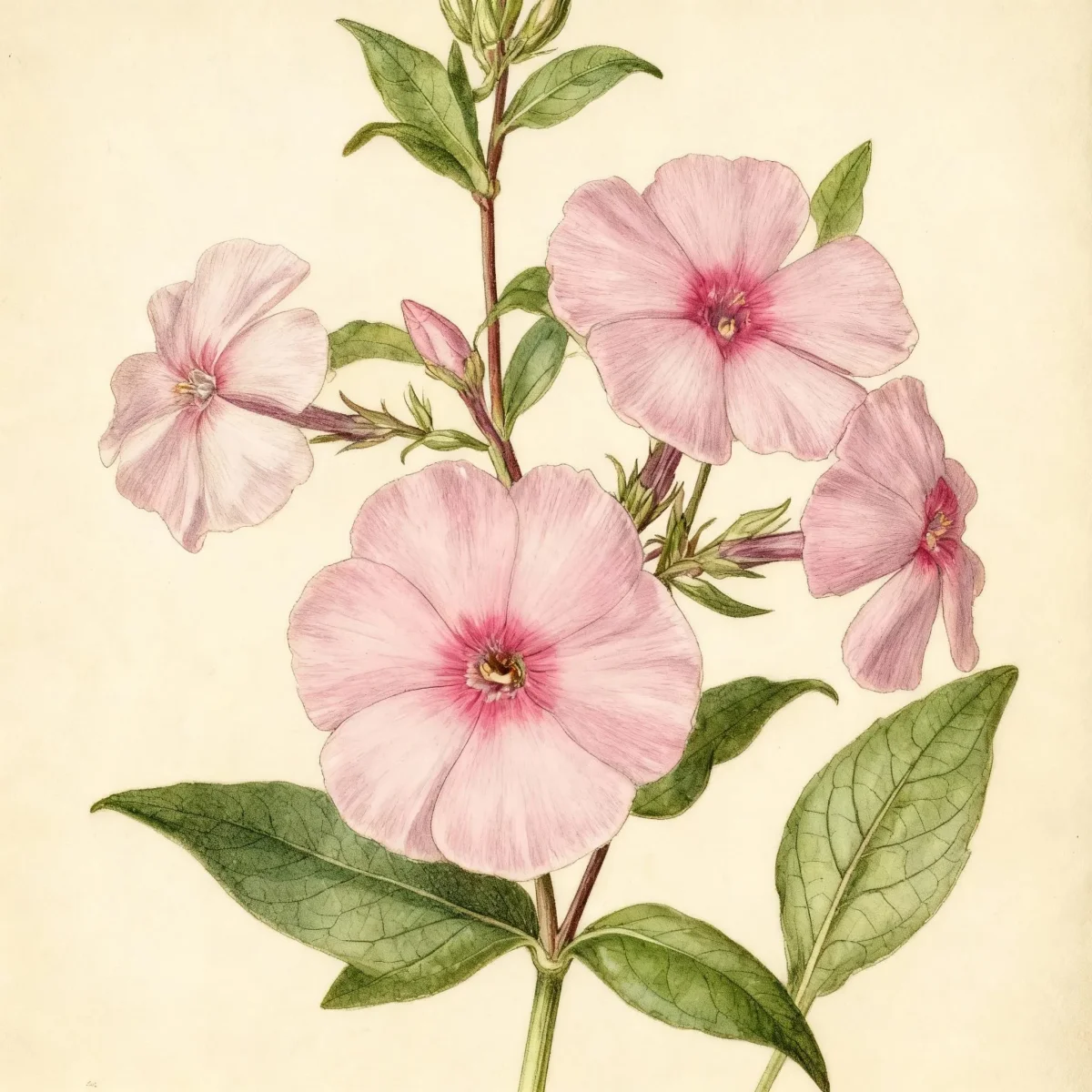
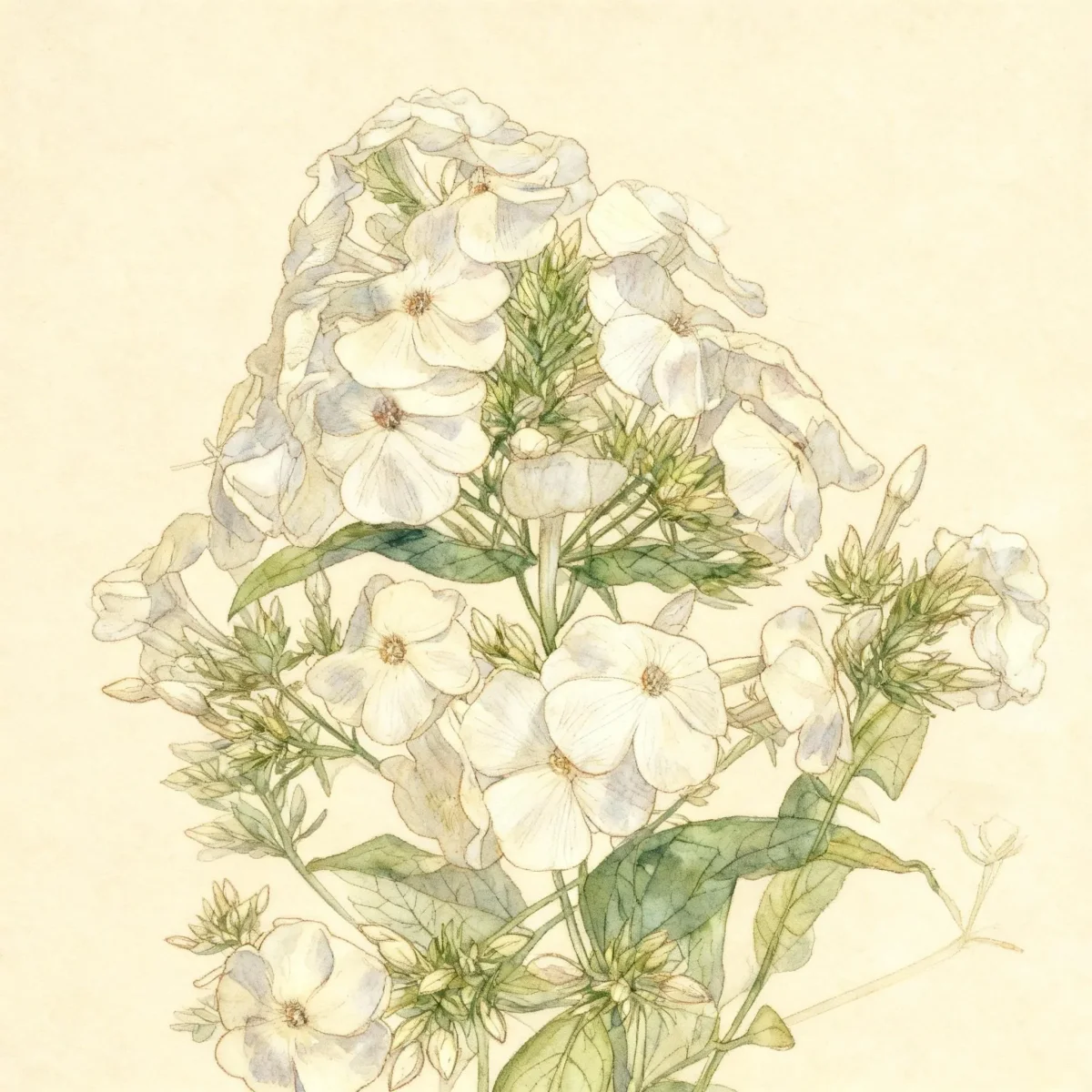
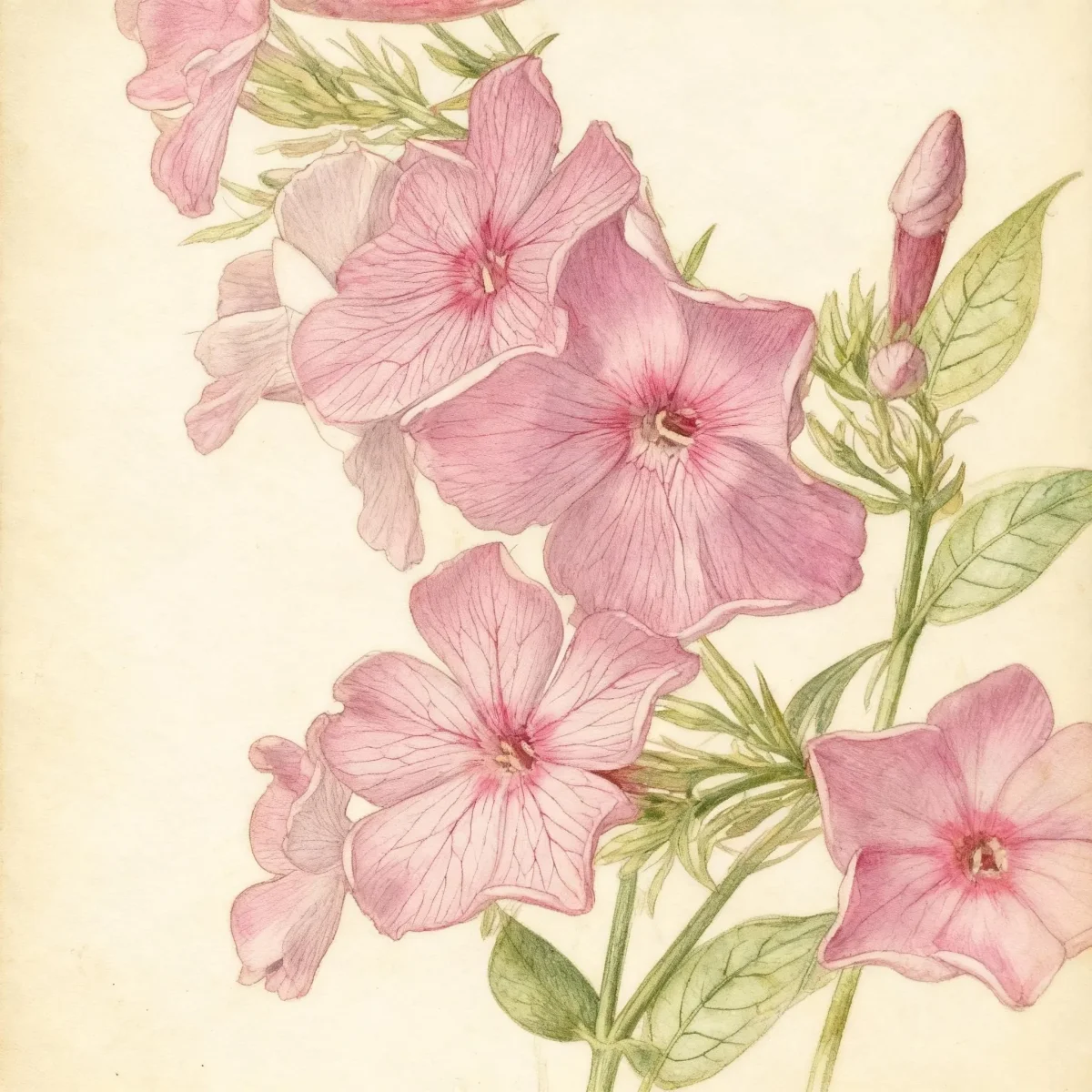
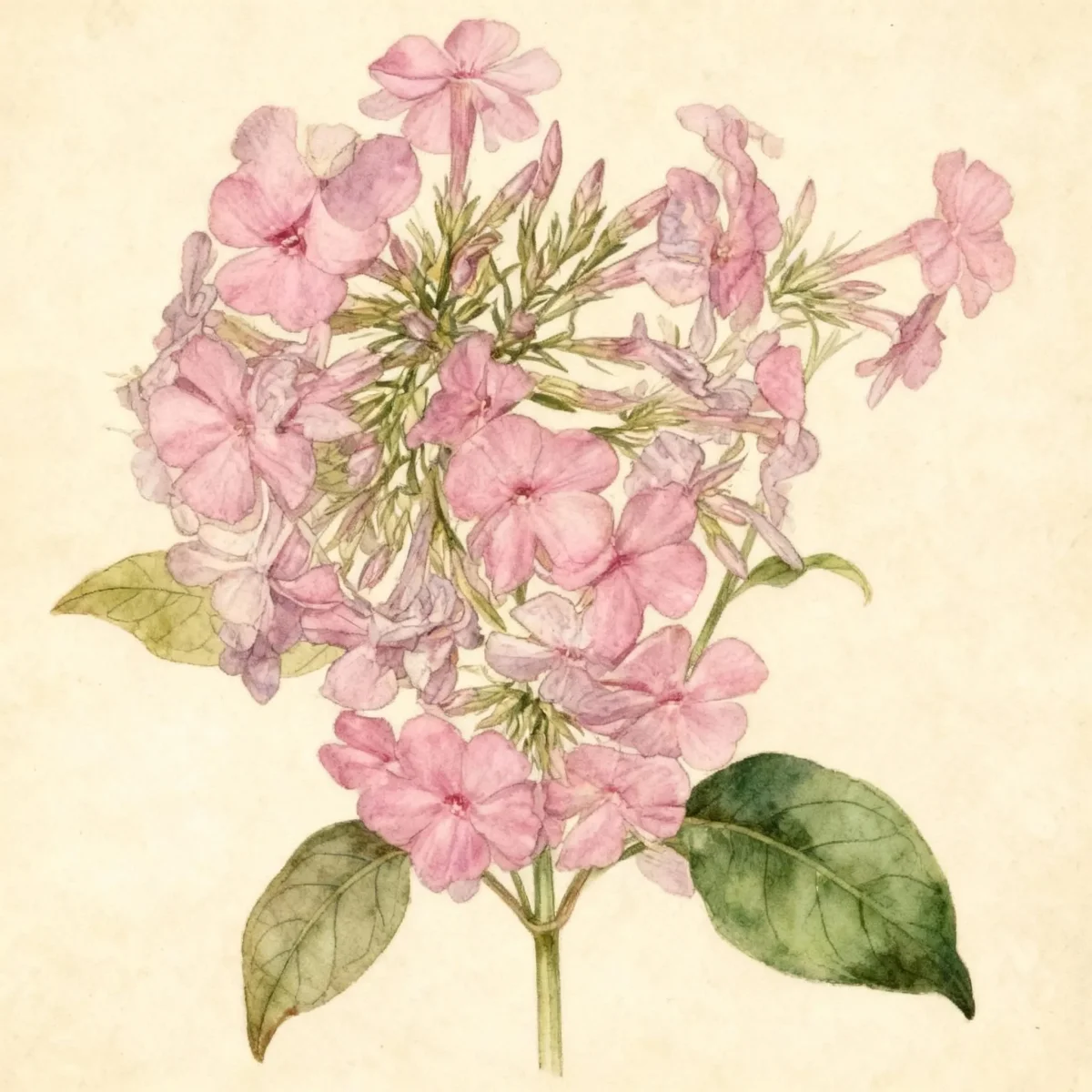
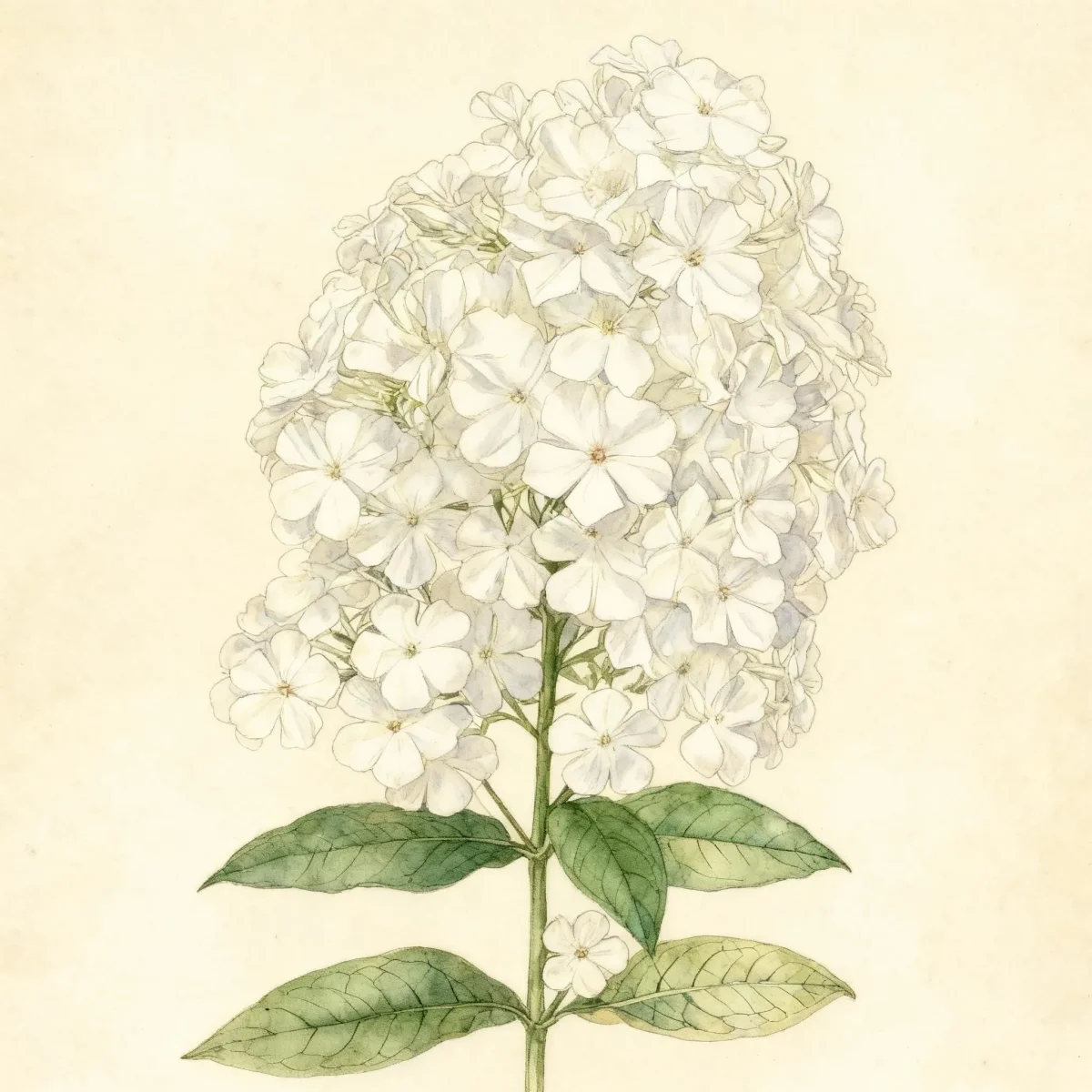
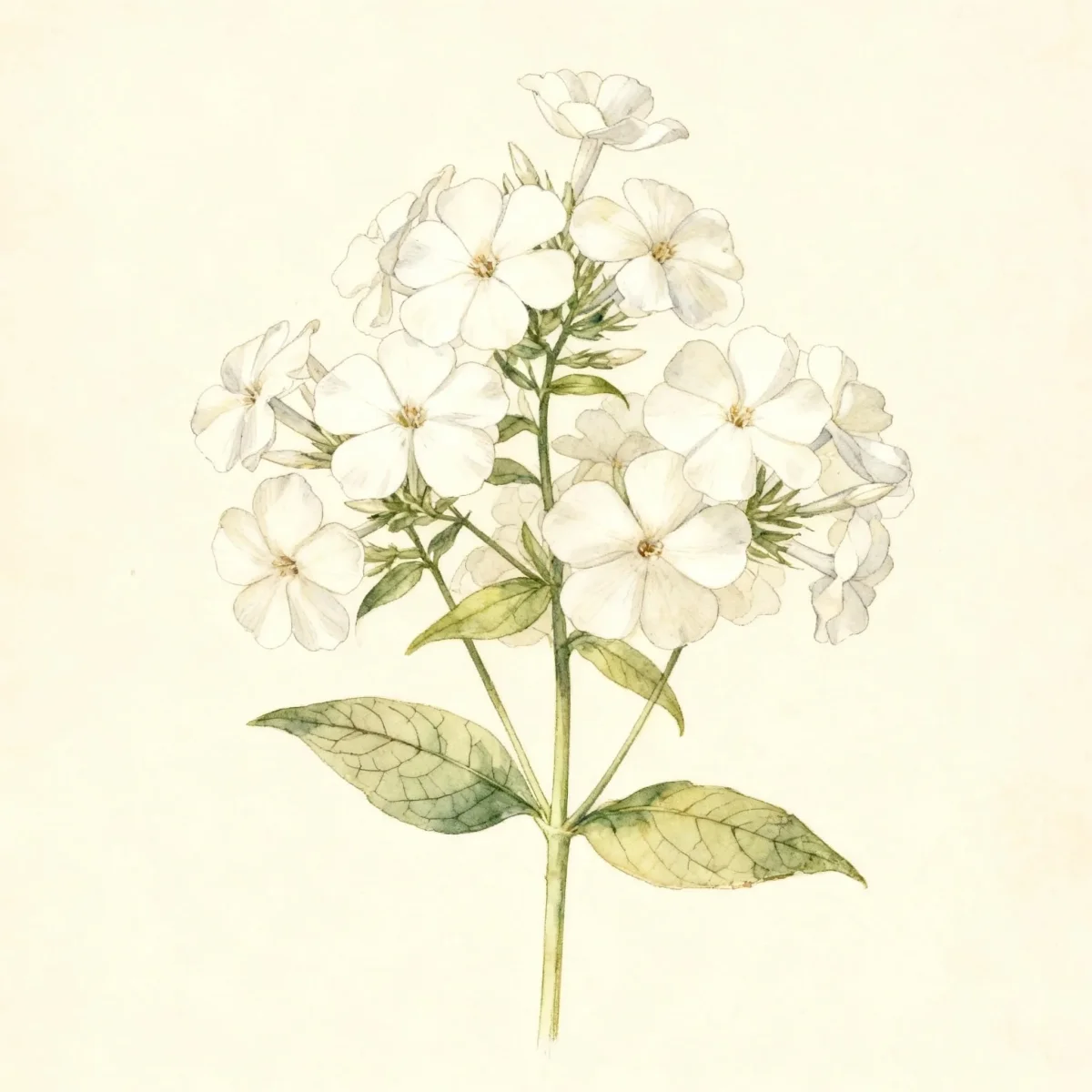
Garden phlox (Phlox paniculata 'Empty Feelings')
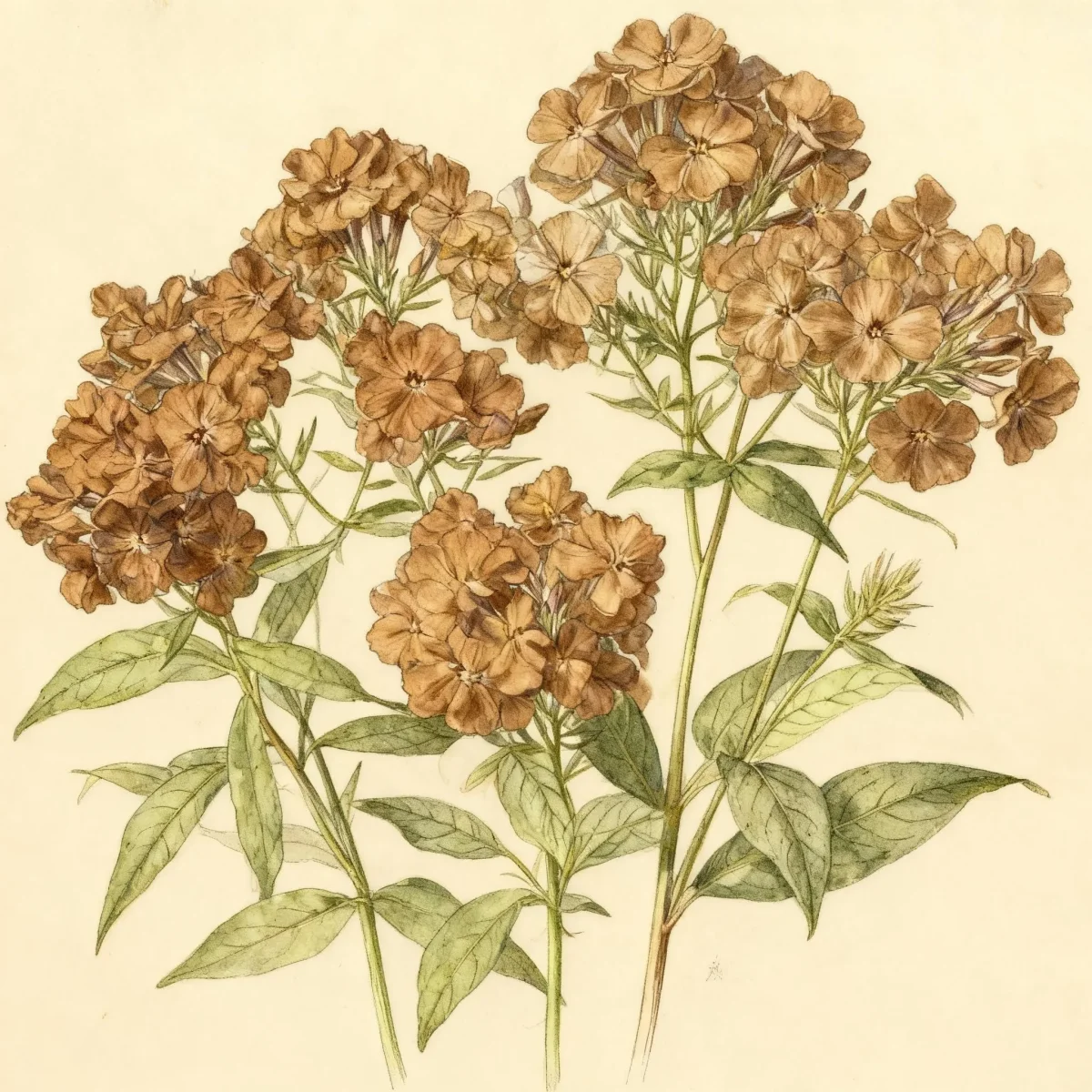
Phlox paniculata 'Empty Feelings' is an unusual Garden phlox cultivar noted for its golden brown bracts, growing 2-2.5 ft tall in zones 4-8.
Scroll down to discover growing tips, care requirements, companion plants, and more
Complete Plant Information
Overview
Phlox paniculata ‘Empty Feelings’ offers a truly unique textural element to the perennial garden, deviating significantly from the typical brightly colored Garden phlox varieties. This unusual cultivar produces branching terminal panicles filled with clusters of golden brown, bract-like structures rather than standard flowers, providing interest from mid-summer through early fall. It maintains the upright, conical habit characteristic of its parent species, Phlox paniculata, reaching heights usually between 2 and 2.5 feet.
As a type of Garden phlox, it requires attentive care, particularly concerning air circulation, but its resistance to typical garden dramas involving standard flower colors makes it a worthwhile specimen plant. Butterflies and hummingbirds are often drawn to traditional phlox flowers, and while the bloom structure is different for Phlox paniculata ‘Empty Feelings’, its steady presence and deep green foliage provide excellent structure in the border.
Gardeners should place this perennial where its unique golden brown panicles can be observed up close. It thrives in moderately fertile, medium-moisture soils and benefits greatly from full sun exposure, though it tolerates light shade. Successful growth hinges on providing adequate space and good air movement to mitigate common phlox diseases.
Fast Facts
- Plant Family: Polemoniaceae
- Plant Type: Herbaceous perennial
- Hardiness Zones: USDA Zones 4-8
- Size at Maturity:
- Height: 2-2.5 ft
- Spread: 1.5-2 ft
- Bloom Time: July to September
- Bloom Description: Golden brown
- Sun Exposure: Full sun to part shade
- Water Needs: Medium
- Maintenance Level: Medium
How to Grow
Plant Garden phlox in the spring or fall in rich, moist, well-drained soil. Full sun location is preferred for the best performance, although Phlox paniculata ‘Empty Feelings’ can manage with light afternoon shade, particularly in hotter climates. These plants appreciate climates with milder summers, struggling somewhat in intense heat and humidity common in some regions.
Ensure good air circulation around the clumps; spacing plants adequately and thinning out older stems as needed are proactive measures against powdery mildew. While Phlox paniculata ‘Empty Feelings’ is intolerant of drought, water during dry spells, being careful to avoid overhead watering which wets the foliage excessively. Apply a summer mulch to help keep the root zone cool and conserve moisture.
Deadheading the faded panicles is generally not necessary for this specific cultivar to prolong bloom, as its interest lies in the bracts, but removing faded flowers on standard phlox prevents unwanted seeding. Prepare for winter by cutting the entire plant down to the ground after frost. Thoroughly clean up all plant debris from the area to minimize the overwintering spores of powdery mildew, ensuring a cleaner start next season for your Garden phlox.
Landscape Uses
Garden phlox serves as a backbone plant in the perennial border, providing dependable mid- to late-summer vertical presence. Standard forms are excellent for attracting hummingbirds and mixing with complementary colors like yellow and deep purple perennials to create dynamic summer displays. Because Phlox paniculata ‘Empty Feelings’ possesses such an unusual texture, it functions exceptionally well as an architectural accent rather than a mass-planting filler.
Use this cultivar near the middle of the border where its unique form is visible without being completely isolated. It pairs well texturally with grasses or plants that have smaller, more delicate foliage, allowing the large, pointed leaves and terminal bronze structures of Phlox paniculata ‘Empty Feelings’ to stand out. Good companions might include plants with similar moisture needs that bloom slightly earlier or later, thus extending the season of interest in the planting pocket.
Standout Features
Flower Qualities
- Showy
Noteworthy Characteristics
Phlox paniculata, commonly known as garden phlox, is native from New York to Iowa south to Georgia, Mississippi and Arkansas. It has escaped gardens and naturalized into areas beyond its original native range. This is an upright perennial that grows in a clump to 2-4’ tall and to 2-3’ wide on stiff stems clad with conspicuously veined, opposite, pointed, elliptic, deep green leaves. ‘Empty Feelings’ is a garden phlox cultivar that does not generate typical phlox flowers, but instead produces branching terminal panicles with numerous clusters of golden brown bract-like structures that appear from July to September. This unusual plant is a naturally occurring mutation of P. Paniculata ‘Popeye’.
Tolerances
- Deer
- Clay Soil
- Black Walnut
Potential Problems
Phlox is not always an easy plant to grow well; disease and pests can pose significant challenges to Garden phlox. Powdery mildew is perhaps the most common issue, manifesting as a grayish-white film on the leaves, which is exacerbated by high humidity and poor air circulation. To manage mildew, ensure proper spacing, water at the base, and clean up all plant material in the fall.
Pests like phlox bugs can cause distorted new growth, and spider mites become active during hot, dry periods. Root rot can occur if drainage is poor or if the plant is chronically overwatered. Taller stems on some Garden phlox varieties may require staking for support, though ‘Empty Feelings’ is noted for having relatively stiff stems.
Frequently Asked Questions
What hardiness zones is Garden phlox suitable for?
Phlox paniculata ‘Empty Feelings’ is suitable for USDA Zones 4 through 8.
How large does Phlox paniculata ‘Empty Feelings’ grow?
This upright perennial typically reaches a mature height between 2 and 2.5 feet, with a spread of 1.5 to 2 feet.
When does Garden phlox bloom?
Phlox paniculata ‘Empty Feelings’ presents its unique golden brown structures from July through September.
What sun exposure does Phlox paniculata ‘Empty Feelings’ need?
It performs best in full sun exposure but will tolerate conditions ranging from full sun to part shade.
Conclusion
The unusual, textural interest provided by the golden brown panicles makes Phlox paniculata ‘Empty Feelings’ a valuable specimen for gardeners looking beyond traditional blooms. This unique form of Garden phlox rewards proper placement and cultural care, especially regarding moisture and air movement. Before planting, confirm that your site falls within USDA Zones 4-8 and plan for good soil drainage.
Companion Planting
Choosing appropriate neighbors is crucial for managing the moisture needs and combating the potential mildew issues associated with Garden phlox. Select companions that also appreciate medium-moisture, rich soil and prefer full sun or light, dappled shade, such as Astilbe (in shadier spots), Baptisia, or Nepeta (Catmint). Avoid pairing it directly against dense, low-mounding plants that might impede necessary air circulation around the base of the Phlox paniculata ‘Empty Feelings’ stems.
Wildlife Benefits
While the visual display of Phlox paniculata ‘Empty Feelings’ is different, the genus Phlox is highly regarded for its support of local ecosystems. Traditional Garden phlox flowers are significant nectar sources for butterflies and hummingbirds. Even with its altered structure, the presence of this cultivar contributes to the overall habitat structure in your border, drawing beneficial insects with its foliage and steady late-season presence.