Lamb's ears (Stachys byzantina 'Striped Phantom')
Discover Stachys byzantina 'Striped Phantom' (Lamb's ears), treasured for its soft, variegated silver-gray foliage and drought tolerance.
Scroll down to discover growing tips, care requirements, companion plants, and more
Complete Plant Information
Overview
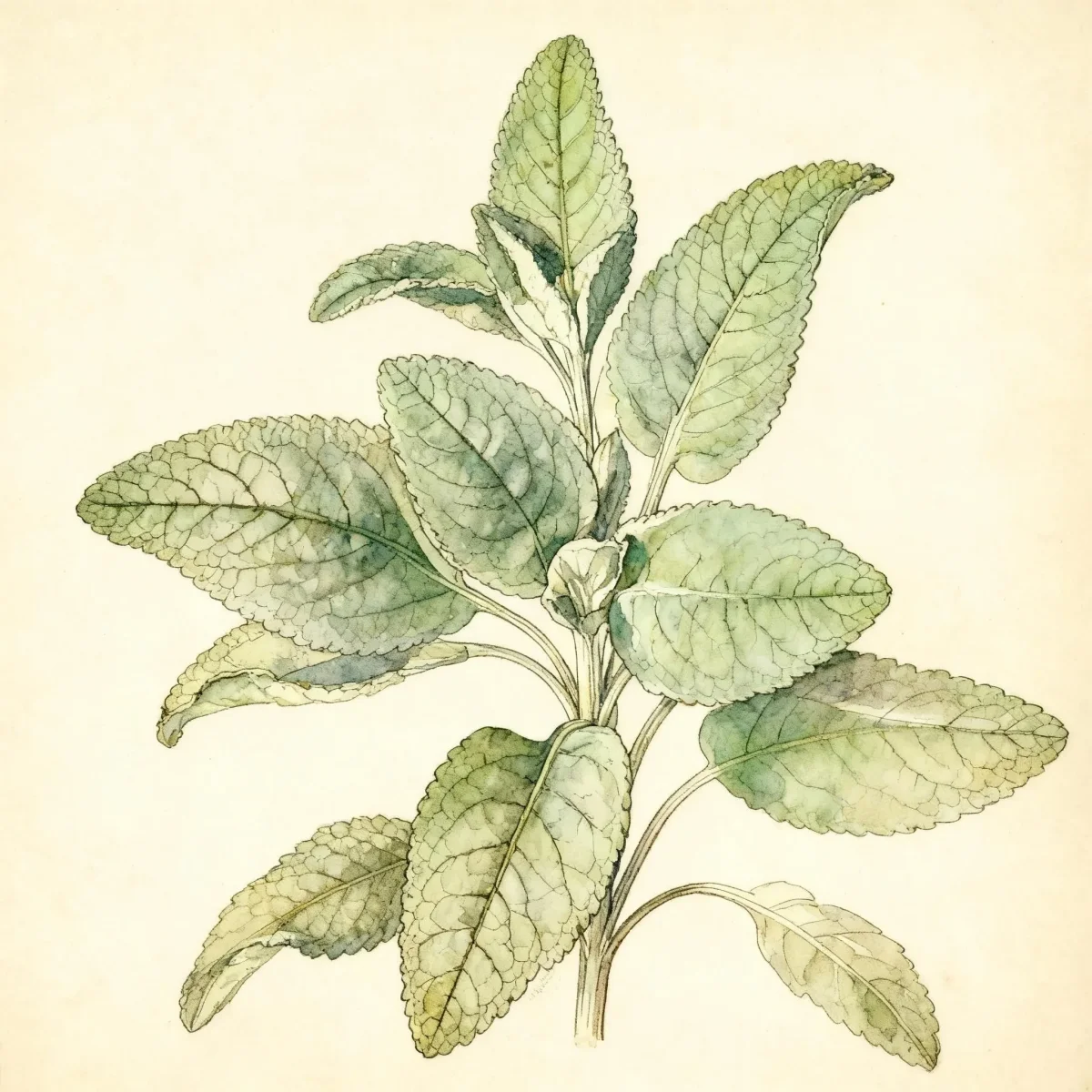
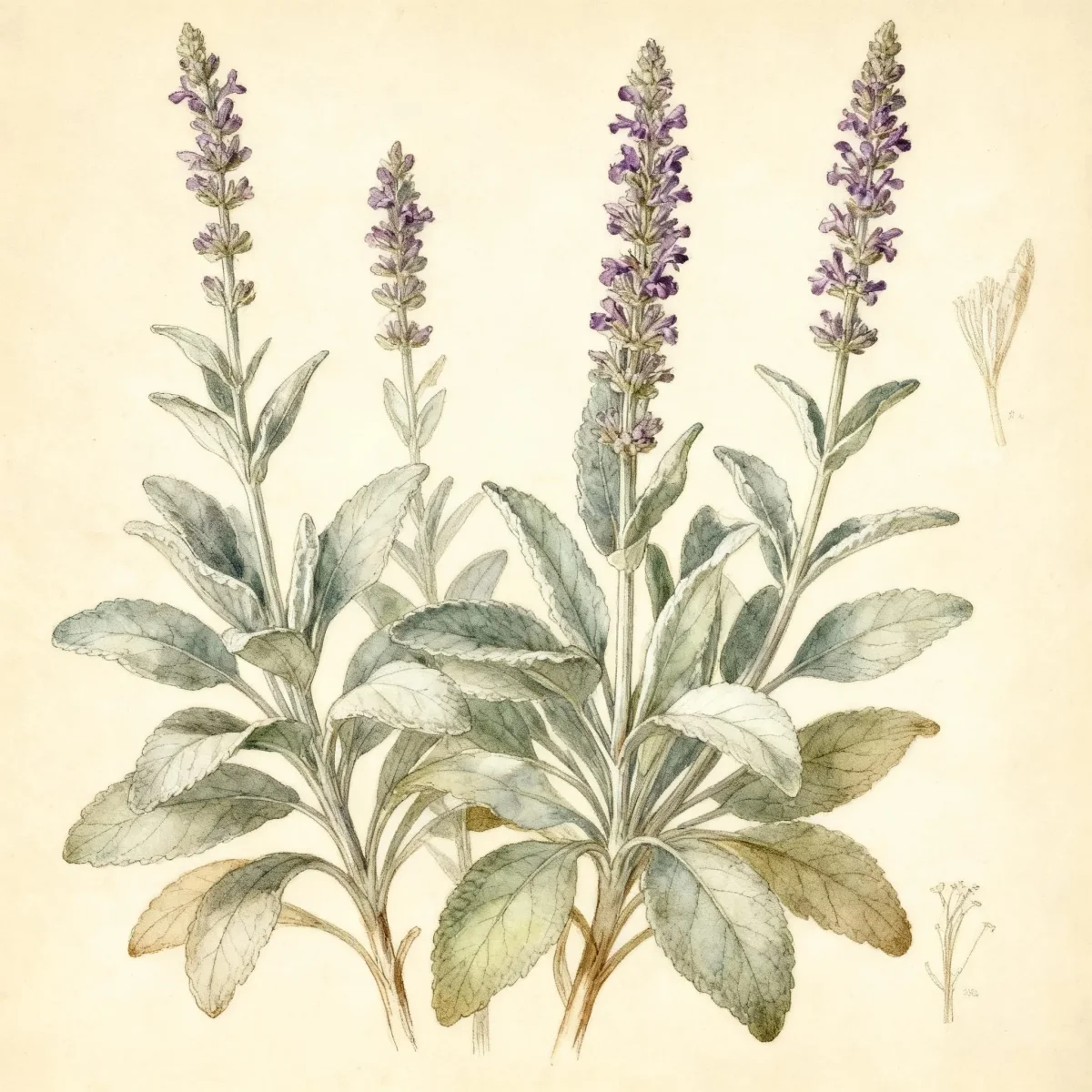
Stachys byzantina ‘Striped Phantom’ is a standout herbaceous perennial, sought after primarily for its exceptional foliage texture and unique variegation. This variety of Lamb’s ears forms dense, spreading mats of thick, soft, velvety leaves, offering a superb contrast against finer-textured plants in the garden. Its defining feature is the silvery-gray leaves presenting irregular creamy patches in the center, making it a dynamic ground cover.
Growing easily in average, well-drained soil under full sun conditions, Stachys byzantina ‘Striped Phantom’ provides reliable, low-maintenance coverage. While it is incredibly drought-tolerant once established, gardeners must manage moisture carefully, especially in humid climates, as the woolly leaves can encourage fungal issues if constantly wet.
The primary appeal remains textural and color-based rather than floral; the fuzzy leaves resemble a lamb’s ear, earning its common name. Deploying this plant effectively enhances borders and rock gardens, providing year-round interest where hardiness zones permit evergreen status.
Fast Facts
- Plant Family: Lamiaceae
- Plant Type: Herbaceous perennial
- Hardiness Zones: USDA Zones 4-9
- Size at Maturity:
- Height: 0.5-1 ft
- Spread: 1-2 ft
- Bloom Time: May to July
- Bloom Description: Purple
- Sun Exposure: Full sun
- Water Needs: Dry to medium
- Maintenance Level: Low
How to Grow
Start establishing Stachys byzantina ‘Striped Phantom’ in the spring or fall, ensuring the site offers full sun exposure. This Lamb’s ears thrives in dry to medium, well-drained soils; soil drainage is the single most critical element for its long-term health. In excessively hot summer locations, providing slight afternoon shade can prevent leaf scorch, though too much shade will encourage trapped moisture and subsequent leaf disease.
Maintenance for this variety is generally low, reflecting its drought tolerance. It rarely requires supplemental fertilization; rather, focus on avoiding overwatering, which is the most common cultural error leading to potential rot problems. If leaves decline mid-season, simply shear off the damaged foliage to refresh the mat of handsome leaves.
Stachys byzantina ‘Striped Phantom’ spreads effectively via creeping stems that root along the ground, making it an excellent, though potentially assertive, ground cover. Space starter plants 12 to 18 inches apart when installing them as a carpet. To maintain a dense, purely leafy ground cover effect, many gardeners choose to remove the upright flowering stems before they fully develop their small purple blooms.
Landscape Uses
The dense, softly textured foliage of Stachys byzantina ‘Striped Phantom’ makes it a superb textural element across various landscape designs. It functions beautifully as an effective edger along pathways where its low, spreading habit clearly defines boundaries without being obstructive. Its heat and drought tolerance make it ideal for naturalizing areas or softening the edges of gravel paths and rock gardens.
Consider planting this striking Lamb’s ears alongside plants that offer fine textures or deep, contrasting colors, such as dark green ferns or upright ornamental grasses. The variegated silver-gray and cream tone of ‘Striped Phantom’ brightens shaded corners while maintaining strong structure throughout the warm season. Due to its rapid spreading nature, use it intentionally where it can colonize an area or be checked by hardscaping.
Standout Features
Flower Qualities
- Showy
Noteworthy Characteristics
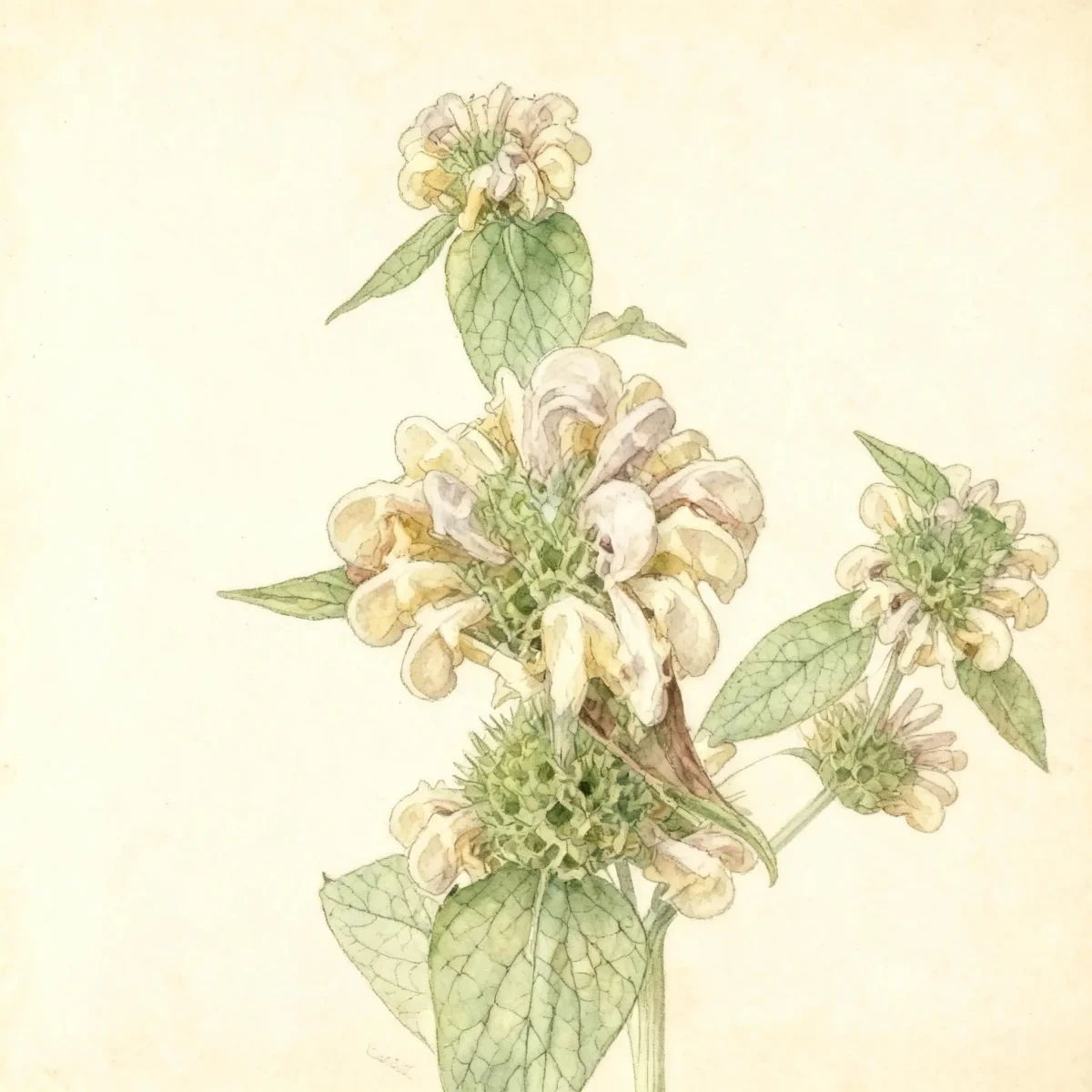
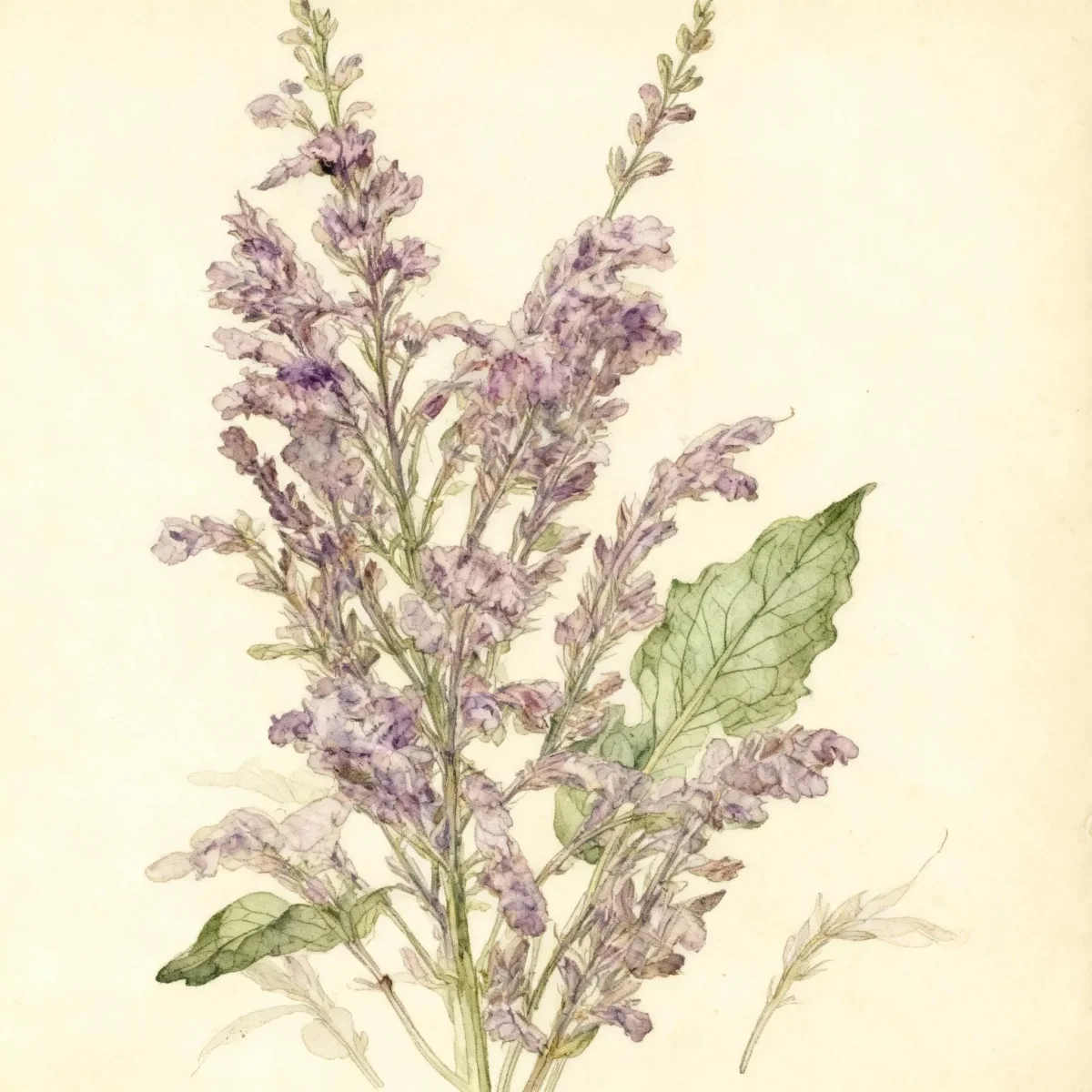
Stachys byzantina, known as lamb’s ears, is grown primarily for its thick, soft, velvety, silver-gray leaves which typically form a rapidly spreading mat approximately 4-6” off the ground. Leaves are evergreen in warm climates, but will depreciate considerably in harsh winters. Erect, small-leaved flowering stems with terminal spikes of insignificant, tiny, purplish-pink flowers appear in summer rising above the foliage to 10-15” tall. Many gardeners remove the flowering stems to enhance the ground cover effect. Dense rosettes of woolly, tongue-shaped, gray-green leaves (to 4” long) spread by runners. Leaf shape and texture resemble a lamb’s ear, hence the common name. Genus name comes from the Greek stacys meaning ear of corn in probable reference to the inflorescence of a related plant. Specific epithet means of classical Byzantium (Istanbul, Turkey). ‘Striped Phantom’ is noted for its variegated foliage which forms an attractive ground cover. Dense rosettes of thick, soft, velvety, silvery-gray leaves (to 8” long) have irregular creamy patches in the center. Leaves form a mat up to 8” off the ground. Flowering stems are uncommon. Leaf shape and texture resemble a lamb’s ear, hence the common name. Leaves are evergreen in warm climates, but will depreciate considerably in harsh winters.
Tolerances
- Rabbit
- Deer
- Drought
- Dry Soil
- Shallow-Rocky Soil
- Black Walnut
- Air Pollution
Potential Problems
The primary concern when growing any Lamb’s ears, including Stachys byzantina ‘Striped Phantom’, centers on fungal diseases exacerbated by humidity and poor air circulation. In humid summer climates, the woolly leaves trap moisture, leading to rot and unsightly leaf spot, particularly in regions like the St. Louis area. Well-drained soil is non-negotiable to mitigate these issues, although some foliage die-out during extreme humidity is still possible.
Because this plant spreads readily by rooting creeping stems, it can become mildly aggressive if planted in overly rich soils. Monitor its spread, particularly if you are using it in tight borders. If mid-season decline due to moisture stress occurs, prompt removal of the damaged leaves helps the remaining, healthier foliage maintain the established mat appearance.
Frequently Asked Questions
What hardiness zones is Lamb’s ears suitable for?
Stachys byzantina ‘Striped Phantom’ is suitable for USDA Zones 4 through 9.
How large does Stachys byzantina ‘Striped Phantom’ grow?
When fully mature, you can expect this Lamb’s ears to reach heights between 0.5 and 1 foot, spreading to cover an area between 1 and 2 feet wide.
What sun exposure does Stachys byzantina ‘Striped Phantom’ need?
This plant prefers full sun conditions to develop its best color and texture, though light afternoon shade is appreciated in the hottest summer zones.
When does Lamb’s ears bloom?
Bloom time generally occurs from May through July, featuring small, purple flowers rising above the distinctive foliage.
Conclusion
Stachys byzantina ‘Striped Phantom’ remains a premier choice for textural contrast and effortless ground coverage, thanks to its velvety, variegated silver foliage and strong drought tolerance. For gardeners seeking a low-maintenance solution that resists common pests like rabbits and deer, this specific Lamb’s ears excels. Before planting, double-check your site provides excellent soil drainage to ensure this beautiful perennial thrives throughout the growing season.
companion planting
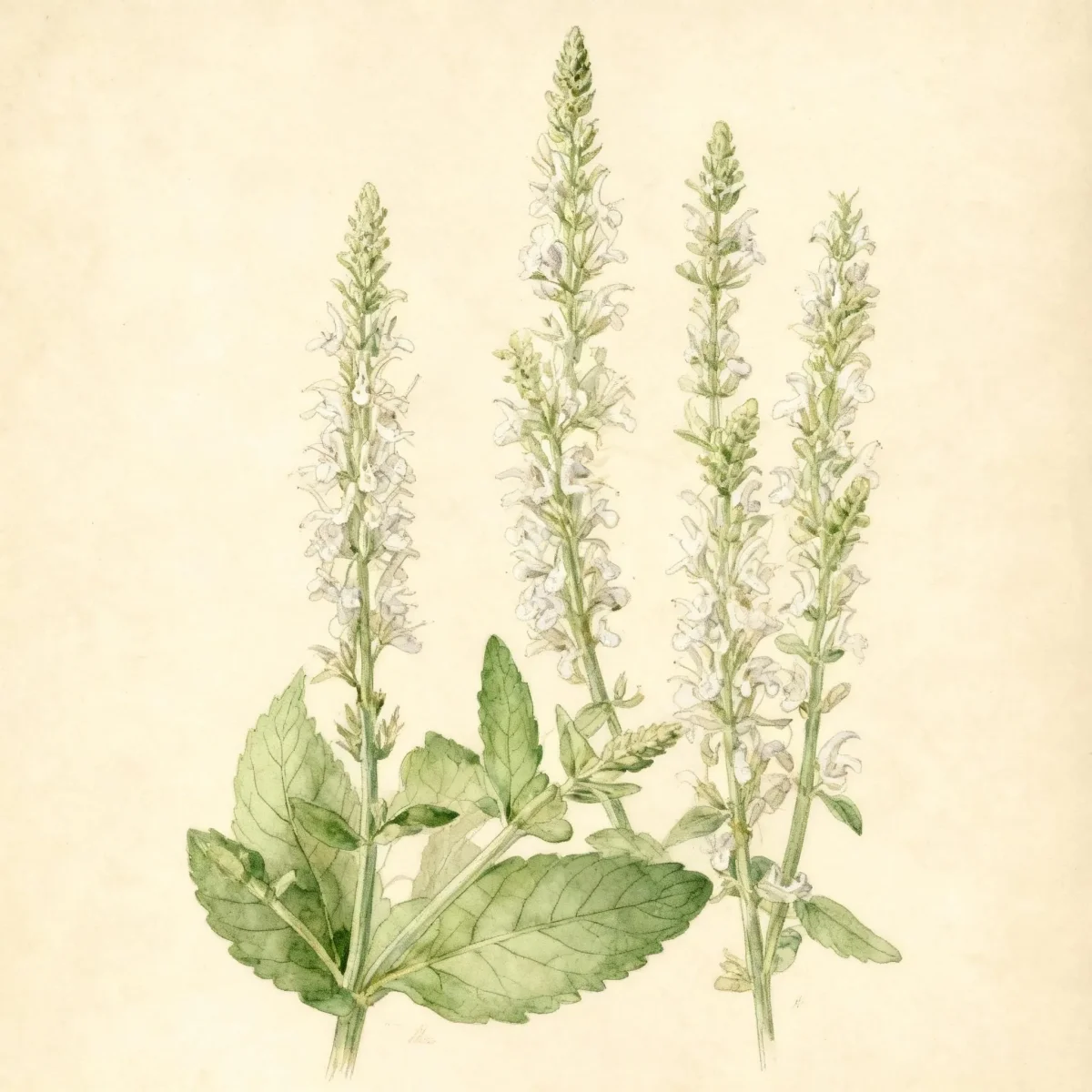
Because Stachys byzantina ‘Striped Phantom’ requires excellent drainage and dries out quickly, companion plants should share similar, low-water needs, often categorized as xeriscape choices. Plants with upright, contrasting structures work wonderfully alongside the mat-forming habit of Lamb’s ears. Consider pairing it with upright plants like Russian Sage (Perovskia atriplicifolia) or upright Salvias, which prefer similar sun and soil profiles.
Conversely, avoid pairing this variety too closely with moisture-loving perennials, such as Astilbes or Hostas, unless their roots are deeply separated. If paired with fine-textured plants like ornamental grasses that require similar sun exposure, the fuzzy texture of Stachys byzantina ‘Striped Phantom’ provides an invaluable visual counterpoint.
propagation tips
The easiest and most reliable method for increasing your collection of Lamb’s ears is through division or by rooting the creeping stems. As the stems spread across the ground, they naturally produce roots at the nodes; these rooted offsets can be carefully lifted in spring or early fall and transplanted immediately to new locations.
For division, gently lift clumps that are several years old using a sharp spade, ensuring you keep root sections intact. For Stachys byzantina ‘Striped Phantom’, aim to divide large clumps into smaller sections, each possessing a healthy crown of variegated foliage. Due to the woolly nature of the leaves, handling may leave behind fuzz, so work gently to minimize stress on the plant during this process.