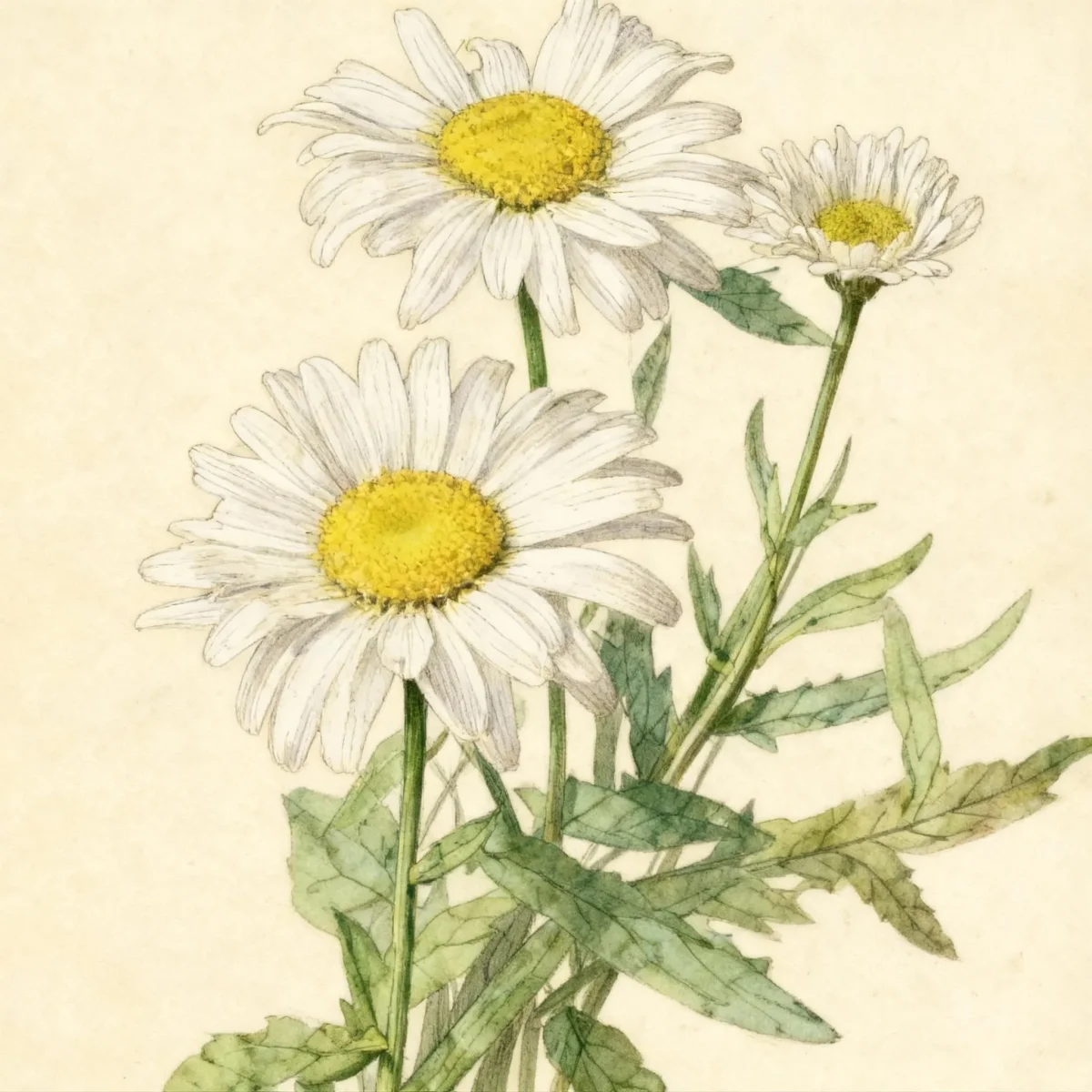
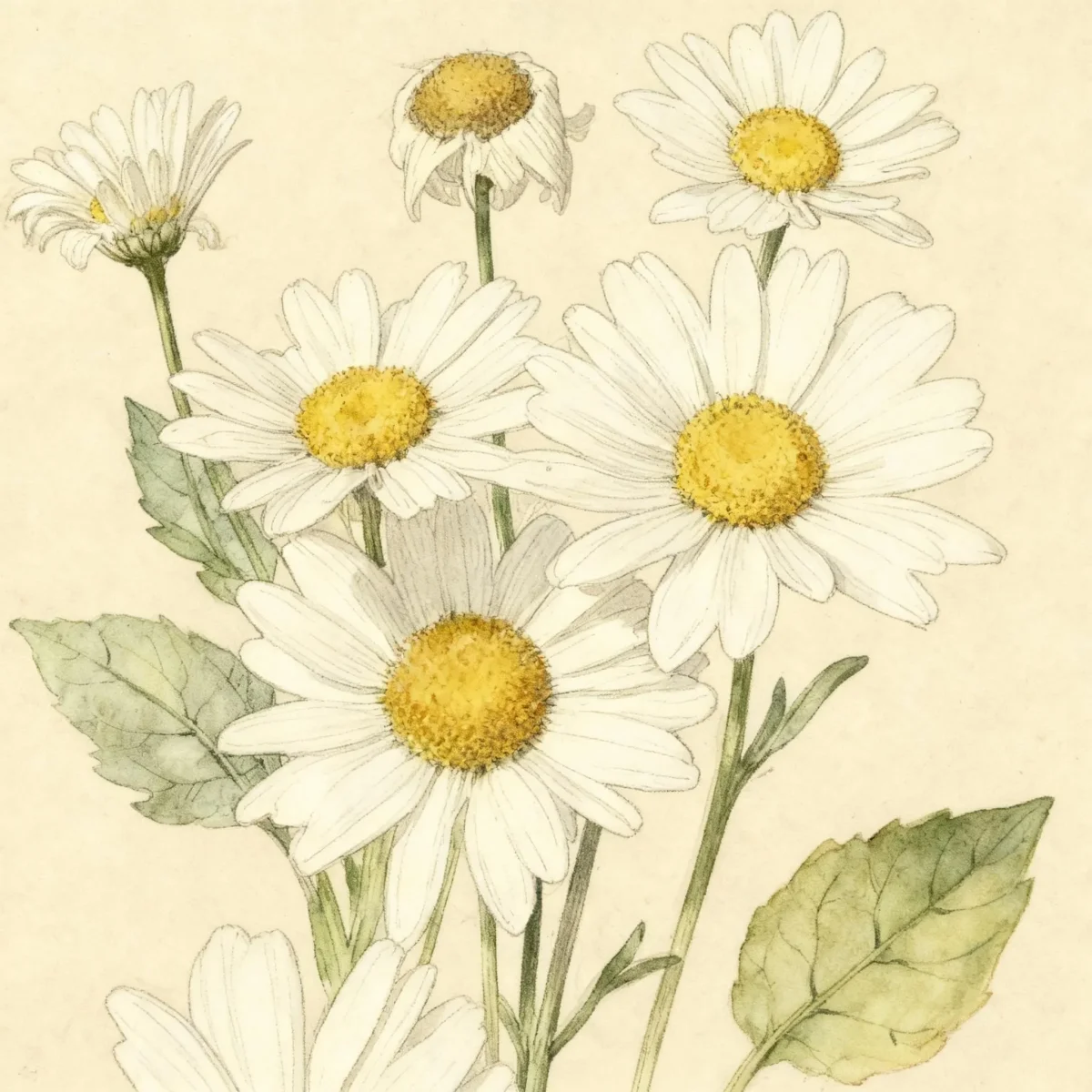
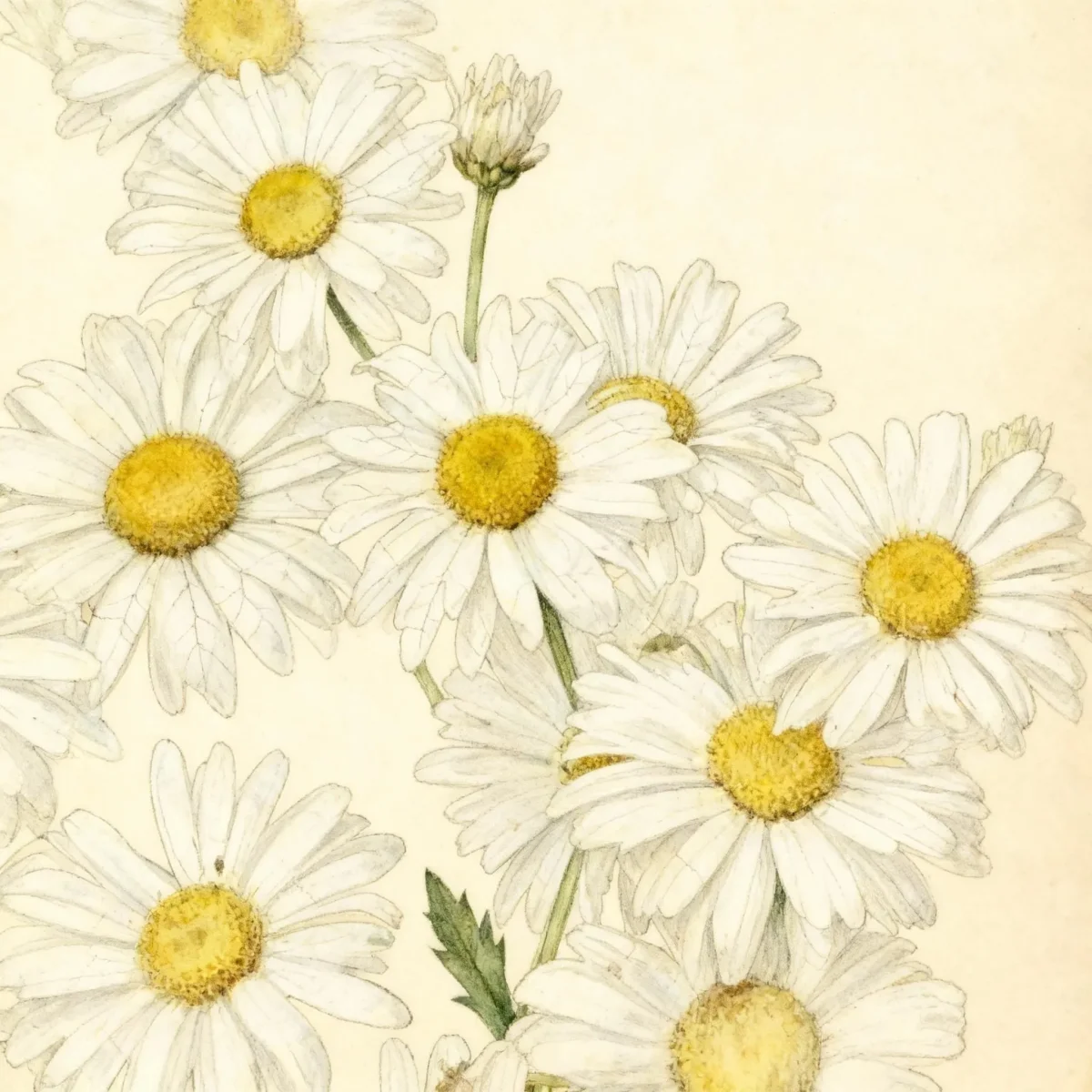
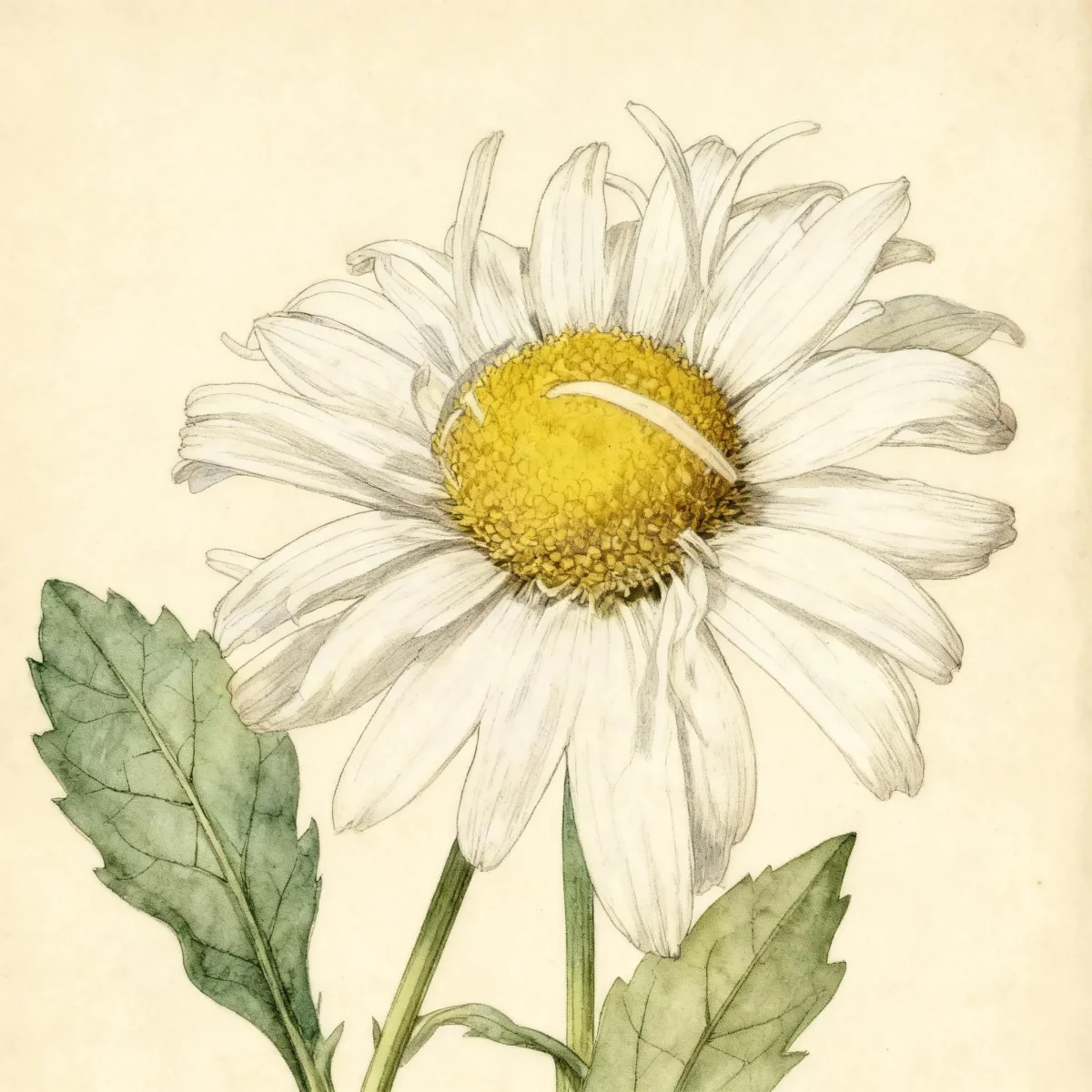
Shasta daisy (Leucanthemum × superbum 'Sonnenschein')
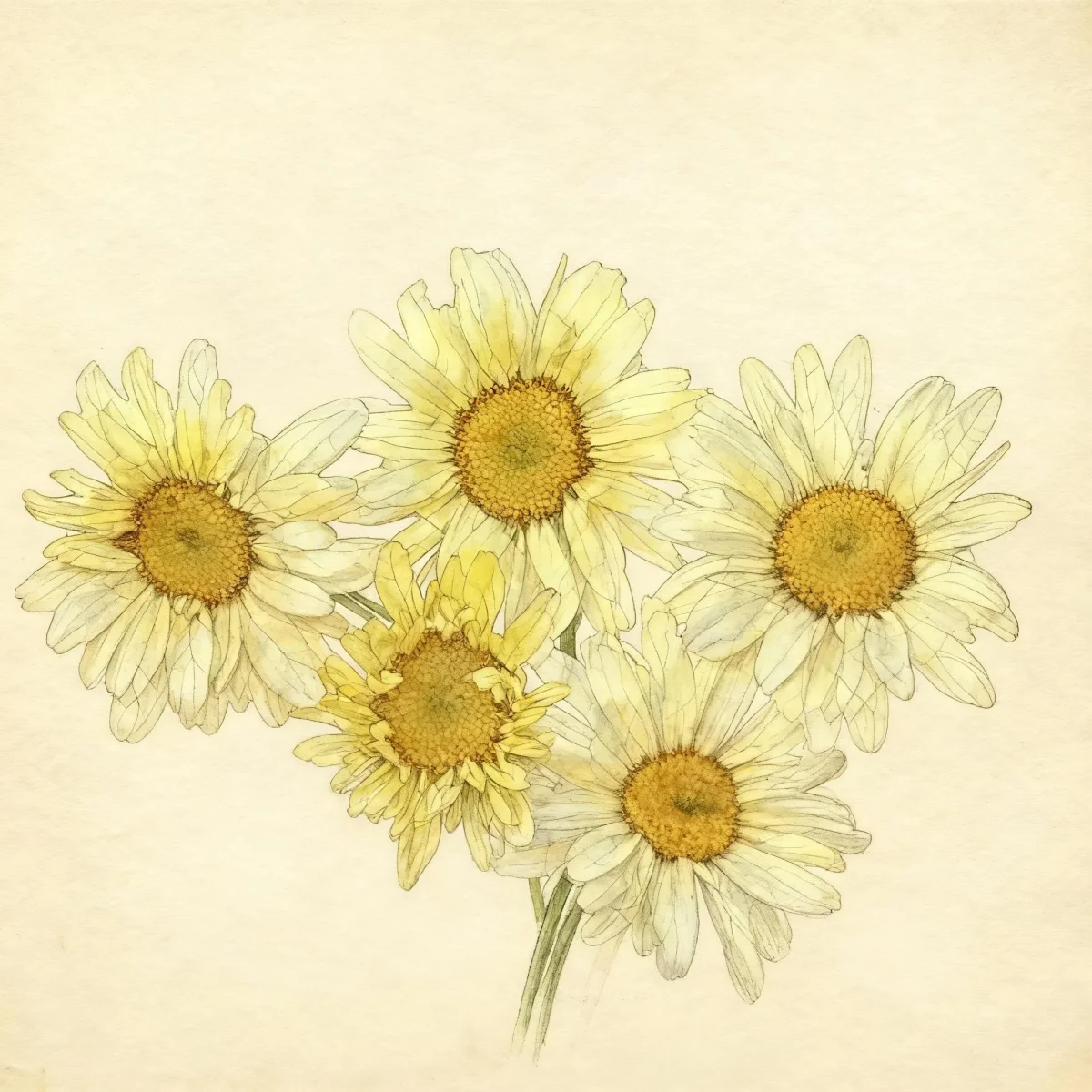
Leucanthemum × superbum 'Sonnenschein' offers large, pale lemon yellow Shasta daisy blooms from June to August, ideal for low-maintenance, sunny borders.
Scroll down to discover growing tips, care requirements, companion plants, and more
Complete Plant Information
Overview
Leucanthemum × superbum ‘Sonnenschein’ is a standout cultivar of the classic Shasta daisy, highly valued for its reliable, long-season performance in bright sunlight. This hybrid brings substantial color to the garden, noted specifically for its large flowers whose petals boast a delicate pale lemon yellow hue. As an herbaceous perennial, the Shasta daisy forms robust clumps suitable for filling mid-border spaces throughout the summer months.
Developed from complex breeding, this variety provides substantial aesthetic impact with minimal effort, making it a favorite for gardeners seeking low-maintenance beauty. It thrives in well-drained conditions, offering excellent drought tolerance once established. The vibrant, sun-loving nature of Leucanthemum × superbum ‘Sonnenschein’ ensures reliable rebloom when properly maintained.
Its sturdy, upright habit and excellent cutting flower quality mean the beauty of the Shasta daisy doesn’t stop in the garden bed. Expect consistent flowering from early summer until late summer, brightening borders and providing essential structure to perennial designs.
Fast Facts
- Plant Family: Asteraceae
- Plant Type: Herbaceous perennial
- Hardiness Zones: USDA Zones 5-9
- Size at Maturity:
- Height: 2-3 ft
- Spread: 2-3 ft
- Bloom Time: June to August
- Bloom Description: Pale lemon yellow
- Sun Exposure: Full sun
- Water Needs: Dry to medium
- Maintenance Level: Low
How to Grow
For optimal performance, plant Leucanthemum × superbum ‘Sonnenschein’ in spring or fall when conditions are cool. The key to success with this Shasta daisy cultivar is ensuring it receives full sun; while it tolerates light shade, too much shade will reduce flowering vigor. Soil preparation should focus on drainage, as wet soils, especially during winter dormancy, can be fatal to the roots.
Watering should be consistent until the plant is established, transitioning to requiring only dry to medium moisture levels thereafter. Fertilization is generally unnecessary if the soil is reasonably fertile. Deadheading, or removing spent flower heads, is crucial for encouraging the plant to produce subsequent waves of pale lemon yellow blooms throughout the summer.
To maintain vigor in your clumps, plan to divide the Shasta daisy every two to three years. These plants are considered somewhat short-lived, so regular division helps refresh the clump’s energy. A beneficial late-season practice is cutting stems back to the basal foliage after the main bloom cycle concludes, helping to preserve the plant’s energy reserves for the following season.
Landscape Uses
Shasta daisies, including the excellent ‘Sonnenschein’ variety, are foundational plants for perennial borders, providing reliable mid-height structure from summer through fall. Their bright, distinct flowers naturally draw the eye, making them superb anchors in a cottage garden design where layered textures are important. They also integrate seamlessly into rock gardens or used as informal edging where clean lines are desired.
Because of their sturdy stems and long vase life, Leucanthemum × superbum ‘Sonnenschein’ is a mainstay in the cutting garden. Plant drifts of them near service entrances for easy access to fresh bouquets. They pair beautifully with silver-leafed plants that amplify the pale color, or with deep blue or purple companions like Salvia or Catmint to create classic color contrasts.
These plants establish well in containers, provided the container choice respects their tendency to become somewhat short-lived, necessitating yearly division or replacement. Ensure any container planting emphasizes excellent drainage to mirror their preferred soil conditions.
Standout Features
Flower Qualities
- Showy
Noteworthy Characteristics
Leucanthemum × superbum, commonly called Shasta daisy, is a hybrid developed by Luther Burbank (1849-1926) in the 1890s near snow covered Mt. Shasta in northern California. Burbank crossed L. Vulgare (European oxeye daisy), L. Maximum (Pyrenees chrysanthemum), L. Lacustre (Portuguese field daisy) and Nipponanthemum nipponicum (Japanese field daisy) to produce Leucanthemum × superbum which was given the common name of Shasta daisy. ‘Sonnenschein’ (sunshine) is a shasta daisy cultivar that typically grows 2-3’ tall. It is noted for its large, solitary, pale lemon yellow blooms (3-5” diameter) with golden yellow centers, offering an excellent and long-lasting fresh cut flower.
Tolerances
- Rabbit
- Deer
- Drought
- Dry Soil
Potential Problems
Leucanthemums, including the Shasta daisy, possess a general susceptibility to several fungal and pest issues if conditions are not managed. Be vigilant for signs of verticillium wilt, which attacks the vascular system, causing wilting and dieback; good drainage is the primary defense against this. Leaf spots and various stem rots are also possible, usually exacerbated by humidity or improper pruning that leaves too much dense interior foliage.
In terms of pests, aphids, leaf miners, and mites can be occasional visitors, typically infesting new growth or the undersides of leaves during hot, dry periods. Management usually involves blasting aphids off with a strong stream of water or applying insecticidal soap as needed. Consistent deadheading and ensuring good air circulation through timely division helps keep the overall health of Leucanthemum × superbum ‘Sonnenschein’ robust.
Frequently Asked Questions
What hardiness zones is Shasta daisy suitable for?
Leucanthemum × superbum ‘Sonnenschein’ is hardy and performs reliably in USDA Zones 5 through 9.
How large does Shasta daisy grow?
This variety typically reaches a height between 2 and 3 feet, with a spread matching that range, usually around 2 to 3 feet wide.
What sun exposure does Shasta daisy need?
This plant requires full sun exposure to maximize its prolific summer blooming potential.
When does Leucanthemum × superbum ‘Sonnenschein’ bloom?
You can expect blooms from June extending through August, featuring lovely pale lemon yellow flowers.
Conclusion
Leucanthemum × superbum ‘Sonnenschein’ remains a pillar of the summer perennial garden due to its low maintenance requirements, reliable flowering, and attractive size. Integrating this superb Shasta daisy cultivar into your sunny borders ensures long-lasting color and excellent material for bouquets. Before planting, confirm your garden site offers adequate drainage and sufficient sunlight to enjoy the best of this cheerful perennial.
Companion Planting
Choosing the right partners enhances the visual appeal and vigor of your Shasta daisy planting. Because Leucanthemum × superbum ‘Sonnenschein’ prefers drier soil and full sun, select companions with similar cultural needs to avoid over-watering certain areas of the border. Excellent partners include ornamental grasses, which offer textural contrast as they sway behind the sturdy daisy stems.
For color coordination, consider plants that bloom before or after the main flush of Leucanthemum × superbum ‘Sonnenschein’. Early bloomers like Baptisia or Siberian Iris finish just as the daisies hit their stride, filling in potential gaps. Later season companions like Sedum ‘Autumn Joy’ will take over when the daisies start to fade, maintaining border interest.
The coarse texture of the daisy foliage benefits from fine-textured neighbors like catmint (Nepeta) or low-growing Geraniums near the front of the border. These softer plants help blend the sharp, defined look of the Shasta daisy into the overall garden tapestry.
Seasonal Care Calendar
Early Spring: As new growth emerges, it is the ideal time to divide older, less vigorous clumps of Leucanthemum × superbum ‘Sonnenschein’. Apply a balanced, slow-release fertilizer sparingly if your soil quality is poor, though often none is required. Ensure all winter debris has been cleared away to promote air circulation around the new basal foliage.
Summer Maintenance: Consistency in deadheading is the most important task during the peak growing season for this Shasta daisy. Remove spent flowers immediately just above the first set of healthy leaves to trigger continuous new blooms throughout June, July, and August. Water deeply but infrequently, respecting its dry to medium water needs.
Late Season & Fall: After the main blooming period subsides, consider cutting the stems back significantly, perhaps halfway or down to the basal foliage, as suggested in culture notes. This practice helps preserve the plant’s energy reserves, leading to stronger performance next season. Winter protection is minimal in its hardiness range, but heavy mulching protects shallow roots against freeze/thaw cycles in marginal zones.