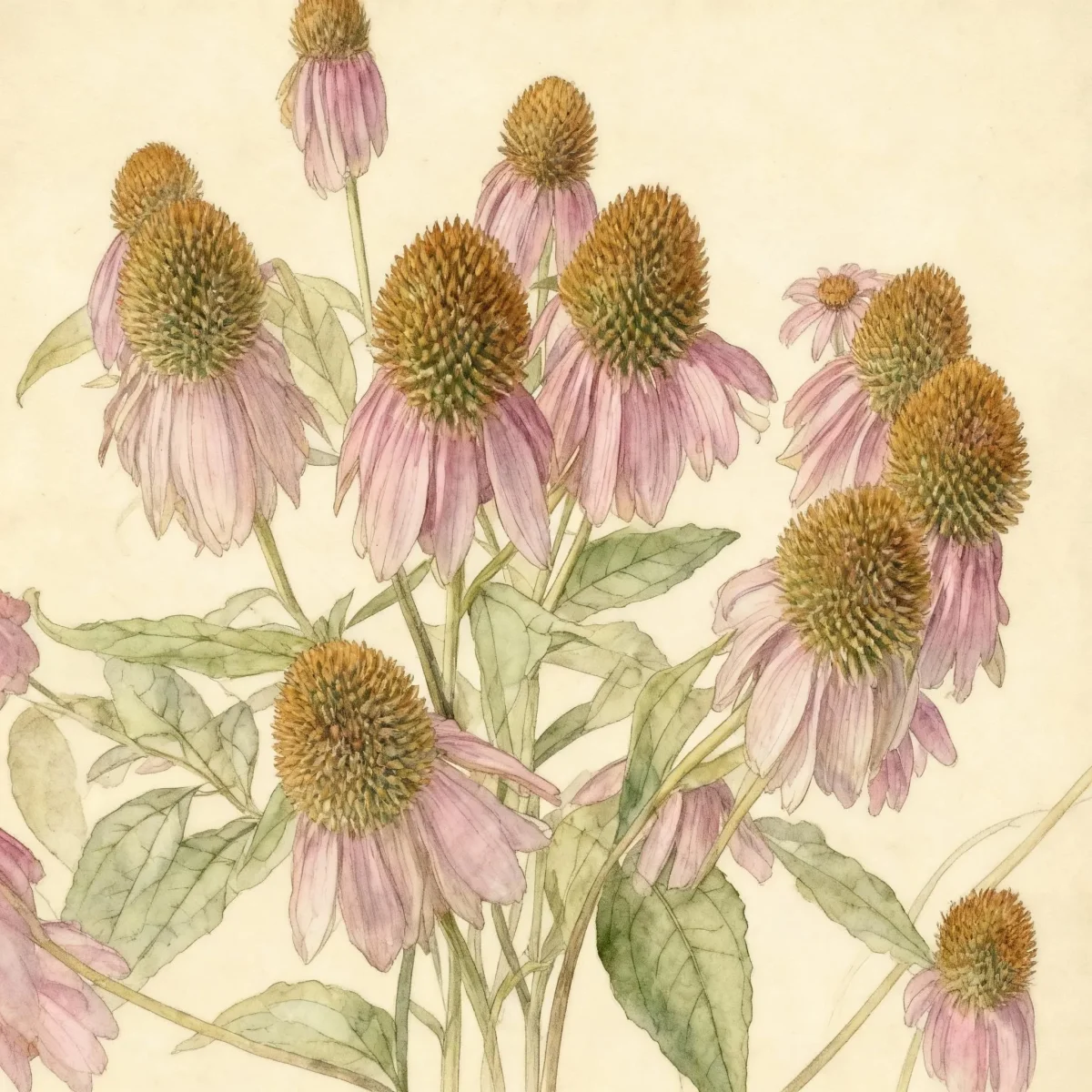
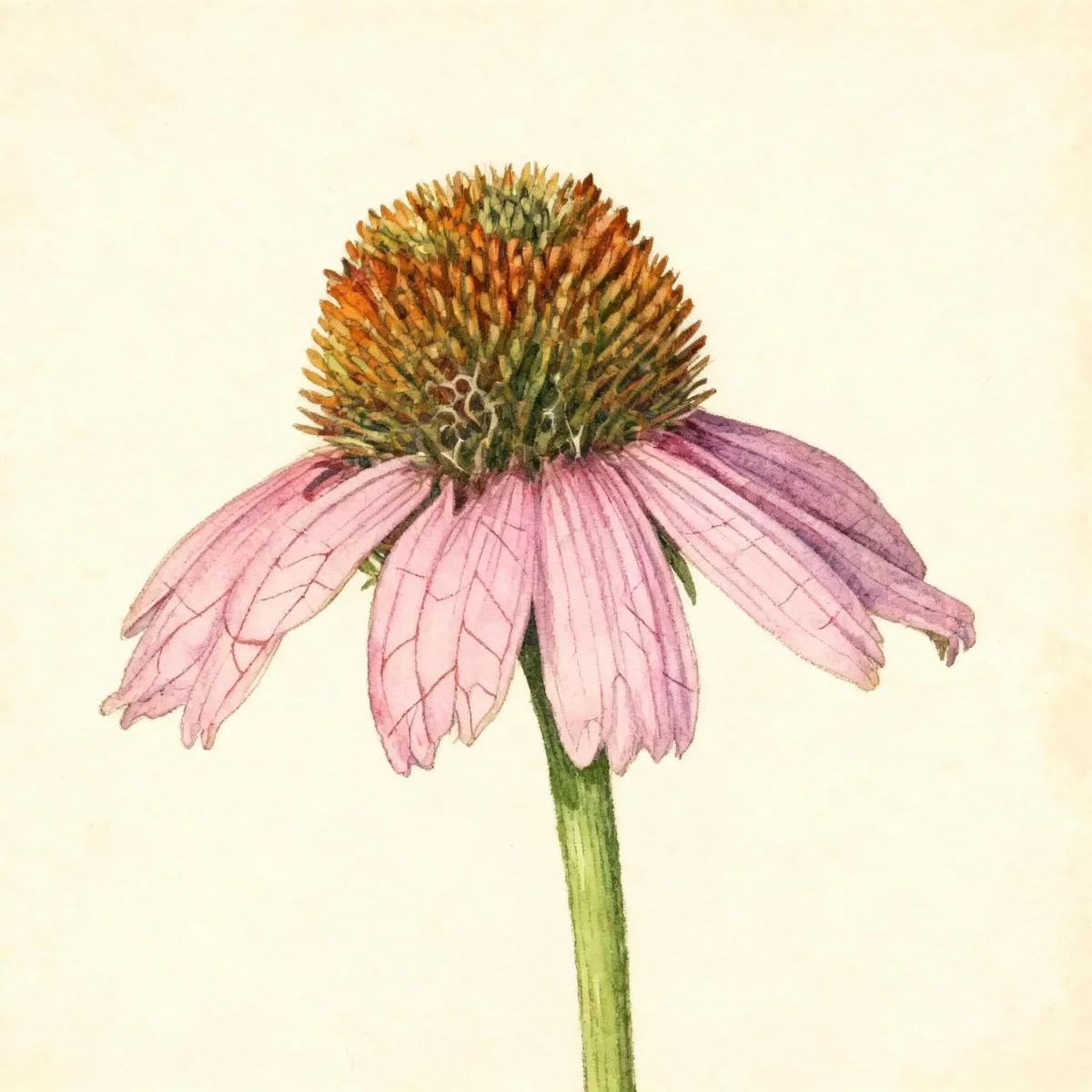
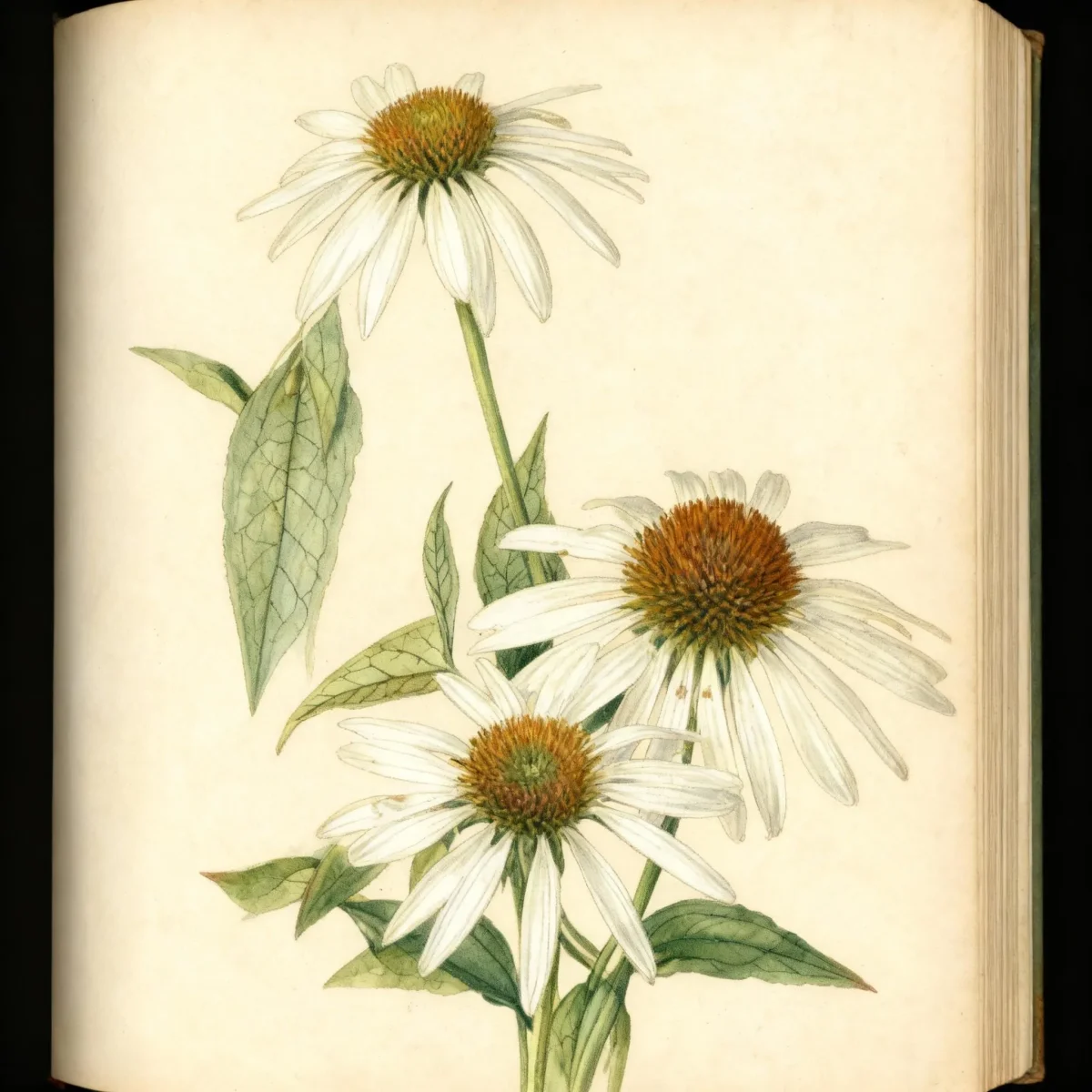
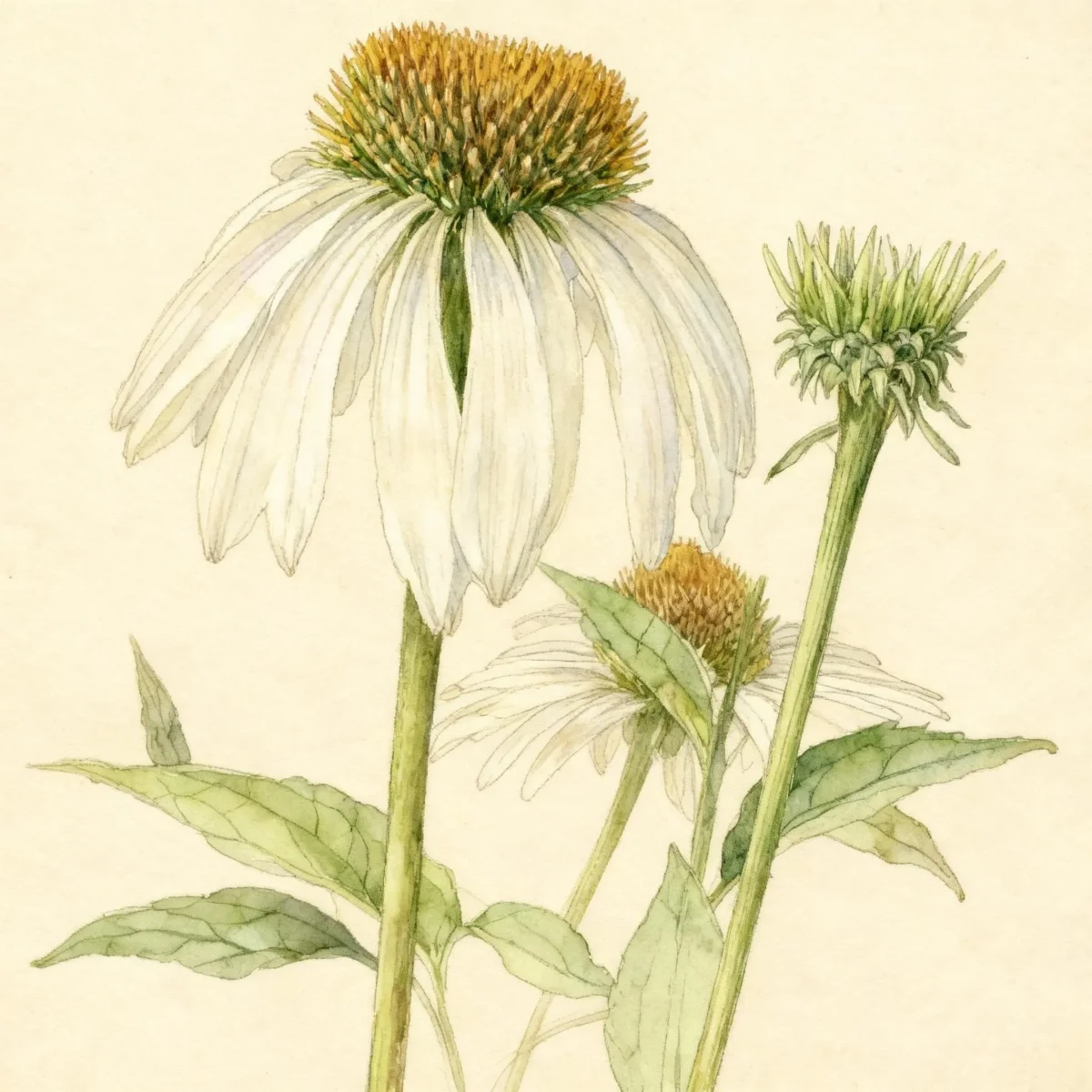
Purple coneflower (Echinacea purpurea 'The King')
Echinacea purpurea 'The King' offers stately height (4-6 ft) with showy rose red blooms from June to August. Low maintenance Purple coneflower.
Scroll down to discover growing tips, care requirements, companion plants, and more
Complete Plant Information
Overview
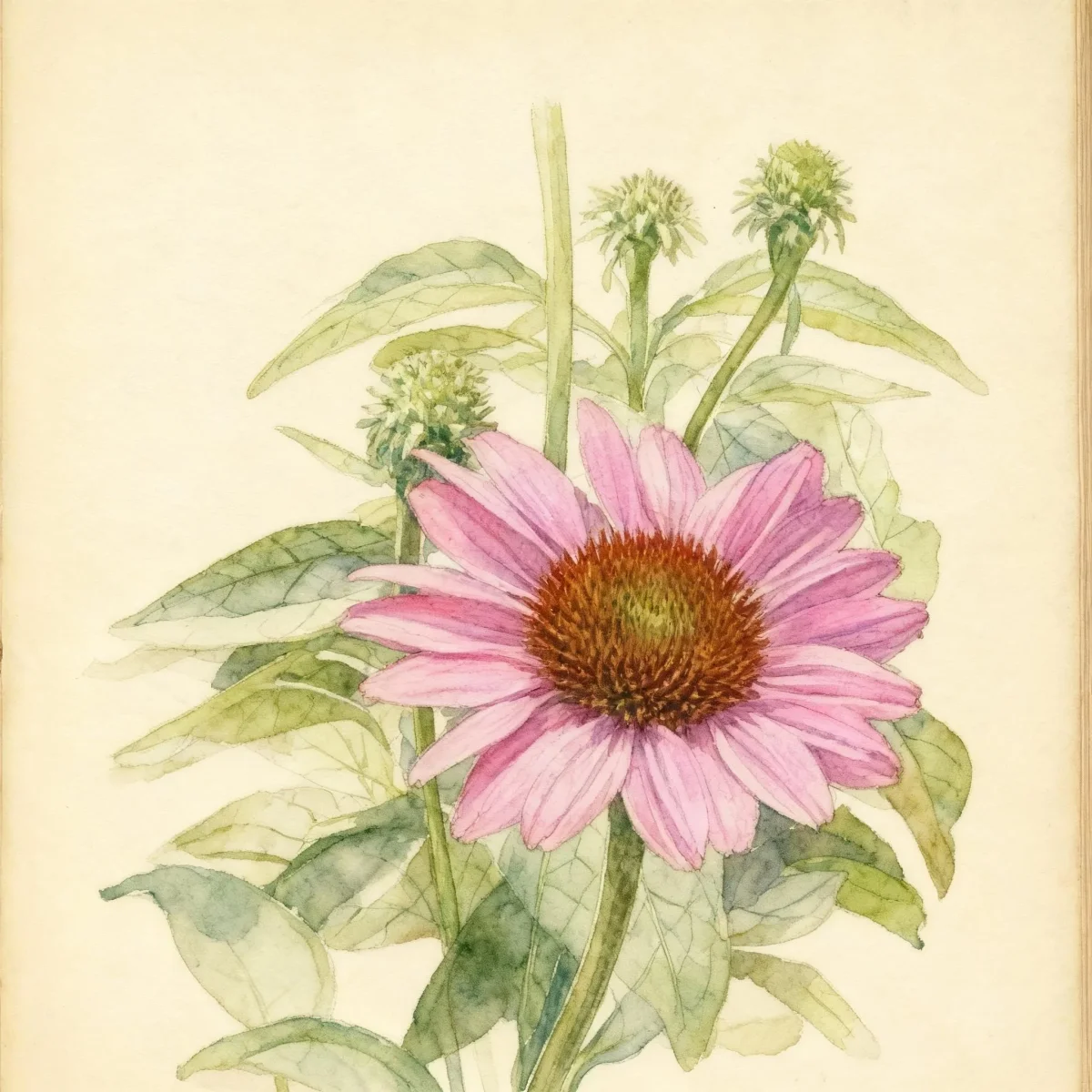
Echinacea purpurea ‘The King’ is a robust cultivar of the beloved Purple coneflower, distinguished by its impressive stature, often reaching heights of 4 to 6 feet. This herbaceous perennial brings striking, daisy-like flowers featuring eye-catching rose red ray petals surrounding a prominent, dark maroon to brown central cone throughout the summer months. As an adaptable and low-maintenance plant, the Purple coneflower excels in naturalized settings, meadows, and traditional perennial borders where its height provides excellent vertical interest. Gardeners value Echinacea purpurea ‘The King’ not only for its long bloom period from June to August but also for its general hardiness, tolerating heat and various soil conditions once established.
Fast Facts
- Plant Family: Asteraceae
- Plant Type: Herbaceous perennial
- Hardiness Zones: USDA Zones 3-8
- Size at Maturity:
- Height: 4-6 ft
- Spread: 3-5 ft
- Bloom Time: June to August
- Bloom Description: Rose red rays and brown cone
- Sun Exposure: Full sun to part shade
- Water Needs: Dry to medium
- Maintenance Level: Low
How to Grow
The best time to establish Echinacea purpurea ‘The King’ is in the spring after the danger of hard frost has passed, ensuring the soil is well-drained. Although adaptable, this Purple coneflower prefers full sun to achieve the best flower production, though it will tolerate part shade. This cultivar thrives in average soils but is exceptionally tolerant of drought, heat, humidity, and even clay soils once established.
Water new plantings consistently while they establish their root systems. Established plants require dry to medium moisture levels and generally do not require supplemental feeding; too much fertilizer can result in floppy stems lacking vigor. Plants usually rebloom without deadheading spent blooms, but prompt removal of flowers improves the overall aesthetic quality of Echinacea purpurea ‘The King’.
If clumps become overcrowded, typically every four years, they benefit from division to maintain vigor and airflow. If you wish to encourage birds like goldfinches, leave some of the blackened seed heads standing throughout the winter months, as these provide valuable winter interest and food sources.
Landscape Uses
Echinacea purpurea ‘The King’ is an excellent specimen for adding dramatic height to the back of the border or creating stunning drifts in a meadow planting. Its stature makes it an ideal transition piece between shorter foreground perennials and taller background shrubs or grasses. This Purple coneflower masses beautifully alongside other sun-loving prairie natives, often being paired effectively with Rudbeckia (black-eyed Susans) for complementary color and texture.
Consider using this cultivar in naturalized areas or wildflower gardens where its coarse texture blends seamlessly with native landscapes. Its long blooming season ensures consistent color from early summer well into the fall, making it a reliable backbone plant for seasonal interest.
Standout Features
Flower Qualities
- Showy
Noteworthy Characteristics
Echinacea purpurea, commonly called purple coneflower, is a coarse, rough-hairy, herbaceous perennial native to moist prairies and open woods of the central to southeastern United States. This cultivar, ‘The King’, is noted for its large size (up to 5’ tall) and impressive flowers (up to 6” diameter) featuring rose red rays and dark maroon to brown central cones that bloom abundantly from June through August. The genus name Echinacea references the Greek word for hedgehog due to the distinctive spiny center cone found on the flowers.
Tolerances
- Deer
- Drought
- Clay Soil
- Dry Soil
- Shallow-Rocky Soil
Potential Problems
Japanese beetle infestations and leaf spot can occasionally affect Echinacea purpurea ‘The King’. Furthermore, like other members of its family, it remains susceptible to aster yellows disease, which can cause stunted or distorted growth. Maintaining good air circulation, especially when planting densely, can help mitigate fungal issues like leaf spot.
Frequently Asked Questions
What hardiness zones is Purple coneflower suitable for?
Echinacea purpurea ‘The King’ is generally hardy and thrives in USDA Zones 3 through 8.
How large does Echinacea purpurea ‘The King’ grow?
This cultivar is notable for its imposing size, typically reaching heights between 4 and 6 feet, with a spread ranging from 3 to 5 feet wide.
When does Purple coneflower bloom?
The primary bloom time for this variety is from June to August, featuring rose red ray flowers that sit atop a distinct brown cone.
What sun exposure does Echinacea purpurea ‘The King’ need?
For the best performance and strongest stems, this plant requires full sun, though it can tolerate conditions bordering on part shade.
Conclusion
Echinacea purpurea ‘The King’ provides superior vertical presence and reliable, showy summer color with minimal fuss, making it a staple for reliable landscape design. By checking your local hardiness zone compatibility and ensuring a spot with plenty of sun, you can successfully integrate this impressive Purple coneflower into your garden year after year.
Companion Planting
Selecting appropriate neighbors ensures that the towering structure of Echinacea purpurea ‘The King’ is complemented rather than overwhelmed. Look for companions that share similar sun and water requirements, such as ornamental grasses like Schizachyrium scoparium (Little Bluestem) or drought-tolerant perennials like Salvia nemorosa cultivars. These pairings maximize the prairie-like, naturalized aesthetic that the Purple coneflower so readily supports.
Wildlife Benefits
The significant central cones produced by Echinacea purpurea ‘The King’ are a critical food source late in the season. Leaving the seed heads intact after the flowers fade provides necessary sustenance for goldfinches and other seed-eating birds throughout the winter months. Furthermore, the composite flower structure is highly attractive to a wide array of native bees and butterflies during the vibrant bloom period in summer.