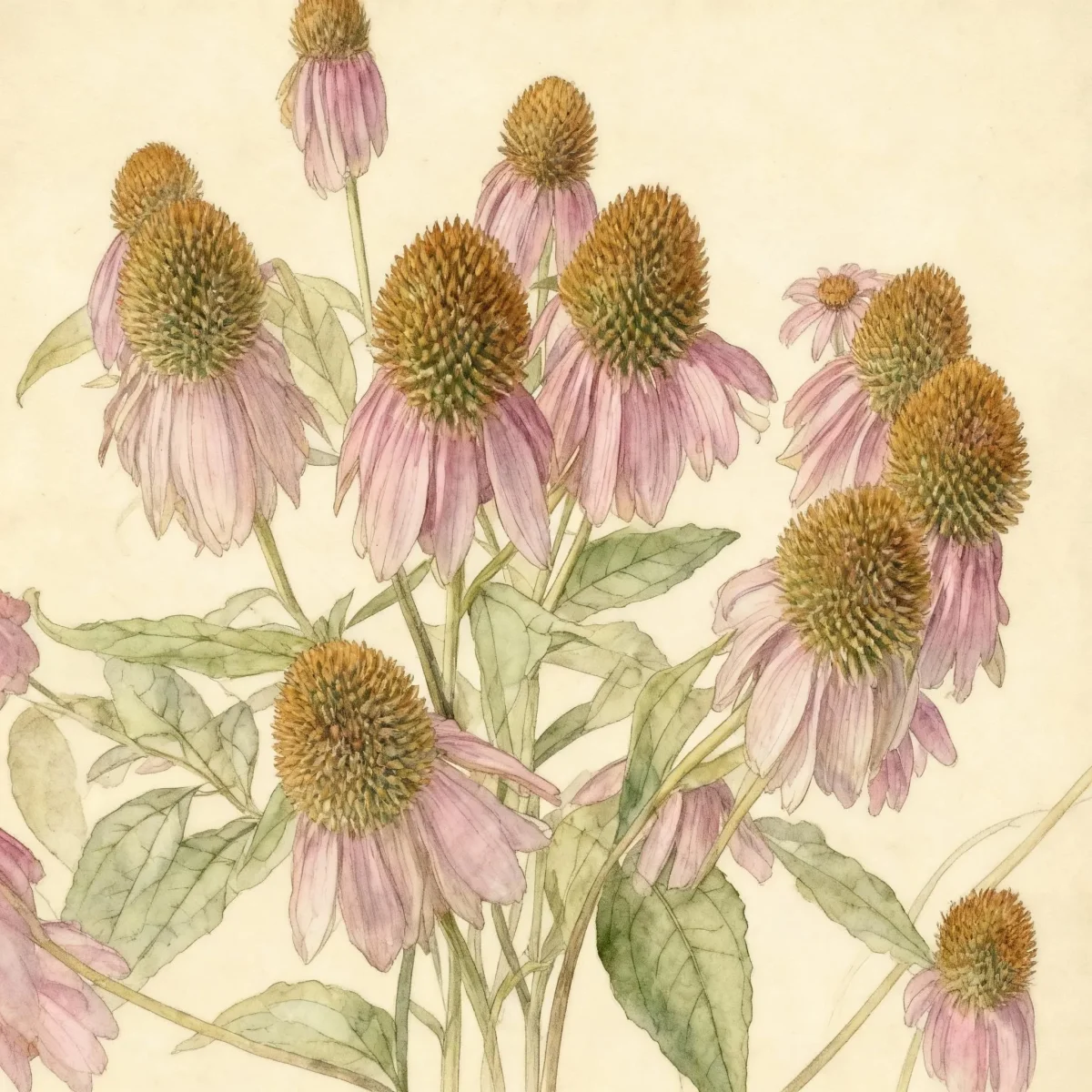
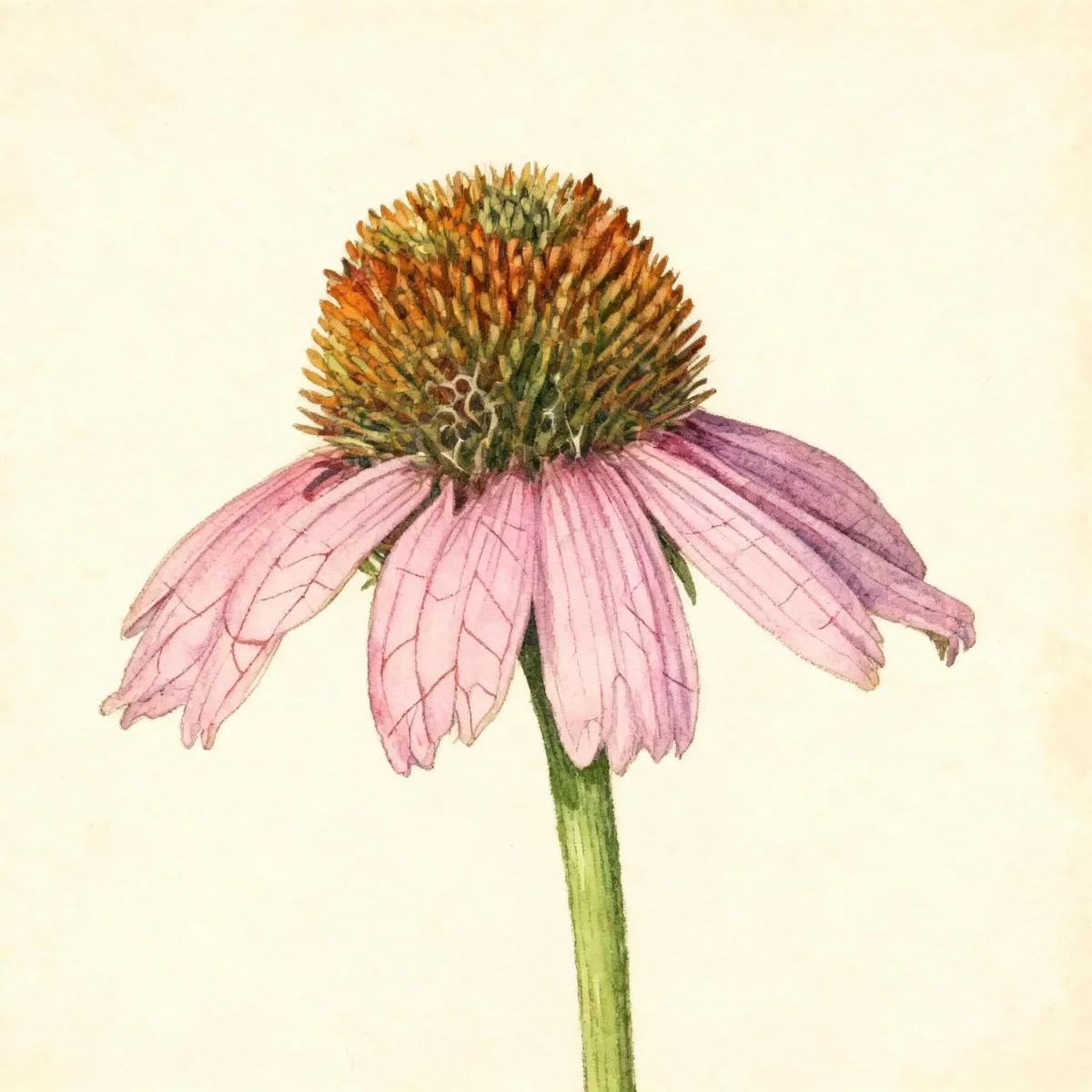
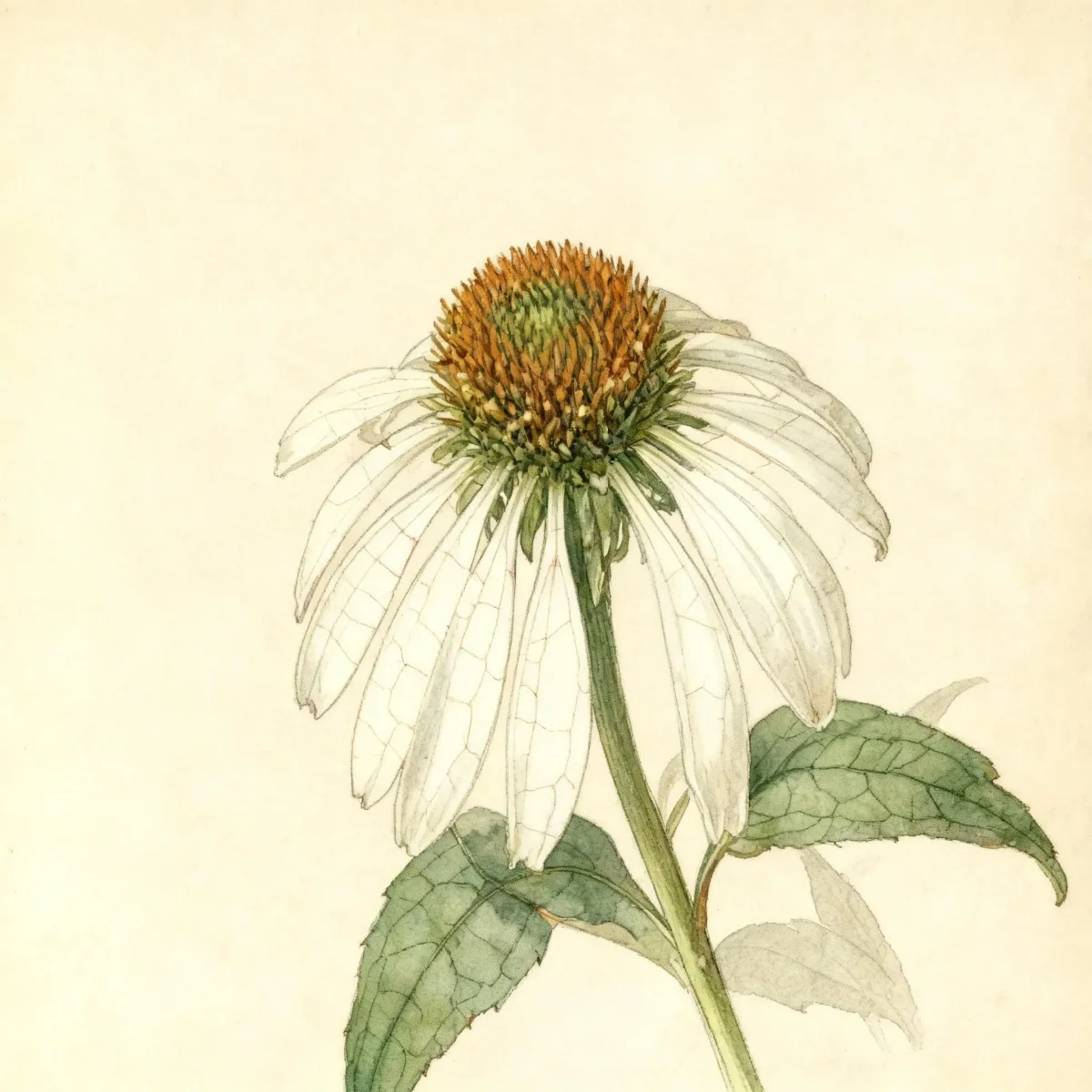
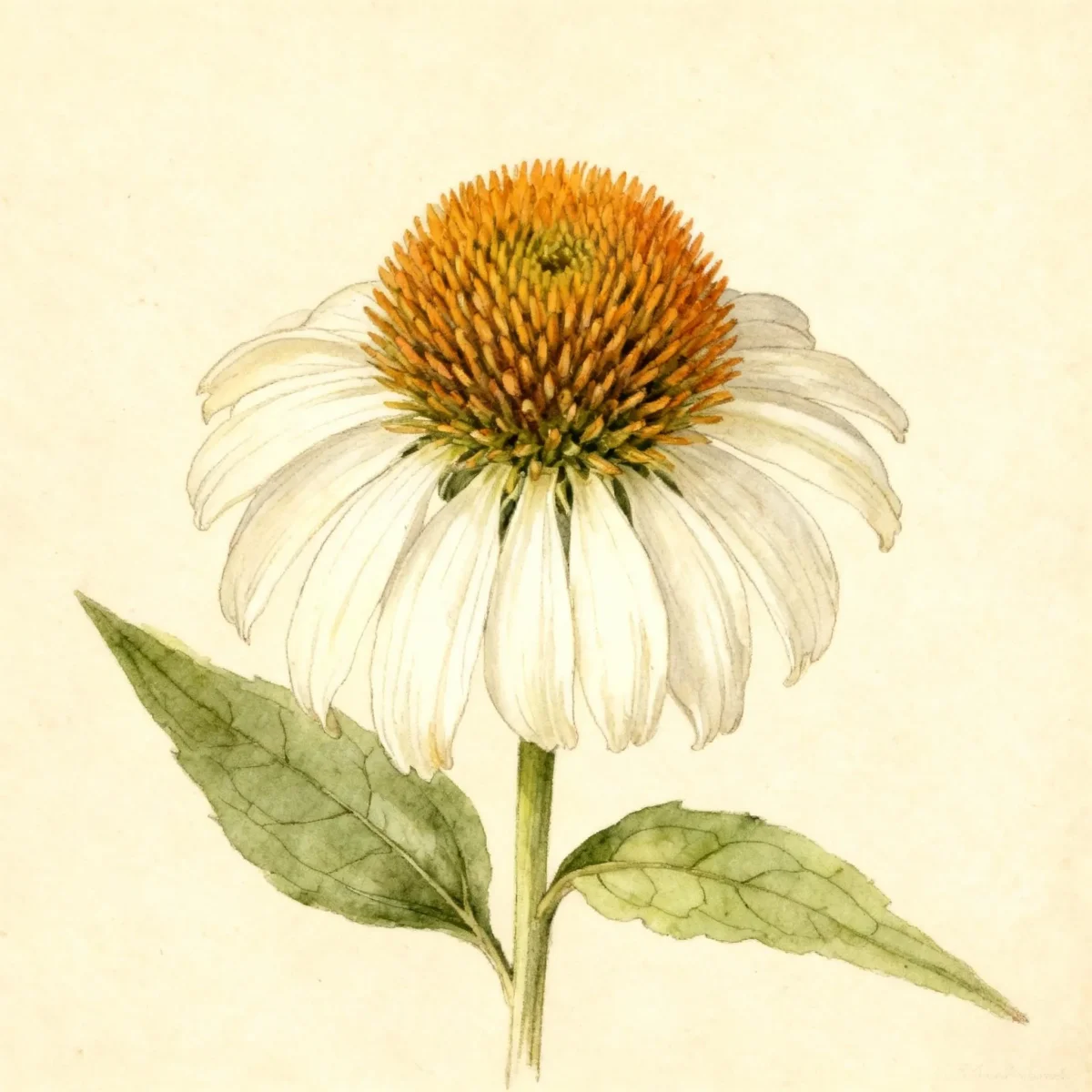
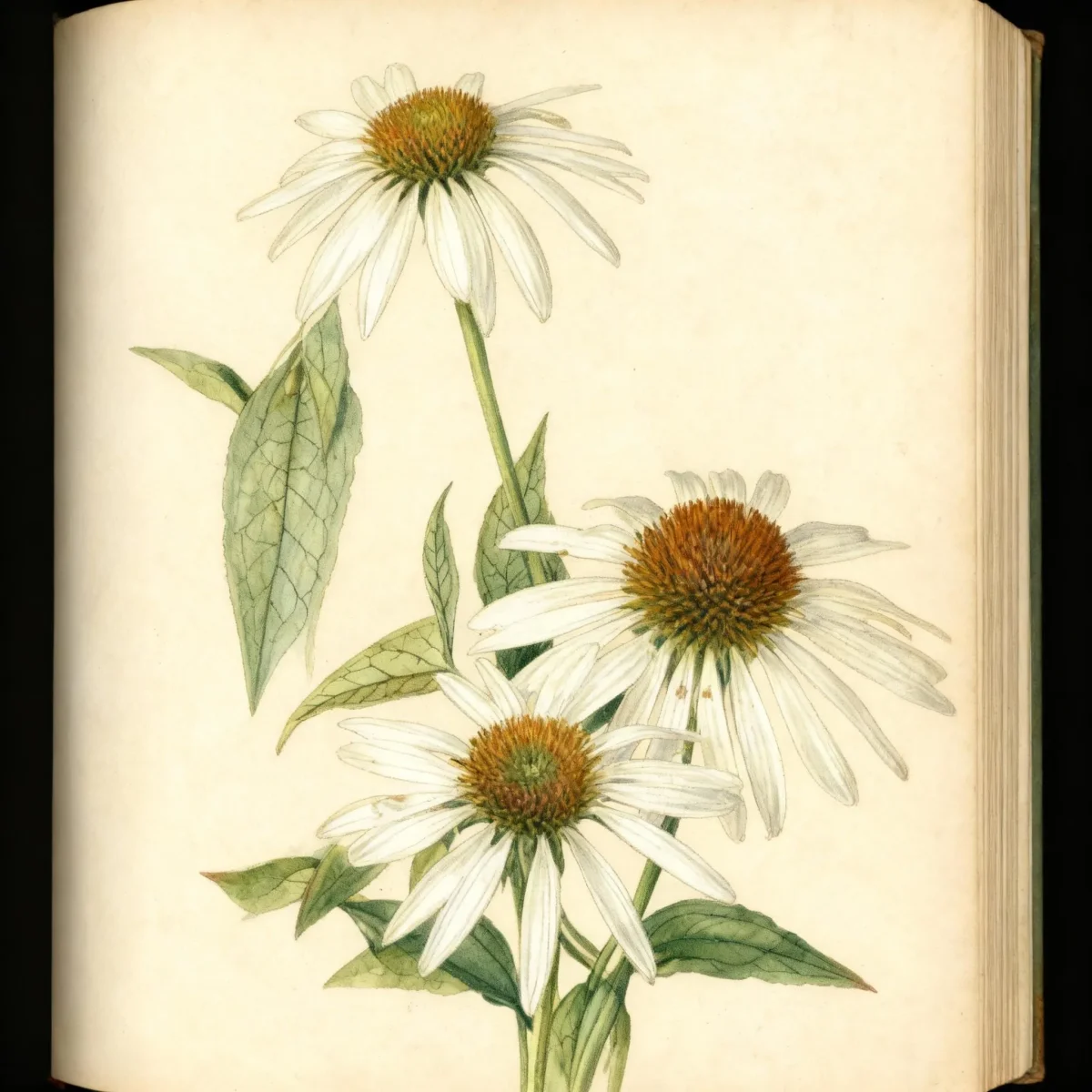
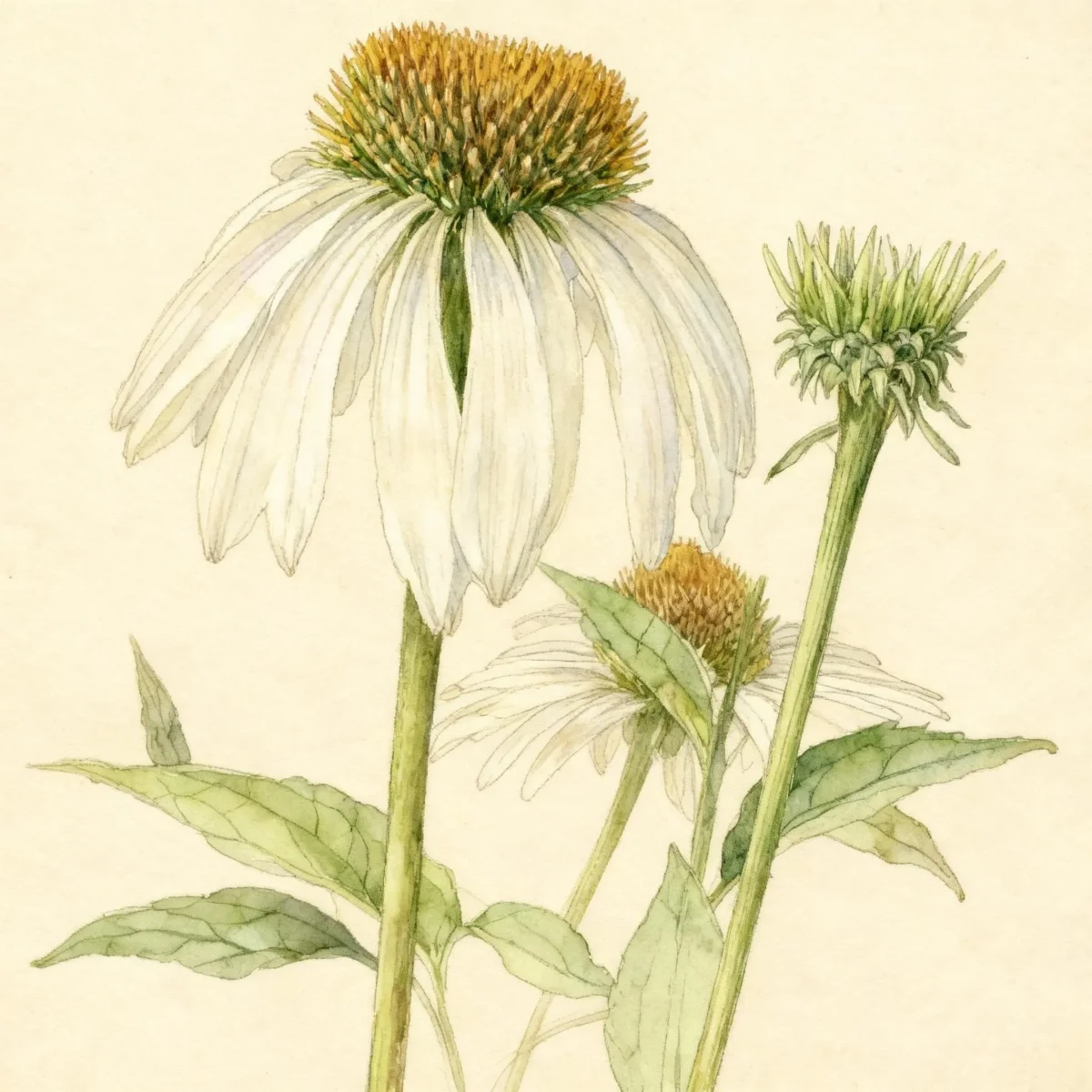
Purple coneflower (Echinacea purpurea 'Rubinstern' RUBY STAR)
The stunning Echinacea purpurea 'Rubinstern' RUBY STAR, a low-maintenance Purple coneflower, offers carmine red blooms in sunny to partly shaded gardens.
Scroll down to discover growing tips, care requirements, companion plants, and more
Complete Plant Information
Overview
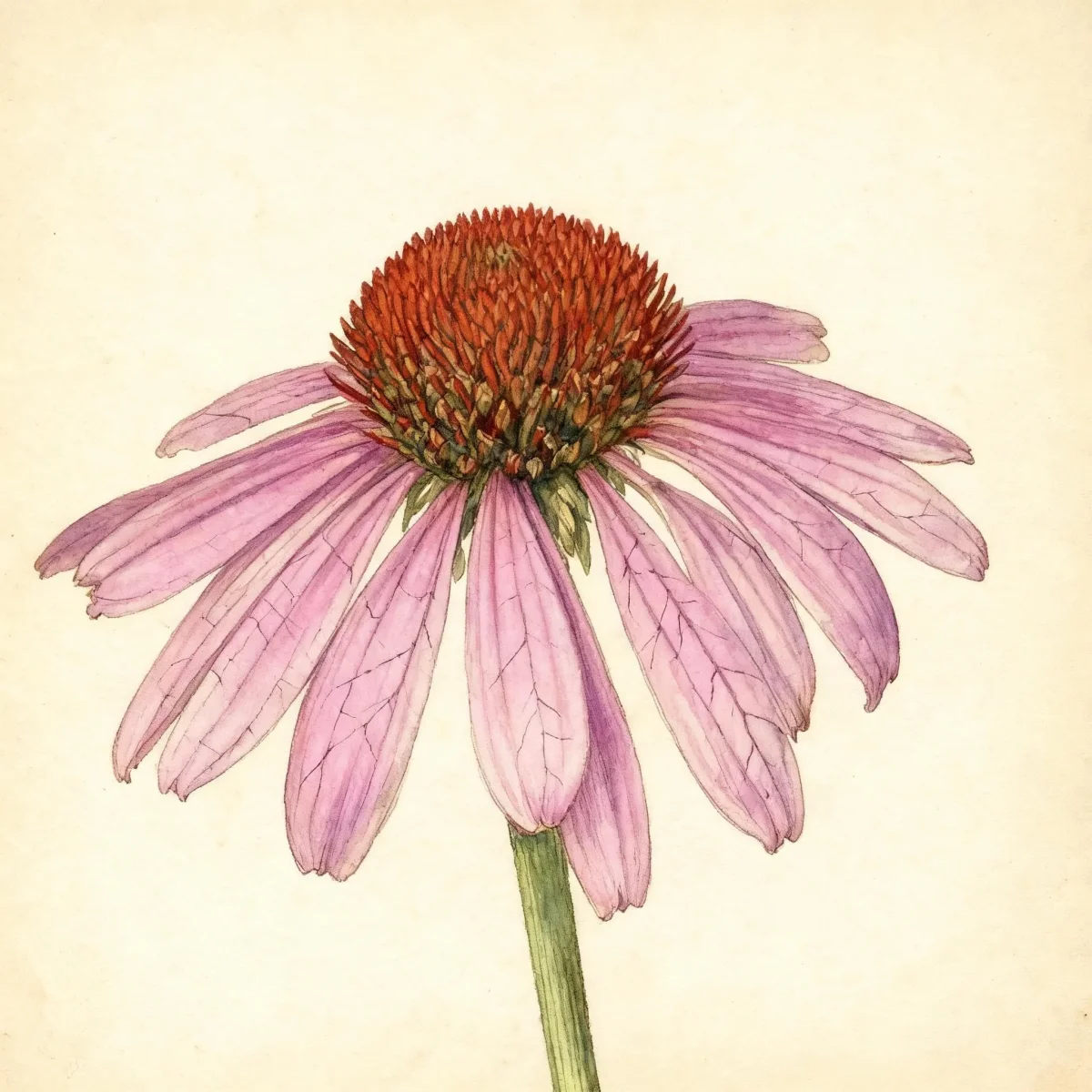
Echinacea purpurea ‘Rubinstern’ RUBY STAR provides striking summer color, making it a key feature in virtually any perennial bed or meadow planting. Characterized by vibrant carmine red rays surrounding a prominent, dark bronze-brown cone, this cultivar of the popular Purple coneflower is highly valued for its reliable performance. As an herbaceous perennial, it offers structure and aesthetic appeal year after year with minimal input from the gardener.
This adaptable plant thrives across a wide range of conditions, tolerating heat, drought, and various soil types, including clay. The deep-rooted nature of the Purple coneflower contributes to its low maintenance requirements. Beyond its visual appeal, Echinacea purpurea ‘Rubinstern’ RUBY STAR serves as an excellent late-season food source for birds, particularly finches, which enjoy the seeds held in the persistent cones.
Gardeners appreciate the long bloom window of Echinacea purpurea ‘Rubinstern’ RUBY STAR, which reliably flowers from early summer into late August. It works beautifully when massed, providing texture and strong vertical accents against shorter groupings of other sun-loving perennials. Adding this cultivar ensures continuous vibrancy across the sunny portions of your landscape.
Fast Facts
- Plant Family: Asteraceae
- Plant Type: Herbaceous perennial
- Hardiness Zones: USDA Zones 3-8
- Size at Maturity:
- Height: 2-3 ft
- Spread: 2-3 ft
- Bloom Time: June to August
- Bloom Description: Carmine red to purple rays and bronze-brown cone
- Sun Exposure: Full sun to part shade
- Water Needs: Dry to medium
- Maintenance Level: Low
How to Grow
The best time to establish Echinacea purpurea ‘Rubinstern’ RUBY STAR is in the spring or fall. Plant in an area receiving full sun for the most prolific flowering, though it tolerates light afternoon shade. Adaptable Echinacea thrives in average, dry to medium, well-drained soil. While excellent drainage is preferred, this specific Purple coneflower cultivar shows remarkable tolerance for clay soil and poor conditions.
Once established, watering needs are minimal. Allow the soil to dry out between waterings, as this plant is highly drought tolerant. Resist the urge to heavily fertilize, as too much richness can lead to floppier stems. Clumps generally require dividing only every four years when they become overcrowded, ensuring the plant remains vigorous.
Prompt removal of faded flowers will improve overall garden tidiness and may encourage some sporadic reblooming. However, leaving the blackened cones standing through winter offers aesthetic appeal and vital food for goldfinches. Note that while ‘Rubinstern’ is typically grown from seed, true-to-type propagation through self-seeding is not guaranteed.
Landscape Uses
Echinacea purpurea ‘Rubinstern’ RUBY STAR is exceptionally versatile, excelling when used in mass plantings to create significant impact in borders and meadows. Its upright habit makes it an excellent structural element, particularly in a native plant garden or wildflower space where it blends well with species that share similar cultural needs. Consider grouping this Purple coneflower with Black-Eyed Susans (Rudbeckia) for a classic, long-season display of complementary shapes and colors.
For perennial borders, plant it toward the middle or back row, as its 2 to 3-foot height provides necessary structure without obscuring shorter front-of-border companions. It is also perfectly suited for naturalized areas where it can spread gently via self-seeding, creating soft drifts of carmine color throughout the summer months. This adaptability means it can even succeed in the protected, part-shade area of a woodland garden.
Standout Features
Flower Qualities
- Showy
Noteworthy Characteristics
Echinacea purpurea, commonly called purple coneflower, is a coarse, rough-hairy, herbaceous perennial that is native to moist prairies, meadows and open woods of the central to southeastern United States. ‘Rubinstern’ (meaning ruby star) is a purple coneflower seed cultivar that typically grows 2-3’ tall, featuring daisy-like coneflowers with carmine red to purple rays and large, pin cushion-like, dark bronze-brown central cones. The stiff stems clad with dark green leaves make this an excellent choice for fresh cut flowers or for drying.
Tolerances
- Deer
- Drought
- Clay Soil
- Dry Soil
- Shallow-Rocky Soil
Potential Problems
Occasional pest issues may include Japanese beetles feeding on the foliage or blooms. Fungal issues like leaf spot can sometimes develop, especially in areas with high humidity and poor air circulation. To prevent disease aggravation, ensure adequate spacing between plants for good airflow. Gardeners should also be aware that the plant is susceptible to aster yellows disease, which causes distorted and sickly growth; infected plants should be removed immediately.
Frequently Asked Questions
What hardiness zones is Echinacea purpurea ‘Rubinstern’ RUBY STAR suitable for?
This robust herbaceous perennial is suitable for USDA Hardiness Zones 3 through 8.
How large does the Purple coneflower grow?
Echinacea purpurea ‘Rubinstern’ RUBY STAR typically reaches a mature height between 2 and 3 feet, with a comparable spread of 2 to 3 feet wide.
When does Purple coneflower bloom?
This specific cultivar blooms reliably throughout the summer, generally from June through August, presenting carmine red to purple rays surrounding a bronze-brown cone.
What sun exposure does Echinacea purpurea ‘Rubinstern’ RUBY STAR need?
For the best performance, aim to plant this Purple coneflower in full sun, although it will tolerate conditions moving into part shade.
Conclusion
The Echinacea purpurea ‘Rubinstern’ RUBY STAR is a magnificent, easy-to-care-for perennial that brings intense ruby-toned color to the mid-to-late summer garden. Its celebrated drought and heat tolerance, combined with its low maintenance requirements, make the Purple coneflower an essential plant for sustainable landscapes. Before planting, confirm that your planting site receives sufficient sun exposure to maximize the glorious bloom time of this beautiful cultivar.
Wildlife Benefits
This late-season bloomer is a significant magnet for beneficial insects throughout the summer months. The daisy-like flowers, with their prominent central cones, provide excellent landing pads for various pollinators seeking nectar. The genus name Echinacea refers to the spiny cone, which, once faded, retains its structure well past the main bloom season, becoming a vital winter food source. Leaving the spent perennial stems standing ensures that goldfinches and other seed-eating birds have access to the seeds held within the blackened cones long after other flowers have faded.
Propagation Tips
While Echinacea purpurea ‘Rubinstern’ RUBY STAR can sometimes spread modestly via self-seeding if seed heads are left standing, established clumps benefit most from division every few years. The ideal time for dividing this Purple coneflower is in the spring just as new growth begins to emerge, or alternatively, in the early fall. Carefully dig up the clump and separate it into smaller sections, ensuring each division has sufficient roots attached before replanting them at the same depth in their new location to maintain vigor.