Bugbane (Actaea simplex (Atropurpurea Group) 'Black Negligee')
Actaea simplex (Atropurpurea Group) 'Black Negligee' Bugbane offers lacy, purplish-black foliage and fragrant white spires in late summer.
Scroll down to discover growing tips, care requirements, companion plants, and more
Complete Plant Information
Overview
Actaea simplex (Atropurpurea Group) ‘Black Negligee’ is a striking herbaceous perennial, widely known as Bugbane, celebrated for its dramatic late-season performance in shaded gardens. This cultivar provides essential height and deep color contrast, distinguishing itself from greener varieties with its deeply-cut, dark purplish-black foliage. Its structure remains elegant even before the bloom period begins.
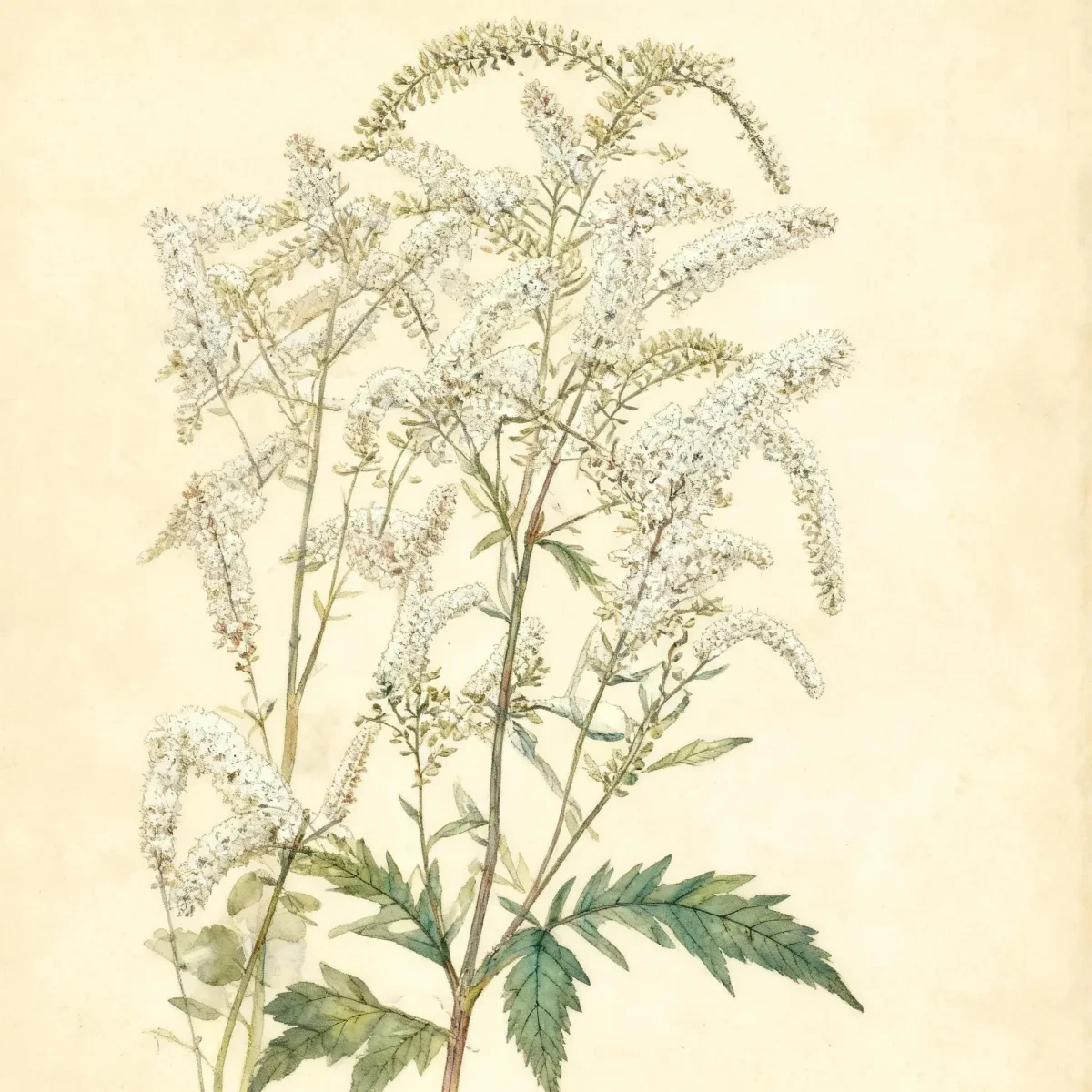
The value of Bugbane lies in its timing; as many summer perennials fade, this plant rewards the gardener with tall, fluffy racemes of white, fragrant flowers in late summer to early fall. The dark stems and lacy leaves of Actaea simplex (Atropurpurea Group) ‘Black Negligee’ offer year-round visual interest, making it a vital architectural component in woodland and shade settings.
Cultivating this perennial is relatively simple once established, requiring low maintenance. Gardeners appreciate Bugbane for its ability to thrive in shadier spots where color is often lacking, while its strongly fragrant flowers attract late-season visitors. Ensure consistent moisture to keep the dramatic foliage of your Actaea simplex (Atropurpurea Group) ‘Black Negligee’ looking its best.
Fast Facts
- Plant Family: Ranunculaceae
- Plant Type: Herbaceous perennial
- Hardiness Zones: USDA Zones 5-8
- Size at Maturity:
- Height: 4-5 ft
- Spread: 1.5-2 ft
- Bloom Time: August to September
- Bloom Description: White with purple tinge
- Sun Exposure: Part shade to full shade
- Water Needs: Medium
- Maintenance Level: Low
How to Grow
Plant this herbaceous perennial ideally in spring or fall to allow it time to establish before facing summer heat or winter cold. Actaea simplex (Atropurpurea Group) ‘Black Negligee’ strongly prefers humusy, organically rich, and consistently moisture-retentive soils. While considered easily grown, it performs best when sheltered from harsh, drying winds, which can cause the foliage to suffer prematurely.
Watering is critical for this Bugbane cultivar. Keep the soil consistently moist, as allowing the soil to dry out will cause the foliage to scorch at the margins and slow overall growth. While fertilizing is rarely mandatory in rich soil, a spring top-dressing of compost can support its vigorous growth habit.
Maintenance is generally low. This plant is slow to establish, so be patient during the first year or two; it will reward that patience with increasing size and stature. Although foliage rarely requires staking, very tall flower spires might benefit from support if sited in very bright locations or areas prone to heavy rain.
Landscape Uses
Bugbane excels at adding vertical interest and crucial late-season color to borders situated in part to full shade. Actaea simplex (Atropurpurea Group) ‘Black Negligee’ is highly effective when used in groups, forming architectural anchors within woodland or cottage garden designs. The deep coloration of these purple-leaved Bugbanes creates a stunning textural foil when planted against lighter green ferns or reflective, white-flowering hostas.
For a truly dramatic effect, position the white flower spires of the Bugbane against a darker backdrop, such as a dark fence or deep evergreen shrubs. Its suggested use includes naturalizing in suitable, moist areas of the garden, providing a sophisticated, low-maintenance element that signals the transition toward autumn. Single specimens also serve as excellent, long-term focal points once established.
Standout Features
Flower Qualities
- Showy
- Fragrant
Noteworthy Characteristics
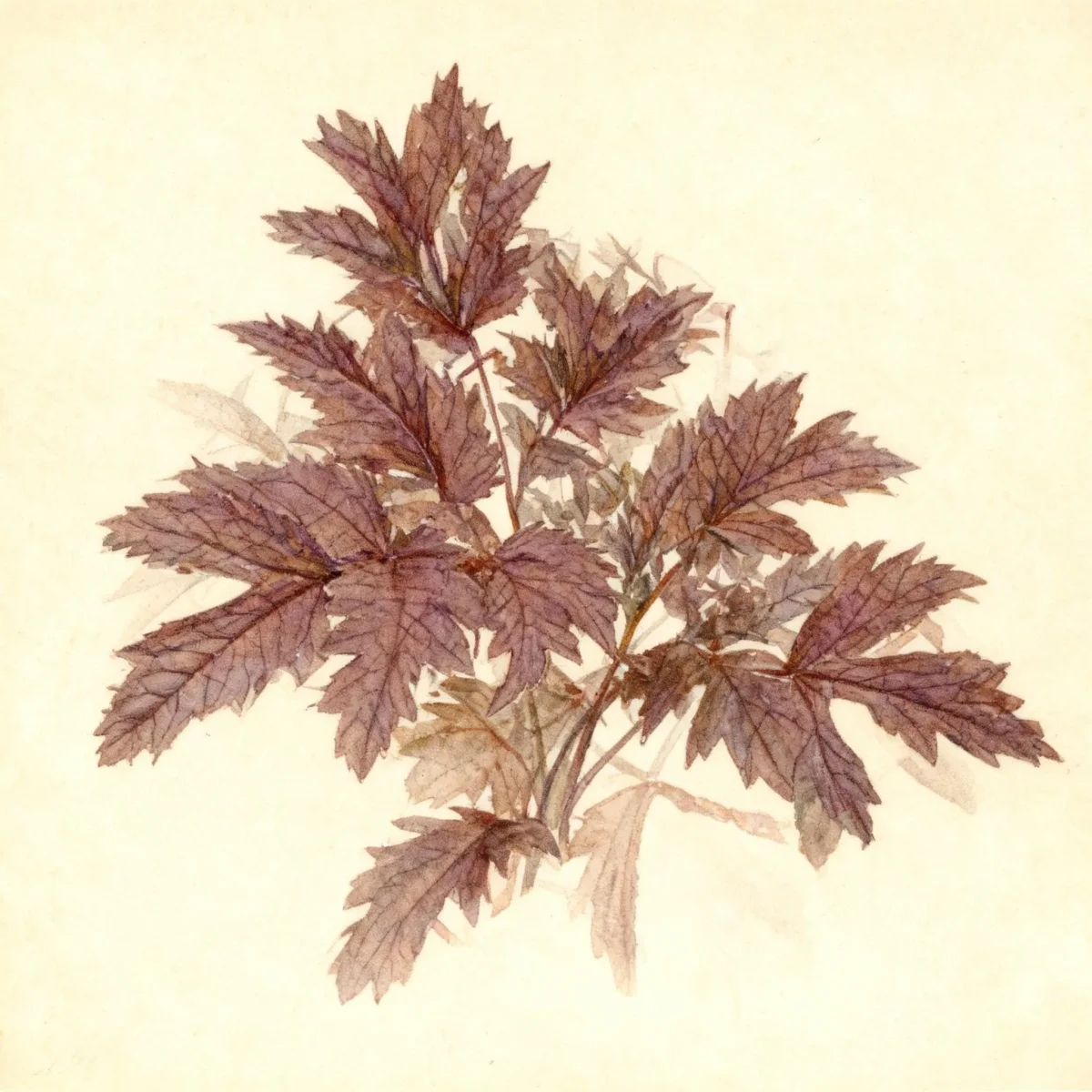
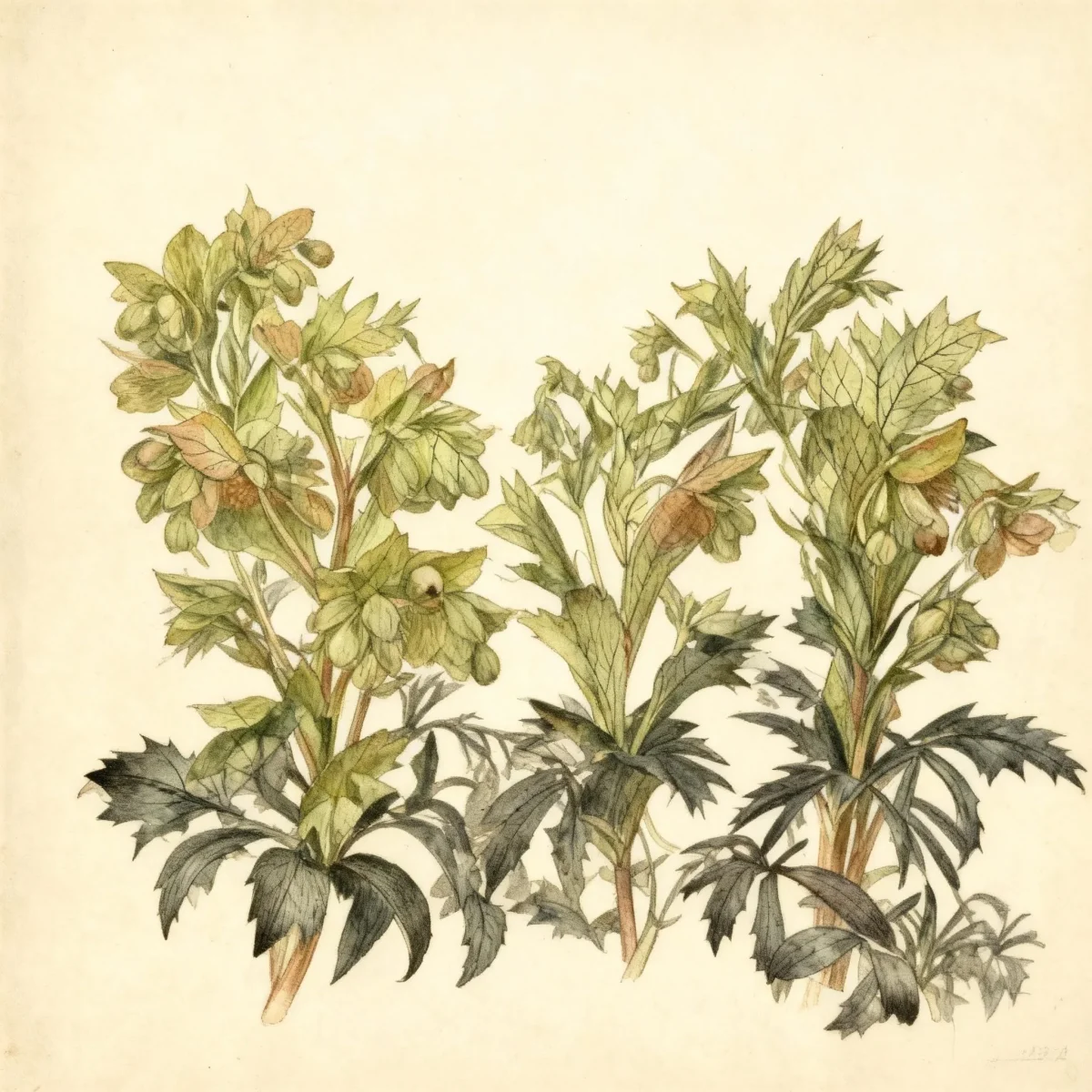
Actaea simplex, commonly called bugbane, is a herbaceous, rhizomatous perennial native to forest edges, scrublands, grassy slopes, and other open habitats in eastern and central China, Japan, Korea, and far eastern Russia. Mature plants typically reach a total height of 3-4’ with a 2-3’ spread. Small, numerous, creamy white, strongly fragrant flowers appear in late summer to early fall in long, terminal racemes resembling fluffy spires (typically 1-2’ long) rising above the foliage on upright, wiry stems. Astilbe-like, deeply cut, ternately compound foliage is an attractive deep green. Synonymous with and formerly known as Cimicifuga simplex.Genus name is the Latin name adopted by Linnaeus from Pliny.Specific epithet means simple or unbranched.The common name of bugbane is in reference to the odoriferous insect repellent properties of this plant.‘Black Negligee’ is a purple-leaved bugbane that typically grows to 4-5’ tall. It is perhaps best noted for its deeply-cut, dark purplish-black leaves on branched, dark stems. Foliage has a lacy effect, hence the cultivar name, and makes an effective accent throughout the growing season. Part of the Atropurpurea Group which includes cultivars that exhibit purple coloration of the stems, leaves, and inflorescences.
Tolerances
Potential Problems
This Bugbane variety generally avoids serious insect or disease problems, contributing to its low maintenance rating. Occasional issues gardeners might encounter include rust and leaf spot, often exacerbated by excessive humidity or poor air circulation. Prevention involves siting the plant where it receives adequate air movement and ensuring overhead watering is minimized, especially late in the day.
The primary cultural issue to manage involves moisture levels. The leaf margins of the foliage may brown (scorch), and overall growth can slow down significantly if the soil is allowed to dry out. Furthermore, flower spires tend to lean toward brighter light, meaning plants in deep shade might display a slight droop toward any available light source, potentially requiring minimal staking for perfect upright presentation.
Frequently Asked Questions
What hardiness zones is Bugbane suitable for?
Actaea simplex (Atropurpurea Group) ‘Black Negligee’ is suitable for USDA Hardiness Zones 5 through 8.
How large does Bugbane grow?
This cultivar typically reaches a height between 4 to 5 feet, with a spread of 1.5 to 2 feet.
What sun exposure does Actaea simplex (Atropurpurea Group) ‘Black Negligee’ need?
This perennial performs best when situated in part shade to full shade locations in the garden.
When does Bugbane bloom?
Bugbane blooms quite late in the season, typically from August into September, producing showy white flowers with a hint of purple tinge.
Conclusion
Actaea simplex (Atropurpurea Group) ‘Black Negligee’ offers invaluable architectural height and late-season, fragrant blooms, making it indispensable for brightening darker areas of the garden. The superb, lacy, dark foliage of this Bugbane cultivar provides season-long structure and contrast against almost any planting scheme. Verify your local USDA hardiness zone compatibility before planning your planting schedule this fall for best establishment results.
Companion Planting
Choosing the right partners drastically enhances the visual impact of Bugbane. Since Actaea simplex (Atropurpurea Group) ‘Black Negligee’ requires consistent moisture and shade, look for companions that share these needs. Excellent choices include various Hosta cultivars, particularly those with blue or chartreuse foliage, as the contrast against the dark leaves is stunning. Taller ferns, such as Japanese Painted Ferns, blend beautifully with the lacy texture of the Bugbane flowers during the late summer display.
Consider pairing the late bloom time of this Bugbane with earlier flowering hydrangeas or astilbes, filling in the gaps during mid-summer. Plants that thrive in rich, moist woodland soil, like certain varieties of bleeding heart (Dicentra) or early spring ephemerals, complement the overall cultural requirements of the Actaea simplex (Atropurpurea Group) ‘Black Negligee’ beautifully across the growing season.
Seasonal Care Calendar
Spring is the ideal time for garden cleanup, removing any remaining faded foliage from the previous year and applying a fresh layer of compost around the base of your plant. Focus heavily on monitoring moisture levels as the weather warms; adequate water in spring sets the stage for strong summer growth and helps prevent leaf scorch.
Summer care centers almost entirely around irrigation maintenance throughout the hottest months. Ensure the medium moisture levels are consistently met to support the 4-5 foot growth without stressing the rhizomes. If you observe flower spires beginning to bend consistently toward one spot, a very light rotation of the plant’s location, if possible, or adding slight physical support may be needed.
As the bloom fades in autumn, the structure of the dark stems remains interesting. Cut back the spent flower stalks after they have browned, or leave them standing temporarily for added winter interest before cutting the heavy foliage down near the ground in late fall or early spring.