Columnar apple (Malus MAYPOLE)
The Malus MAYPOLE Columnar apple offers high visual impact in tight spaces with profuse deep pink blooms and edible fruit.
Scroll down to discover growing tips, care requirements, companion plants, and more
Complete Plant Information
Overview
The Columnar apple, specifically the Malus MAYPOLE cultivar, is a highly valuable specimen for gardeners seeking vertical interest without sacrificing seasonal beauty. Belonging to the Rosaceae family, this tree is prized for its strikingly slender stature, allowing it to fit perfectly where conventional fruit trees cannot. It provides excellent aesthetic impact through its blooming period and the persistent display of its fruit.
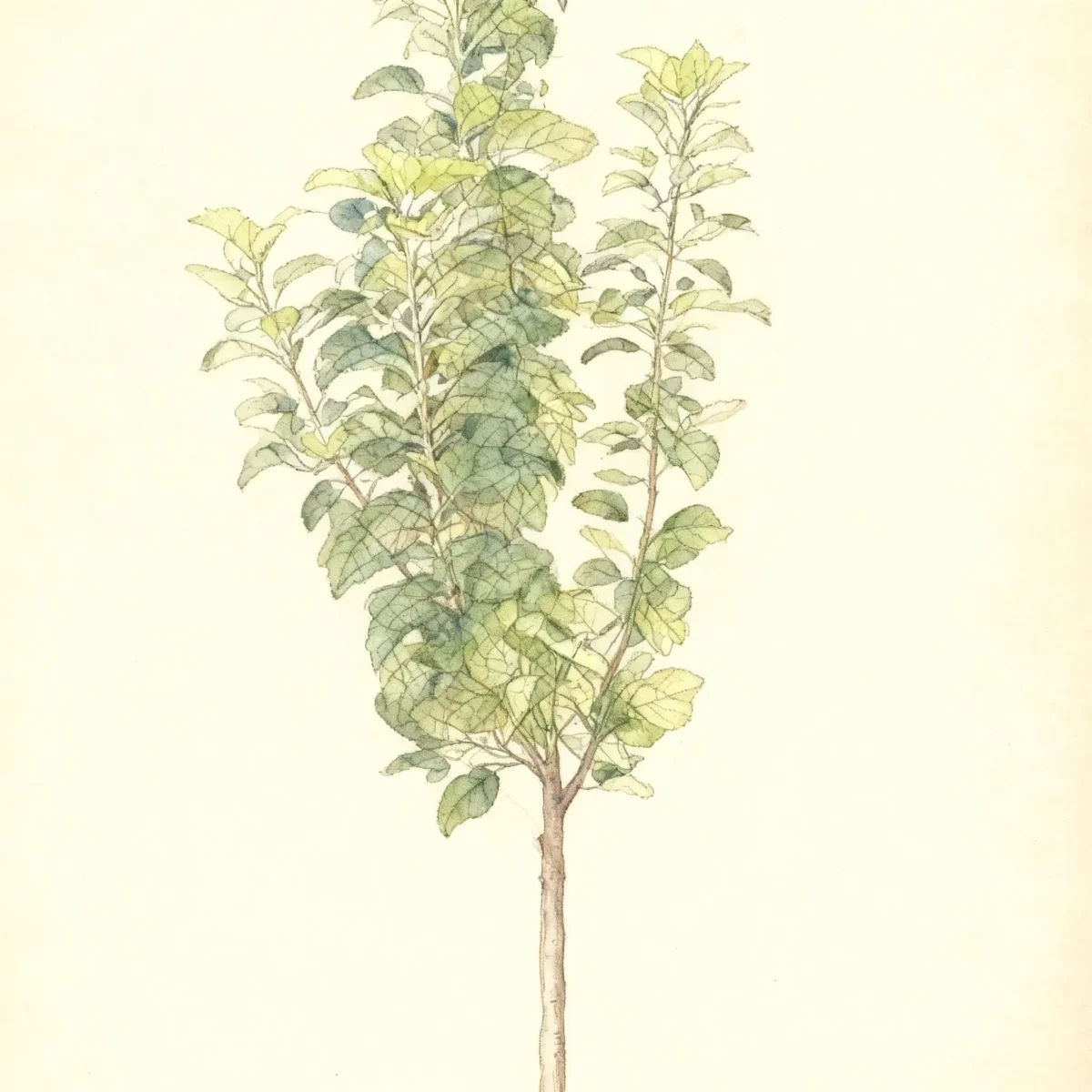
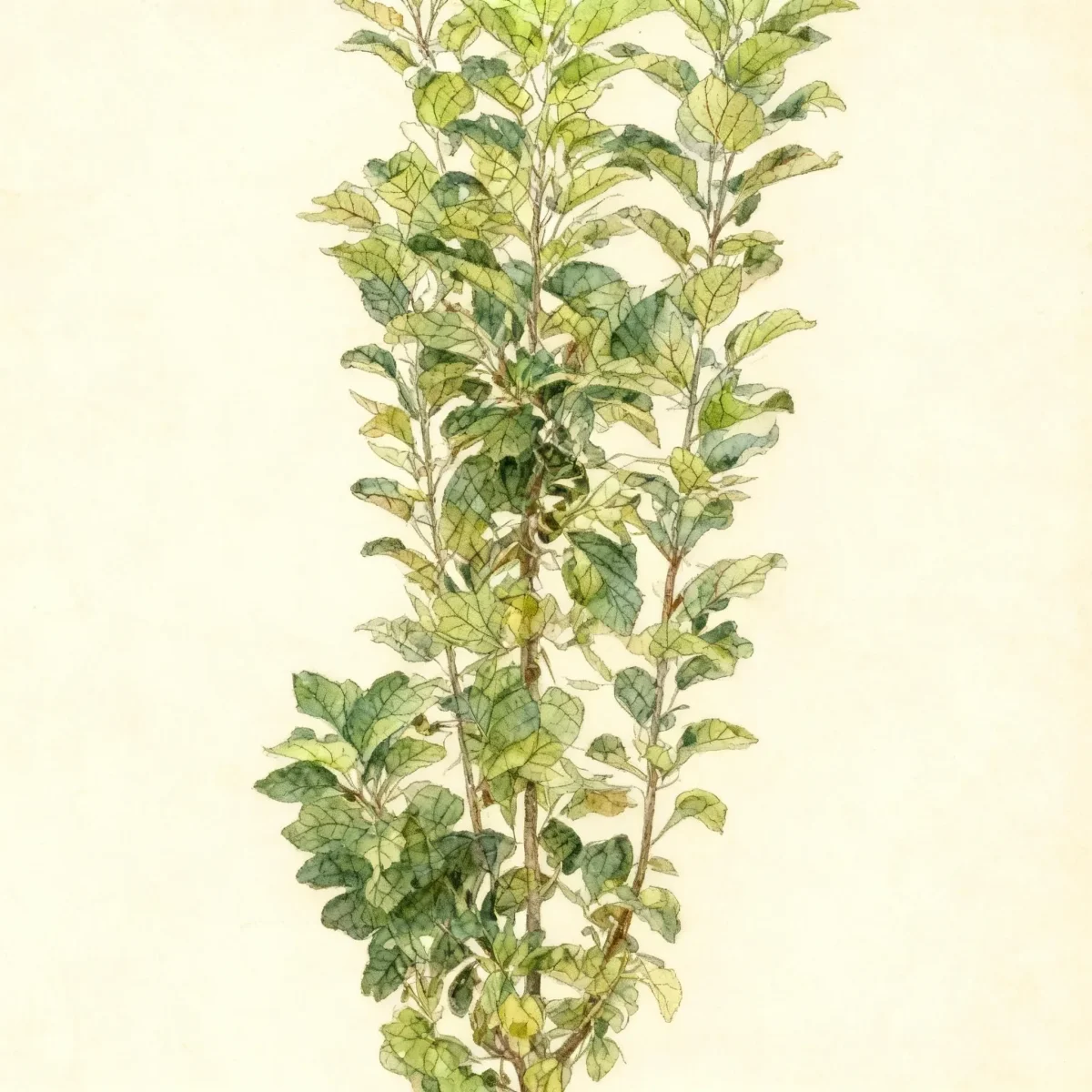
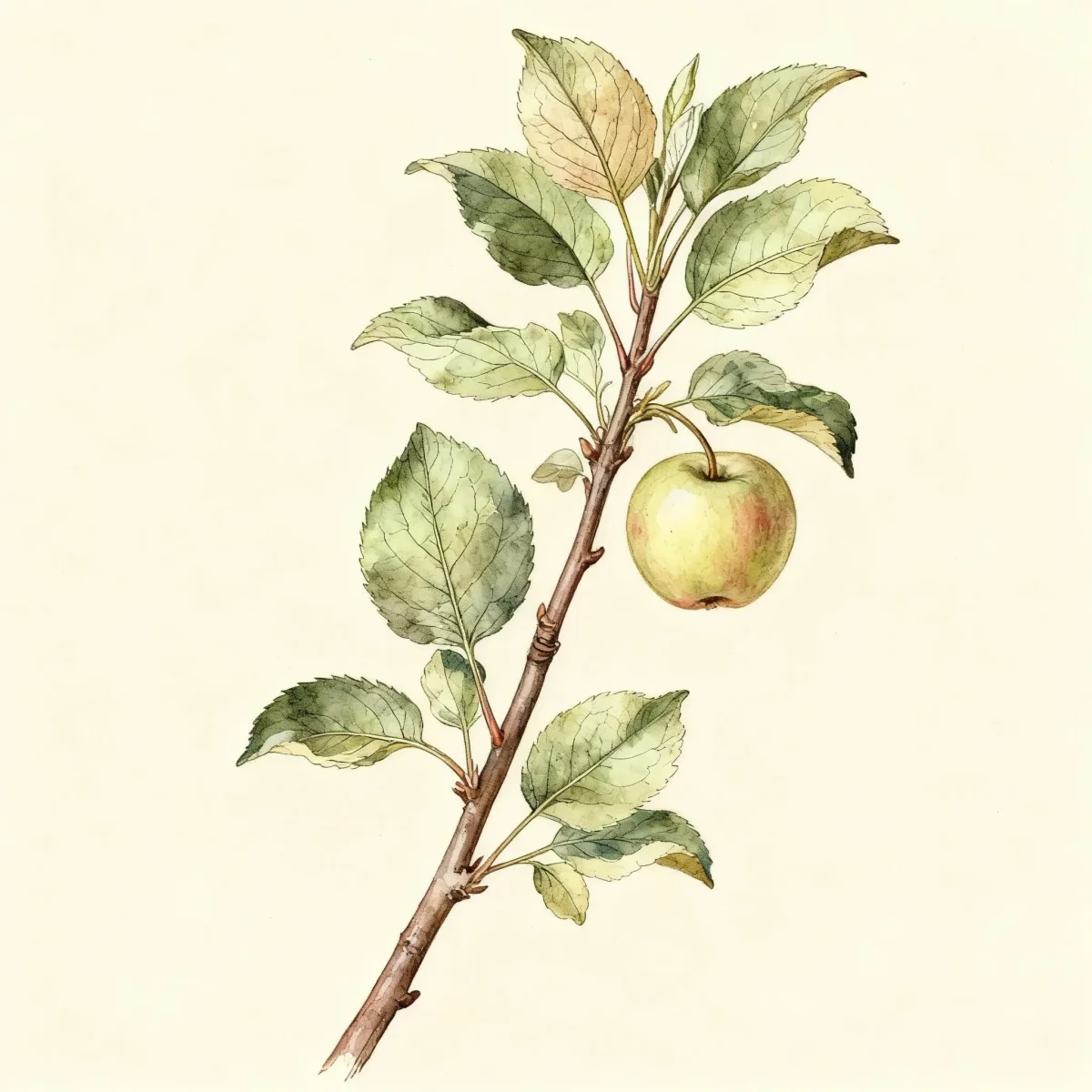
This deciduous tree features a naturally columnar shape, rarely exceeding two feet in width while reaching heights up to eight feet. The Malus MAYPOLE offers a spectacular performance in spring, covered in profuse, deep pink blossoms that fill the air with fragrance. In the autumn, it provides visual interest with crimson red crabapples that mature, offering an edible harvest primarily suited for preserves.
For optimal performance, this Columnar apple demands full sun exposure and careful management, classifying its maintenance level as high. Its compact form makes the Malus MAYPOLE an excellent choice for accent planting or narrow borders, bringing the appeal of an apple tree into highly restricted garden spaces.
Fast Facts
- Plant Family: Rosaceae
- Plant Type: Fruit
- Hardiness Zones: USDA Zones 4-8
- Size at Maturity:
- Height: 6-8 ft
- Spread: 1.5-2 ft
- Bloom Time: April
- Bloom Description: Deep pink
- Sun Exposure: Full sun
- Water Needs: Medium
- Maintenance Level: High
How to Grow
Planting the Columnar apple is best achieved when dormant, usually early spring or late fall, into a location that receives consistent full sun exposure. This tree thrives in average, well-drained soils, though it shows a preference for fertile and acidic conditions. Proper soil drainage is non-negotiable, as standing water will rapidly compromise the health of this specimen.
Consistent watering is necessary to maintain medium soil moisture, especially during establishment and dry spells. While specific fertilization needs are determined by soil testing, ensuring a fertile base supports both the heavy blooming and fruit set characteristic of the Malus MAYPOLE. Due to its designation as high maintenance, diligent monitoring for potential issues is required.
Pruning is a critical task for maintaining the structural integrity and desired columnar shape of this Columnar apple. It is essential to prune to shape the tree in mid-June, ensuring this is done before the next year’s flower buds begin to set. Avoid late-season pruning, as this will sacrifice the following spring’s display of deep pink blooms.
Landscape Uses
The narrow footprint of the Malus MAYPOLE makes it an indispensable element in contemporary and space-saving landscape designs. As a recognized Flowering Tree, it delivers significant vertical punctuation along pathways, flanking entryways, or acting as a living screen where horizontal space is limited. Its commitment to bloom and fruit production ensures year-round visual appeal.
This specimen is an excellent choice for small areas around the home or integrated into mixed shrub borders where a vertical accent is needed. Consider pairing the deep pink spring flowers of the Columnar apple with lower-growing spring bulbs or perennials that prefer full sun and average moisture, ensuring there is no root competition near the base of the tree. Its unique habit allows it to be featured prominently as a focal point in small courtyards or patios.
Standout Features
Flower Qualities
- Showy
- Fragrant
Fruit Qualities
- Showy
- Edible
Noteworthy Characteristics
Malus is a genus of about 35 species of deciduous trees and shrubs from Europe, Asia and North America; the genus name comes from the Greek melon. Malus MAYPOLE, sold by Stark Bros. Under the name Colonnade, is a columnar-shaped, deciduous, flowering crabapple tree growing to 8’ tall, but only 2’ wide, making it a good plant for a small area. Profuse, deep pink blooms appear in April, and crimson red crabapples mature in September; these crabapples can be harvested and made into jelly. Medium green leaves have a red tinge when they first appear and turn burgundy in the fall, and it serves as a good pollinator for other colonnade trees.
Tolerances
- Air Pollution
Potential Problems
Potential disease problems common to this crabapple include apple scab, rust, fireblight, leaf spot, and powdery mildew. Gardeners should actively scout leaves and branches for signs of these fungal issues, often managed by ensuring good air circulation through proper pruning and applying preventative fungicides as needed.
Insect pests targeting the Malus MAYPOLE can include aphids, maggots, borers, and spider mites. Inspect the foliage closely, especially during warmer months, and address infestations using horticultural oils or appropriate insecticidal soaps, targeting the specific life stage of the pest present. Vigilance is key due to the high maintenance requirement noted for this variety.
Frequently Asked Questions
What hardiness zones is Columnar apple suitable for?
The Malus MAYPOLE is well-suited for cultivation within USDA Hardiness Zones 4 through 8.
How large does Columnar apple grow?
This specific cultivar grows quite tall relative to its width, typically reaching a height of 6 to 8 feet while maintaining a slim spread of only 1.5 to 2 feet.
When does Columnar apple bloom?
The Columnar apple displays profuse, deep pink blossoms in April.
What sun exposure does Malus MAYPOLE need?
For maximum flower and fruit production, the Malus MAYPOLE absolutely requires full sun exposure.
Conclusion
The Malus MAYPOLE provides exceptional vertical accent and colorful seasonal interest, making it a superb choice for gardeners prioritizing impact in tight or narrow spaces. Its deep pink flowers and edible fruit significantly boost curb appeal. Before planting, confirm that your site provides full sun and that you are prepared for the high level of seasonal pruning required for this unique Columnar apple.
Companion Planting
Selecting appropriate companions for the Malus MAYPOLE should focus on plants that share its preferences for full sun and medium, well-drained soil, while avoiding competition with its shallow root system. Consider groundcovers like creeping thyme or sedum varieties that tolerate partial shade near the edges of the drip line, as they will not aggressively compete for water and nutrients near the trunk.
For vertical interest in beds adjacent to the Columnar apple, look toward upright evergreen shrubs like narrow junipers or certain cultivars of Japanese holly (Ilex crenata). These offer year-round structure and contrast nicely with the fine texture of the deciduous apple foliage during the growing season.
Avoid planting aggressive spreading perennials or deep-rooted trees nearby. Since the Malus MAYPOLE requires rich, fertile soil, adding well-aged compost around its base annually will benefit the tree without disturbing roots needed by companions planted further away.
Design Ideas
The columnar form of the Malus MAYPOLE lends itself perfectly to formal garden designs, such as flanking a garden gate or defining the beginning of a transition path. Using several specimens evenly spaced can create a striking, repeating vertical rhythm along a property line where a standard hedge is too bulky.
In modern or minimalist landscapes, feature one or two Columnar apple trees as sculptural accents against a plain backdrop, such as a neutral-colored fence or wall. This contrast highlights the narrow profile, especially when the tree is in full bloom during April.
For edible layering, place low-growing herbs like chives or parsley beneath the tree. These lower plants enjoy the filtered light created by the canopy as the season progresses and provide an easy-to-access harvest without interfering with the structural pruning required by the Columnar apple in June.