Knautia (Knautia macedonica 'Mars Midget')
Knautia macedonica 'Mars Midget' offers long-lasting ruby red blooms. This low-maintenance perennial suits full sun gardens in Zones 5-8.
Scroll down to discover growing tips, care requirements, companion plants, and more
Complete Plant Information
Overview
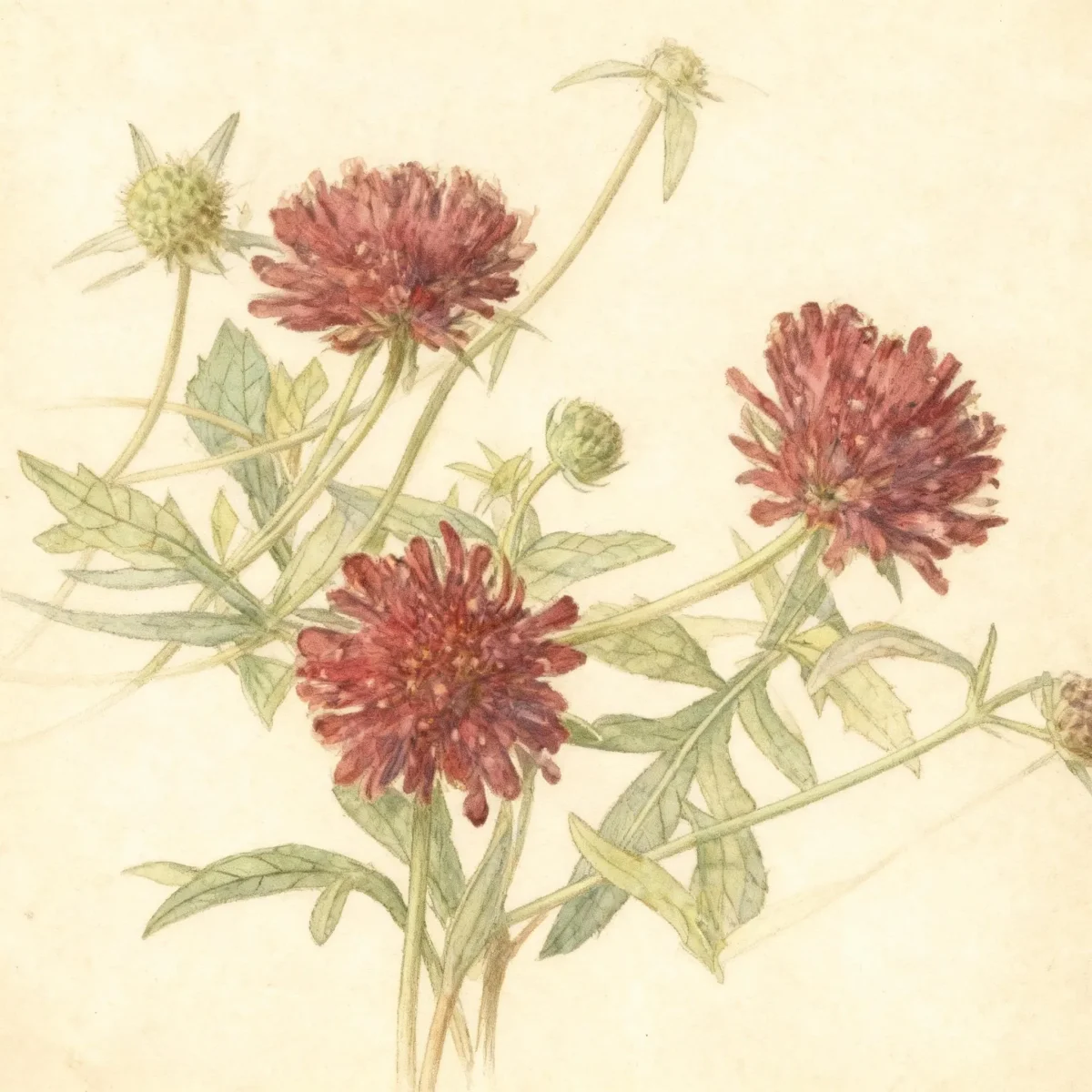
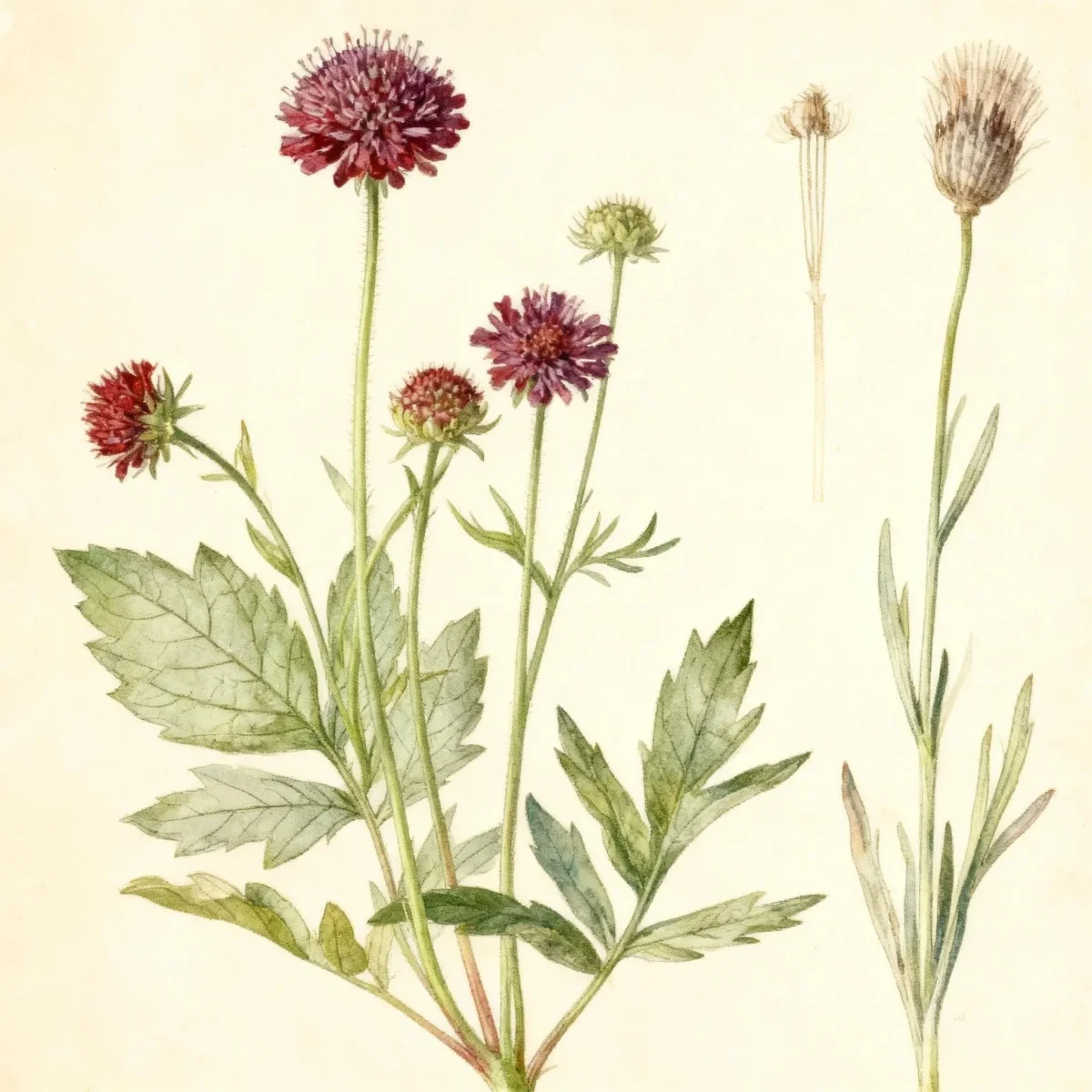
Knautia macedonica ‘Mars Midget’ is a highly valued, compact herbaceous perennial renowned for its extended bloom period and vibrant flower color. This cultivar of Knautia provides steady texture and color, making it an excellent addition to mixed borders where continuous performance is desired. The small, ruby-red, scabiosa-like flowers are produced atop sturdy, slender stems.
The dwarf habit of Knautia macedonica ‘Mars Midget’ lends itself to more formal garden settings compared to the taller species, providing color without the risk of flopping common in hotter climates. It is generally considered a low-maintenance plant that thrives in full sun conditions.
Gardeners appreciate this Knautia for its ability to attract beneficial insects and its suitability as a long-lasting cutting flower, both fresh and dried. While typically short-lived, its ease of propagation via self-seeding ensures its presence continues in the garden ecosystem.
Fast Facts
- Plant Family: Caprifoliaceae
- Plant Type: Herbaceous perennial
- Hardiness Zones: USDA Zones 5-8
- Size at Maturity:
- Height: 1-1.5 ft
- Spread: 1-1.5 ft
- Bloom Time: July to September
- Bloom Description: Ruby red
- Sun Exposure: Full sun
- Water Needs: Medium
- Maintenance Level: Low
How to Grow
Plant Knautia macedonica ‘Mars Midget’ in the spring or fall, ensuring placement in an area receiving full sun exposure daily. This Knautia prefers average, well-drained soils that lean towards neutral to slightly alkaline pH. Proper drainage is crucial for the long-term health of this perennial.
Water requirements are medium; established plants are relatively drought-tolerant but perform best with consistent, moderate moisture, especially during peak summer heat. Fertilization is rarely necessary if the soil is reasonably fertile. Deadheading, or promptly removing spent flowers, is key to encouraging the long bloom cycle that Knautia offers from July through September.
Protect your Knautia from strong winds by locating it near structures or in sheltered garden spots. While the dwarf ‘Mars Midget’ resists flopping better than its parents, high humidity and intense southern heat can still impact performance. In ideal, cooler climates, gardeners may find that Knautia self-seeds gently, naturalizing the area over time.
Landscape Uses
Knautia macedonica ‘Mars Midget’ excels in designs requiring airy, continuous color and movement. Its inclusion in mass plantings within cottage gardens softens edges beautifully between structured elements. Due to its manageable size, it fits perfectly near the front or middle of borders without overwhelming smaller flowering neighbors.
This versatile perennial is ideal for meadow plantings or naturalized areas where its self-seeding nature can be welcomed. Consider pairing Knautia with structural ornamental grasses or silver-leaved perennials that can tolerate similar sun and soil conditions. Its unique flower shape offers textural contrast among simpler daisy-like blooms.
Standout Features
Flower Qualities
- Showy
Noteworthy Characteristics
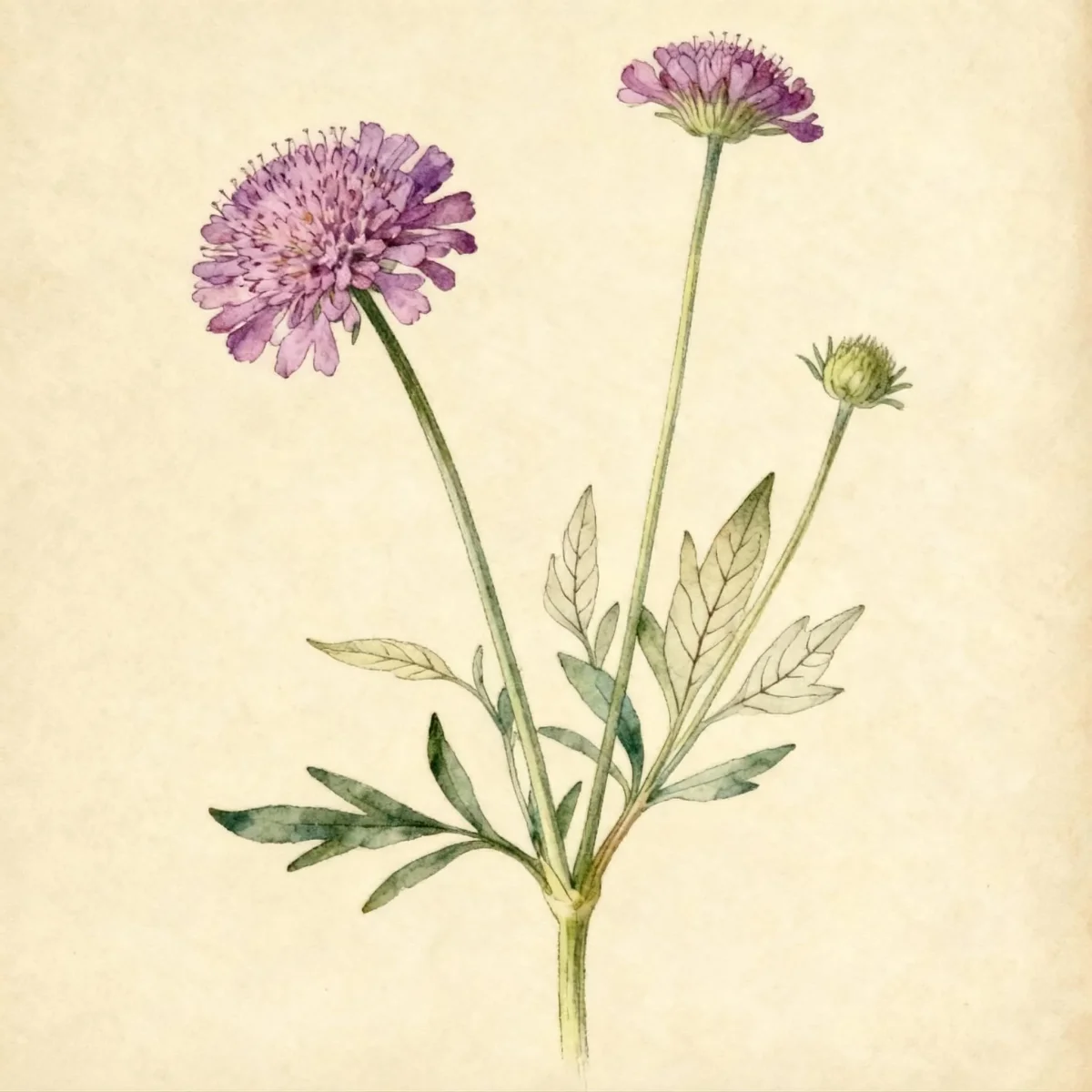
Knautia macedonica is an upright, clump-forming, somewhat short-lived perennial which typically grows 1.5-2’ tall. Features deep purplish-red, domed, scabiosa-like flower heads atop slender, branching stems. ‘Mars Midget’ is a dwarf seed strain noted for producing scabiosa-like, ruby-red flower heads over a long early summer to autumn bloom period. This smaller habit generally results in a sturdier plant than the species, often reaching only 16 inches tall.
Tolerances
There is no data provided for specific tolerances like drought, salt, or deer resistance.
Potential Problems
Knautia generally exhibits few serious insect or disease problems, making it attractively low-maintenance. The primary concern for gardeners, especially in humid, hot southern regions, involves performance decline late in the summer season, where stems can become twisted or the clump may weaken.
To mitigate heat stress on your Knautia macedonica ‘Mars Midget’, ensure the soil is exceptionally well-drained and maintain consistent, even moisture without overwatering. Providing afternoon shade in the hottest zones can sometimes improve stamina, though full sun is generally required for best flowering.
Frequently Asked Questions
What hardiness zones is Knautia suitable for?
Knautia macedonica ‘Mars Midget’ is best suited for gardens within USDA Hardiness Zones 5 through 8.
How large does Knautia macedonica ‘Mars Midget’ grow?
This dwarf cultivar typically reaches a height between 1 and 1.5 feet, with an equal spread of 1 to 1.5 feet.
What sun exposure does Knautia need?
This perennial performs optimally and produces the most consistent blooms when situated in a location receiving full sun.
When does Knautia bloom?
You can expect the ruby-red flowers of Knautia to appear reliably from July extending through September.
Conclusion
The compact stature and extended flowering period make Knautia macedonica ‘Mars Midget’ an invaluable mid-border plant for vibrant, low-effort color. Its structural, ruby-red blooms offer visual interest across the peak summer months. Before planting, confirm that your site offers the requisite full sun and well-drained soil conditions to ensure a successful season for this beautiful Knautia.
Companion Planting Strategies
Selecting appropriate companions is essential for maximizing the aesthetic and cultural success of Knautia macedonica ‘Mars Midget’. Because this plant requires full sun and dislikes excessive summer humidity, pair it with other drought-tolerant perennials that share a preference for well-drained, perhaps slightly alkaline soil. Good partners include varieties of ornamental sage (Salvia), hardy geraniums that bloom earlier in the season, or fine-textured grasses like various Panicum cultivars.
These pairings help create a layered tapestry effect, common in meadow or cottage designs where Knautia thrives. Placing shorter, mounding plants at the front of the border to contrast with the slightly taller, vertical stems of Knautia helps define the garden space while maintaining visual openness.
Seasonal Care Calendar
Spring is the ideal time to wake up your Knautia. Cut back any remaining old, dead foliage close to the ground as new basal growth begins to emerge. Avoid heavy fertilization early on; if the soil quality is poor, a light application of balanced, slow-release fertilizer is sufficient before the main growth spurt begins.
During the summer growing season, the most important task for this Knautia is regular deadheading. Promptly shearing off faded flower heads encourages the plant to put energy into producing more ruby-red blooms rather than setting seed, extending the show well into autumn. Monitor moisture levels, particularly during dry spells, ensuring the soil remains medium and not allowed to dry out completely.
In the autumn, if the plant has stopped actively blooming, you may leave the spent flower stems standing for winter visual interest, or cut them back to the basal foliage. Knautia macedonica ‘Mars Midget’ is generally hardy, but providing a light layer of mulch in colder regions (near Zone 5) can help protect the crown from freeze-thaw cycles common in late winter.