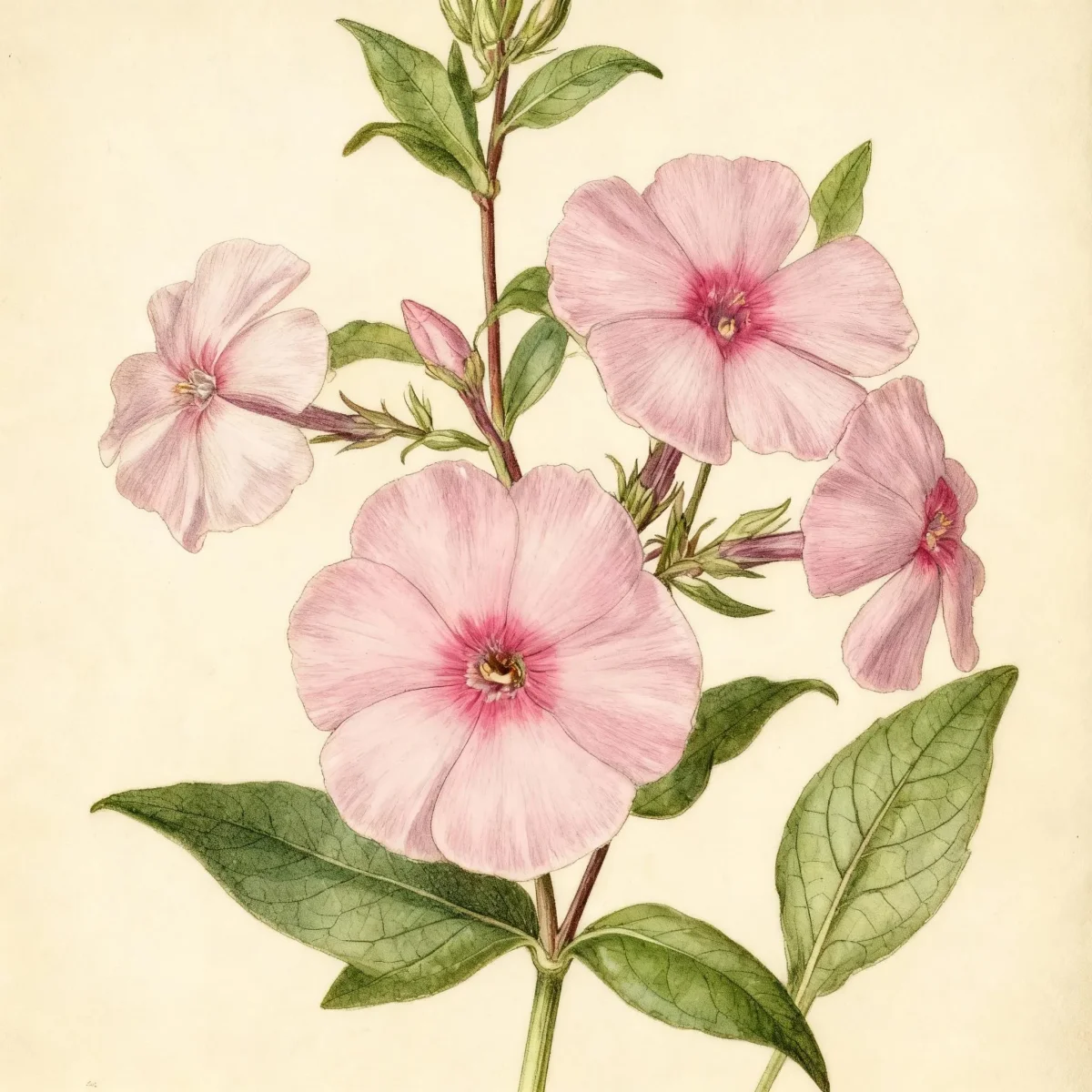
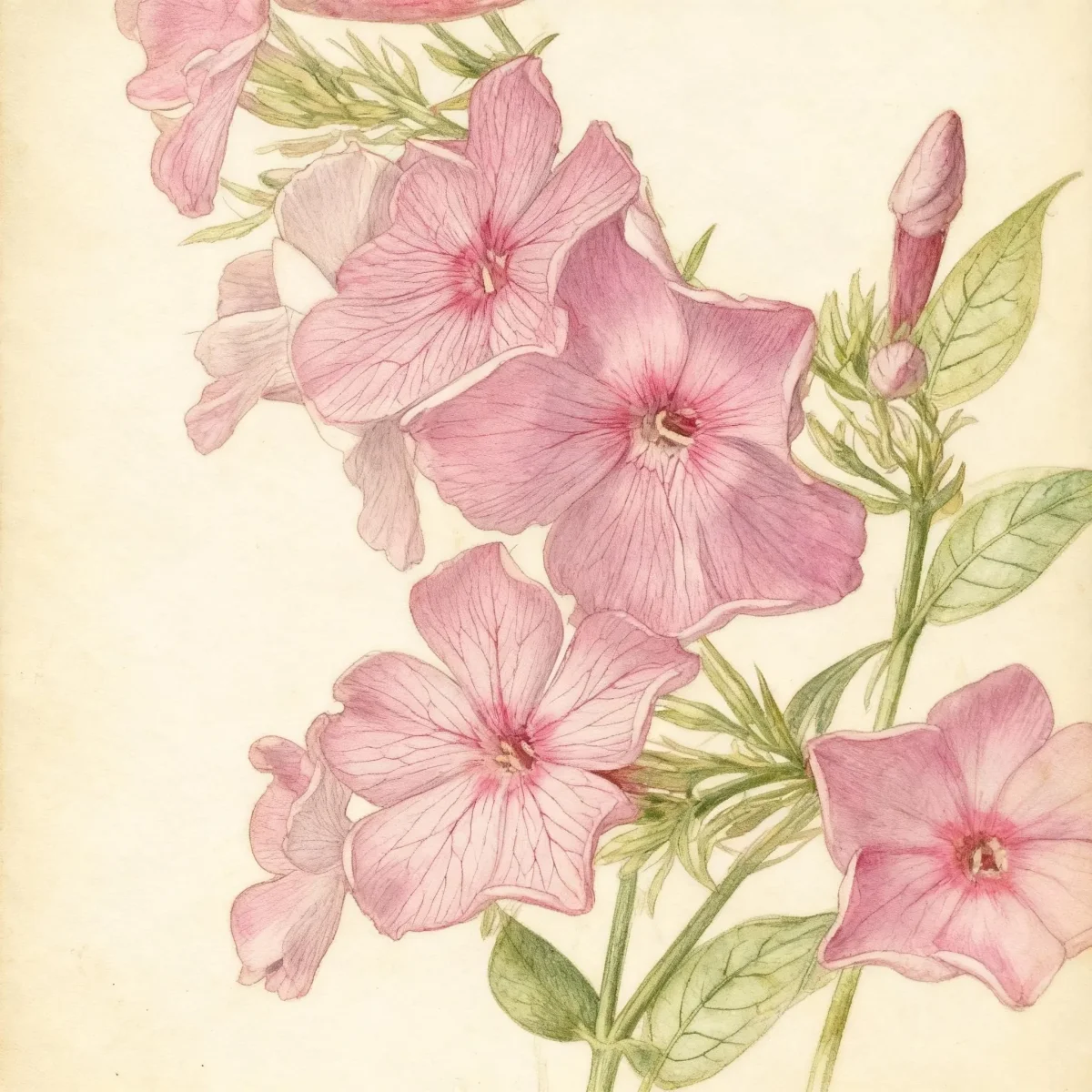
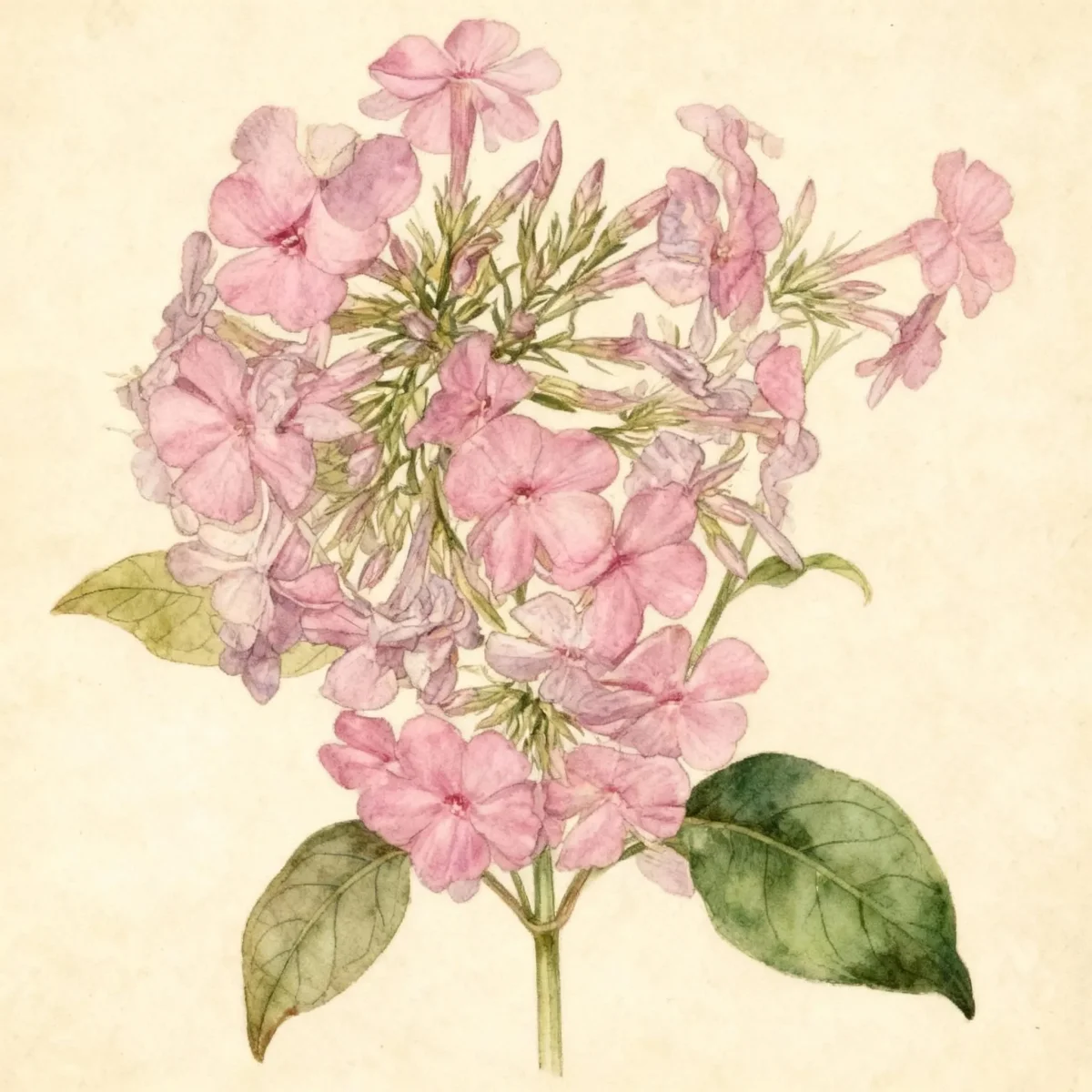
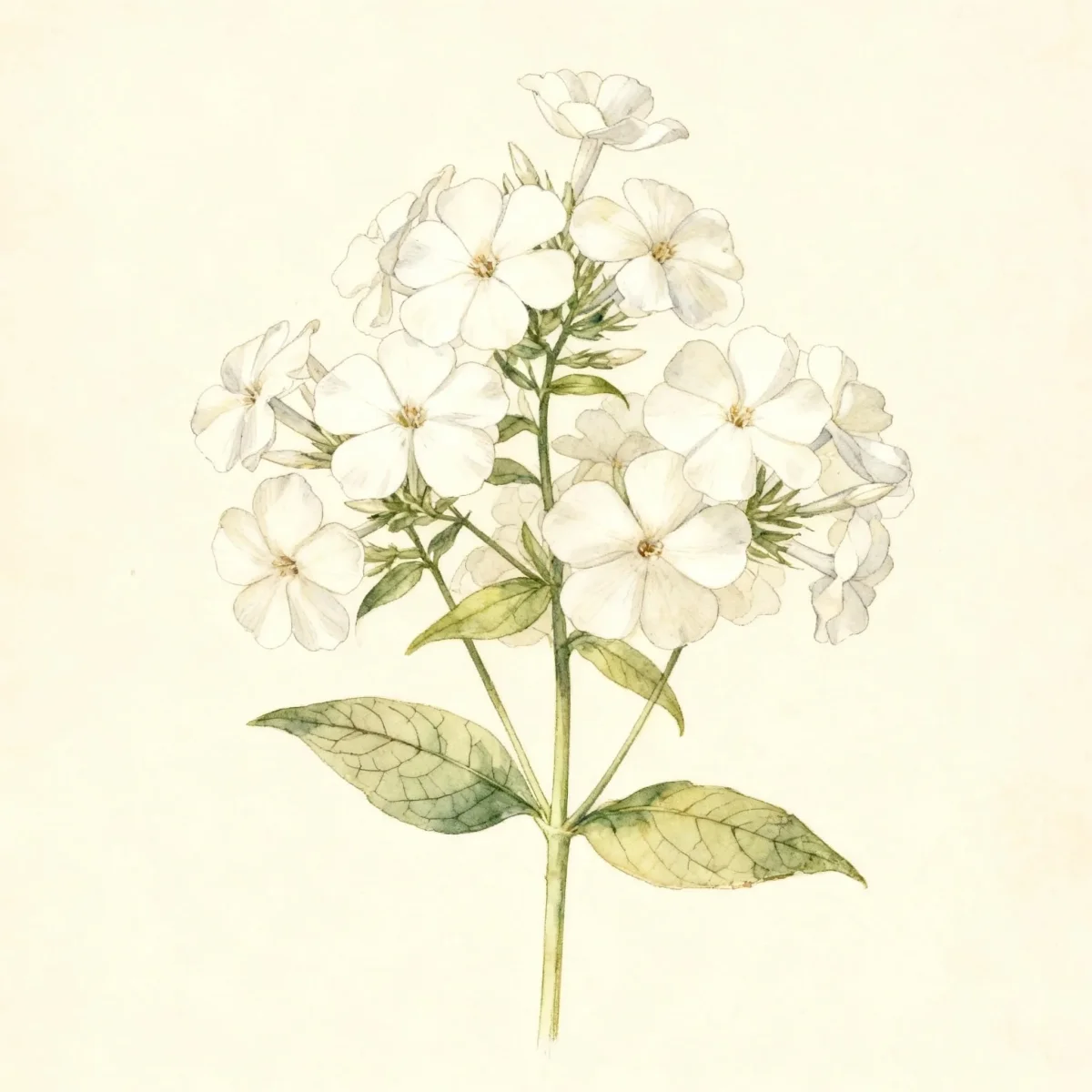
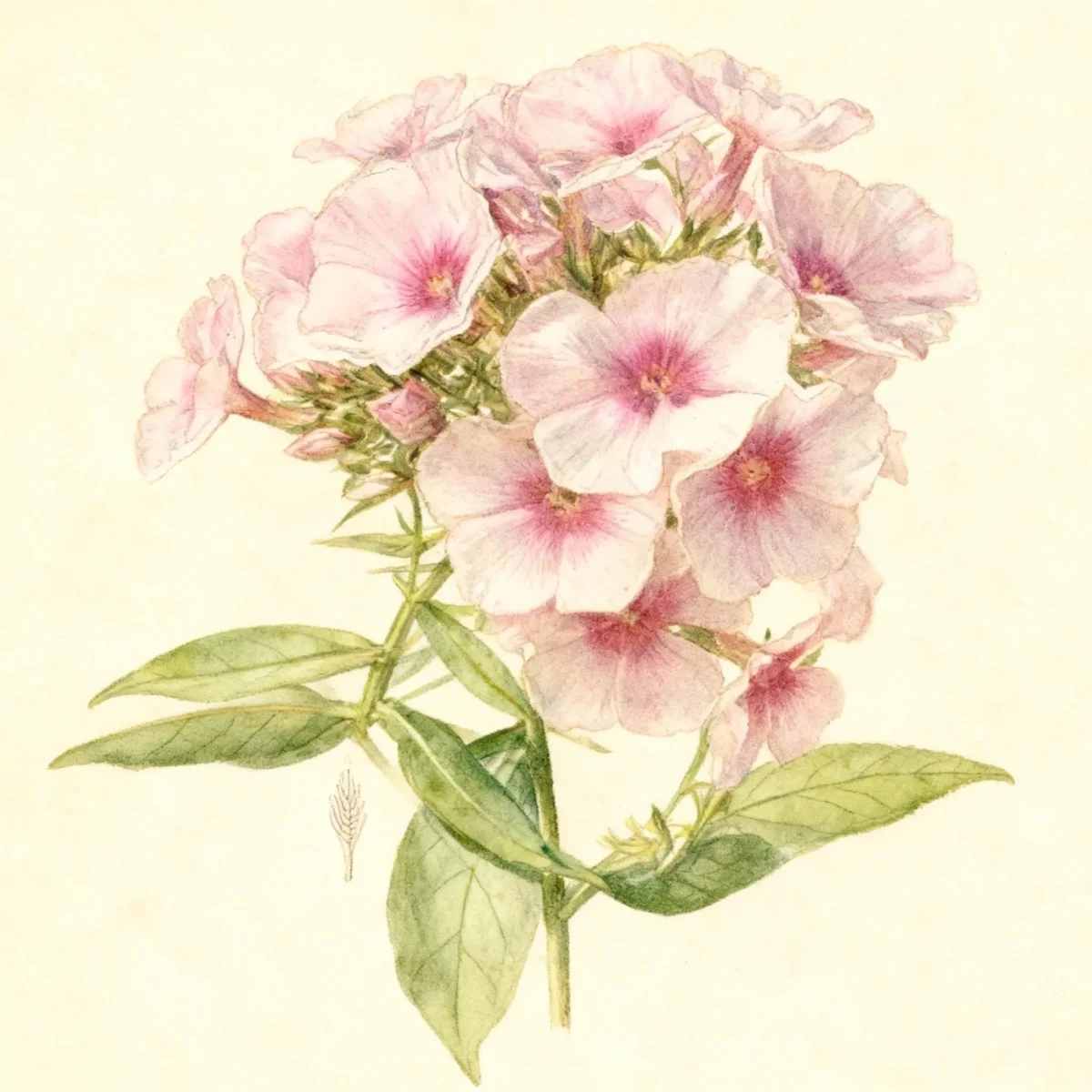
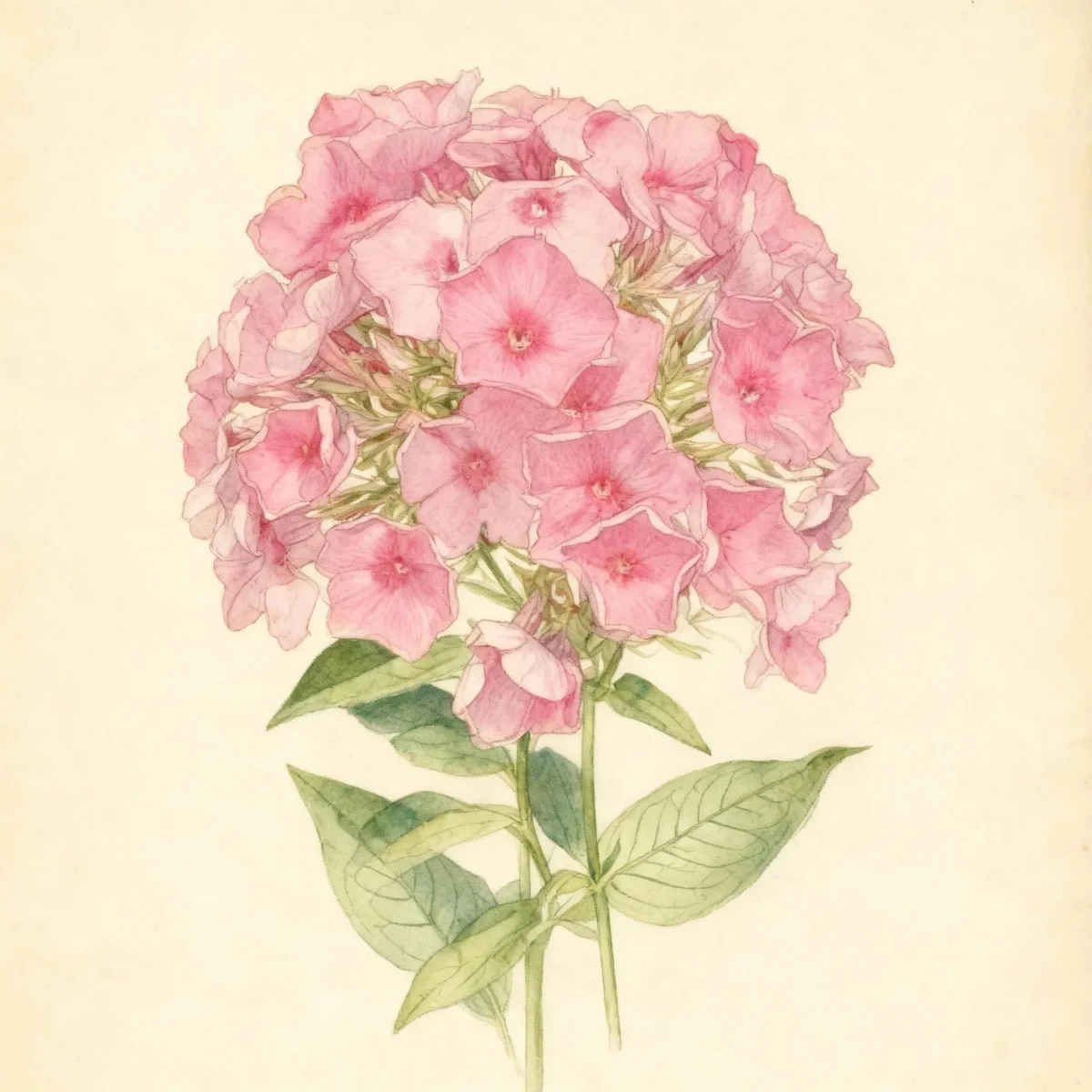
Garden phlox (Phlox paniculata 'Düsterlohe' NICKY)
Admire Phlox paniculata 'Düsterlohe' NICKY, a showy, fragrant Garden phlox producing magenta blooms from July to September.
Scroll down to discover growing tips, care requirements, companion plants, and more
Complete Plant Information
Overview
Phlox paniculata ‘Düsterlohe’ NICKY is a stunning cultivar prized for its intense, velvety deep magenta flowers that reliably bloom through the heat of summer and extend into fall. As a variety of Garden phlox, this upright perennial provides significant mid-season color in the landscape, making it a foundational plant for any border design. Its flowers are notably fragrant, attracting essential pollinators like butterflies and hummingbirds.
Known botanically as Phlox paniculata ‘Düsterlohe’ NICKY, this selection maintains stiff, sturdy stems, typically reaching 2 to 4 feet tall, which often negates the need for staking common with other tall garden phlox. By focusing on good air circulation, gardeners can best appreciate the consistent summer performance of this robust variety. It offers long-lasting, showy floral displays above deep green foliage.
This Garden phlox cultivar offers excellent late-season interest, transforming dull summer gardens into vibrant displays. Its strong vertical accent and reliable performance make Phlox paniculata ‘Düsterlohe’ NICKY a superb choice for gardeners looking for dependability combined with rich color. Ensure proper spacing to maximize bloom quality and plant health.
Fast Facts
- Plant Family: Polemoniaceae
- Plant Type: Herbaceous perennial
- Hardiness Zones: USDA Zones 5-9
- Size at Maturity:
- Height: 2-4 ft
- Spread: 1-2 ft
- Bloom Time: July to September
- Bloom Description: Magenta
- Sun Exposure: Full sun to part shade
- Water Needs: Medium
- Maintenance Level: Medium
How to Grow
Plant your Phlox paniculata ‘Düsterlohe’ NICKY in moderately fertile, well-drained soil. While it can tolerate light shade, it achieves its best flowering performance—especially the intense magenta color—in full sun. Rich, moist, organic soils are preferred, and gardeners in very hot climates should note that soil moisture is critical for consistent summer performance compared to milder regions.
Medium water needs mean that this Garden phlox is intolerant of drought, requiring consistent watering during dry spells. Avoid overhead watering techniques to help mitigate potential fungal issues. Applying a summer mulch around the root zone will assist in keeping the soil cool and retaining necessary moisture.
Good air circulation is mandatory for successful culture of this plant. Space plants adequately or routinely thin out crowded stems to help combat powdery mildew, a common affliction of garden phlox. For winter preparation, cut the plants completely back to the ground and ensure all debris is removed from the area to minimize overwintering fungal spores.
You can encourage a longer bloom period by promptly removing faded flower panicles (deadheading). While cultivars generally do not come true from seed, this practice also prevents unwanted self-seeding around your display area.
Landscape Uses
Garden phlox is a cornerstone plant for the traditional perennial border, offering vertical structure and masses of summer color. The vibrant magenta hues of Phlox paniculata ‘Düsterlohe’ NICKY blend beautifully with complementary blues, whites, and yellows, creating high-impact visual combinations that last for weeks. Because it has substantial height and a tidy, upright habit, it functions excellently in the middle to back layers of a mixed planting scheme.
Because this selection, like all garden phlox, is highly attractive to hummingbirds, it is a superb choice for inclusion in any bird garden aiming to create a lively habitat. Mix it with late-summer bloomers like Coneflowers (Echinacea) or Sedum to maintain interest once the phlox bloom begins to fade.
Standout Features
Flower Qualities
- Showy
- Fragrant
Noteworthy Characteristics
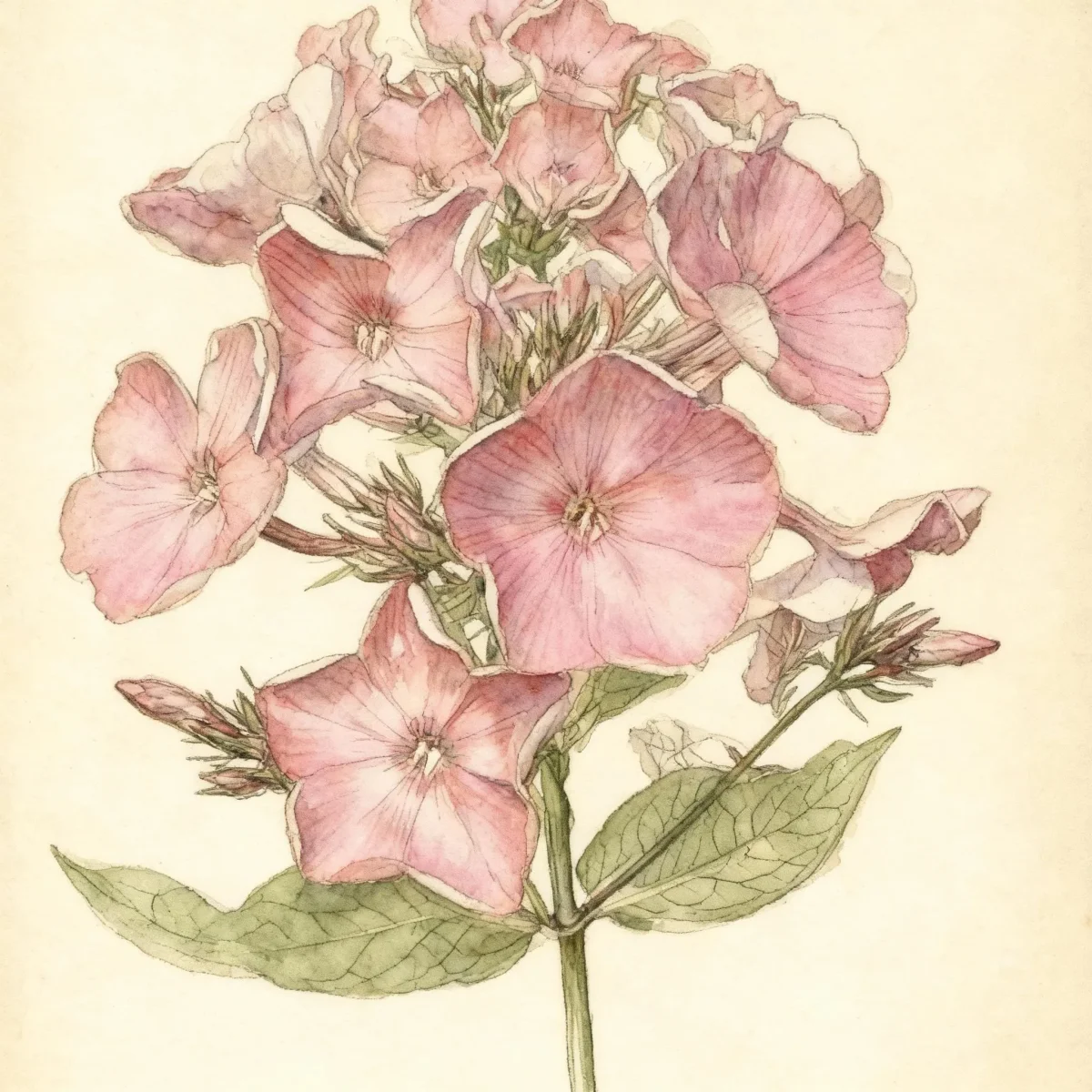
Phlox paniculata, commonly known as garden phlox, offers fragrant, tubular flowers densely packed in large terminal clusters that provide a long July to September bloom period. This specific cultivar, NICKY, features velvety deep magenta coloration on flower heads that can reach up to 12 inches long atop stiff stems rarely requiring staking. The foliage consists of narrow, opposite, pointed, lance-shaped leaves, and the flowers are highly attractive to both butterflies and hummingbirds, making it a great fresh cut flower.
Tolerances
- Deer
- Clay Soil
- Black Walnut
Potential Problems
Phlox is not always an easy plant to grow well, primarily due to susceptibility to pests and diseases. Phlox bugs, powdery mildew, and root rot can pose serious threats to the health and appearance of your bloom. Spider mites can also become problematic, especially when the weather turns hot and dry, often stressing taller stems. Prevention, such as ensuring excellent air circulation and avoiding overhead watering, is key to managing mildew threats.
Frequently Asked Questions
What hardiness zones is Garden phlox suitable for?
This perennial thrives reliably in USDA Zones 5 through 9.
How large does Phlox paniculata ‘Düsterlohe’ NICKY grow?
This Garden phlox variety typically reaches a height between 2 and 4 feet, with a spread ranging from 1 to 2 feet wide.
When does Garden phlox bloom?
Phlox paniculata ‘Düsterlohe’ NICKY provides abundant color from July extending through September, displaying flowers described as magenta.
What sun exposure does Phlox paniculata ‘Düsterlohe’ NICKY need?
This plant prefers full sun for the best results but can tolerate light or part shade conditions.
Conclusion
Phlox paniculata ‘Düsterlohe’ NICKY remains an indispensable herbaceous perennial, delivering on its promise of fragrant, showy magenta blooms throughout the mid to late summer season. Its upright habit and resistance to fading color make it a trustworthy backbone plant for cottage and perennial gardens. Before planting, confirm your site provides the necessary medium moisture and full sun exposure for your Garden phlox to thrive.
Companion Planting
When planning your perennial border alongside Phlox paniculata ‘Düsterlohe’ NICKY, focus on companions that share similar cultural needs for rich, moist soil and full sun. Pairing it with plants that bloom earlier or later helps ensure continuous garden interest. Consider pairing the magenta flowers with silver-foliaged plants, like Lamb’s Ears (Stachys byzantina), or with sturdy late-season bloomers such as ornamental grasses or taller Rudbeckia varieties.
Wildlife Benefits
The floral structure of Garden phlox is perfectly suited for specific wildlife interactions. The tubular flowers of Phlox paniculata ‘Düsterlohe’ NICKY serve as excellent nectar sources, strongly attracting hummingbirds, which are drawn to the flower’s shape and rich color. Furthermore, the large flower clusters are magnets for a host of butterflies, making this plant a superb addition to any pollinator-friendly garden design.