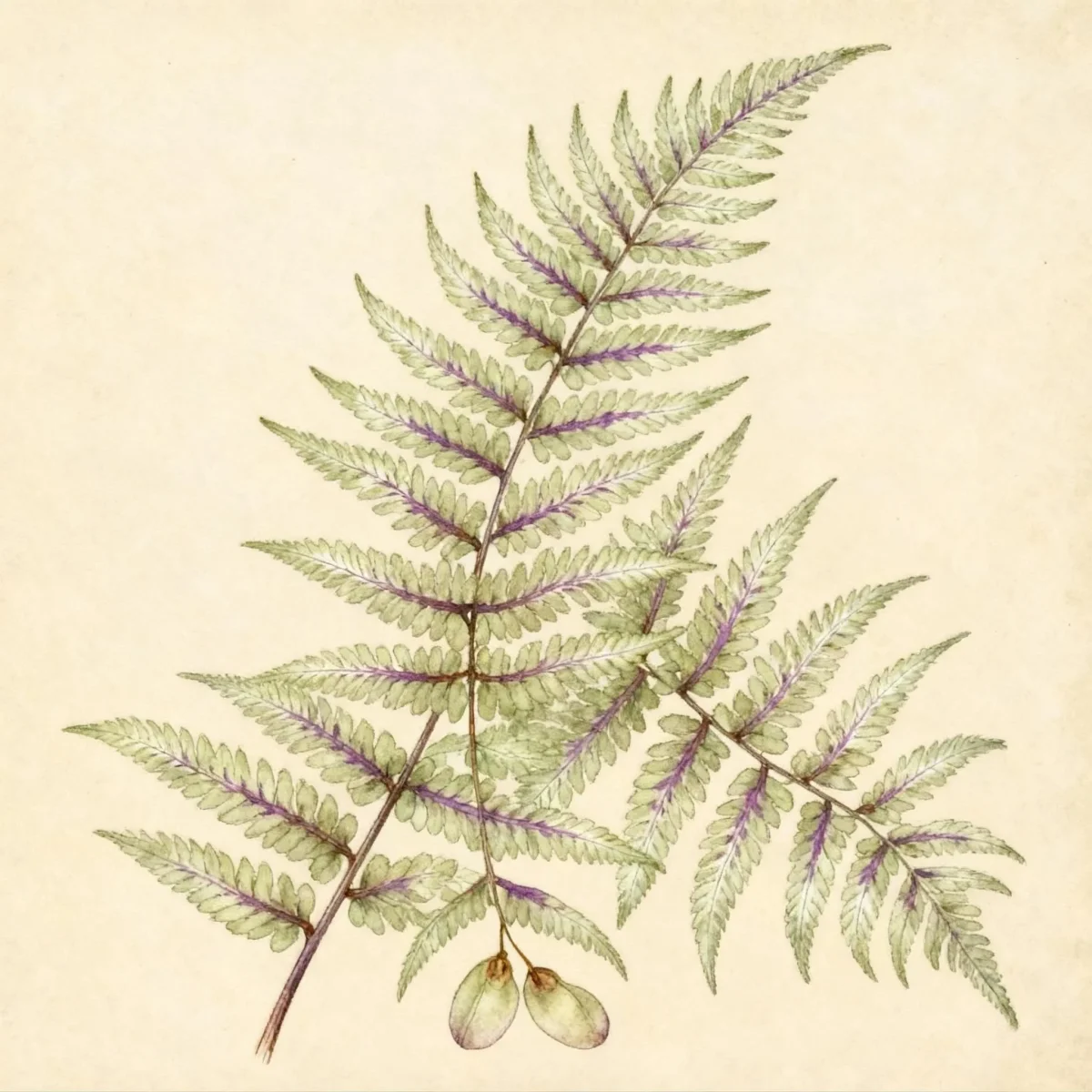
Japanese painted fern (Athyrium niponicum var. pictum 'Wildwood Twist')
Athyrium niponicum var. pictum 'Wildwood Twist' forms smoky gray/green ferns with twisting foliage. Low maintenance, hardy in Zones 4-9.
Scroll down to discover growing tips, care requirements, companion plants, and more
Complete Plant Information
Overview
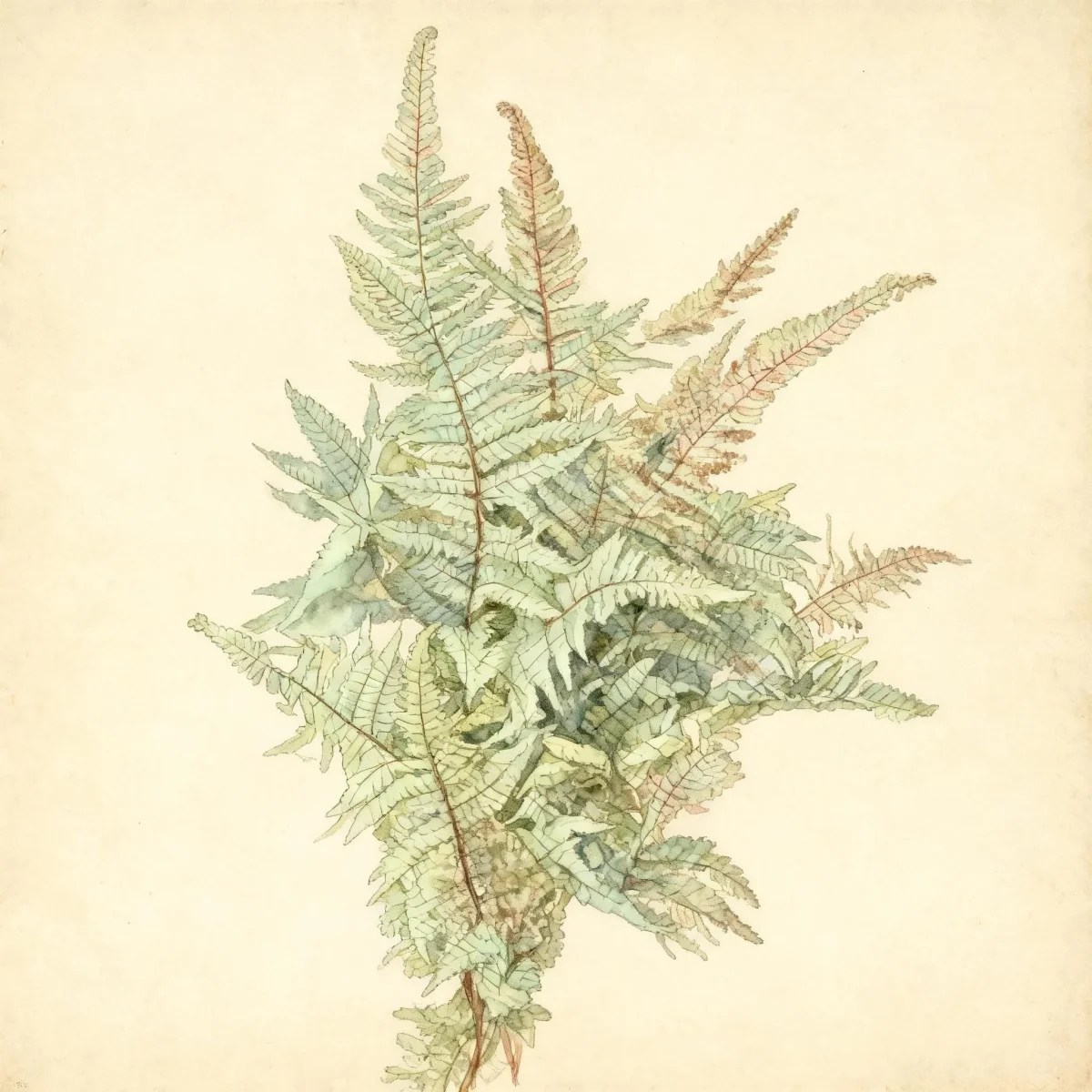
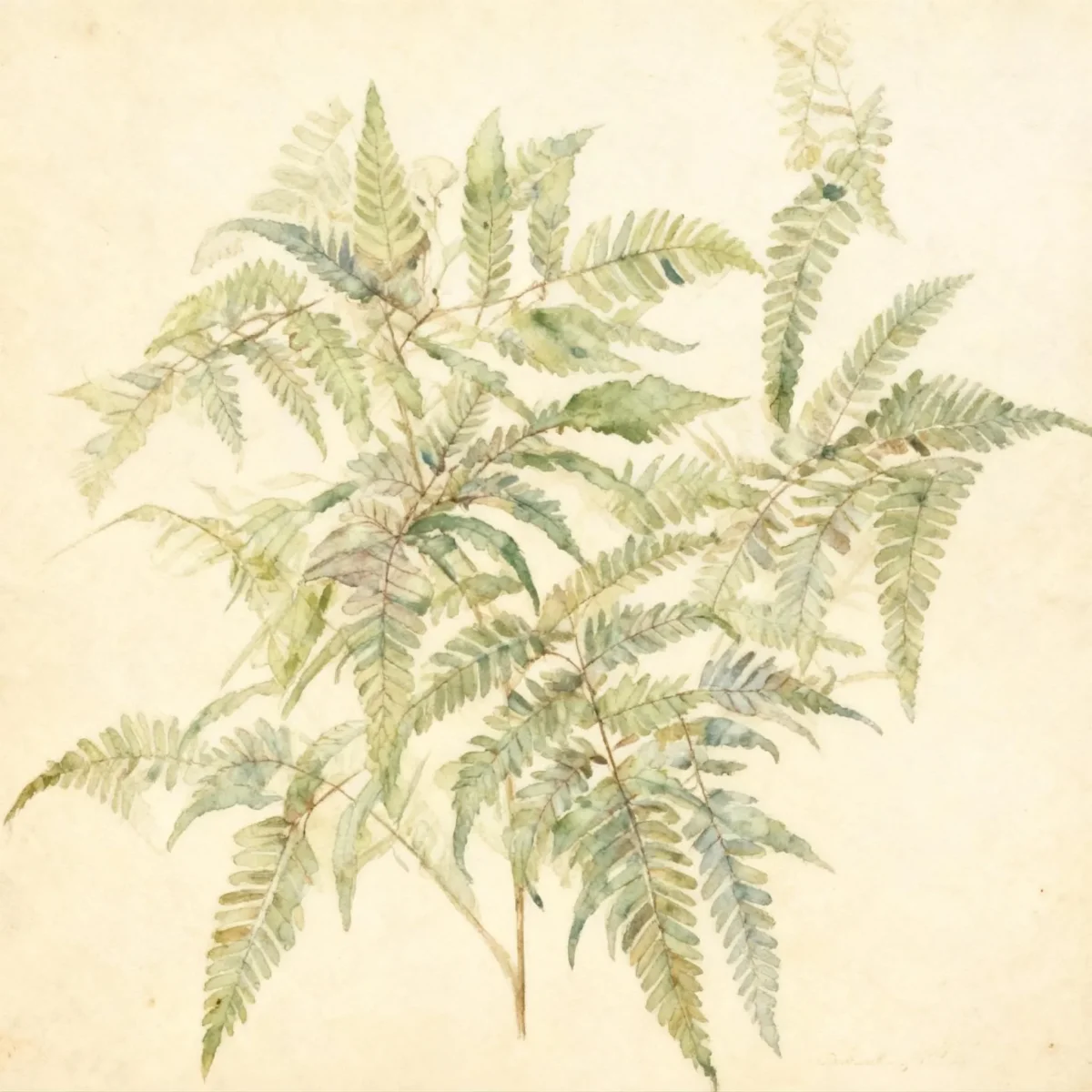
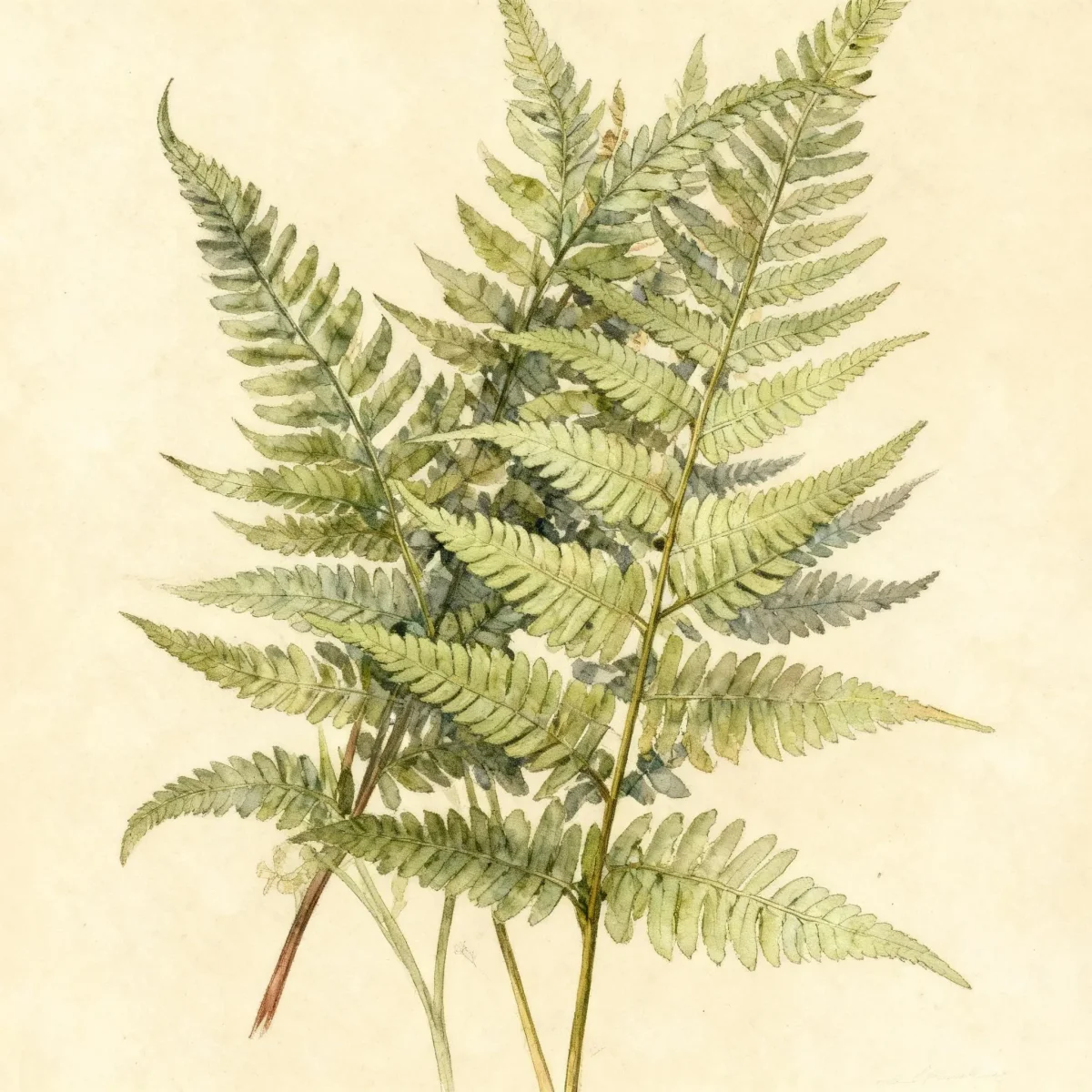
Athyrium niponicum var. pictum ‘Wildwood Twist’ offers exceptional texture and color to shaded landscapes, serving as a unique accent plant. This cultivar of the Japanese painted fern is highly valued for its slowly spreading clumps of triangular, variegated fronds that showcase smoky gray, green, and silvery hues, uniquely accentuated by twisting motion along the leaf blades. As a rhizomatous, deciduous fern, it provides reliable seasonal structure and requires relatively low maintenance once established in suitable conditions.
The visual appeal of Athyrium niponicum var. Pictum ‘Wildwood Twist’ peaks in spring when the best silvering is most evident before it greens up slightly in summer heat. Gardeners appreciate its hardiness across a wide range of temperate zones, thriving where many flowering plants might struggle due to lack of light. Utilizing this Japanese painted fern brings an element of sophisticated, year-round foliage interest to dark garden corners.
Fast Facts
- Plant Family: Athyriaceae
- Plant Type: Fern
- Hardiness Zones: USDA Zones 4-9
- Size at Maturity:
- Height: 1-1.5 ft
- Spread: 0.75-1 ft
- Bloom Time: Non-flowering
- Bloom Description: Non-flowering
- Sun Exposure: Part shade to full shade
- Water Needs: Medium
- Maintenance Level: Low
How to Grow
Planting should occur when soils are workable, typically in spring or early fall, ensuring the location offers protection from intense afternoon sun. Athyrium niponicum var. pictum ‘Wildwood Twist’ necessitates humusy, organically rich, medium-moisture, and well-drained soil to flourish. Proper siting is crucial; choose sheltered spots where the soil moisture can be reliably maintained, as the soil must not be allowed to dry out.
Ongoing care for this Japanese painted fern is generally simple, classifying it as a low-maintenance perennial. Maintain consistent moisture, especially during dry spells, as consistent medium water is key to keeping the foliage vibrant. Fertilization is rarely needed if the soil is already rich in organic matter; let the soil’s natural fertility suffice.
Dividing clumps is best performed in early spring before new growth emerges vigorously. This action helps manage its natural tendency to spread via short, branching rhizomes, which allows it to form dense, attractive colonies over time in ideal, shady environments.
Landscape Uses
The striking coloration and unique texture of this fern make it invaluable for adding vertical interest to deep shade areas. This cultivar excels when used along the fronts of shaded borders where its lower profile can complement taller woodland perennials. It is highly recommended for woodland gardens, giving a layered, naturalistic feel to the landscape design.
Consider planting Athyrium niponicum var. pictum ‘Wildwood Twist’ near shaded streams or pond edges, where the high moisture needs align perfectly with the environment. Pairing it with other shade lovers, such as Hostas with contrasting leaf textures or bright green groundcovers, enhances the silvery highlights of the fern’s foliage.
Standout Features
Noteworthy Characteristics
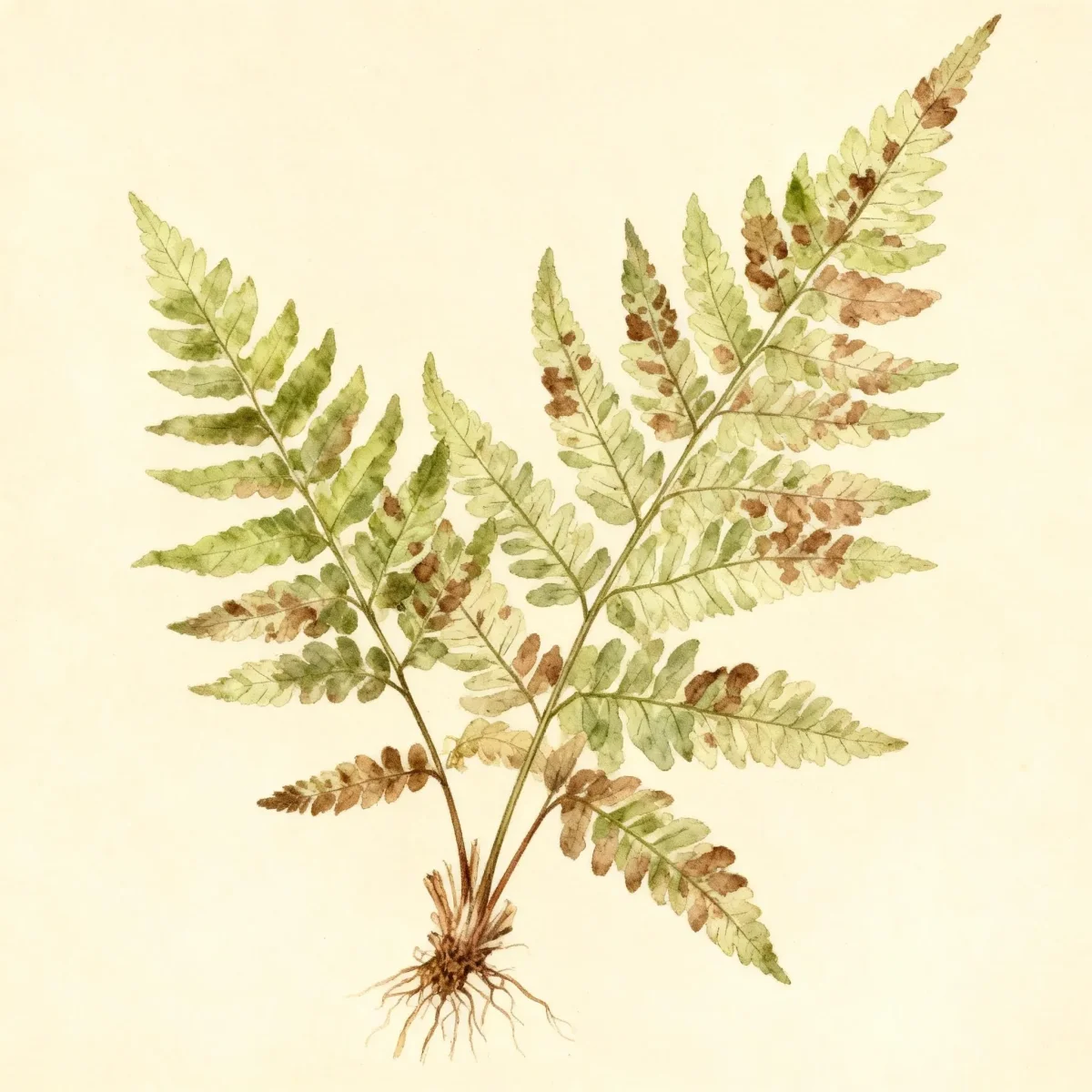
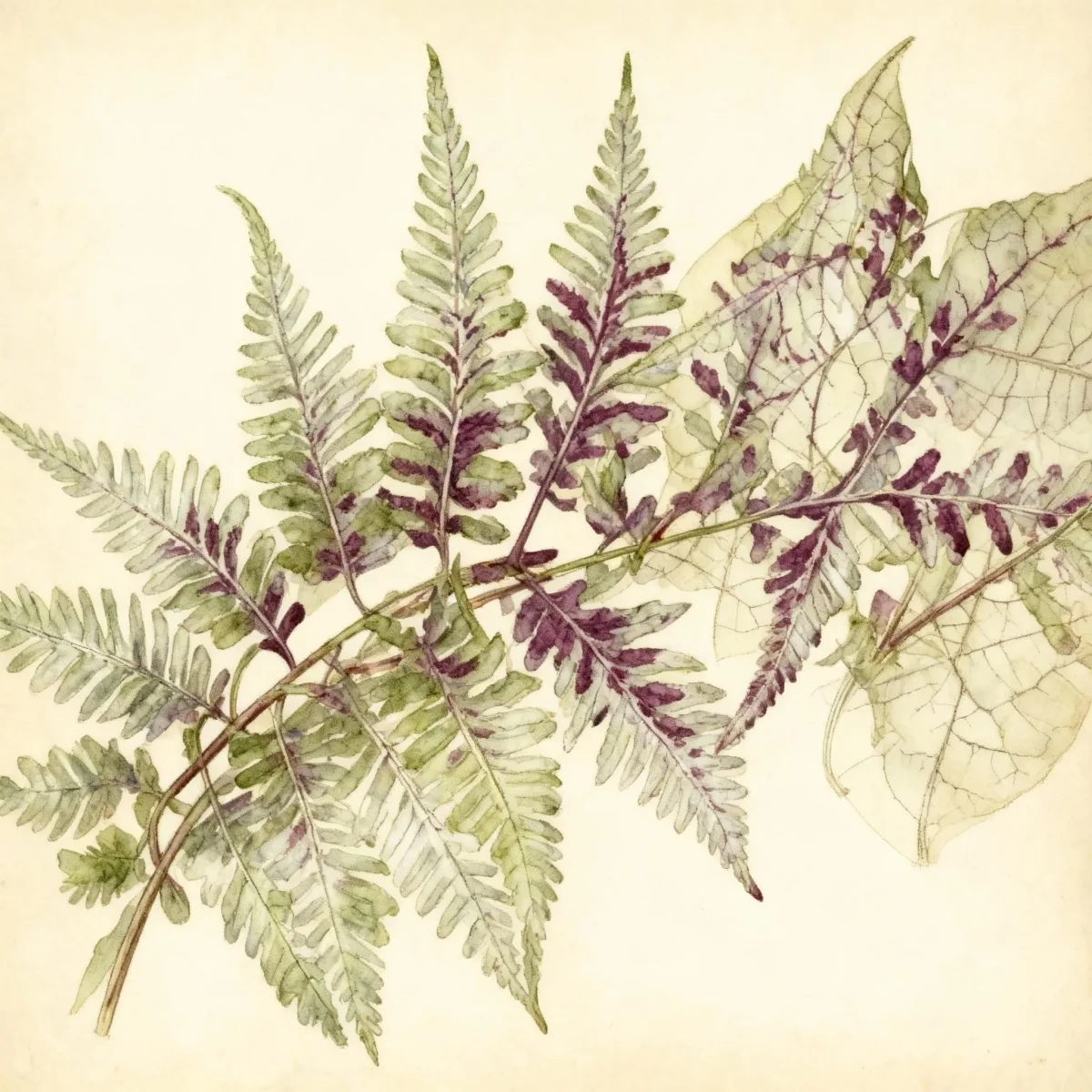
Athyrium niponicum var. Pictum, commonly known as Japanese painted fern, is a rhizomatous, deciduous fern with an arching habit that typically grows to 18” tall. It features a slowly spreading clump of triangular, variegated fronds to 20” long. Fronds are a soft grayish-green with an overlay of silvery hues accented by contrasting dark maroon midribs. Silvering is best for several weeks in the spring, with fronds becoming greener as hot temperatures arrive.Genus name comes from Greek athyros meaning “doorless” in reference to the slowly opening hinged indusia (spore covers).Specific epithet means Japanese.‘Wildwood Twist’ is a hybrid of Japanese painted fern. It is a deciduous fern which typically grows to 18” tall and features slowly spreading clumps of triangular, smoky gray and green fronds which, as the cultivar name suggests, twist along the length of the fronds.
Tolerances
- Rabbit
- Heavy Shade
Potential Problems
This plant is generally robust, possessing few serious insect or disease issues when grown appropriately. Cultural issues, usually related to insufficient moisture or too much harsh sun, are the most common challenges faced by growers of Japanese painted fern. Rabbits tend to completely ignore this foliage, reducing pest management concerns in areas where browsing is common. Ensure excellent drainage to prevent root issues, although pests are rarely a concern for healthy Athyrium niponicum var. pictum ‘Wildwood Twist’.
Frequently Asked Questions
What hardiness zones is Japanese painted fern suitable for?
Athyrium niponicum var. pictum ‘Wildwood Twist’ is reliably hardy in USDA Zones 4 through 9, offering flexibility across many climates.
How large does Japanese painted fern grow?
When fully mature, this plant typically reaches a height between 1 and 1.5 feet, with a spread ranging from 0.75 to 1 foot wide.
What sun exposure does Athyrium niponicum var. pictum ‘Wildwood Twist’ need?
This fern thrives best in conditions ranging from part shade to full shade; lighter shade generally provides the best coloration for the fronds.
When does Japanese painted fern bloom?
This plant is non-flowering, as is typical for ferns; its aesthetic value comes entirely from its unique foliage display.
Conclusion
The striking, silvery, and uniquely twisted foliage sets Athyrium niponicum var. pictum ‘Wildwood Twist’ apart as a foundational texture plant for any shaded garden space. Its low maintenance needs and proven hardiness ensure that this Japanese painted fern will deliver reliable seasonal beauty. Before planting, confirm your site provides the rich, consistently moist soil and adequate shade required for this cultivar to truly display its spectacular twists and coloration.
Companion Planting
For optimal success alongside your Athyrium niponicum var. pictum ‘Wildwood Twist’, focus on companion plants that share similar cultural needs for shade and consistent moisture. Plants that offer strong contrast in color or leaf shape highlight the smoky grays and fine texture of the fern. Consider pairing it with Hostas featuring bright yellow or blue foliage, such as ‘Sum and Substance’ for contrast or Hosta sieboldiana ‘Elegans’ for complementary cool tones.
Groundcovers that handle deep shade also work well, helping shield the soil and maintain the consistent medium moisture required by the Japanese painted fern. Think about low-growing Ajuga or certain varieties of Brunnera, which offer late spring blue flowers that complement the cooler tones of the fern fronds before summer progresses.
Seasonal Care Calendar
Spring preparation is crucial for maximizing the display of Athyrium niponicum var. pictum ‘Wildwood Twist’. Clear away any lingering winter debris and ensure the soil is enriched with compost as the plants begin to emerge vigorously. This is the ideal time for dividing established clumps if you wish to propagate or spread the planting area.
During the summer months, pay careful attention to watering, especially if rainfall is scarce. While maintenance is low, allowing the soil to dry out will negatively affect the overall frond quality mid-season. In autumn, as temperatures cool, the foliage will eventually die back, marking the transition into dormancy signaled by its deciduous nature.