Panicle hydrangea (Hydrangea paniculata 'Limelight')
Hydrangea paniculata 'Limelight' is a popular, tough deciduous shrub offering spectacular lime-to-rose flower panicles from mid-summer to fall.
Scroll down to discover growing tips, care requirements, companion plants, and more
Complete Plant Information
Overview
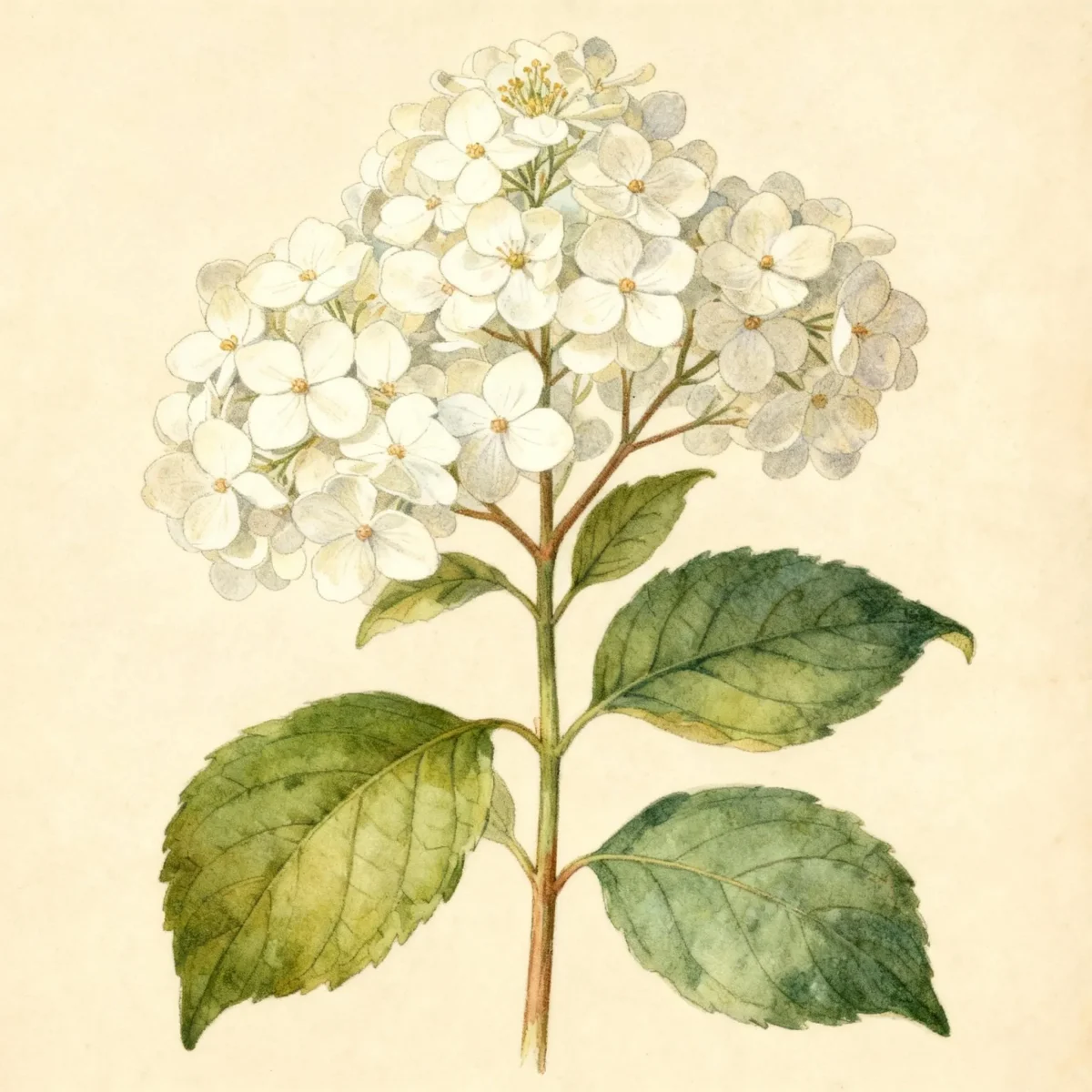
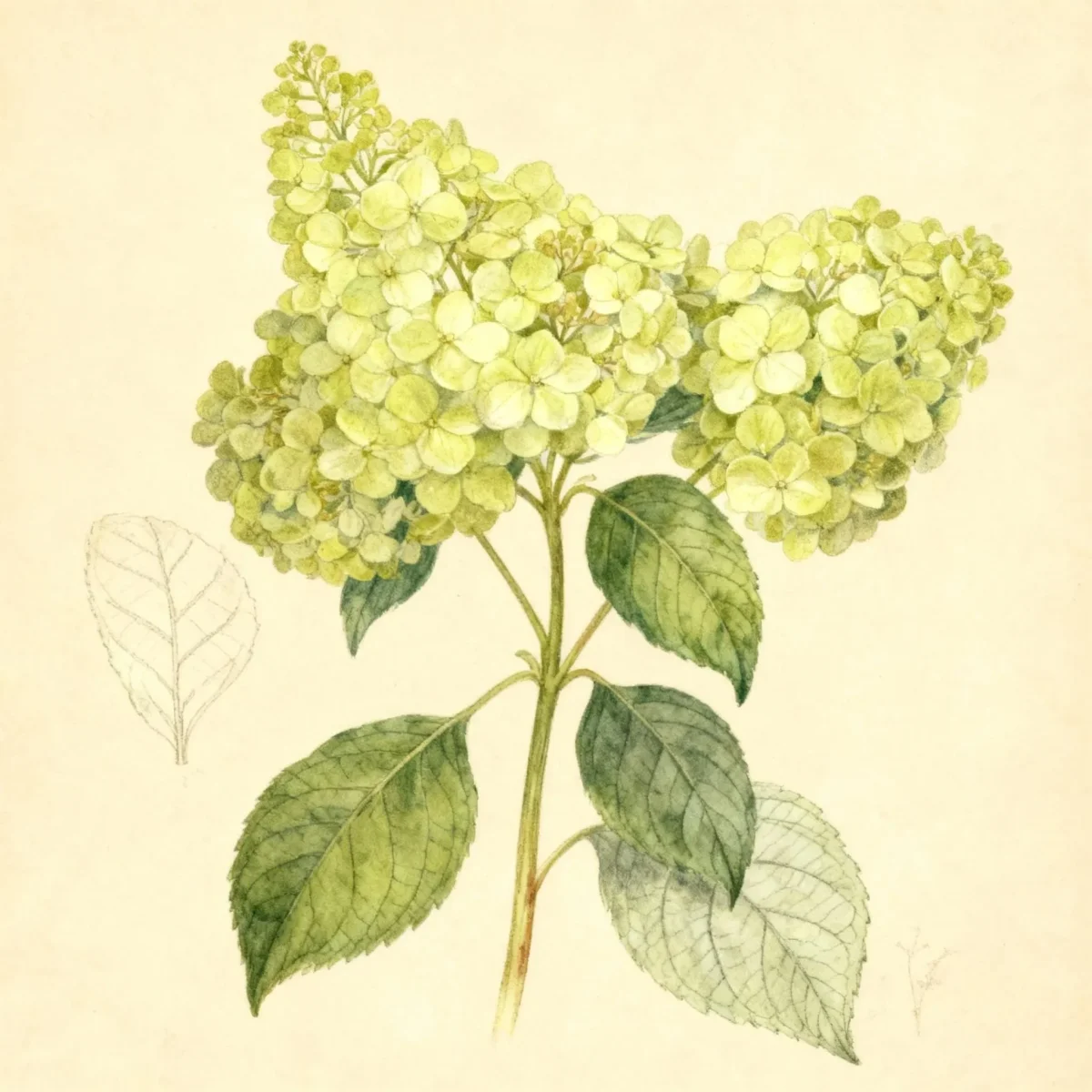
Hydrangea paniculata ‘Limelight’ is highly prized for its reliable, late-season floral display, providing vibrant color when many other garden shrubs are finishing. This specific cultivar, often referred to as Panicle hydrangea, is cherished for its large, dense, upright, cone-shaped flower heads that transition beautifully throughout their lifespan. As a vigorous and somewhat coarsely textured deciduous shrub, it offers significant structure and impact in the landscape.
This cultivar is notably winter hardy, making it an excellent choice across a wide range of climates, including challenging urban environments. The long bloom period, extending from mid-summer well into early fall, ensures consistent visual interest. Furthermore, its toughness and adaptability contribute to its reputation as a modern classic among landscape shrubs.
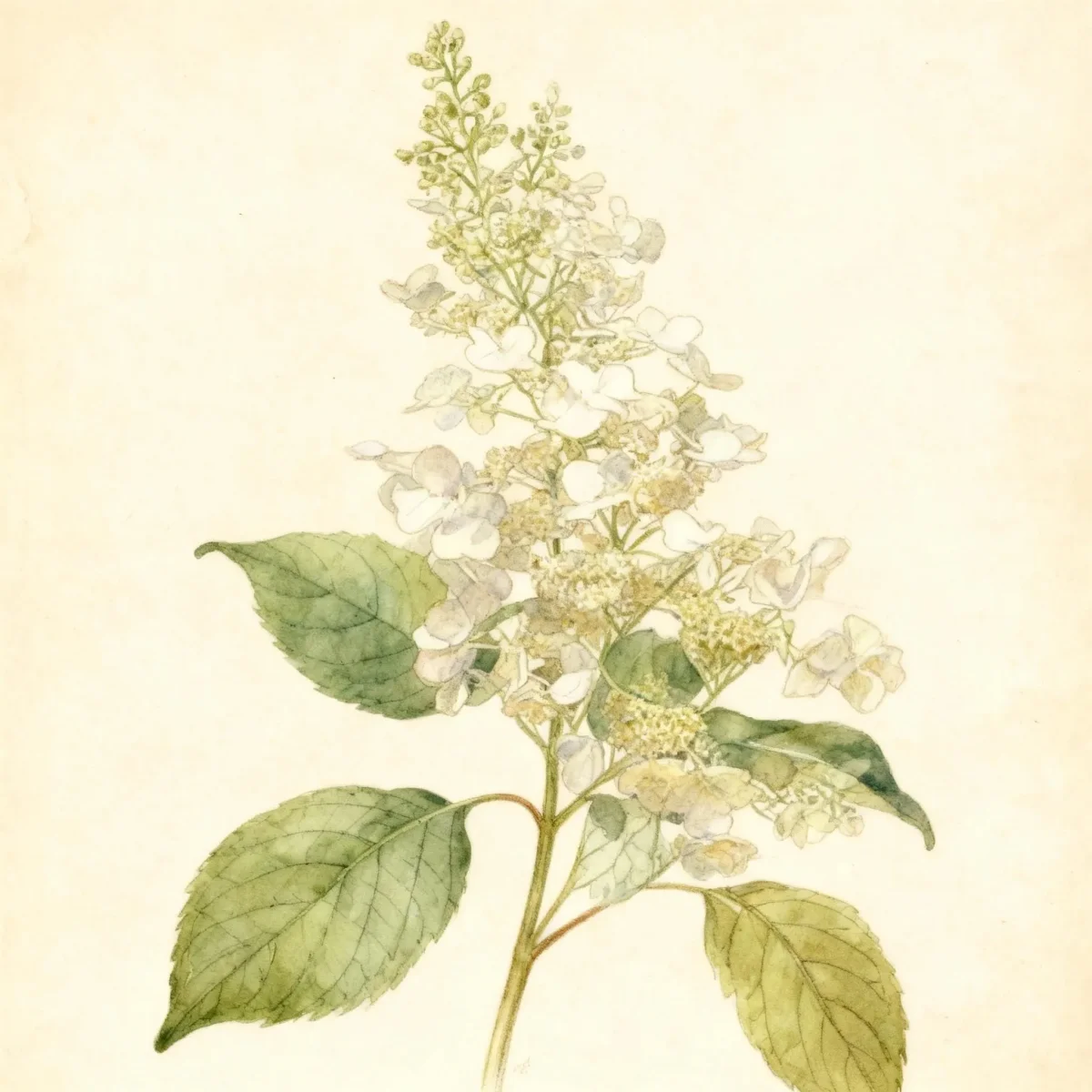
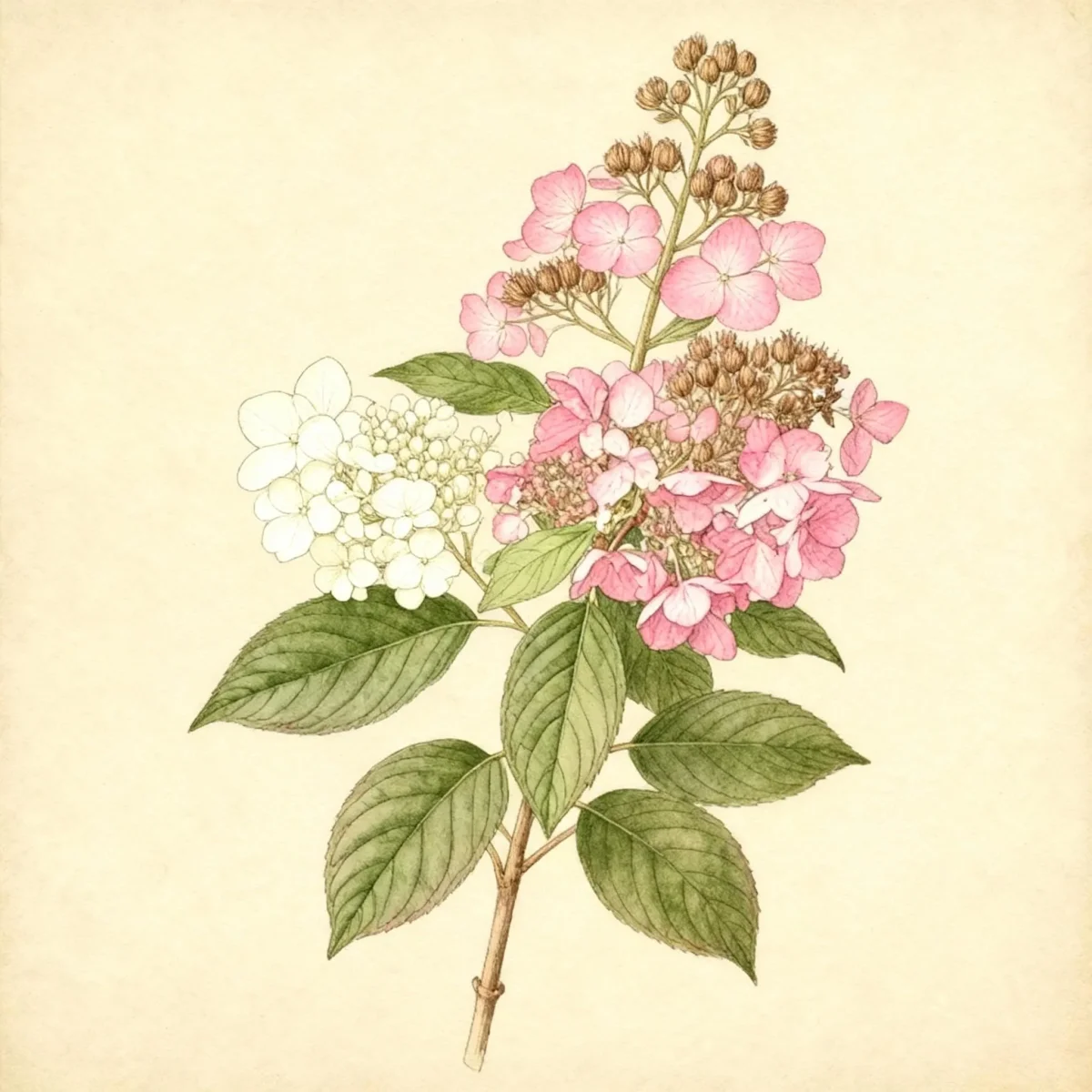
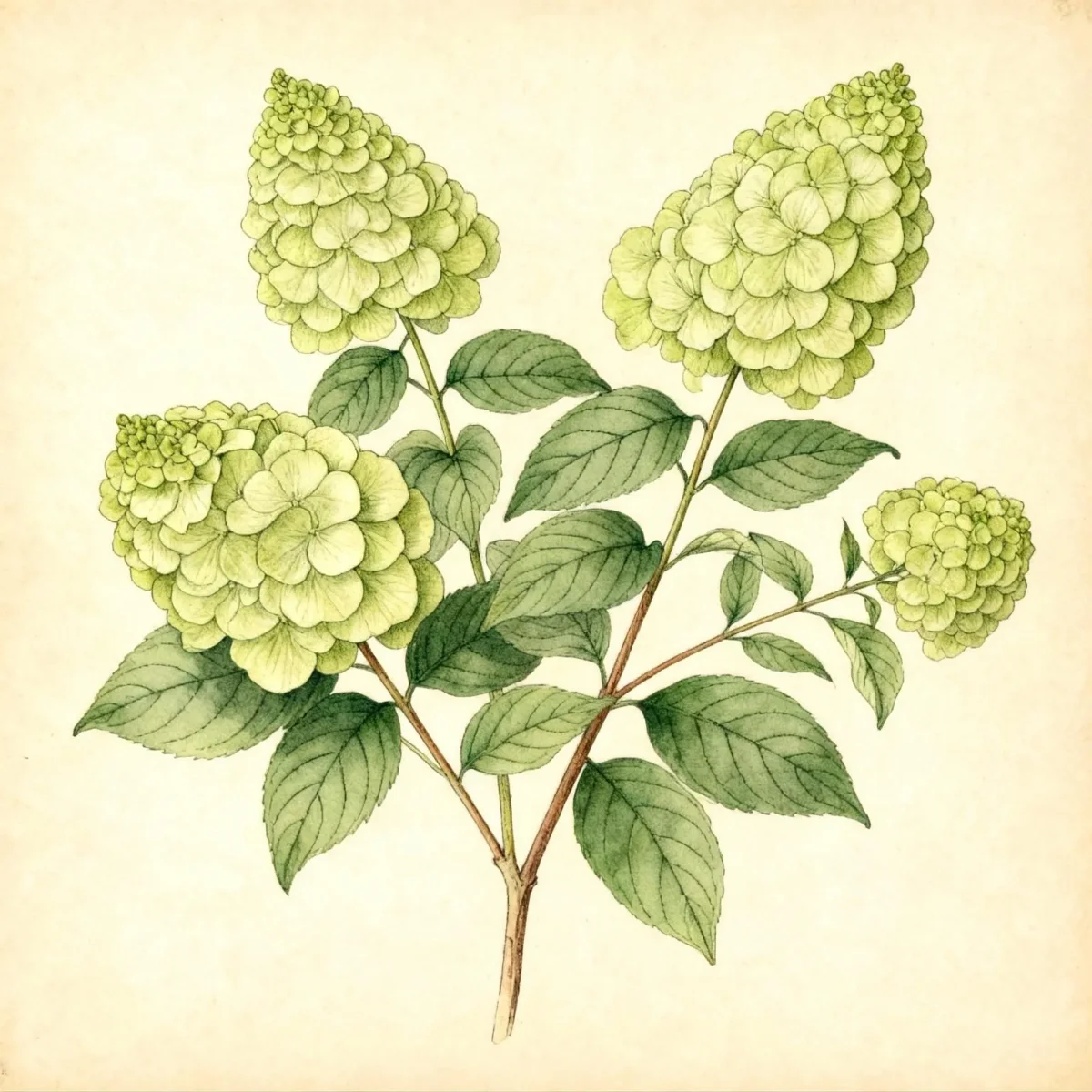
The distinctive flower transformation—emerging creamy white, settling into a chartreuse-lime hue, and deepening to rose tones by autumn—makes the Hydrangea paniculata ‘Limelight’ a dynamic focal point. It excels when used formally as a hedge or informally as a structural backbone in mixed borders.
Fast Facts
- Plant Family: Hydrangeaceae
- Plant Type: Deciduous shrub
- Hardiness Zones: USDA Zones 3-8
- Size at Maturity:
- Height: 6-8 ft
- Spread: 6-8 ft
- Bloom Time: July to September
- Bloom Description: Chartreuse-lime aging to rose
- Sun Exposure: Full sun to part shade
- Water Needs: Medium
- Maintenance Level: Medium
How to Grow
Panicle hydrangeas, including the popular ‘Limelight’ variety, establish best when planted in spring or fall in a location receiving full sun to light afternoon shade. Crucially, the soil should be organically rich, well-drained, and consistently hold medium moisture. While it thrives in part shade, ensure it receives at least six hours of sun for optimal flowering performance.
Care involves consistent watering, especially during establishment and hot, dry periods, as Hydrangea paniculata demands medium water intake. Since bloom occurs on current season’s growth, pruning should be done in late winter or early spring before new buds begin to swell. To encourage the largest flower panicles, thin the shrub back to 5–10 primary, vigorous shoots.
This plant is known for being one of the most winter-hardy hydrangeas, but proper structure management helps maximize its aesthetic appeal. If left unpruned, the sheer weight of the massive flower panicles in full bloom often causes the branch tips to arch downward, creating a graceful fountain shape. Gardeners aiming for a tidier, upright form should adhere to the suggested yearly pruning schedule.
Landscape Uses
The robust size and reliable summer bloom make Hydrangea paniculata ‘Limelight’ exceptionally versatile in landscape design. It excels when planted in mass groupings or used as a formal hedge due to its upright, dense habit and tolerance for shaping. It is also highly effective as a bold specimen plant anchoring a lawn or defining an entry space.
Consider planting this cultivar near the edge of an open woodland garden where dappled light mimics its native environment. As a late-season bloomer, it pairs beautifully with mid-summer perennials that fade early, extending the garden show well into the cooler months. Its ability to handle urban conditions makes it a staple for foundation plantings near paved areas.
For creating high-impact borders, use this Panicle hydrangea as a rear-ground element, allowing shorter, sun-loving perennials or mid-sized shrubs to layer in front. The flower heads dry beautifully on the shrub, offering textural interest long after the first frost, a beneficial feature for winter landscapes.
Standout Features
Flower Qualities
- Showy
Noteworthy Characteristics
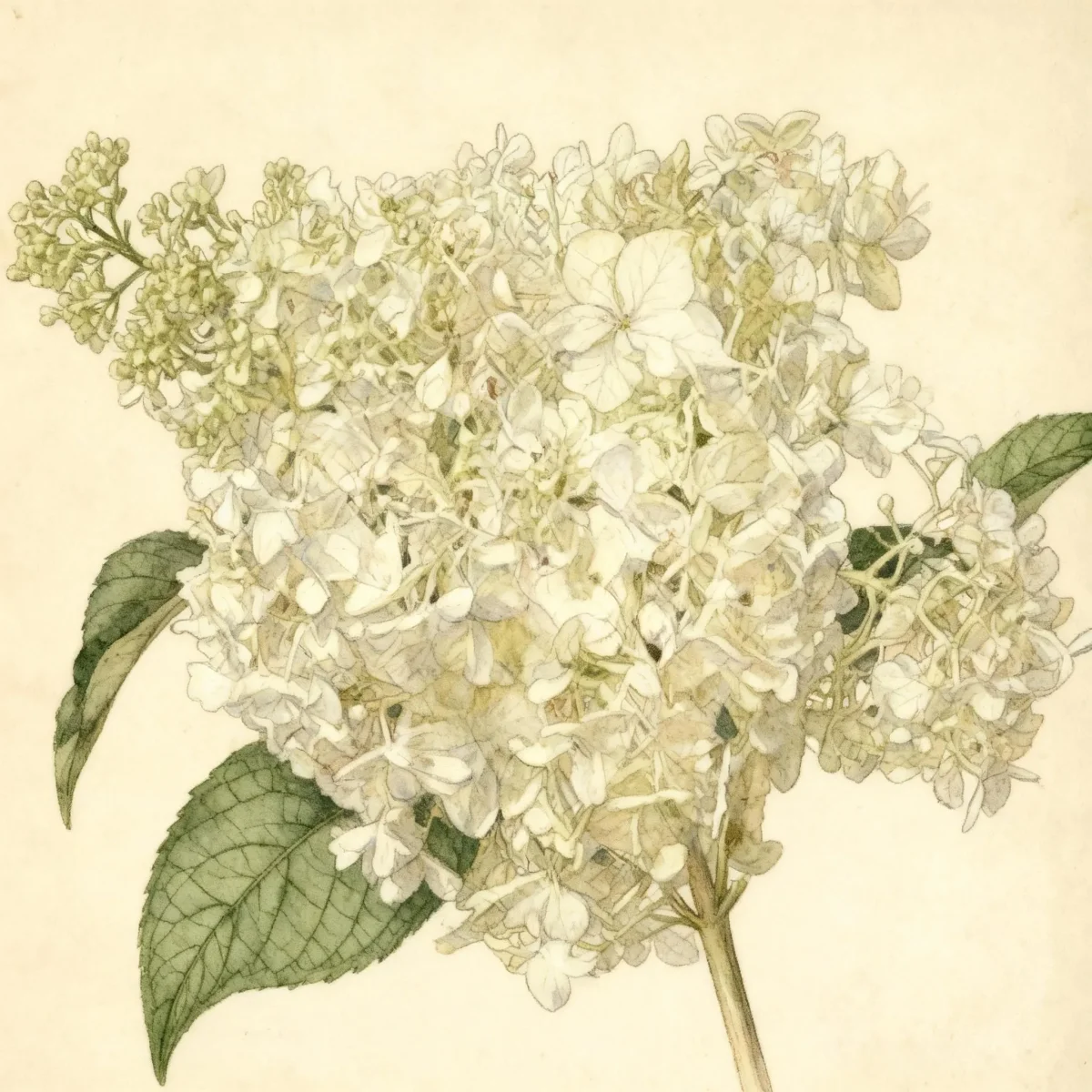
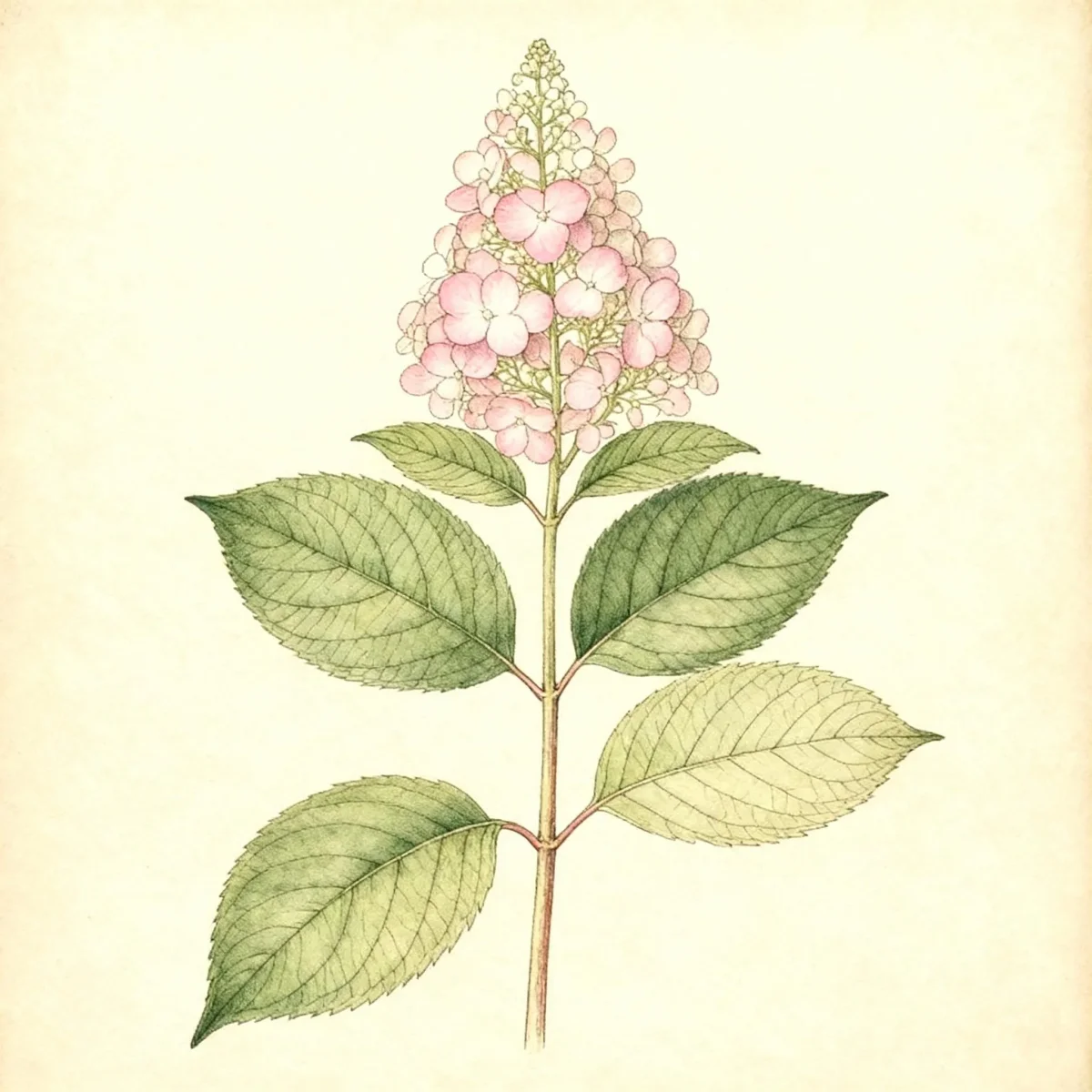
Hydrangea paniculata, commonly called panicle hydrangea, is a vigorous, upright, rapid-growing, somewhat coarsely textured, deciduous shrub. The cultivar ‘Limelight’ is slightly more compact, noted for its large, dense, upright, cone-shaped panicles that emerge creamy white, mature to chartreuse-lime, and finally acquire pink-darkening-to-rose tones. The flower panicles that fade in fall can be left for winter interest or cut for fresh or dried arrangements.
Tolerances
- Air Pollution
Potential Problems
Hydrangea paniculata ‘Limelight’ is generally robust but can occasionally suffer from various fungal issues, including leaf spot, rust, and mildew. It also carries some susceptibility to bacterial wilt and bud blight, particularly if stressed by excessive moisture or poor air circulation. Occasional infestations by pests such as mites and aphids may occur, usually during dry stretches. Maintaining good air circulation through timely pruning and ensuring well-drained soil are the best preventative measures against disease.
Frequently Asked Questions
What hardiness zones is Panicle hydrangea suitable for?
The Hydrangea paniculata ‘Limelight’ is exceptionally cold-tolerant, suitable for USDA Hardiness Zones 3 through 8.
How large does Hydrangea paniculata ‘Limelight’ grow?
This cultivar typically reaches a mature height between 6 to 8 feet tall, with a corresponding spread of 6 to 8 feet wide.
What sun exposure does Panicle hydrangea need?
For the best performance, Hydrangea paniculata ‘Limelight’ requires full sun to part shade, thriving best with protection from intense afternoon heat if located in the warmer end of its hardiness range.
When does Hydrangea paniculata ‘Limelight’ bloom?
This variety displays its signature blooms from July through September, with the flowers starting chartreuse-lime and aging to rose tones as the season progresses.
Conclusion
The ‘Limelight’ Panicle hydrangea remains a cornerstone of modern landscape design due to its exceptional late-summer bloom time and superior hardiness compared to other hydrangea species. Its dramatic, color-changing flower heads guarantee season-long visual appeal. Before planting, verify that your location falls within USDA Zones 3–8 and plan for regular, late-winter pruning to maintain its spectacular form.
Companion Planting
When designing borders around Hydrangea paniculata ‘Limelight’, selecting companions with similar cultural needs—full to part sun and medium moisture—will ensure success. Consider pairing it with late-season bloomers like Sedum ‘Autumn Joy’ or Russian Sage (Perovskia atriplicifolia) which provide contrasting, airy textures against the large hydrangea heads. For evergreen structure contrast, dwarf firs or upright Japanese Holly (Ilex crenata) cultivars work well throughout the year.
Seasonal Care Calendar
Spring is the critical time for structure maintenance; prune the Panicle hydrangea back in late March or early April to shape the shrub and promote new wood for flowering. As summer progresses, monitor soil moisture regularly, supplementing water during dry spells to support the medium water needs. In late fall, resist the urge to deadhead the blooms; leave the spent flower heads in place as they protect the developing buds underneath and provide valuable winter interest.