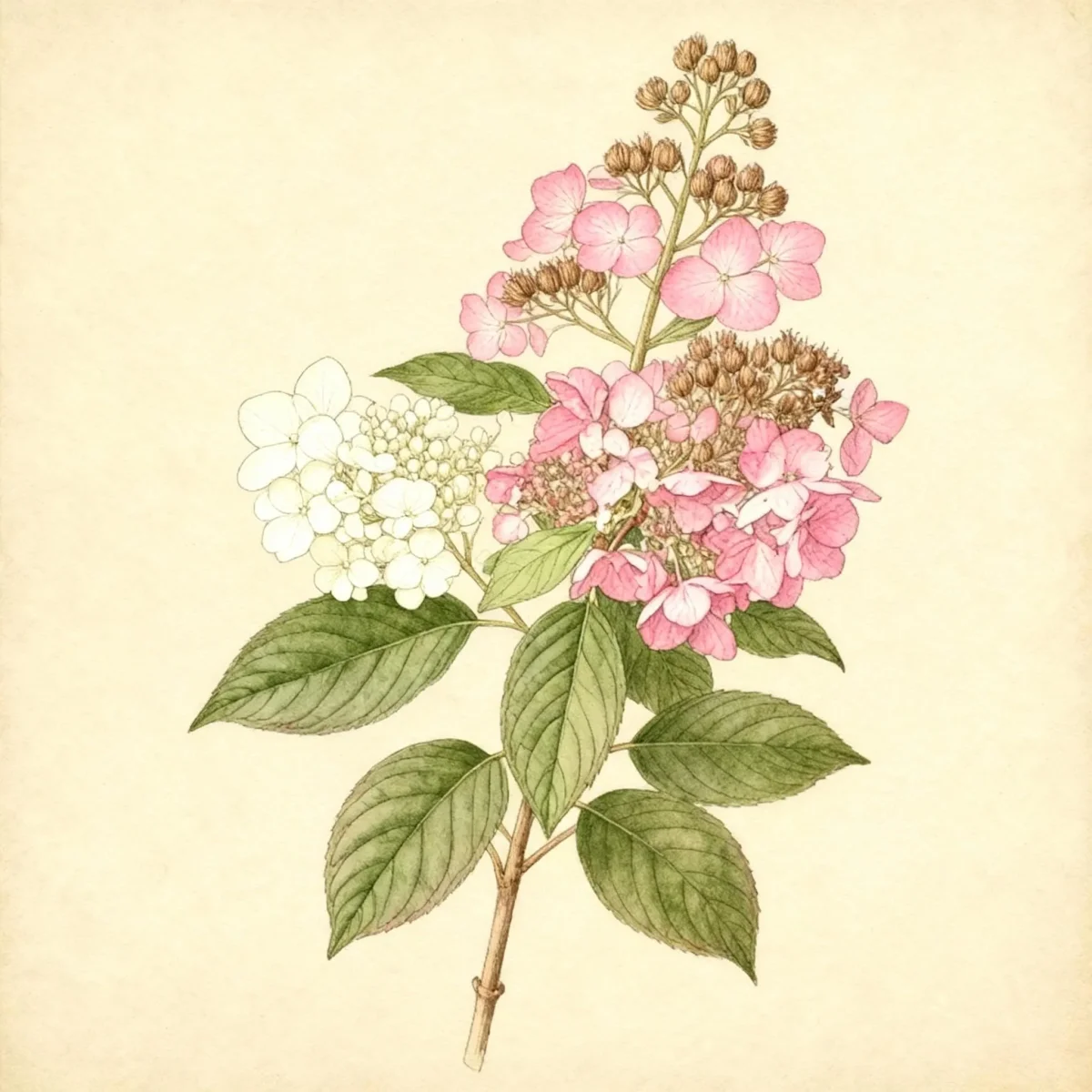
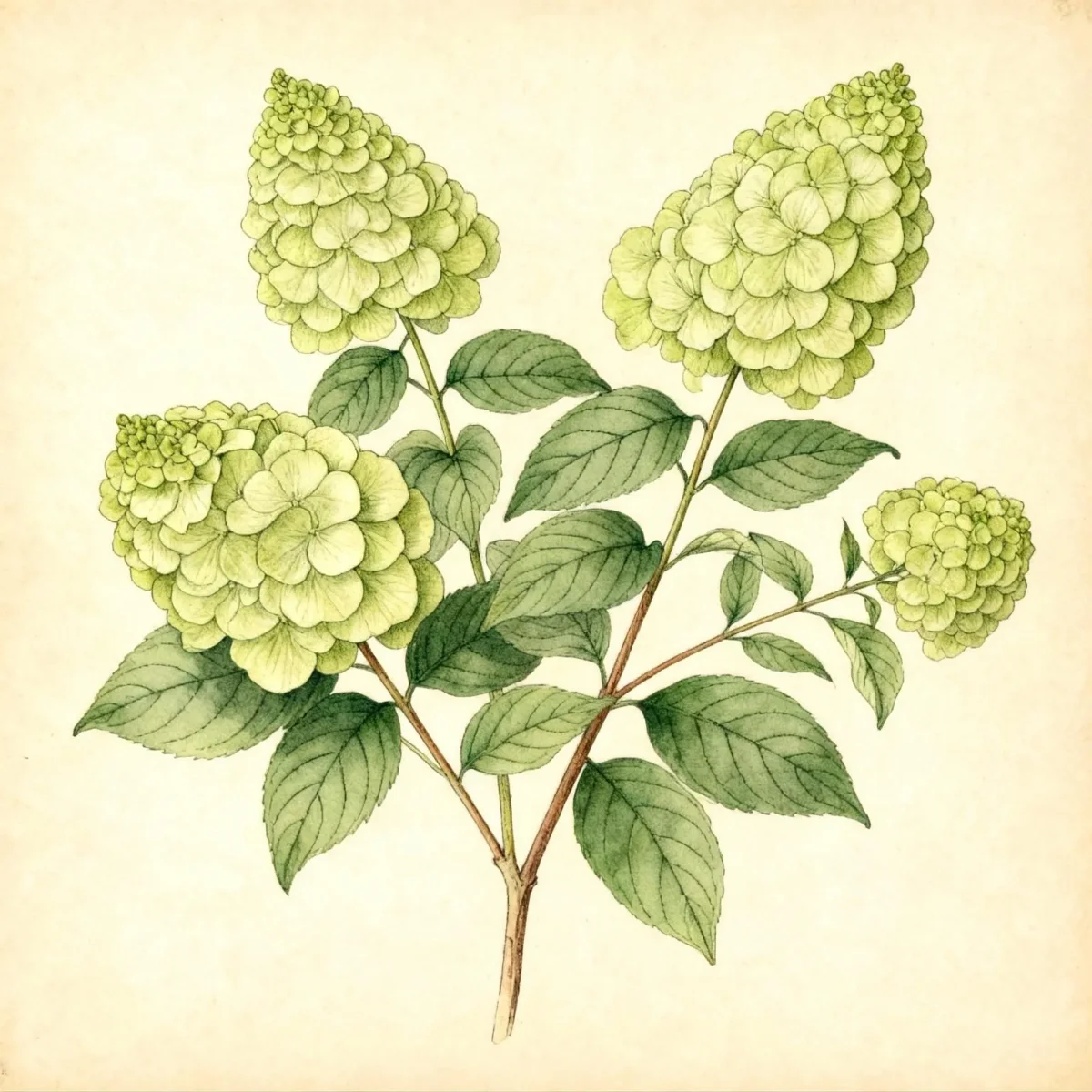
Panicle hydrangea (Hydrangea paniculata 'Little Lamb')
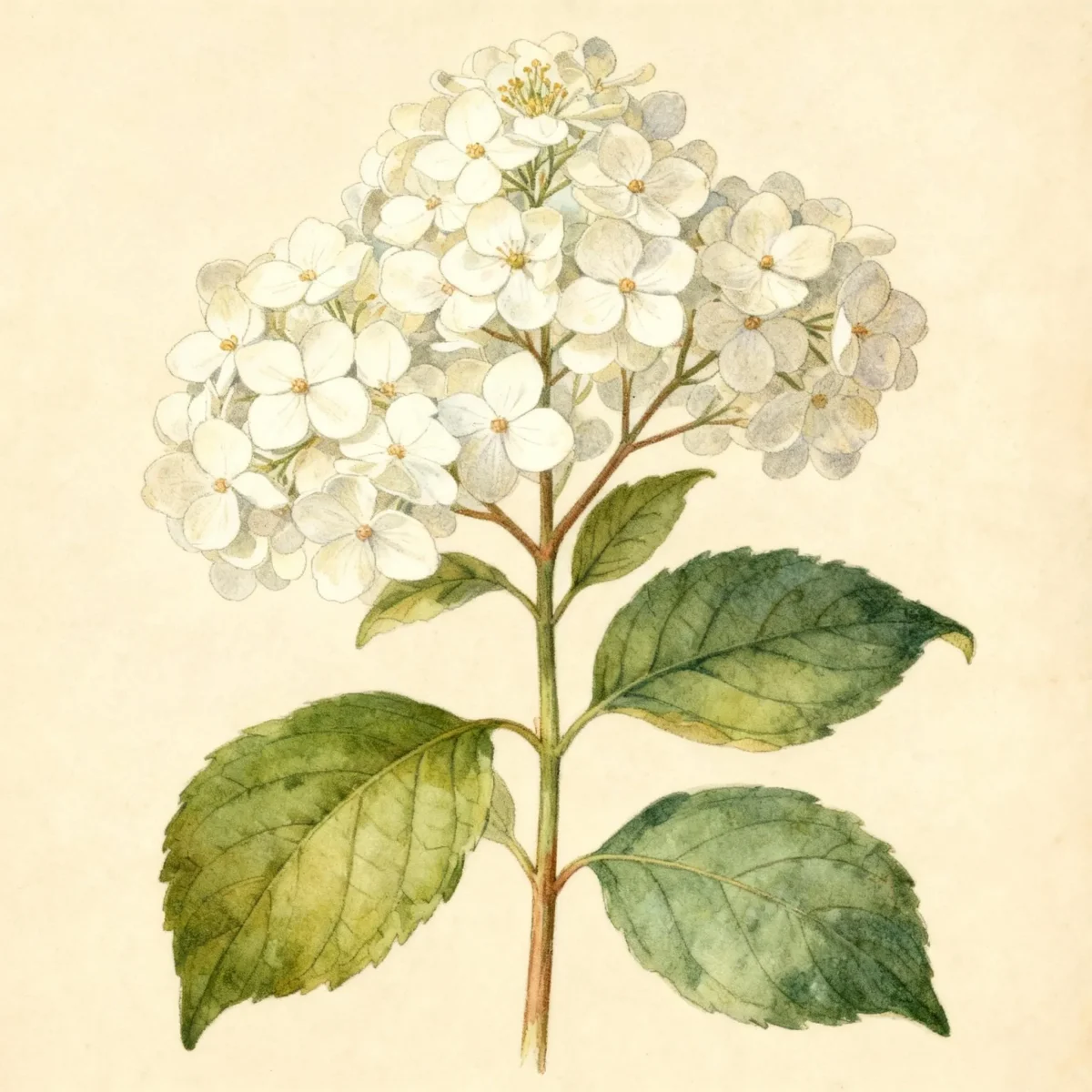
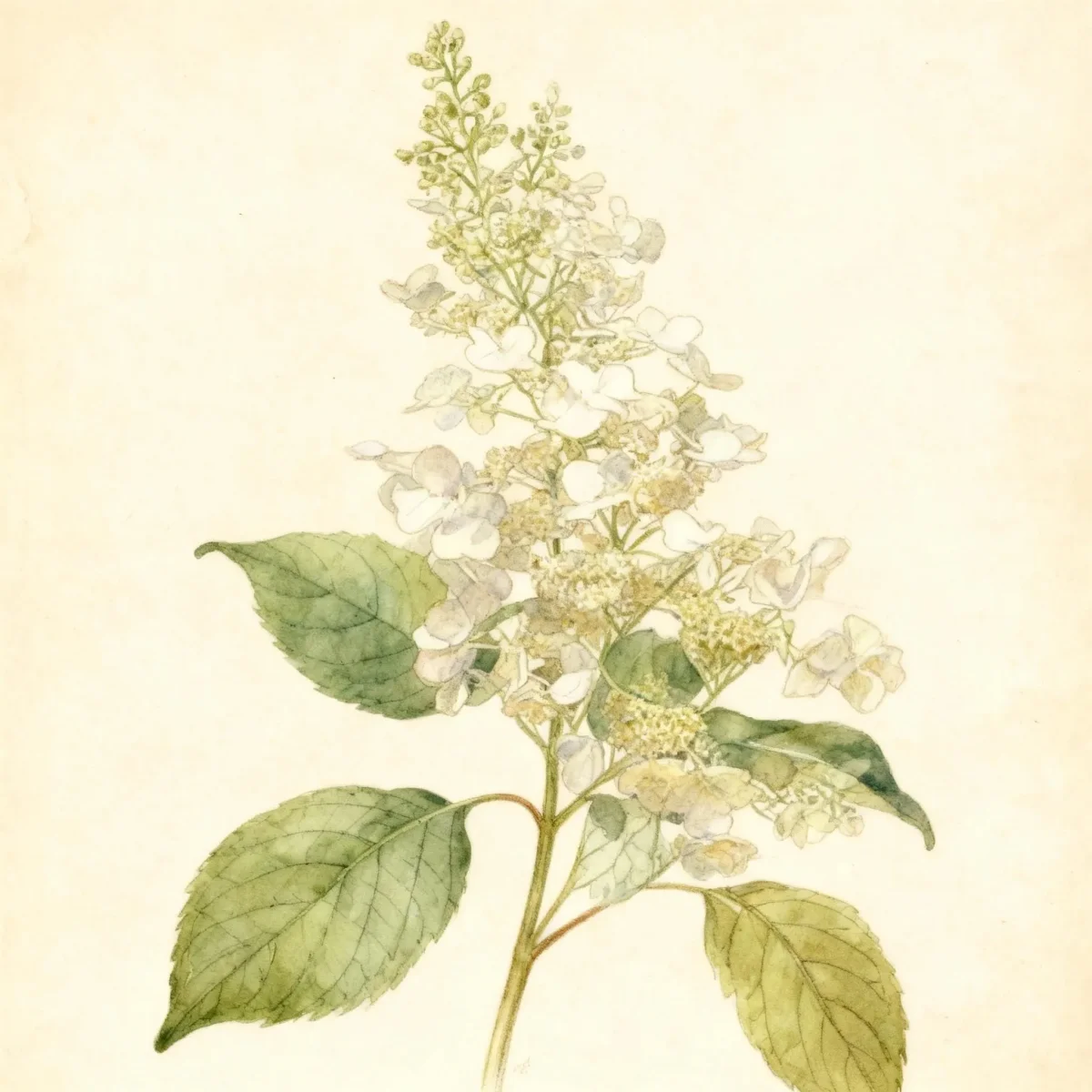
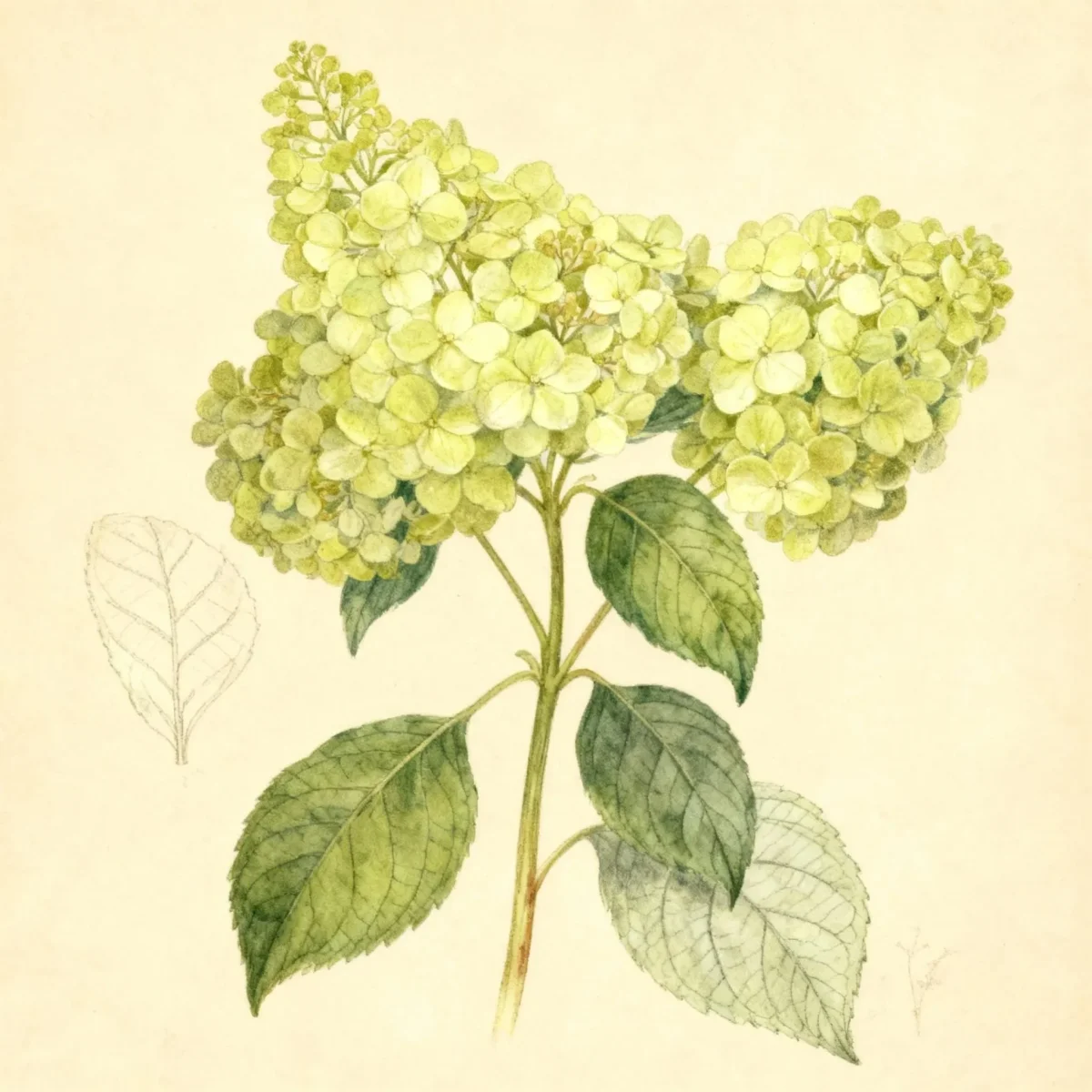
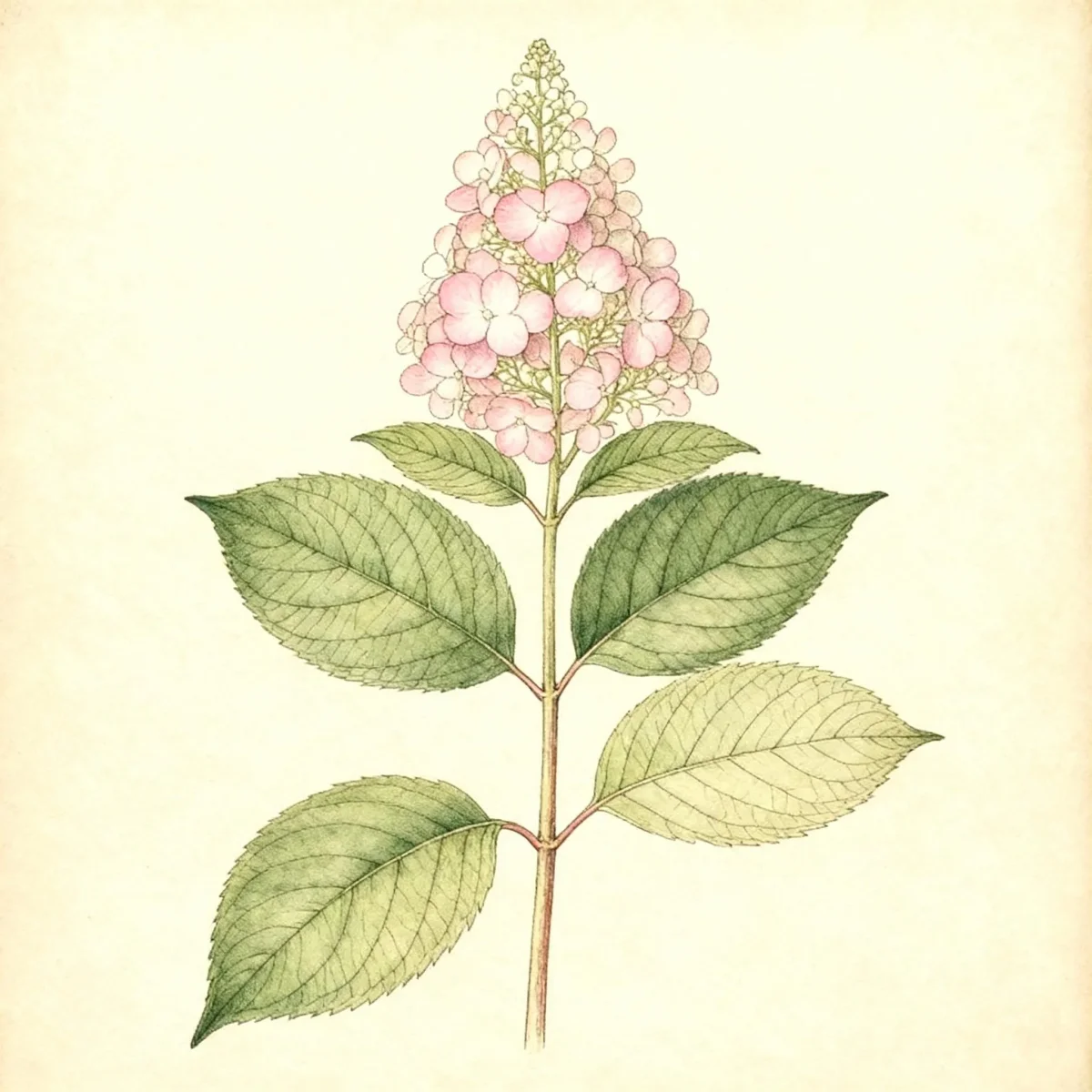
Hydrangea paniculata 'Little Lamb' (Panicle hydrangea) is a compact, winter-hardy deciduous shrub offering distinctive white blooms from mid-summer.
Scroll down to discover growing tips, care requirements, companion plants, and more
Complete Plant Information
Overview
Hydrangea paniculata ‘Little Lamb’ is a highly valued, compact cultivar of the Panicle hydrangea, celebrated for its reliable summer and fall floral display. This deciduous shrub offers dense, cone-shaped panicles of white flowers that provide excellent visual interest when many other garden plants are slowing down. It is recognized as one of the most winter-hardy hydrangeas available, making it a dependable choice for colder climates.
The appeal of Hydrangea paniculata ‘Little Lamb’ lies in its manageable size, typically reaching 6 to 8 feet tall, and its vigorous, upright growth habit. Beyond the blooms, this Panicle hydrangea provides good structure in the landscape, often succeeding in challenging urban settings where pollution tolerance is beneficial. Its preference for blooming on new wood ensures consistent flowering season after season.
Gardeners appreciate the straightforward care requirements and the aesthetic contribution of this shrub. Whether used to form a low hedge or as a specimen accent, the pure white flowers of Hydrangea paniculata ‘Little Lamb’ ensure it remains a focal point from mid-summer through autumn.
Fast Facts
- Plant Family: Hydrangeaceae
- Plant Type: Deciduous shrub
- Hardiness Zones: USDA Zones 3-8
- Size at Maturity:
- Height: 6-8 ft
- Spread: 4-6 ft
- Bloom Time: July to September
- Bloom Description: White
- Sun Exposure: Full sun to part shade
- Water Needs: Medium
- Maintenance Level: Medium
How to Grow
Planting Hydrangea paniculata ‘Little Lamb’ is best accomplished in the spring or fall, ensuring the root system has time to establish before extreme temperatures arrive. This shrub thrives in organically rich, medium moisture, well-drained soils. While it tolerates full sun, providing afternoon shade, especially in warmer regions, will protect the foliage and flowers from scorch.
Ongoing care involves consistent soil moisture; water deeply whenever the top inch or two of soil feels dry, especially during the first year. Maintenance of this Panicle hydrangea is moderate. Regular pruning is recommended to help maintain an optimal shrub form, typically aiming for 6-10 feet tall. Remove wayward or weak growth in late winter or early spring before bud break, as bloom occurs on current season’s growth.
For superior flower size, thin the plant by selecting only 5 to 10 primary shoots to keep during the late winter pruning session. Be aware that the weight of the heavy flower panicles may cause the branches to arch downward once fully in bloom, which can be a desirable weeping effect or something to manage based on location. This species exhibits excellent urban tolerance.
Landscape Uses
The compact nature of Hydrangea paniculata ‘Little Lamb’ makes it incredibly versatile in landscaping plans. While specifically listed as useful for a hedge, where its consistent form provides excellent screening, it also excels when massed or grouped within a mixed shrub border. The late-summer bloomtime is a critical asset, filling a seasonal gap when many spring and early summer flowering shrubs have finished.
Consider planting this Panicle hydrangea as a distinct lawn specimen where its form can be appreciated, or utilize it toward the middle layers of an open woodland garden design. It pairs well with later-blooming perennials that can capitalize on the cooling white flowers, or with evergreens that provide contrast during winter dormancy. Its upright habit lends itself well to flanking entrances or pathways.
Standout Features
Flower Qualities
- Showy
Noteworthy Characteristics
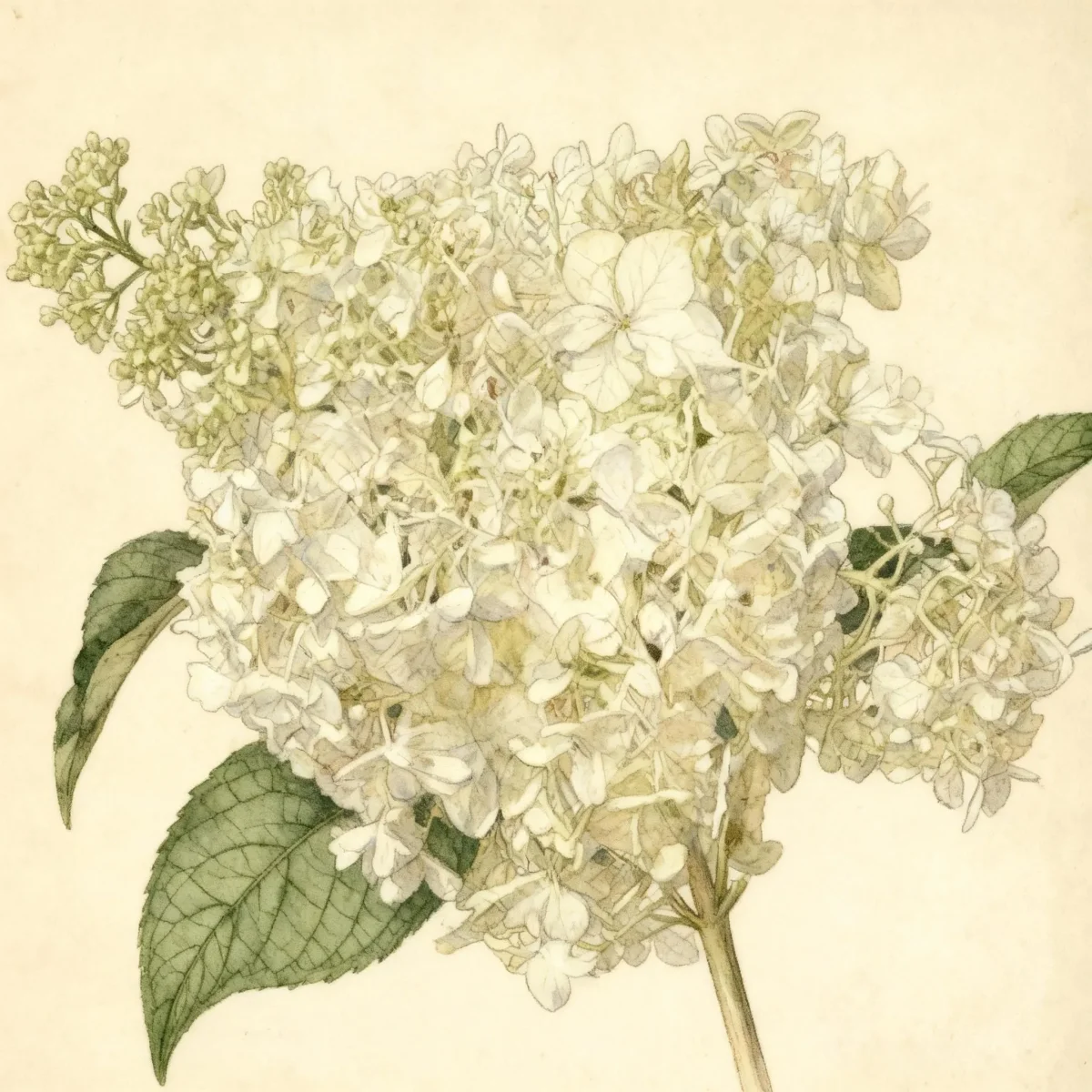
Hydrangea paniculata, commonly called panicle hydrangea, is a vigorous, upright, rapid-growing, somewhat coarsely textured, deciduous shrub that is native to China and Japan. It typically grows to 8-15’ (less frequently to 25’) tall, and features oval to ovate dark green leaves and upright, sharply-pointed, conical, terminal flower panicles (to 6-8” long) containing both fertile and sterile flowers (mostly non-showy fertile flowers) that bloom from mid-summer into fall. The specific epithet paniculata refers to the arrangement of the flowers in panicles. ‘Little Lamb’ is a compact cultivar that typically grows to 6-8’ tall and to 6’ wide and is noted for producing dense, cone-shaped panicles of mostly sterile, small white flowers, each purportedly resembling a little lamb on the foliage.
Tolerances
- Air Pollution
Potential Problems
This shrub displays some susceptibility to various fungal and pest issues, though it remains robust. Gardeners should watch for bud blight, bacterial wilt, leaf spot, rust, and mildew throughout the growing season. Pests such as aphids and mites can occasionally appear, requiring prompt management. Routine scouting during watering and timely application of appropriate fungicides or insecticides can usually mitigate these potential setbacks effectively.
Frequently Asked Questions
What hardiness zones is Panicle hydrangea suitable for?
Hydrangea paniculata ‘Little Lamb’ is adaptable to a wide range of temperatures, thriving reliably in USDA Hardiness Zones 3 through 8.
How large does Hydrangea paniculata ‘Little Lamb’ grow?
This compact cultivar typically matures to a height between 6 and 8 feet tall, with a spread ranging from 4 to 6 feet wide.
What sun exposure does Panicle hydrangea need?
For the best performance, plant Hydrangea paniculata ‘Little Lamb’ where it receives full sun or partial shade; protection from intense, prolonged afternoon sun is often beneficial.
When does Hydrangea paniculata ‘Little Lamb’ bloom?
This Panicle hydrangea variety provides reliable color from mid-summer clear through early fall, specifically blooming between July and September with white flowers.
Conclusion
The Hydrangea paniculata ‘Little Lamb’ offers exceptional value through its winter hardiness, compact size, and its profusion of showy white blooms that appear late in the season. As a resilient Panicle hydrangea, it handles urban conditions well and provides excellent visual impact for hedges or specimen planting. Before planting, confirm that your site falls within USDA Zones 3-8, ensuring you provide rich, well-drained soil for the best results.
Companion Planting
When designing borders around Hydrangea paniculata ‘Little Lamb’, select materials that complement its medium moisture needs and late-summer bloom window. Late-blooming perennials such as Sedum ‘Autumn Joy’ or ornamental grasses like Miscanthus provide textural and color contrast when the hydrangea is at its peak. For year-round structure, consider planting with evergreens like Dwarf Blue Spruce or Japanese Holly, provided their sun exposure requirements align with the shrub’s preference for full sun to part shade.
Design Ideas
Use Hydrangea paniculata ‘Little Lamb’ to create soft, informal cottage borders or as an anchor point in mixed shrub plantings. Because the flowers naturally fade to a muted tan in the fall and persist into winter, they offer excellent structure after the initial white phase. For a contemporary look, group odd numbers of this Panicle hydrangea together to create repeating vertical anchors against a dark fence or wall, emphasizing the upright panicles.