Standard dwarf bearded iris (Iris 'Being Busy')
Iris 'Being Busy' is a stunning Standard dwarf bearded iris. A vibrant perennial blooming in May, it requires full sun and medium water.
Scroll down to discover growing tips, care requirements, companion plants, and more
Complete Plant Information
Overview
Iris ‘Being Busy’ offers a beautiful burst of color early in the season, making it a standout choice for border accents. This cultivar belongs to the Standard dwarf bearded iris class, known for their manageable size and robust nature. Gardeners appreciate this variety for its vivid color contrasts and reliable perennial performance.
As a rhizomatous perennial, Iris ‘Being Busy’ develops clumps over time, providing dependable texture and structure in the garden layout. It thrives best when given ample sunshine, which ensures strong flowering displays each May. This plant readily integrates into various garden settings due to its compact, upright growth habit.
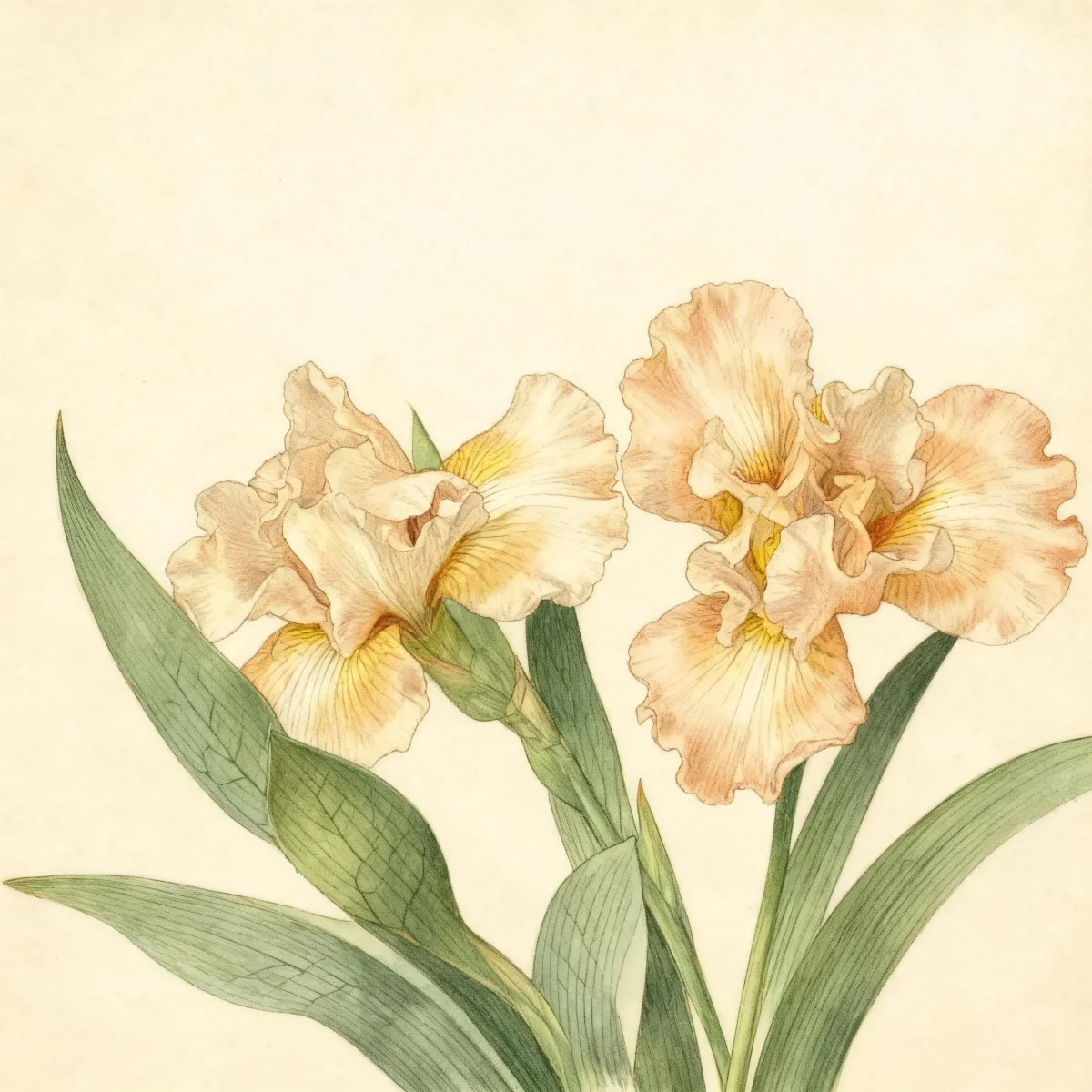
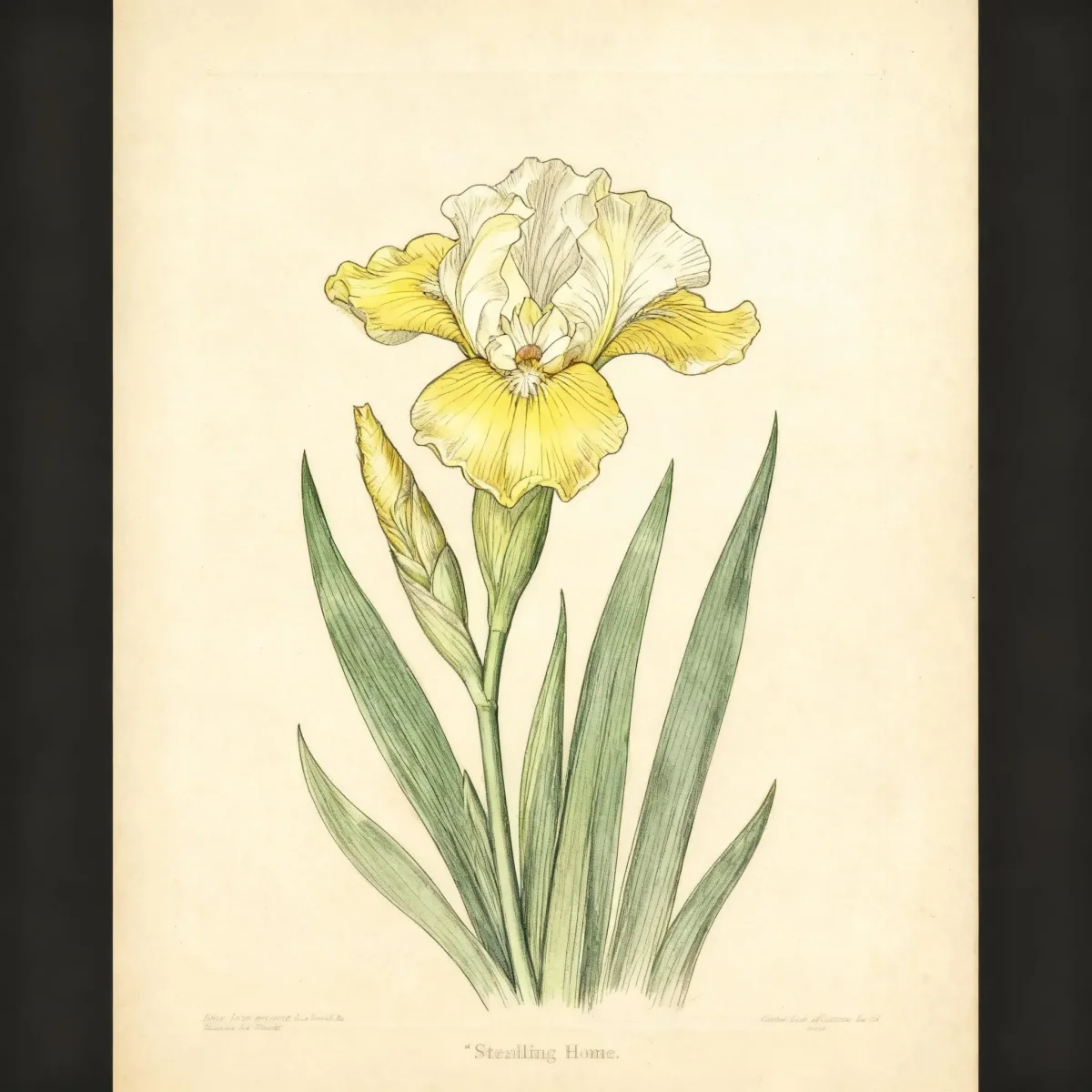
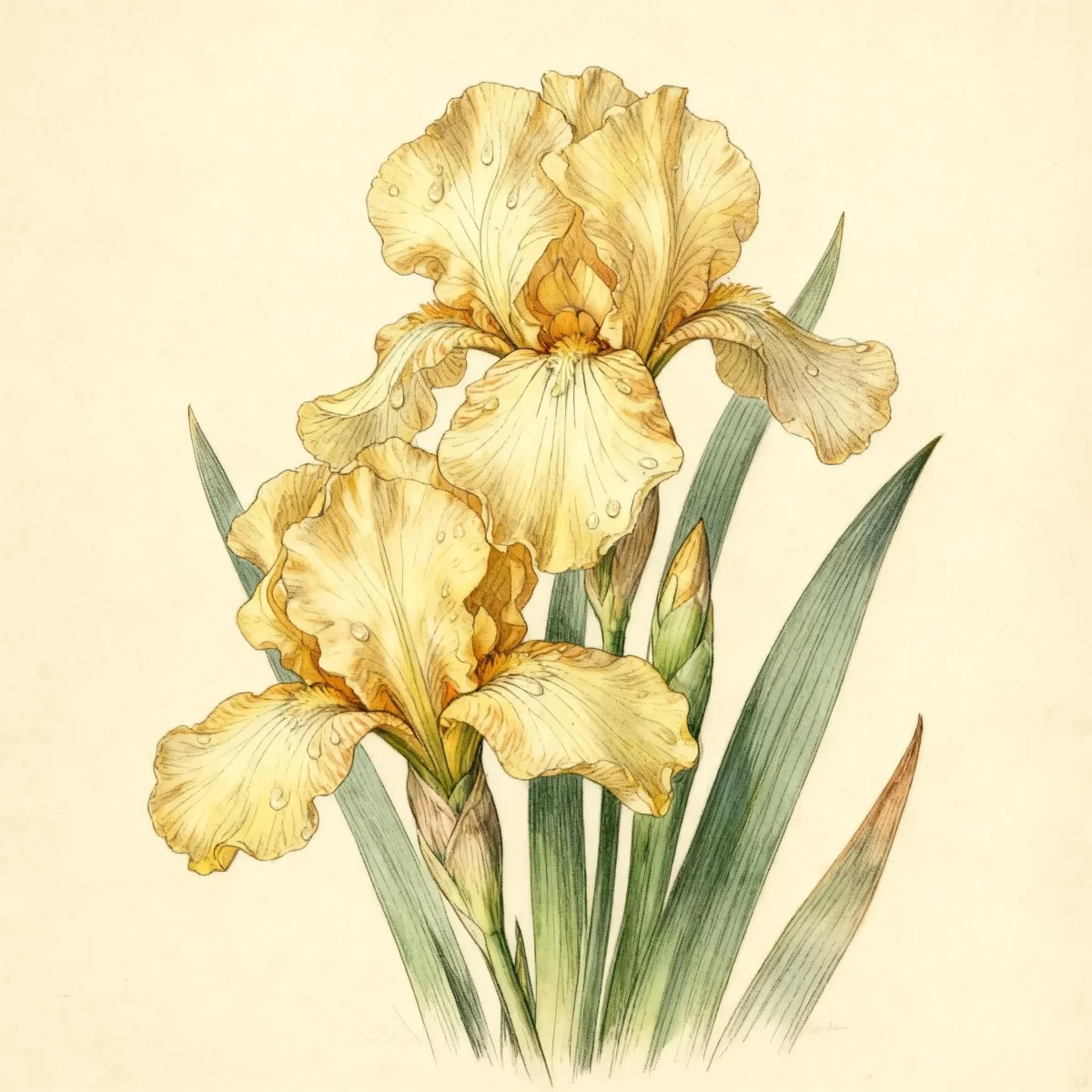
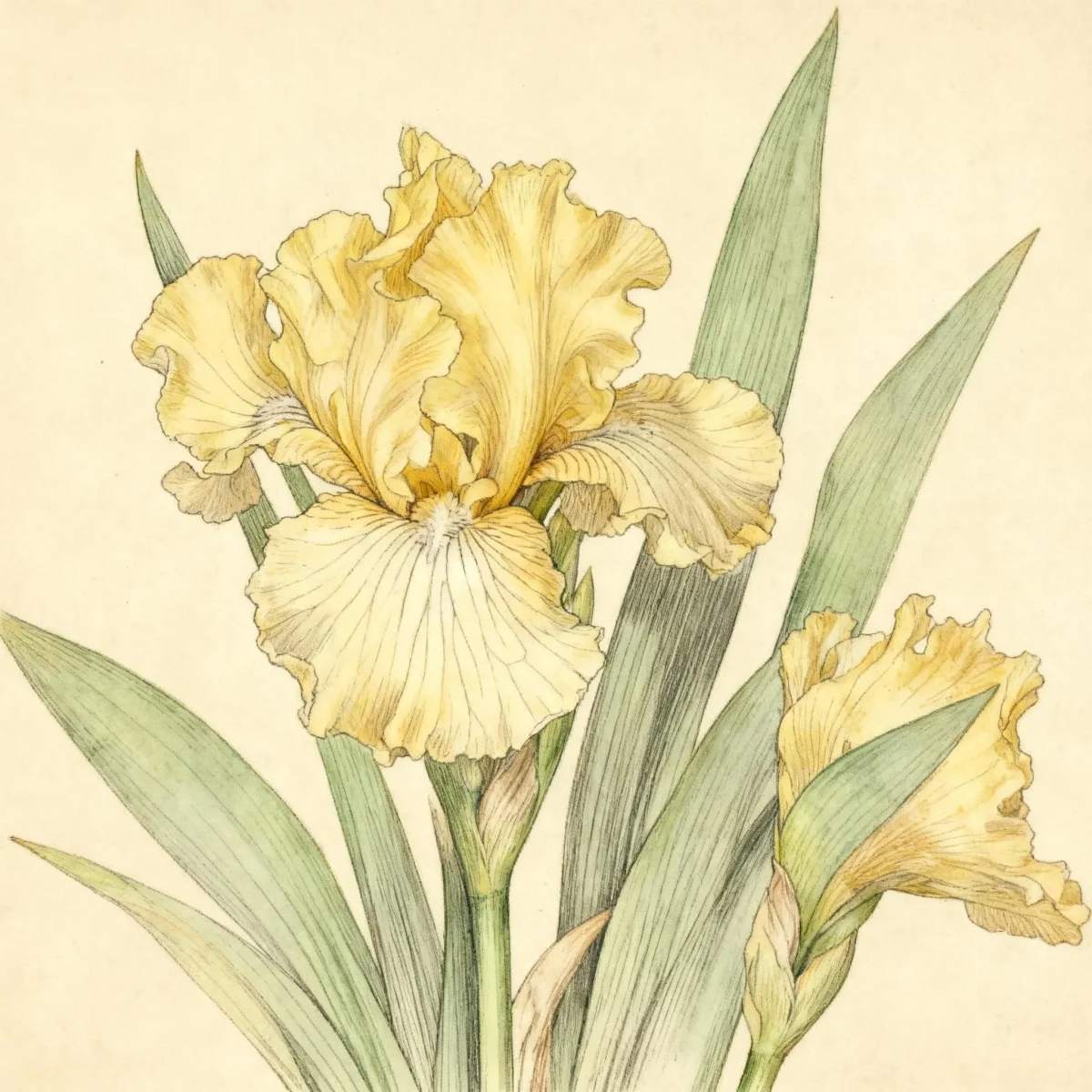
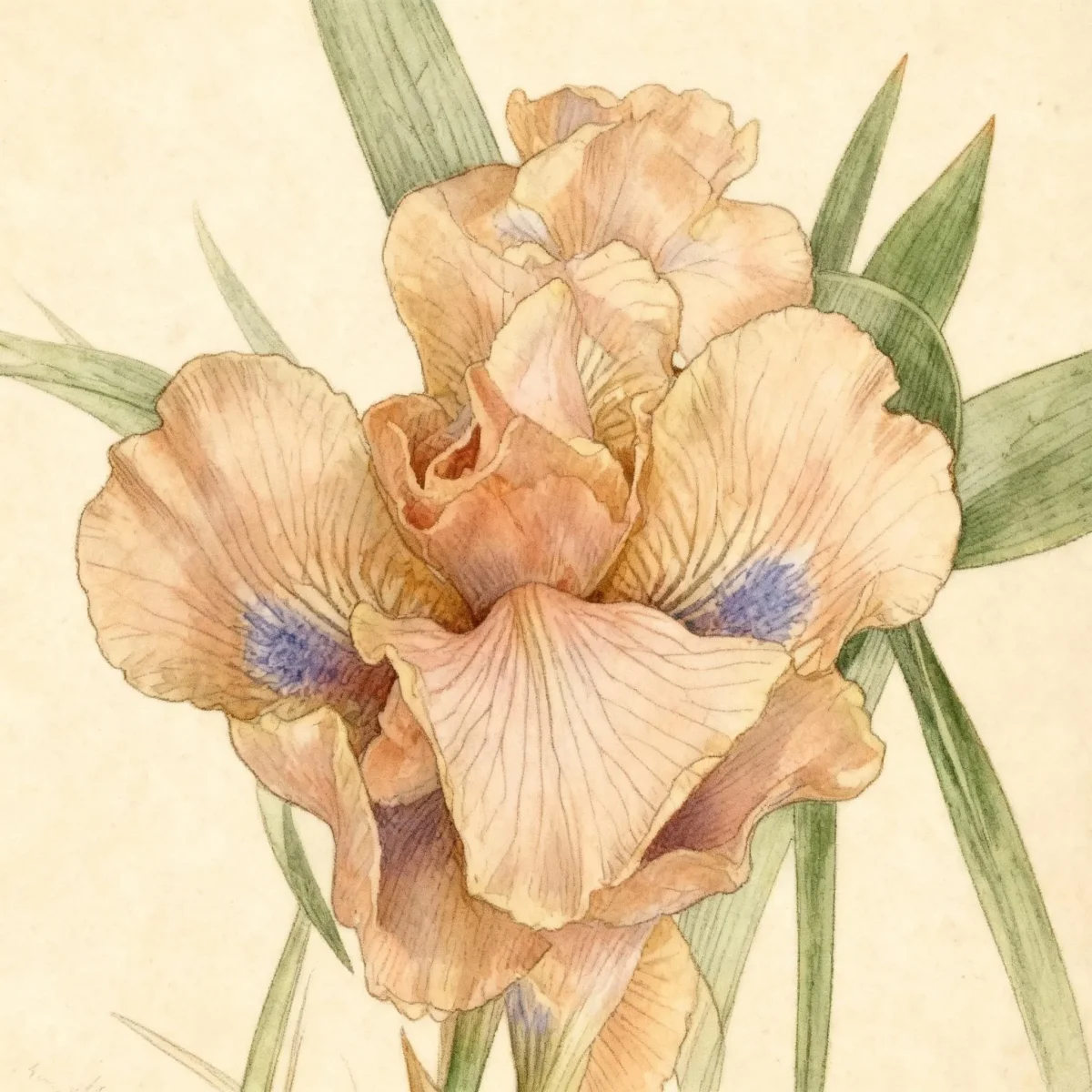
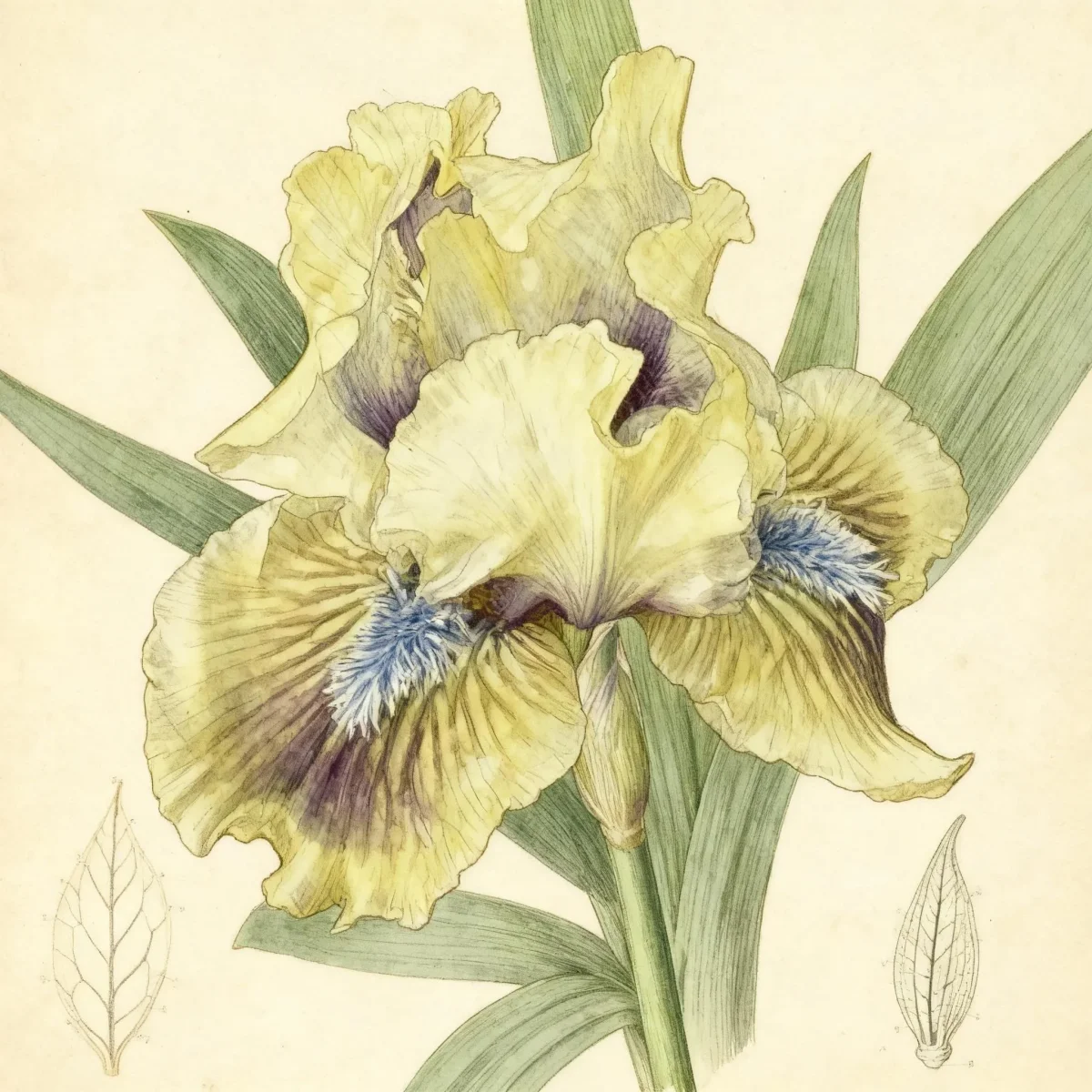
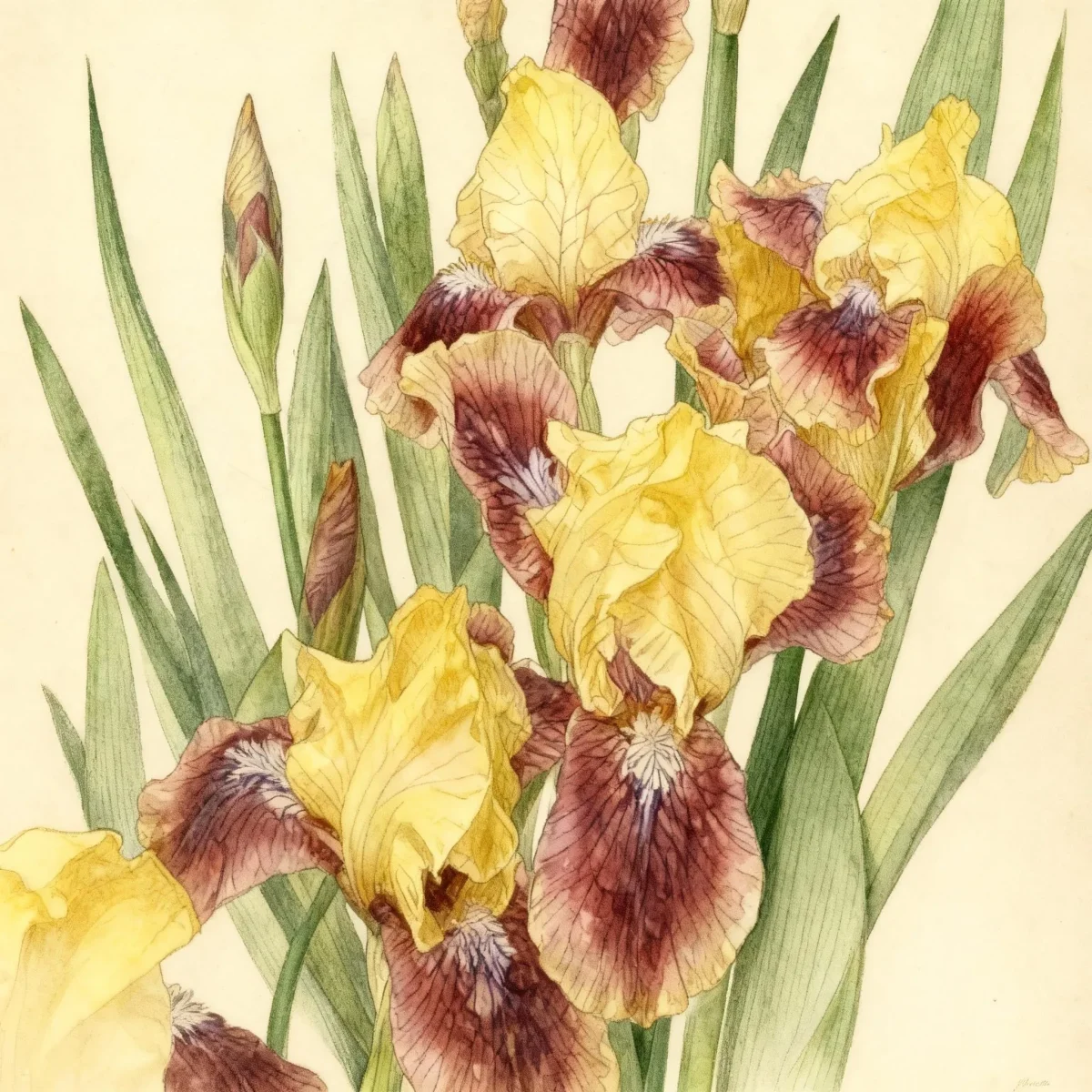
The visual appeal of Iris ‘Being Busy’ lies in its striking bicoloration, pairing bright yellow standards with deep maroon-red falls accented by mauve edges. Utilizing this Standard dwarf bearded iris allows you to introduce strong vertical elements and early spring color right where you need it most.
Fast Facts
- Plant Family: Iridaceae
- Plant Type: Herbaceous perennial
- Hardiness Zones: USDA Zones 3-8
- Size at Maturity:
- Height: 0.75-1.5 ft
- Spread: 0.75-1.5 ft
- Bloom Time: May
- Bloom Description: Yellow, maroon-red with mauve edges
- Sun Exposure: Full sun
- Water Needs: Medium
- Maintenance Level: Medium
How to Grow
Cultivating Iris ‘Being Busy’ successfully requires attention to drainage, which is paramount for all bearded irises. Plant rhizomes between late July and October, ensuring they are placed in average, medium-moisture, well-drained soil under full sun conditions. For optimal results, especially in light sandy soils, aim for consistent moisture from spring until six weeks after flowering concludes.
If you have heavy clay or experience high rainfall, improve drainage significantly. Plant the rhizomes on slopes or in raised beds, positioning the growing end uphill to actively discourage rhizome rot. Plant each rhizome shallowly, spacing them 12 to 20 inches apart, ensuring one-third of the rhizome sits above the soil line, supported by a small mound of soil beneath it.
Routine maintenance involves keeping the iris bed scrupulously free of weeds, as weed competition depletes resources. Over time, if the clump becomes overcrowded, lift it gently in late summer (around August) using a garden fork, divide the rhizomes, and replant immediately. While Iris ‘Being Busy’ shows some drought tolerance once established, supplemental watering during dry spells aids performance.
Landscape Uses
Standard dwarf bearded irises, including the vibrant Iris ‘Being Busy’, excel when planted where their smaller stature can be appreciated up close. They are perfectly suited for the fronts of perennial borders, acting as a colorful punctuation mark against taller plantings behind them. Their bright May blooms light up pathways and the edges of steps.
Due to their neat clumping habit and height, these irises are excellent for massing or grouping in sunny rock gardens, creating sweeping bands of color. Furthermore, managing their medium water needs makes them relatively easy keepers. They also perform admirably when grown individually or in small groups within containers, allowing you to place the intense color of Iris ‘Being Busy’ precisely where needed on patios or decks.
Standout Features
Flower Qualities
- Showy
Noteworthy Characteristics
Standard Dwarf Bearded Iris cultivars like ‘Being Busy’ typically reach 10 to 15 inches in height, featuring flowers up to 4 inches wide with upright standards and pendant falls. The ‘bearded’ designation refers to the visible, bushy beard located on the lower petal (the fall). Iris ‘Being Busy’ specifically displays bright yellow standards and deep maroon-red falls edged in gray-mauve, complemented by a blue beard.
Tolerances
- Deer
- Drought
Potential Problems
Gardeners growing Iris ‘Being Busy’ should be vigilant against several potential afflictions common to the genus. Fungal and bacterial issues such as leaf spot, iris rust, crown rot, and bacterial soft rot can become problematic, especially where drainage is poor. Prevention is key; ensure adequate space between rhizomes and avoid planting too deeply.
Pest management focuses on common garden nuisances; watch out for slugs, snails, aphids, and thrips, which feed on the foliage. The most significant pest concern is the iris borer, which aggressively tunnels into the rhizomes, causing severe damage, particularly in warmer, humid regions. Regular inspection and timely intervention are necessary to maintain healthy clumps of this Standard dwarf bearded iris.
Frequently Asked Questions
What hardiness zones is Standard dwarf bearded iris suitable for?
Iris ‘Being Busy’ is hardy across USDA Zones 3 through 8, making it adaptable to a wide range of climates across the country.
How large does Iris ‘Being Busy’ grow?
This variety typically reaches a mature height between 0.75 and 1.5 feet tall with a similar spread of 0.75 to 1.5 feet.
When does Iris ‘Being Busy’ bloom?
The primary bloom time for this cultivar is May, featuring its characteristic yellow, maroon-red with mauve edges coloration.
What sun exposure does Iris ‘Being Busy’ need?
For the best performance and flowering, Iris ‘Being Busy’ requires full sun exposure in the garden.
Conclusion
Iris ‘Being Busy’ is an invaluable addition for gardeners seeking reliable, low-to-medium maintenance color early in the growing season. Its distinctive yellow and maroon-red flowers provide magnificent contrast in mixed plantings. Ensure you confirm your location is within USDA Zones 3-8 and prioritize excellent drainage when planting this beautiful Standard dwarf bearded iris this late summer or fall.
Companion Planting Strategies
Selecting companions for Iris ‘Being Busy’ should prioritize plants that share similar light and drainage requirements. Since irises dislike sharing root space entirely and need unobstructed sun, pair them with low-growing groundcovers that won’t shade the rhizomes once the iris foliage dies back. Good companions include creeping thyme or low-growing sedums, which tolerate gritty, well-drained soil.
Avoid heavy feeders or overly moisture-loving perennials directly adjacent to the iris clumps. Instead think about contrasting textures that emerge slightly later. Consider early summer bloomers like certain ornamental salvias or low-growing Nepeta that can use the space vacated by spring ephemerals but won’t compete aggressively with the established rhizomes of Iris ‘Being Busy’.
Seasonal Care Calendar
Spring care is generally light for this reliable perennial; focus on removing any winter debris and keeping weeds under control surrounding your Standard dwarf bearded iris. Once the foliage emerges, you can apply a balanced, low-nitrogen fertilizer sparingly around the base of the plant, though heavy feeding is discouraged.
Summer is crucial for Iris ‘Being Busy’ health. After the May bloom fades, ensure medium water is supplied, especially in the six weeks following flowering, to help the rhizomes develop energy reserves. This is also the ideal time to inspect rhizomes for pests (like borers) or signs of rot, taking necessary action before division in late summer.
Fall preparation focuses on cleanup and division. If the clumps have become overcrowded, lift and divide them in late summer/early fall (August/September) before the ground freezes hard. While dormant, trim any yellowing foliage, leaving healthy tissue intact until a hard frost naturally browns it, which helps protect the rhizome for the following spring show.