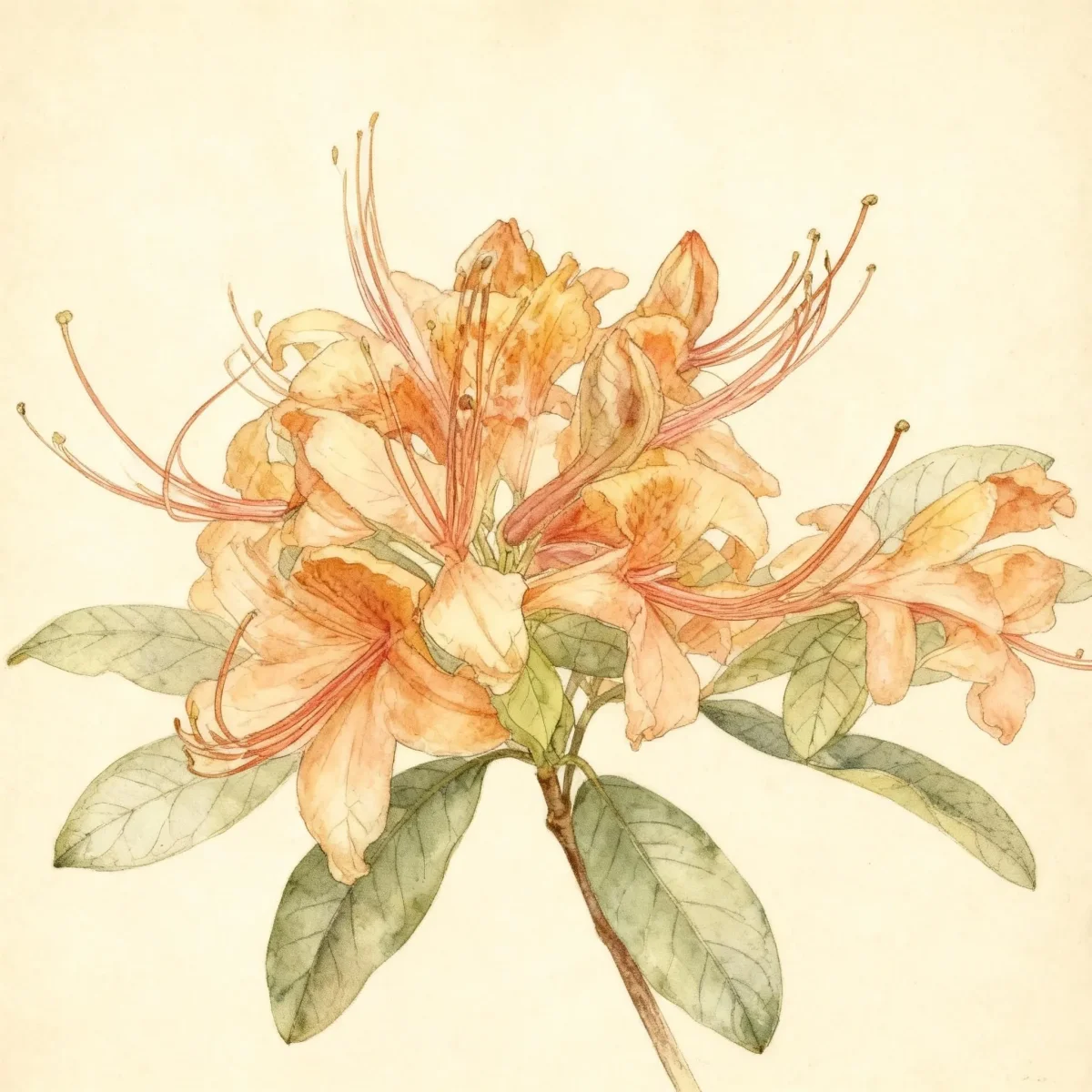
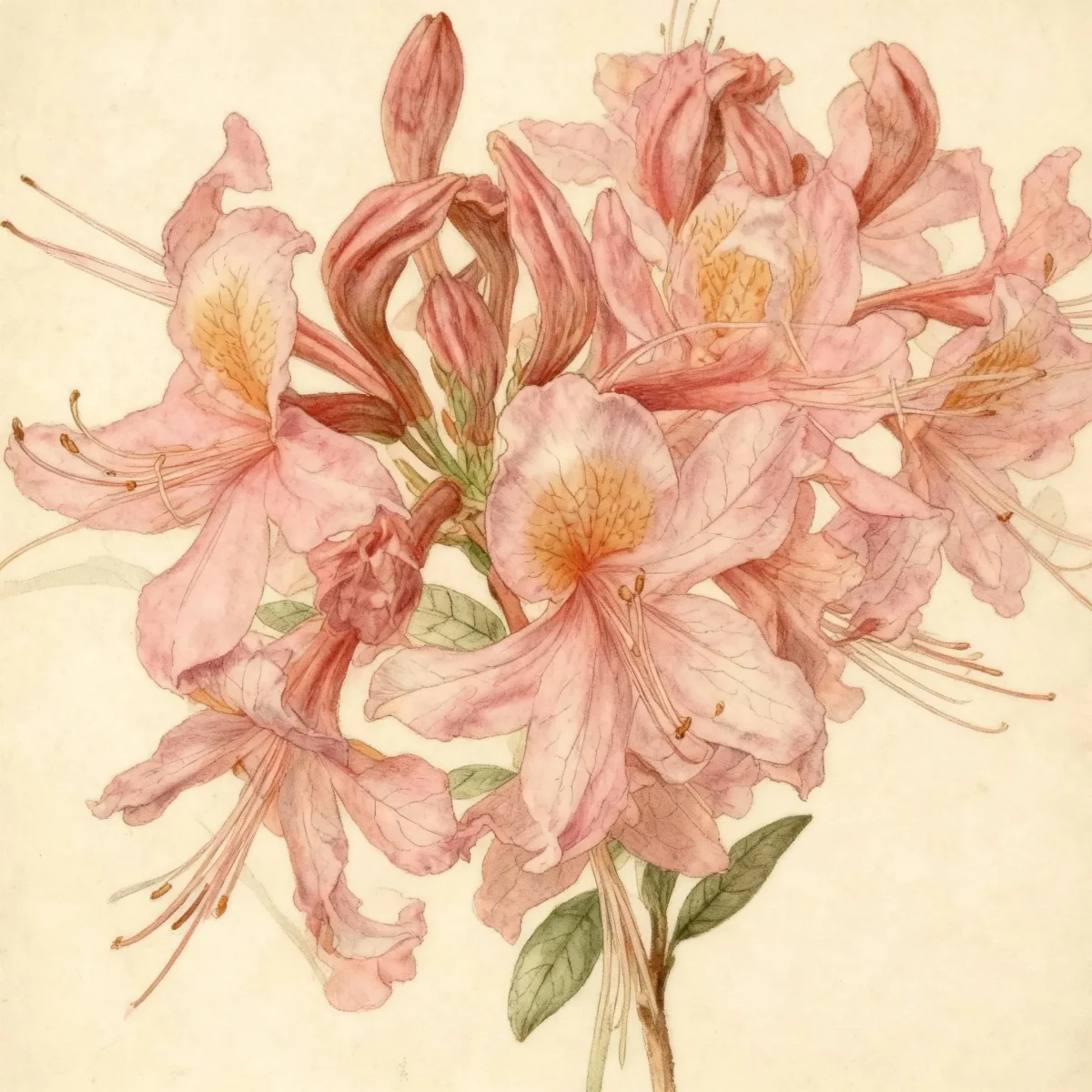
Mountain laurel (Kalmia latifolia 'Minuet')
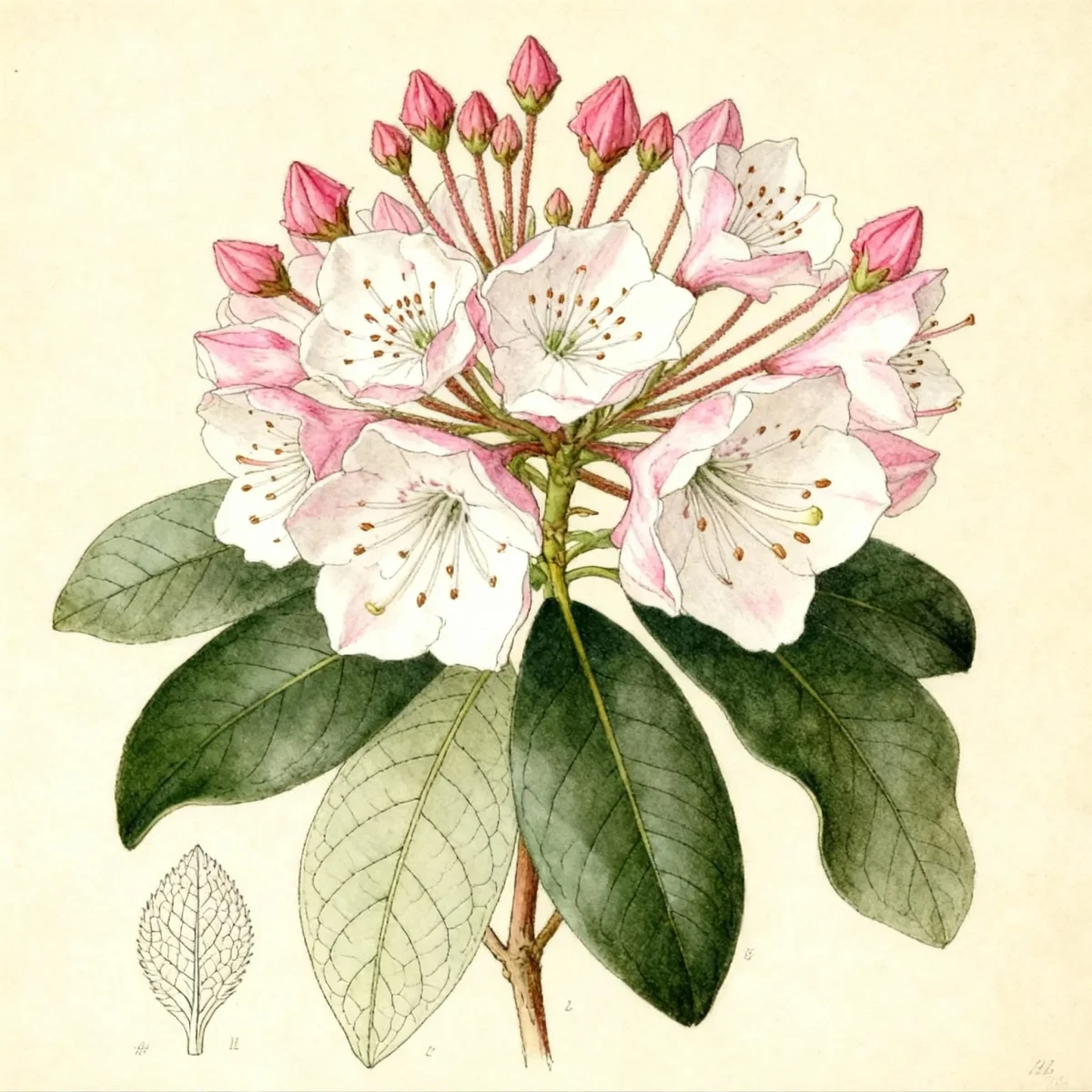
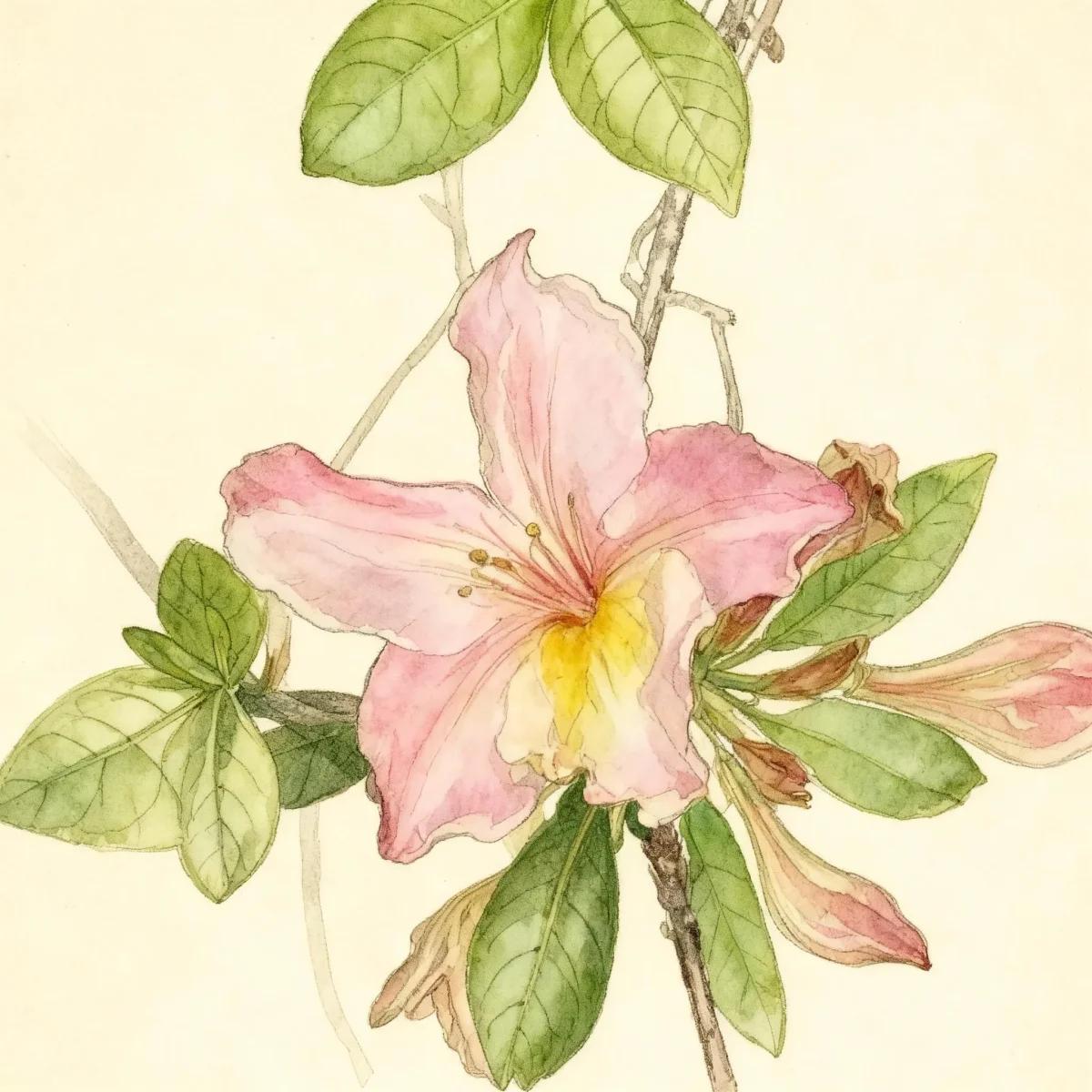
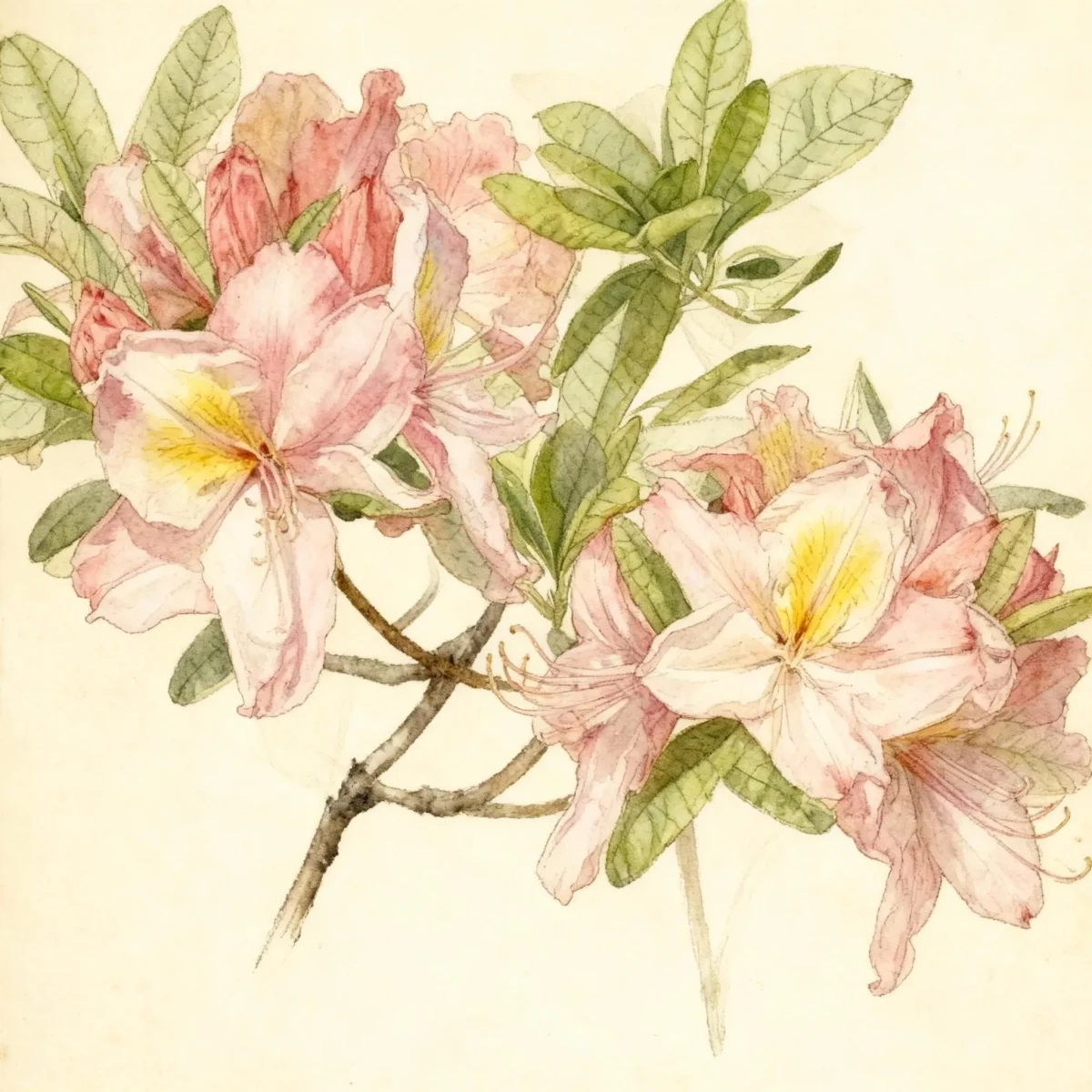
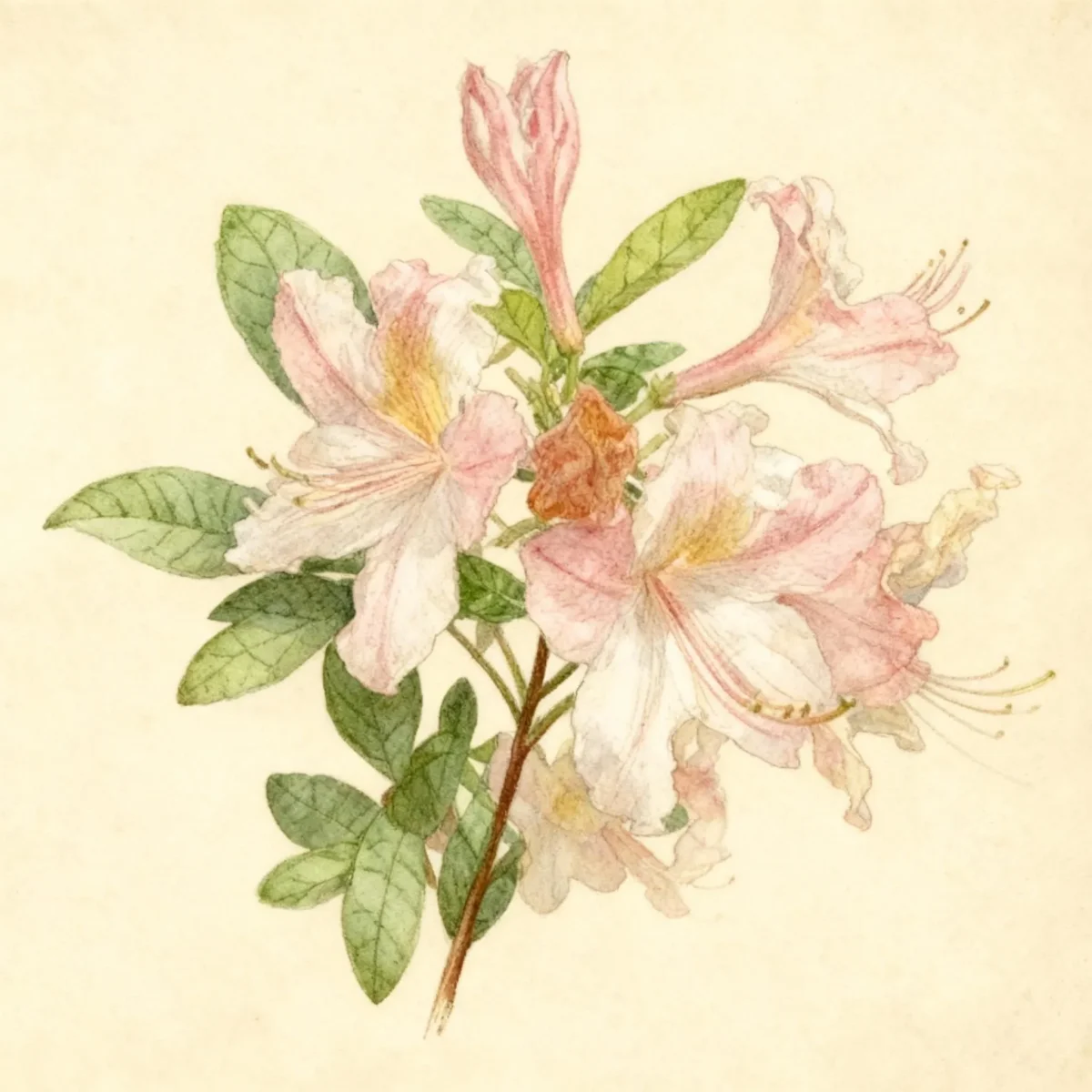
Kalmia latifolia 'Minuet' is a stunning dwarf Mountain laurel, featuring white blooms with maroon centers, ideal for partial shade borders.
Scroll down to discover growing tips, care requirements, companion plants, and more
Complete Plant Information
Overview
Kalmia latifolia ‘Minuet’, a delightful cultivar of Mountain laurel, offers exceptional value for gardeners seeking year-round structure and spectacular spring flowers in a manageable size. This dwarf shrub brings the rugged beauty of native woodland plants to smaller garden settings, standing out with its glossy, dark green foliage that persists through winter. The standout feature of Kalmia latifolia ‘Minuet’ is its unique floral display in late spring.
This cultivar typically matures to a compact 3 feet tall and wide, making it far more versatile than its larger relatives. It thrives when its cultural needs—cool, moist, acidic, and well-drained soil—are met. Its compact nature ensures that the impressive bloom, characterized by white flowers banded with deep maroon, doesn’t overwhelm the landscape design.
As a broadleaf evergreen, Mountain laurel provides critical texture and interest even when dormant, serving as an excellent structural anchor in mixed borders or foundation plantings. Growing Kalmia latifolia ‘Minuet’ successfully means prioritizing soil health and consistent moisture management to ensure robust flowering performance each season.
Fast Facts
- Plant Family: Ericaceae
- Plant Type: Deciduous shrub
- Hardiness Zones: USDA Zones 4-9
- Size at Maturity:
- Height: 2-3 ft
- Spread: 2-3 ft
- Bloom Time: May to June
- Bloom Description: White with maroon band
- Sun Exposure: Part shade
- Water Needs: Medium
- Maintenance Level: Medium
How to Grow
Planting Mountain laurel varieties like ‘Minuet’ requires preparation to ensure the correct conditions for their shallow, fibrous roots. The best time to plant is typically spring or early fall, ensuring the soil is cool, rich, acidic, and humusy, with excellent drainage. Raised plantings are highly recommended, especially if your native soil tends toward the heavy clay side, as this prevents root rot.
Ongoing care centers around moisture retention. Because this plant thrives in cool, moist soil, mulching deeply is essential to keep the root zone shaded and consistently damp. While the shrub tolerates various light conditions, aim for part shade—morning sun followed by afternoon shade provides the best balance for the foliage and bloom quality in warmer regions.
Maintenance for Kalmia latifolia ‘Minuet’ is moderate. Immediately after the primary flowering period in June, remove spent flower clusters (deadheading) to direct the plant’s energy toward foliage and next year’s buds rather than seed production. Pruning should be light and done immediately post-bloom to encourage a dense, bushy habit; avoid heavy pruning late in the season.
Landscape Uses
The compact form of Kalmia latifolia ‘Minuet’ makes it a superior flowering shrub perfect for formal or naturalized settings where space is limited. Being a smaller Mountain laurel, it functions excellently positioned in the front or middle of shrub borders, providing year-round structure and reliable spring color. It shines when massed together to create low, flowering screens or utilized near foundations, offering color contrast against architectural lines.
This cultivar naturally complements other acid-loving plants. Consider grouping it with Azaleas and Rhododendrons, which share similar soil and light preferences, creating a layered tapestry of spring bloom. In woodland-style gardens, place the dwarf Kalmia latifolia ‘Minuet’ near the edges where dappled light filters through taller canopy trees.
For creating defined lines, these shrubs can serve effectively as a low hedge, offering dense evergreen screening where taller hedges would be overwhelming. Their deer and rabbit tolerance also makes them a practical choice for structural plantings in mixed perennial beds where browsing pressure exists.
Standout Features
Flower Qualities
- Showy
Noteworthy Characteristics
Kalmia latifolia, commonly called mountain laurel, is a gnarled, multi-stemmed, broadleaf evergreen shrub or small tree that is native to Eastern North America where it is found in a variety of habitats including open rocky or sandy woods, cool meadows, balds, mountain slopes and woodland margins. It is noted for its excellent spring flowers and quality year round foliage. ‘Minuet’ is a dwarf shrub that typically matures to only 3’ tall and as wide, featuring light pink flower buds that open white with a broad, maroon-red band circling the inside of each flower cup near the rim in late May into June.
Tolerances
- Rabbit
- Deer
Potential Problems
This plant is generally hardy but can suffer from aesthetic issues if stressed. Susceptibility to leaf spots and blights often increases when air circulation is poor or the foliage remains wet for extended periods. Furthermore, watch for sucking insects such as scale and white fly, and chewing pests like lace bugs, which can severely degrade the glossy foliage quality. Maintaining proper cultural conditions—especially sharp drainage and optimal light—is the best first line of defense against disease and insect pressure affecting your Mountain laurel.
Frequently Asked Questions
What hardiness zones is Mountain laurel suitable for?
Kalmia latifolia ‘Minuet’ is well-suited for USDA Zones 4 through 9, providing reliable hardiness across a wide climatic range.
How large does Kalmia latifolia ‘Minuet’ grow?
This dwarf cultivar reaches a modest size, typically maturing between 2 to 3 feet in height and spreading to a similar width of 2 to 3 feet across.
What sun exposure does Mountain laurel need?
The ideal environment for Kalmia latifolia ‘Minuet’ is part shade, benefiting from morning sunlight while being protected from the intense heat of the mid-to-late afternoon sun.
When does Kalmia latifolia ‘Minuet’ bloom?
This specific Mountain laurel variety produces its showy flowers, noted for being white with a distinct maroon band, during the late spring months, generally from May to June.
Conclusion
The Kalmia latifolia ‘Minuet’ offers gardeners a spectacular blend of compact size, year-round evergreen texture, and unforgettable spring blooms, making it a superb choice for smaller specimens or defining borders. By ensuring rich, acidic soil and consistent moisture, you can enjoy the striking white and maroon flowers of this beautiful Mountain laurel. Before planting, always verify that your local USDA zone falls between 4 and 9 to ensure long-term success.
Companion Planting
Selecting compatible companions is crucial for the long-term health of Kalmia latifolia ‘Minuet’, primarily because successful growth hinges on acidic soil composition. Consider planting smaller ferns or shade-tolerant groundcovers like creeping phlox beneath the shrub to help shade the root zone and retain ground moisture, mimicking its native woodland environment. Plants whose roots compete vigorously should be avoided, as Mountain laurel dislikes having its shallow roots disturbed or overcrowded.
For seasonal interest, pair this shrub with early spring bulbs like native woodland tulips or low-growing Hellebores. These bloom before the Kalmia latifolia ‘Minuet’ fully leafs out, ensuring continuous color interest without shading the shrub too heavily during its critical early growth phase. Remember to maintain a modest distance so air can circulate freely around the foliage to discourage fungal issues.
Seasonal Care Calendar
Spring is the active preparation time for your Mountain laurel. Dedicate early spring to applying a fresh, thick layer of organic mulch around the base—avoiding direct contact with the crown—to keep roots cool as the weather warms. This is also the ideal time to provide a light application of fertilizer formulated specifically for acid-loving plants, if needed.
Summer care shifts entirely to water management; ensure the soil remains consistently moist, especially during dry spells, as this evergreen needs adequate hydration to support its structure and set up next year’s flowers. As blooms fade in early summer, promptly deadhead the spent corymbs to encourage energy redirection back into the foliage.
Fall is a time for stabilization. Avoid heavy fertilization or intense pruning late in the season, as new growth stimulated then will not harden off before a freeze, making it vulnerable to winter burn. In colder areas (Zones 4-6), water deeply before the ground freezes to ensure the evergreen foliage has enough moisture to survive the winter transpiration.