Triandrus daffodil (Narcissus 'Katie Heath')
The charming Narcissus 'Katie Heath' is a low-maintenance Triandrus daffodil featuring white petals and a pink cup, thriving in Zones 4-9.
Scroll down to discover growing tips, care requirements, companion plants, and more
Complete Plant Information
Overview
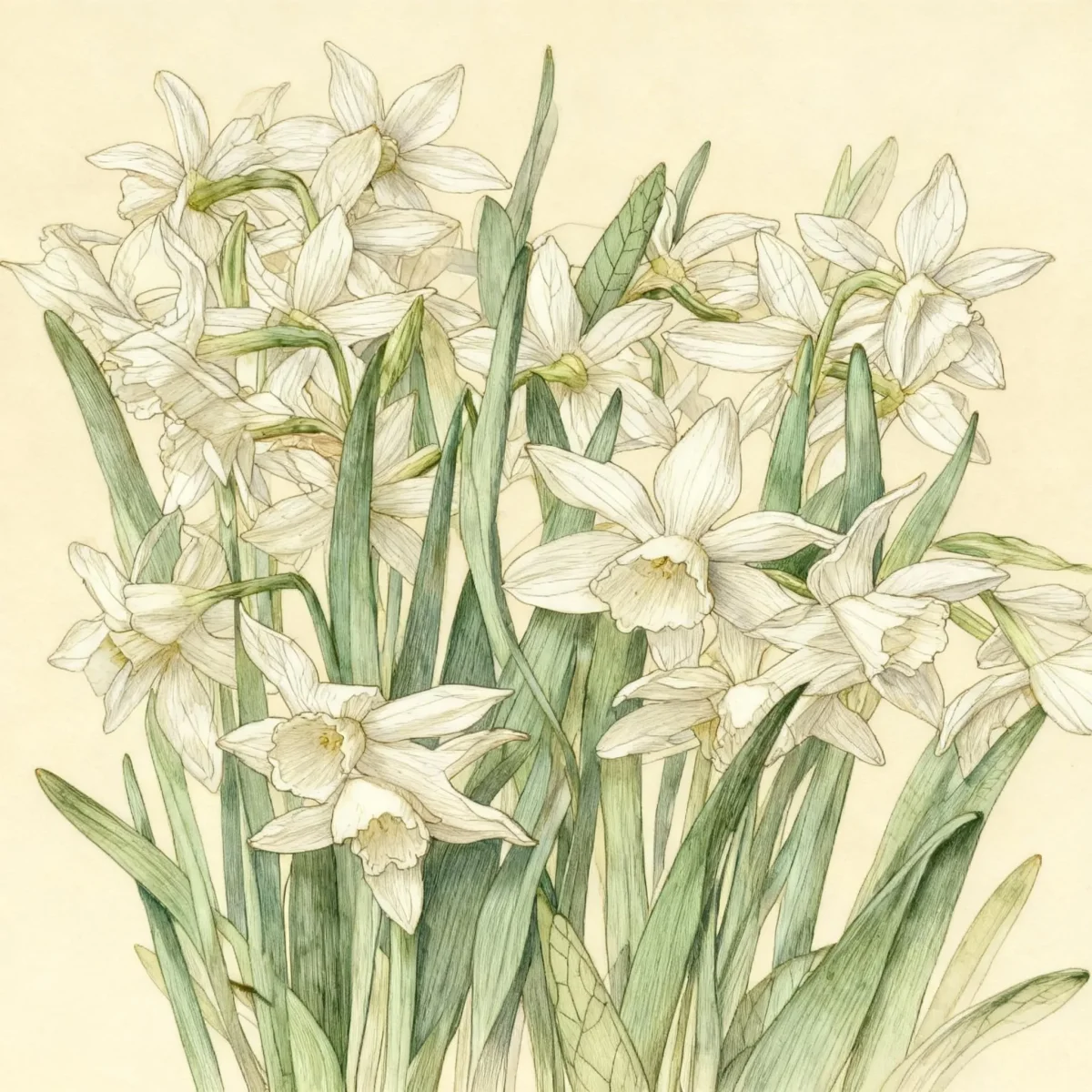
The striking Narcissus ‘Katie Heath’ brings delightful color to the early spring landscape. As a specialized Triandrus daffodil, it is recognized for having two or more delicate, outward-facing flowers per stem, setting it apart from trumpet varieties. Gardeners value this cultivar for its relatively small stature and reliably low maintenance requirements.
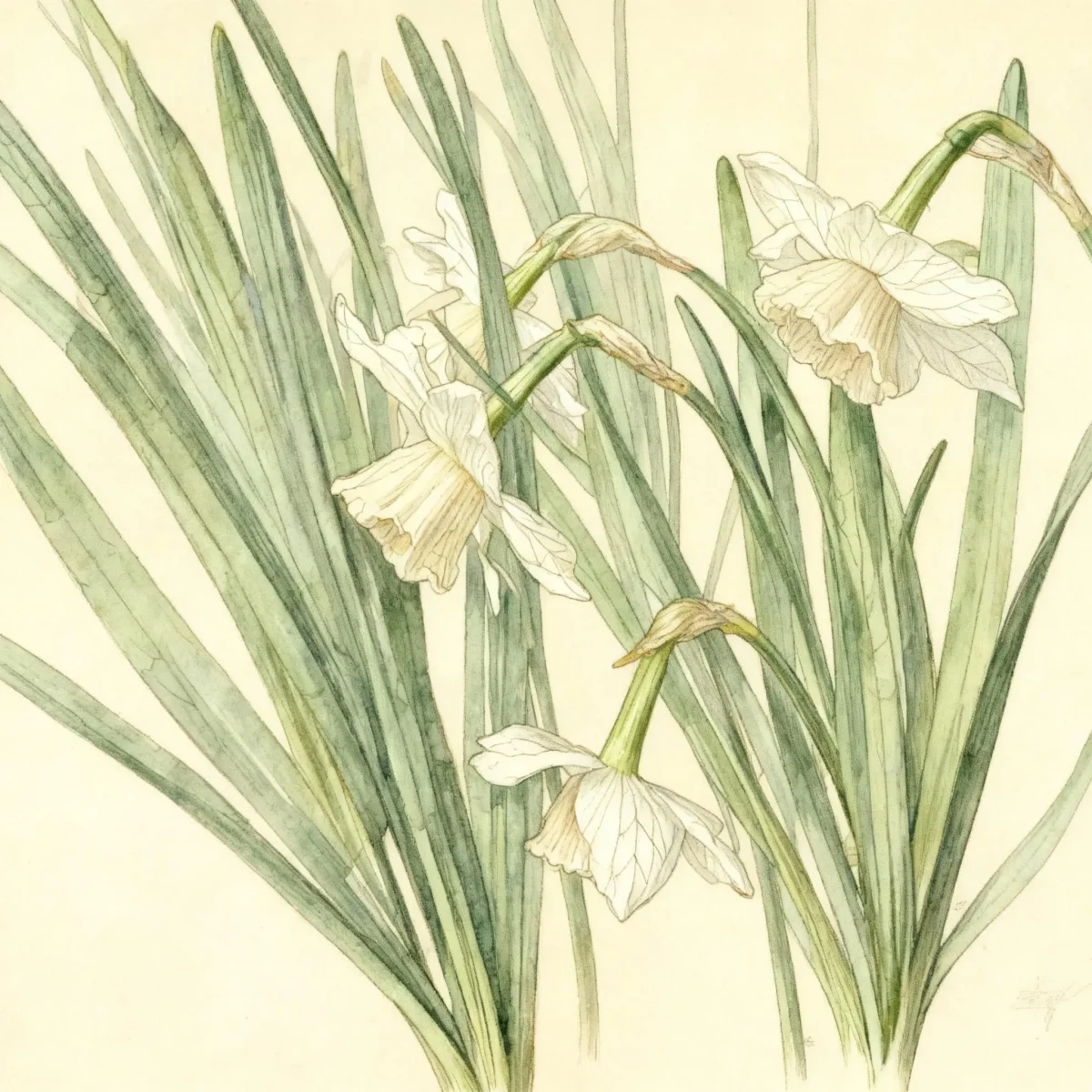
This Division 5 daffodil is a sturdy performer, capable of handling temperatures down to Zone 4 while tolerating brief dry spells once established. The combination of white perianth segments and a lovely apricot-pink cup makes Narcissus ‘Katie Heath’ an excellent choice for adding subtle, layered color among other early bloomers.
Bred for lasting performance, Narcissus ‘Katie Heath’ naturalizes well, meaning it will multiply and return happily year after year with minimal interference. Plant these bulbs where their modest size (under one foot tall) can be appreciated at the forefront of borders or in woodland settings.
Fast Facts
- Plant Family: Amaryllidaceae
- Plant Type: Bulb
- Hardiness Zones: USDA Zones 4-9
- Size at Maturity:
- Height: 0.5-1 ft
- Spread: 0.5-0.75 ft
- Bloom Time: March to April
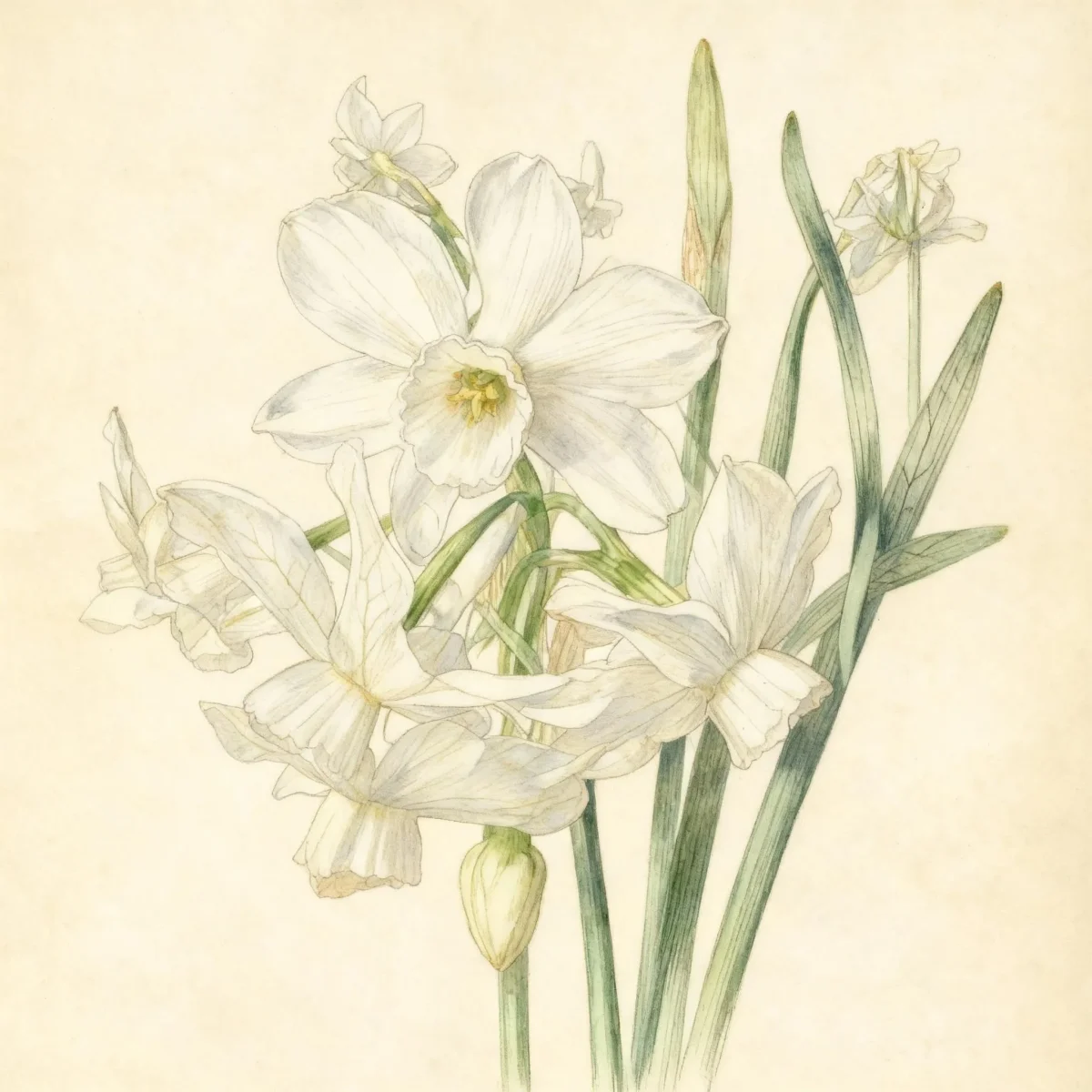
- Bloom Description: White petals with a pink cup
- Sun Exposure: Full sun to part shade
- Water Needs: Medium
- Maintenance Level: Low
How to Grow
Planting Triandrus daffodil bulbs is best done in the early to mid-fall before the ground freezes hard. Select a location that receives full sun to light afternoon shade, ensuring the soil is well-drained, as poor drainage is the primary cause of bulb rot. Ideally, plant each bulb 2 to 3 times as deep as its height, ensuring at least three inches of soil cover the top, spacing them 4 to 10 inches apart depending on the bulb size for future clumping.
Once established, the Narcissus ‘Katie Heath’ requires medium moisture throughout the spring growing season, though it handles drought well once the foliage yellows post-bloom. Avoid cutting back the foliage after flowering; allow it to yellow naturally, which fuels the bulb for next year’s display. Deadheading the spent flowers by removing the stem top prevents energy waste on seed production.
These bulbs can remain undisturbed for many years. If blooming density decreases after several seasons, you may divide the clumps by carefully digging them up immediately after the foliage has completely died back. Growing them where they face the morning sun, with any taller growth positioned behind them, ensures the best visual display.
Landscape Uses
Daffodils, including this specialty Triandrus daffodil, are indispensable for creating structured, long-lasting spring interest, unlike many annual displays. They perform best when planted in robust groupings of at least six bulbs, allowing them to naturalize into sweeping drifts across the garden beds. Narcissus ‘Katie Heath’ works beautifully massed under deciduous trees, where they receive full sun while dormant and filtered light during their active growing phase.
Due to their early bloom time and reliable return, these bulbs make excellent companions for later spring bloomers like tulips and hyacinths, extending the season of interest seamlessly. Their compact size is perfect for defining the front edge of mixed borders or lining walkways tastefully. They are also outstanding in wild gardens or naturalized meadows where mowing is infrequent until mid-spring.
For gardeners seeking long-term, low-effort spring color, planting Narcissus ‘Katie Heath’ in quantity is the key strategy. They mix well with other early perennials, creating a layered planting effect that emerges before most summer perennials have awakened.
Standout Features
Flower Qualities
- Showy
- Good Cut
Noteworthy Characteristics
Narcissus is a genus of about 50 species of bulbous perennials from Europe and North Africa, forming the cornerstone of the spring garden. Flowers generally feature a cup (corona) surrounded by six petals (perianth segments), appearing in a wide range of colors. Narcissus ‘Katie Heath’ was hybridized by Brent C. Heath, bearing Division 5 traits, meaning we expect more than one drooping flower per stem with often reflexed perianth segments. This dwarf daffodil features a white perianth and a pinkish cup, typically producing two or more flowers per stem, reaching heights up to one foot.
Tolerances
- Rabbit
- Deer
- Drought
Potential Problems
Daffodils, including this cultivar, are celebrated for being generally pest-free when provided correct soil and cultural conditions. The primary threat to Narcissus ‘Katie Heath’ is bulb rot, which stems directly from insufficient drainage; ensure your soil structure allows water to pass through readily. Infrequent pests can include slugs, snails, and narcissus bulb fly, which can be managed with appropriate controls at their first sightings. Avoid letting virus issues like Narcissus yellow stripe spread by immediately removing any visibly infected foliage rather than cutting it back too soon.
Frequently Asked Questions
What hardiness zones is Triandrus daffodil suitable for?
The Narcissus ‘Katie Heath’ is hardy in USDA Zones 4 through 9, making it quite adaptable across many temperate climates.
How large does Narcissus ‘Katie Heath’ grow?
At maturity, this particular daffodil reaches a modest height between 0.5 and 1 foot, with a spread of 0.5 to 0.75 feet.
What sun exposure does Triandrus daffodil need?
This plant thrives best when situated in locations receiving full sun, though it tolerates partial shade successfully.
When does Narcissus ‘Katie Heath’ bloom?
You can expect the attractive flowers, composed of white petals with a pink cup, to appear from March into April.
Conclusion
The Triandrus daffodil, Narcissus ‘Katie Heath’, offers exceptional value through its easy-care, perennial habit and unique bicolored blooms that emerge reliably early in the season. Its moderate height and tolerance to pests and drought make it a cornerstone for the sophisticated yet practical spring garden design. Before winter sets in, plan your planting spots now to ensure you enjoy the charm of Narcissus ‘Katie Heath’ next spring.
Companion Planting
To maximize the visual impact of your Triandrus daffodil, consider pairing it with subsequent bloomers that take over once the foliage of the daffodil begins to yellow. Plants like early emerging Siberian Iris or Columbine thrive in similar conditions and will effectively mask the fading daffodil leaves. Since Narcissus ‘Katie Heath’ is deer and rabbit resistant, planting vulnerable, tasty spring bulbs nearby, such as tulips, can offer them a degree of accidental protection.
Propagation Tips
Narcissus ‘Katie Heath’ is most effectively propagated by natural division, as this is a hybrid cultivar. As the bulbs naturalize, they will slowly form dense clumps over several years. Wait until the foliage has completely yellowed—usually by early summer—before digging the entire clump. Gently separate the bulb offsets by hand; only divide clumps that appear overcrowded or where bloom quality has noticeably declined compared to previous years. Replant the separated offsets immediately at the correct depth in the fall.