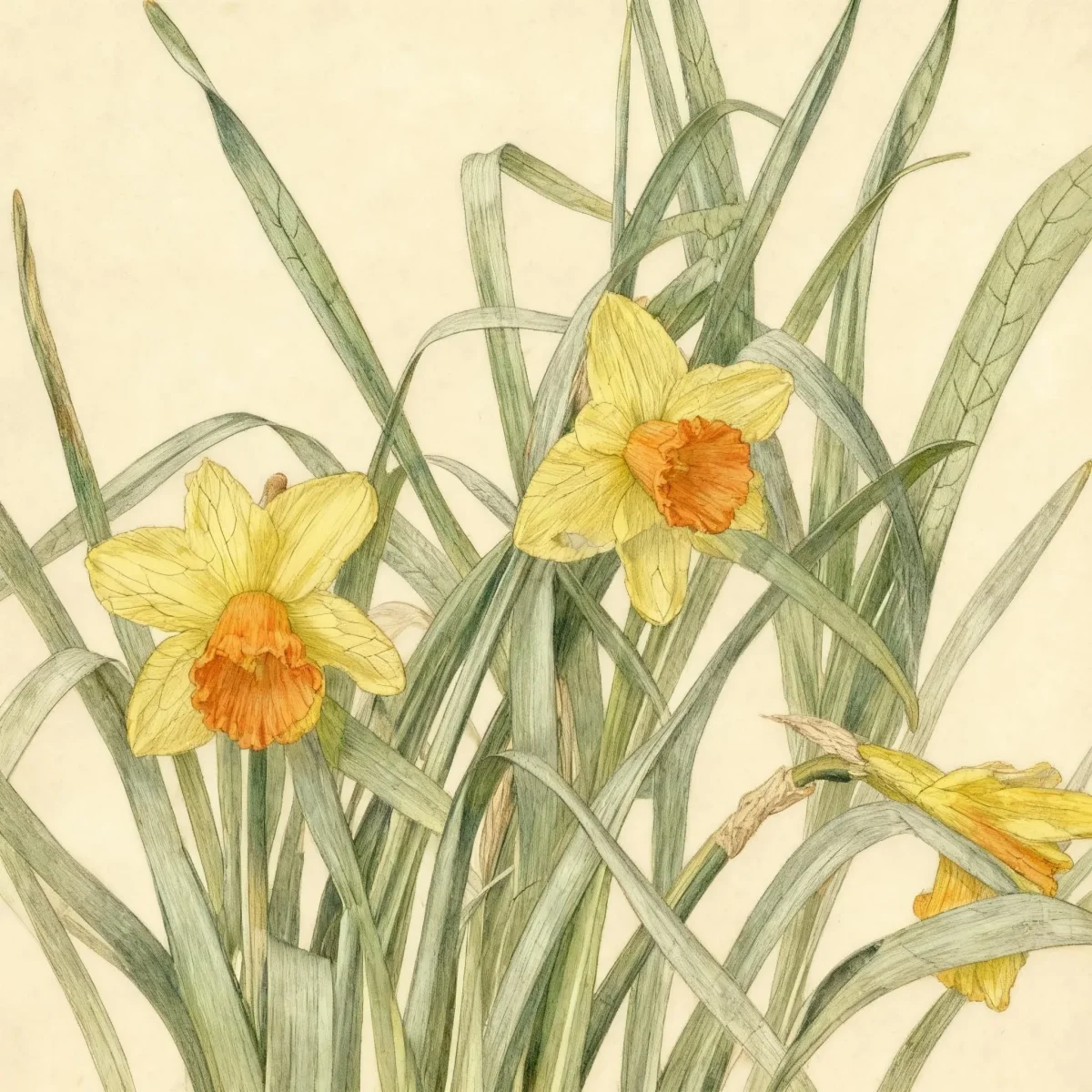
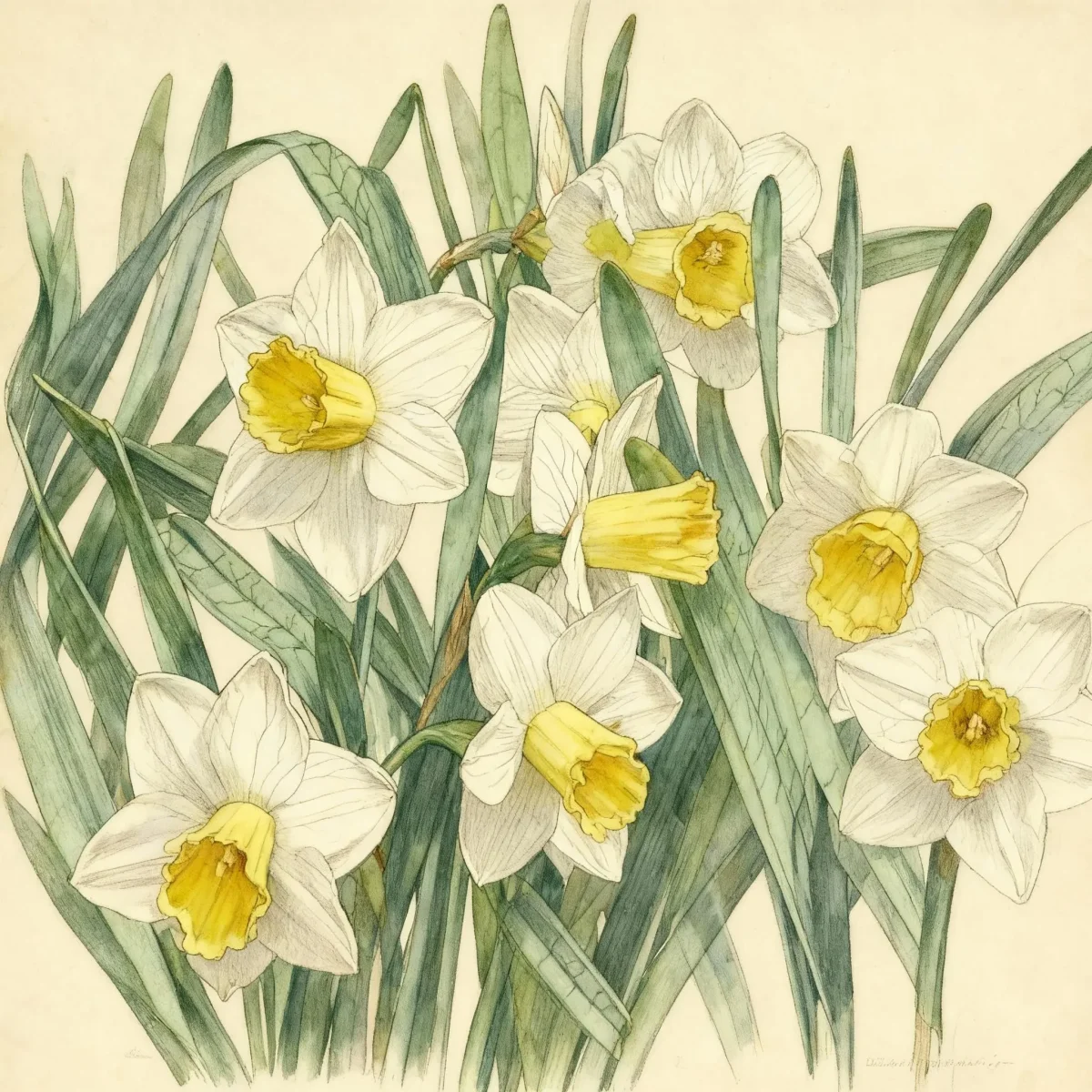
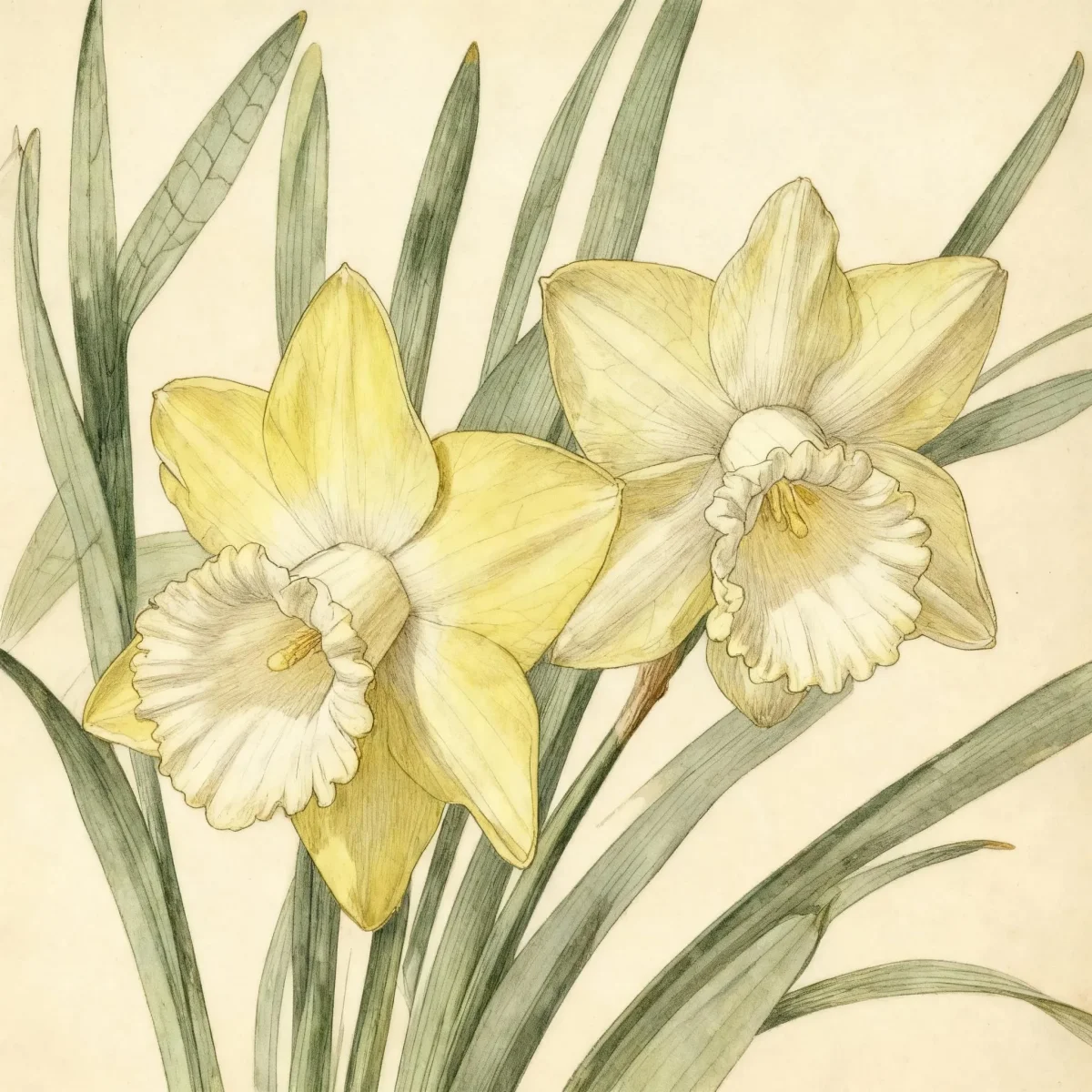
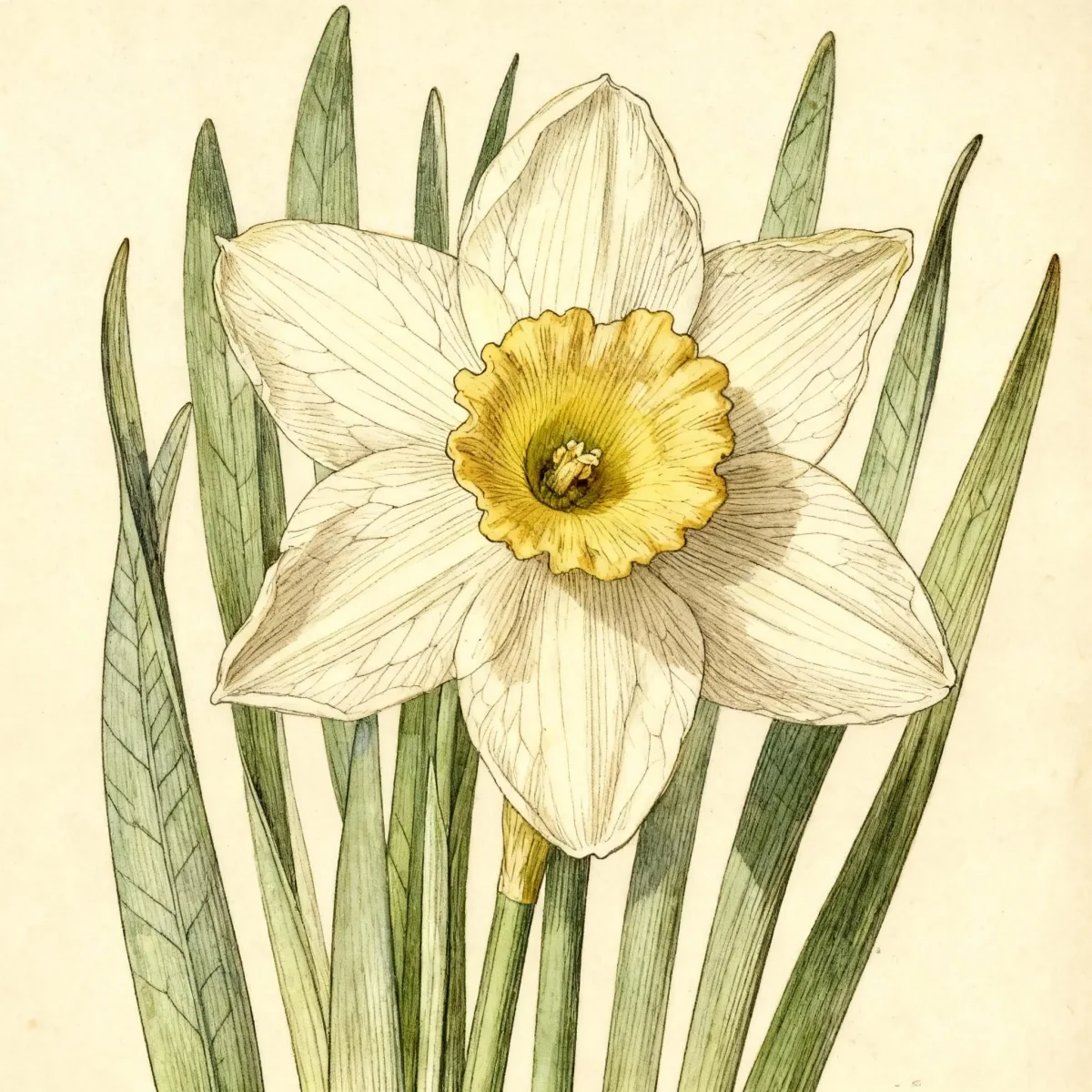
Trumpet daffodil (Narcissus 'Little Gem')
Narcissus 'Little Gem' is a charming, low-maintenance Trumpet daffodil, blooming bright yellow in early spring zones 3-8.
Scroll down to discover growing tips, care requirements, companion plants, and more
Complete Plant Information
Overview
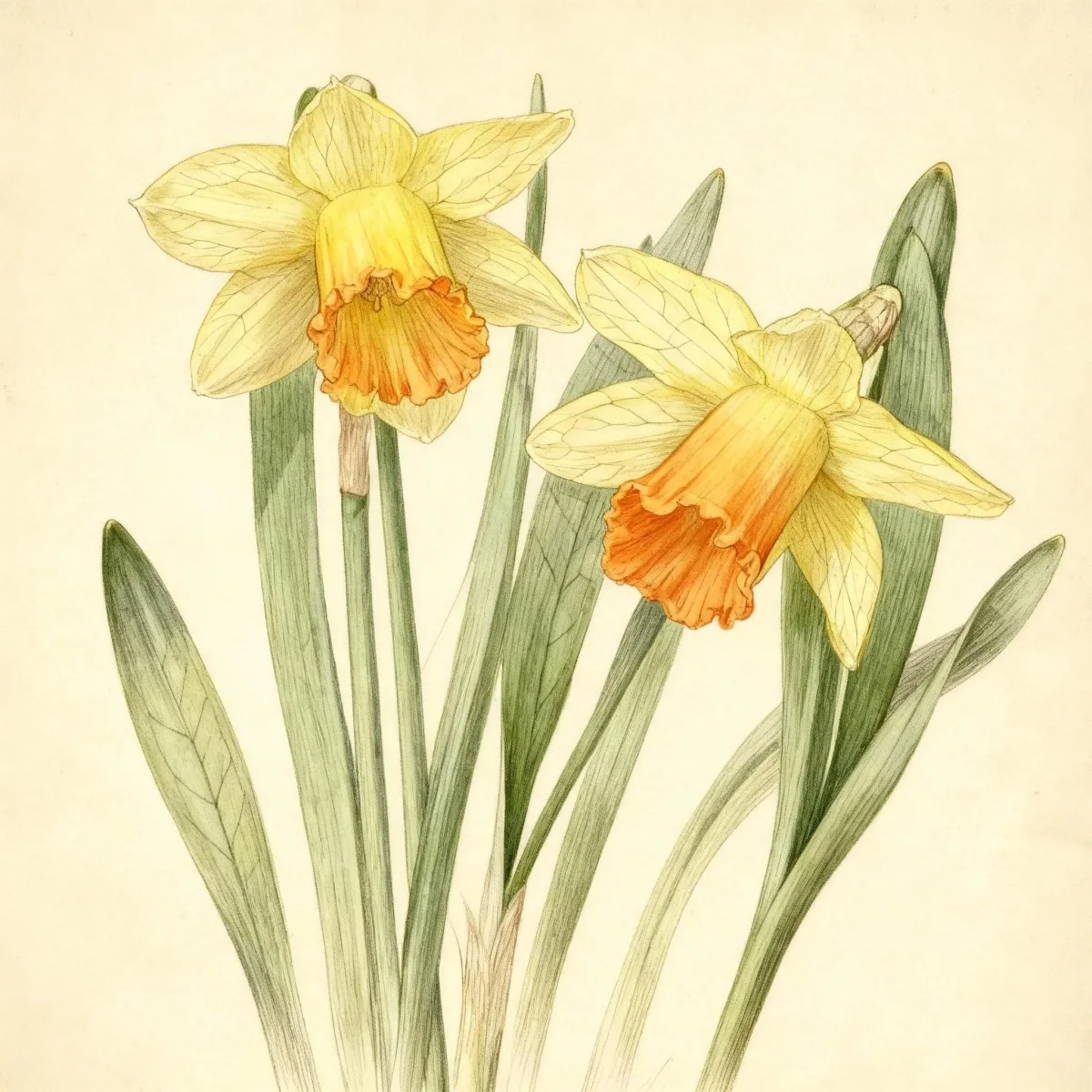
Narcissus ‘Little Gem’ is a miniature treasure in the spring garden, prized for its classic, cheerful appearance. As a distinguished member of the Trumpet daffodil group (Division I), it displays a signature corona that equals or exceeds the length of the petals. This dwarf variety brings early spring color, making it an excellent choice for gardeners seeking reliable, low-effort blooms.
This bulbous perennial thrives with minimal intervention, enduring through USDA Zones 3 to 8. It requires average moisture during its active growing phase but can handle dry spells once dormant. The bright, clear yellow flowers of Narcissus ‘Little Gem’ are perfectly sized for intimate garden settings.
For maximum impact, plant Narcissus ‘Little Gem’ in groupings where its early display can shine before summer perennials take over. Its robust nature ensures it returns year after year, delivering dependable color reliably from March through April.
Fast Facts
- Plant Family: Amaryllidaceae
- Plant Type: Bulb
- Hardiness Zones: USDA Zones 3-8
- Size at Maturity:
- Height: 0.25-0.5 ft
- Spread: 0.25-0.5 ft
- Bloom Time: March to April
- Bloom Description: Yellow petals and yellow trumpet
- Sun Exposure: Full sun to part shade
- Water Needs: Medium
- Maintenance Level: Low
How to Grow
Plant the bulbs of Narcissus ‘Little Gem’ in early to mid-fall to allow time for root establishment before winter freeze. Ensure the planting location offers good drainage, as heavy or waterlogged soils can quickly lead to bulb rot, which is the primary cultural concern. For optimal results, plant each bulb 2 to 3 times its depth, ensuring at least three inches of soil covers the top.
Spacing should range between 4 to 10 inches apart, depending on the bulb size; spacing wider apart will appear sparse initially but will fill in over time. Water consistently to keep soils uniformly moist while the foliage is actively growing in spring. Once the flowers fade, resist the urge to cut back the leaves; allow the foliage to remain until it naturally yellows, as this process is essential for storing energy for next year’s bloom.
If the quality or quantity of Narcissus ‘Little Gem’ flowers declines severely after several seasons, the clumps can be divided. Wait until the foliage has completely died back before digging the bulbs for separation and replanting. Because these daffodils usually face the sun, site them so that any taller shade sources are positioned behind the planting area.
Landscape Uses
Daffodils, including the charming Trumpet daffodil variety Narcissus ‘Little Gem’, are celebrated for their ability to naturalize and return loyally each spring. They perform excellently when massed in drifts, providing a sweeping wave of early color in beds and borders. They are perfect for planting beneath deciduous shrubs or trees where they receive full sun in early spring before the tree canopy fully leafs out.
Due to its dwarf stature, ‘Little Gem’ is especially well-suited for areas where larger daffodil varieties might overwhelm the view. Consider planting them at the edge of mixed spring bulb displays or utilizing them liberally in rock gardens. They look fantastic planted near evergreens, providing a vibrant contrast against dark green foliage in the border’s foreground.
Since they remain undisturbed for many years, plan groupings of at least six bulbs to achieve a more substantial display in the initial years. They mix seamlessly with other early bloomers like species tulips or scilla, creating a layered, extended spring show.
Standout Features
Flower Qualities
- Showy
Noteworthy Characteristics
Narcissus is a genus of about 50 species of bulbous perennials from Europe and North Africa, forming a centerpiece of the early garden. Cultivated daffodils are categorized into divisions based on bloom characteristics; ‘Little Gem’ falls into Division I, the trumpet daffodils, signifying a corona (trumpet) that is equal to or longer than the surrounding petals. This specific dwarf cultivar rises only 4-5 inches tall, featuring broadly ovate yellow petals and a cylindrical yellow trumpet tinged darker yellow at the rim, providing clear, early-season color.
Tolerances
- Rabbit
- Deer
- Drought
Potential Problems
Daffodils are generally one of the most pest-free groups of spring bulbs when cultural needs are met. The most significant risk to Narcissus ‘Little Gem’ is bulb rot, which indicates a severe drainage issue in your soil—amend heavy soils extensively with organic matter before planting. While generally avoided by deer and rabbits, slugs and snails may occasionally chew on emerging spring foliage. Infrequent issues include the narcissus bulb fly or Narcissus yellow stripe virus; if virus symptoms appear, remove the affected plants immediately to prevent spread.
Frequently Asked Questions
What hardiness zones is Trumpet daffodil suitable for?
Narcissus ‘Little Gem’ is reliably hardy across USDA Zones 3 through 8.
How large does Trumpet daffodil grow?
This dwarf variety generally reaches a height between 0.25 and 0.5 feet, with a similar spread of 0.25 to 0.5 feet across.
What sun exposure does Narcissus ‘Little Gem’ need?
For the best bloom performance, plant this Trumpet daffodil where it will receive full sun to partial shade exposure.
When does Narcissus ‘Little Gem’ bloom?
This variety typically blooms early in the season, specifically from March to April, presenting beautiful yellow petals and a matching yellow trumpet.
Conclusion
Narcissus ‘Little Gem’ offers tremendous ornamental value due to its low maintenance demands and dependable, early yellow blooms, solidifying its status as a spring garden indispensable. Incorporating this dwarf Trumpet daffodil into borders or rockeries ensures you capture the first flush of spring color. Before planting this fall, confirm your site offers well-drained soil to ensure decades of success with your Narcissus ‘Little Gem’ bulbs.
Companion Planting
Choosing compatible neighbors helps maximize the aesthetic appeal and cultural health of your daffodil planting. Since Narcissus ‘Little Gem’ blooms and then the foliage dies back early, pair it with later-emerging perennials or annuals that can fill the gap left behind aesthetically. Good companions include forget-me-nots (Myosotis), which share similar moisture needs and bloom slightly later, or groundcovers like creeping phlox. For a classic cottage garden look, plant them near early-blooming Grape Hyacinth (Muscari) which share the same preference for full to partial sun.
Design Ideas
The diminutive size of this particular Trumpet daffodil makes it perfect for small-scale designs where taller bulbs would appear coarse. Use Narcissus ‘Little Gem’ near pathways, allowing close inspection of the trumpet structure. They are ideal for filling the narrow spaces between stepping stones or tucking into the front edge of a mixed container planting, offering a brilliant yellow border. For naturalized areas, scatter the bulbs irregularly to simulate a wild appearance that fills in with subsequent seasons.