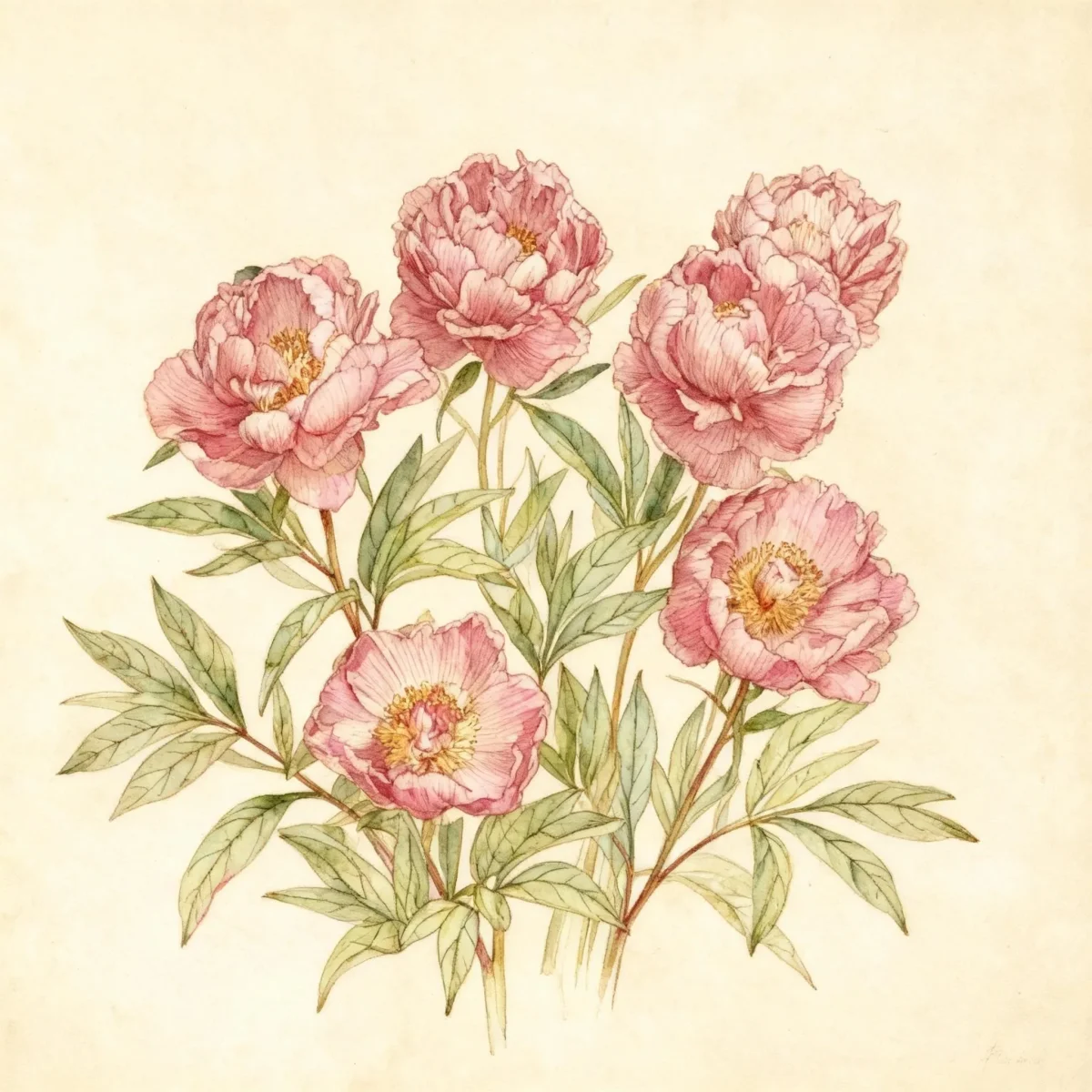
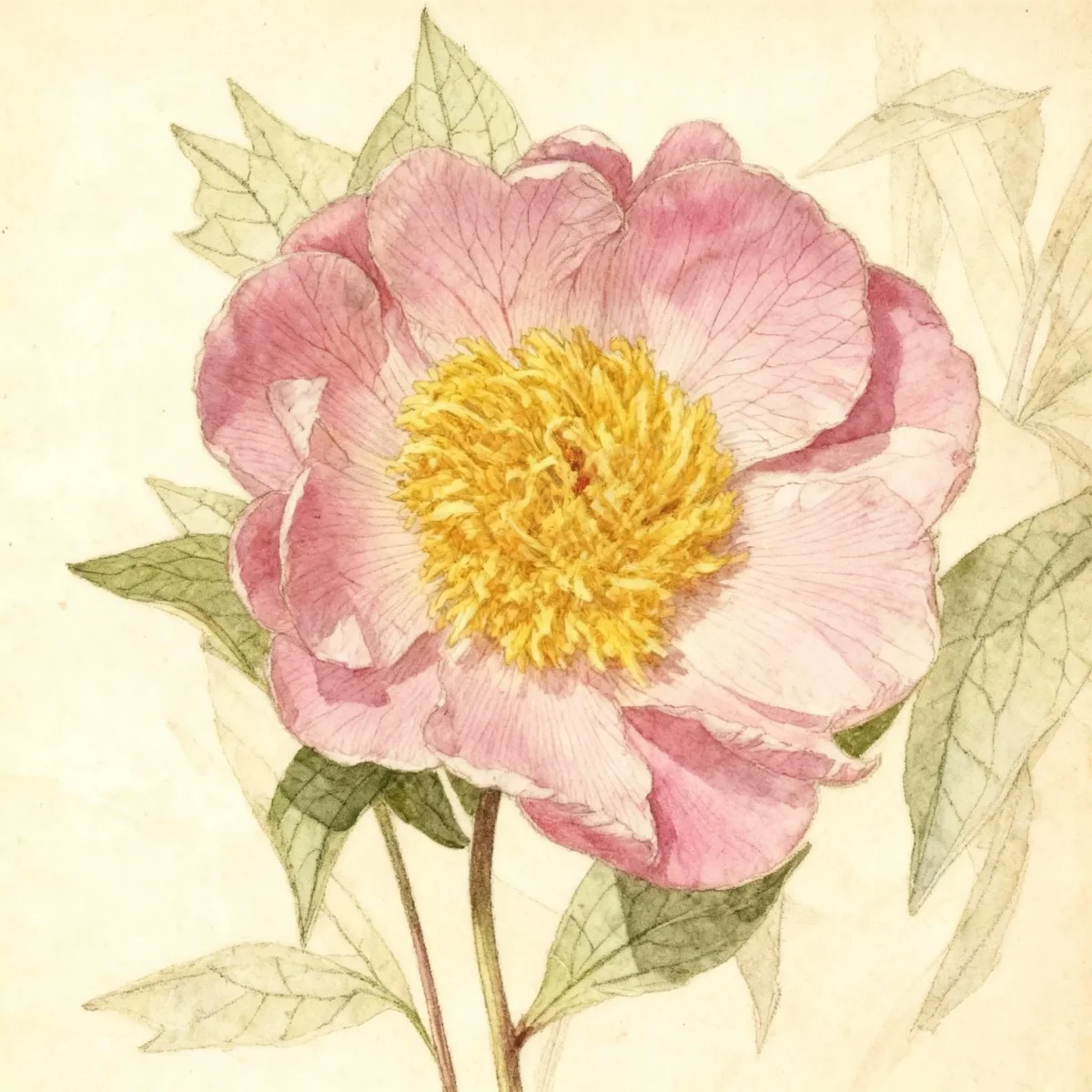
Peony (Paeonia tenuifolia 'Flore-Plena')
Discover the delicate beauty of Paeonia tenuifolia 'Flore-Plena' Peony. This herbaceous perennial offers fine, fern-like foliage and striking double red blooms in May.
Scroll down to discover growing tips, care requirements, companion plants, and more
Complete Plant Information
Overview
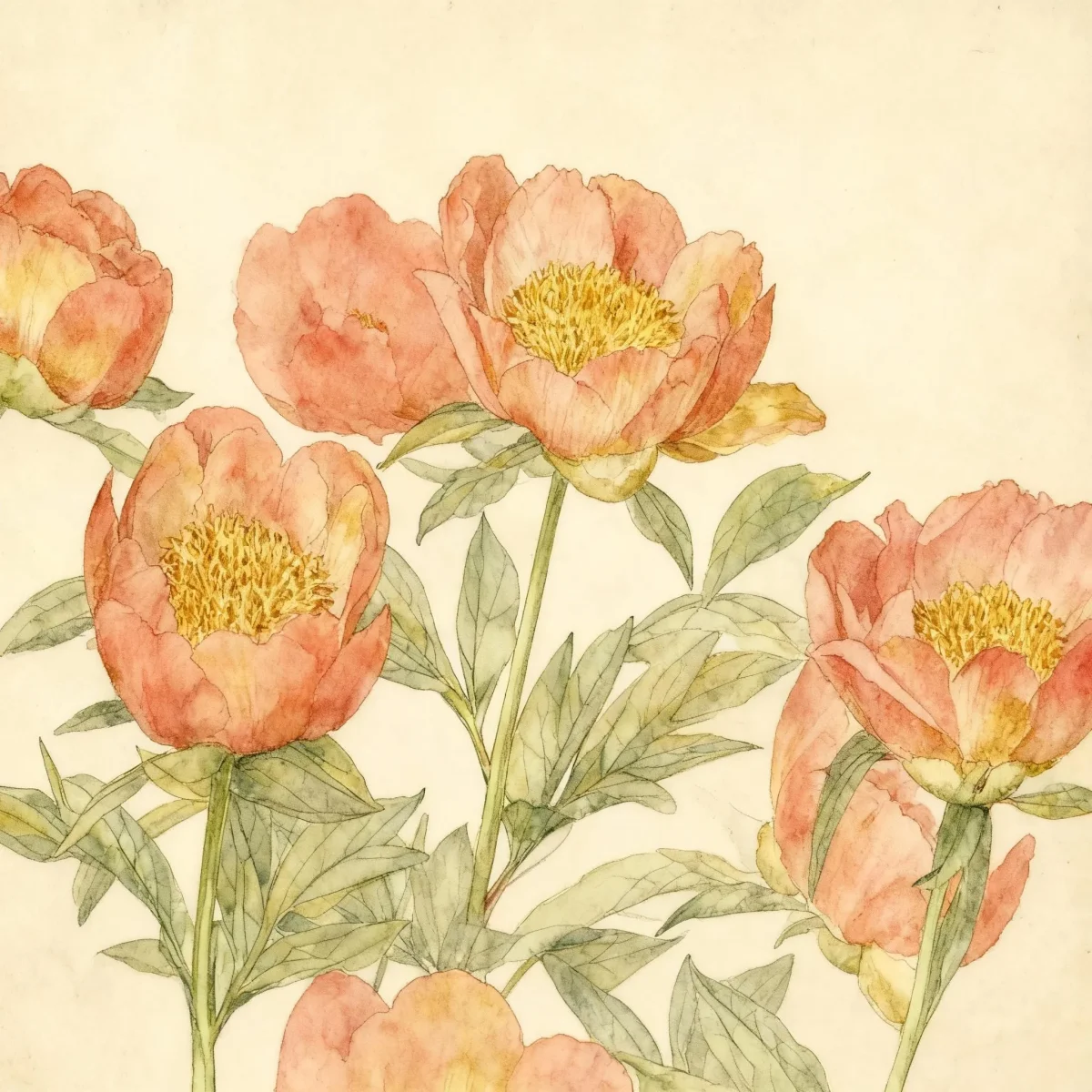
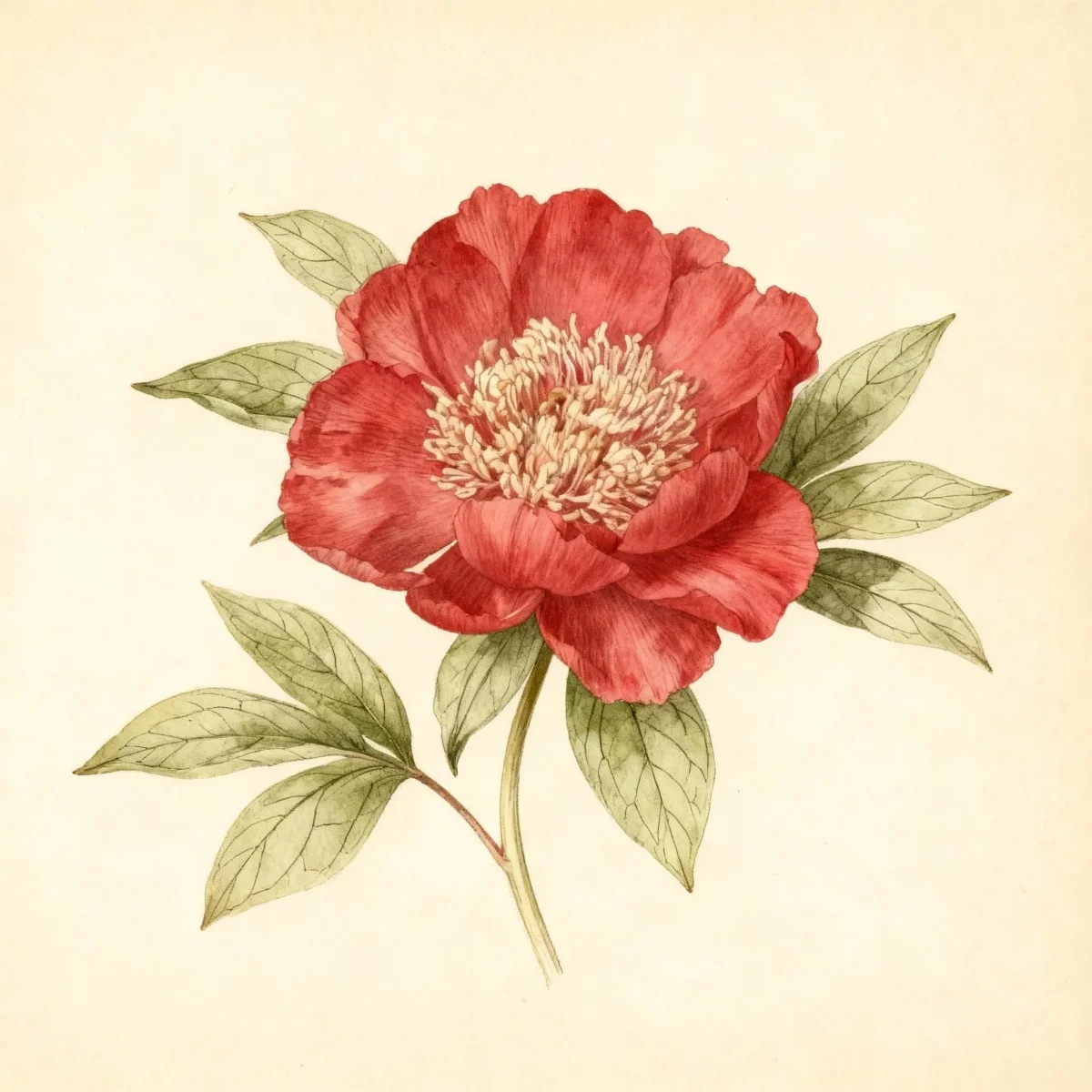
Paeonia tenuifolia ‘Flore-Plena’, commonly known as the fernleaf Peony, is a highly sought-after variety prized for its exceptionally fine and delicate foliage texture. Unlike its more common cousins, this Peony displays deeply divided leaves resembling soft ferns, which offer an airy contrast in the spring garden. The cultivar ‘Flore-Plena’ brings forth attractive double, bright red flowers, typically opening in mid-season during May.
This herbaceous perennial offers moderate stature, generally reaching between 1.5 to 2.5 feet tall and wide, making it a versatile addition to borders and beds. While the bloom period is relatively short, lasting about 7–10 days, the overall structure and ferny leaves of Paeonia tenuifolia ‘Flore-Plena’ provide sustained visual interest until frost, at which point the foliage dies back to the ground.
Gardeners value this Peony for its unique texture and vibrant spring color against the backdrop of its fine green leaves. Plants are notably long-lived and require minimal division, establishing themselves as reliable, low-fuss features once sited correctly in cultivation within their appropriate hardiness zones.
Fast Facts
- Plant Family: Paeoniaceae
- Plant Type: Herbaceous perennial
- Hardiness Zones: USDA Zones 3-8
- Size at Maturity:
- Height: 1.5-2.5 ft
- Spread: 1.5-2.5 ft
- Bloom Time: May
- Bloom Description: Red
- Sun Exposure: Full sun to part shade
- Water Needs: Medium
- Maintenance Level: Medium
How to Grow
The foundation for a successful Paeonia tenuifolia ‘Flore-Plena’ transplant lies in proper soil preparation. These plants thrive best when situated in rich, fertile, medium moisture, well-drained soil. Incorporating compost prior to planting will help establish the deep, rich environment this Peony prefers. Ensure the location receives at least half a day of direct sun, though they tolerate dappled afternoon shade.
Watering should be kept consistent at a medium level, especially during dry spells, ensuring the soil remains evenly moist but never waterlogged, which can lead to root issues. This variety is extremely long-lived and generally resists the need for division; do not disturb established clumps years. Regular maintenance involves removing spent flowers immediately after blooming fades to tidy the display.
A critical seasonal task for the fernleaf Peony is late fall cleanup. After the first hard frost signals dormancy, cut all foliage cleanly to the ground and remove those spent stems from the garden area. This cleanup helps prevent overwintering fungal diseases. While typically pest-free, attentive gardeners should watch for signs of Botrytis or Phytophthora blight during wet springs.
If you wish to maximize your spring color display, plan to plant other Peony species or cultivars nearby that bloom sequentially. This succession planting strategy can extend the total Peony bloom period through late May and into June in temperate climates like the St. Louis area.
Landscape Uses
The fine texture of Paeonia tenuifolia ‘Flore-Plena’ allows it to merge beautifully into mixed perennial borders where coarser foliage dominates. Fern leaf peony is attractive when planted in groups to create a delicate, soft massing effect, or used as a distinct specimen plant to highlight its unique leaf structure. Its manageable size, reaching only about 2 feet high, also makes it highly effective as a subtle edging plant along walkways or walls.
Consider utilizing this Peony along sidewalks or driveways where its refined appearance can be appreciated up close. It also functions excellently as a small herbaceous hedge bordering a less formal area or fence line. The extremely showy red flowers, contrasting with the lacy green leaves, ensure this Peony remains a focal point from spring right through fall.
Standout Features
Flower Qualities
- Showy
Noteworthy Characteristics
Paeonia tenuifolia, commonly called fernleaf peony, is a shrubby, herbaceous (soft-stemmed) plant that, each year, will typically grow to 1-2’ tall by mid-spring, display attractive foliage throughout the summer and early fall, and then die to the ground after frost. This species features crimson flowers (to 3” across) which bloom in mid-season (usually May in the St. Louis area). Attractive green foliage is deeply divided and lobed into needle-like, ferny segments. The cultivar ‘Flore-Plena’ is specifically noted for its double, lightly scented, bright red flowers, though its flower stalks may require staking if planted in overly rich soil or exposed sites.
Tolerances
- Rabbit
- Deer
Potential Problems
Peonies, including Paeonia tenuifolia ‘Flore-Plena’, are generally resistant to many common garden pests. Gardeners should remain vigilant, however, for fungal diseases like Botrytis blight and Phytophthora blight, which can cause issues during cool, overly wet periods. Interestingly, the ants often observed crawling on the buds are completely harmless and should not be removed; they are actually feeding on nectar excreted by the developing flower.
If your Peony fails to produce blooms, several factors could be the culprit, requiring simple inspection and correction. Common reasons for non-flowering include planting the root crown too deep or too shallowly in the soil, excessive shade exposure, or the plant being too young or recently having been disturbed or moved from its location. A late spring frost can also destroy nascent buds before they even open.
Frequently Asked Questions
What hardiness zones is Peony suitable for?
This Paeonia tenuifolia ‘Flore-Plena’ thrives across a broad range, suitable for USDA Zones 3 through 8.
How large does Paeonia tenuifolia ‘Flore-Plena’ grow?
It matures to a modest size, typically reaching a height and spread between 1.5 to 2.5 feet.
What sun exposure does Peony need?
This delightful Peony prefers full sun but will tolerate partial shading, making it versatile for various garden spots.
When does Peony bloom?
The bloom time for this specific Peony is noted as May, featuring striking red flowers.
Conclusion
The Paeonia tenuifolia ‘Flore-Plena’ is a superb choice for gardeners seeking fine texture and vibrant color early in the season. Its gracefully ferny foliage combined with the double red blooms elevates any perennial display. Before planting, confirm that your site aligns with the USDA Zone 3-8 range and that the soil provides excellent drainage to ensure this long-lived Peony rewards you for decades.
Companion Planting
When planning your border, consider plants whose bloom times follow the early May display of Paeonia tenuifolia ‘Flore-Plena’. Companions that enjoy similar sun conditions (full sun to part shade) and medium moisture levels are ideal. Hostas or low-growing Hostas or Brunnera often work well at the base once the fernleaf Peony foliage begins to emerge, offering contrasting leaf shape and color near the ground plane.
Since the Peony foliage remains attractive well into summer before dying back in the fall, avoid placing very short, fast-dying spring bulbs directly adjacent. Taller perennials that emerge later, such as Salvias or certain varieties of Geraniums, can fill the space left behind as the Peony naturally matures and prepares for dormancy.
Seasonal Care Calendar
Spring care centers on ensuring adequate moisture as the foliage and buds develop. Monitor conditions closely in early spring, as a late, unexpected frost can damage emerging growth or developing buds, requiring temporary protective covering only if a severe drop is forecast. Once blooms appear, deadheading the spent flowers promptly helps maintain garden neatness.
Summer care for this Peony is generally minimal due to its medium water needs and established root system. Focus instead on observation; check for signs of deer browsing or fungal issues which thrive in humid conditions. Avoid the temptation to cut back the attractive, fern-like foliage during summer, as the plant requires its leaves to photosynthesize and store energy for next year’s spectacular bloom.
Fall marks the most active cultural duty for Paeonia tenuifolia ‘Flore-Plena’. Once the foliage yellows completely or is killed by a hard frost, prune all stems cleanly back to the ground. Removing this debris is crucial horticultural practice, as it eliminates overwintering sites for fungal spores that cause the blight issues mentioned previously.