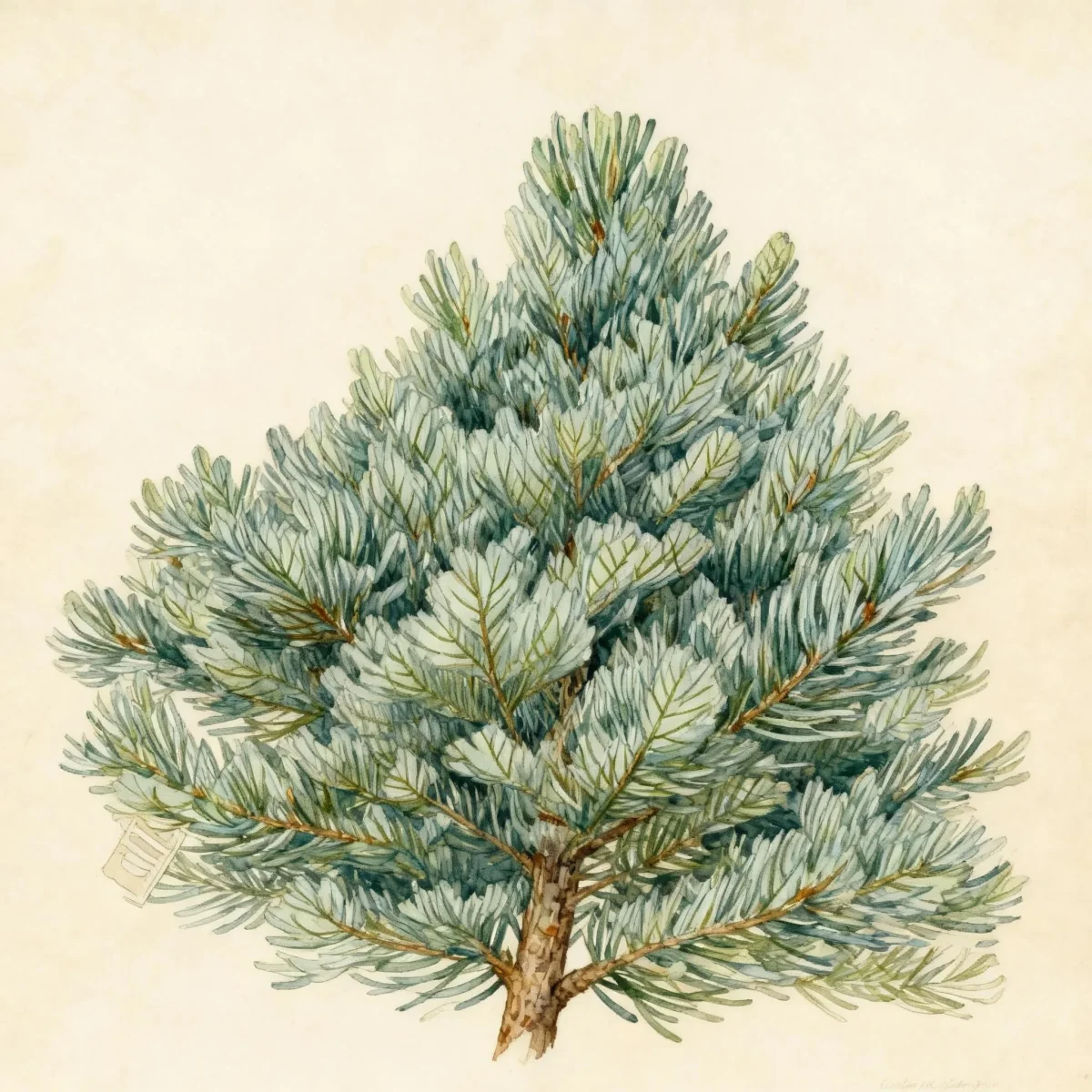
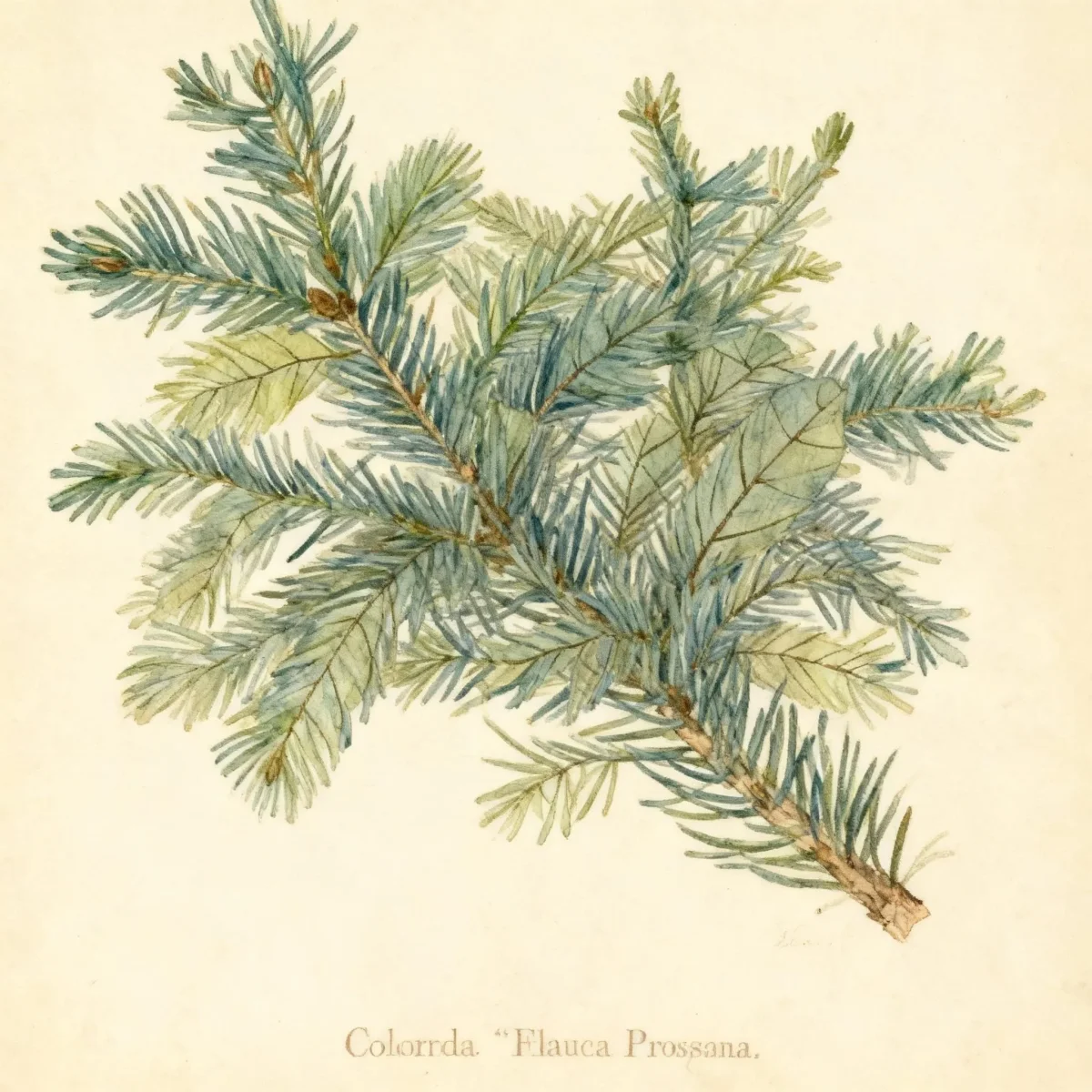
Colorado spruce (Picea pungens 'Foxtail')
The Picea pungens 'Foxtail' cultivar offers dense, blue-green needles and a manageable pyramidal shape ideal for specimen planting in USDA Zones 3-7.
Scroll down to discover growing tips, care requirements, companion plants, and more
Complete Plant Information
Overview
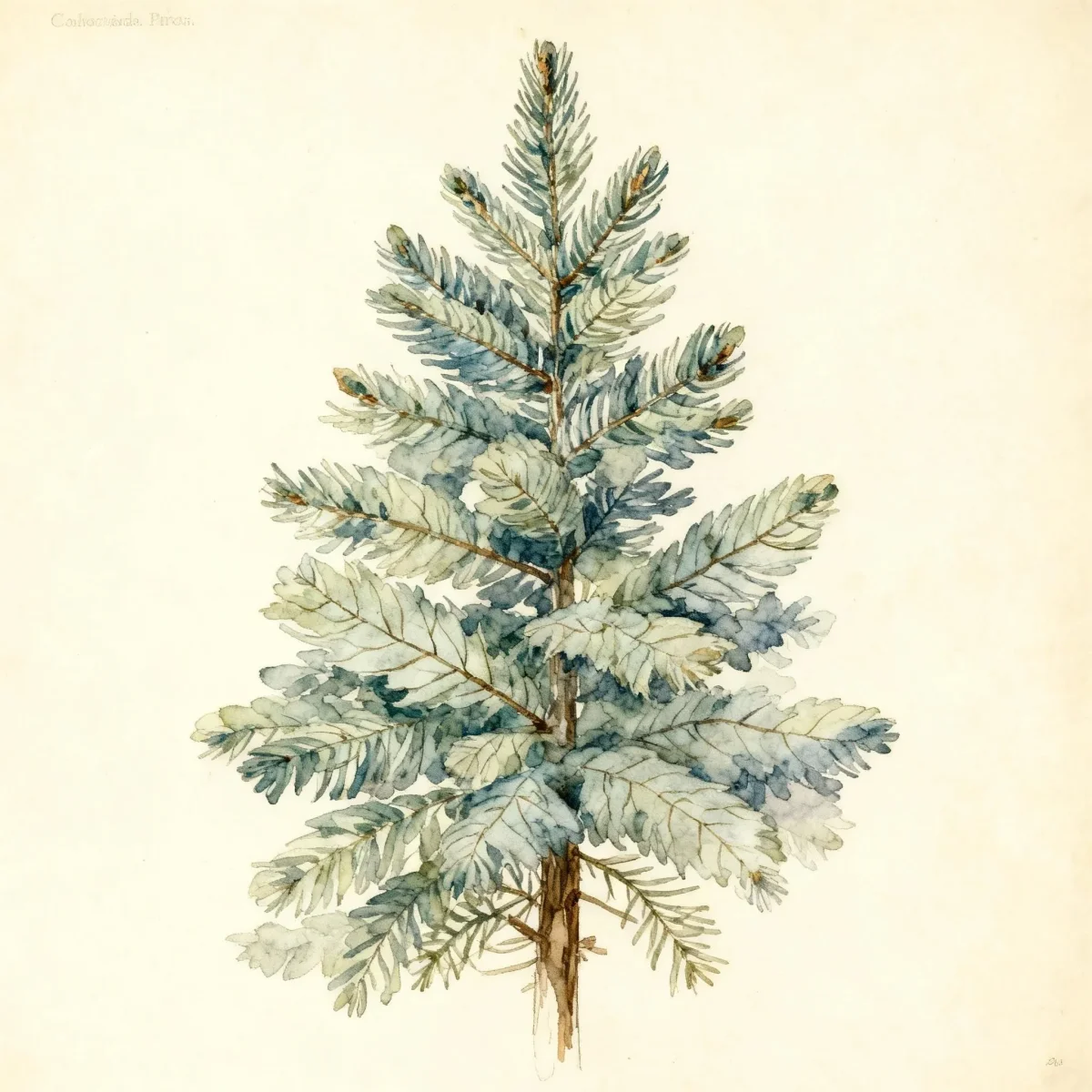
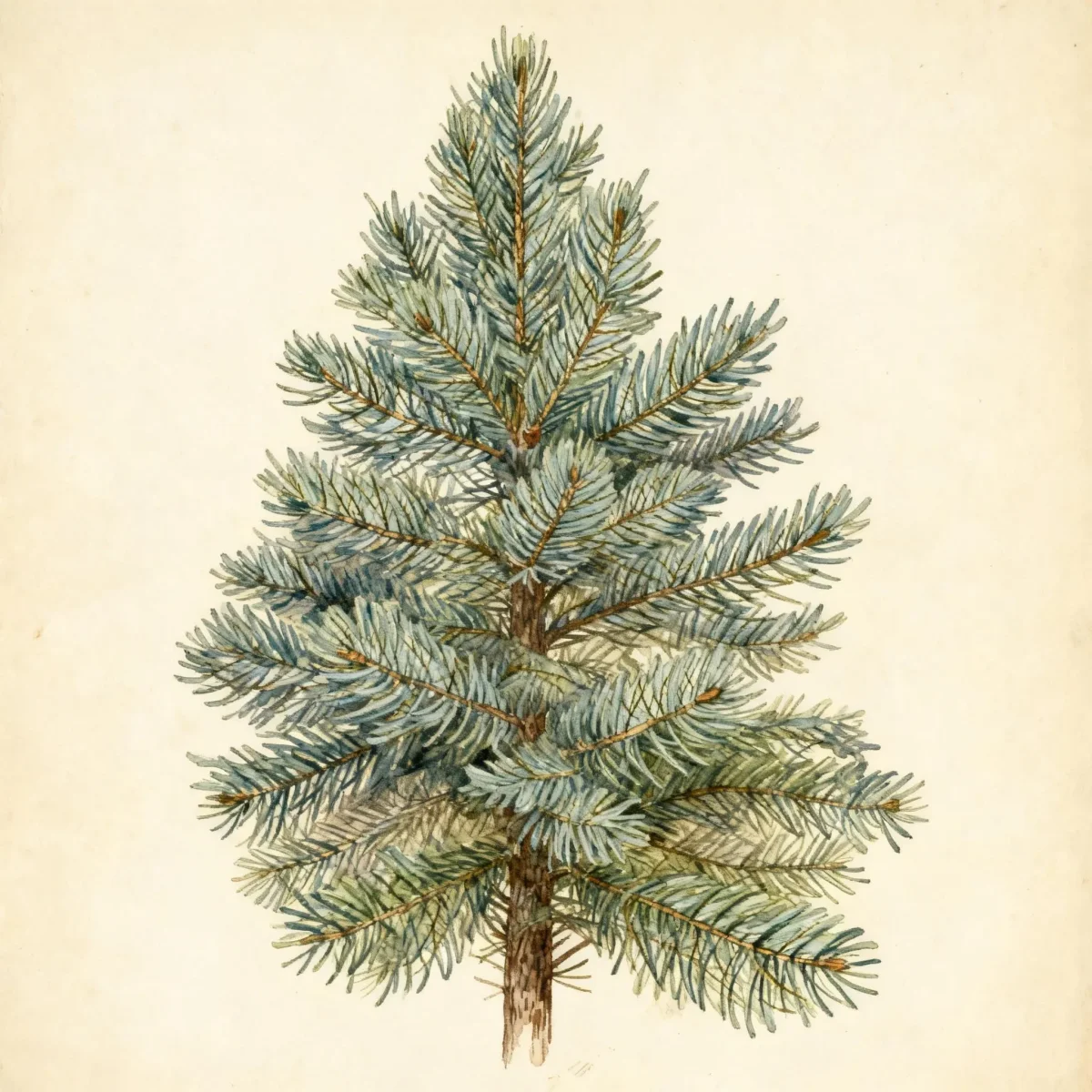
The Picea pungens ‘Foxtail’, commonly known as Colorado spruce, is a highly sought-after cultivar prized for its dense habit and attractive blue-green foliage. It maintains a neat, pyramidal form with striking horizontal branching, making it a standout specimen in the landscape. Unlike some of its relatives, the ‘Foxtail’ cultivar is noted specifically for its branches that resemble a foxtail, thanks to shorter needles clustered near the branch tips.
This needled evergreen offers year-round structure and color, providing excellent visual interest even during winter months. It is a robust conifer that, while preferring cool climates, reportedly manages hot and humid summers better than many other Picea pungens varieties, expanding its usability across warmer zones. Gardeners value the Picea pungens ‘Foxtail’ for its impressive presence and relatively low maintenance needs once established.
Fast Facts
- Plant Family: Pinaceae
- Plant Type: Needled evergreen
- Hardiness Zones: USDA Zones 3-7
- Size at Maturity:
- Height: 30-50 ft
- Spread: 10-20 ft
- Bloom Time: Non-flowering
- Bloom Description: Non-flowering
- Sun Exposure: Full sun
- Water Needs: Medium
- Maintenance Level: Low
How to Grow
The best time to plant the Colorado spruce ‘Foxtail’ is typically in the spring or fall when temperatures are moderate. Ensure placement in a location receiving full sun, which is essential for developing the best needle color and maintaining a dense form. While tolerant of average, acidic soils, this conifer thrives best in consistent, medium moisture conditions and requires well-drained soil beds, as soggy roots are detrimental.
Watering is crucial, especially during the first few years of establishment; keep the soil consistently moist, not dry. While established plants handle temporary drought, avoid letting the soil dry out completely in the early seasons. Fertilization is generally not required if the soil is adequate, but annual applications of a slow-release evergreen fertilizer can boost growth in nutrient-poor sites. Pruning is minimal, usually focusing only on removing dead or damaged branches.
This spruce generally prefers cooler regions. If attempting to grow Picea pungens ‘Foxtail’ in hotter, humid climates, ensure afternoon shade is provided to reduce stress. Pay close attention to maintaining consistent moisture levels during summer heat, as this cultivar performs better under adverse conditions than some other Picea pungens types.
Landscape Uses
The handsome structure and reliable color of the Picea pungens ‘Foxtail’ make it an exceptional specimen tree, capable of anchoring a landscape design. Its relatively narrow, broad-upright form, growing between 30 and 50 feet tall, allows it to fit into larger garden spaces without overwhelming them immediately. It is also highly effective when used to create a substantial evergreen screen or windbreak.
For visual impact, place the Colorado spruce where its blue-green needles contrast against the softer textures of deciduous shrubs or broadleaf evergreens. Avoid planting too close to structures, allowing sufficient space for its 10 to 20-foot spread to develop naturally. As a focal point, it draws the eye year-round, serving as a superb backdrop for perennial beds that die back in winter.
Standout Features
Tolerances
- Rabbit
- Deer
- Drought
- Air Pollution
Noteworthy Characteristics
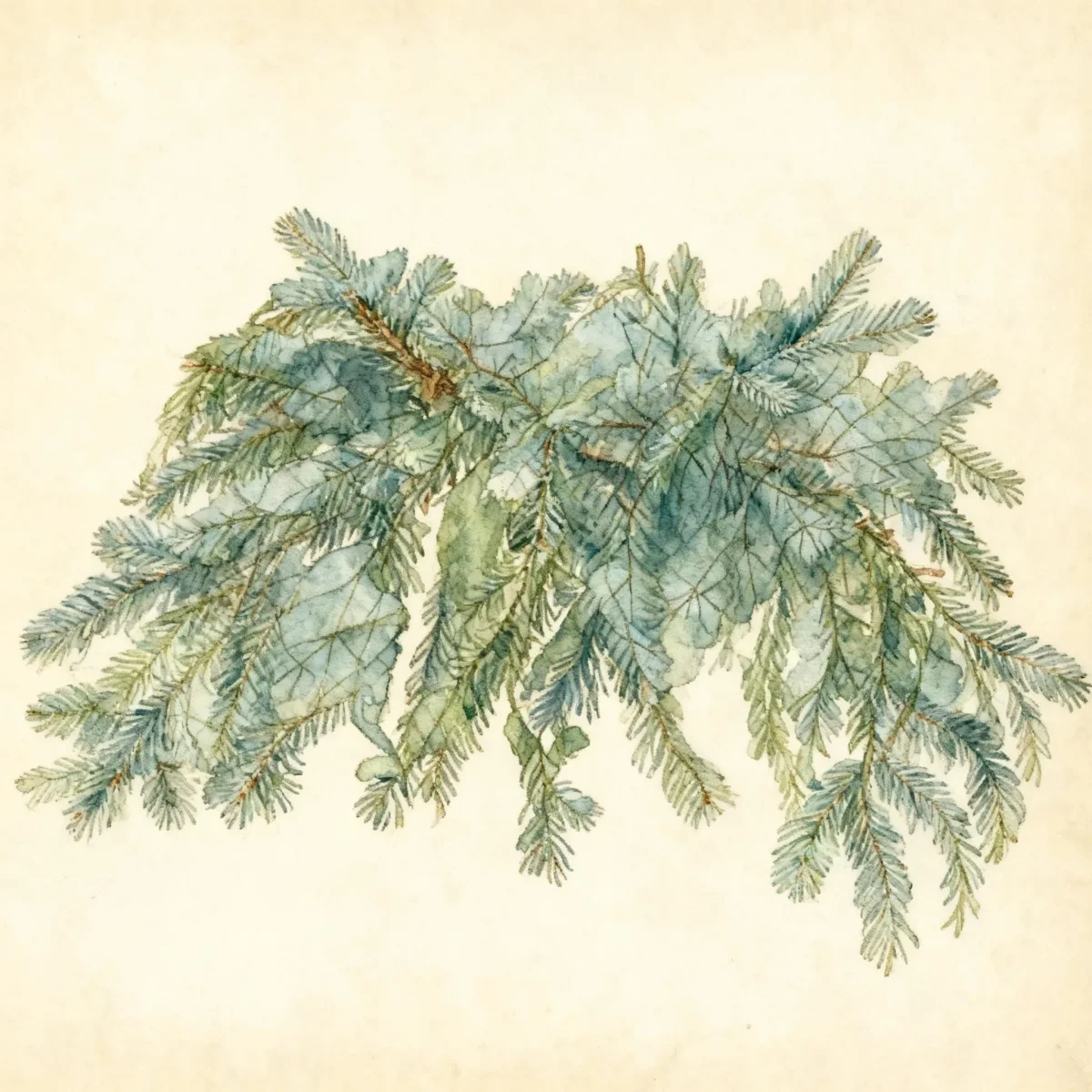
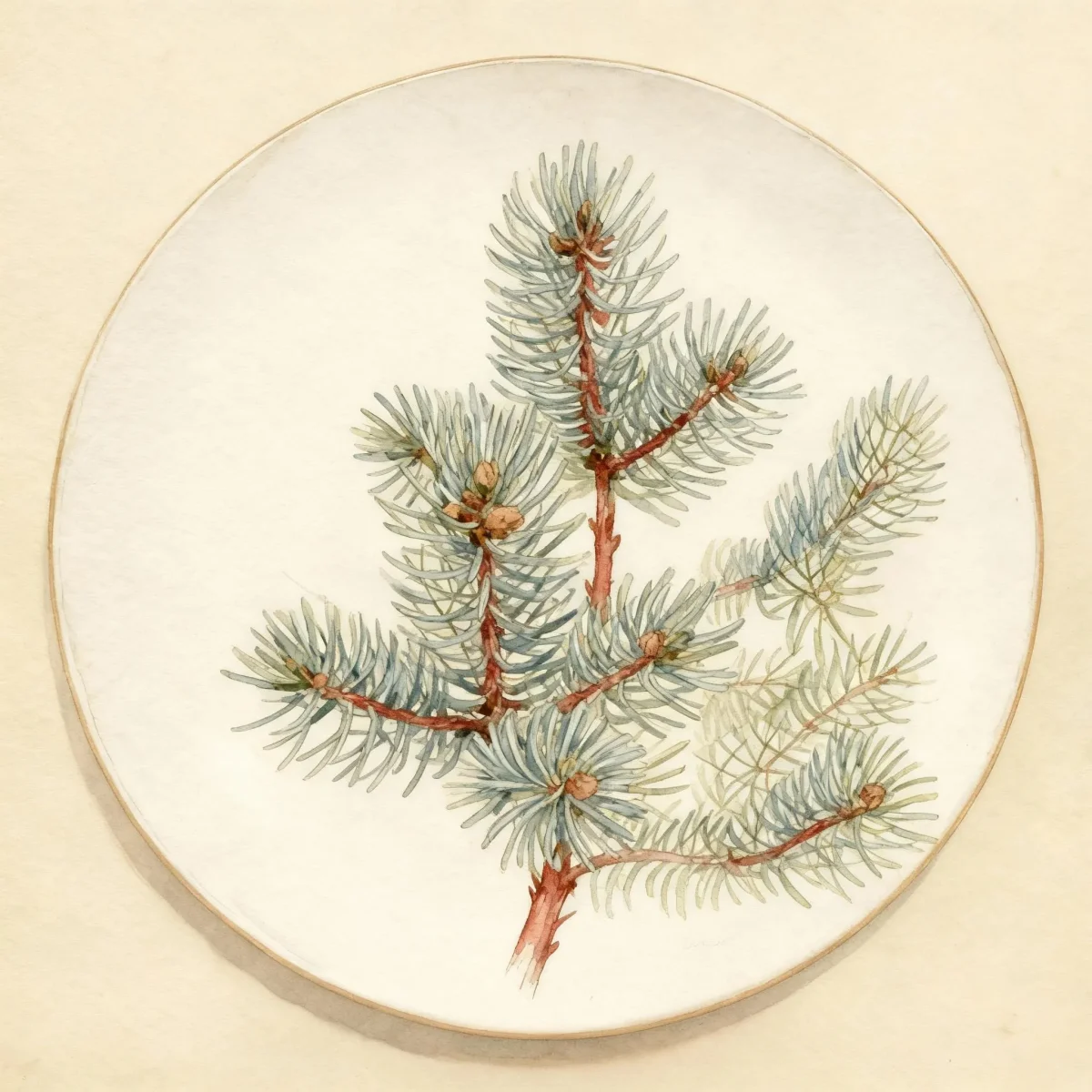
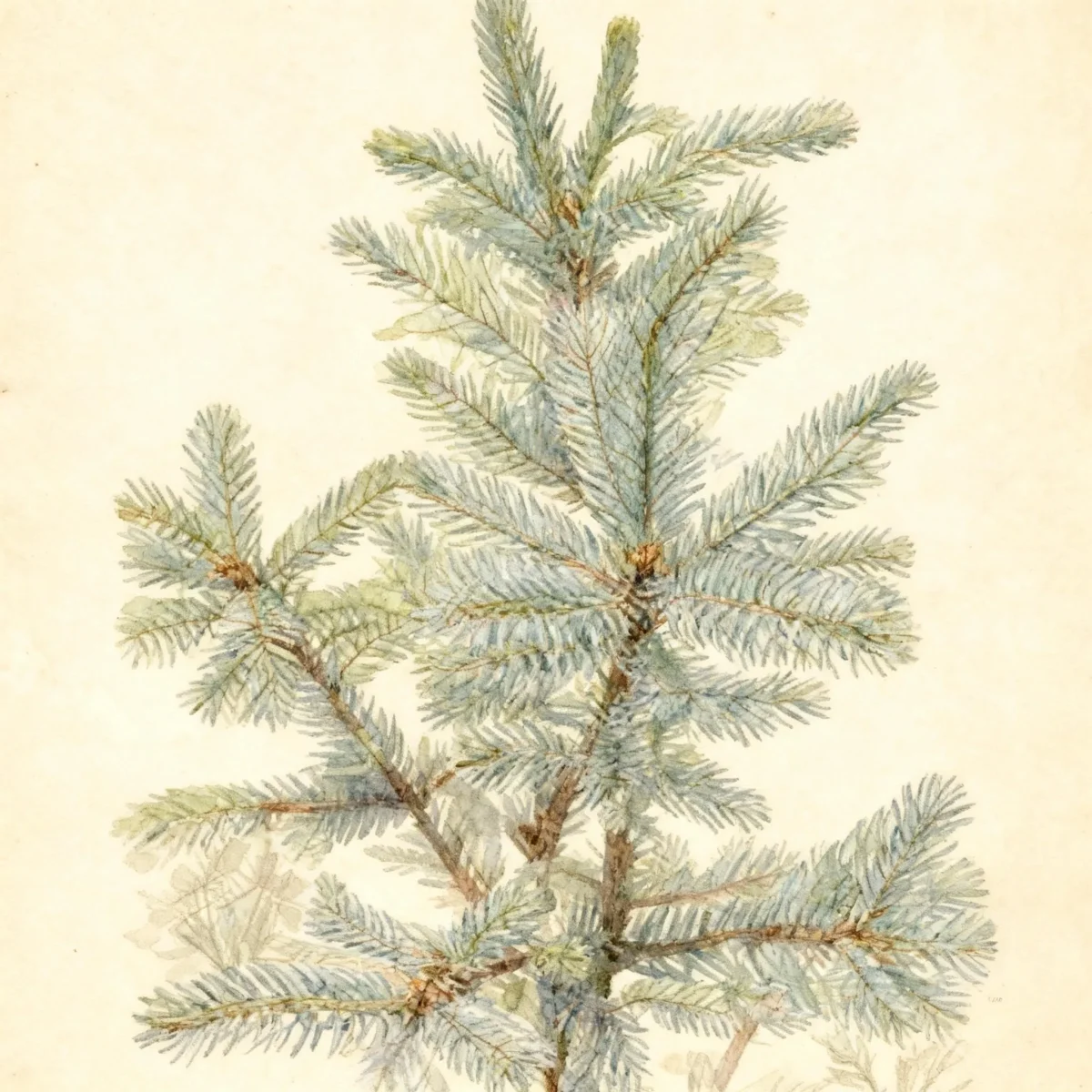
The species, Picea pungens, commonly known as Colorado spruce or blue spruce, is a medium to large, narrowly pyramidal conifer featuring horizontal branching down to the ground. Its stiff, bristly needles are four-angled and range from green to silver-blue, pointing outward in all directions. The cultivar Picea pungens ‘Foxtail’ is specifically recognizable by the foxtail-like projection of its new branch growth, where needles at the tips are notably shorter, leading to a dense, appealing texture across this moderate-sized evergreen.
Potential Problems
This conifer is susceptible to several fungal diseases, including needle cast, cytospora canker, and rust, which are often exacerbated by poor air circulation or overly dense planting. Prevention involves ensuring appropriate spacing and avoiding overhead watering late in the day to allow foliage to dry quickly. Additionally, watch diligently for common pests such as aphids, especially spruce gall aphids, scale insects, budworms, and bagworms. Spider mites can become a severe issue, causing significant damage to new growth during hot, dry periods.
Frequently Asked Questions
What hardiness zones is Colorado spruce (Picea pungens ‘Foxtail’) suitable for?
This conifer is well-suited for cultivation across USDA Hardiness Zones 3 through 7.
How large does Picea pungens ‘Foxtail’ grow?
When mature, you can expect the Picea pungens ‘Foxtail’ to reach heights between 30 and 50 feet, with a spread ranging from 10 to 20 feet.
What sun exposure does Colorado spruce need?
This tree requires full sun exposure to maintain optimal vigor and needle color.
When does Picea pungens ‘Foxtail’ bloom?
This species is classified as non-flowering, producing cones instead of traditional flowers.
Conclusion
The Colorado spruce cultivar ‘Foxtail’ offers superb texture and dependable year-round form, making it an excellent choice for creating vertical accent points or significant screens. Gardeners should select this plant specifically for its aesthetic appeal and slight advantage in warmer conditions compared to other blue spruces. Before planting, confirm that your site provides full sun and well-drained soil, matching the medium water needs of this magnificent conifer.
Companion Planting
Selecting appropriate neighbors is key to ensuring the long-term health and aesthetic success of your Picea pungens ‘Foxtail’. Because it demands full sun and prefers rich, slightly acidic soil, pair it with companions that share similar cultural needs. Consider contrasting textures and colors, such as Japanese maples (Acer palmatum) placed far enough away to avoid competition but close enough for visual interplay when the spruce is used as an accent.
For ground cover beneath the canopy (once established and spreading), look towards low-growing, shade-tolerant perennials that do not require intensive moisture, such as Vinca minor or certain sedums, provided they do not actively encroach on the rooting zone of the spruce. Avoid placing newly planted annuals directly against the trunk base as mulch to prevent humidity buildup near the bark, which can invite fungal issues.
Seasonal Care Calendar
Spring is the ideal time to inspect the Picea pungens ‘Foxtail’ for any winter damage or emerging pests like aphids; treat promptly with horticultural oil if necessary before active growth begins. Summer care focuses almost entirely on consistent, deep watering, especially throughout July and August, to keep the soil moist but not saturated, supporting the medium water requirements of the tree.
In the fall, ensure the root zone is well-watered before the ground freezes solid, which helps prevent winter desiccation, a common issue for evergreens. Minimal cleanup is usually required, as this tree naturally sheds older needles gradually; avoid heavy pruning late in the season, saving structural shaping for late winter or early spring when the tree is dormant.