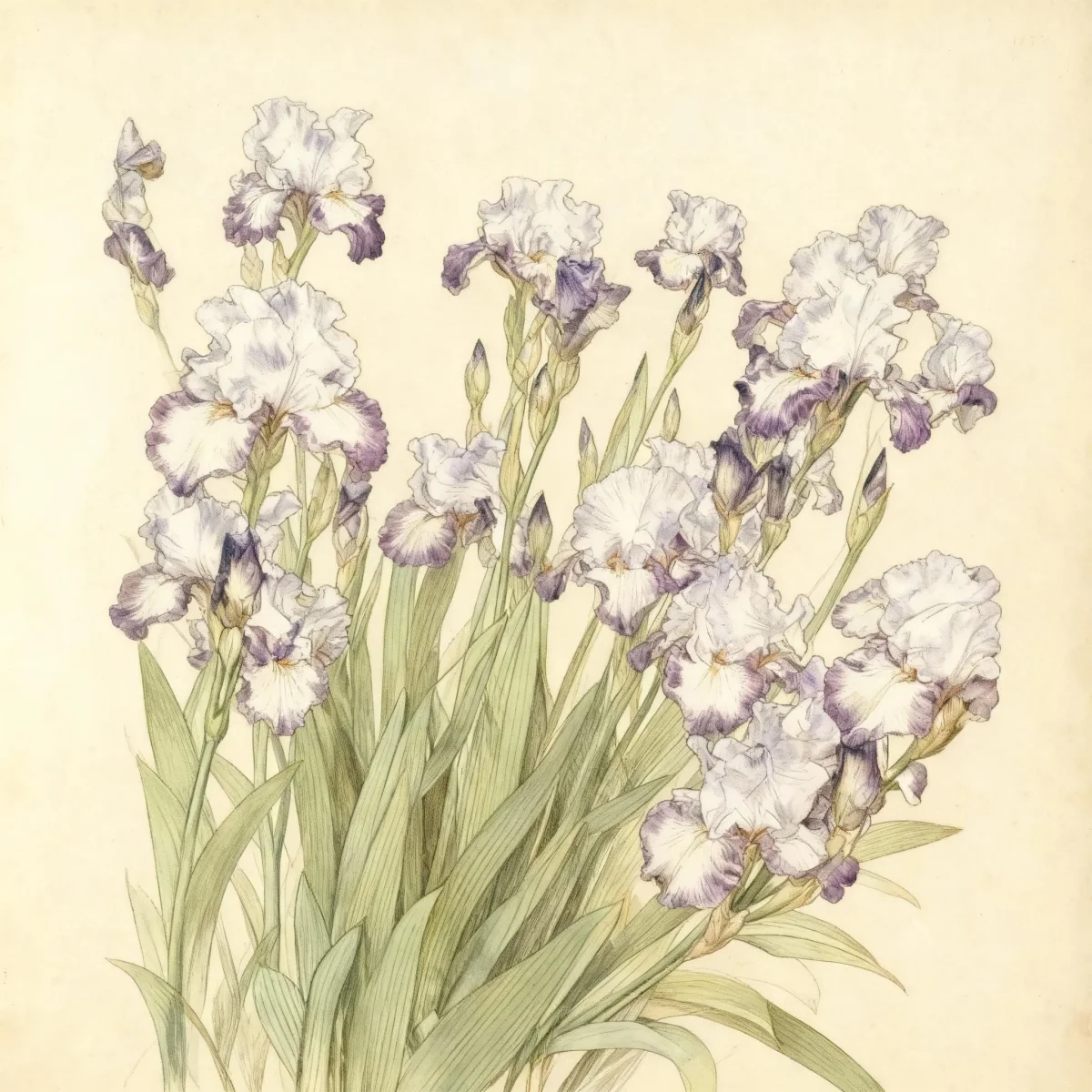
Tall bearded iris (Iris ''Dutch Chocolate'')
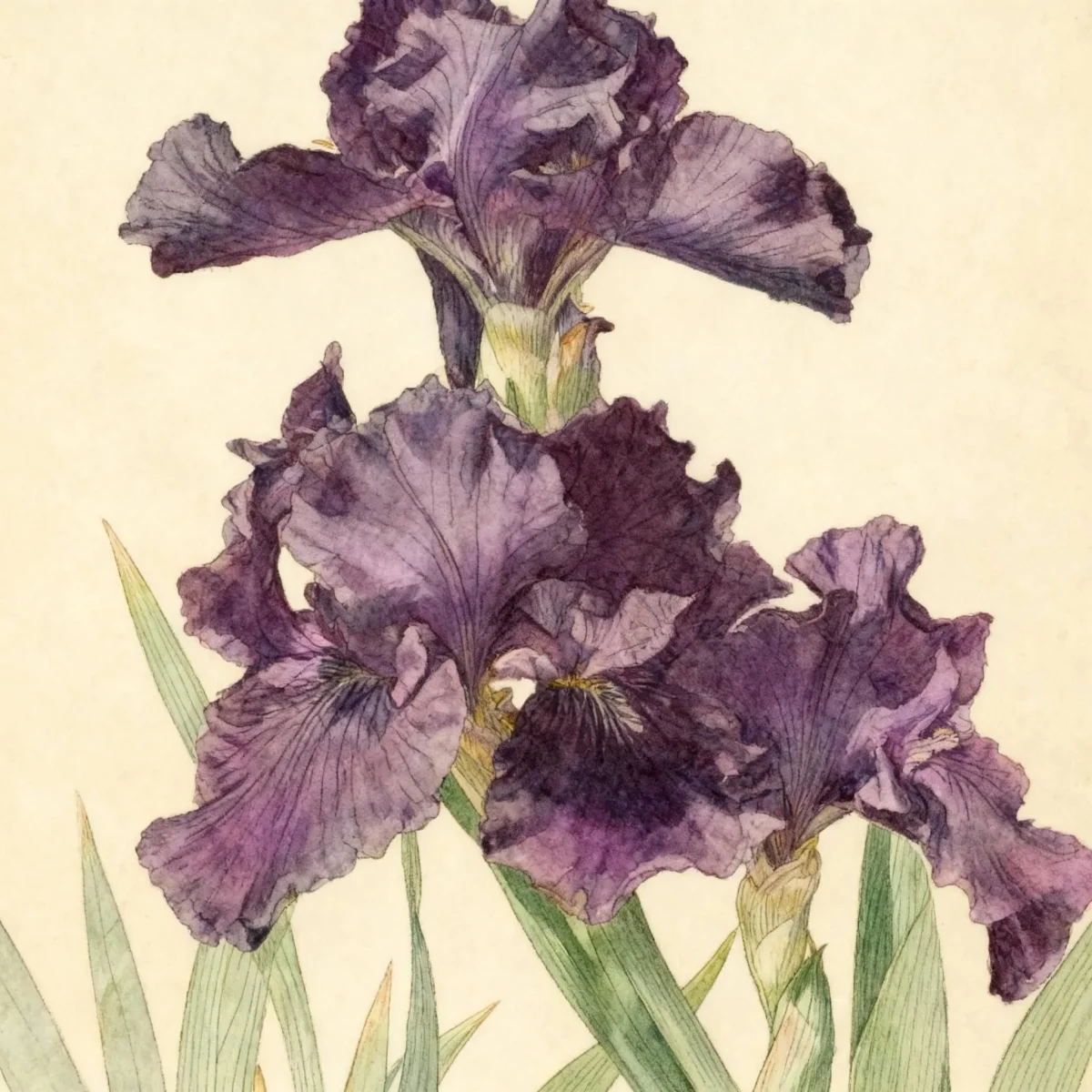
Iris 'Dutch Chocolate' is a stunning Tall bearded iris boasting warm red chocolate blooms from May to June, ideal for sunny borders.
Scroll down to discover growing tips, care requirements, companion plants, and more
Complete Plant Information
Overview
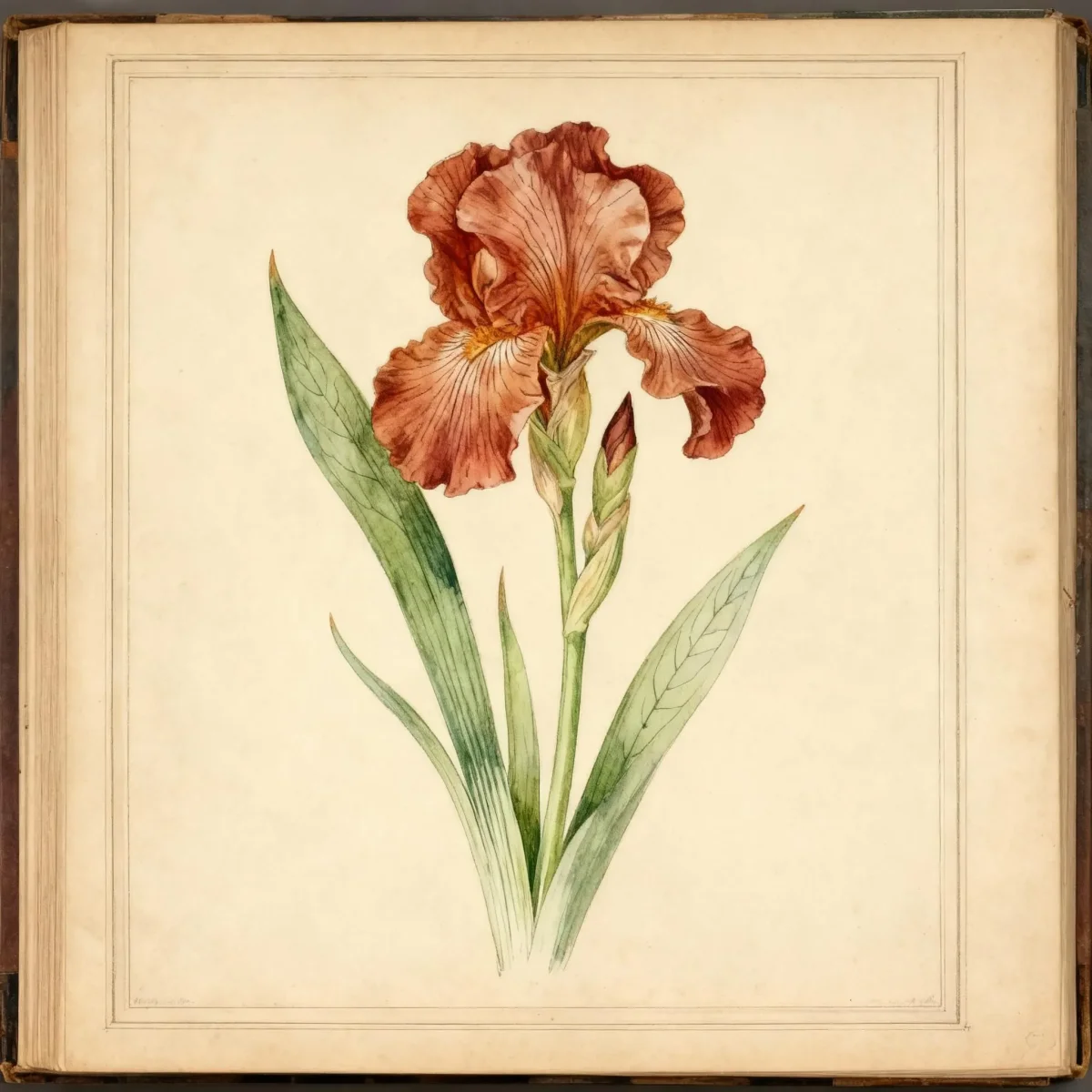
Iris ‘Dutch Chocolate’ delivers rich, deep coloration to the spring garden, making it a highly sought-after variety within the Tall bearded iris class. This rhizomatous perennial is valued for its robust stature, typically reaching 2 to 3 feet high, crowned by striking flowers that exhibit shades of warm red chocolate. Gardeners appreciate the reliable bloom display this cultivar provides during late spring and early summer.
As a standard Tall bearded iris, ‘Dutch Chocolate’ offers excellent vertical structure in perennial beds. It thrives when given consistent moisture during its growth and flowering period but maintains good drought tolerance once well-established, provided it is protected from overly wet winter conditions. Proper rhizome planting technique is key to successfully growing Iris ‘Dutch Chocolate’ and ensuring prolific blooming year after year.
This variety produces substantial flower stems characteristic of the class, featuring multiple blossoms per stem, ensuring a high visual impact. For perennial borders needing depth and richly colored focal points, Iris ‘Dutch Chocolate’ provides an enduring, low-maintenance elegance once established in a sunny location.
Fast Facts
- Plant Family: Iridaceae
- Plant Type: Herbaceous perennial
- Hardiness Zones: USDA Zones 3-9
- Size at Maturity:
- Height: 2-3 ft
- Spread: 1.5-2 ft
- Bloom Time: May to June
- Bloom Description: Warm red chocolate
- Sun Exposure: Full sun
- Water Needs: Medium
- Maintenance Level: Medium
How to Grow
Planting Tall bearded iris rhizomes should occur from late July through October, depending heavily on your winter climate; aim for late July through early September in colder regions. Select a location that receives full sun, although light afternoon shade is acceptable in very hot climates. Iris ‘Dutch Chocolate’ performs best in light, sandy soils with excellent drainage.
To ensure rhizome health, particularly in areas with clay soil or high rainfall, plant them shallowly. Create a mound of soil approximately baseball-sized; position the rhizome over this mound so that one-third of it remains exposed above the soil line, spreading the roots horizontally underneath. Space individual rhizomes about 12 to 20 inches apart to allow adequate room for clumping growth.
Water needs are medium; provide consistent moisture from spring until about six weeks after the flowering period ends. Post-establishment, the plant shows good drought tolerance. After flowering concludes, keep the bed free of weeds and clean up all debris in the fall after the first frost to reduce overwintering pests and disease spores.
If the clump of Iris ‘Dutch Chocolate’ becomes too crowded over the years, it will benefit from division. Lift the rhizomes using a garden fork in late summer (August), divide the clump, and replant healthy sections immediately. Avoid planting rhizomes too deep, as this is a common cause of sparse flowering.
Landscape Uses
Bearded irises, including the rich brown tones of Iris ‘Dutch Chocolate’, are excellent for providing strong vertical accents in the garden. They are best grouped or massed in sunny areas within perennial beds, along borders, or near foundational plantings where their distinctive flower structure can be admired up close. Mass planting enhances the visual impact of the warm red chocolate hues.
When integrating this Tall bearded iris into a design, pair it with spring-blooming bulbs that finish before the iris begins, or complement it with late-summer bloomers that can fill the gap once the iris foliage matures. Its erect, linear leaves provide structure even when the plant is not in flower. Consider placing them where they receive good air circulation to mitigate common fungal issues.
Standout Features
Flower Qualities
- Showy
Noteworthy Characteristics
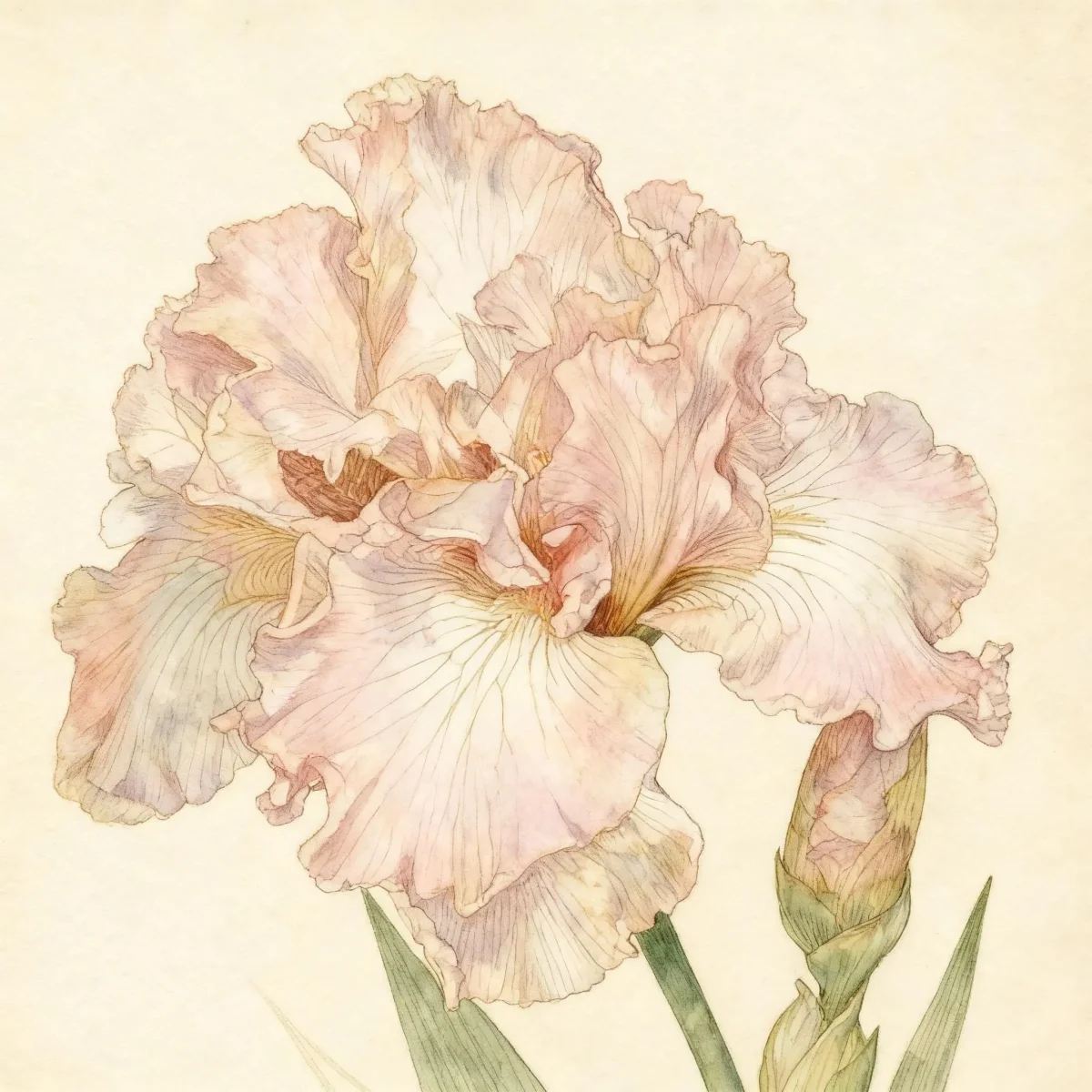
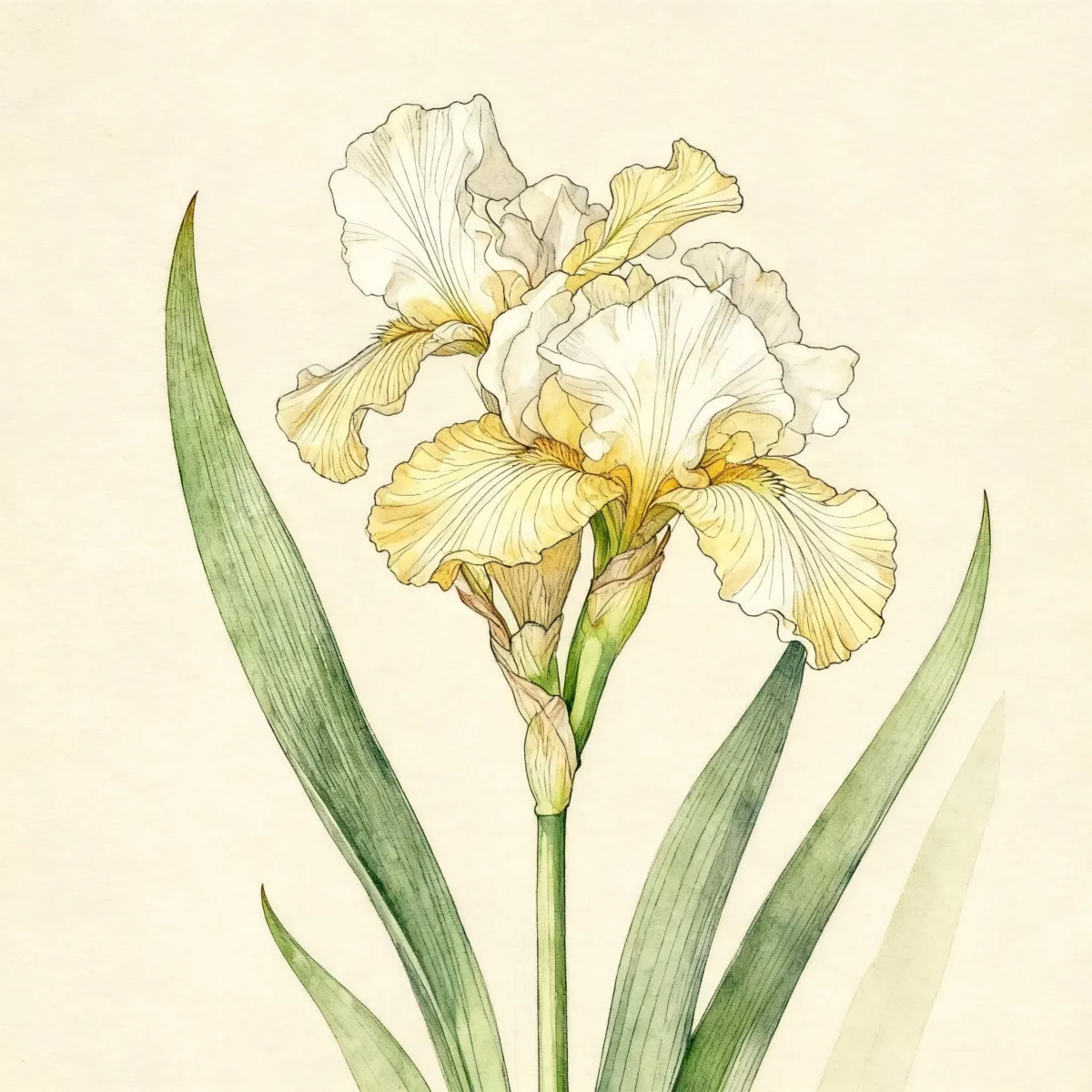
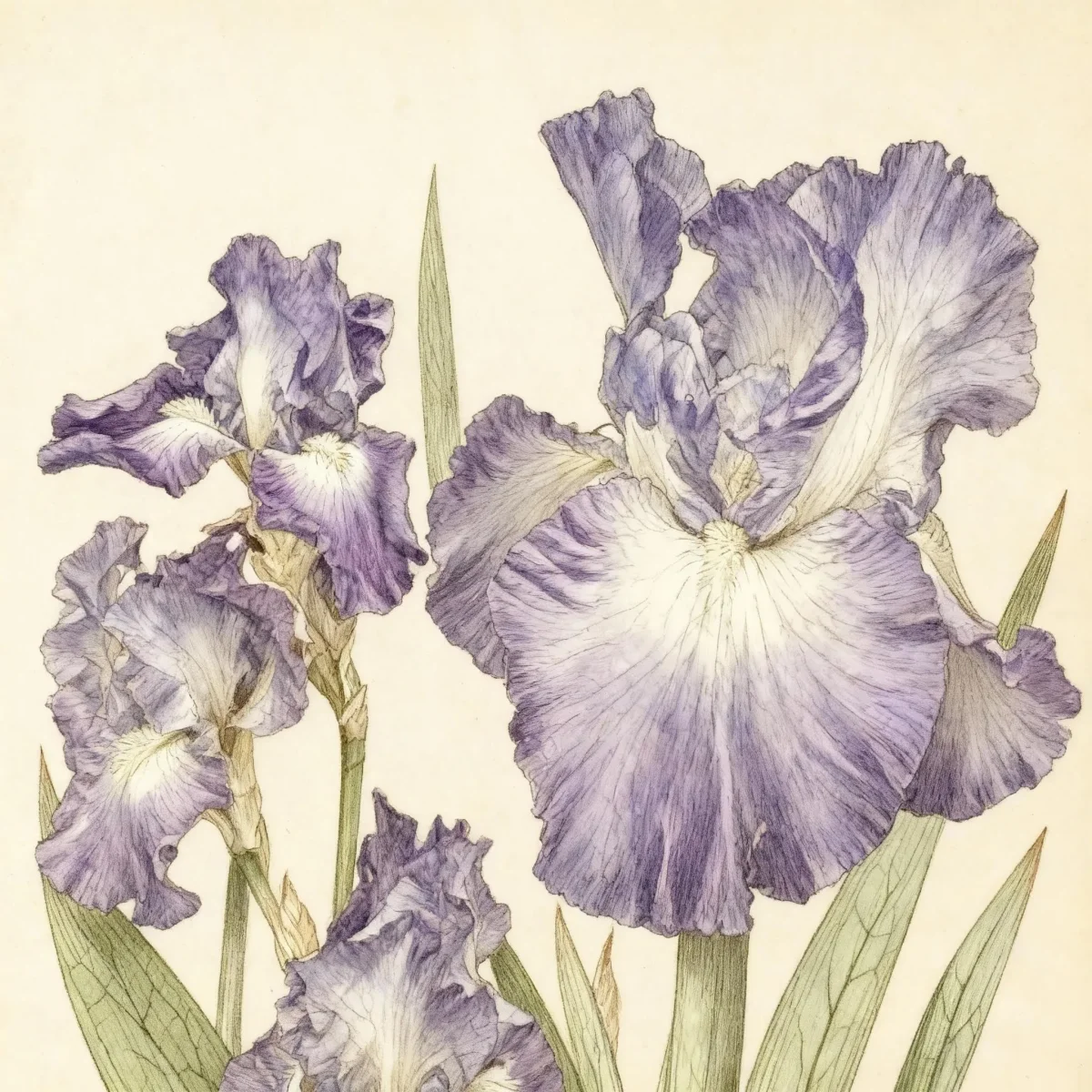
Tall Bearded Iris is a rhizomatous iris class whose numerous hybrid cultivars grow to heights above 27.5” tall featuring two or more branches and 7 or more blossoms per stem with flowers spreading to more than 5” wide. Each flower has upright standards and pendant falls. Iris ‘Dutch Chocolate’ specifically is a Tall Bearded Iris reaching about 35 inches, known for its standards and falls in shades of warm red chocolate, featuring matching red chocolate beards. The ‘bearded’ name originates from the distinctive fuzzy patch visible in the center of each fall petal.
Tolerances
- Deer
- Drought
Potential Problems
Bearded iris varieties, including Iris ‘Dutch Chocolate’, are susceptible to several fungal and pest issues. Look out for fungal leaf spot, bacterial soft rot, crown rot, and potential viral mosaic diseases. The most significant insect pest is the iris borer, which tunnels through foliage and rhizomes.
Effective management relies heavily on sanitation. Promptly remove and destroy any diseased foliage or rhizomes you find. After the first frost in the fall, perform a thorough clean-up, removing all plant debris from the iris bed. This prevents pests and diseases from overwintering near the rhizomes.
If your Tall bearded iris fails to flower well, common culprits include planting rhizomes too deep, insufficient sunlight, over-fertilization, or overcrowding; be sure to divide overcrowded clumps as needed. Watch for common garden nuisances like slugs, snails, aphids, whiteflies, and thrips, treating them preemptively or as infestations arise.
Frequently Asked Questions
What hardiness zones is Tall bearded iris suitable for?
This Tall bearded iris, Iris ‘Dutch Chocolate’, is robustly suited for planting across USDA Hardiness Zones 3 through 9.
How large does Iris ‘Dutch Chocolate’ grow?
Iris ‘Dutch Chocolate’ typically matures to a height between 2 and 3 feet tall, with a spread of 1.5 to 2 feet wide.
When does Iris ‘Dutch Chocolate’ bloom?
This specimen blooms reliably during the peak season of May to June, displaying its distinctive warm red chocolate flowers.
What sun exposure does Iris ‘Dutch Chocolate’ need?
Iris ‘Dutch Chocolate’ requires full sun to achieve the best growth and flowering performance in the garden.
Conclusion
The reliable height and rich, warm red chocolate coloration make Iris ‘Dutch Chocolate’ a cornerstone plant for adding depth and drama to sunny perennial borders. As a hardy member of the Tall bearded iris group, it offers substantial aesthetic rewards for medium maintenance effort. Plan your rhizome planting between late summer and early fall to ensure spectacular blooms next spring.
Companion Planting Considerations
When planning a border for your Iris ‘Dutch Chocolate’, focus on companions that share similar cultural needs, primarily full sun and well-drained soil. Low-growing border plants work well as they keep the crown of the iris clear and sunny. Good choices include low-growing creeping thyme, which tolerates drying out between waterings, or slower-growing lambs’ ears, which provide soft textural contrast to the iris’s stiff foliage.
Avoid planting moisture-loving perennials too closely, as rhizome rot is a concern if conditions become saturated. Since the iris has a relatively short, showy bloom window, incorporate later-flowering perennials like Russian Sage or certain sedums to extend visual interest throughout the summer months after the Tall bearded iris has faded.
Propagation Tips
The primary method for increasing your stock of Iris ‘Dutch Chocolate’ is by dividing the rhizomes during their dormant period, specifically in late summer, around August. As the plant forms clumps, the rhizomes multiply outward, often leading to overcrowding, which diminishes flowering quality.
To propagate, carefully lift the entire clump using a garden fork, taking care not to sever the thick rhizomes. Cut the clump into sections, ensuring each division has at least one healthy fan of leaves attached to a viable section of rhizome, complete with roots below. Replant these sections promptly according to the recommended depth, leaving one-third of the rhizome exposed to the sun.
Conclusion
The reliable height and rich, warm red chocolate coloration make Iris ‘Dutch Chocolate’ a cornerstone plant for adding depth and drama to sunny perennial borders. As a hardy member of the Tall bearded iris group, it offers substantial aesthetic rewards for medium maintenance effort. Plan your rhizome planting between late summer and early fall to ensure spectacular blooms next spring.