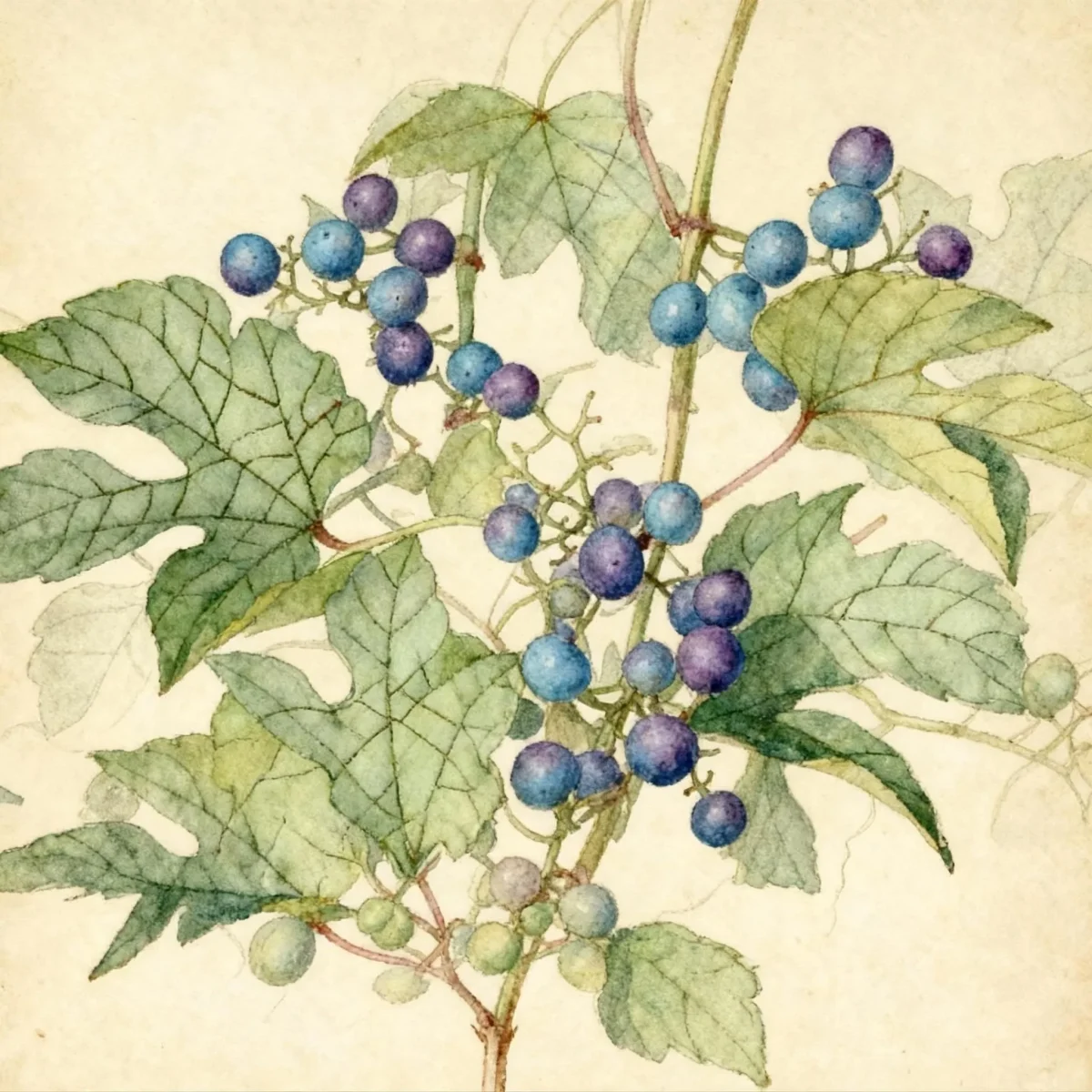
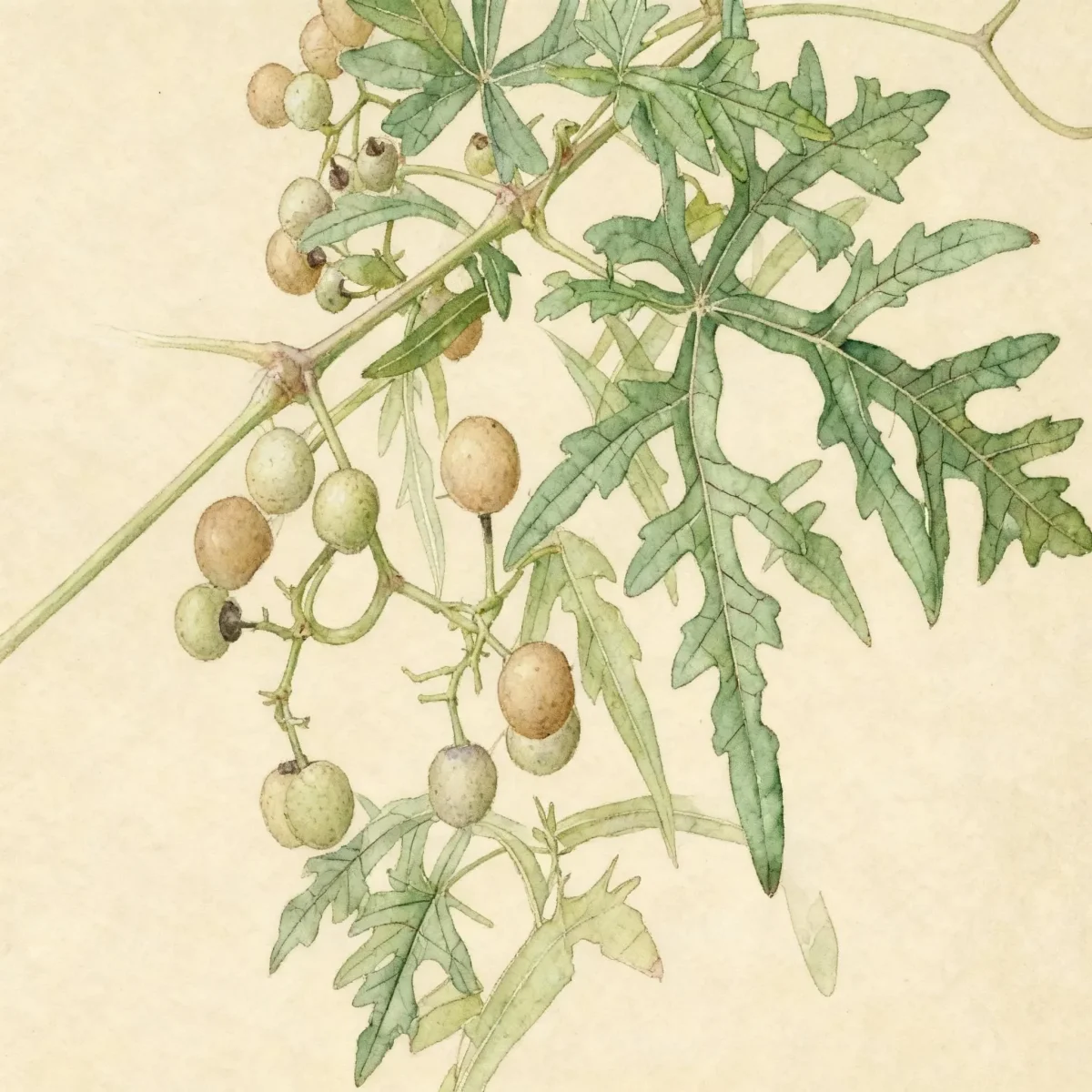
Virginia creeper (Parthenocissus quinquefolia var. engelmannii)
Parthenocissus quinquefolia var. engelmannii, or Virginia creeper, is a vigorous vine known for its five-leaflet foliage and brilliant crimson fall color.
Scroll down to discover growing tips, care requirements, companion plants, and more
Complete Plant Information
Overview
Parthenocissus quinquefolia var. Engelmannii, commonly known as Virginia creeper, is a tremendously vigorous, deciduous woody vine prized for its rapid coverage and stunning seasonal transformation. Unlike the standard species, this variety often presents with slightly smaller leaflets and boasts a particularly attractive bronze-red hue during the autumn months, providing significant visual interest late in the season. This easy-to-grow vine is exceptionally adaptable, clinging firmly to surfaces using adhesive holdfasts, making it an excellent choice for vertical coverage on sturdy structures. Gardeners should utilize this plant where aggressive, fast-growing coverage is required, whether scaling walls or acting as ground cover over large areas.
This reliable climber thrives across a wide range of conditions characteristic of the Eastern United States. Its tolerance for urban pollutants and varied soil types makes it a practical choice for difficult sites where other plantings might fail. While incredibly robust, the vigorous nature of Virginia creeper means it requires diligent management to prevent it from overtaking unintended areas. Proper siting is crucial to enjoy the seasonal benefits of Parthenocissus quinquefolia var. Engelmannii without causing structural damage.
Fast Facts
- Plant Family: Vitaceae
- Plant Type: Vine
- Native Range: Eastern United States and Mexico
- Hardiness Zones: USDA Zones 3-9
- Size at Maturity:
- Height: 30-50 ft
- Spread: 5-10 ft
- Bloom Time: May to July
- Bloom Description: Greenish-white
- Sun Exposure: Full sun to part shade
- Water Needs: Medium
- Maintenance Level: Medium
How to Grow
Plant Parthenocissus quinquefolia var. Engelmannii during the spring or fall when conditions are mild. This vine adapts well to average, well-drained soils with medium moisture. While it tolerates full shade, achieving the celebrated best fall color generally requires planting in full sun to part shade, where it receives adequate light intensity.
Once established, watering should be medium and consistent, though the vine shows good drought tolerance once mature. Fertilizer applications are rarely necessary due to its robust nature in average soils. The primary care task for Virginia creeper is rigorous trimming. This plant must be managed regularly to keep it completely in bounds, especially when planted near buildings or desirable landscaping.
Exercise caution when selecting placement; avoid housing wood or shingle walls, as the adhesive holdfasts are incredibly difficult to remove and can cause cosmetic damage. If unchecked, Parthenocissus quinquefolia var. Engelmannii can damage or adhere to gutters, shutters, or external wiring. Give this vibrant vine plenty of room to spread or the rigid support it needs to climb vertically.
Landscape Uses
The climbing ability of Virginia creeper makes it an effective solution for blank expanses, such as large brick or stone walls on commercial buildings or sheds. For homeowners seeking vertical interest, it successfully covers large trellises, arbors, and can even climb through the canopy of very large, established trees. When allowed to spread horizontally, it excels as a dense ground cover, efficiently masking rock piles, covering stumps, or stabilizing difficult slopes against erosion.
If using Parthenocissus quinquefolia var. Engelmannii as ground cover, dedicate the space, as its spread can be aggressive. When cladding a structure, use materials hardy enough to withstand its clinging holdfasts, focusing on masonry rather than wood siding. Consider pairing it with nearby shrubs or small trees that do not compete for the same support surface.
Standout Features
Fruit Qualities
- Showy
Noteworthy Characteristics
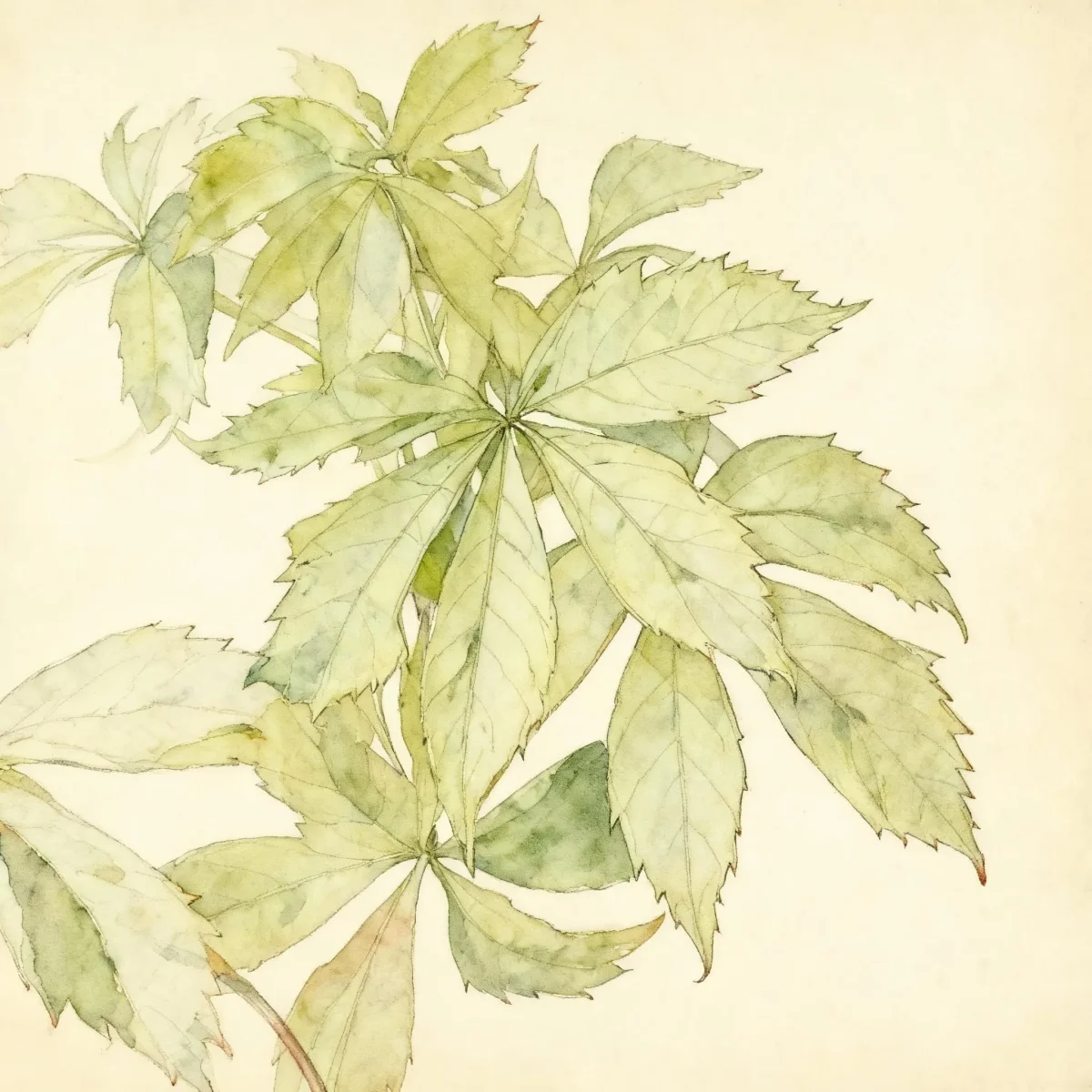
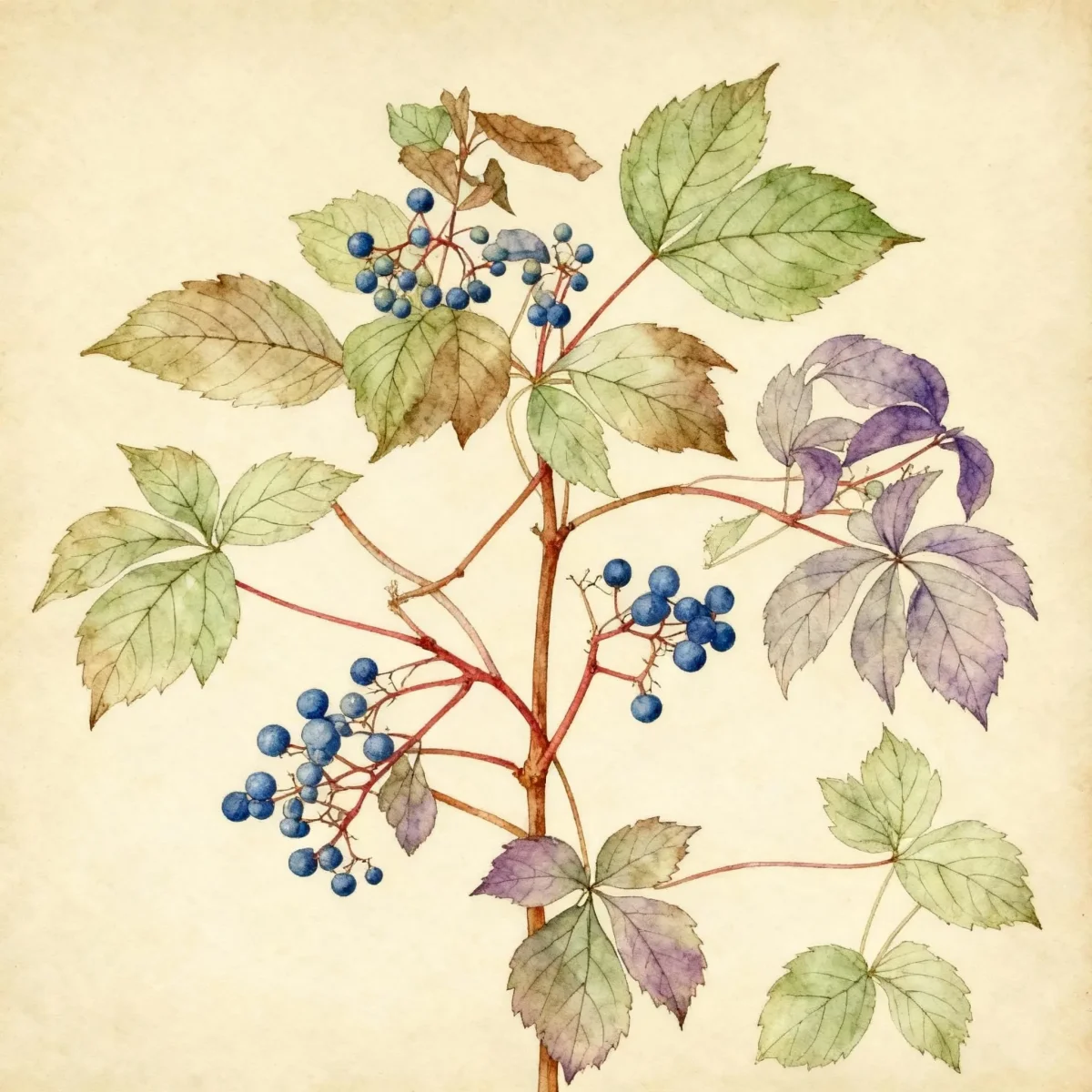
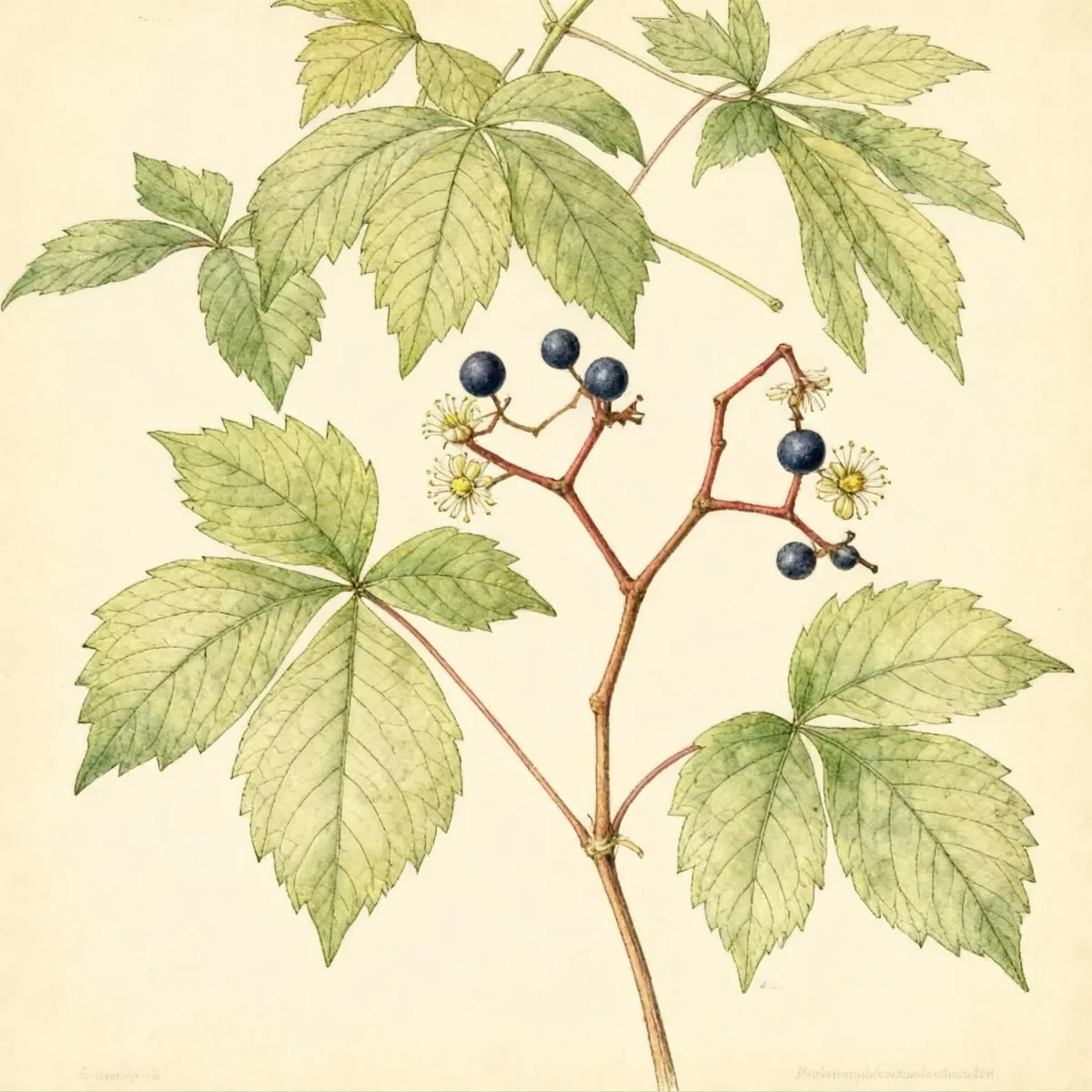
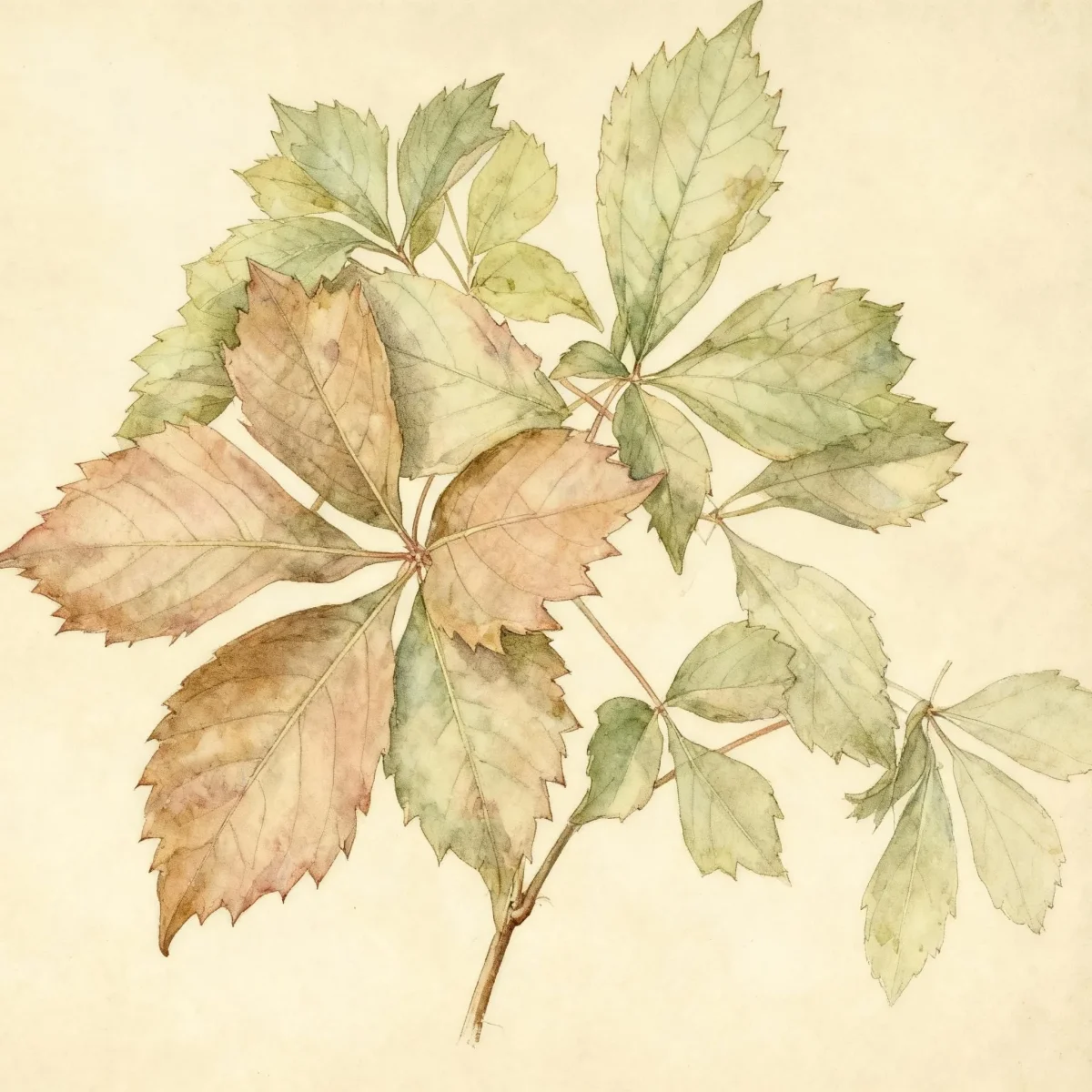
Parthenocissus quinquefolia is a deciduous, woody vine that is commonly called Virginia creeper or woodbine. This is a vigorous tendril-climbing vine that will rapidly grow to 30-50’ long or more, clinging to surfaces by adhesive holdfasts. Compound-palmate leaves emerge purplish in spring, mature to dull green, and provide attractive shades of purple and crimson red in the fall. Var. Engelmannii primarily differs from species plants by being less robust, having smaller leaflets and notably producing a bronze-red fall color.
Tolerances
- Deer
- Drought
- Heavy Shade
- Erosion
- Clay Soil
- Black Walnut
Potential Problems
Generally, this plant avoids serious insect or disease issues, offering reliable performance. However, common fungal issues like mildews, leaf spots, canker, and wilt can occasionally manifest, especially in overly humid conditions or poor air circulation. Potential insect pests include scale, leaf hoppers, and various beetles. The most significant problem associated with this vigorous vine is mechanical; once Parthenocissus quinquefolia var. Engelmannii attaches firmly to painted surfaces or wood siding, removal is difficult and guarantees surface damage and residue.
Frequently Asked Questions
What hardiness zones is Virginia creeper suitable for?
Parthenocissus quinquefolia var. Engelmannii is well-suited for hardiness zones ranging from USDA Zone 3 up through Zone 9.
How large does Virginia creeper grow?
This rapid-growing vine typically reaches heights between 30 to 50 feet long, spreading horizontally between 5 and 10 feet if allowed to creep.
What sun exposure does Virginia creeper need?
Virginia creeper performs best when situated in full sun to part shade; note that the most intense fall coloration generally appears in sunnier spots.
When does Virginia creeper bloom?
The inconspicuous, greenish-white flowers appear relatively late in the growing season, usually from May to July, before giving way to summer fruit.
Conclusion
The sheer vigor and spectacular autumn display make Parthenocissus quinquefolia var. engelmannii a powerful architectural element in the landscape, providing excellent coverage and wildlife support. Remember that the maintenance commitment for this Parthenocissus variety is tied directly to managing its aggressive growth and avoiding structural attachment points. Before planting, ensure you have ample vertical or horizontal space designated for this stunning Virginia creeper.
Wildlife Benefits
As a dense covering plant, Virginia creeper offers excellent cover and nesting opportunities for various small birds throughout the year. The blue-black berries that follow the summer bloom are a food source, particularly attractive to avian wildlife as the foliage drops in autumn, exposing the fruit. While the flowers are noted as ornamentally insignificant, they do provide nectar during their bloom time in late spring to early summer.
Companion Planting
When using Parthenocissus quinquefolia var. Engelmannii as a ground cover, pairing it with resilient, late-season blooming perennials can offer textural contrast as the vine dominates the ground plane early on. For vertical applications on masonry, consider planting slow-growing shrubs or columnar evergreens nearby that do not require frequent trimming, as the vine will quickly outcompete them if access is shared. Ensure any neighboring plants also tolerate medium water requirements and the vine’s assertive spreading habit.