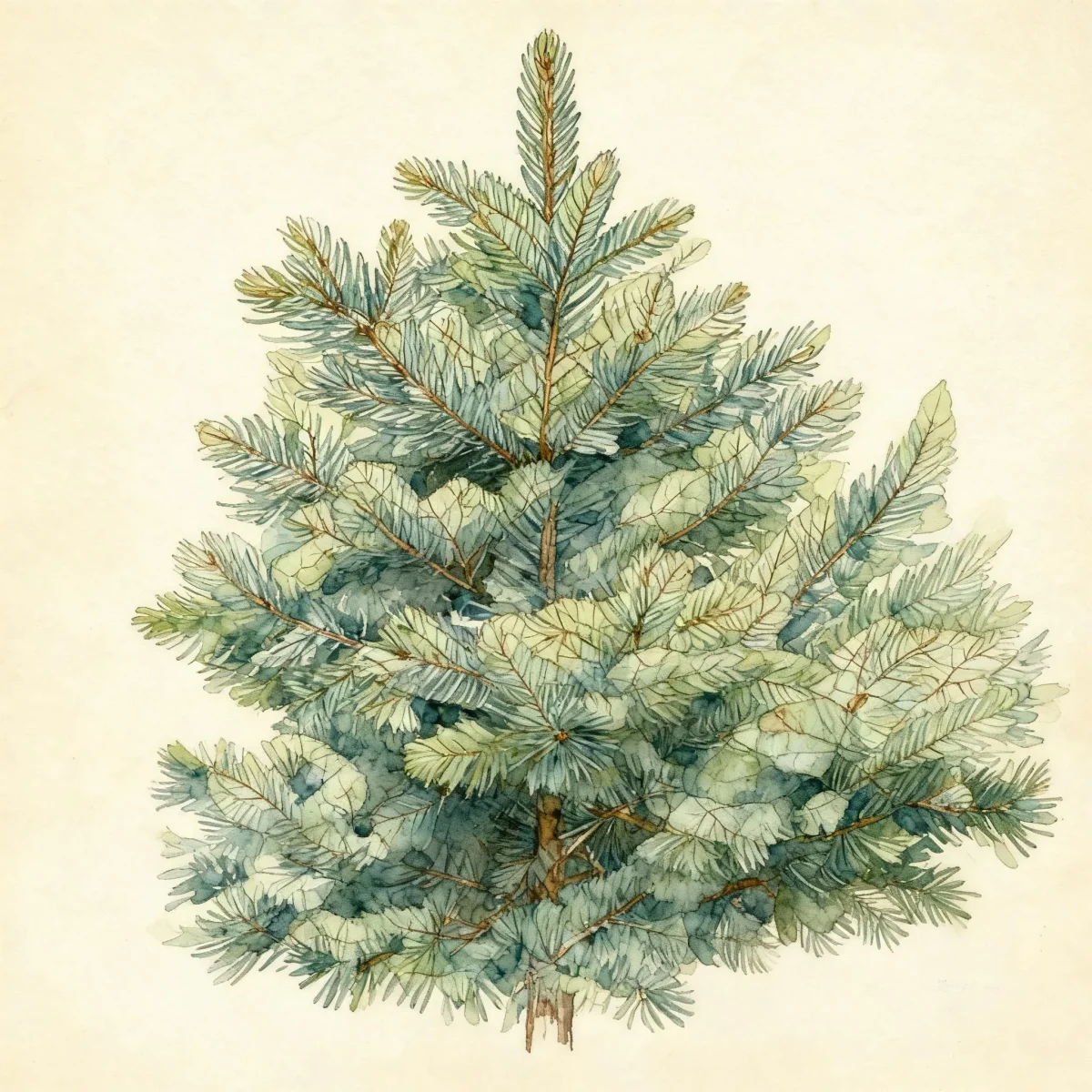
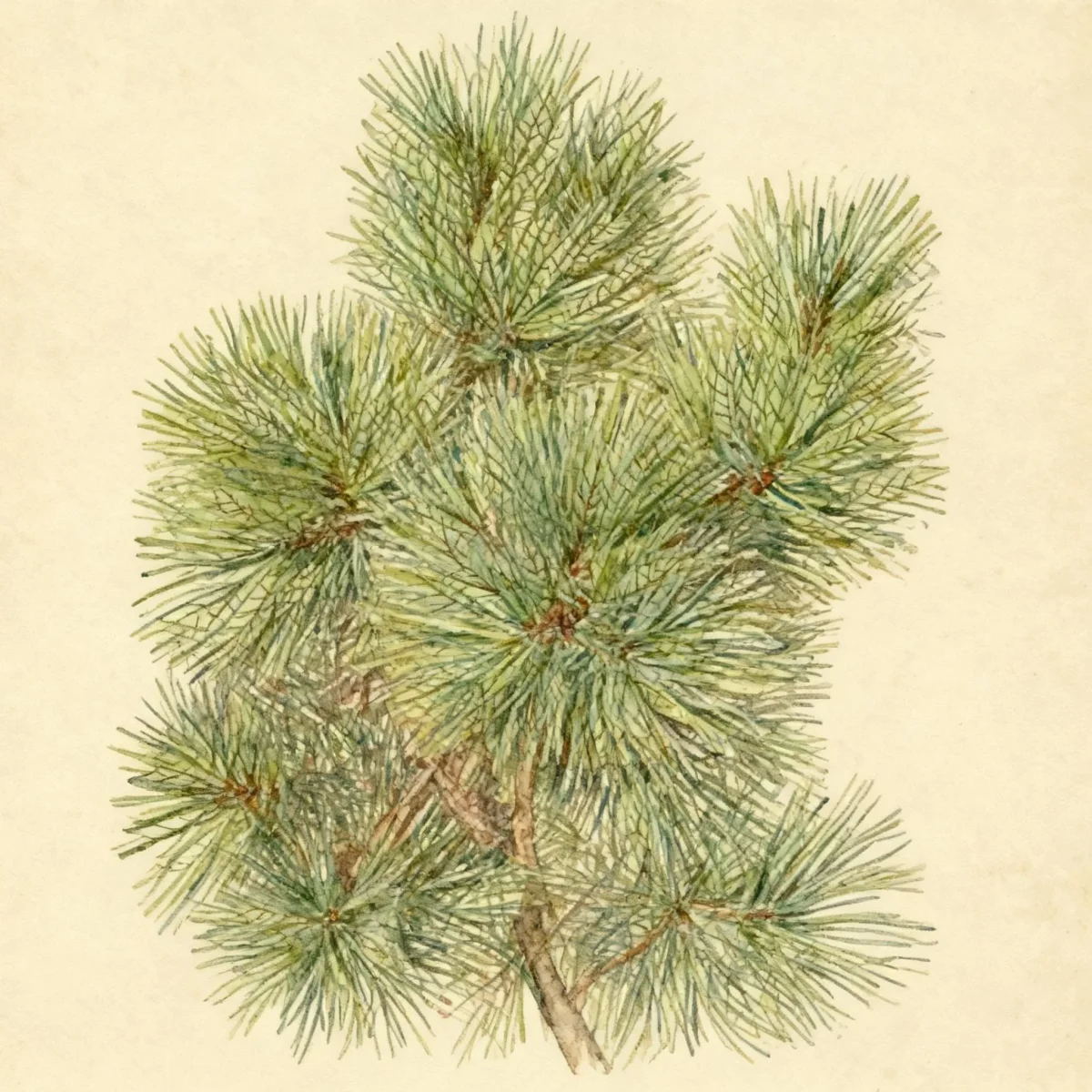
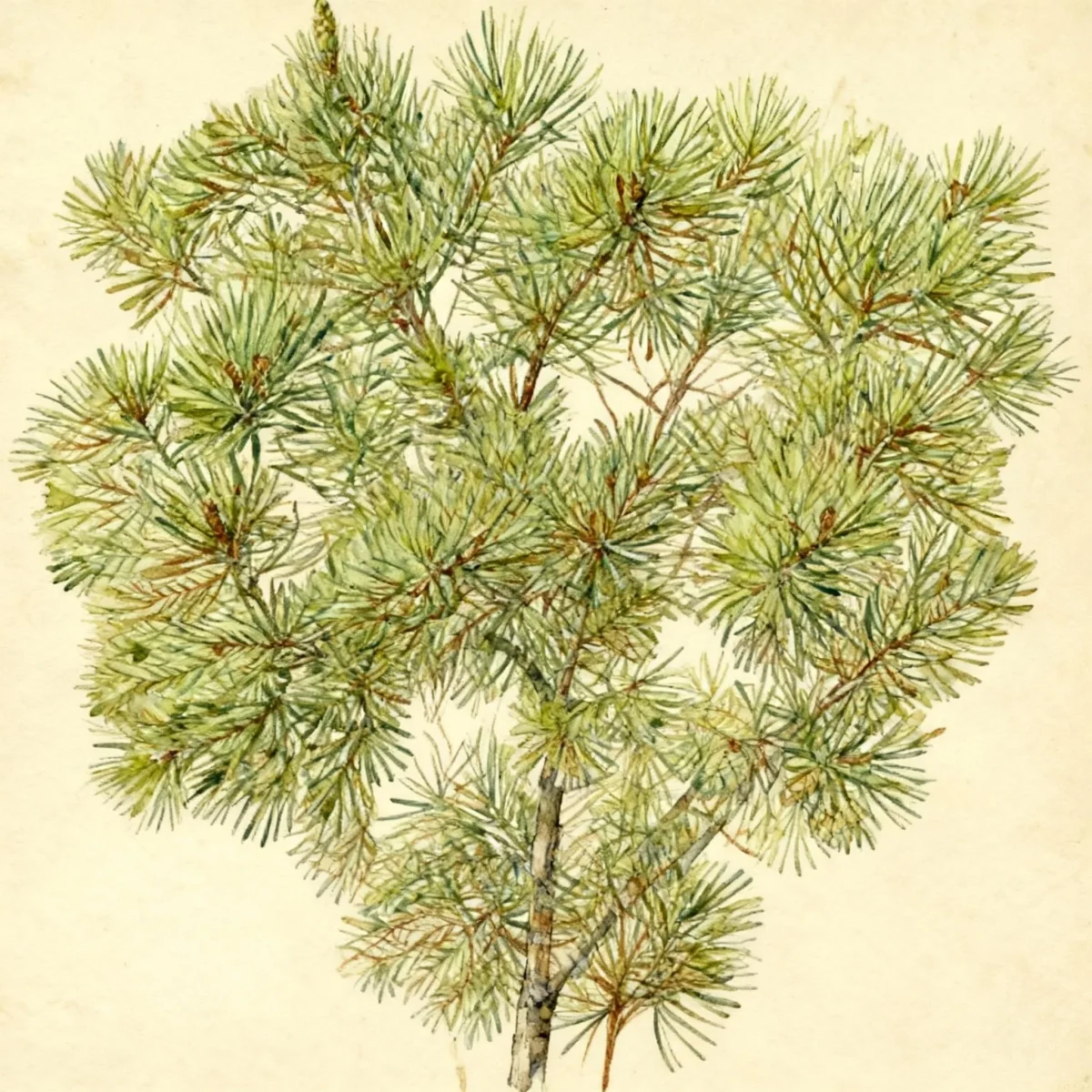
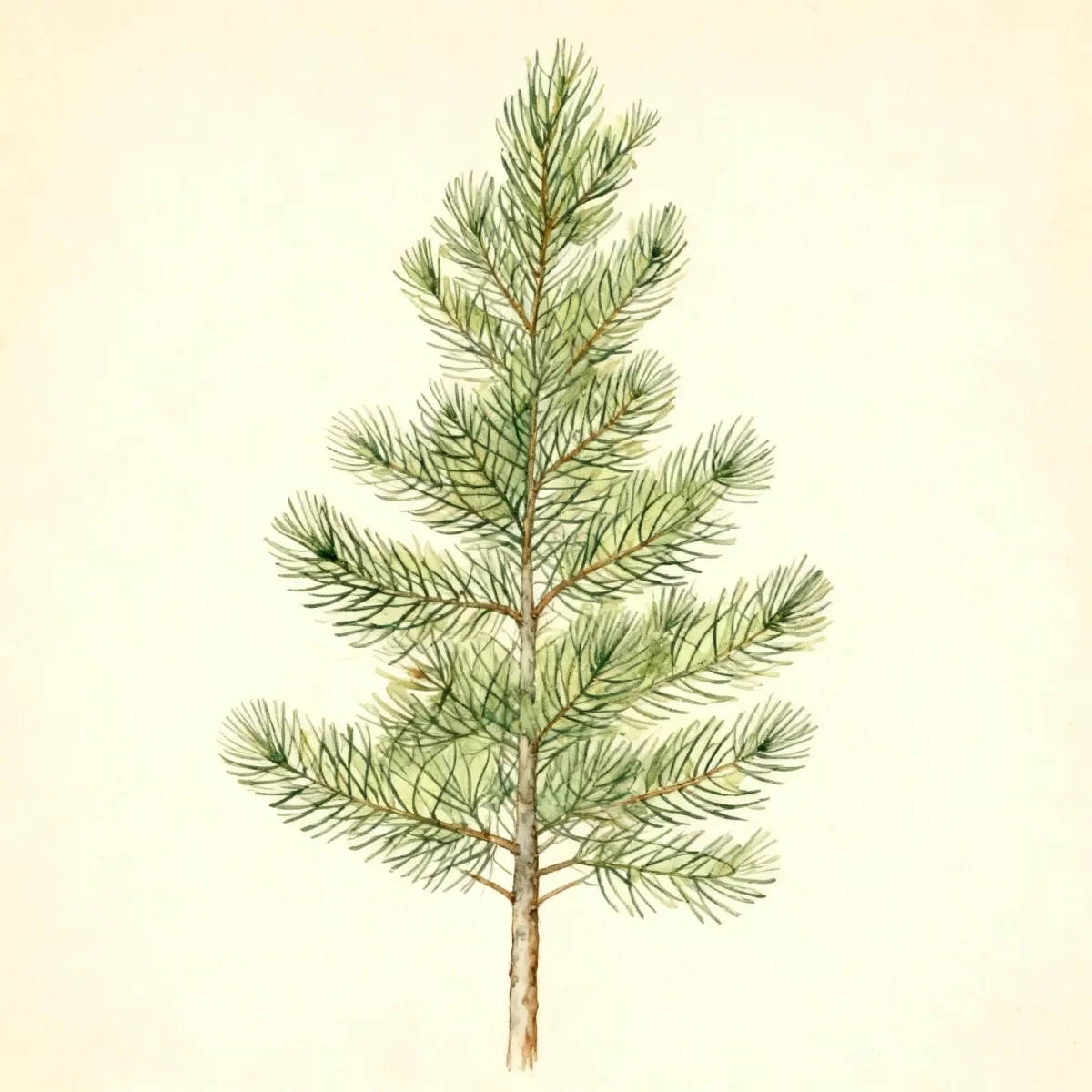
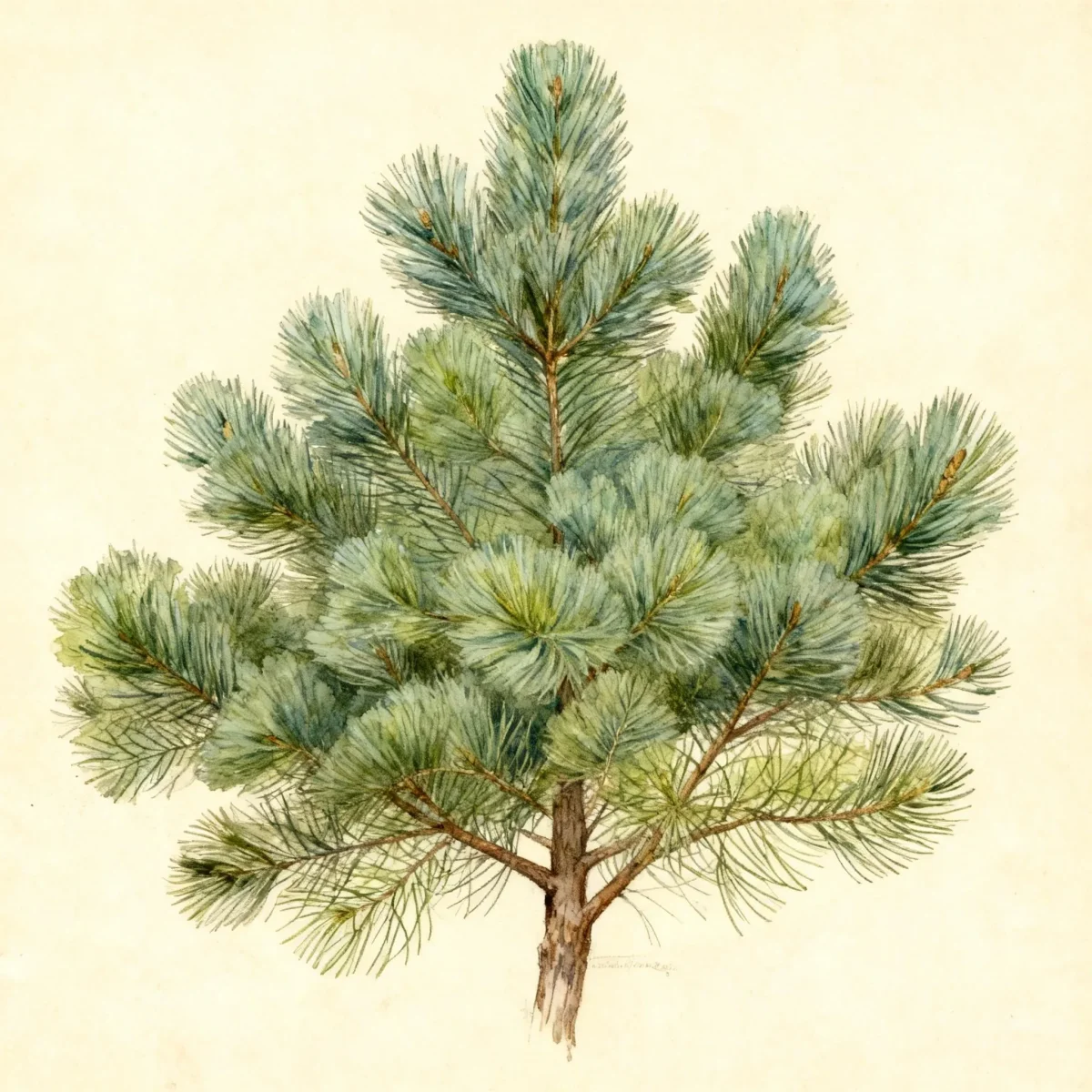
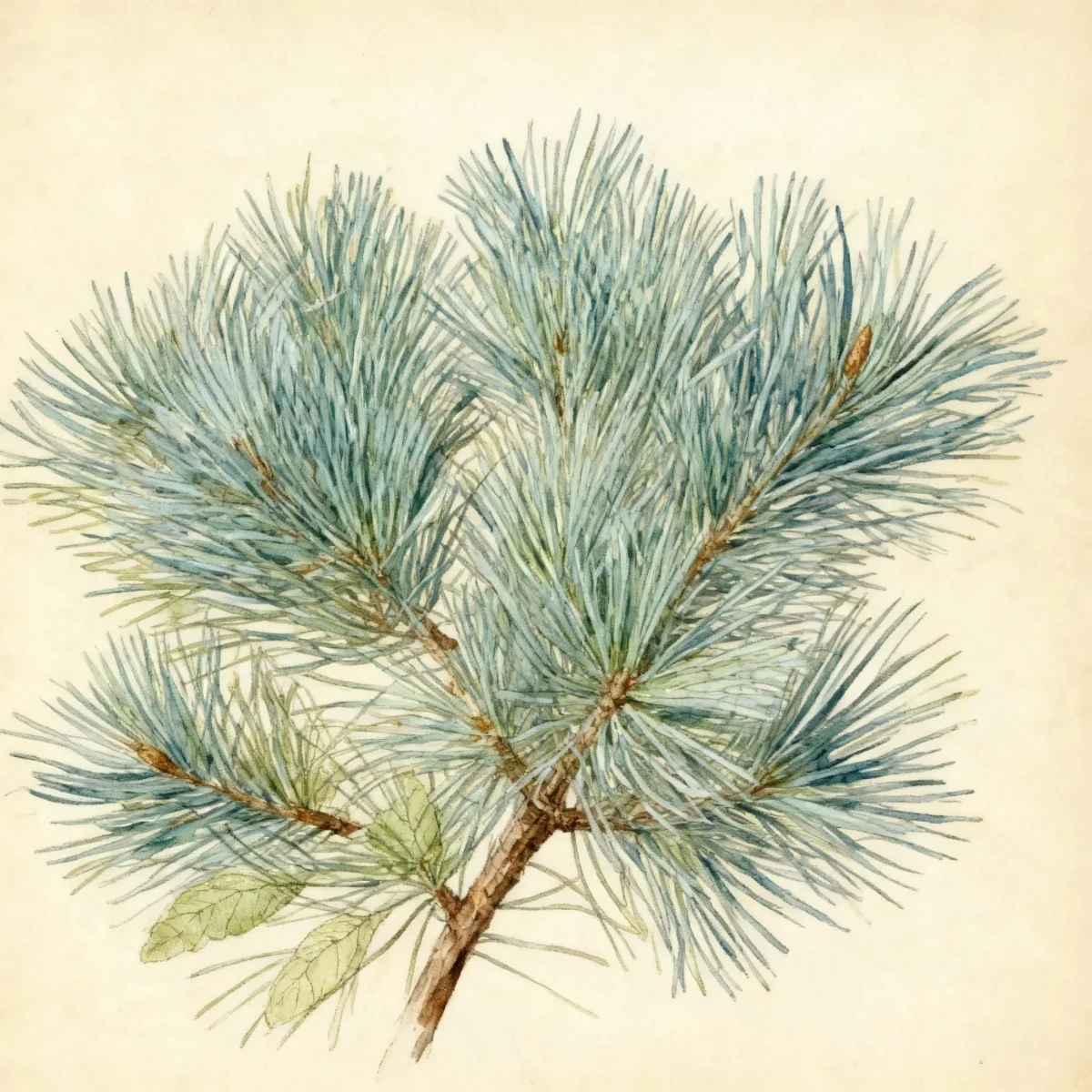
Austrian pine (Pinus nigra subsp. laricio 'Globosa Viridis')
Pinus nigra subsp. laricio 'Globosa Viridis' is a slow-growing, dwarf Austrian pine perfect for rock gardens needing low maintenance.
Scroll down to discover growing tips, care requirements, companion plants, and more
Complete Plant Information
Overview
The Austrian pine cultivar, Pinus nigra subsp. laricio ‘Globosa Viridis’, offers the rugged appeal of its parent species in a manageable, dwarf form. This slow-growing needled evergreen is highly valued for gardeners seeking density and year-round structure without overwhelming small spaces. Its dense, upright, broad conical habit provides excellent textural contrast in mixed plantings.
This specific variety of Austrian pine matures slowly, typically reaching only 3 to 5 feet tall within the first decade, making it an exceptional choice for defined borders or rockeries where space is at a premium. The long, deep green needles provide consistent color, even through harsh winters, reinforcing its status as a reliable low-maintenance landscape feature.
The robust nature of Pinus nigra subsp. Laricio ‘Globosa Viridis’ ensures it thrives across a wide climatic range, spanning USDA zones 2 through 8. Its tolerance for urban conditions and varied soil types—including clay—makes the Austrian pine a dependable workhorse for foundation plantings and challenging sites where other conifers might struggle.
Fast Facts
- Plant Family: Pinaceae
- Plant Type: Needled evergreen
- Hardiness Zones: USDA Zones 2-8
- Size at Maturity:
- Height: 2-5 ft
- Spread: 1.5-3 ft
- Bloom Time: Non-flowering
- Bloom Description: Non-flowering
- Sun Exposure: Full sun to part shade
- Water Needs: Medium
- Maintenance Level: Low
How to Grow
When planting Pinus nigra subsp. laricio ‘Globosa Viridis’, select a location that receives full sun for the best density and coloration, though it adapts to part shade. Ensure the soil is well-drained, as stagnant moisture can cause issues, although this Austrian pine tolerates clay better than many conifers. Planting in spring or fall provides the best establishment window.
Once established, water moderately, allowing the top few inches of soil to dry between waterings, reflecting its medium water needs. This variety is generally low maintenance. Pruning is seldom required, but if you wish to encourage a thicker habit or maintain its perfect dwarf shape, light annual pruning in the spring before new growth hardens is recommended.
The resilience of this dwarf evergreen is a major benefit. It shows excellent tolerance for urban pollution, meaning it handles roadside planting or city gardens well. Furthermore, it is generally tolerant of some dry conditions once established, reducing your watering burden during summer heatwaves.
Landscape Uses
The diminutive size of Pinus nigra subsp. laricio ‘Globosa Viridis’ makes it perfectly suited for foundation plantings where its slow, controlled growth prevents overhang issues common with large pines. It excels in rock gardens, often used to anchor smaller alpine vignettes or placed near specimen boulders, highlighting its dense, conical structure.
Because this Austrian pine maintains its shape and color year-round, it functions effectively as a year-round structural element in low-maintenance perennial borders. Consider placing it near deciduous shrubs that offer bright seasonal color; the dark green needles of the dwarf conifer will make those seasonal changes truly pop. It is also an excellent candidate for formal edging when you need a permanent, low border.
Standout Features
Noteworthy Characteristics
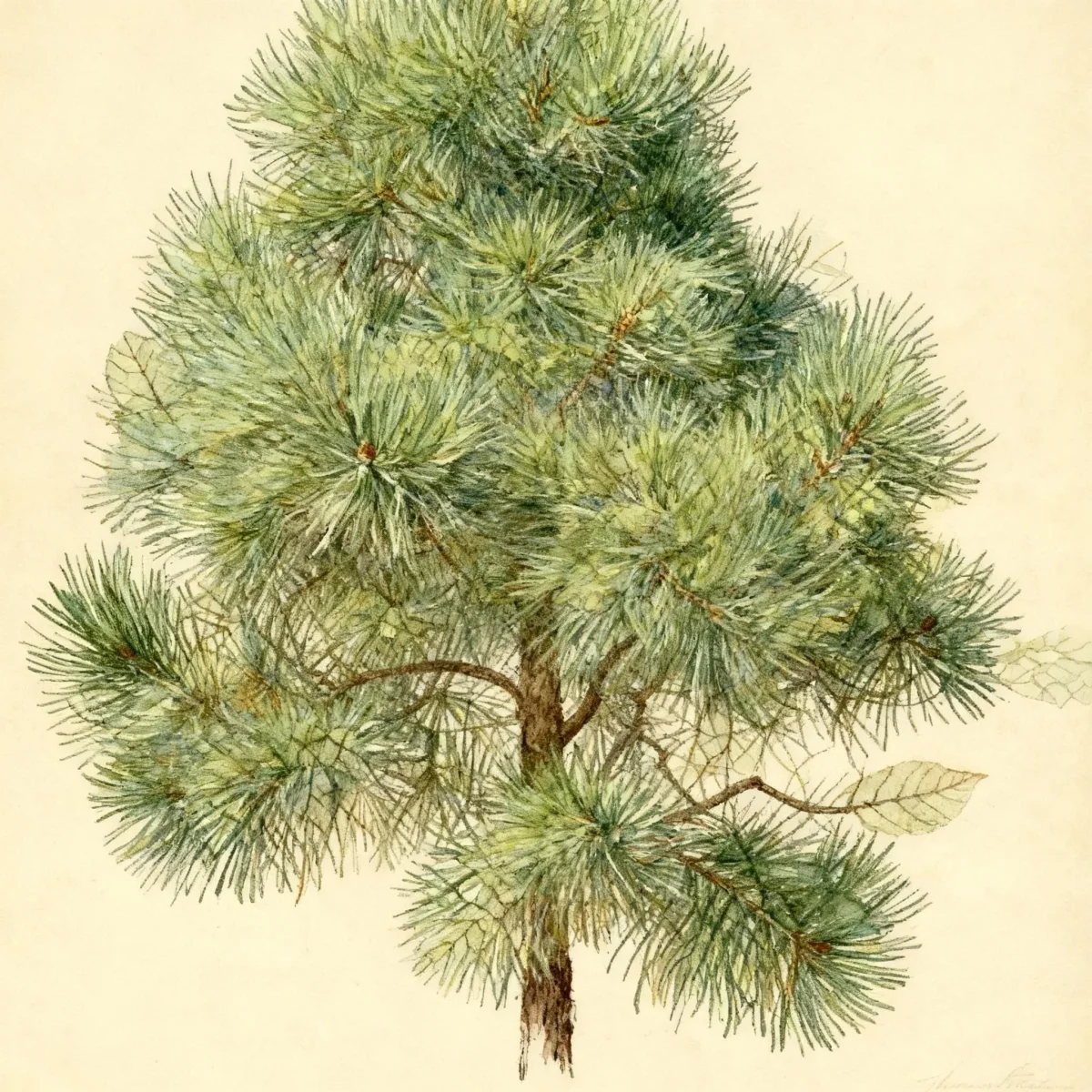
Pinus nigra, commonly called Austrian pine or European black pine, is famous for its dense branching and stiff, dark green needles typically held in bundles of two. Related varieties feature furrowed, dark brown to black bark and strong form. The ‘Globosa Viridis’ cultivar is distinct because it is a slow-growing (3-6” per year), dwarf, needled evergreen exhibiting a dense, upright, broad conical to pyramidal habit. Its long, deep green needles feature lighter green tips on the newest growth near the shoot ends, offering subtle seasonal variation.
Tolerances
- Deer
- Air Pollution
Potential Problems
Generally, this Austrian pine cultivar experiences few significant pest or disease issues, largely due to its low maintenance profile and hardy nature. However, like all pines, monitor for common needle cast diseases if foliage becomes overly crowded or prolonged dampness occurs. Good air circulation is key to prevention. Ensure proper drainage to avoid root stress, which makes the plant vulnerable to secondary issues.
Frequently Asked Questions
What hardiness zones is Austrian pine suitable for?
The Pinus nigra subsp. laricio ‘Globosa Viridis’ is highly adaptable, thriving in USDA Hardiness Zones 2 through 8.
How large does Pinus nigra subsp. laricio ‘Globosa Viridis’ grow?
This dwarf cultivar typically reaches a mature height between 2 and 5 feet, with a spread of 1.5 to 3 feet, growing very slowly at only 3 to 6 inches per year.
What sun exposure does the Austrian pine need?
For optimal performance, the Austrian pine requires full sun, though it tolerates conditions ranging from full sun to partial shade.
When does Pinus nigra subsp. Laricio ‘Globosa Viridis’ bloom?
As a conifer, this plant is non-flowering and does not produce ornamental blossoms.
Conclusion
The Pinus nigra subsp. laricio ‘Globosa Viridis’ is an invaluable, tough evergreen for structured gardening, offering excellent year-round interest with minimal upkeep. Its precise, dwarf form makes this Austrian pine a superior choice for tight spaces, rock gardens, and foundation plantings. Always confirm your local climate falls within USDA Zones 2-8 before selecting this reliable conifer for your next project.
Companion Planting
When selecting companions for Pinus nigra subsp. laricio ‘Globosa Viridis’, focus on plants that share similar cultural needs—namely, full sun and medium moisture. Low-growing deciduous shrubs or perennials with contrasting foliage color work exceptionally well next to the deep green needles. Consider planting it near plants with fine, airy textures, such as certain ornamental grasses, or plants displaying brilliant fall color, like dwarf Barberry cultivars, to create visual drama against the static form of the dwarf Austrian pine.
Design Ideas for Dwarf Conifers
Dwarf conifers like this variety are essential tools in contemporary and formal landscape design where precise shaping and scale are necessary. Utilize the dense, pyramidal habit of Pinus nigra subsp. Laricio ‘Globosa Viridis’ to terminate a pathway or anchor the corner of a foundation planting. Due to its slow, rounded growth, it is perfectly suited for mixed containers, providing permanent vertical interest that won’t outgrow its vessel too quickly. In rock gardens, plant it adjacent to textured, high-contrast stone or gravel arrangements.