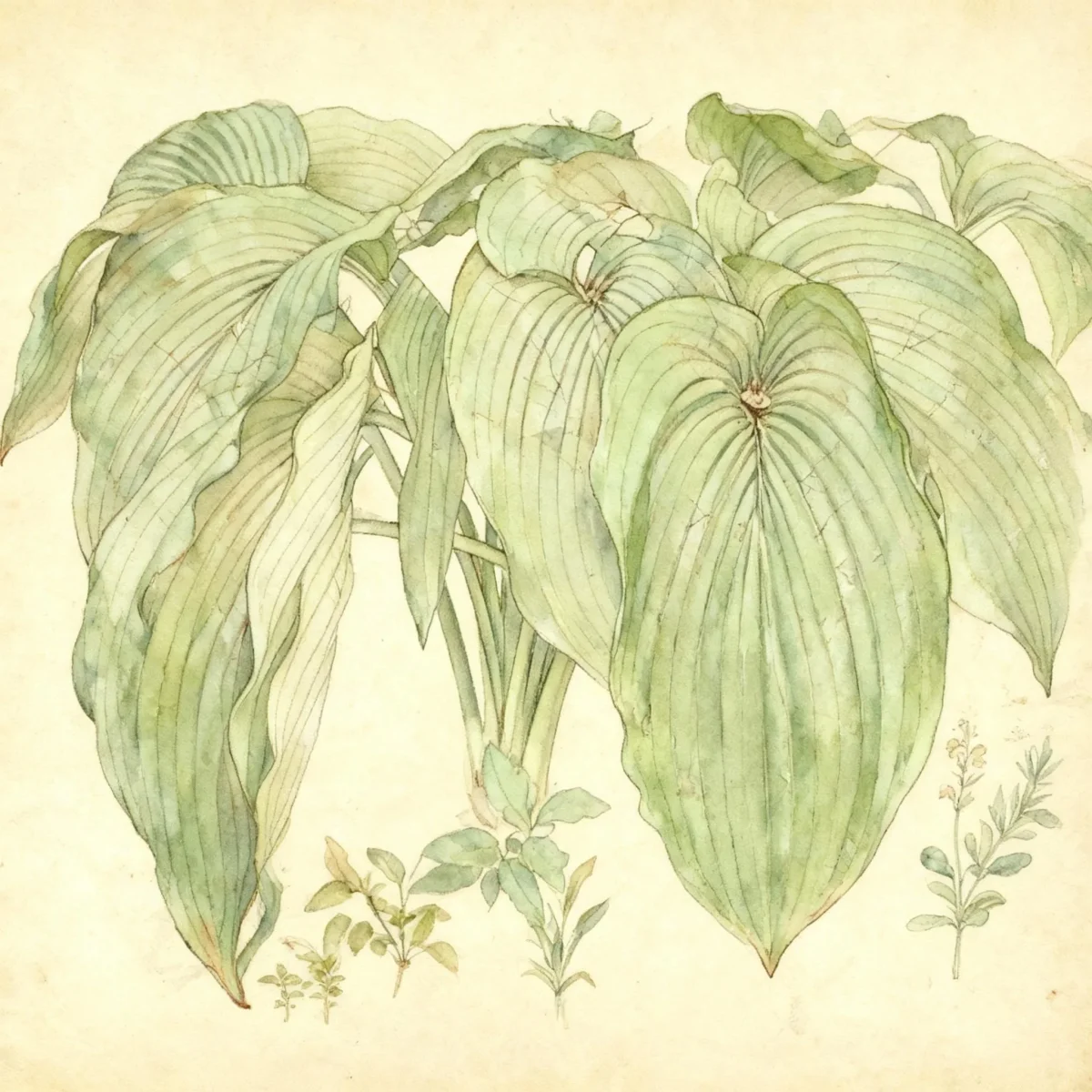
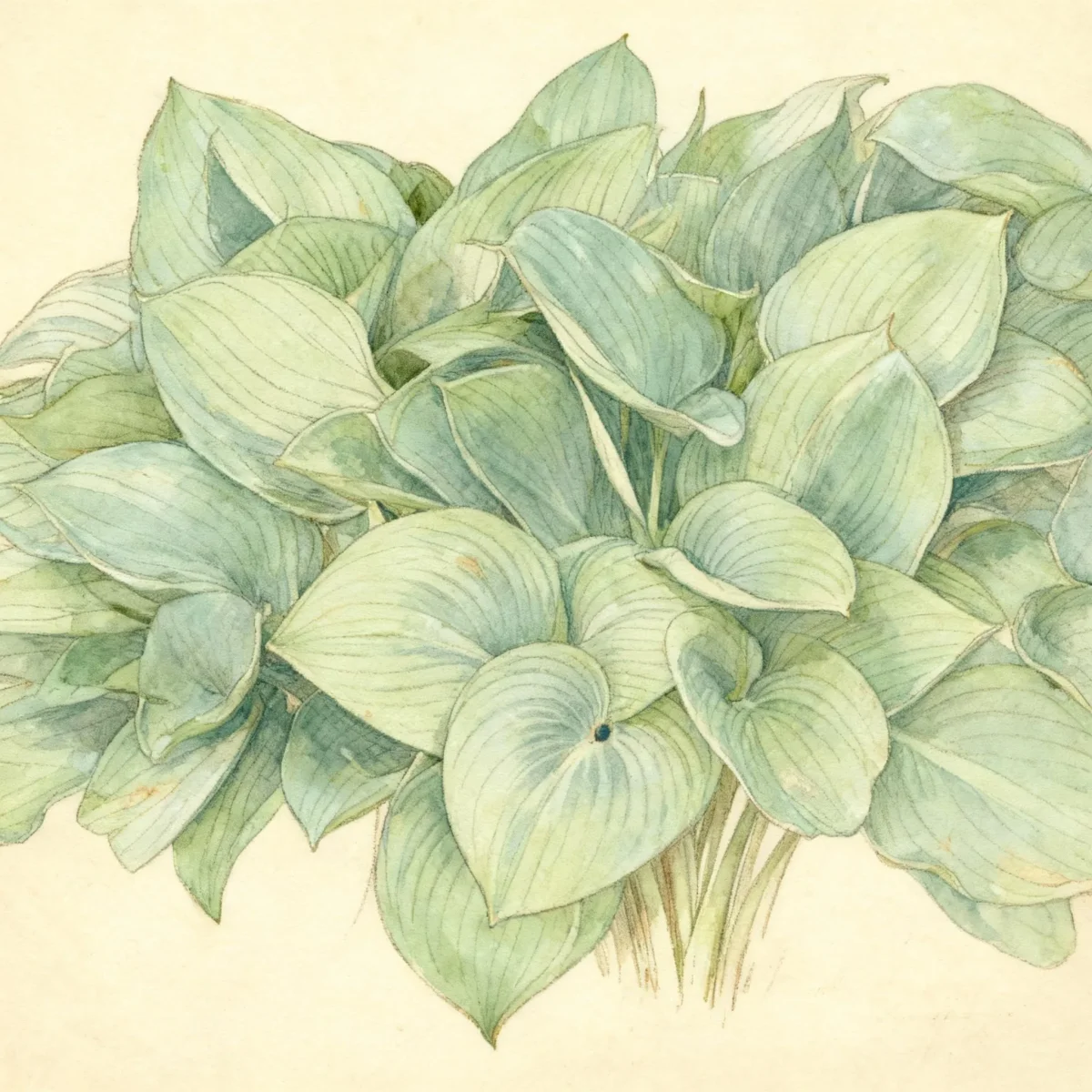
Hosta (Hosta sieboldii 'Kabitan')
Hosta sieboldii 'Kabitan' offers ruffled, variegated foliage with gold centers, perfect for low-maintenance shade gardens.
Scroll down to discover growing tips, care requirements, companion plants, and more
Complete Plant Information
Overview
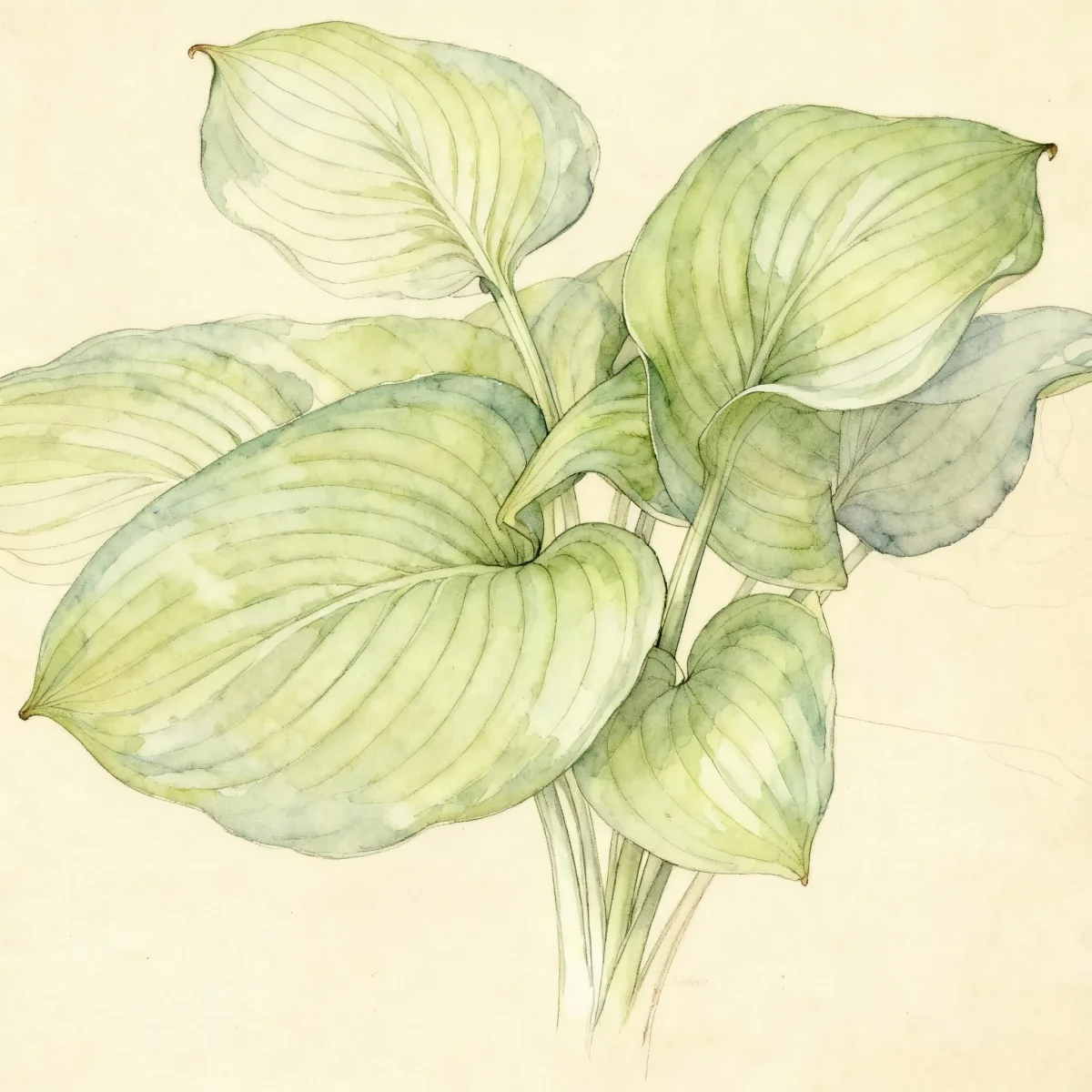
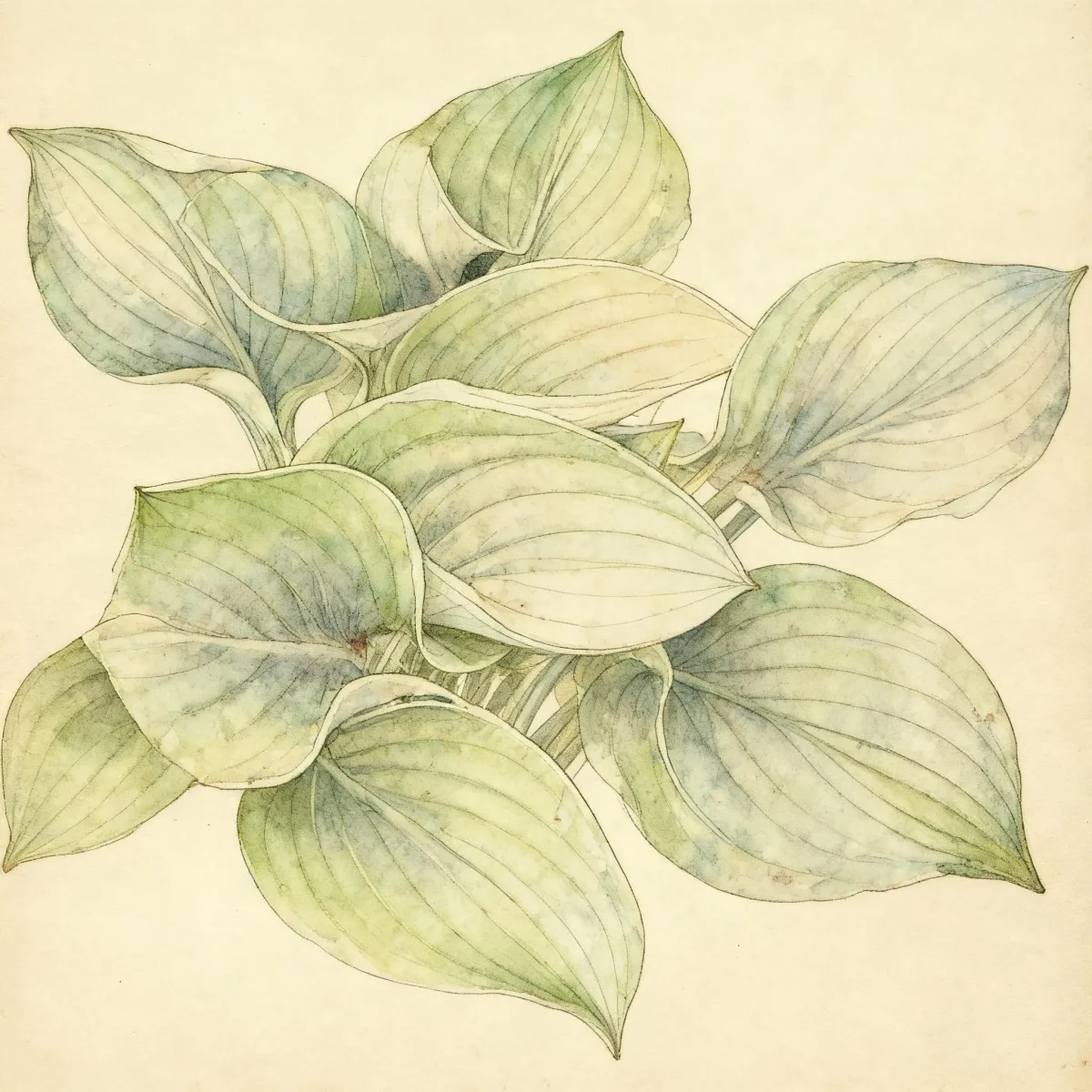
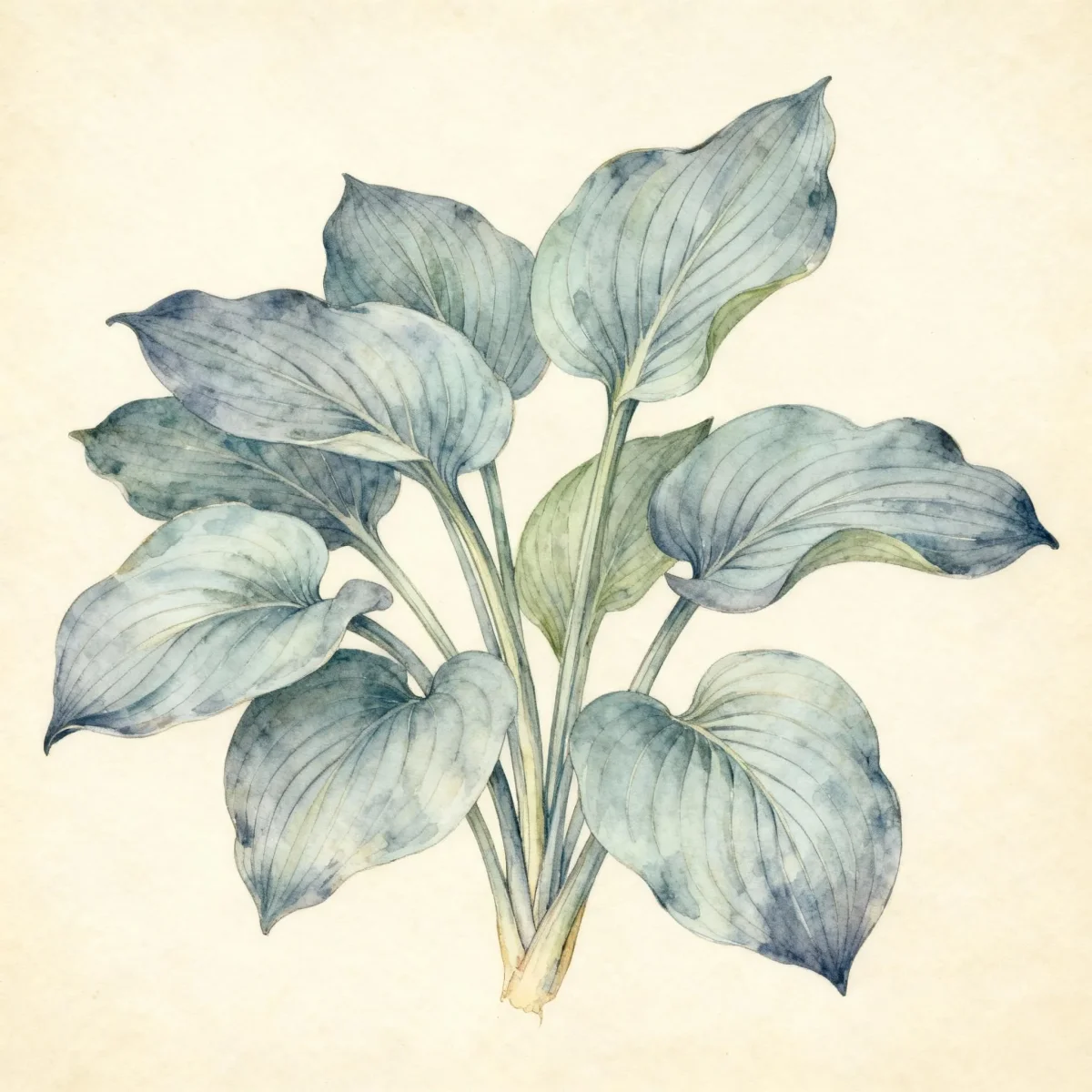
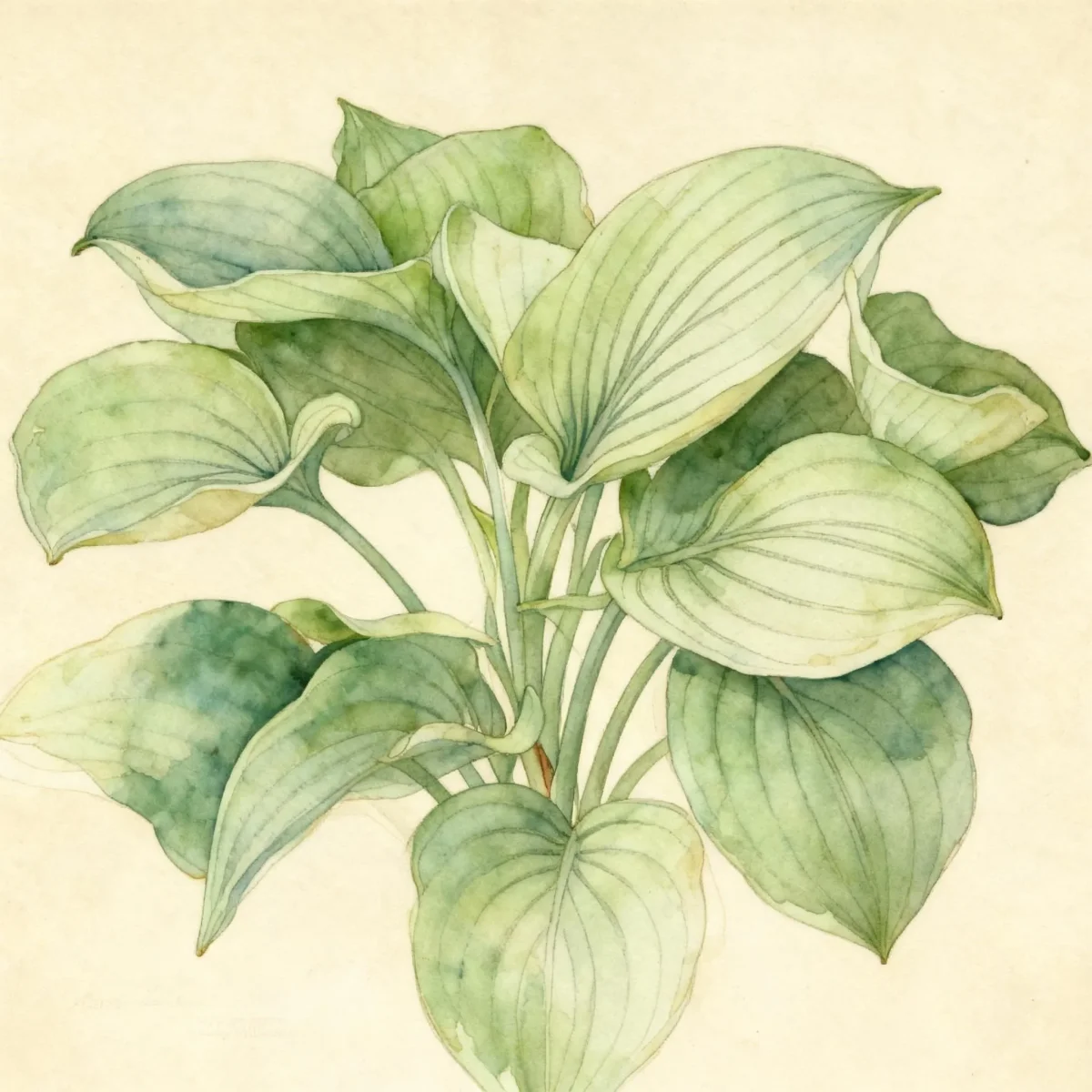
Hosta sieboldii ‘Kabitan’ is a highly valued herbaceous perennial celebrated for its striking foliage, providing essential color and texture contrast even in deep shade areas of the garden. This dependable Hosta variety forms a neat mound of ruffled, narrowly-shaped leaves, distinguished by bright gold centers bordered with deep green margins. It is an excellent choice for gardeners seeking vibrant, low-maintenance plants.
The appeal of this Hosta lies heavily in its adaptable nature and consistent performance. While it produces attractive racemes of dark lavender flowers in mid-summer, the main ornamental focus remains on its beautiful leaves, which help define shady borders and woodsy landscapes. Cultivating a successful Hosta sieboldii ‘Kabitan’ patch results in dense ground coverage that naturally suppresses weed growth.
As a standard, low-maintenance perennial, Hosta sieboldii ‘Kabitan’ fits seamlessly into diverse garden designs, from formal edgings to naturalized woodland settings. Its relatively compact size and tolerance for challenging conditions, such as heavy shade, make it an indispensable component when designing shade gardens where flowering specimens often struggle.
Fast Facts
- Plant Family: Asparagaceae
- Plant Type: Herbaceous perennial
- Hardiness Zones: USDA Zones 3-8
- Size at Maturity:
- Height: 0.75-1 ft
- Spread: 0.75-1 ft
- Bloom Time: July to August
- Bloom Description: Lavender
- Sun Exposure: Part shade to full shade
- Water Needs: Medium
- Maintenance Level: Low
How to Grow
Planting Hosta sieboldii ‘Kabitan’ should ideally occur in the spring or early fall when temperatures are moderate. Select a location providing average, well-drained soil that benefits from rich moisture content. While this Hosta tolerates part shade, it performs best where it receives light, dappled shade throughout the day, protecting the foliage from intense afternoon sun exposure.
Maintain consistent moisture, especially during hot, dry spells. Medium water needs require diligence; the soil should be kept consistently moist, but never waterlogged, as poor drainage can invite crown rot. Fertilization is often minimal for established plants, but amending the soil with compost annually ensures the rich, moist environment this Hosta prefers for optimal growth.
Maintenance for this dependable perennial is generally low. Besides keeping the soil hydrated, minimal pruning is required outside of removing spent flower scapes if desired. Be mindful of pests, particularly slugs and snails, which are the most common recurring issue.
Landscape Uses
Hostas are a mainstay of the shade garden. This medium hosta can be mixed with other perennials in the border or woodland garden, or used as an edging plant, or massed and divided to create a dense ground cover. The vibrant, gold-centered foliage of Hosta sieboldii ‘Kabitan’ makes it an excellent choice for providing high contrast against darker green shade lovers like ferns or deep purple Heuchera.
Consider massing several Hosta sieboldii ‘Kabitan’ plants together near walkways or under deciduous trees to create a unified swath of color and texture. They function perfectly as border accents where their size (up to 1 foot tall and wide) provides structure without overgrowing smaller plantings. Their dense foliage also serves a practical function by crowding out undesirable garden weeds.
This versatile perennial mixes well with plants that share similar light and moisture needs. Pair it with Astilbe, Brunnera, or Japanese Forest Grass to layer textures beautifully within a woodland or shaded border composition.
Standout Features
Flower Qualities
- Showy
- Good Cut
Noteworthy Characteristics
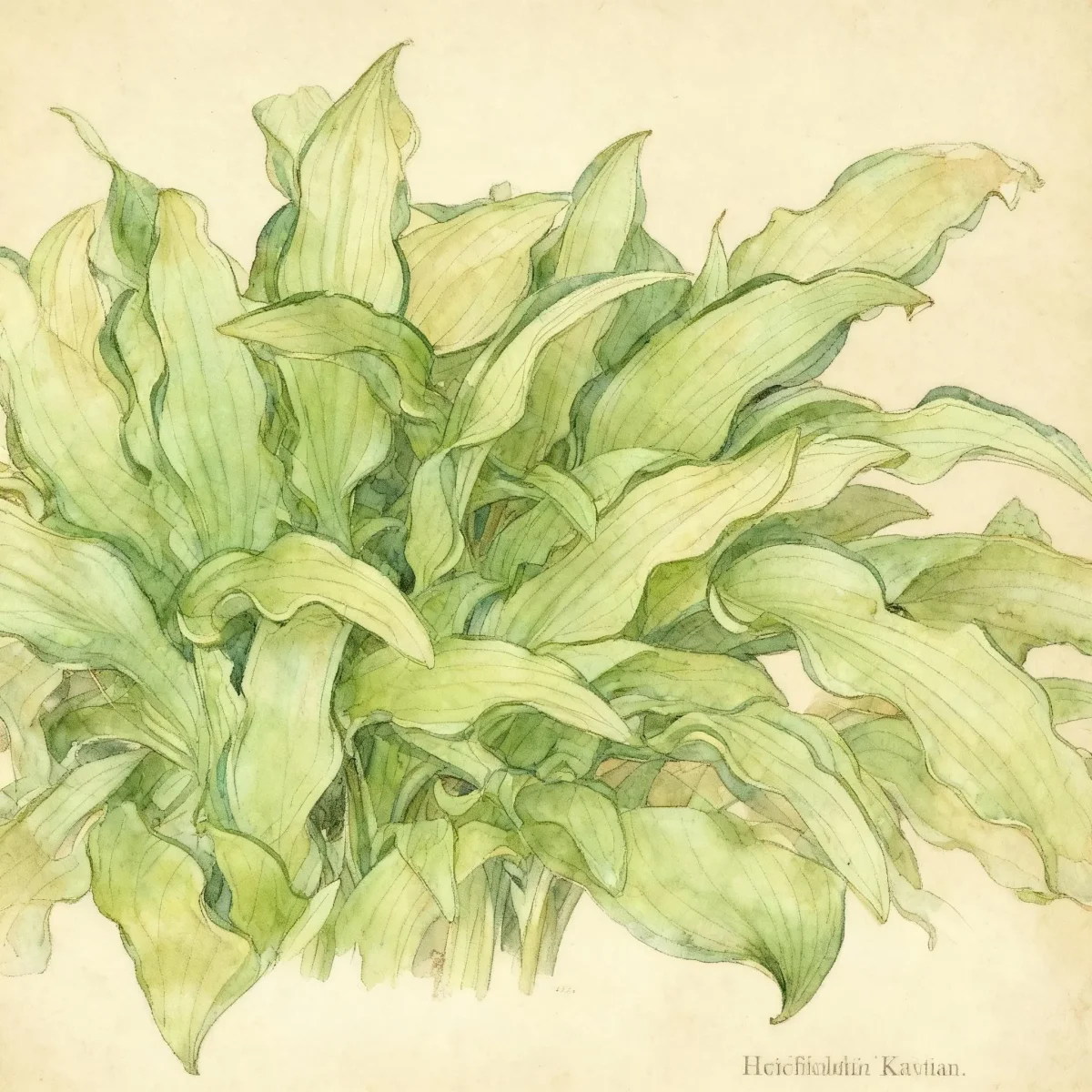
Hosta sieboldii ‘Kabitan’ features a mound of ruffled, narrow, variegated leaves with gold centers and green edges with racemes of dark lavender flowers on 20” scapes. A dependable and versatile perennial requiring little care. Grown primarily for its beautiful foliage which provides color, contrast and texture to the landscape. The genus name honors Austrian botanist Nicholas Thomas Host, and the specific epithet recognizes German doctor Philipp Franz van Siebold.
Tolerances
- Heavy Shade
- Black Walnut
Potential Problems
While Hostas are generally recognized as virtually disease and pest-free, slugs and snails pose the most significant threat to the appearance of Hosta sieboldii ‘Kabitan’. These mollusks chew characteristic holes in the foliage, which can ruin the aesthetic appeal quickly during damp spring weather. To manage them, employ slow-release iron phosphate baits, beer traps, or routine hand-picking in the early morning or evening.
Lesser problems include leaf spots and crown rot, usually exacerbated by overly wet conditions or planting in heavy, compacted clay soil. Prevention is key: ensure excellent site drainage and avoid overhead watering late in the day. Afternoon shade is imperative for maintaining the best foliage color and reducing stress on the plant.
Frequently Asked Questions
What hardiness zones is Hosta suitable for?
Hosta sieboldii ‘Kabitan’ is reliably hardy across USDA Zones 3 through 8.
How large does Hosta sieboldii ‘Kabitan’ grow?
This Hosta typically reaches a mature height between 0.75 and 1 foot, maintaining a similar spread of 0.75 to 1 foot.
What sun exposure does Hosta need?
This variety thrives best in part shade to full shade conditions, preferring light, dappled shade over direct, hot sun exposure.
When does Hosta sieboldii ‘Kabitan’ bloom?
The lavender blooms appear on scapes between July and August.
Conclusion
Hosta sieboldii ‘Kabitan’ remains a cornerstone for shaded garden design due to its vibrant, low-maintenance foliage and dependable performance. This excellent Hosta variety brings necessary contrast and texture where light is scarce. Before planting, confirm that your intended location provides the medium moisture and protection from afternoon sun that Hosta requires for peak health.
Companion Planting
Companion planting near Hosta sieboldii ‘Kabitan’ should focus on species that share a preference for moist, well-drained soil and partial to deep shade. Ferns (such as Japanese Painted Ferns or Autumn Ferns) create an excellent textural contrast beneath the broader leaves of the Hosta, enhancing the woodland feel. For blooms in the shade, consider pairing with Hellebores (Lenten Rose), which emerge earlier in the spring, or woodland primroses.
These companions also share the Hosta’s cultural needs, meaning watering and soil amendments benefit all plants equally. Avoid aggressive shallow-rooted perennials near your Hosta clump, as competition for moisture and nutrients can stress the rhizomes of Hosta sieboldii ‘Kabitan’.
Container Growing
While excellent in the ground, Hosta sieboldii ‘Kabitan’ adapts beautifully to container gardening, offering portable color for shady patios or porches. Use a high-quality potting mix amended with compost to ensure good structure and moisture retention; standard garden soil compacts too easily in pots. Because containers dry out faster than the ground, diligent monitoring of the medium moisture level is crucial, especially during summer heat.
Ensure any container selected has ample drainage holes, as sitting water is disastrous for Hosta roots and can quickly lead to crown rot. In colder zones (3 or 4), potted Hosta should be moved to an unheated garage or buried in the garden for winter insulation, as the roots are more exposed to freezing temperatures than those planted directly in the ground.