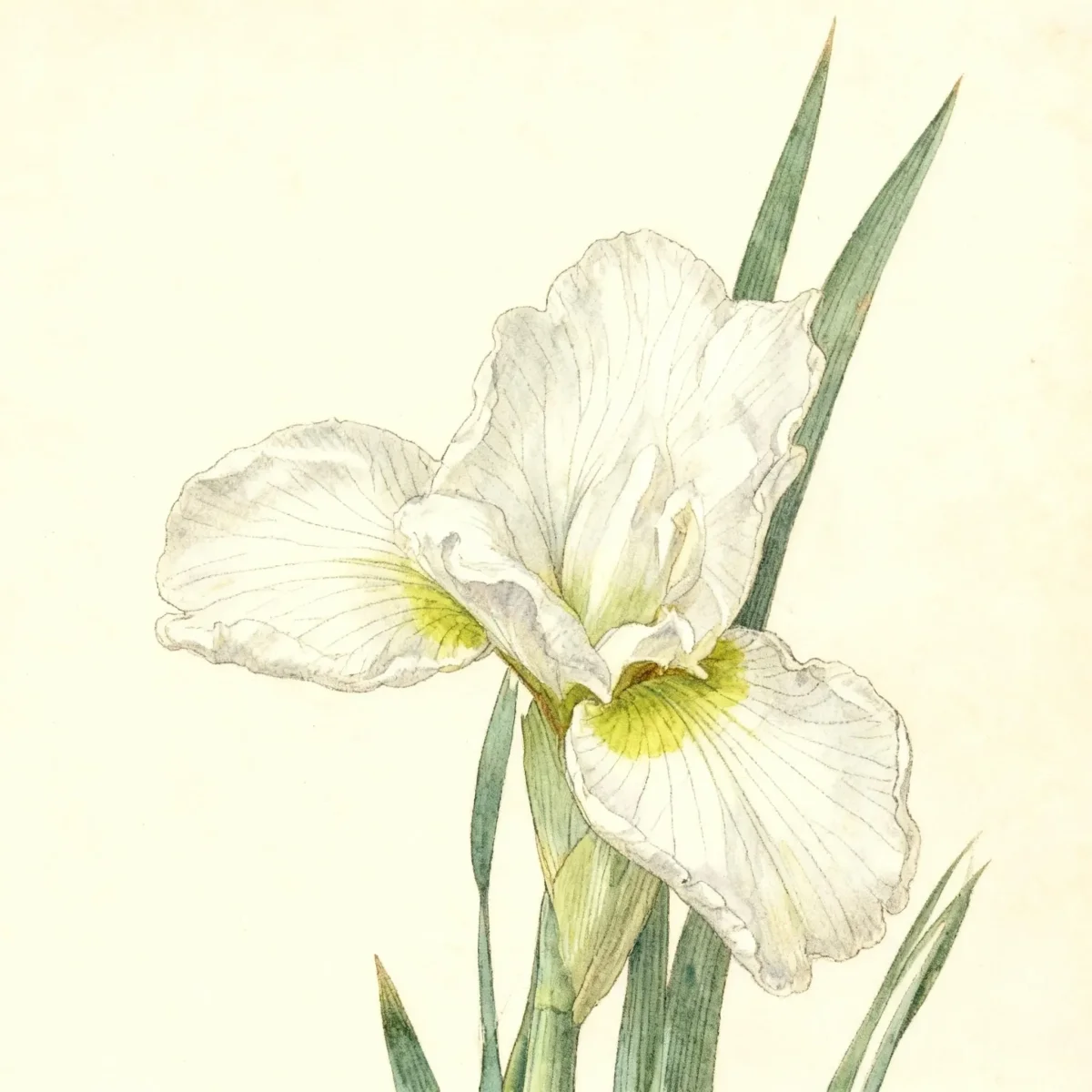
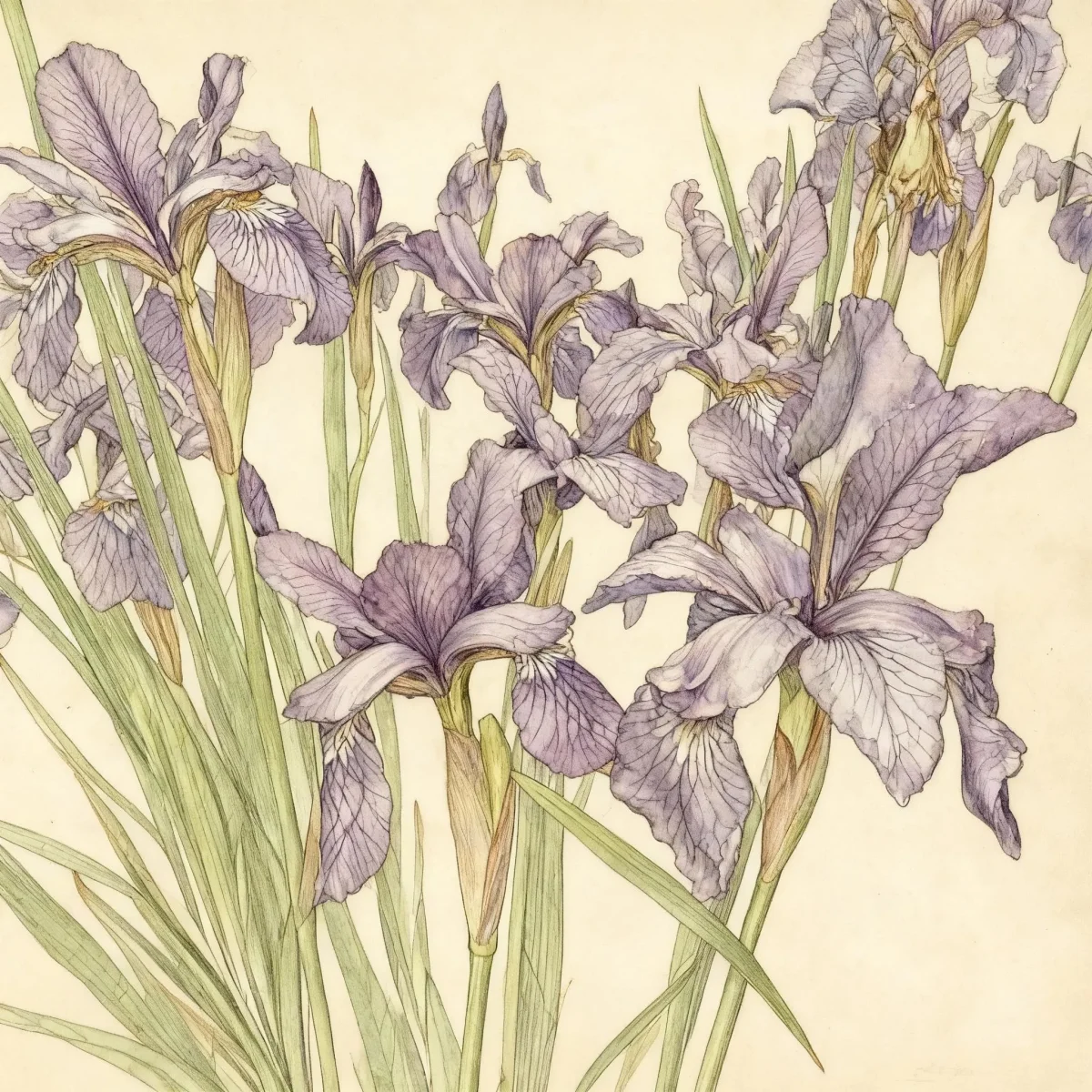
Siberian iris (Iris 'Caesar's Brother')
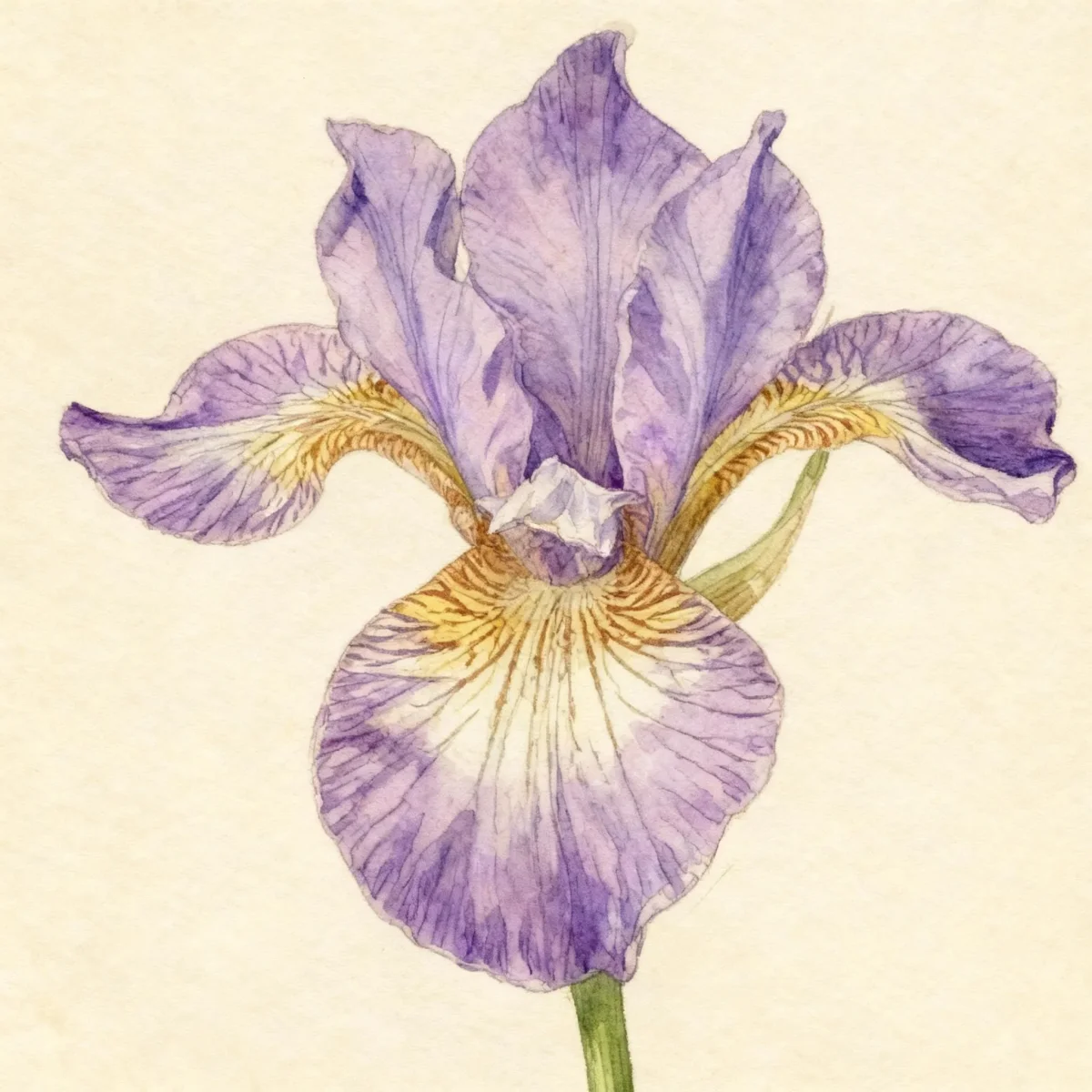
Iris 'Caesar's Brother' is a stunning Siberian iris producing deep purple flowers. Low maintenance, excellent for wet areas and borders.
Scroll down to discover growing tips, care requirements, companion plants, and more
Complete Plant Information
Overview
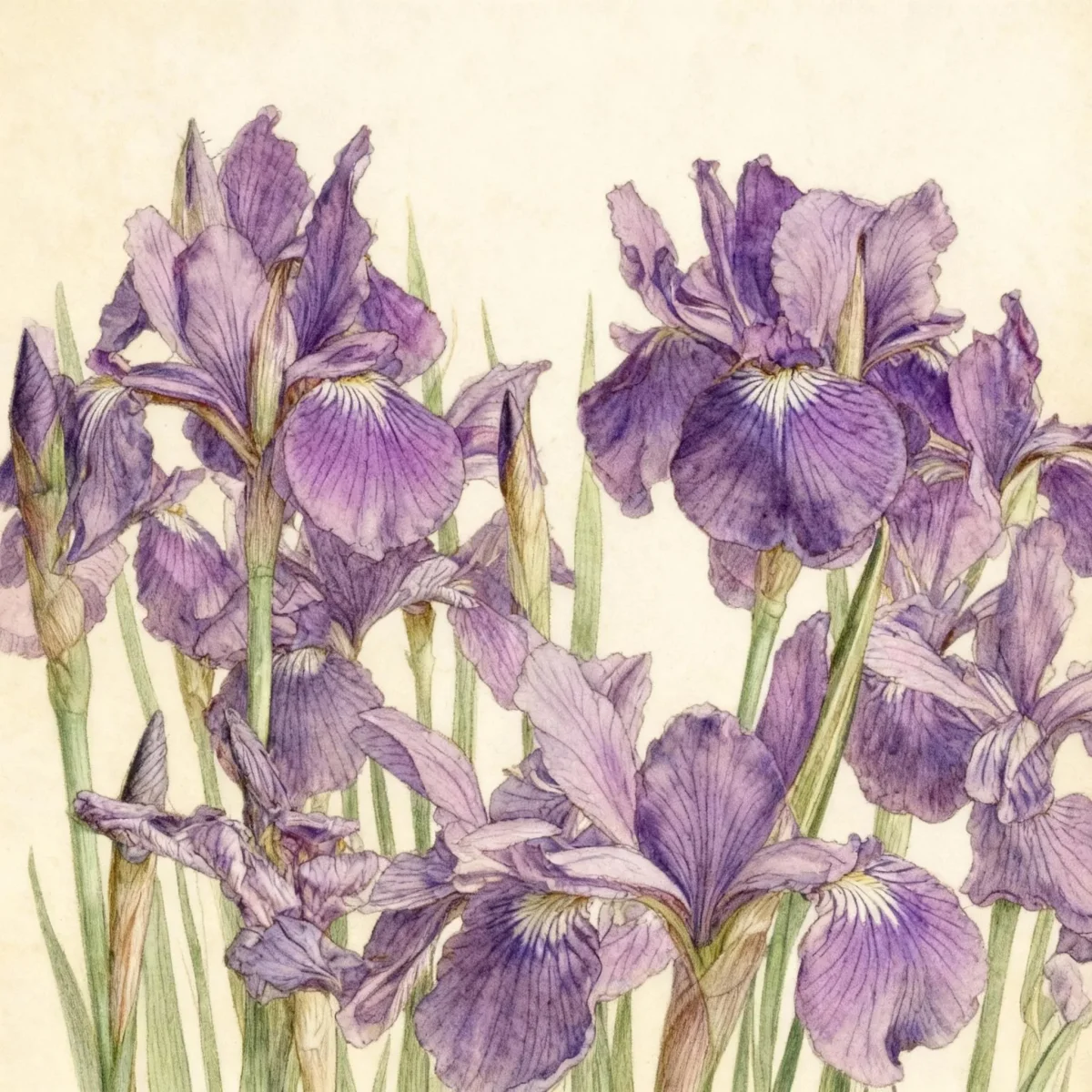
Iris ‘Caesar’s Brother’ is a highly valued herbaceous perennial, celebrated for its dramatic, deep purple blooms that emerge in late spring. As a superior example of the Siberian iris group, it offers reliable performance and striking color without the fuss often associated with other iris types. Gardeners favor this cultivar for its graceful, arching foliage that remains attractive long after the flowers fade, providing excellent structural texture.
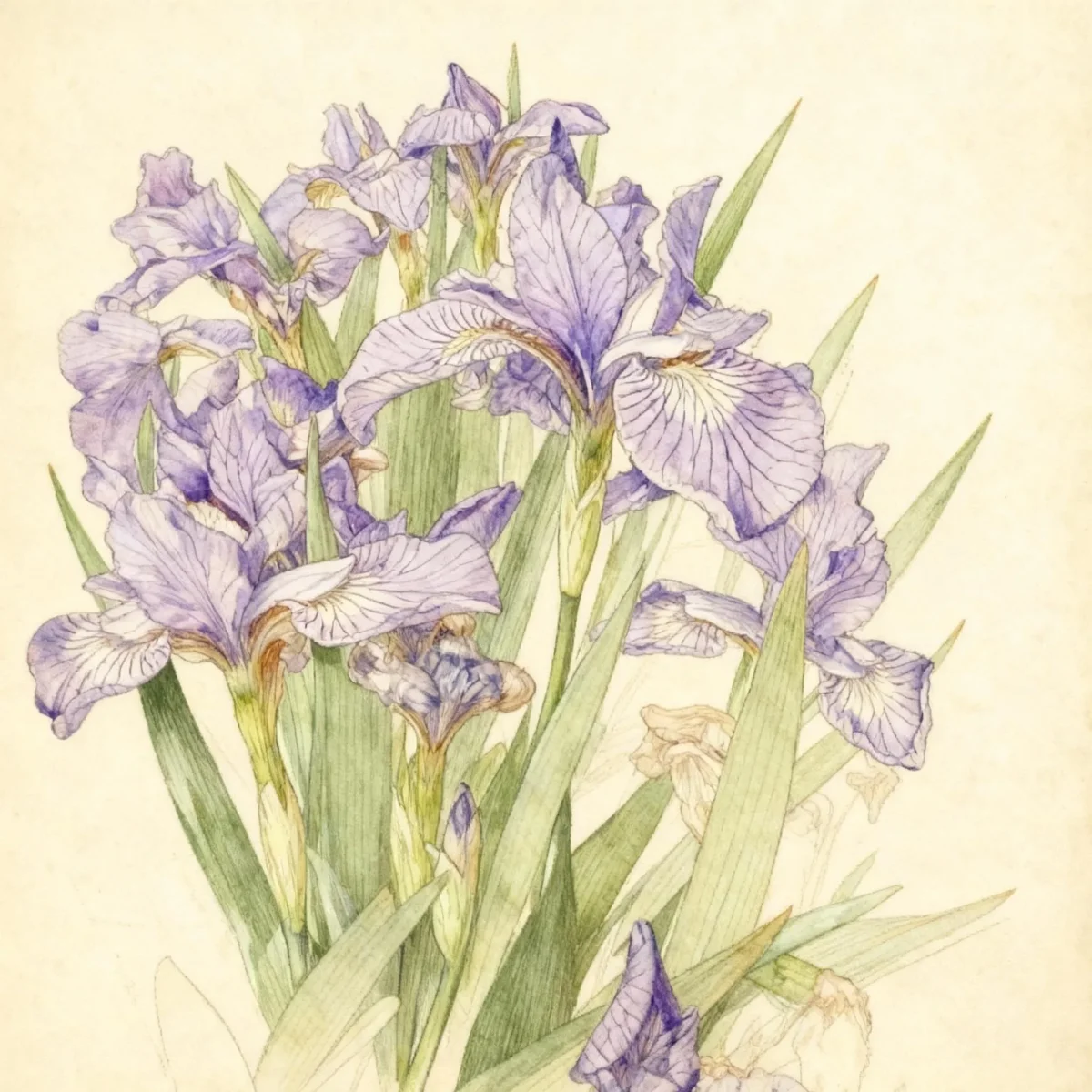
This Siberian iris hybrid thrives in consistently moist conditions, making it an invaluable addition to rain gardens or waterside plantings. Unlike many perennials, Iris ‘Caesar’s Brother’ boasts low maintenance requirements once established, demanding little attention beyond basic seasonal clean-up. Its strong, grass-like foliage clump creates excellent visual mass in mixed borders.
The cultivar Iris ‘Caesar’s Brother’ is derived from robust Asian species, lending it superior hardiness and pest resistance compared to some bearded varieties. Its beardless flowers sit atop rigid stems, ensuring an elegant display even in breezy conditions, cementing its status as a cornerstone perennial for both wet and average garden spots.
Fast Facts
- Plant Family: Iridaceae
- Plant Type: Herbaceous perennial
- Hardiness Zones: USDA Zones 3-8
- Size at Maturity:
- Height: 3-4 ft
- Spread: 2.5-3 ft
- Bloom Time: May
- Bloom Description: Deep purple
- Sun Exposure: Full sun to part shade
- Water Needs: Medium to wet
- Maintenance Level: Low
How to Grow
For optimal performance, plant Iris ‘Caesar’s Brother’ in fertile, humus-rich, and neutral to slightly acidic soil. Position them where they receive full sun to part shade; excessive shade often leads to flopping foliage and fewer blooms. Rhizomes should be set 1 to 2 inches below the surface, spaced 1 to 2 feet apart to allow for good air circulation. Plant in spring or late summer in cold regions, or in the fall if you reside in mild winter climates.
Consistent moisture is key for this Siberian iris. Ensure the soil remains consistently moist from the beginning of spring growth until several weeks after the flowers are spent. While Iris ‘Caesar’s Brother’ tolerates periods of drought once established, continued watering post-bloom keeps the foliage clumps looking their best. This adaptability means it performs well even in clay soil or boggy areas.
Maintenance is generally minimal. Remove spent flower stems promptly after flowering unless the developing seed pods are desired for visual effect. Divide clumps only when overcrowding is evident and flowering output has decreased, usually every few years. Avoid letting the soil become either too dry or waterlogged for long periods.
Landscape Uses
The stunning deep purple display of Iris ‘Caesar’s Brother’ makes it incredibly versatile in landscape design. It is highly recommended as a moisture-loving anchor within Rain Gardens, where fluctuating water levels are common. Due to its linear, upright foliage, it mixes exceptionally well with other perennials in mixed borders, offering vertical contrast against rounded or mounding plants.
Consider planting massed groups of this Siberian iris along woodland paths or stream margins, where its moisture tolerance is fully utilized. The sturdy stems and arching leaves also lend themselves well to stabilizing slopes or hillsides that receive adequate moisture. While highly valued in the garden, Iris ‘Caesar’s Brother’ also functions as an excellent, though short-lived, cut flower addition to spring arrangements.
Standout Features
Flower Qualities
- Showy
Noteworthy Characteristics
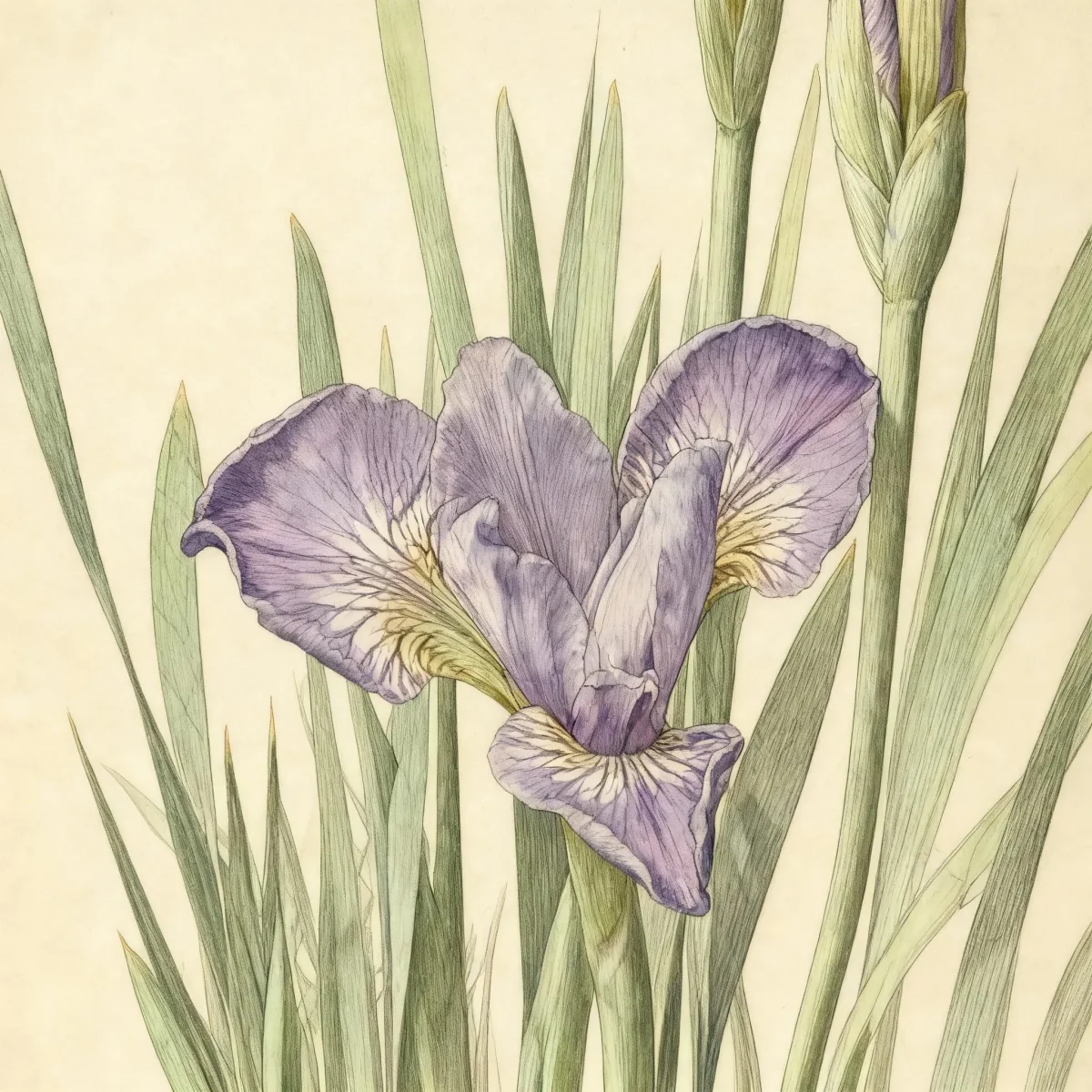
Plants in the Siberian iris group are chiefly of hybrid origin, primarily being derived from two blue-flowered Asian species. Arching, narrow, grass-like, linear, blue-green leaves form a vase-shaped foliage clump. Iris ‘Caesar’s Brother’ produces its signature deep purple flowers in late spring on rigid stems that rise above the foliage clump. This Morgan Award winner is noted for its smaller, beardless flowers compared to its bearded cousins.
Tolerances
- Rabbit
- Deer
- Drought
- Erosion
- Clay Soil
- Wet Soil
Potential Problems
Siberian irises like Iris ‘Caesar’s Brother’ are celebrated for their robust nature and general freedom from pests and diseases. They are notably resistant to the two main issues that plague bearded irises: iris borer and bacterial soft rot. Proper cultural attention, especially avoiding overly wet, stagnant soil, ensures the plant remains virtually problem-free throughout its lifecycle in the garden.
Frequently Asked Questions
What hardiness zones is Siberian iris suitable for?
Iris ‘Caesar’s Brother’ is hardy across a wide range, suitable for USDA Zones 3 through 8.
How large does Iris ‘Caesar’s Brother’ grow?
This variety typically reaches a mature height between 3 and 4 feet tall, with a spread spanning 2.5 to 3 feet wide.
When does Iris ‘Caesar’s Brother’ bloom?
You can expect the deep purple blooms of Iris ‘Caesar’s Brother’ to appear in the month of May.
What sun exposure does Siberian iris need?
This plant performs best when situated in an area that receives full sun to partial shade throughout the day.
Conclusion
The elegance and durability of Iris ‘Caesar’s Brother’ make it an indispensable choice for gardeners seeking vibrant, low-effort color, particularly in moist locations. Its rich deep purple flowers and attractive linear foliage ensure year-round garden interest. Plan your planting now, ensuring a location that matches its medium to wet water needs, to enjoy the spectacular results of this classic Siberian iris.
Companion Planting
Given the moisture requirements and height of Iris ‘Caesar’s Brother’, thoughtful companion planting enhances the overall aesthetic. Pair it with late-blooming perennials that tolerate similar wet feet, such as {Caltha palustris} (Marsh Marigold) for early color, or {Filipendula rubra} (Queen of the Prairie) for contrasting pink plumes later in the season. For foliage contrast near the pond margin, look towards {Hosta} varieties with yellow variegation, which handle dappled sunlight well, or moisture-loving ornamental grasses.
Seasonal Care Calendar
Spring preparation involves removing any lingering winter debris and beginning consistent watering as new shoots emerge. Focus on gentle fertilization if your soil is poor, though heavy feeding is discouraged. Mid-spring is the prime time for pest checks before the flower buds swell. After the May bloom, continue watering until mid-summer to support foliage health. In autumn, trim back dead or damaged leaves, but many gardeners leave the foliage of the Siberian iris standing through winter for visual appeal and to protect the crown before cutting back completely in early spring.