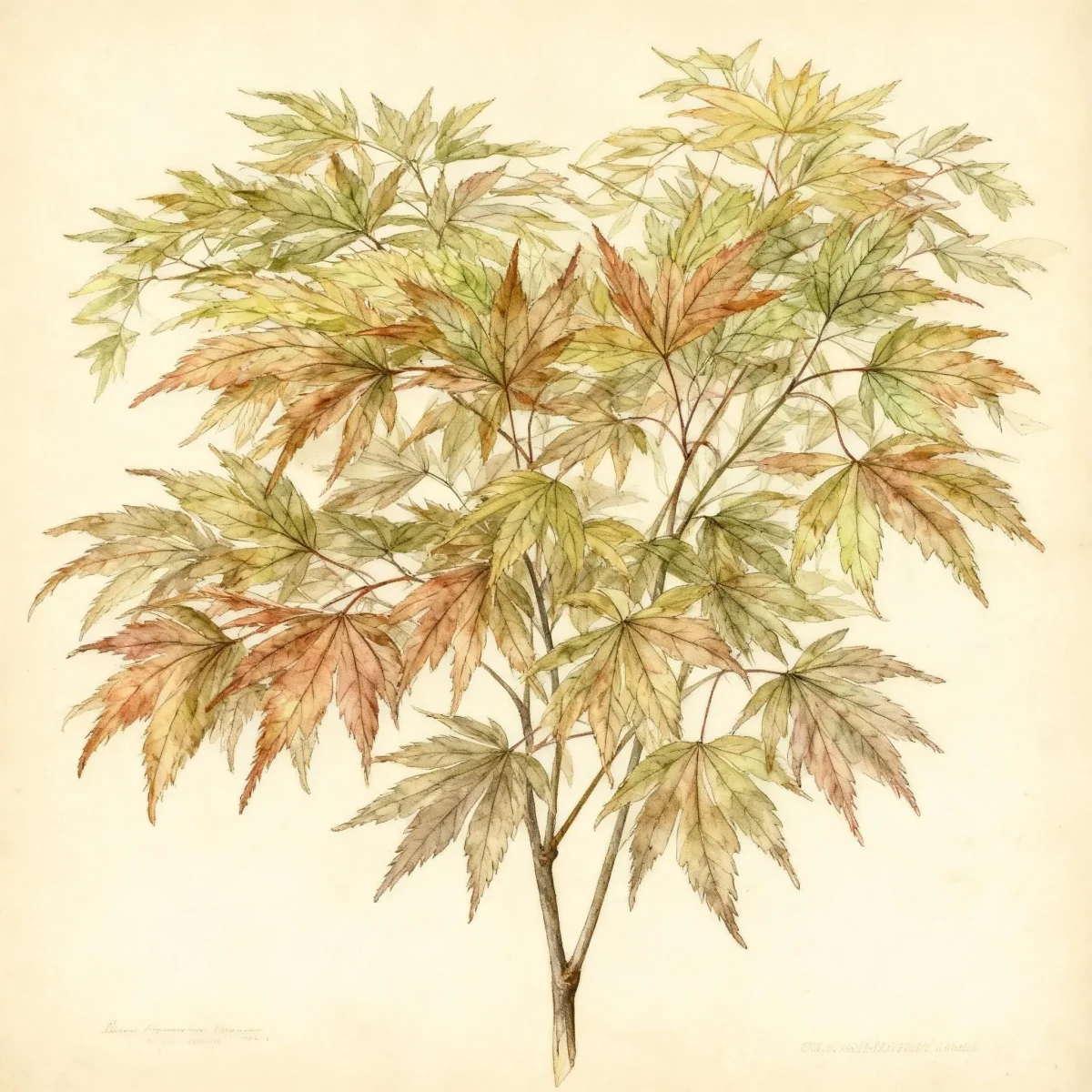
Hedge maple (Acer campestre 'Evelyn' QUEEN ELIZABETH)
Acer campestre 'Evelyn' QUEEN ELIZABETH is a vigorous Hedge maple ideal for formal hedges, offering low maintenance and excellent urban tolerance.
Scroll down to discover growing tips, care requirements, companion plants, and more
Complete Plant Information
Overview
The Acer campestre ‘Evelyn’ QUEEN ELIZABETH, commonly known as Hedge maple, is a superior cultivar prized for its vigorous growth habit and dense structure, making it a standout choice for formal landscape applications. This cultivar is distinguished from the species by its strongly upright branching pattern, larger leaves, and noticeable growth spurt in its initial years. Gardeners favor this cultivar for its reliability and ability to withstand challenging urban environments.
This deciduous tree or large shrub is adaptable across USDA Zones 6 to 8, maturing into a compact specimen reaching 25 to 35 feet tall and wide. Its hardiness and tolerance for various soils, including heavy clay, simplify its placement in many landscapes. Use the Acer campestre ‘Evelyn’ QUEEN ELIZABETH when you require reliable screening or structured shade without excessive care demands.
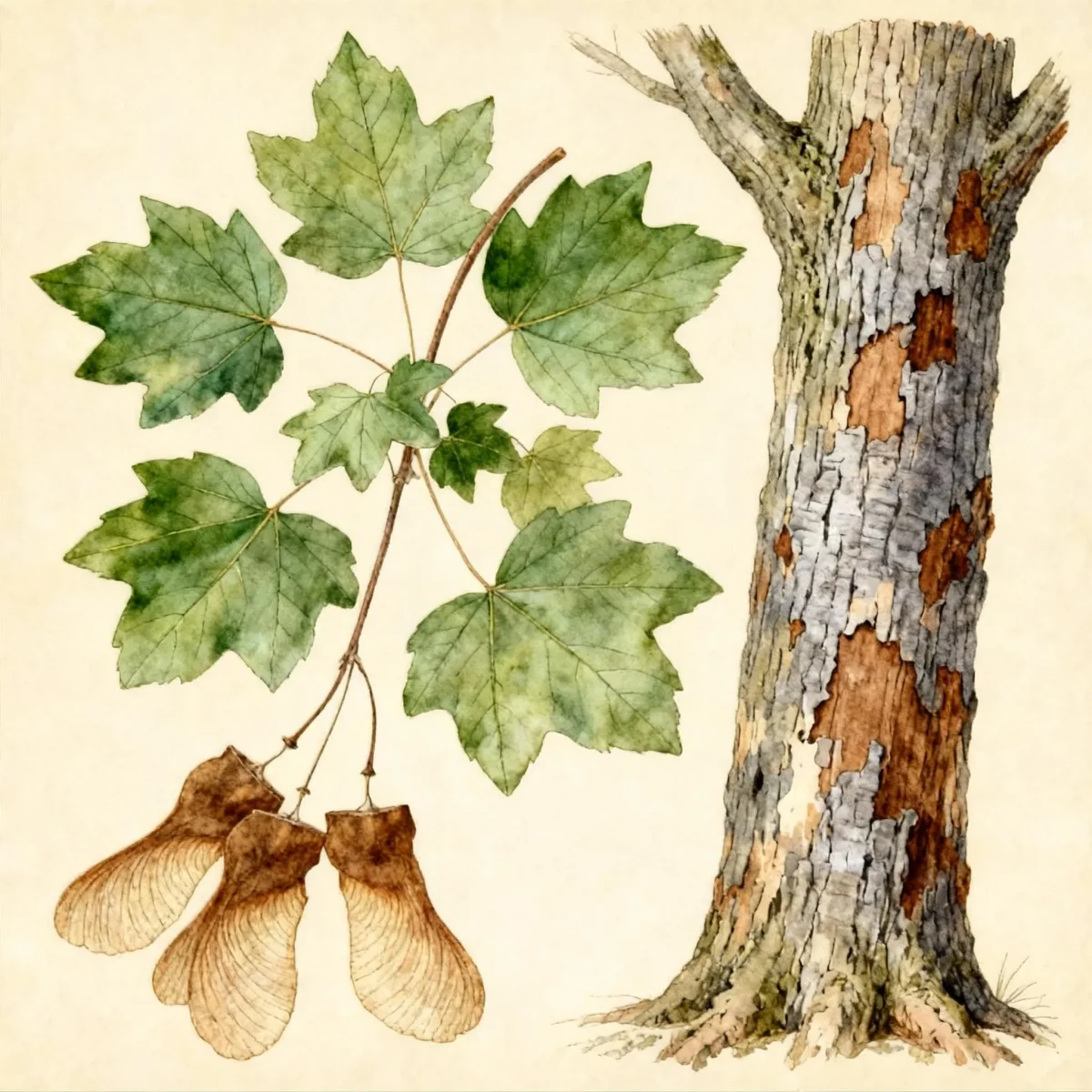
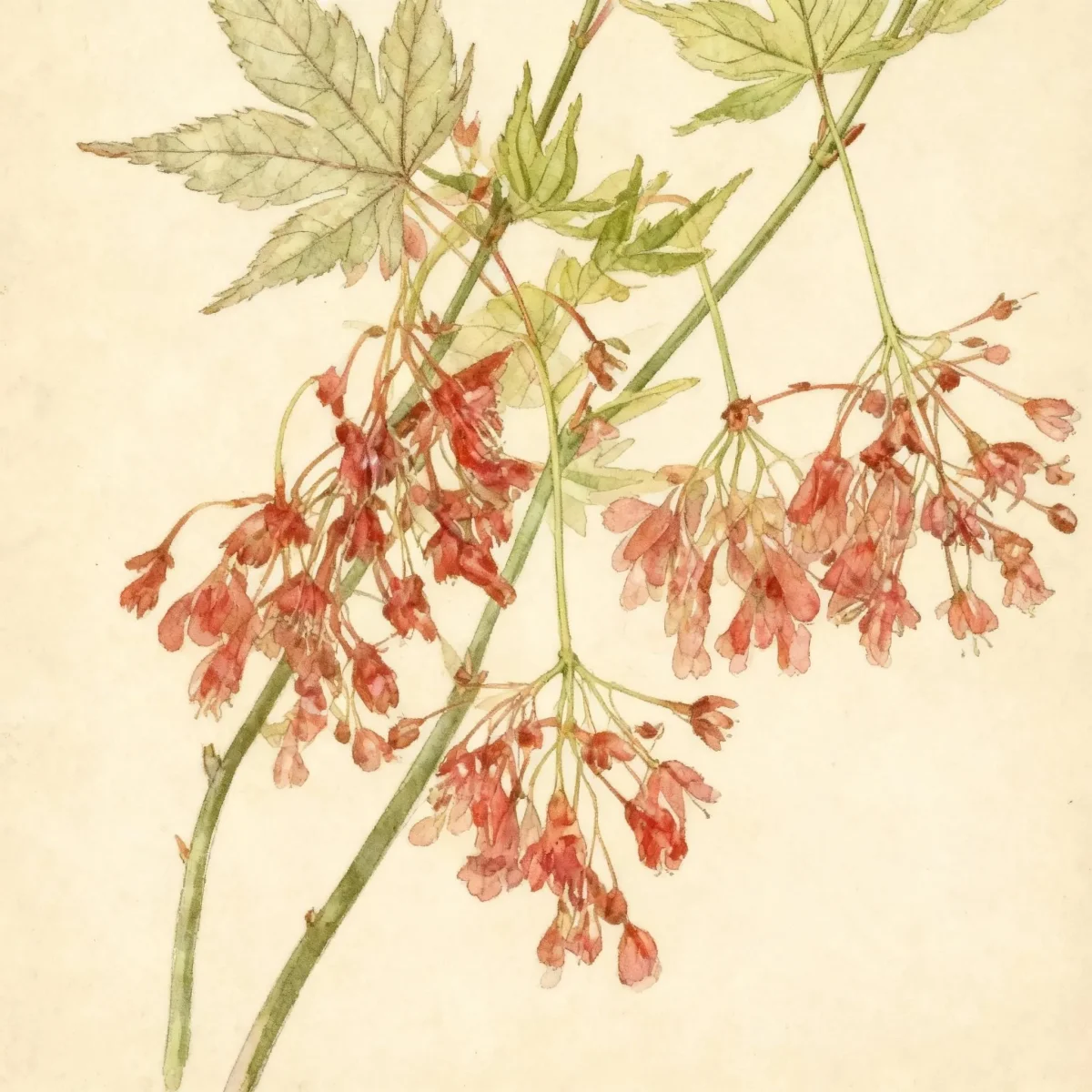
Hedge maple provides dependable seasonal interest, starting with inconspicuous yellowish-green blooms in mid-spring, followed by winged fruits (samaras). In autumn, the dark green foliage transitions to variable shades of yellow before leaf drop. Its low maintenance nature ensures that the Acer campestre ‘Evelyn’ QUEEN ELIZABETH remains an attractive, functional element in the garden year after year.
عمليات سريعة
- Plant Family: Sapindaceae
- Plant Type: Tree
- Hardiness Zones: USDA Zones 6-8
- Size at Maturity:
- Height: 25-35 ft
- Spread: 25-35 ft
- Bloom Time: April to May
- Bloom Description: Yellowish-green
- Sun Exposure: Full sun to part shade
- Water Needs: Medium
- Maintenance Level: Low
How to Grow
Planting the Hedge maple is best done in spring or fall, ensuring it has time to establish roots before the stress of summer heat or deep winter freezes. It thrives in average, well-drained soils but exhibits remarkable flexibility, easily adapting to heavy clay compositions. While it performs well in partial shade, maximizing vigor and density for hedging purposes requires placement in full sun.
Once established, this tree requires only medium watering, proving somewhat drought-tolerant once established, which is beneficial for low-input landscapes. Due to its low maintenance level, extensive fertilization usually isn’t necessary unless the soil is extremely poor. Pruning is essential if you intend to form a formal hedge; regular shearing encourages the dense, multi-stemmed structure for which the Hedge maple is valued.
Culturally, the Acer campestre ‘Evelyn’ QUEEN ELIZABETH excels in less-than-ideal conditions. It is largely tolerant of urban stressors, including poor air quality. When preparing the site, remember that while it adapts to various soils, ensuring decent drainage will support its overall health and longevity.
Landscape Uses
The upright, dense habit of Acer campestre ‘Evelyn’ QUEEN ELIZABETH makes it exceptionally versatile in landscape design. As its common name implies, it is highly recommended for use as a high hedge, capable of being closely sheared to maintain sharp, uniform lines or allowed to grow naturally for a dense screen. Its uniform branching structure aids in creating uniform hedges quickly.
Beyond formal boundaries, this attractive tree serves well as a standalone specimen on lawns where medium-sized shade is desired. It is also recognized for its utility as a street tree, thanks to its excellent tolerance for air pollution and compacted soils often found in urban plantings. Consider pairing its early spring color with later-blooming shrubs for extended visual interest throughout the season.
Standout Features
Noteworthy Characteristics
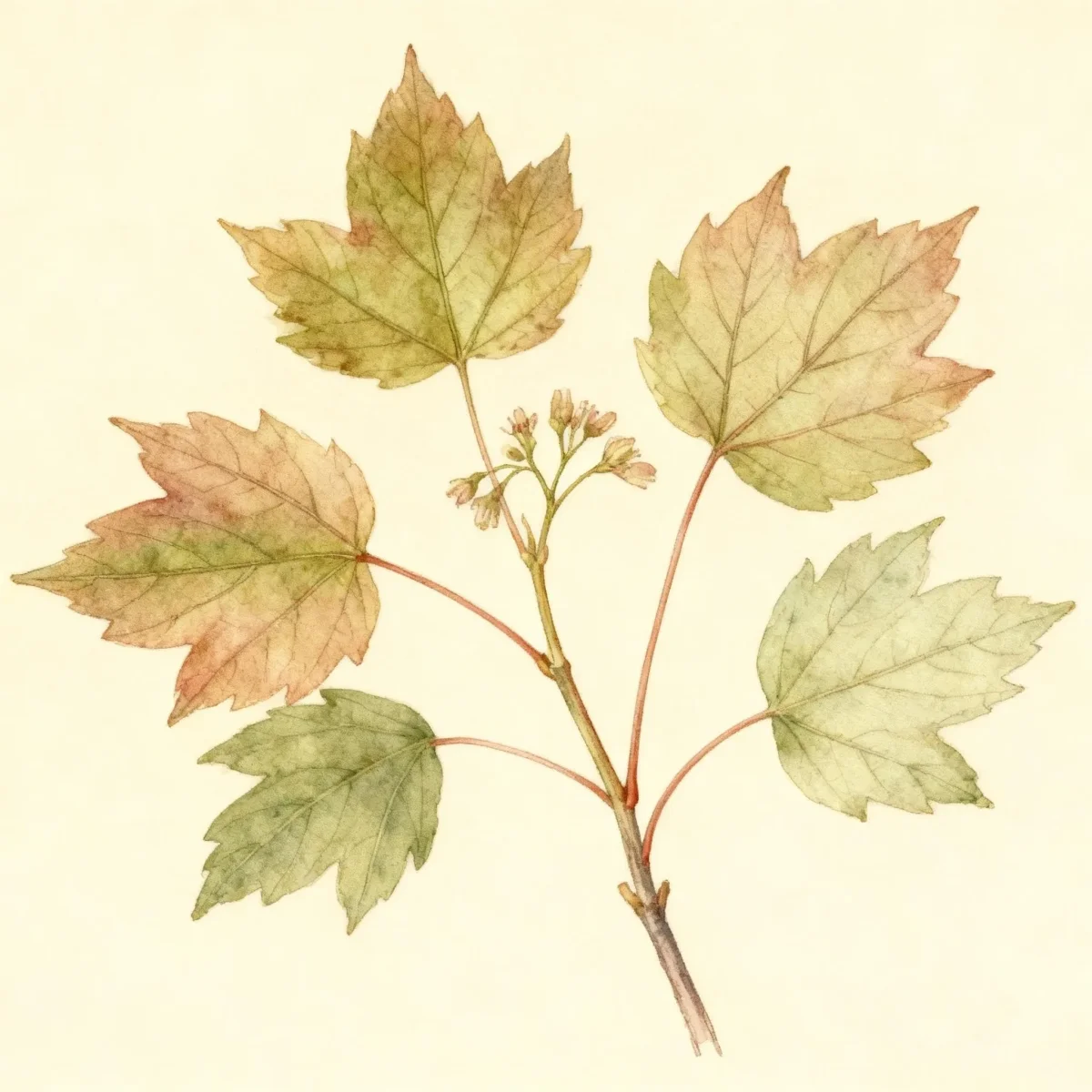
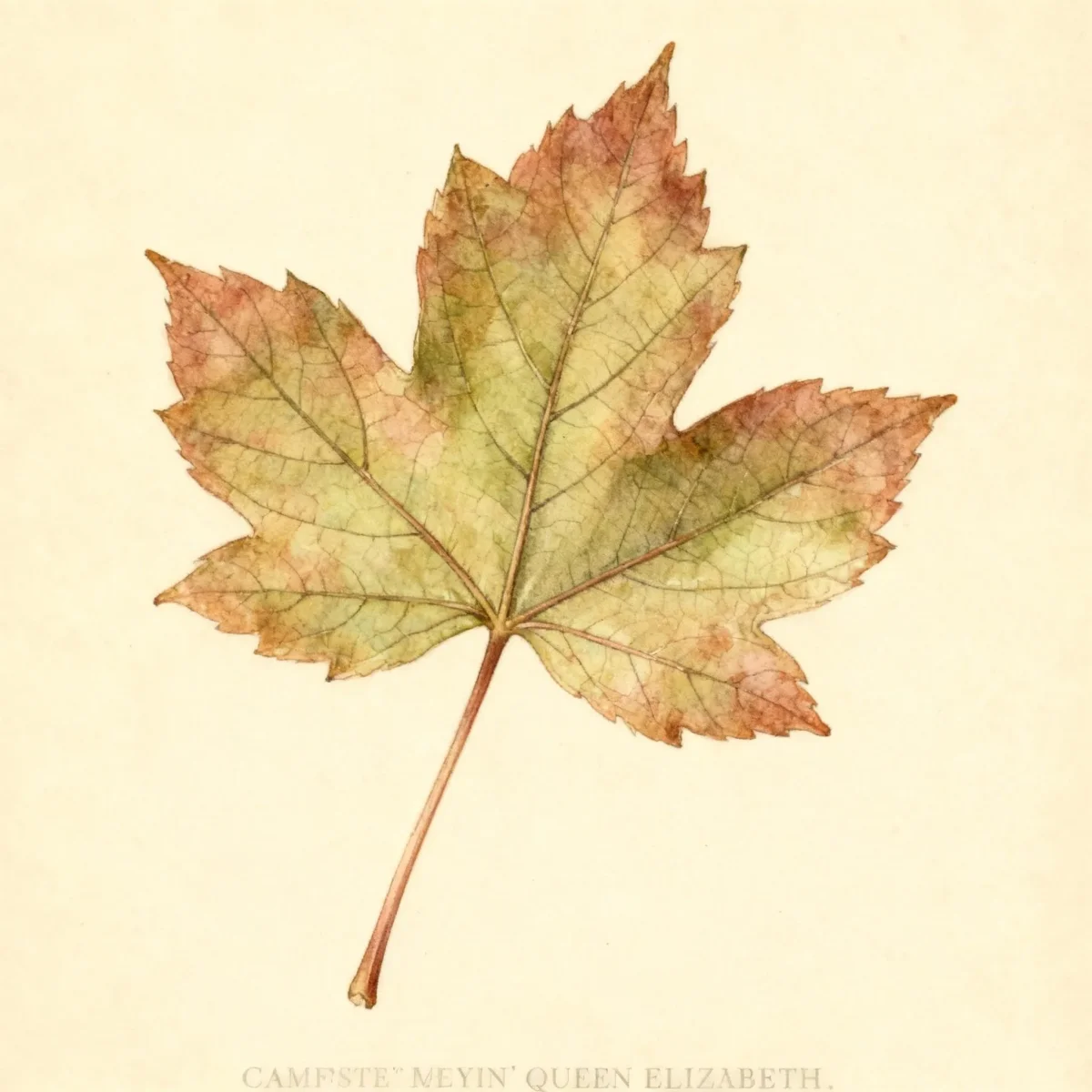
The Acer campestre ‘Evelyn’ QUEEN ELIZABETH is a vigorous form of the common hedge maple, visually set apart by its distinct, uniform, upright branching angle of about 45 degrees from the trunk. This cultivar boasts larger leaves than the species, which are typically 3-5 lobed and turn attractive yellow shades in the fall. The tree matures to 25-35 feet and is renowned for maintaining a dense, rounded shape, often included in UK hedgerows for its proven performance.
Tolerances
- Clay Soil
- Air Pollution
Potential Problems
While generally hardy and low-maintenance, Hedge maple can occasionally face fungal issues such as leaf spots and tar spot, particularly in overly humid or poorly ventilated conditions. Occasionally observe for signs of Verticillium wilt, canker, and root rots, ensuring adequate drainage mitigates risk. Common insect pests demanding attention might include aphids, scale insects, borers, and caterpillars; mite infestations can also occur during hot, dry spells.
Frequently Asked Questions
What hardiness zones is Hedge maple suitable for?
The Acer campestre ‘Evelyn’ QUEEN ELIZABETH is suitable for USDA Hardiness Zones 6 through 8.
How large does Acer campestre ‘Evelyn’ QUEEN ELIZABETH grow?
This plant typically reaches a mature height between 25 and 35 feet, with a corresponding spread of 25 to 35 feet.
What sun exposure does Hedge maple need?
It prefers full sun but tolerates partial shade conditions. Full sun promotes the best density and growth habit.
When does Acer campestre ‘Evelyn’ QUEEN ELIZABETH bloom?
Flowering for this Hedge maple occurs from April through May, producing small, yellowish-green flowers.
Conclusion
The Acer campestre ‘Evelyn’ QUEEN ELIZABETH offers gardeners a robust, low-maintenance tree admired for its upright structure and tolerance for difficult urban settings. Its dual suitability as a formal hedge or an attractive shade tree ensures high functional value. Before planting, confirm that your growing area falls within USDA Zones 6-8 and select a site with adequate sun exposure for optimal performance.
Companion Planting
When utilizing the Hedge maple as a backdrop or street tree, consider underplanting with shade-tolerant perennials that appreciate similar medium moisture levels. Hostas or Japanese Forest Grass (Hakonechloa macra) offer contrasting texture beneath its canopy without competing heavily for sunlight unless the maple is kept heavily pruned or young. For bordering applications, low-growing, fine-textured shrubs that require similar pruning resistance work well as an informal foreground element.
Seasonal Care Calendar
Spring care focuses on early structural pruning, especially if shaping the Hedge maple into a hedge form; this is the best time to remove any winter-damaged wood before vigorous new growth begins. In summer, monitor water needs, especially during extreme heat waves, to ensure the medium water requirement is met. Fall cleanup involves raking the distinctive yellow leaves, which are less messy than those of some other maple species. Minimal intervention is required during winter, as this deciduous tree requires no special winter protection outside of its hardiness range.