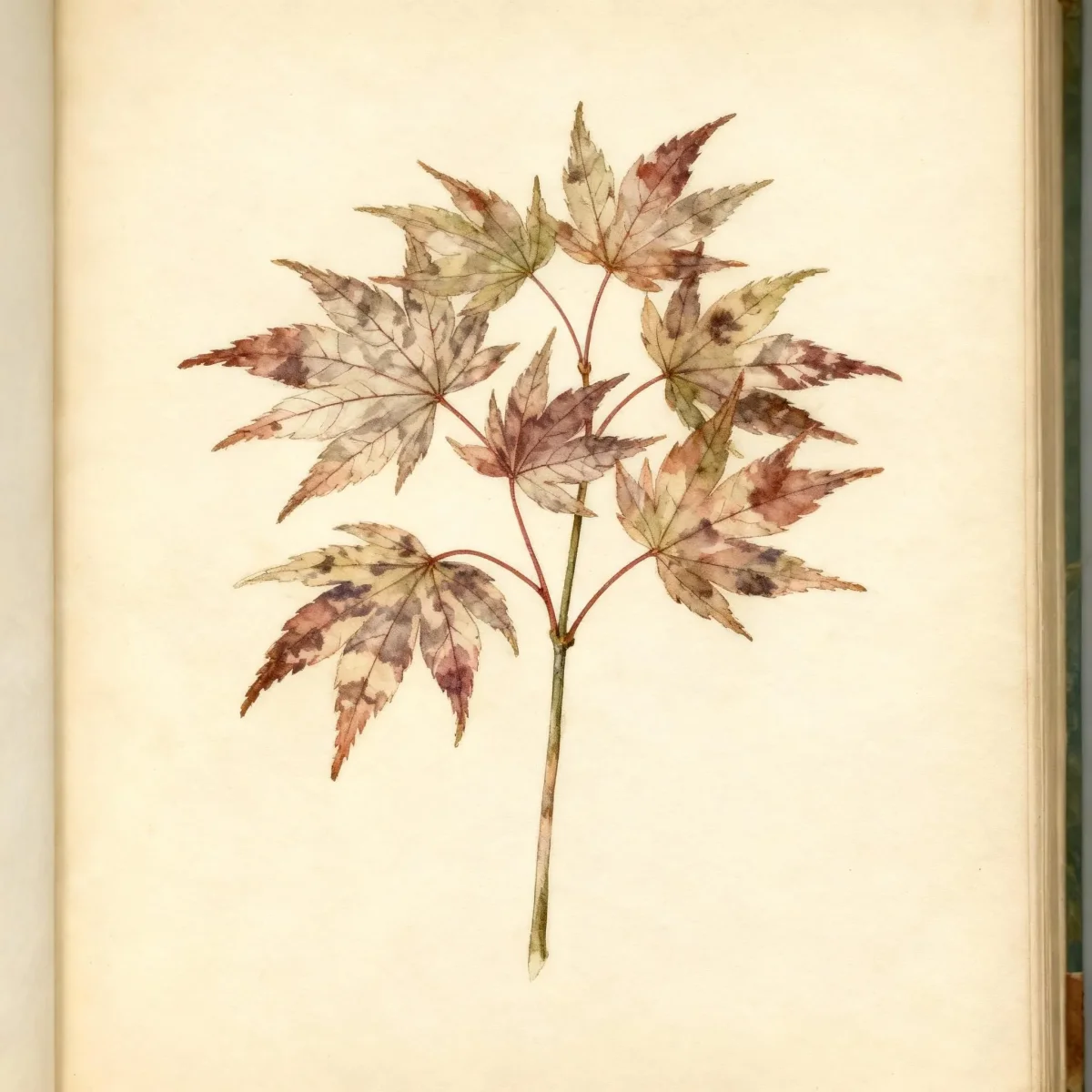
Japanese maple (Acer palmatum 'Oshio-beni')
Acer palmatum 'Oshio-beni' is a stunning Japanese maple known for bright orange-red spring foliage and scarlet fall color, perfect for specimen planting.
Scroll down to discover growing tips, care requirements, companion plants, and more
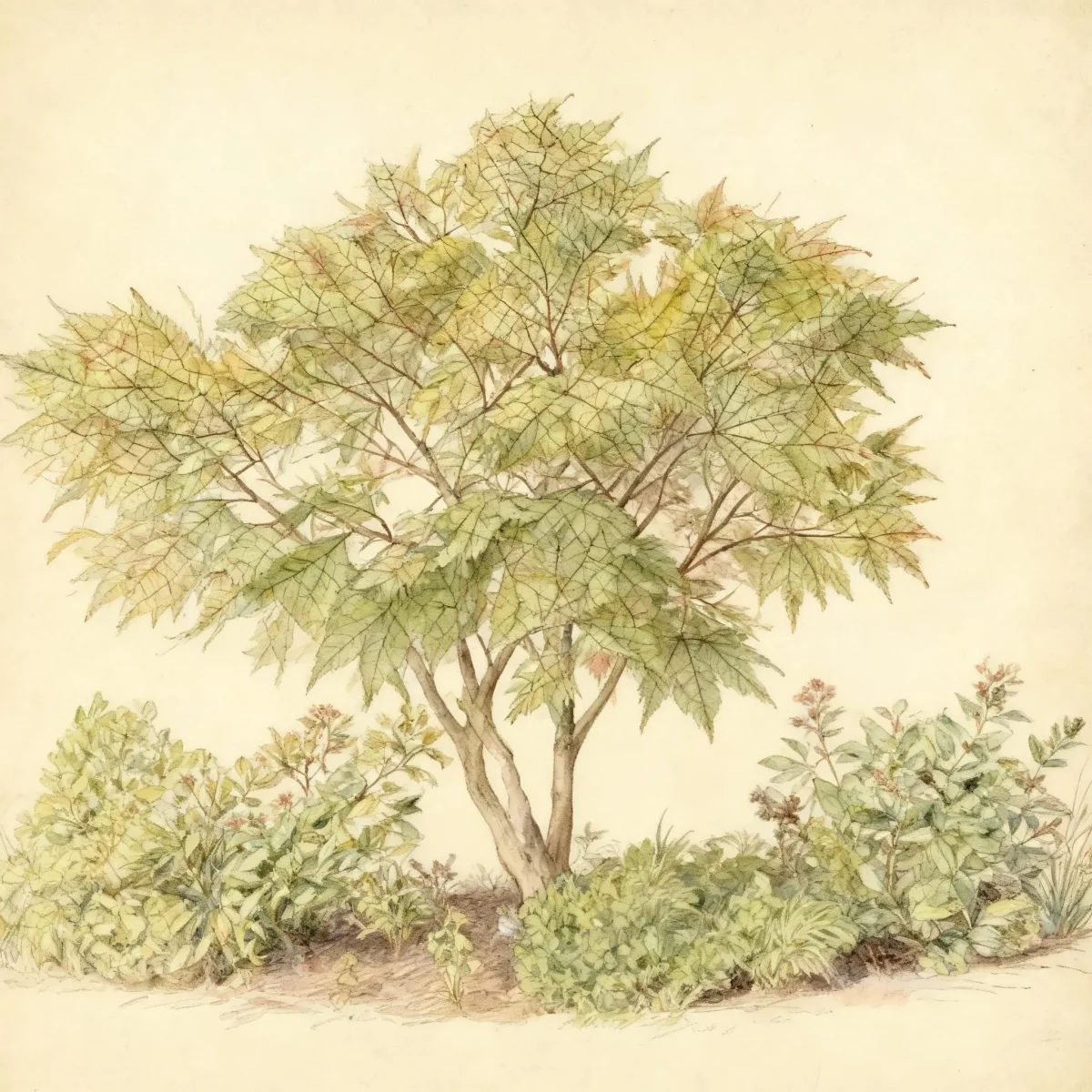
Complete Plant Information
Overview
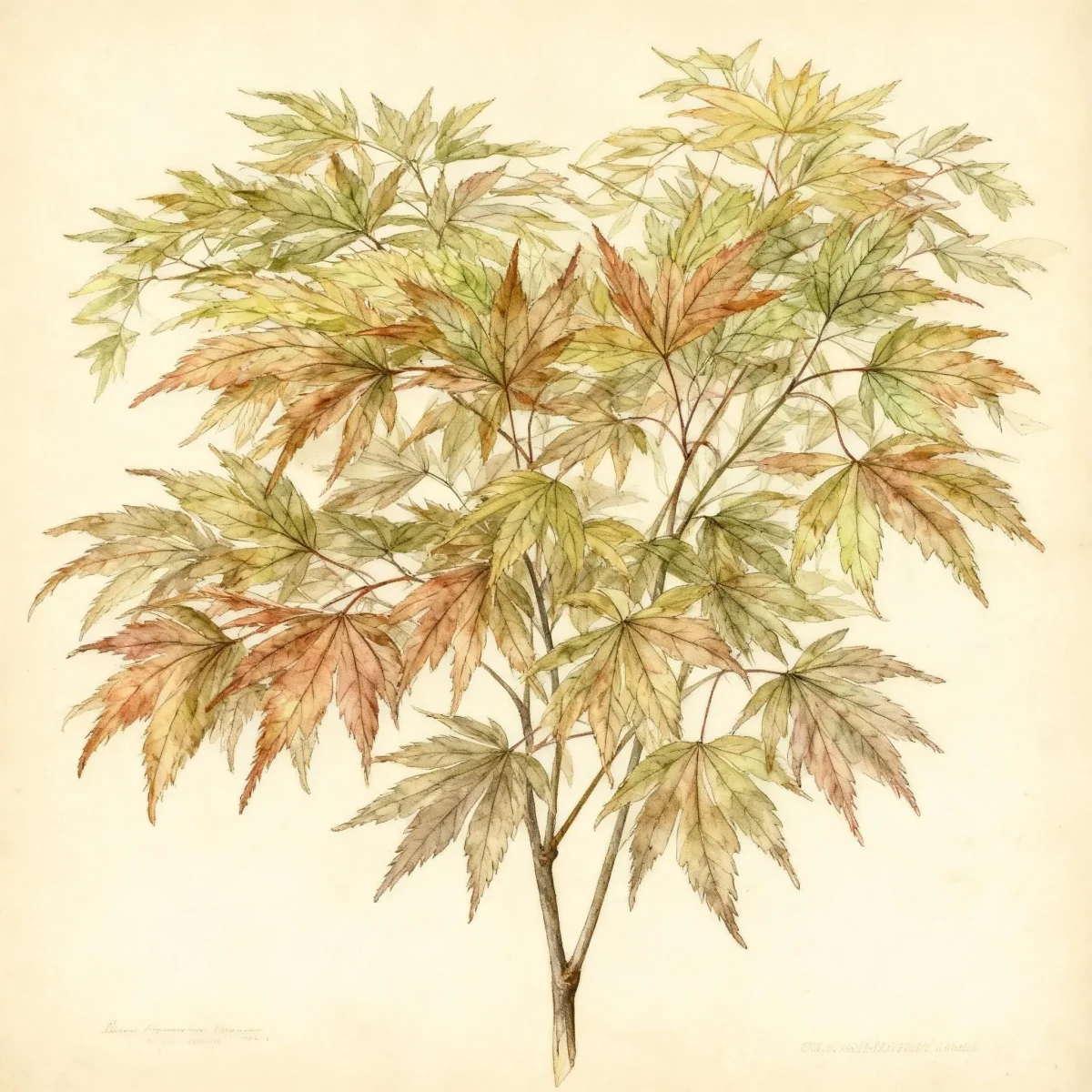
The Acer palmatum ‘Oshio-beni’, commonly identified as a highly desirable Japanese maple cultivar, offers exceptional seasonal drama in the landscape. Its distinguishing feature is the emerging foliage, offering a vibrant orange-red hue in spring that gradually settles into a bronze-green for the summer months. This smaller tree maintains a spreading, attractive form, making it a focal point in garden designs.
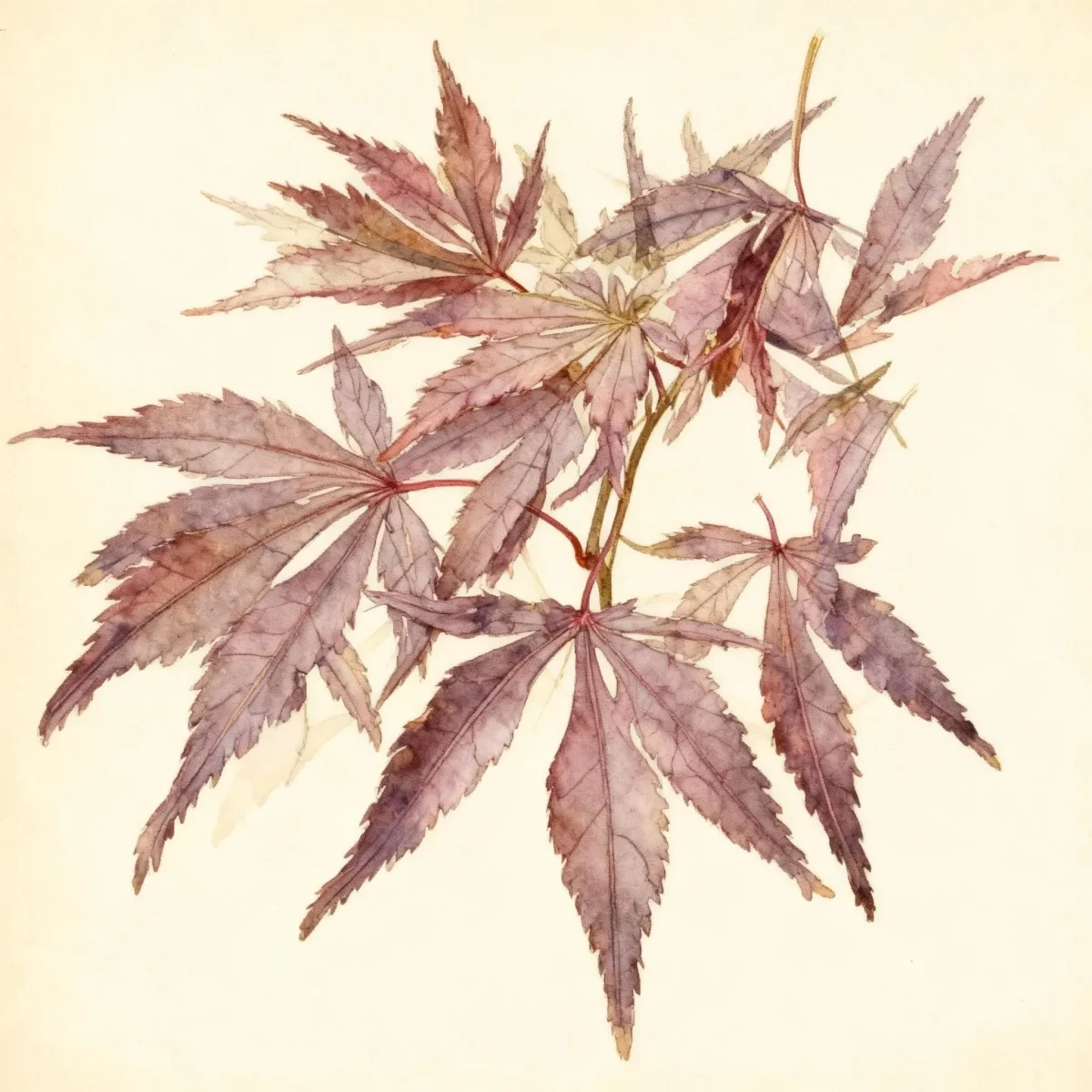
This deciduous specimen thrives best when provided rich, moist, slightly acidic, and well-drained soils. While generally considered low maintenance, positioning the Acer palmatum ‘Oshio-beni’ correctly is key to preventing scorch in hotter climates. It offers excellent structure and reliable, brilliant scarlet color as the final spectacular show before dormancy.
Gardeners seeking year-round interest value the slow to moderate growth rate and graceful structure inherent in this variety of Japanese maple. When properly situated away from harsh winds and afternoon intensity in southern zones, the Acer palmatum ‘Oshio-beni’ establishes itself as a magnificent specimen or accent tree.
Fast Facts
- Plant Family: Sapindaceae
- Plant Type: Tree
- Hardiness Zones: USDA Zones 5-8
- Size at Maturity:
- Height: 12-18 ft
- Spread: 15-20 ft
- Bloom Time: April
- Bloom Description: Reddish-purple
- Sun Exposure: Full sun to part shade
- Water Needs: Medium
- Maintenance Level: Low
How to Grow
Planting Acer palmatum ‘Oshio-beni’ should occur when dormant, typically in late fall or early spring, ensuring the soil is organically rich and slightly acidic. Site selection is critical; locate the Japanese maple where it receives full sun in cooler northern regions, but ensure protection from intense afternoon sun in hotter, southern areas to prevent leaf scorch. The soil must be well-drained; consider planting in sandy loam if your native soil is heavy.
Maintain consistent moisture, especially during establishment and hot summer periods, as dry sites stress this tree. Applying mulch is highly recommended to keep the root zone cool and retain necessary moisture. Fertilize sparingly in the spring just before the leaves emerge.
Pruning for the Japanese maple should be minimized, focusing only on removing dead or crossing branches. If pruning is necessary, conduct this work in late fall or mid-winter. Avoid pruning in spring or summer, as this tends to cause significant sap bleeding from the cuts.
Protect your Acer palmatum ‘Oshio-beni’ from strong winds, which can damage the emerging, delicate spring foliage. Be aware that very early leaf-out in spring makes the young leaves susceptible to damage from unexpected late frosts.
Landscape Uses
Japanese maples are prized almost entirely for their distinctive, attractive foliage texture and elegant, often spreading shape. The Acer palmatum ‘Oshio-beni’ functions exquisitely as a specimen or focal accent placed strategically around the home or within a mixed border, drawing the eye with its seasonal color shifts. It also performs admirably as a good sun-dappled understory tree, softening the strong light beneath larger canopy trees.
For a layered design, plant this Japanese maple near the margins of woodland settings, creating soft transitions between sun and shade. Its manageable size also makes it suitable for screening or privacy when grouped, though it is often best appreciated when given room to showcase its spreading habit. Furthermore, this species is highly sought after for bonsai artistry.
Standout Features
Flower Qualities
- Insignificant
Noteworthy Characteristics
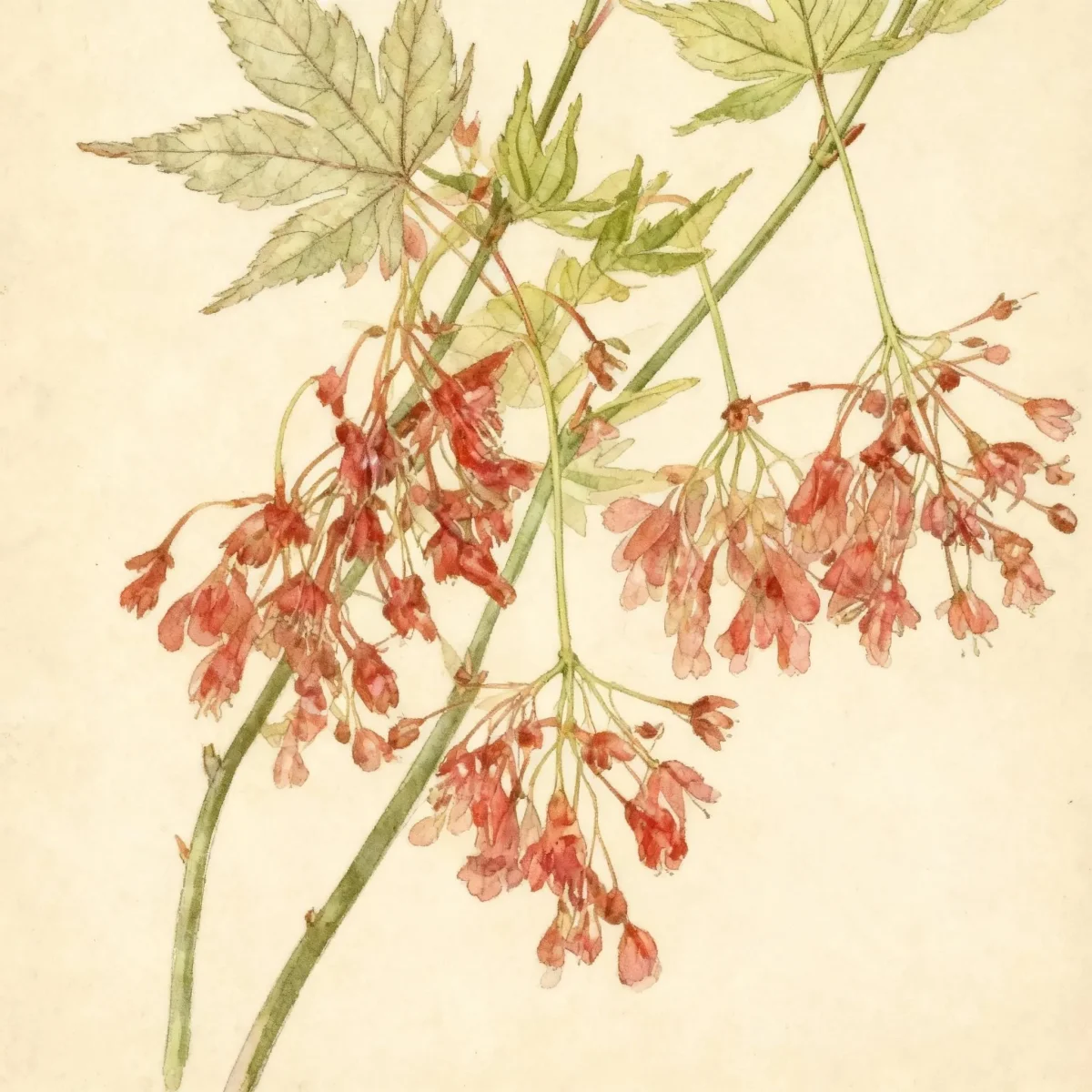
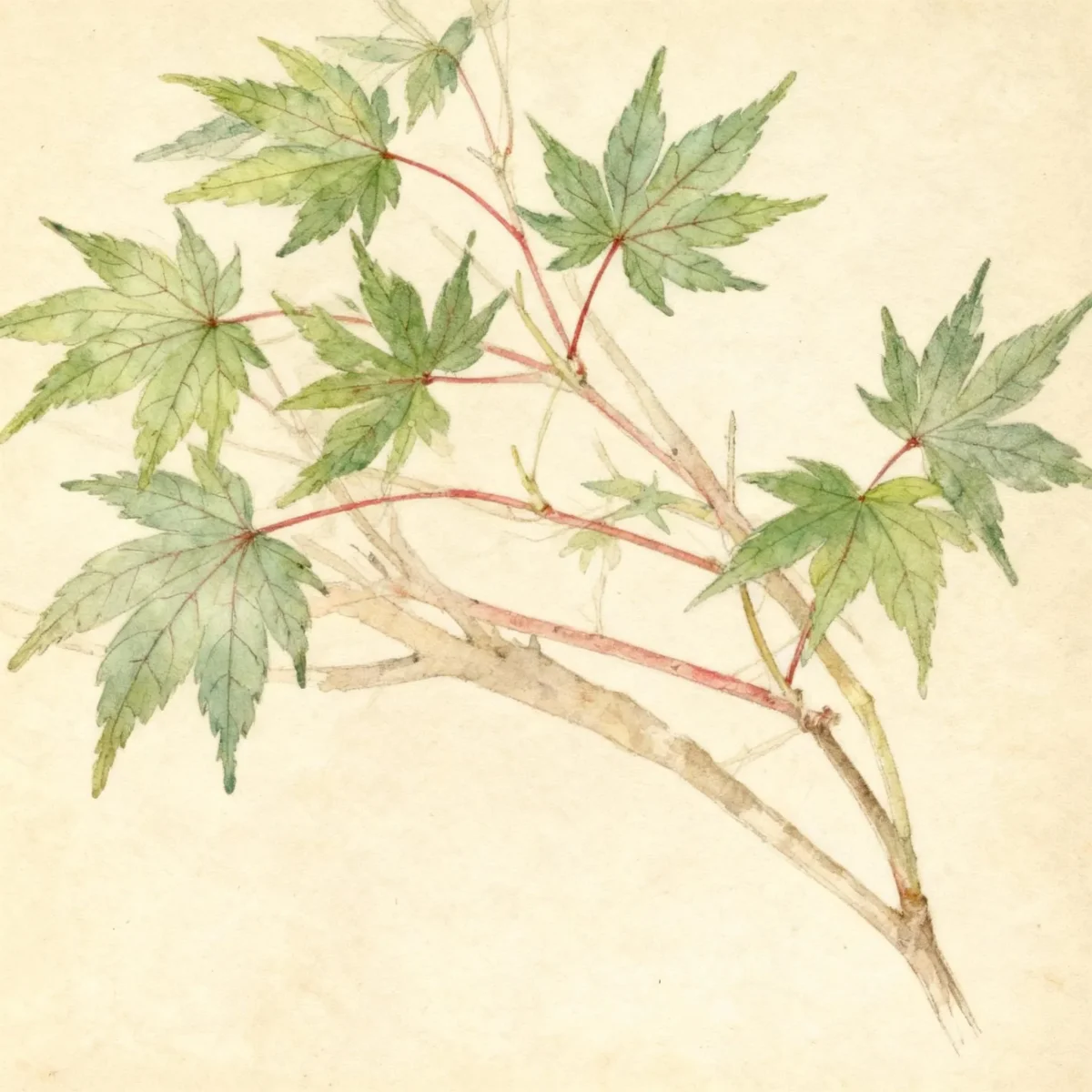
Acer palmatum, commonly called Japanese maple, is a deciduous shrub or small tree that typically grows to 10-25’ (infrequently to 40’) tall and is native to Japan, Korea, and China. ‘Oshio-beni’ specifically reaches 12-18’ tall with a spreading form, featuring 7-lobed palmate leaves that emerge bright orange-red before fading to bronze-green in summer. This cultivar earns its name, which means ‘great red tide,’ through its spectacular scarlet fall color, complementing its reddish-purple spring flowers which are attractive up close but not dominant from a distance.
Tolerances
- Rabbit
- Black Walnut
Potential Problems
Acer palmatum ‘Oshio-beni’ is susceptible to several fungal issues, including stem canker, leaf spots, anthracnose, and root rots, often exacerbated by poor air circulation or overly wet soil. Verticillium wilt remains a serious soil-borne threat to Japanese maples. Manage insect pests like aphids, scale, and borers promptly with appropriate horticultural oils or systemic treatments as needed.
To proactively manage potential issues, ensure superior soil drainage and avoid overhead watering, which minimizes humidity around the leaves. Mites can become troublesome during hot, dry spells, so monitor foliage closely and increase humidity through gentle watering near the canopy if stress is observed. Be prepared for potential frost damage in spring, which might affect the first flush of color.
Frequently Asked Questions
What hardiness zones is Japanese maple suitable for?
The Acer palmatum ‘Oshio-beni’ is generally hardy in USDA Zones 5 through 8.
How large does Acer palmatum ‘Oshio-beni’ grow?
This cultivar typically reaches a height between 12 and 18 feet, with a spread ranging from 15 to 20 feet wide, maintaining a spreading form.
What sun exposure does Japanese maple need?
For optimal health and color, this Japanese maple prefers full sun to part shade, needing afternoon shade protection in the hotter reaches of its range.
When does Acer palmatum ‘Oshio-beni’ bloom?
The small, reddish-purple flowers of this Japanese maple generally appear in bloom during April.
Conclusion
The Acer palmatum ‘Oshio-beni’ stands out due to its brilliant progression of foliage color, shifting from fiery orange-red to deep scarlet in the fall, providing continuous visual interest. This exquisite Japanese maple is a worthwhile investment for gardeners capable of meeting its need for well-drained, consistent moisture. Evaluate your site conditions immediately to confirm that the USDA Zones 5-8 range is appropriate before planning your planting location.
Companion Planting
When selecting plants to grow alongside your new Japanese maple, focus on species that share its requirement for organically rich, slightly acidic, and consistently moist soil conditions. Consider layering groundcovers that appreciate dappled shade, such as Hosta varieties with blue or variegated foliage, to contrast beautifully with the fine texture of the ‘Oshio-beni’ leaves. Low-growing evergreen shrubs like dwarf rhododendrons or azaleas make excellent foundation plantings that provide structure when the maple is dormant.
For vertical accents, pair the spreading form of this Acer palmatum ‘Oshio-beni’ with taller, upright conifers, such as slender Japanese Cedar (Cryptomeria japonica) cultivars. This contrast in height and form emphasizes the graceful, arching branches of the Japanese maple. Avoid aggressive neighboring plants that might compete heavily for surface water or smother the root zone of the maple.
Seasonal Care Calendar
Spring is the crucial time for fertilization, applied before the leaves fully emerge, and for monitoring frost risk to protect new growth. Summer care centers heavily on diligent watering during hot spells—never allow the soil around your Japanese maple to become bone dry, as this invites leaf scorch. Keep a thick layer of mulch actively maintained to regulate soil temperature.
Fall is when the true spectacle of the Acer palmatum ‘Oshio-beni’ appears, as the leaves transition to brilliant scarlet. Cleanup after leaf drop is minimal; leave fallen leaves where they fall temporarily to recycle nutrients, but remove heavy debris to allow for winter dormant air circulation. Winter preparation involves ensuring the tree is adequately watered before the ground freezes solid, especially if the fall was dry.