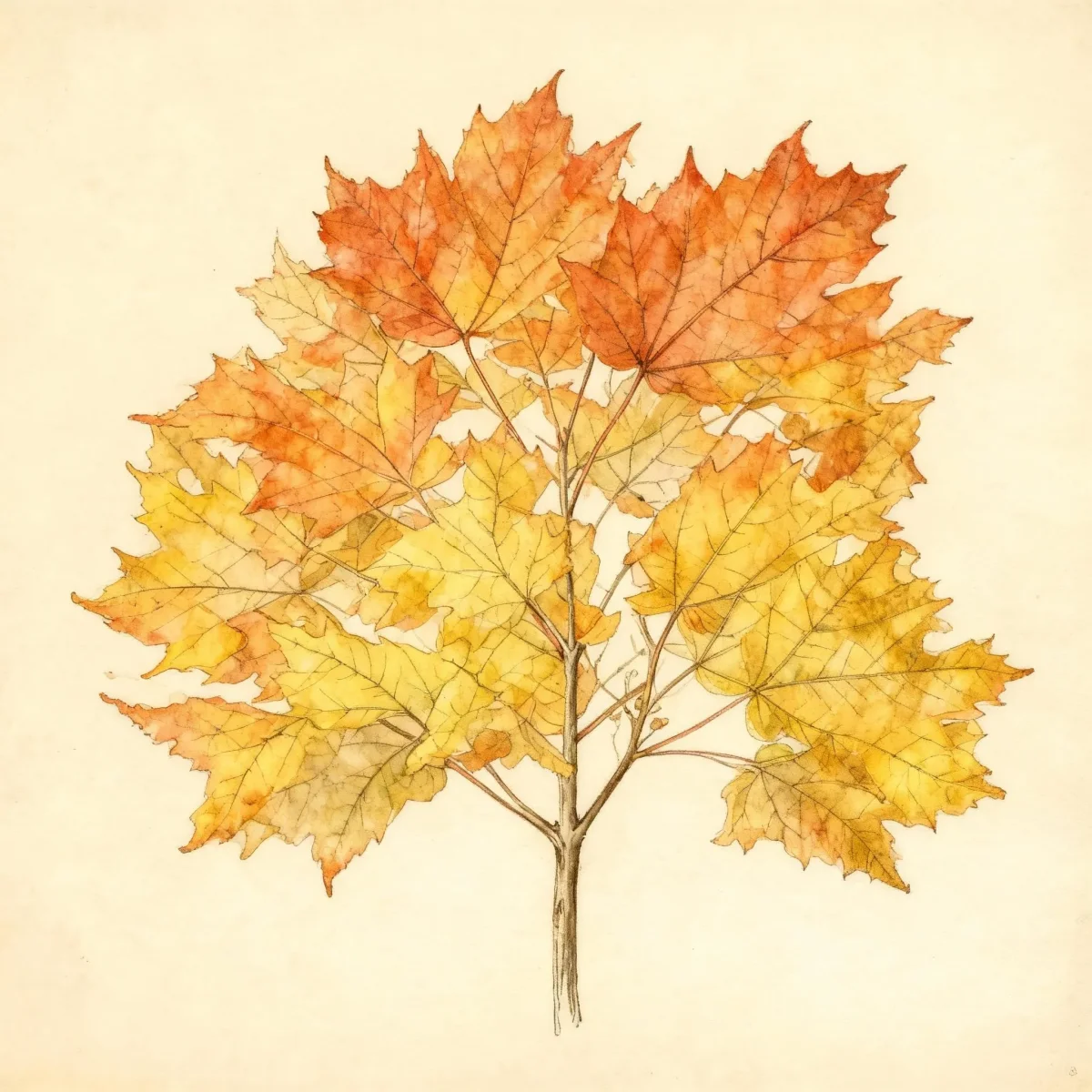
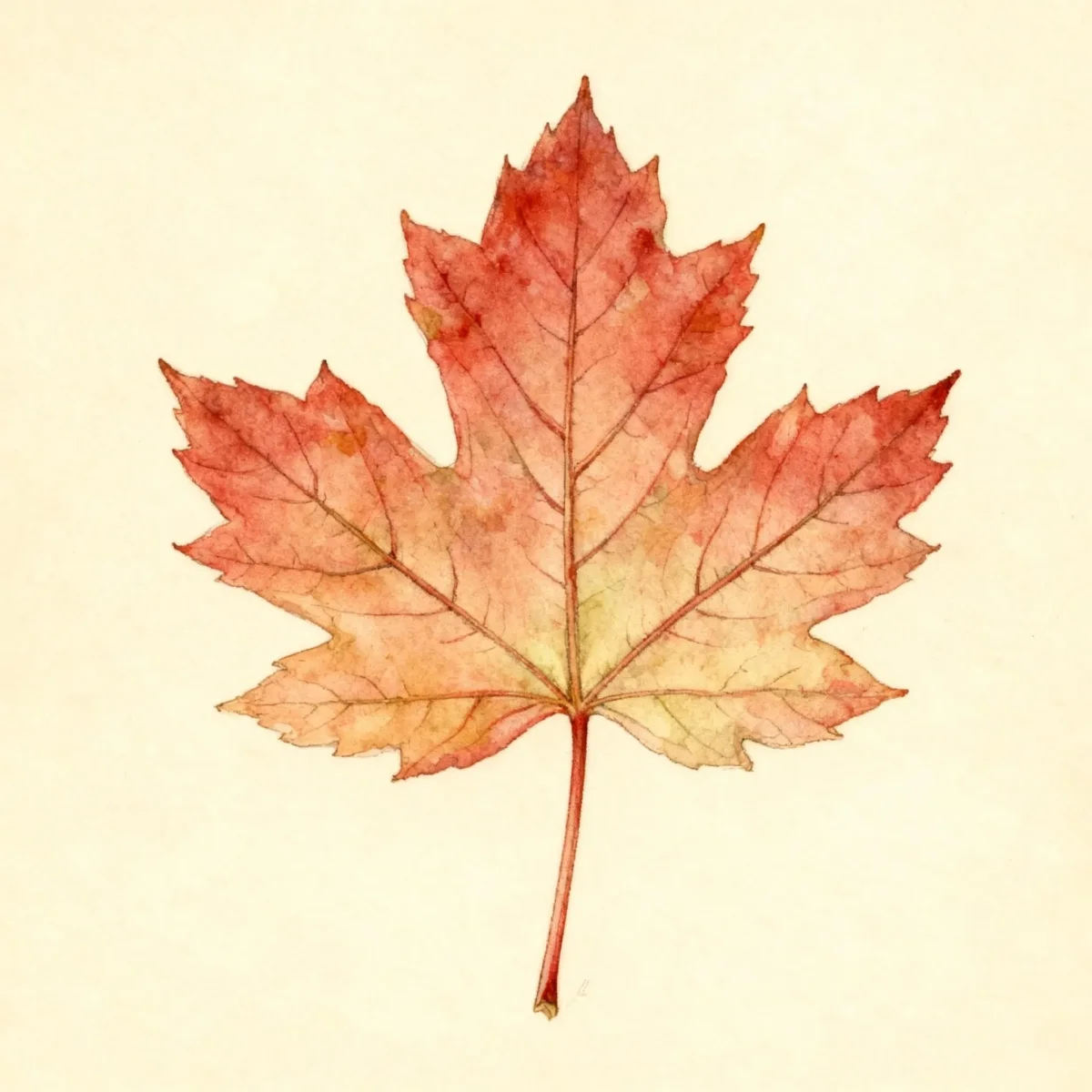
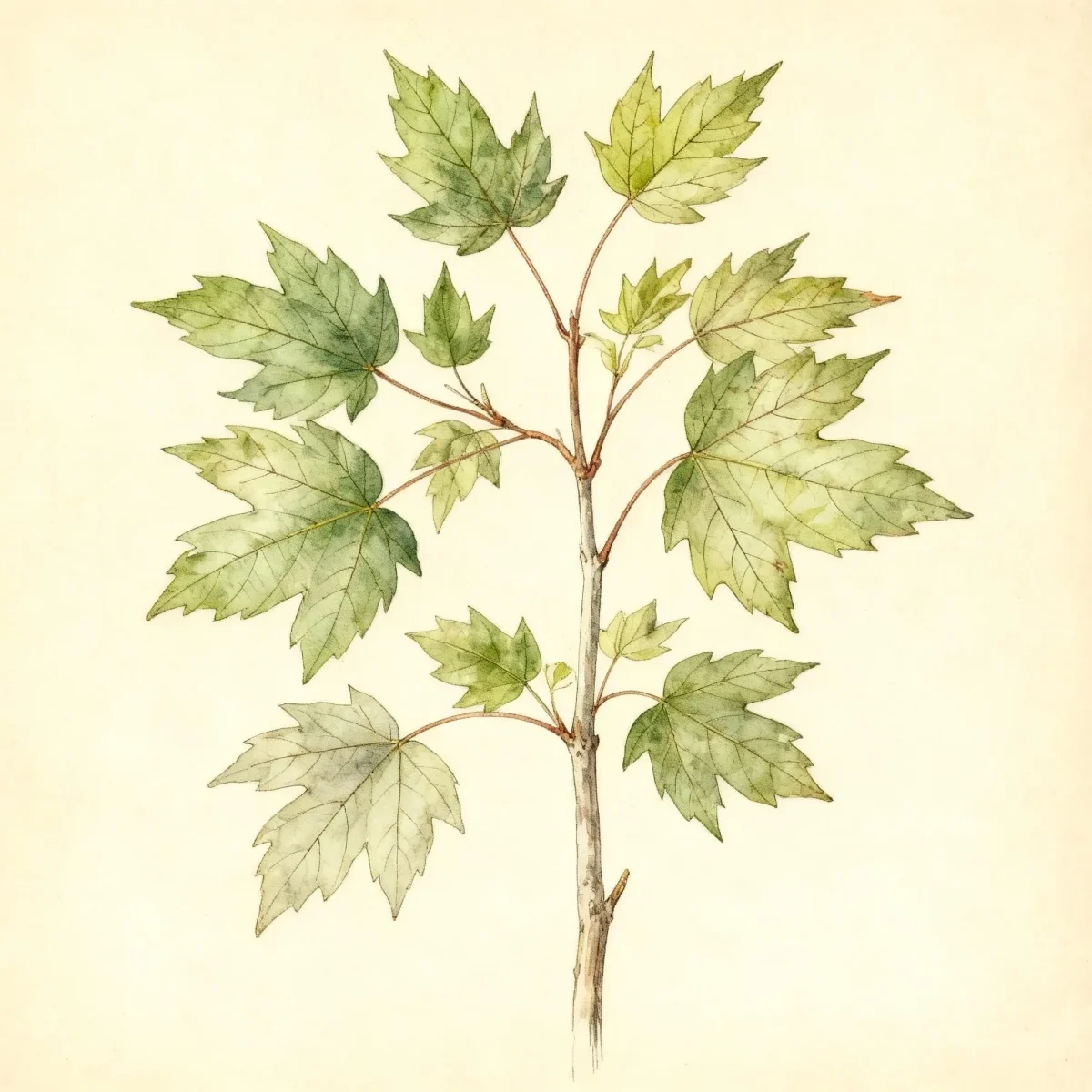
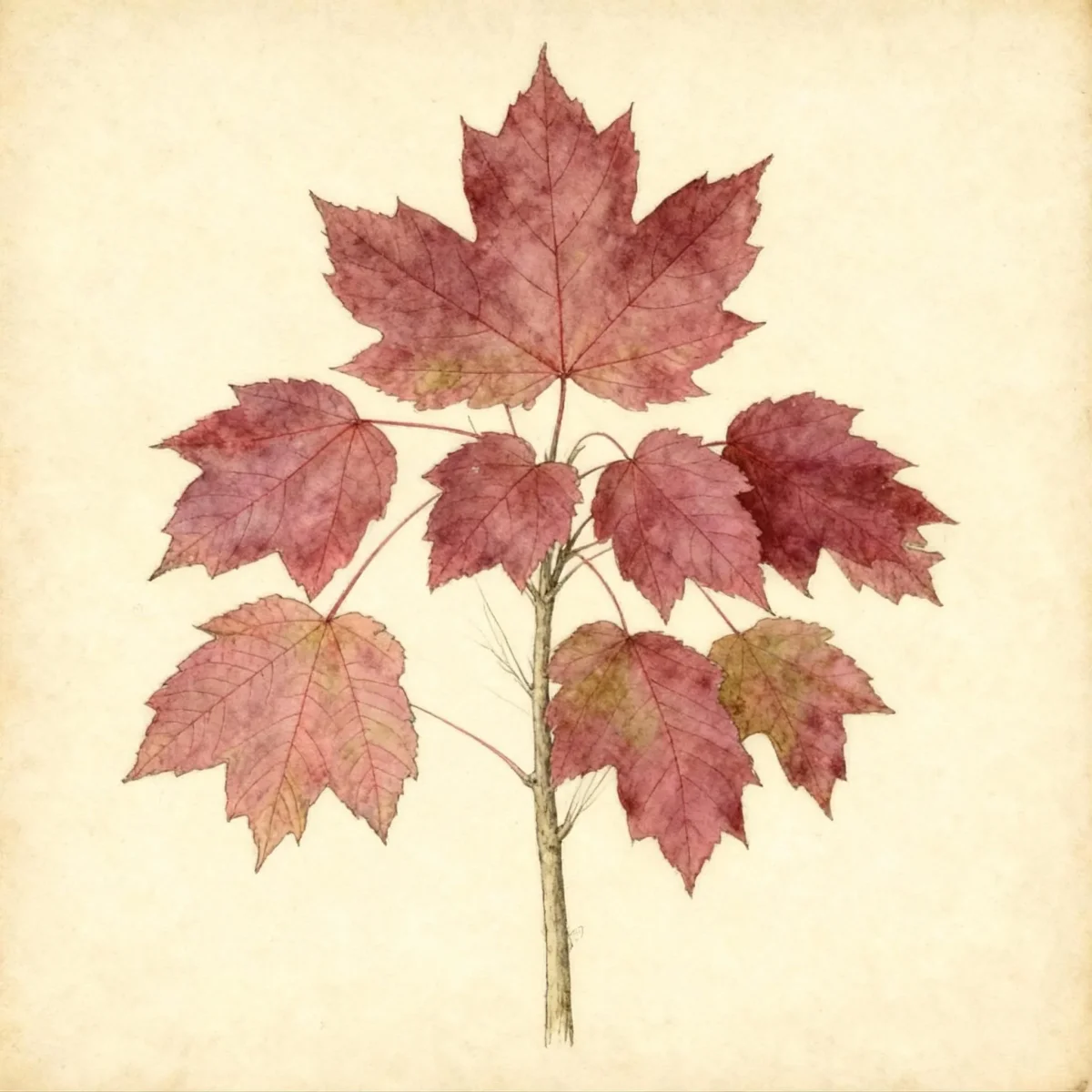
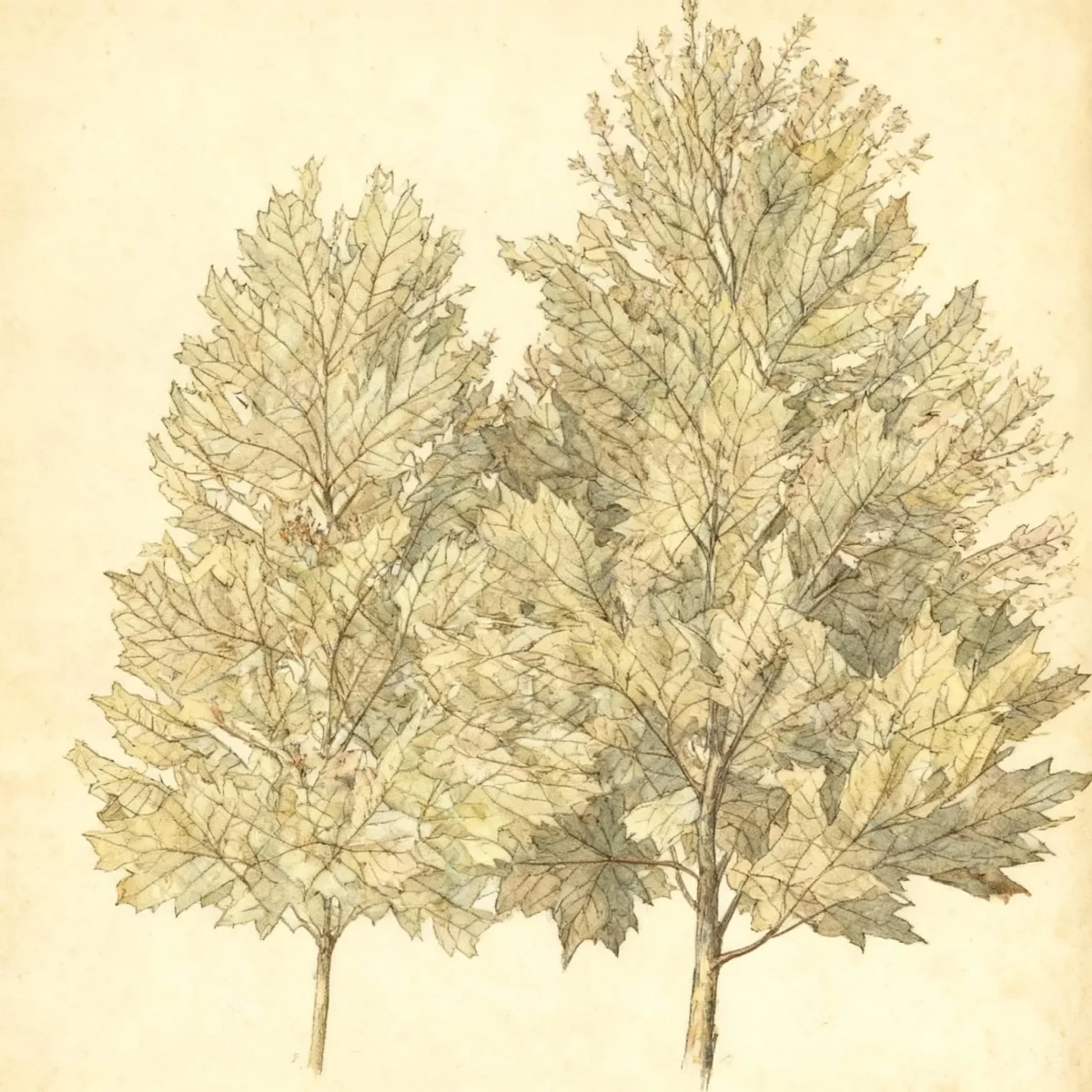
Red maple (Acer rubrum 'Franksred' RED SUNSET)
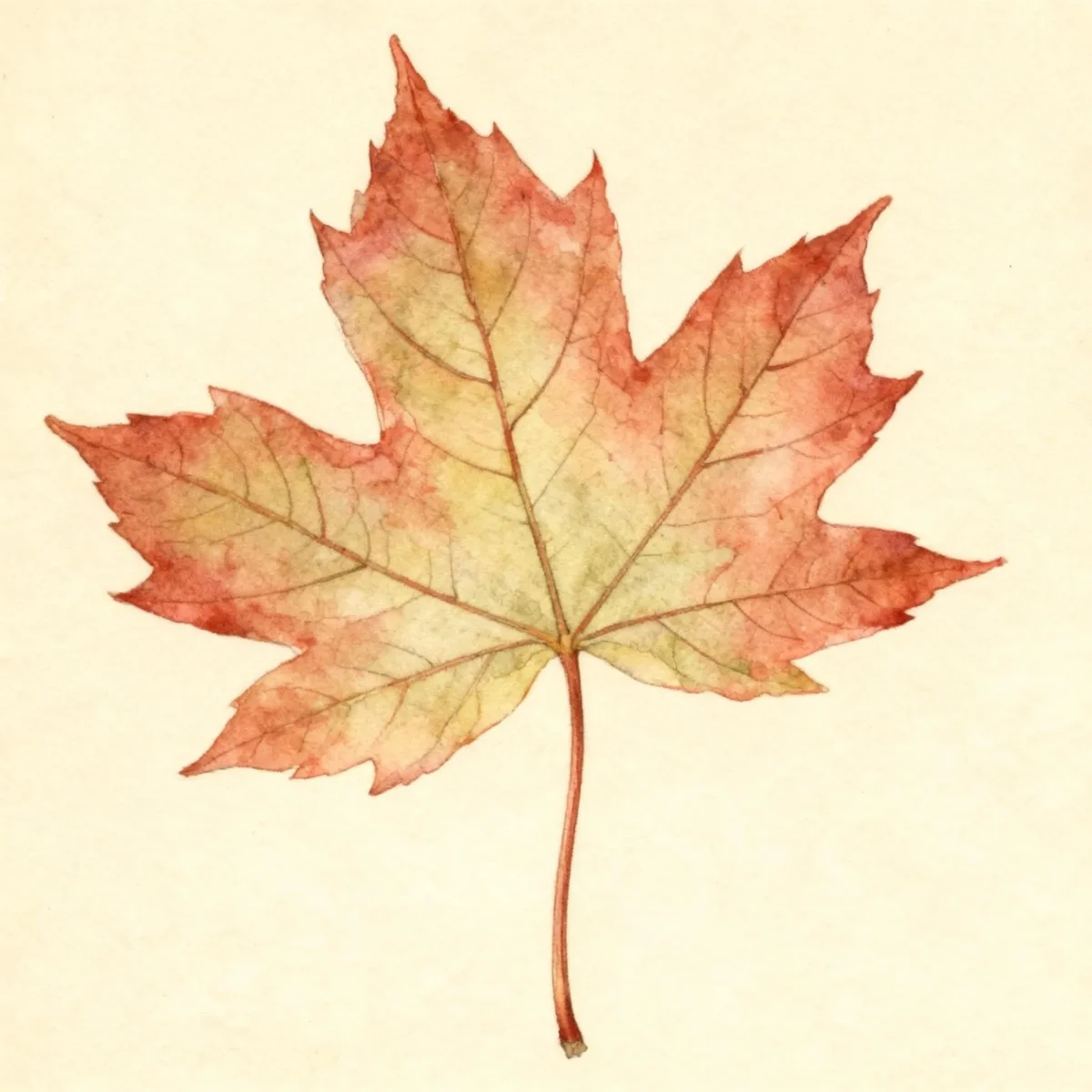
Acer rubrum 'Franksred' RED SUNSET offers superior, reliable red fall color. This low-maintenance Red maple excels in wet soils.
Scroll down to discover growing tips, care requirements, companion plants, and more
Complete Plant Information
Overview
Acer rubrum ‘Franksred’ RED SUNSET, a standout cultivar of the Red maple, provides dependable, stunning fall color, often surpassing the variable performance of the species. This deciduous tree is highly valued for its adaptability across a wide range of climates, thriving from USDA Zone 3 to 9. Gardeners appreciate the Red maple for its relatively fast growth rate compared to other large maples and its striking coloration displayed across its twigs, flowers, and foliage.
The Acer rubrum ‘Franksred’ RED SUNSET cultivar is specifically bred for its outstanding orange to red fall display, offering superior visual impact in the landscape compared to generic red maple specimens. As a medium-sized tree, it offers substantial shade without reaching the towering heights of some other maples, making it a versatile structural element in large yards, parks, and along parkways. Its general culture is easy, though it does exhibit a preference for moist, slightly acidic soil conditions.
Beyond its aesthetic appeal, this Red maple offers significant functional benefits. It is suitable for uses where moisture management is key, such as rain gardens, due to its tolerance for wet soil. While it requires consideration regarding surface roots near pavement, its overall hardiness and notable visual assets cement the status of Acer rubrum ‘Franksred’ RED SUNSET as an excellent choice for seasonal landscape drama.
Fast Facts
- Plant Family: Sapindaceae
- Plant Type: Tree
- Hardiness Zones: USDA Zones 3-9
- Size at Maturity:
- Height: 40-50 ft
- Spread: 30-40 ft
- Bloom Time: March
- Bloom Description: Red (male flower yellowish)
- Sun Exposure: Full sun to part shade
- Water Needs: Medium to wet
- Maintenance Level: Low
How to Grow
The best time for planting Acer rubrum ‘Franksred’ RED SUNSET is typically in the fall or early spring when temperatures are moderate, allowing the roots to establish before summer heat or winter freeze. This Red maple cultivar is adaptable to many soil types but performs best in average, medium to wet, well-drained soil with a preference for slightly acid pH. Ensure the planting site allows sufficient room for its mature spread of 30 to 40 feet, as its growth habit fills space effectively.
Watering requirements are medium to wet, meaning regular watering is crucial, especially during the first few growing seasons. Once established, the Red maple handles consistent moisture well, even tolerating periods of standing water, making it ideal for rain gardens. Minimal fertilization is usually required; focus instead on maintaining healthy soil structure and drainage. Pruning should focus on removing dead, damaged, or crossing branches, ideally done in late summer or fall after the leaf-out, avoiding pruning during sap flow season.
Given its very cold-hardy nature, winter preparation in northern zones is generally minimal. Mulching around the base, keeping the root zone moist until the ground freezes, will help protect shallow roots. In early spring, be alert for early pests, but remember that Acer rubrum ‘Franksred’ RED SUNSET is generally low maintenance once sited correctly.
Landscape Uses
The Acer rubrum ‘Franksred’ RED SUNSET is highly versatile, earning its place as an excellent specimen tree for anchoring lawns or providing stately sight lines in park settings. Its medium stature makes it appropriate for street tree planting where overhead utility lines are not an immediate concern, though careful root consideration is essential near sidewalks. For gardeners seeking site solutions for moisture-prone areas, this Red maple excels when integrated into rain garden designs.
When using this cultivar, consider companions that appreciate similar moisture regimes and soil acidity, such as river birch (Betula nigra) or certain hollies. Because the Red maple develops a shallow, flattened root system, avoid placing it too close to hardscape features like driveways or patios, as this root structure can lead to surface heaving over time. Strategic placement maximizes its spectacular autumn display as a focal point against green evergreen backdrops.
This tree is invaluable for softening angular architecture or providing necessary shade relief. Its early spring bloom, though subtle, offers interest before the main flush of greenery arrives. Prioritize planting Acer rubrum ‘Franksred’ RED SUNSET where its outstanding fall performance can be viewed easily from main living areas or walkways (but allow adequate root distance).
Standout Features
Flower Qualities
- Showy
Noteworthy Characteristics
Acer rubrum, commonly called red maple, is a medium-sized, deciduous tree that is native to Eastern North America from Quebec to Minnesota south to Florida and eastern Texas. Emerging new growth leaves, leafstalks, twigs, flowers, fruit and fall color are red or tinged with red, providing seasonal interest beyond the fall show. The cultivar RED SUNSET is acclaimed as one of the best red maple selections available, reliably delivering excellent orange-red foliage color in autumn.
Tolerances
- Wet Soil
- Air Pollution
Potential Problems
Potential issues for this Red maple include common landscape tree pests such as aphids, leafhoppers, borers, scale, and caterpillars, which rarely cause lasting damage if the tree is otherwise vigorous. More serious concerns involve potential diseases like Verticillium wilt, which attacks the vascular system and can be fatal if established. Fungal leaf spot, cankers, and root rots may also occur, often favored by overly poor air circulation or excessively wet, undrained conditions.
Management of pests and diseases starts with good cultural practices, particularly ensuring adequate drainage despite the tree’s wet-soil tolerance. If Verticillium wilt is suspected, prompt removal of affected branches and avoiding wounding the trunk can slow progression. Furthermore, be aware that the structure can sometimes be susceptible to breakage from heavy ice or wind, so inspect the canopy routinely for weak branch unions.
Frequently Asked Questions
What hardiness zones is Red maple suitable for?
The Acer rubrum ‘Franksred’ RED SUNSET is reliably hardy across a wide range, growing well in USDA Zones 3 through 9.
How large does Acer rubrum ‘Franksred’ RED SUNSET grow?
This medium-sized tree typically reaches mature heights between 40 and 50 feet, with a spread ranging from 30 to 40 feet wide.
What sun exposure does Red maple need?
For optimal growth and the best fall color from your Acer rubrum ‘Franksred’ RED SUNSET, plant it where it receives full sun to partial shade.
When does Red maple bloom?
The flowers of this Red maple generally appear quite early in the season, during March, presenting as red clusters, though the male flowers are often described as yellowish.
Conclusion
The Acer rubrum ‘Franksred’ RED SUNSET is an exceptional choice for gardeners demanding low maintenance paired with high visual return, particularly due to its dependable, vibrant fall display. This versatile Red maple handles moisture well and adds significant seasonal color to the landscape structure. Before planting, confirm your site’s hardiness zone compatibility and ensure adequate space is provided for its mature size.
Companion Planting
When selecting companions for Acer rubrum ‘Franksred’ RED SUNSET, focus on species that thrive in medium to wet soil conditions and prefer slightly acidic pH. Plants that enjoy moist feet, such as certain ferns (e.g., Ostrich fern) or moisture-loving perennials like Astilbe, will flourish beneath its canopy during the summer months. Avoid turfgrasses that require intense dryness or heavy fertilization, as the maple’s root system competes aggressively for surface moisture.
For larger scale plantings or mixed borders, consider incorporating shrubs or smaller understory trees that share the sun needs of the Red maple. Native evergreens that tolerate moisture, such as Winterberry Holly (Ilex verticillata), which also provides winter interest, make excellent structural contrasts to the deciduous frame of the Acer rubrum ‘Franksred’ RED SUNSET.
Wildlife Benefits
The flowers of the Red maple appear very early in March, providing one of the first vital nectar sources for emerging pollinators in the late winter landscape. Furthermore, the seeds, packaged in two-winged samaras, are consumed by a variety of bird species, helping to feed wildlife before summer abundance arrives. The foliage also supports numerous insects, which in turn become a crucial food source for nesting songbirds.