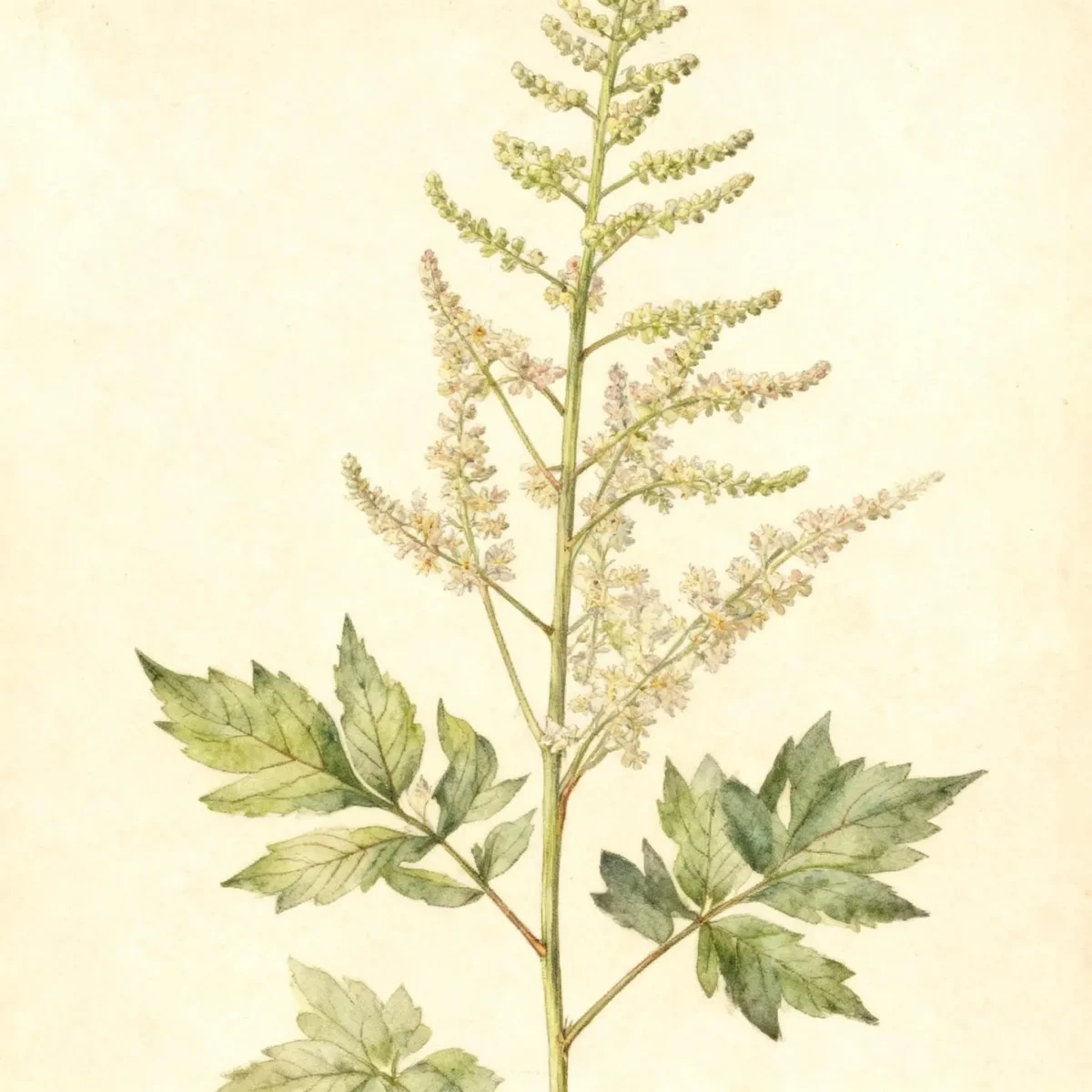
Astilbe (Astilbe 'Radius')
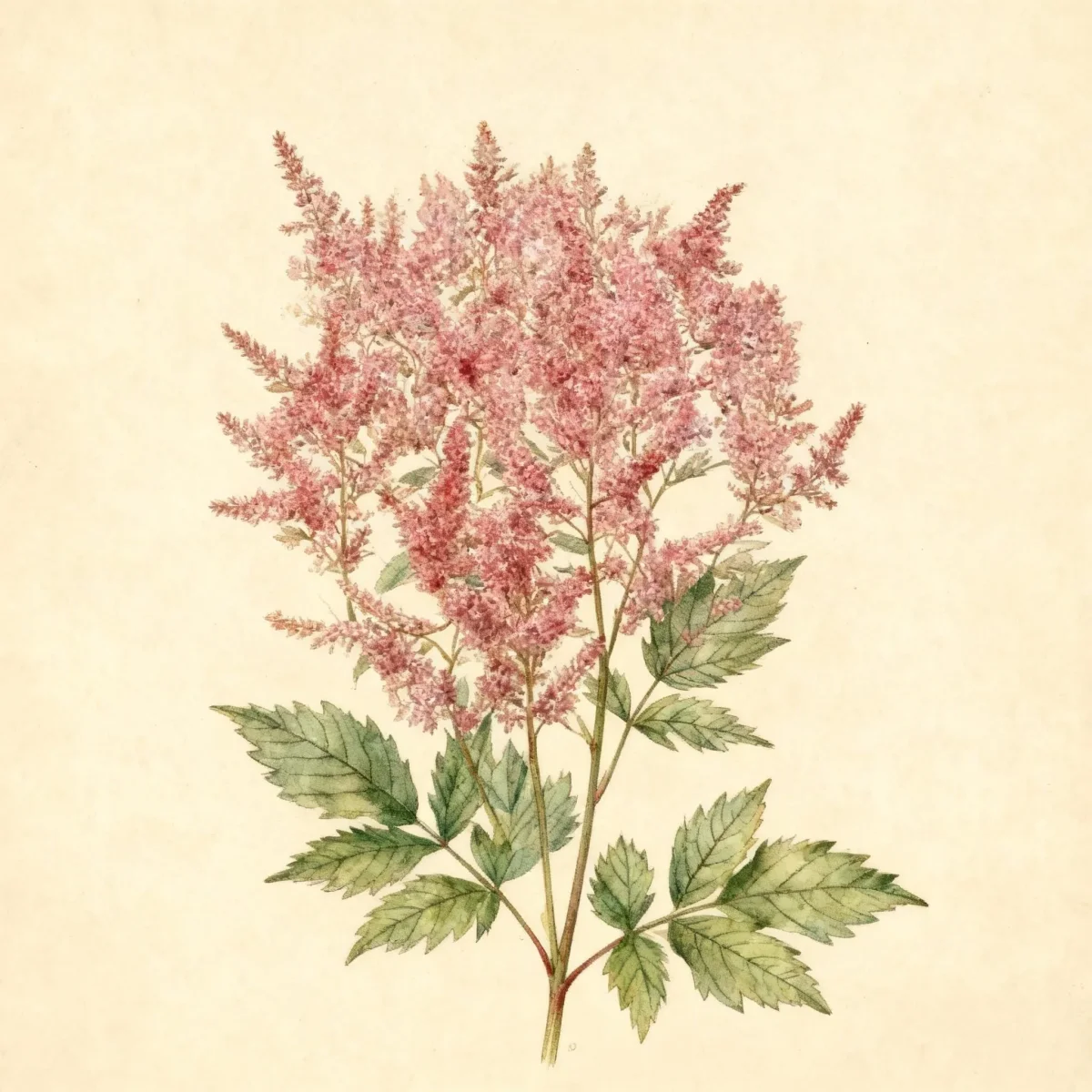
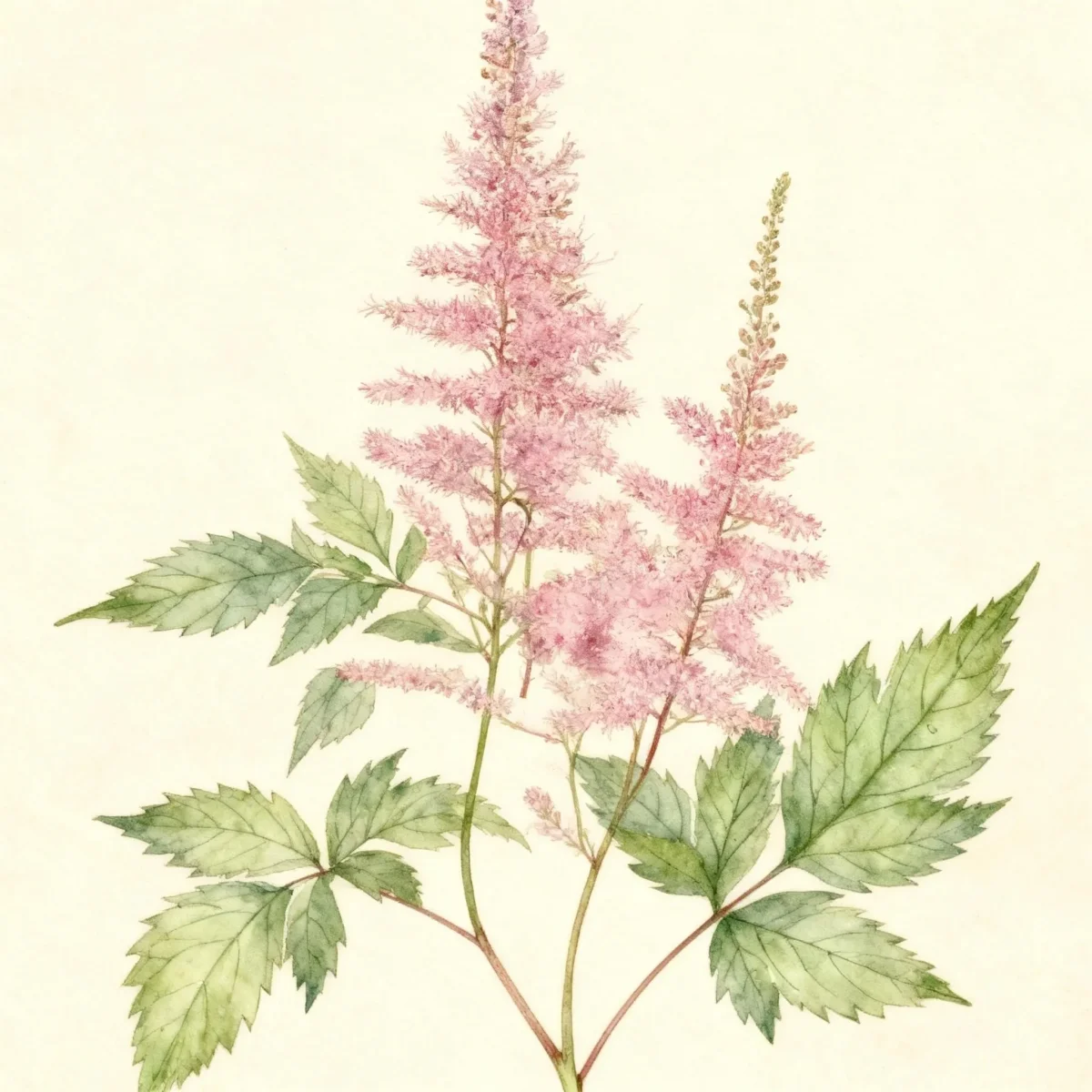
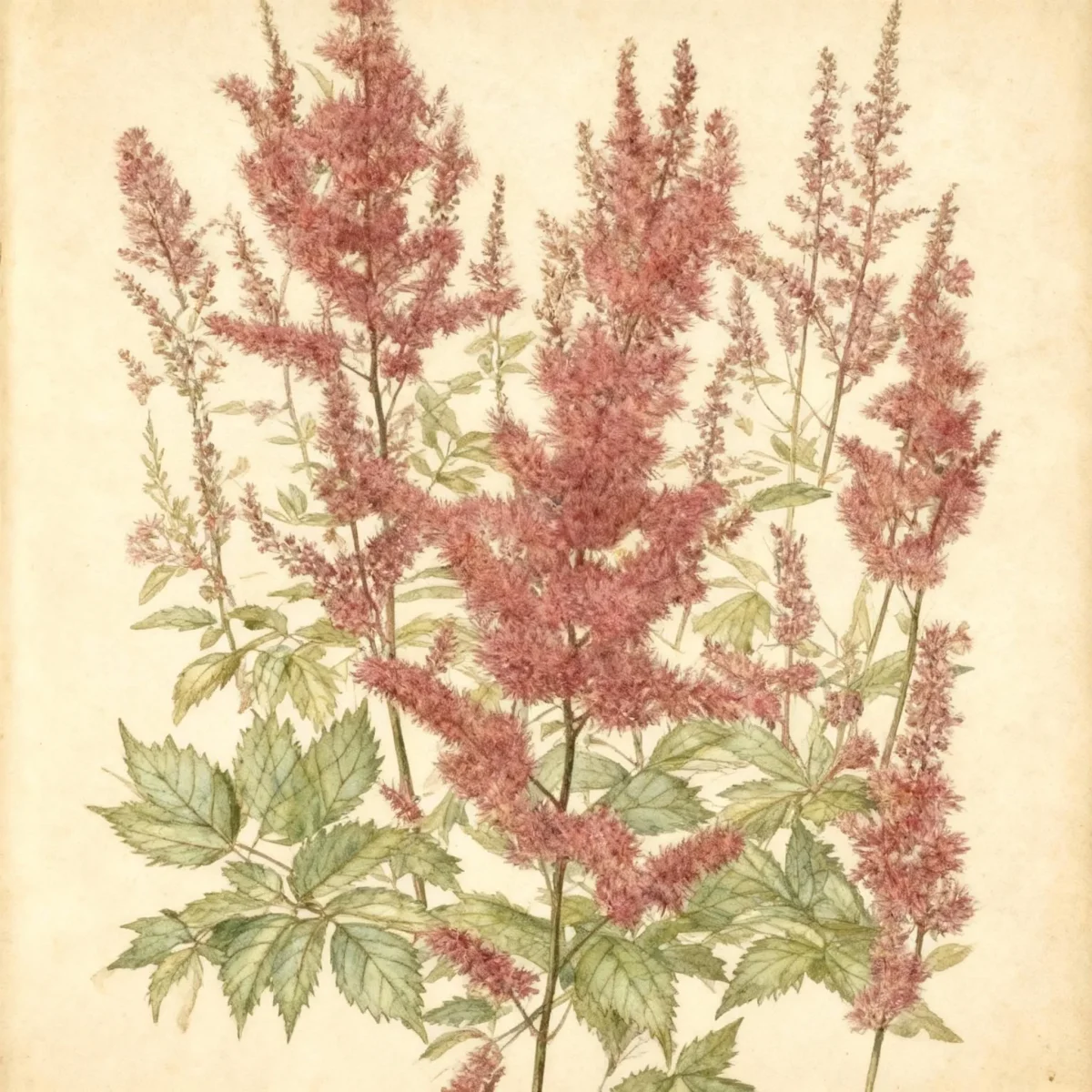
Astilbe 'Radius' offers showy, slightly fragrant red plumes atop fern-like foliage in shade. Low maintenance and shade tolerant.
Scroll down to discover growing tips, care requirements, companion plants, and more
Complete Plant Information
Overview
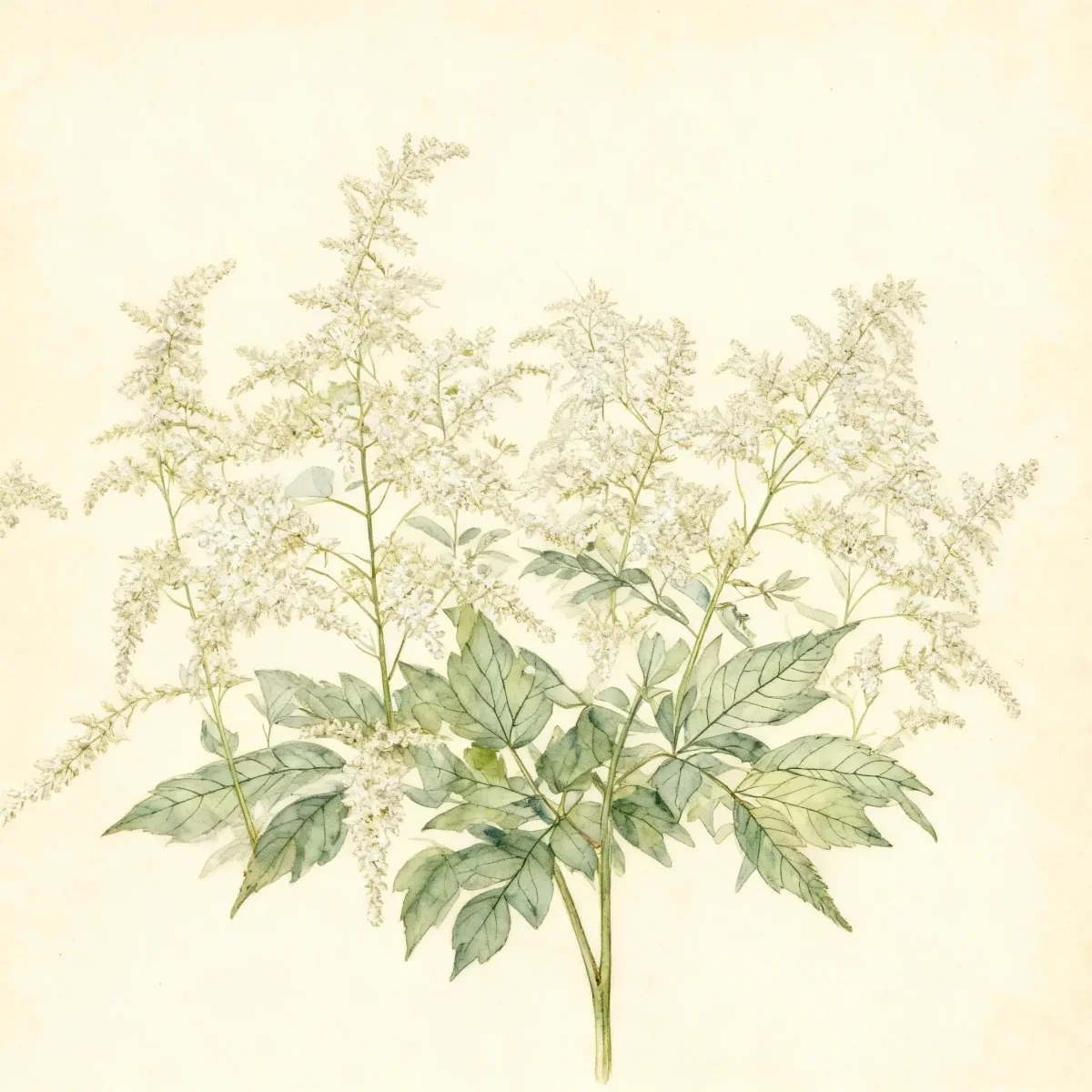
The Astilbe ‘Radius’ cultivar is celebrated for bringing vibrant texture and lasting color to deeply shaded garden areas where few other plants thrive. Characterized by dense plumes of bright red flowers rising above gracefully dissected, fern-like foliage, this plant delivers significant ornamental impact throughout the summer season. As a clump-forming, herbaceous perennial, Astilbe provides reliable structure year after year.
This variety of Astilbe appreciates consistently moist, humus-rich soil conditions, making it an excellent choice for woodland settings or areas near water features. Its medium water needs and low maintenance profile appeal to both novice and expert gardeners looking to enhance dark corners with its distinctive aesthetic. The upright stems carrying the flower panicles offer pleasing vertical accents against softer ground covers.
Providing strong visual contrast, Astilbe ‘Radius’ is prized for its ability to transform monotonous shade into dynamic garden scenes. Its late spring to early summer bloom time, coupled with attractive foliage that often emerges tinged with red, extends its garden value far beyond the flowering period. Successfully cultivating Astilbe ensures reliable performance in heavy shade.
Fast Facts
- Plant Family: Saxifragaceae
- Plant Type: Herbaceous perennial
- Hardiness Zones: USDA Zones 3-8
- Size at Maturity:
- Height: 1.5-2 ft
- Spread: 1-1.5 ft
- Bloom Time: June to July
- Bloom Description: Red
- Sun Exposure: Part shade to full shade
- Water Needs: Medium
- Maintenance Level: Low
How to Grow
For optimal performance, plant Astilbe ‘Radius’ in spring or fall when temperatures are mild. Success hinges on location, as these plants require part shade to full shade; direct, hot afternoon sun will scorch the foliage. They thrive best in average soils, provided those soils are well-drained but remain consistently medium in moisture. Incorporate ample organic matter, like compost, to ensure the soil is humusy and rich, mimicking their native woodland environment.
Keeping the soil consistently moist is the most crucial aspect of Astilbe care. Soils must not be allowed to dry out, especially during hot summer periods, as this leads to foliage decline. Regular watering supports attractive, lush foliage throughout the growing season. Applying a liberal summer compost mulch will significantly aid in retaining this essential soil moisture around the roots of your Astilbe.
Maintenance for Astilbe ‘Radius’ remains low once established. While removing faded flower stalks (deadheading) can tidy the appearance, many gardeners choose to leave the dried seed heads in place through winter for added ornamental texture. Clumps benefit from division every three to four years when they become overcrowded, which also revitalizes plant vigor.
Landscape Uses
Astilbe excels as a foundational planting in any area receiving consistent shade. They are superb when massed or grouped together to create broad sweeps of color and texture in woodland gardens, offering a lush, cottage garden feel even deep under tree canopies. The moderate size of Astilbe ‘Radius’ (up to 2 feet tall and 1.5 feet wide) makes it versatile for soft edging along shaded pathways or borders.
Due to its moisture needs, this perennial is highly effective near the banks of ponds, streams, or rain gardens where soil moisture is naturally higher. Consider planting Astilbe ‘Radius’ near the front of shaded borders where its bright red plumes can contrast beautifully with darker green shade partners like Hostas or ferns. Their fine texture harmonizes well with broad-leaved woodland companions.
Standout Features
Flower Qualities
- Showy
- Fragrant
Noteworthy Characteristics
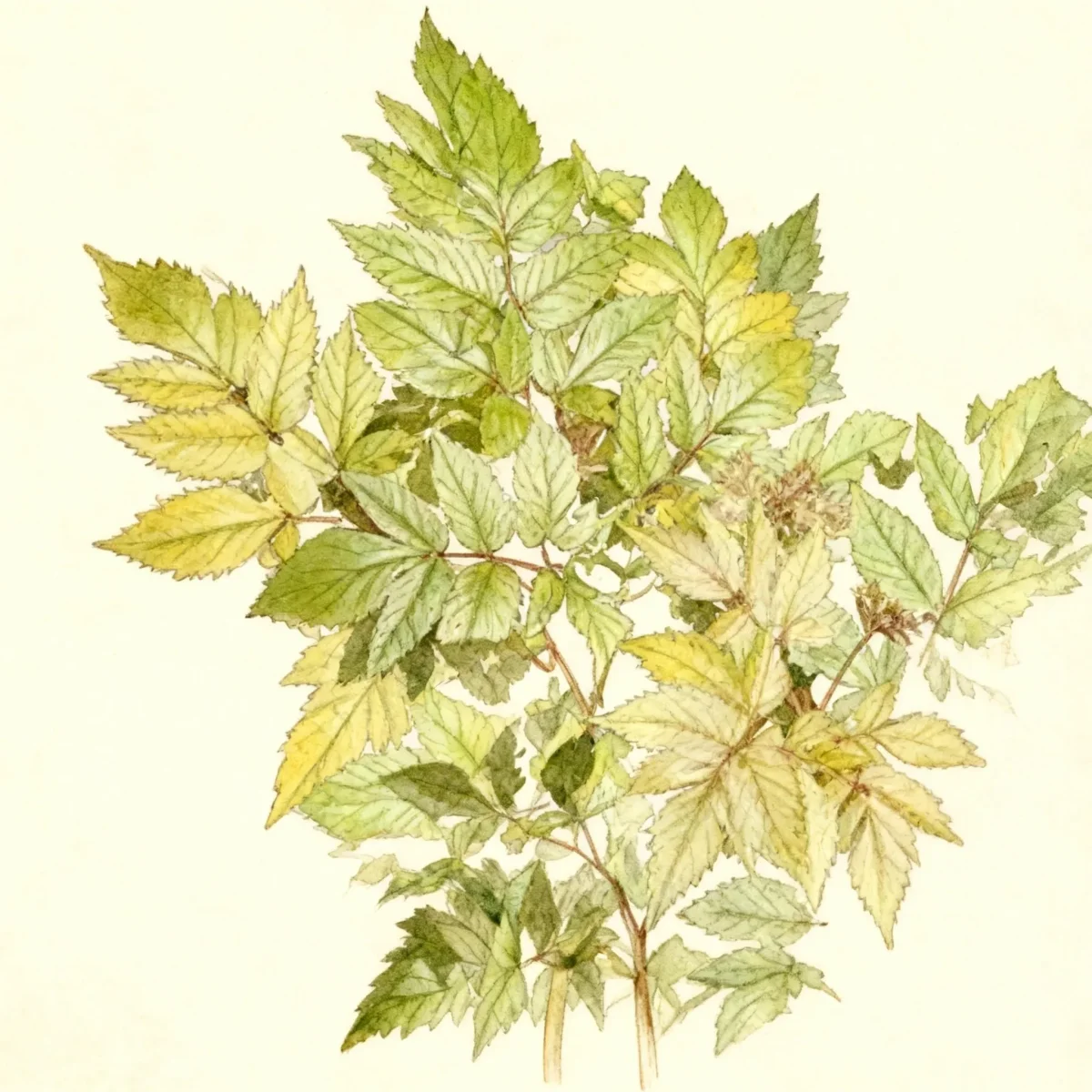
Astilbe is a genus of clump-forming, herbaceous perennials known for their graceful, fern-like foliage mounds and dense, plume-like flower panicles. The specific cultivar, Astilbe ‘Radius’, is sometimes classified as an Astilbe x arendsii hybrid, developing attractive dark green compound leaves tinged with red upon emergence in the spring. Its characteristic feature is the production of tiny, slightly fragrant, bright red flowers held in airy, erect to arching panicles atop sturdy burgundy stems throughout early summer.
Tolerances
- Rabbit
- Deer
- Heavy Shade
- Black Walnut
Potential Problems
The most common issue requiring management with Astilbe is foliage decline, where the leaves turn brown, often occurring during hot, dry summers if moisture levels dip too low. Prevention involves meticulous watering and ensuring adequate summer mulch application to regulate soil temperature and retention. Fungal issues like powdery mildew or wilt may occasionally appear, best managed by ensuring good air circulation between plants and avoiding overhead watering late in the day. While foliage can sometimes be chewed by Japanese beetles, a positive note is that deer and rabbits tend to avoid grazing on the Astilbe ‘Radius’ plant entirely.
Frequently Asked Questions
What hardiness zones is Astilbe ‘Radius’ suitable for?
Astilbe ‘Radius’ is a robust herbaceous perennial, hardy and reliable across USDA Zones 3 through 8.
How large does Astilbe ‘Radius’ grow?
At maturity, this cultivar typically reaches a height range of 1.5 to 2 feet, spreading moderately between 1 and 1.5 feet wide.
What sun exposure does Astilbe need?
Astilbe ‘Radius’ performs best when situated in part shade to full shade locations, requiring protection from harsh afternoon sunlight to keep its foliage healthy.
When does Astilbe ‘Radius’ bloom?
Look forward to the striking red flowers from this variety of Astilbe blooming consistently throughout the early and mid-summer months, specifically June to July.
Conclusion
The Astilbe ‘Radius’ stands out as an essential choice for enriching deeply shaded landscapes with its attractive foliage and striking red summer blooms. Demand consistent moisture, but otherwise, this low-maintenance perennial offers reliable aesthetic reward. Before planting, confirm that your garden’s zone (3-8) and light conditions align with the needs of Astilbe to ensure a stunning display season after season.
Companion Planting
When designing a shade garden around Astilbe ‘Radius’, focus on plants that complement its fine, airy texture while sharing similar cultural needs for moisture and shade. Hostas are classic partners, offering broad leaves in contrasting blues, greens, or golds that make the delicate plumes of the Astilbe truly pop. Ferns, with their variable frond shapes, provide an excellent evergreen backdrop that reinforces the woodland aesthetic that this Astilbe cultivar naturally favors.
Another excellent pairing involves spring-flowering bulbs, such as woodland tulips or cyclamen, which offer early color which transitions nicely into the red bloom time of the Astilbe in June. Additionally, consider Heuchera (Coral Bells); their varied leaf colors—from deep purple to lime green—create incredible contrast against the dark green, sharply toothed leaflets of Astilbe ‘Radius’.
Propagation Tips
The easiest and most common method for increasing your stock of Astilbe ‘Radius’ is through clump division, which is also crucial for maintaining plant health. This should ideally be done every three to four years, typically in early springtime before new shoots fully emerge, or in the fall just after flowering concludes. When dividing, carefully lift the entire clump using a sharp spade, gently tease apart the root ball sections, ensuring each new division has several healthy buds attached to a robust piece of root structure. Replant these new sections immediately into prepared, moist soil at the same depth they were previously growing.