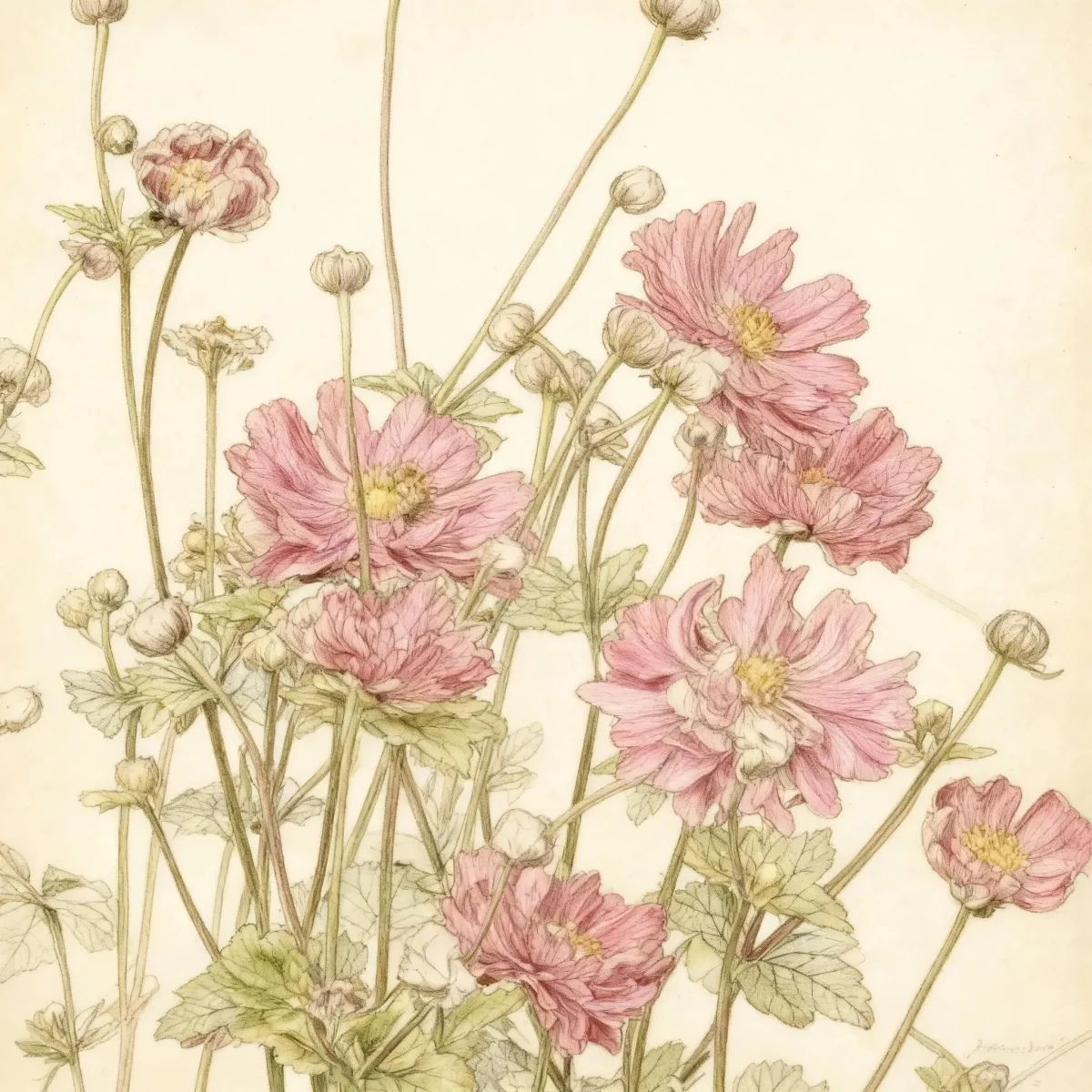
Windflower (Anemone × hybrida 'Honorine Jobert')
The elegant Anemone × hybrida 'Honorine Jobert' Windflower offers stunning white blooms late summer into fall. Low maintenance and deer tolerant.
Scroll down to discover growing tips, care requirements, companion plants, and more
Complete Plant Information
Overview
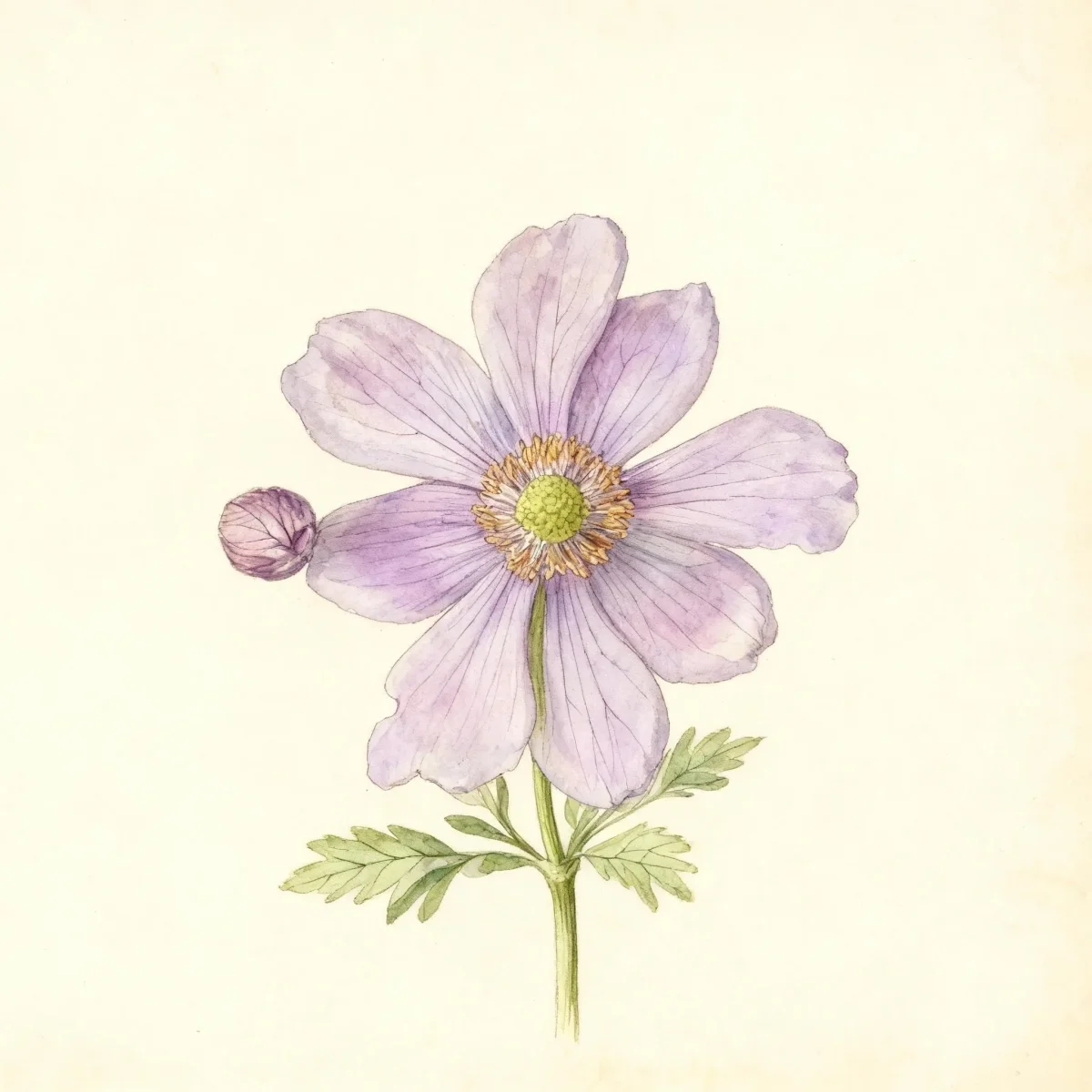
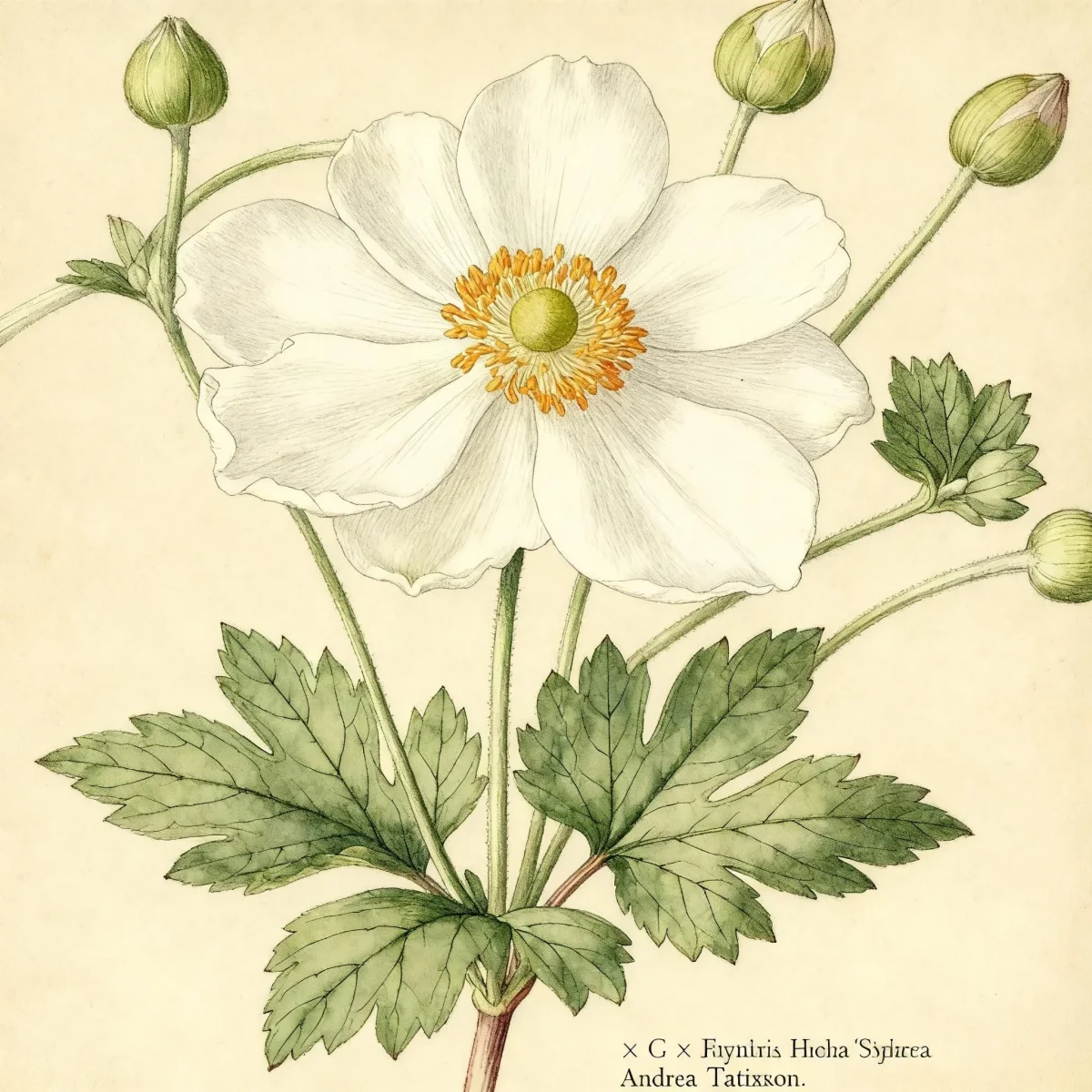
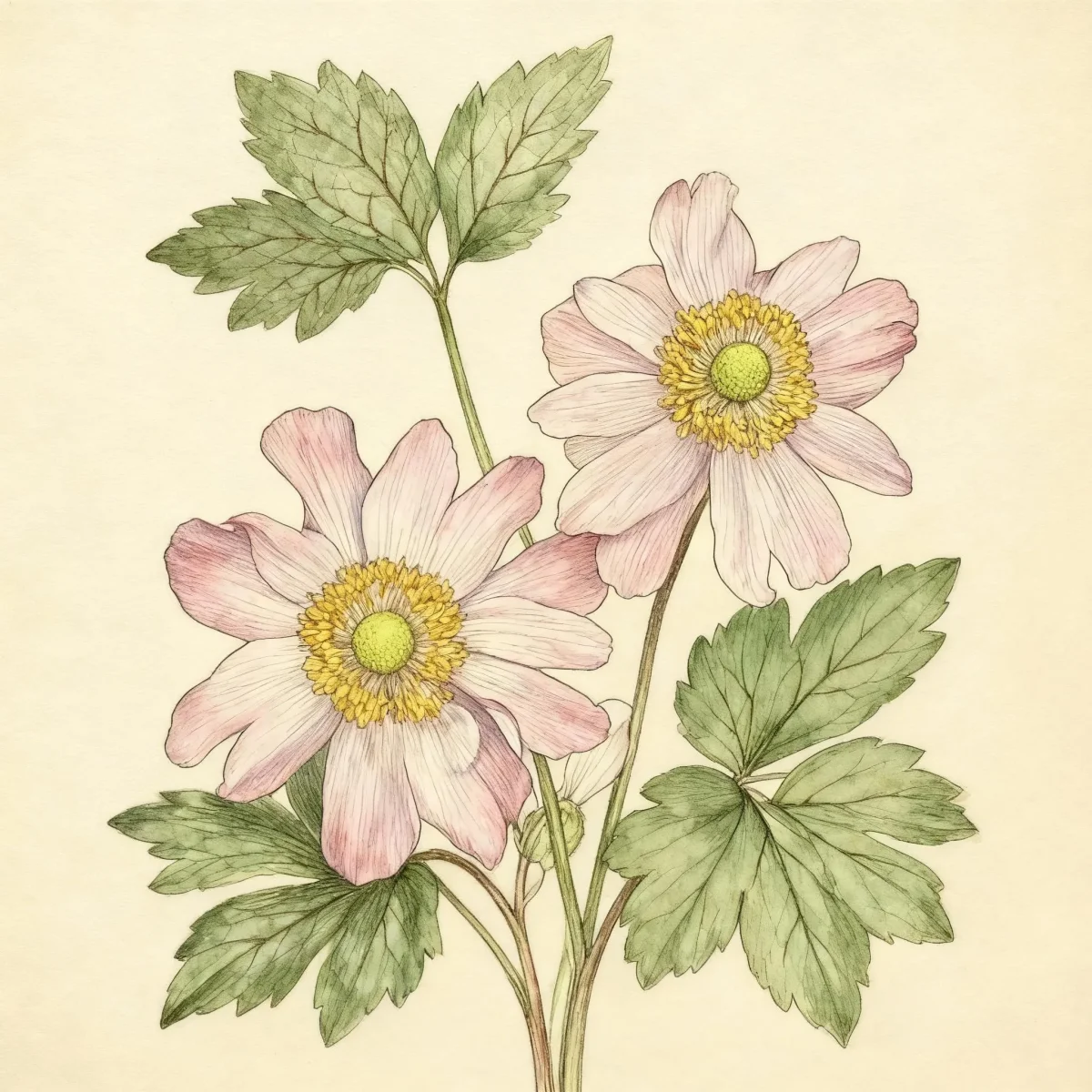
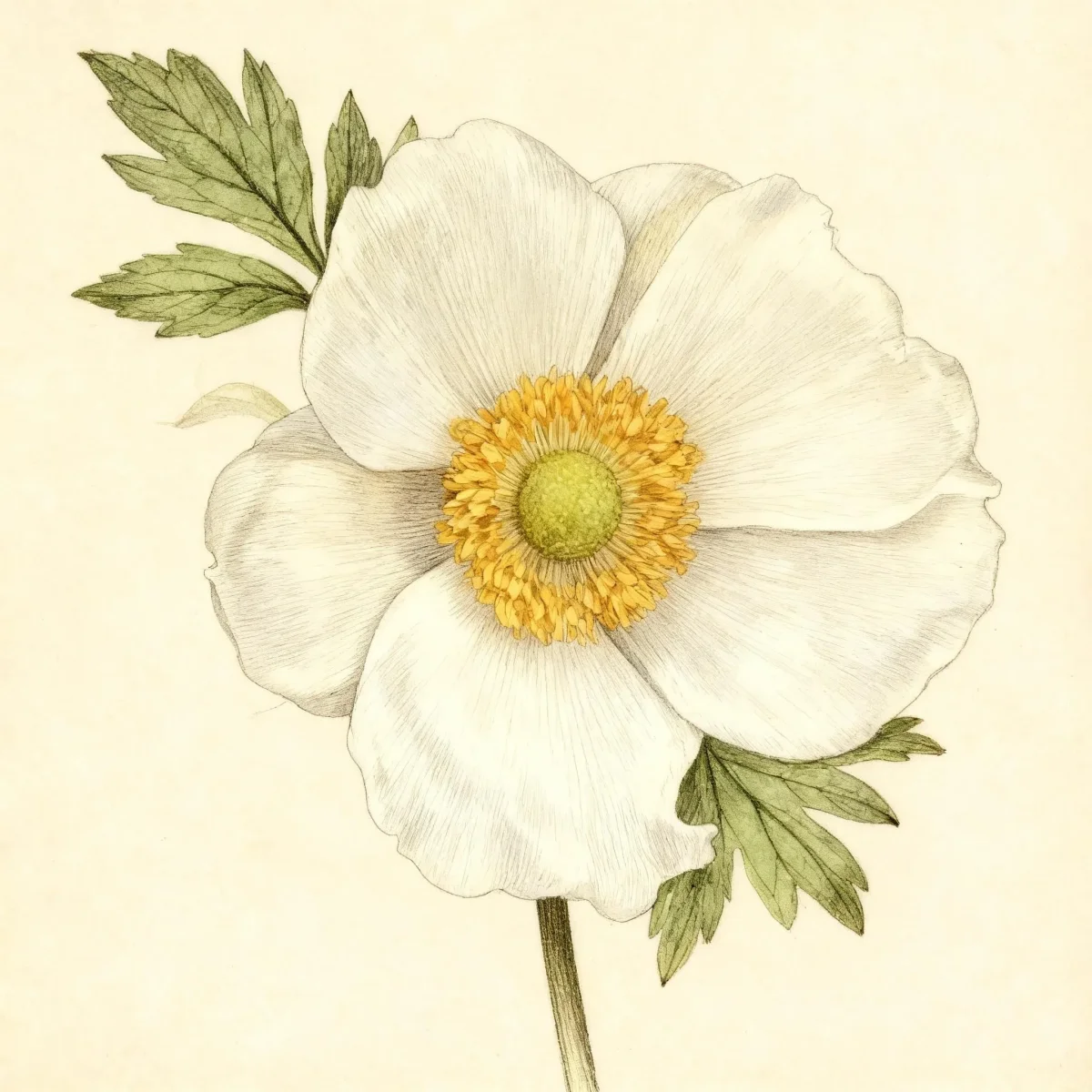
Anemone × hybrida ‘Honorine Jobert’, widely known as Windflower, is highly valued by gardeners for extending the color palette well into the late season, blooming robustly from late August through September. This vigorous hybrid produces masses of single white flowers, each centered with bright yellow stamens, rising gracefully above a mound of dark green foliage. As a low-maintenance herbaceous perennial, the Windflower is a reliable choice for creating structure and late-season interest in established garden settings.
The overall aesthetic of Anemone × hybrida ‘Honorine Jobert’ is one of airy elegance, though it requires consistent moisture to thrive, especially during hot summer spells. Its habit of spreading slowly via creeping rhizomes means it naturally naturalizes over time, filling in spaces beautifully between other shrubs and perennials. For gardeners seeking reliable vertical accents and classic white coloration, prioritizing the right soil and placement ensures this classic Windflower cultivar rewards you year after year.
Fast Facts
- Plant Family: Ranunculaceae
- Plant Type: Herbaceous perennial
- Hardiness Zones: USDA Zones 4-8
- Size at Maturity:
- Height: 3-4 ft
- Spread: 1.5-2 ft
- Bloom Time: August to September
- Bloom Description: White with yellow stamens
- Sun Exposure: Full sun to part shade
- Water Needs: Medium
- Maintenance Level: Low
How to Grow
Plant Anemone × hybrida ‘Honorine Jobert’ during the growing season in locations receiving full sun to part shade. The culture dictates that the soil must be organically rich, humusy, evenly moist, and well-drained. Protection from strong wind is highly recommended, as taller stems can occasionally benefit from support.
Maintain consistent moisture; the soil must not be allowed to dry out, particularly in hot, sunny conditions where foliage is prone to burning. Fertilization is generally unnecessary provided the native soil is rich in organic matter. Deadheading faded flowers is not strictly required as the primary appeal is the overall display, but promptly removing spent blooms can keep the plant tidy.
This Windflower is slow to establish but compensates by naturalizing well through its spreading rhizomes once settled. In colder regions of its range (Zones 4-5), providing a winter mulch is beneficial for root protection. Propagate successfully in spring via division or, perhaps most effectively, through root cuttings taken in winter. Plants south of Zone 7 often struggle due to improper temperature regimes.
Landscape Uses
The long bloom period of Anemone × hybrida ‘Honorine Jobert’ makes it an excellent feature for perennial borders or cottage gardens needing structure late in the season. Since it readily naturalizes, mass plantings are highly effective, creating drifts of airy white against darker green backdrops. This variety performs beautifully when allowed to mingle with shade-tolerant companions.
Consider pairing the upright habit of this Windflower with plants that offer contrasting textures and earlier bloom times, such as lush Hostas or feathery Astilbes. This combination ensures visual interest from spring through fall. Its clean white flowers make it suitable for woodland garden settings, providing light beneath taller deciduous trees.
Standout Features
Flower Qualities
- Showy
- Good Cut
Noteworthy Characteristics
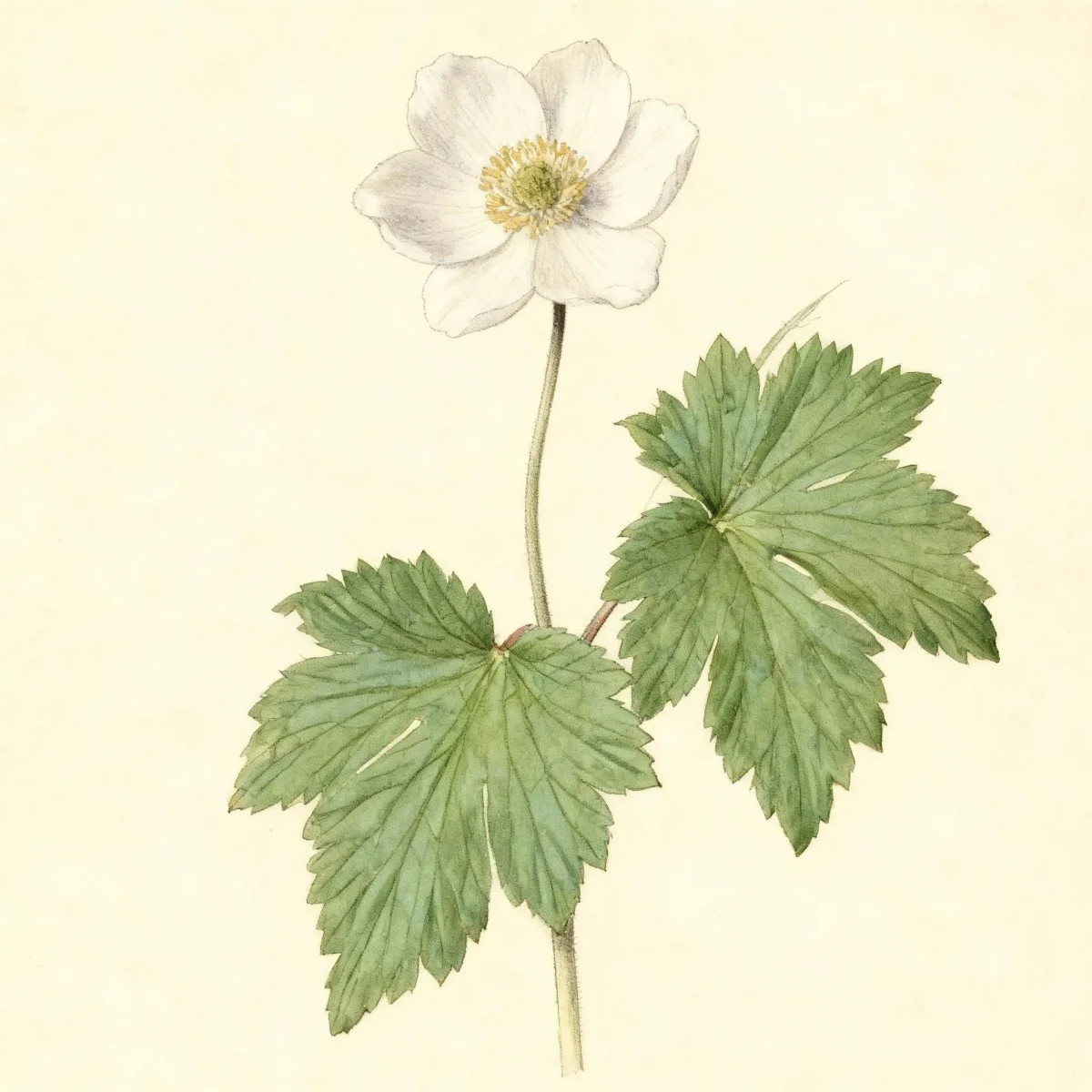
Anemone × hybrida, commonly called windflower or Japanese anemone, is a hybrid group featuring pink or white flowered cultivars blooming late summer into fall. ‘Honorine Jobert’ is specifically noted as a vigorous cultivar reaching 3-4’ tall, exhibiting single white flowers (2-3” diameter) with 6-9 overlapping sepals and bright yellow stamens on wiry stems. This particular Windflower, discovered in 1858, is highly regarded for its extended August to September bloom period above attractive, trifoliate dark green leaves.
Tolerances
- Deer
Potential Problems
Watch closely for common fungal issues like leaf spot, powdery mildew, downy mildew, rust, and leaf/stem smut, especially in humid conditions or where air circulation is poor. Ensure good spacing to mitigate these risks. Pests such as caterpillars, slugs, and nematodes can cause damage.
In certain regions, black blister beetles and Japanese beetles may aggressively defoliate the foliage. If taller specimens of Anemone × hybrida ‘Honorine Jobert’ become too heavy or floppy, consider providing some structural support or staking early in the season. Addressing these problems promptly maintains plant health.
Frequently Asked Questions
What hardiness zones is Windflower suitable for?
The Anemone × hybrida ‘Honorine Jobert’ Windflower is suitable for USDA Zones 4 through 8.
When does Anemone × hybrida ‘Honorine Jobert’ bloom?
This perennial typically provides its signature display from August to September, featuring white flowers with yellow stamens.
How large does Windflower grow?
The mature height ranges from 3 to 4 feet, with a spread between 1.5 and 2 feet.
What sun exposure does Anemone × hybrida ‘Honorine Jobert’ need?
It performs best in full sun to part shade conditions, but should be protected from hot, drying afternoon sun, especially in warmer climates.
Conclusion
The reliability and late-season impact of the Anemone × hybrida ‘Honorine Jobert’ make it an indispensable plant for achieving continuous color in the garden border. This classic Windflower offers low maintenance once established, coupled with its deer resistance and striking white blooms. Before planting, confirm your soil provides excellent drainage and moisture retention, ensuring you check zone compatibility within USDA 4-8.
Companion Planting
Selecting appropriate partners enhances the aesthetic and cultural needs of the Windflower. Because Anemone × hybrida ‘Honorine Jobert’ needs consistent moisture and rich soil, pairing it with other thirsty, humus-loving perennials like Astilbe and Hosta is ideal. These companions often have different bloom times, providing foreground interest before or after the Windflower reaches its peak.
When planning for late summer structure, consider contrasting foliage textures from ferns or robust groundcovers that dislike drying out. Placing these plants together ensures that their watering requirements are similar, simplifying garden maintenance throughout the hot months. These synergistic pairings help maintain the moist, cool root conditions preferred by the Anemone.
Propagation Tips
Successful propagation of this vigorous Windflower hybrid is usually achieved vegetatively, capitalizing on its spreading nature. Division of the clump should be performed in the spring before active new growth begins, ensuring each division has sufficient root structure. However, the most effective method cited involves taking root cuttings during the winter months when the plant is fully dormant.
For root cuttings, carefully excavate sections of the creeping rhizomes, excise pencil-sized segments, and place them horizontally just beneath the soil surface in a cold frame or protected area. New shoots should emerge the following spring, providing new, genetically identical plants for future landscape use or sharing.